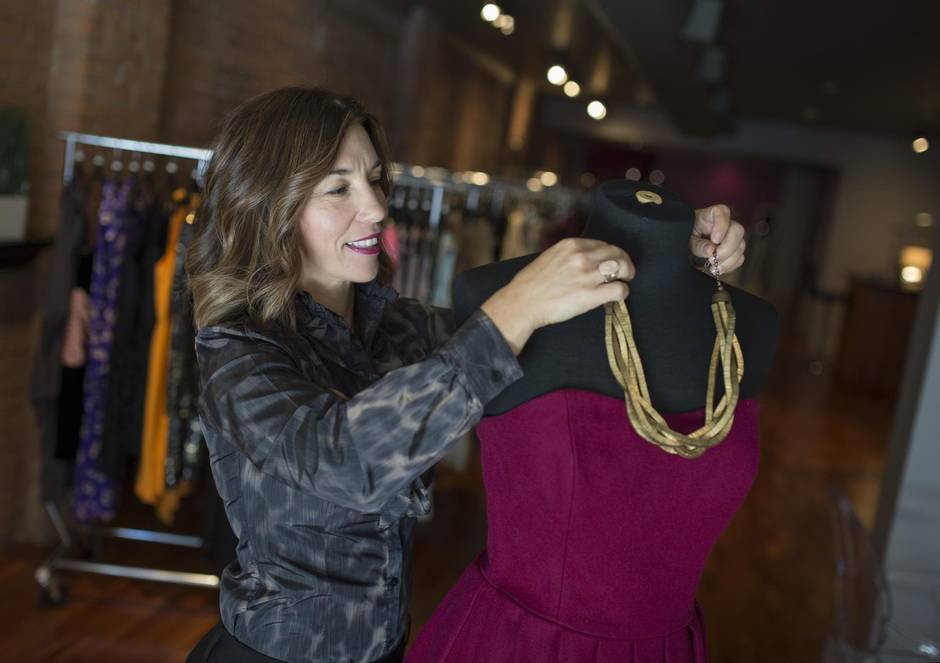
I decided to become an entrepreneur at age 40, during what I wouldn’t call a midlife crisis, but instead a midlife awakening.
I didn’t have a plan to start a business at first. I just quit my job in corporate sales, after a 17-year career, realizing I needed to do something else. I needed a bigger challenge.
I was looking for other opportunities for about three weeks when I decided I didn’t have it in me to start all over with another company. I then started working on a side project, helping someone set up a company, with Kristy Wieber, who is now my business partner. We had worked together in a previous life and had quickly become friends. We always knew we’d make a really great team if we did something together, but we were never really sure what that was. Then, we both received an invitation to a friend’s wedding and were complaining that we had to go out and get a new dress. Given that I had just left my job and wasn’t sure what I was doing next, I just didn’t want to put out the money on a formal dress that I was only going to wear once or twice.
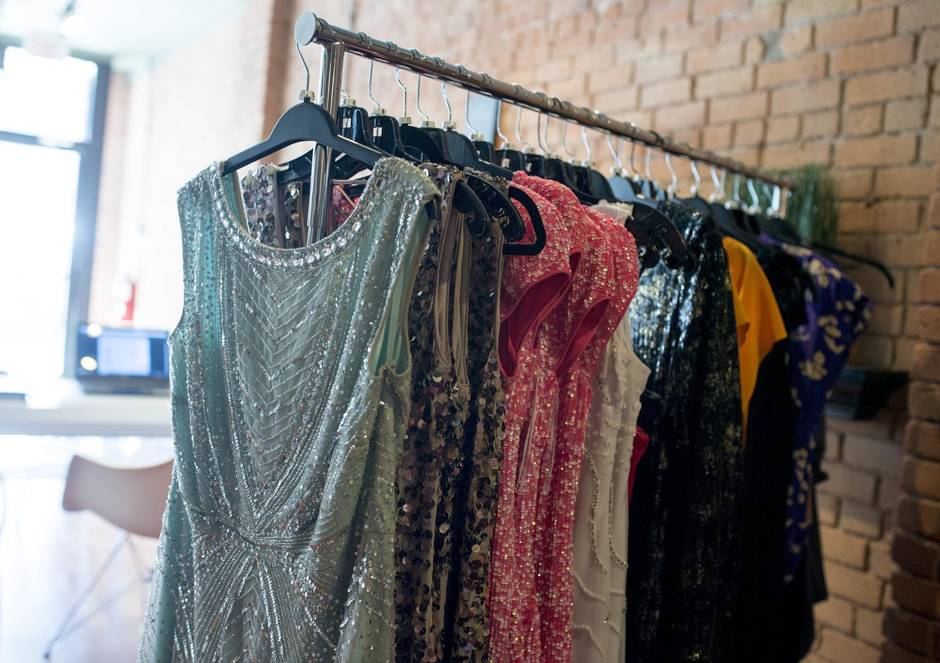
I was flipping through a magazine and saw an article for a rental model in the U.S. and then I saw one in Britain and everything just kind of clicked. It speaks to my sensibilities around money, and I love fashion. That was the beginning of our Rent Frock Repeat business renting out dresses for formal occasions. That was April of 2010.
Thirteen months later we opened the business. We started online with 650 dresses in my basement. We were going to be a complete e-commerce solution but quickly realized we needed to open showrooms so women could try on the dresses. We opened our first showroom in Toronto in October of 2011 and our second showroom in Ottawa in February of 2015. We expanded quickly and it took us a couple of years to land some outside investors. That was last year, and we are starting to see results, including a doubling of our revenue. It gets better every month. It wasn’t an overnight success, but it’s coming along really nicely.
One challenge I encountered over the years was finding the right resources to help support the business. When I started, I had trouble determining how all of the various government organizations and accelerators differ from each other. I kept thinking: There has to be an app for that. I was looking for one place you could go, give your background, information about your company and what resources you’re looking, and have it spit out the places you should go for things like financing, technology, scale or market traction. There wasn’t. It’s like a full-time job just trying to understand what resources are out there for you, what grants you should be applying to. The systems themselves are very archaic. There just has to be an easier way.
For me, a lot of it happened by mistake. It started with Google searches and going down different rabbit holes. There were some government organizations where the people I was talking to didn’t have an entrepreneurial background, so it was a tough conversation to have because their information wasn’t coming from experience, but just a database. Then I started going to meet-ups on different topics such as technology and entrepreneurship, but many of those were for different types of businesses than the one I was starting. I was bouncing from organization to organization, before eventually becoming a MaRS [Innovation centre] client. It was a long journey. It has been five years since I started the business and I still can’t tell you that I’ve come up with the perfect resource.
There are some great organizations trying to help, but many of them are doing the exact same work. I think their efforts could be combined so that when entrepreneurs are seeking help they are able to narrow it to a handful of resources that are really going to make an impact, instead of spending so much time trying to figure out who they should be going to. It would be more efficient on all levels.
One on one with Lisa Delorme
What has been your best business decision to date?
Getting started, even though I didn’t know all of the answers. Our plan was to just get the dresses, open our doors and not feel like we had to know everything before launching.
What has been the worst decision?
Trying to raise outside money early on, instead of focusing more on growing the business. I knew nothing about raising money. Meeting with those people in the early days was a good lesson though. I could look back and say, ‘I shouldn’t have done that.’ However, by the time we got to our lead investor, every question we had answers for and we were prepared for. I feel like, in a way, we had to go through that process in the early days.
Who is your business mentor?
Entrepreneur and author Seth Godin. Obviously he’s not someone I speak to every day, but the way he approaches problems in general is inspiring. He’s a marketing genius. He helped me think about whether I was asking the right questions to solve problems. I also like his ‘lizard brain’ theory. It really helped me to understand that it’s healthy to have fear, because it means you care. However, you can’t let it paralyze you. Sometimes as entrepreneurs we are afraid to look foolish.
If you had to choose a different career, and could do anything, what would it be?
A trapeze artist: It’s their job to stay in shape and take a lot of risks. It’s that whole philosophy around doing one thing every day that scares you. Plus it’s fun.
This interview has been edited and condensed.