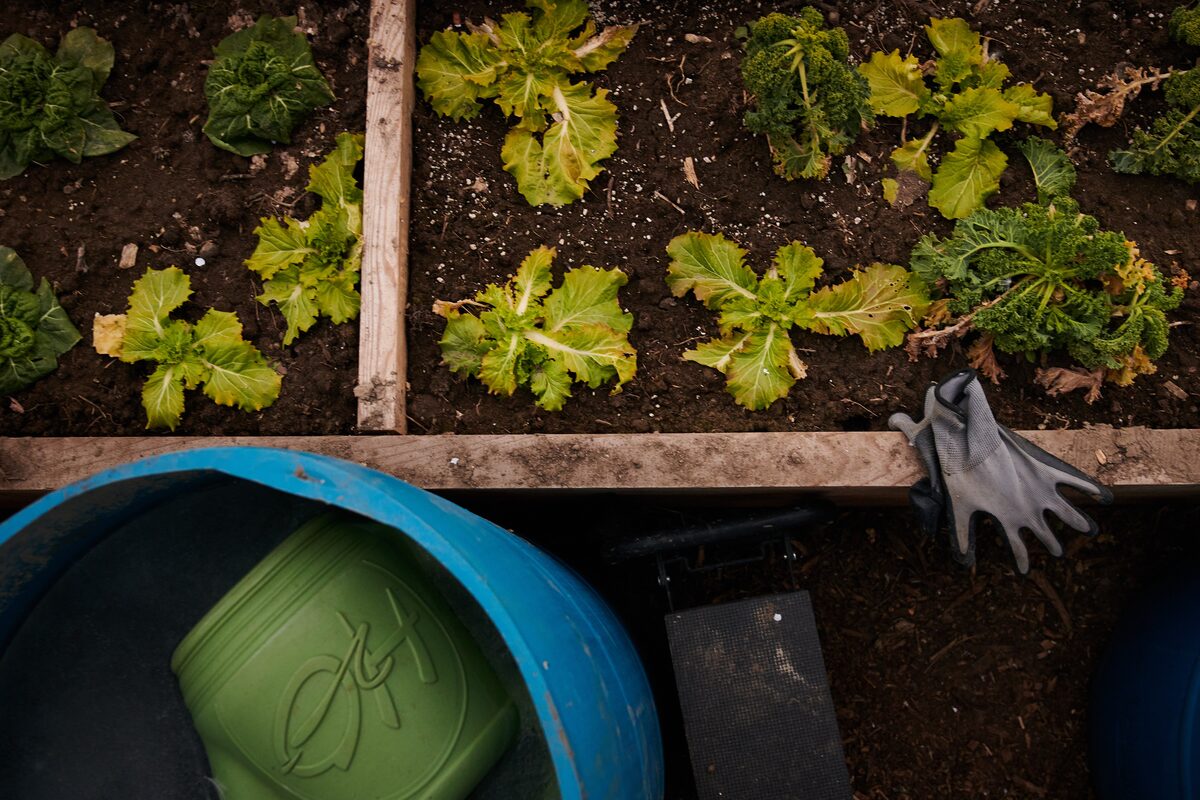
On the edge of Ontario’s Highway 7, Stephen Marshall grows pawpaws, okra and black raspberries. Mr. Marshall leads about 60 volunteers at the Common Ground Garden in Pickering, Ont., which supplies produce to local food banks.
“This is food that’s the same quality that goes to the finest restaurants,” Mr. Marshall said in late January, walking past snowed-in garlic beds. “The soil here is as good as you’ll find anywhere.”
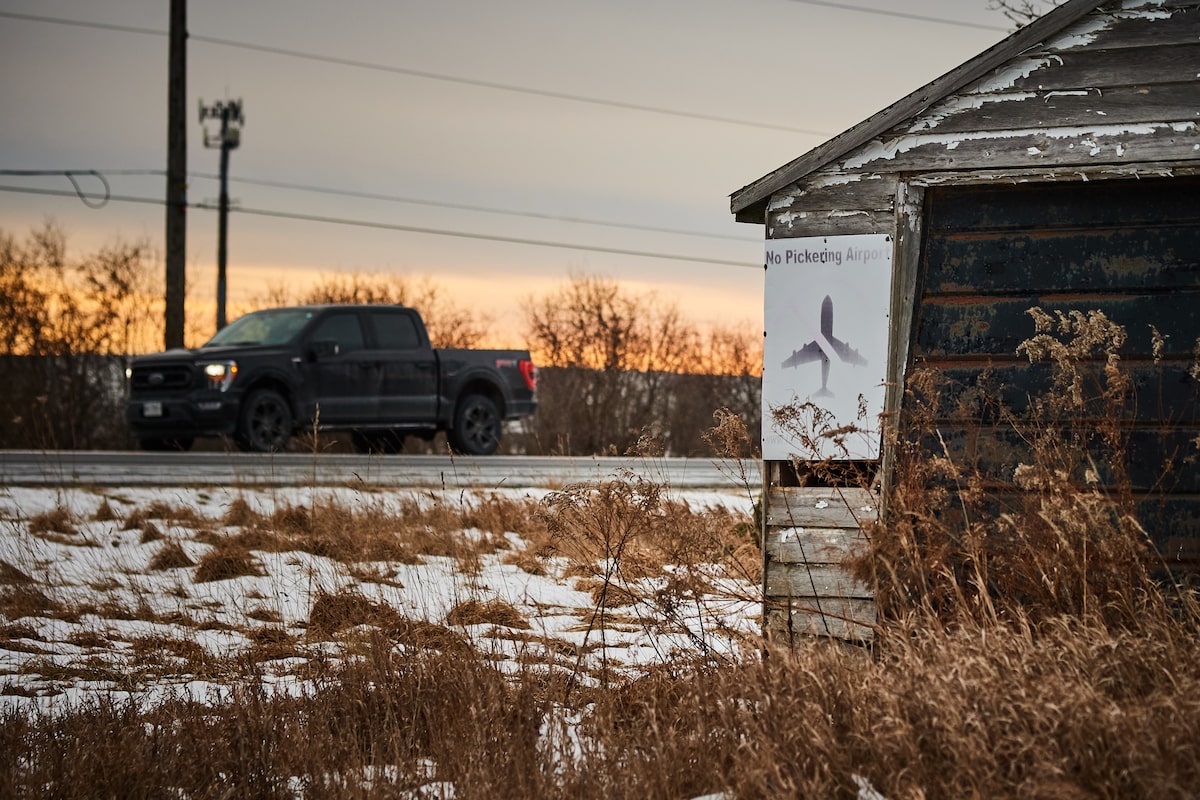
That soil, minutes from the edge of Toronto, has been under threat of development for half a century – until recently. In 1972, the federal government acquired 75 square kilometres of land here for a planned Pickering Airport. In the past decade, about half of the land was transferred to Parks Canada to create and then expand Rouge National Urban Park. Last month, Ottawa announced that almost all of the remaining 35 square kilometres, including the community garden, will also be part of the park.

Transport Minister Anita Anand, announcing the new plan for the Pickering lands on Jan. 27, noted the decades of local advocacy to keep the land from being developed.
This effectively kills the idea of an airport and reinforces the protected Greenbelt zone around Toronto. It also opens up a new future for this vast area of farmland and forest, which has been untouched by decades of sprawl. Parks Canada is exploring a proposal to make this a unique kind of park, combining agriculture, tourism and natural restoration: a rural zone on the edge of the country’s largest and fastest-growing city.
This is precisely the approach that Canada needs for its urban regions. Big cities can and should grow within their own borders; their rural hinterlands can and should remain largely undeveloped, serving as ecological and agricultural resources for the surrounding population.
“There is a synthesis if you combine these three uses – agriculture, nature and community,” says urban designer Ken Greenberg, who was commissioned by two environmental NGOs to prepare a plan for the area. “This could be an alternative model of how to shape our regions.”

For now, the Pickering airport lands are a place that time forgot. Just 10 minutes from the townhouses and strip malls of Markham (population 340,000), the federally owned lands are sparsely populated and uncannily rural.
On a Monday afternoon, I stopped to watch a branch of the Duffins Creek burble through a ravine between cornfields; for a few long minutes, the only traffic was a formation of geese. Today, a few hundred people occupy the land. Many of them have been here since before 1972, living on short leases from Transport Canada.
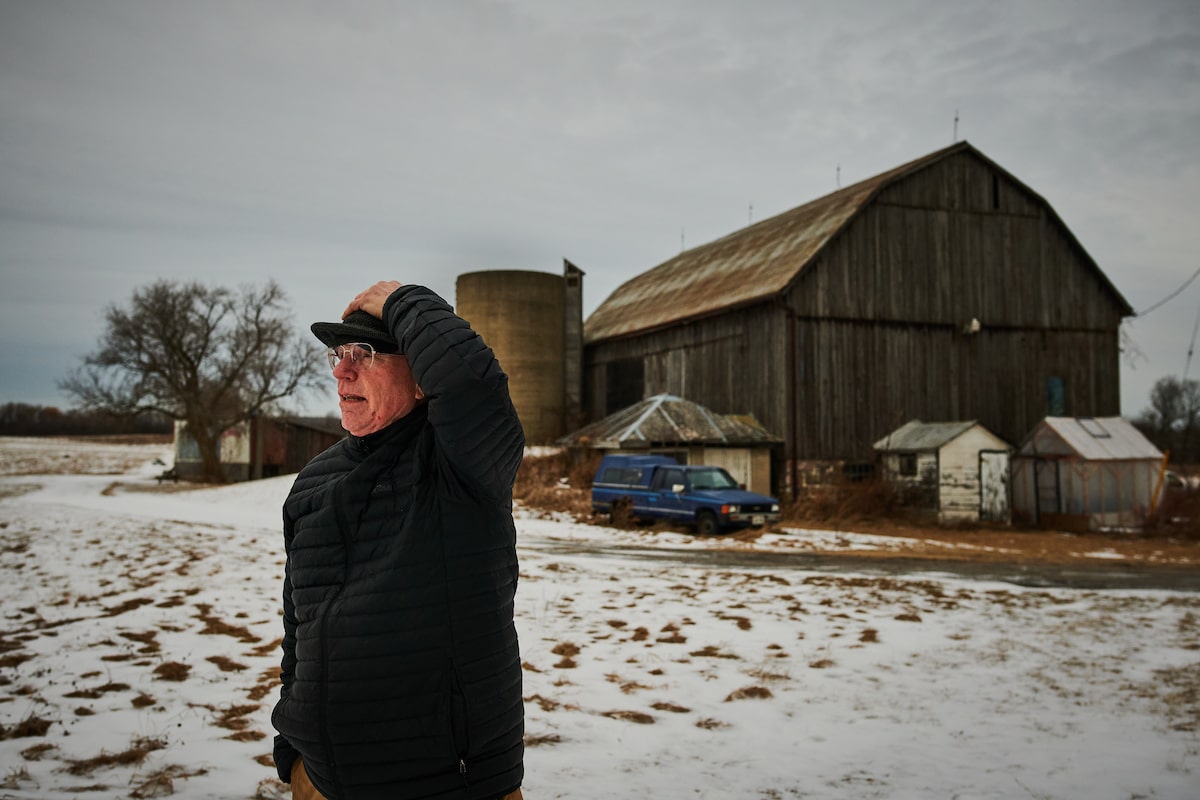
Those include Mr. Marshall’s friend Michael Robertson. Mr. Robertson, 82, and his wife Janet moved into a farmhouse on Concession 7 in 1970 and have been tenants of the government since 1972. Today Mr. Robertson runs High Perspective, a hang-gliding school that shares a former dairy farm with Mr. Marshall’s community garden. Transport Canada demolished the farmhouse on the property, but Mr. Robertson uses a century-old barn to house his gliders, and a hydrostatic winch to launch fliers as high as 6,000 feet into the air.
“I find it ironic that the only flying that’s going to happen here on the airport lands is hang-gliding,” Mr. Robertson said last month. “But it is what’s best for the environment.”

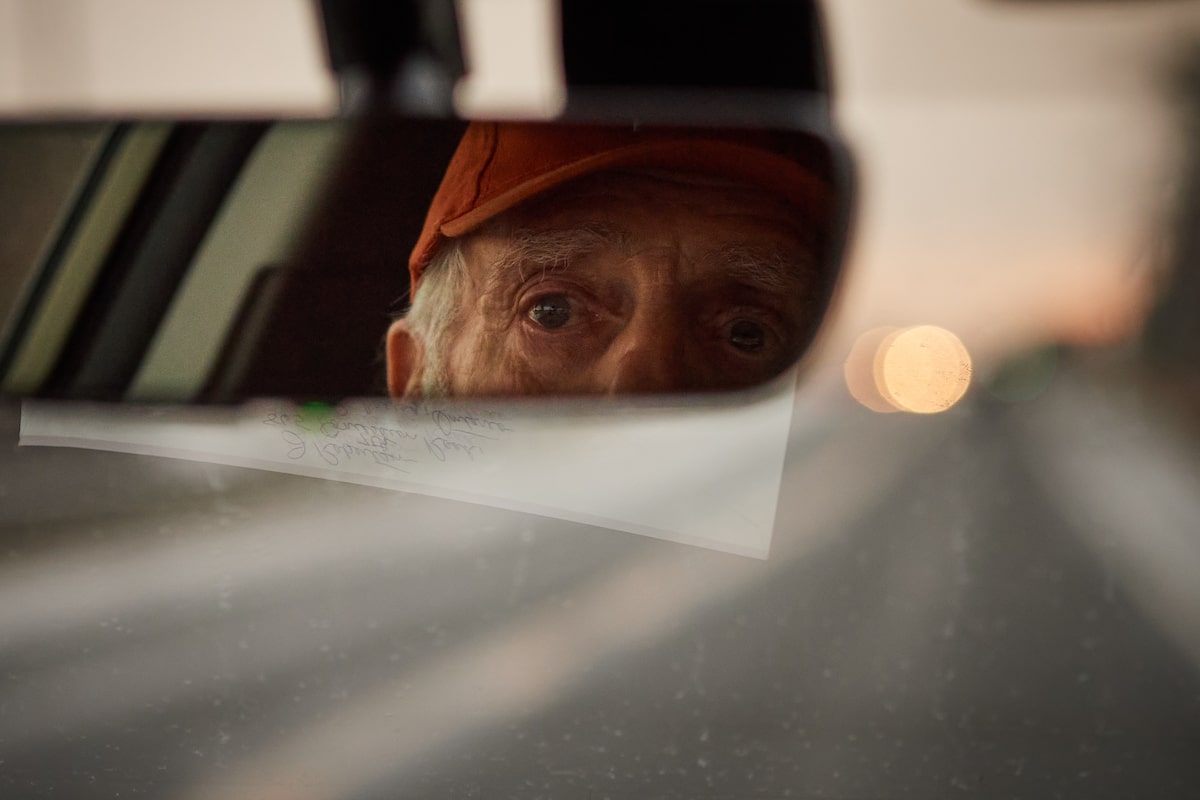
'This is farmland that is so close to being the breadbasket of the city,' Mr. Robertson says of the lands where he and his wife have lived for decades.
Ms. Robertson, a retired high-school teacher, says she took over a farmhouse in 1970 from “a group of draft dodgers.” A small apple orchard and large garden has helped feed their family, while neighbour Ron Tapscott – whose family has farmed here since the 1950s – works nearby acreage.
Mr. Tapscott is now the only resident farmer on the lands; most of the land is cultivated for cash crops such as soy and corn by outside operators, who occupy the land on 10-year leases. But if managed with a long-term plan, this high-grade farmland could produce a much more diverse and high-value set of crops. “This is farmland that is so close to being the breadbasket of the city,” Ms. Robertson said. “They were going to pave it over for an airport nobody needs. It’s pretty much the stupidest decision imaginable.”
The Robertsons and others have been having this argument for more than half a century. They co-founded the advocacy group People or Planes; a successor group, Land Over Landings, attended last month’s government announcement. Local Liberal MP Jennifer O’Connell cited their “tireless advocacy” as what brought her into politics two decades ago. “I was motivated by the fight to protect our ecologically sensitive land and farmland from an airport and realize the vision of a thriving agricultural community,” she said.

With last month’s announcement, Transport Minister Anita Anand has grounded the airport plan seemingly for good – and rightly so. The plans of the 1970s followed the same approach that produced Montreal’s Mirabel Airport in Montreal, a notorious white elephant. While the Toronto region continues to grow, a government study found a new airport will not be needed before 2036 at least and that Pearson Airport has substantial growth capacity.
Ms. Anand pledged ongoing support for both of Toronto’s airports. That is too bad, because only one matters. Pearson Airport does essentially all the work, with 44.8 million passengers moved in 2023 and the vast bulk of freight; Billy Bishop on Toronto Island moved only 2 million, and it has very limited capacity to expand. Meanwhile, the island airport’s 85 hectares could be used to far better advantage, perhaps for some housing or just for a spectacular expansion of Toronto Island Park, as the landscape architects PUBLIC WORK have imagined. That demands a study from Waterfront Toronto, the tri-governmental agency, to determine how it – like the Pickering lands – could be rethought for better use.

A landscaping agency, asked by The Globe to reimagine Toronto's island island airport, came back with a design that linked up the site with Toronto Island Park.Courtesy of Public Work
A strong vision is already on the table, thanks to quiet work over the past few years from two environmental non-profits: the Waterfront Regeneration Trust and Friends of the Rouge National Urban Park. These groups commissioned a vision led by Danish landscape architects SLA and Toronto’s Mr. Greenberg. It relies on what Mr. Greenberg calls a “three-legged stool” of nature, agriculture and development.
It would leave intact the ecologically sensitive watercourses and forested areas that cross this area, linking to the existing Rouge Park; allot farmland for intensive, mixed farming to sell in the Greater Toronto Area; and create a small number of “hamlets,” including an expansion of the historic village of Brougham. These would house people including agricultural workers and could provide agricultural tourism from Toronto.
Mr. Greenberg said there are models for such urban-rural juxtapositions in several European cities, including Copenhagen and in towns in Tuscany. In Toronto, he suggests, a commuter train could run on an existing rail line. “People can take the train from Toronto in 50 minutes and spend a day there,” he said. “Experience the farms, visit a local market, perhaps stay in an inn on the site.”
While the land is under federal ownership, he pointed out, there is possibility for Parks Canada to create such a carefully managed experience – allowing the many Canadians who live in the region to “engage with nature in a meaningful way, while also addressing food security.”
Robyn Hufnagel, a spokesperson for Parks Canada, declined to comment on details of the proposal until consultation and further study is complete. However, Mr. Greenberg said informal conversations have been positive.
This all sounds like something out of 1970s Canadian environmentalism, and so it’s important to make a distinction. Spurious green arguments are often used to oppose new development within cities. Those calls to protect a few trees or prevent harmful shadows should be ignored; we know that intensifying cities is a powerful climate-mitigation strategy. And our existing cities are nowhere near full. The firm Smart Density determined in 2024 that in Toronto alone, it is theoretically possible to house 12 million more people.
There is no reason to allow the Toronto region or its peers to sprawl endlessly into their rural hinterlands. In places such as the Pickering lands, it is entirely appropriate to erect a green wall, preserving the natural assets and practices that complement the big city and helpfully hem it in.
City to country: More from The Globe and Mail
City Space podcast
If humans can get better at accommodating urban wildlife like bats, birds or coyotes, what benefits will it bring to our communities? City Space asked environmental studies professor Peter Alagona and ecologist Erica Spotswood for their insights. Subscribe for more episodes.
Alex Bozikovic on architecture
Reconciliation, endless views and a ha-ha: Ottawa’s fine new park
Toronto has a new chief planner. Will he bring a new vision?
Montreal’s Wellington Basin project should inspire new urban developments across Canada