We or our contributors independently review everything we recommend. When you buy through our links, we may earn a commission. About The Globe’s shoppable articles
- 🏔️️ The Adventurer
- 🎨 The Art Aficionado
- 📚 The Bibliophile
- 📺️ The Culture Vulture
- 🥄 The Epicure
- 💻 The extremely online
- 🎵 The Good Listener
- 📜 The History Buff
- 🎓 The Know-it-all
- 🧘 The Mindful Maven
- 💰 The Mogul
- 🌱 The Nature lover
- 🗳️ The Politico
- 👜 The Style Guru
- 💭 The unclassifiable
I'm shopping for ...
Holiday shopping guide 2024: Stylish and practical items for everyone in your life
The Globe 100: The best books of 2024
The adventurer
When you purchase an independently reviewed book on our site, we may earn an affiliate commission.
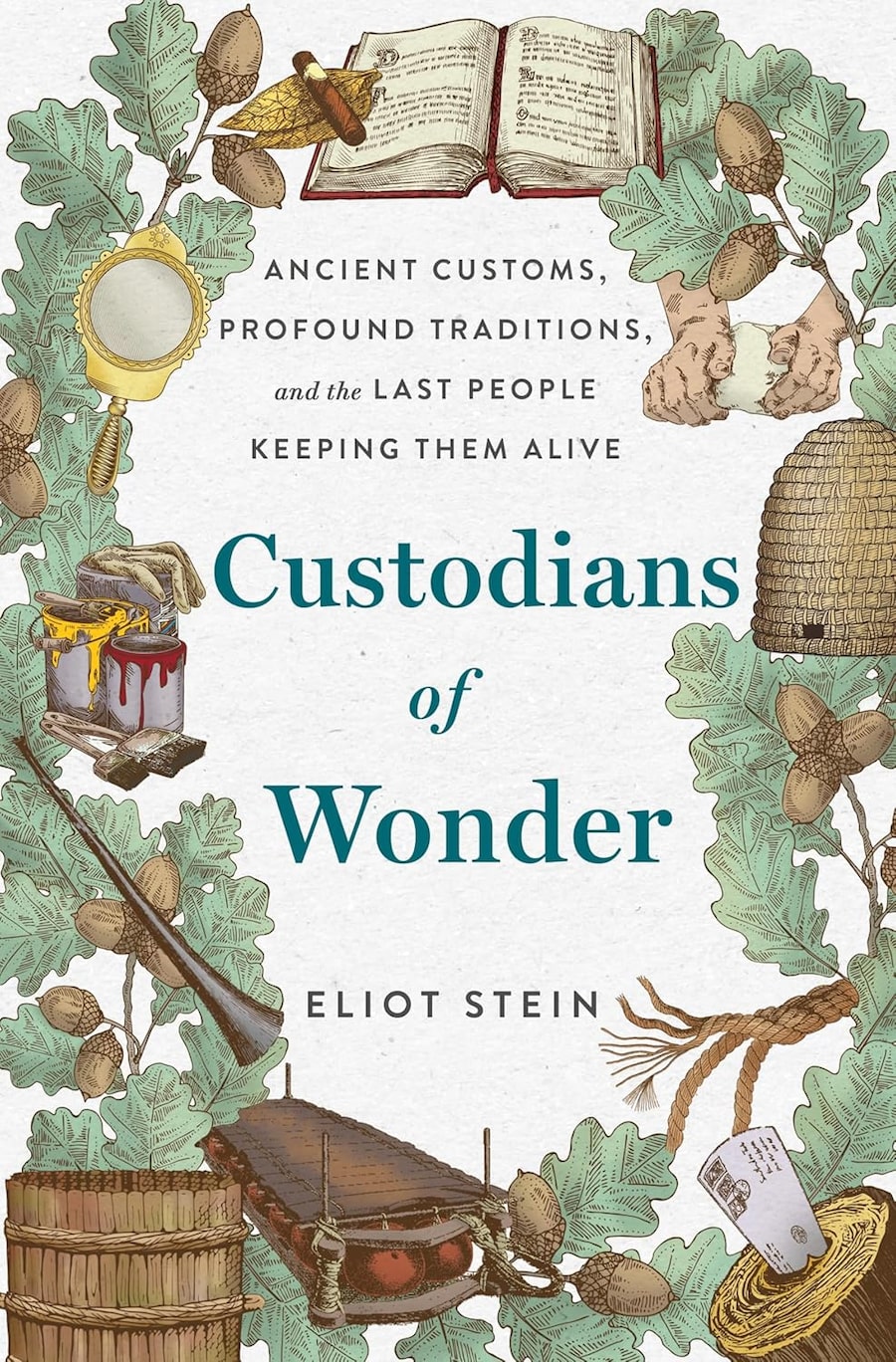


Custodians of Wonder, Eliot Stein (St. Martin’s Press) Meet 10 people – a fifth-generation soy sauce brewer in Japan for example – that are protecting traditions and ancient customs around the world.
Life on Svalbard, Cecilia Blomdahl (DK) Nearly three million TikTokers follow the Swedish expat who lives on the remote island near the North Pole for her striking photographs that capture her daily routine in an inhospitable climate.
North American Odyssey, Amy and Dave Freeman (Milkweed Editions) The intrepid couple recount their rugged three-year, 12,000-mile expedition across the continent by kayak, canoe and foot (and in remote northern regions, dogsled), through wildfires, a hurricane and massive blue-green algae bloom, and the lessons they learned along the way.
Back Where I Came From, edited by Taslim Jaffer and Omar Mouallem (Bookhug Press) In these literary travel essays, 26 writers (including Egyptian-Canadian Giller Prize winner Omar El Akkad and Iranian-Canadian poet Mahta Riazi) journey back to their homelands. The result is a series of compelling personal narratives that reflect on complicated ideas of heritage and home.
Category Five, Porter Fox (Little, Brown) Scientific reportage and travelogue mingle with memoir in this book that expands on the reporting in Fox’s viral 2023 New York Times piece, “Hurricanes of Data”. Gripping accounts of navigating devastating storms augment intel from those who study them to detail how climate change fuels hurricanes and superstorms.
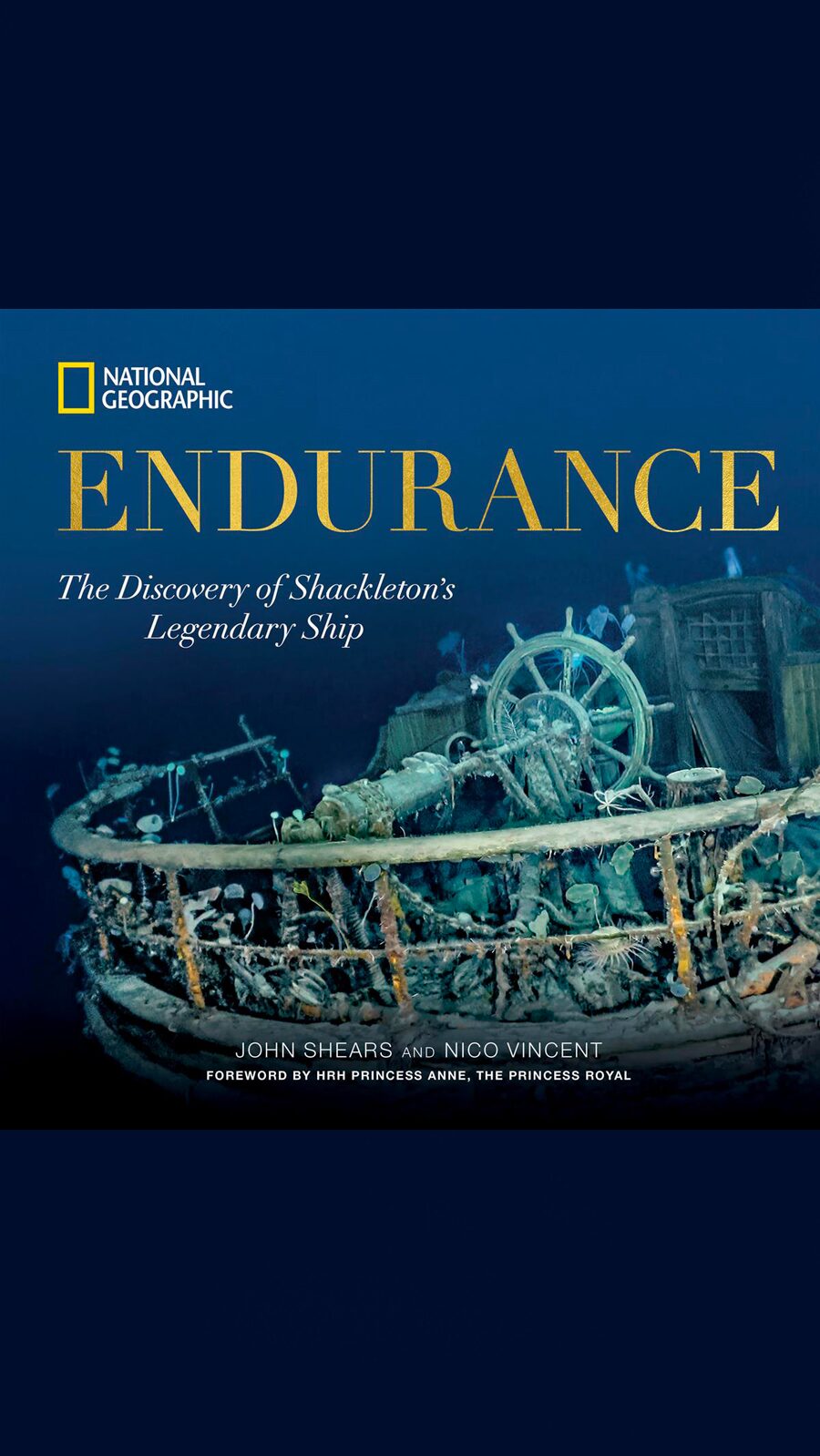
Endurance, John Shears and Nico Vincent (National Geographic) The 2022 discovery of Antarctic explorer Ernest Shackleton’s legendary lost ship on the floor of the Weddell Sea is the subject of a new documentary about the daring search for the wreck. The photos in this book by the geographer and engineer who led the historic expedition make for a stunning companion to the doc.
The Globe 100: The best books of 2024
The art aficianado
When you purchase an independently reviewed book on our site, we may earn an affiliate commission.


At Home, Wayne Koestenbaum, et al. (David Zwirner Books) This collection of lesser-seen pieces – renderings of Frank O’Hara, Allen Ginsberg and others – explores aspects of queer representation by Alice Neel, the American artist who is known for her bold and candid portraits.
Paris in Ruins, Sebastian Smee (W.W. Norton) The Washington Post’s Pulitzer Prize-winning art critic recounts the development of Impressionism by examining artist Berthe Morisot’s relationship with Édouard Manet as well as her social circle, which included Edgar Degas and Camille Corot, while the Franco-Prussian war raged in the background.
God Made My Face, edited by Hilton Als (Dancing Foxes Press) Several anthologies have appeared in this centenary year of James Baldwin, who died in 1987 at the age of 63. This rich mosaic presents a “collective portrait” with contributions from Teju Cole, Jamaica Kincaid, Marianne Jean-Baptiste and Barry Jenkins set against artwork by Eugène Atget, Kara Walker, Diane Arbus and others.
Canadian Photographs, Geoffrey James (Figure1) Overlooked and often forgotten spaces (and people) are the subject of the renowned Canadian documentary photographer, whose lens seeks out small towns and ordinary moments of everyday life.
Sophie Calle: Overshare, edited by Henriette Huldisch, et al. (Walker Art Center) “It’s not real but it happened” is the mantra of the conceptual French artist whose style has been described as intimate and even voyeuristic. Like the Walker Art Centre exhibition it accompanies, this monograph surveys Calle’s five-decade practice and recurring themes of disappearance, visibility and manifestations of the self.
Color Charts, Anne Varichon, trans. from the French by Kate Deimling (Princeton University Press) Varichon, a cultural materials anthropologist, unearths troves of 1960s linoleum and 19th-century silk ribbon samplers to plumb the history of tints and hues in this vivid tome, which captures the ways artists and makers have organized, presented and catalogued colour.
The bibliophile
When you purchase an independently reviewed book on our site, we may earn an affiliate commission.
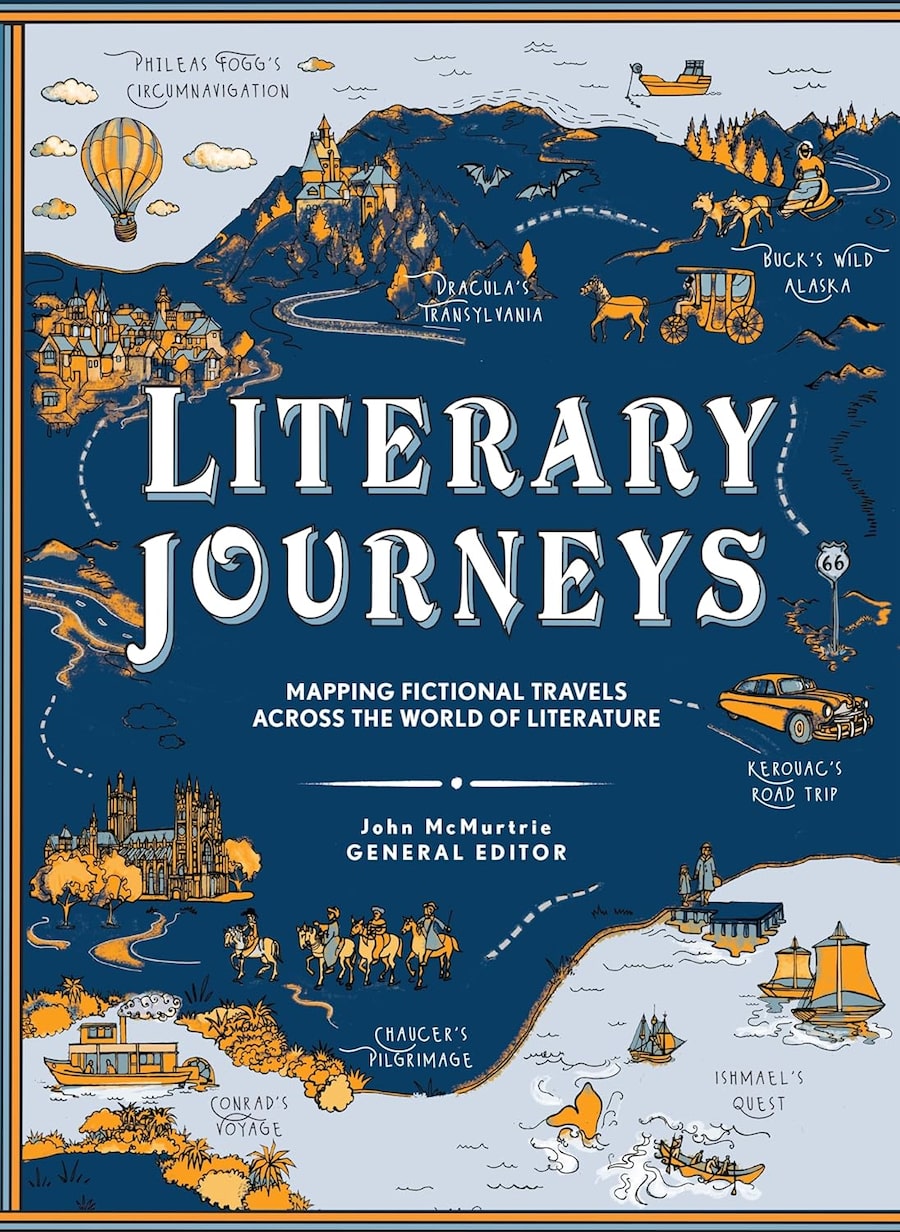



Literary Journeys, edited by John McMurtrie (Princeton University Press) VVisual ephemera (postcards, maps, even film stills) enhance this collection of more than 50 contributors who retrace fictional journeys: classics such as The Odyssey and Don Quixote are on equal footing with True Grit, the 1968 Charles Portis western, and Amor Towles’s more recent Nebraska to New York road trip, The Lincoln Highway.
Salvage, Dionne Brand (Knopf Canada)In this powerful work of literary criticism and autobiography, the renowned Canadian poet and novelist reads 17th- to 19th-century English and American literature (Mansfield Park, Pudd’nhead Wilson, Robinson Crusoe) for its imperialist, racist and colonial tropes, revealing the shadows haunting those narratives.
The Editor, Sara B. Franklin (Atria Books) Judith Jones was both a culture-defining literary editor (of John Updike, Elizabeth Bowen, Anne Tyler) and a culinary revolutionary, championing not only Julia Child but Edna Lewis and Madhur Jaffrey cookbooks. This homage to the publishing legend (who, in 1949, rescued The Diary of a Young Girl from the rejects pile) shows how she shaped taste.
The Bookshop, Evan Friss (Viking) Friss goes beyond the nostalgia for old-fashioned retail to chart the eccentric history of American bookselling and its influential cultural role, in part through portraits of beloved institutions (such as the Strand and Parnassus Books) across the United States.
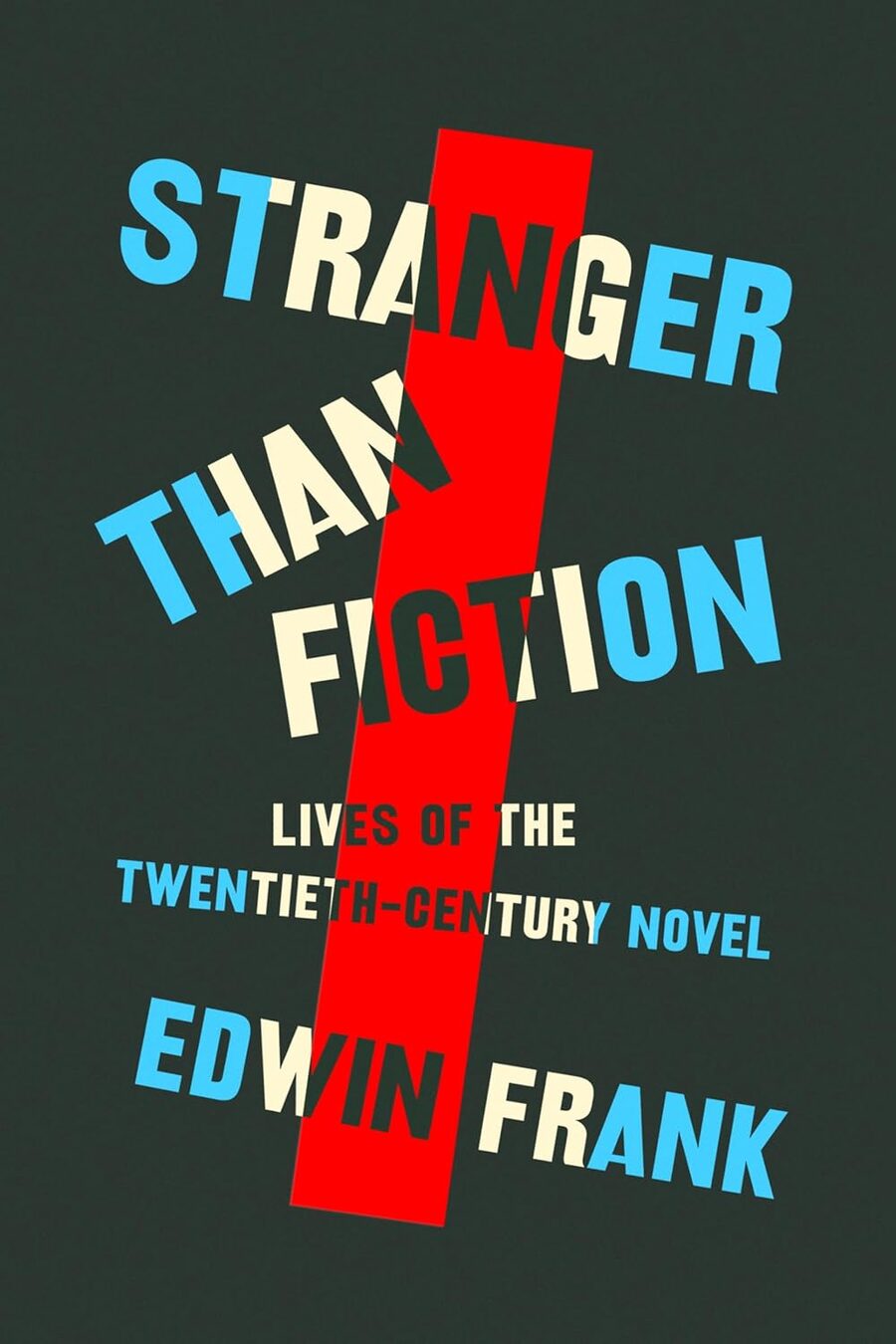
Stranger Than Fiction, Edwin Frank (Farrar, Straus and Giroux) Idiosyncratic choices are the hallmark of the New York Review Books’ editorial director’s romp through 20th-century literary fiction. For example, he argues that Fyodor Dostoyevsky’s 1864 Notes from the Underground formed the basis for the modern novels (Kafka, Woolf) that would follow.
The Art of the Literary Poster, Allison Rudnick (Yale University Press/Metropolitan Museum of Art) Although not quite the scale (or reach) of BookTok, this short yet influential 19th-century period when printing technology spurred a craze for literary posters will thrill commercial art nerds and avid readers alike.
The culture vulture
When you purchase an independently reviewed book on our site, we may earn an affiliate commission.
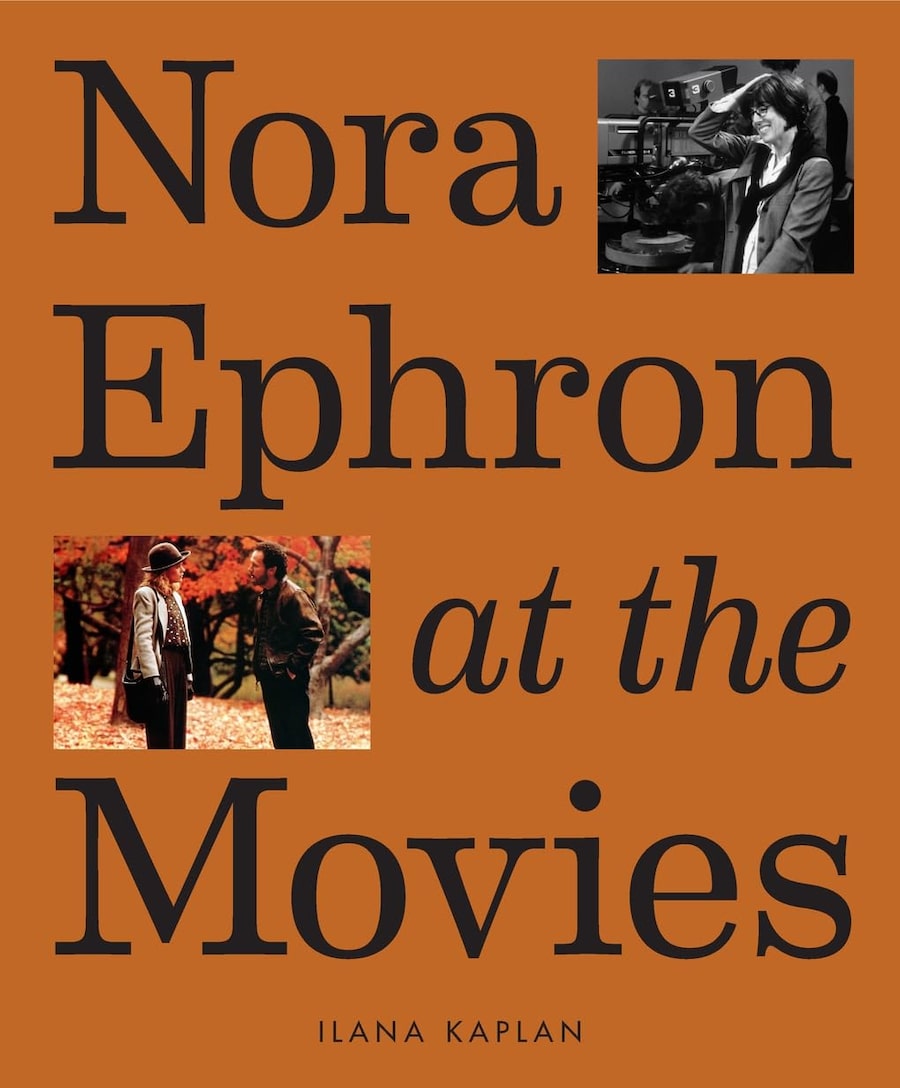




Nora Ephron at the Movies, Ilana Kaplan (Abrams) This coffee-table tribute commemorates the late writer and filmmaker’s impact through her juggernaut rom-coms as well as her under-the-radar gems (such as Cookie and This is My Life).
Giant Robot, edited by Eric Nakamura (Drawn & Quarterly) Launched in 1994 in Los Angeles, the bimonthly magazine that focused on Asian and Asian-American pop culture influenced generations of creatives and readers, as contributions from Margaret Cho, Randall Park and Jia Tolentino attest in this meticulously designed collection.
Planet Drag, Courtney Conquers (Quarto) Casual fans of the art form and devotees of Drag Race will together find inspiration in this global perspective on the history of drag in 15 countries. The phenomenon is now firmly in mainstream pop culture and as Canada’s Drag Race host Brooke Lynn Hytes reminds readers in the foreword, visibility and allyship are essential to protecting artists.
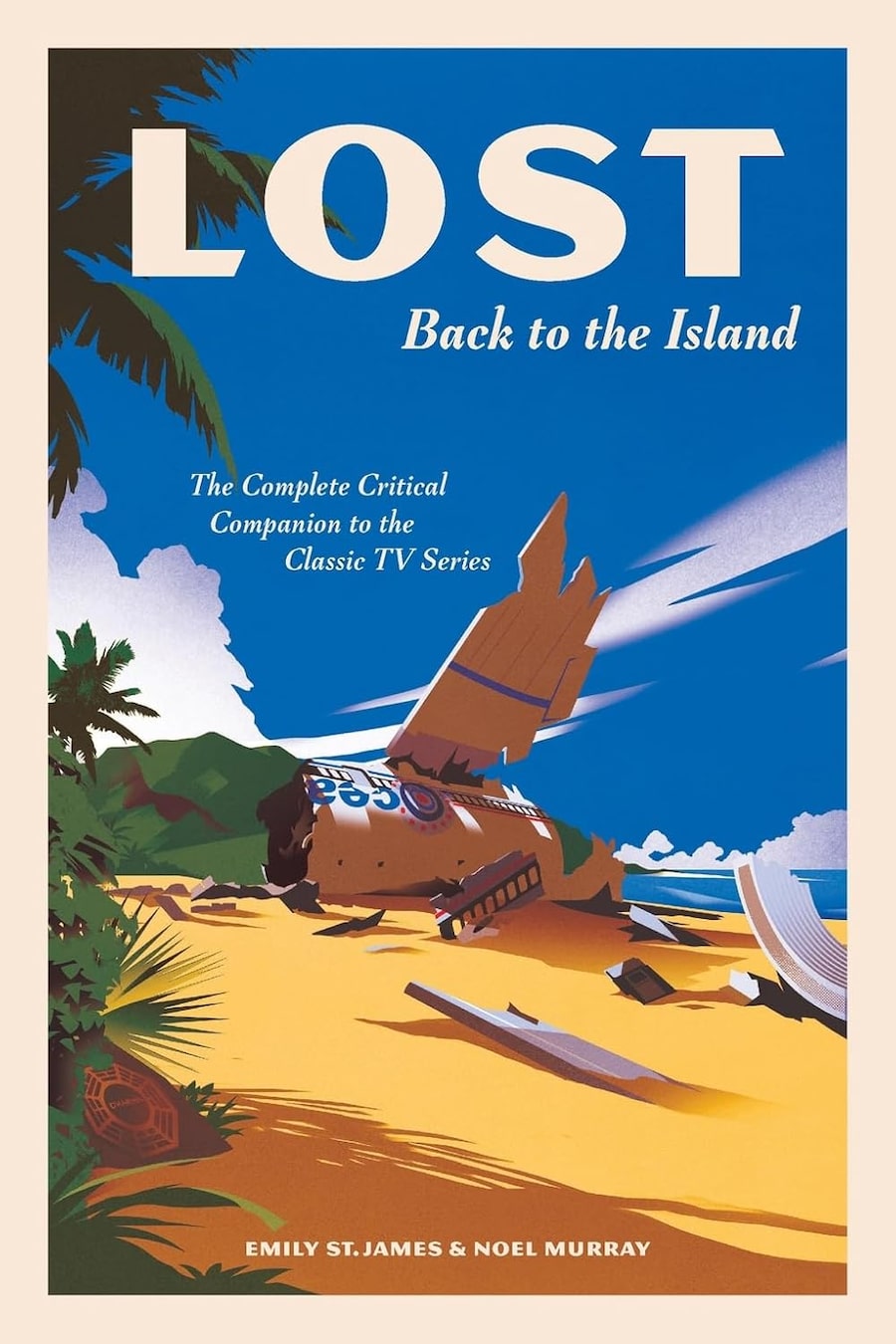
Lost, Emily St. James and Noel Murray (Abrams) The A.V. Club writers who originally recapped and analyzed J.J. Abrams’s addictive 2004 network drama series (about desert island survivors of a plane crash) re-examine what made it a critical success and an enduring cultural obsession that changed the cable and streaming landscape.
Box Office Poison, Tim Robey (Hanover Square Press) The film writer selects twenty-six turkeys, flops, and disastrous sequels (Dune, Gigli and Babe: Pig in the City, but also Tod Browning’s Freaks and the Coen Brothers’ The Hudsucker Proxy and) for what the projects tell us bout a century of Hollywood history.
Toxic, Sarah Ditum (Abrams) This analysis of 21st-century tabloid and gossip culture shows how nine female celebrities such as Britney Spears, Kim Kardashian, Jennifer Aniston and Super Bowl halftime show-era Janet Jackson handled fame and the price it took on them.
The epicure
When you purchase an independently reviewed book on our site, we may earn an affiliate commission.
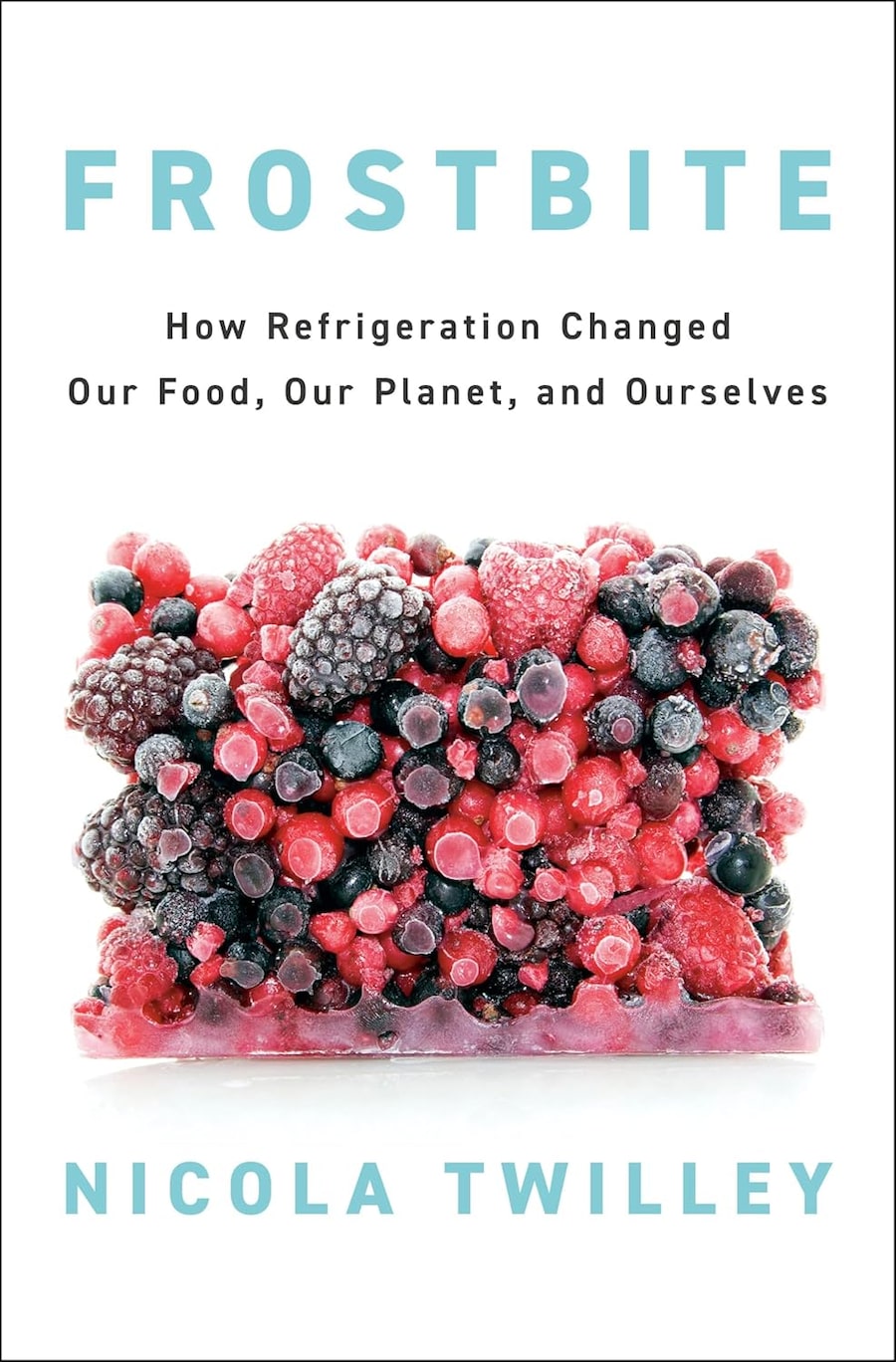



Frostbite, Nicola Twilley (Penguin Press) This deeply researched look at the system known as the global “cold chain” is engrossing (yes, really!) as it delves into the principles and technological innovations behind modern refrigeration.
Poutine, Justin Giovannetti Lamothe (Douglas & McIntyre) On a quest to uncover the definitive origins of Quebec’s beloved national dish, Giovannetti weaves together a memoir of family and bilingual cultural heritage.
Hearty, Andrea Bennett (ECW Press) Witty, appetite-whetting essays by the award-winning B.C. writer and editor variously critique and extoll the pleasures of growing and preparing one’s own food, TV food shows and frustrating attempts to perfect vegan macarons (here: maca-wrongs).
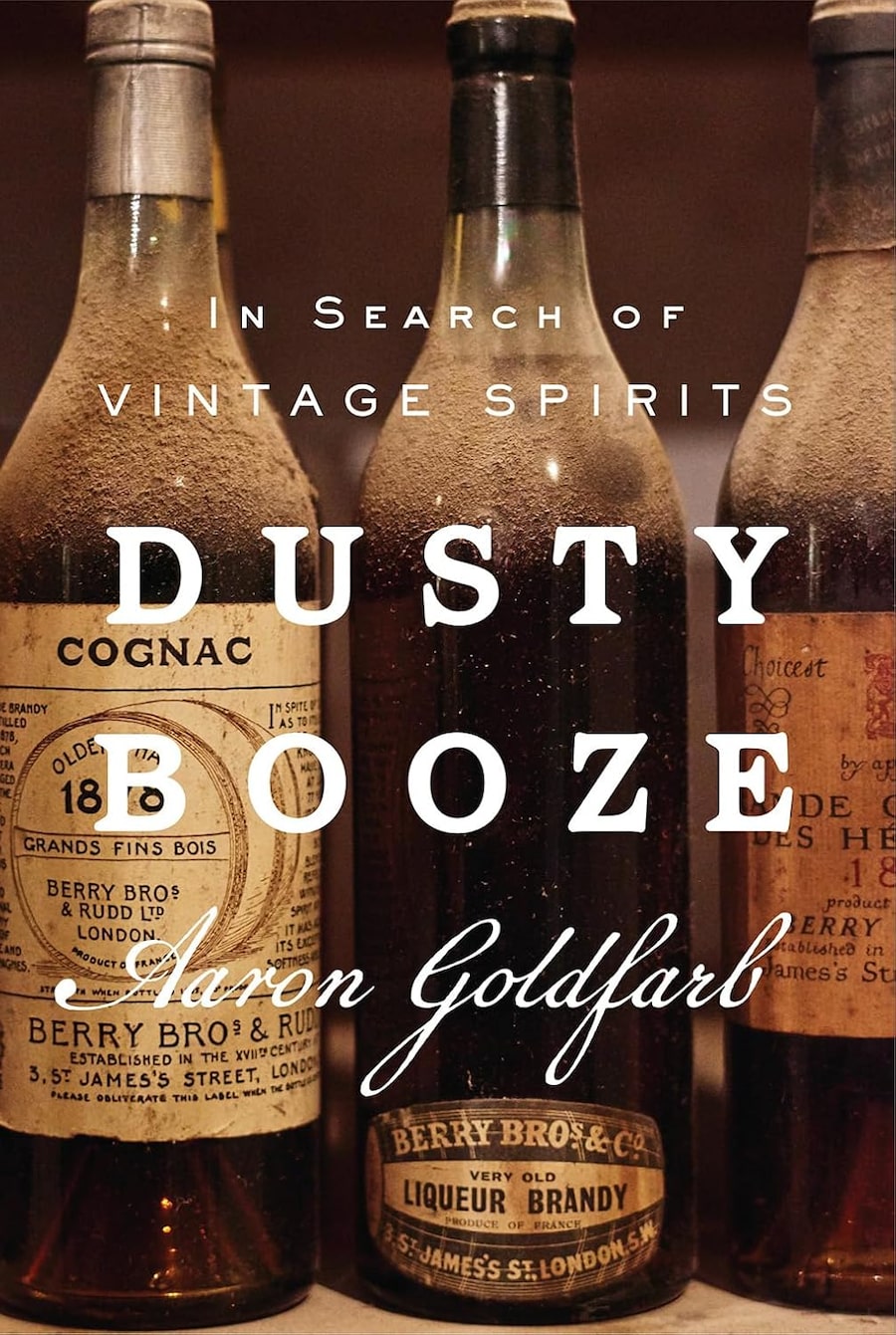
Dusty Booze, Aaron Goldfarb (Abrams Press) Vintage spirits are a booming subculture of liquor collecting, chronicled here in interviews with “dusty hunters” on the merits of old formulations of whisky and other spirits (such as Chartreuse and cognac). The minutiae, with useful tips for spotting authentic bygone brands, is of interest to anyone who spends time in the bourbon subreddit.
If You Can’t Take the Heat, Geraldine DeRuiter (Crown) In her lively gastronomic collection, the James Beard Award-winning food blogger (at The Everywhereist) opines about deserving comfort food and gets fired up about the challenges women face in and beyond the kitchen.
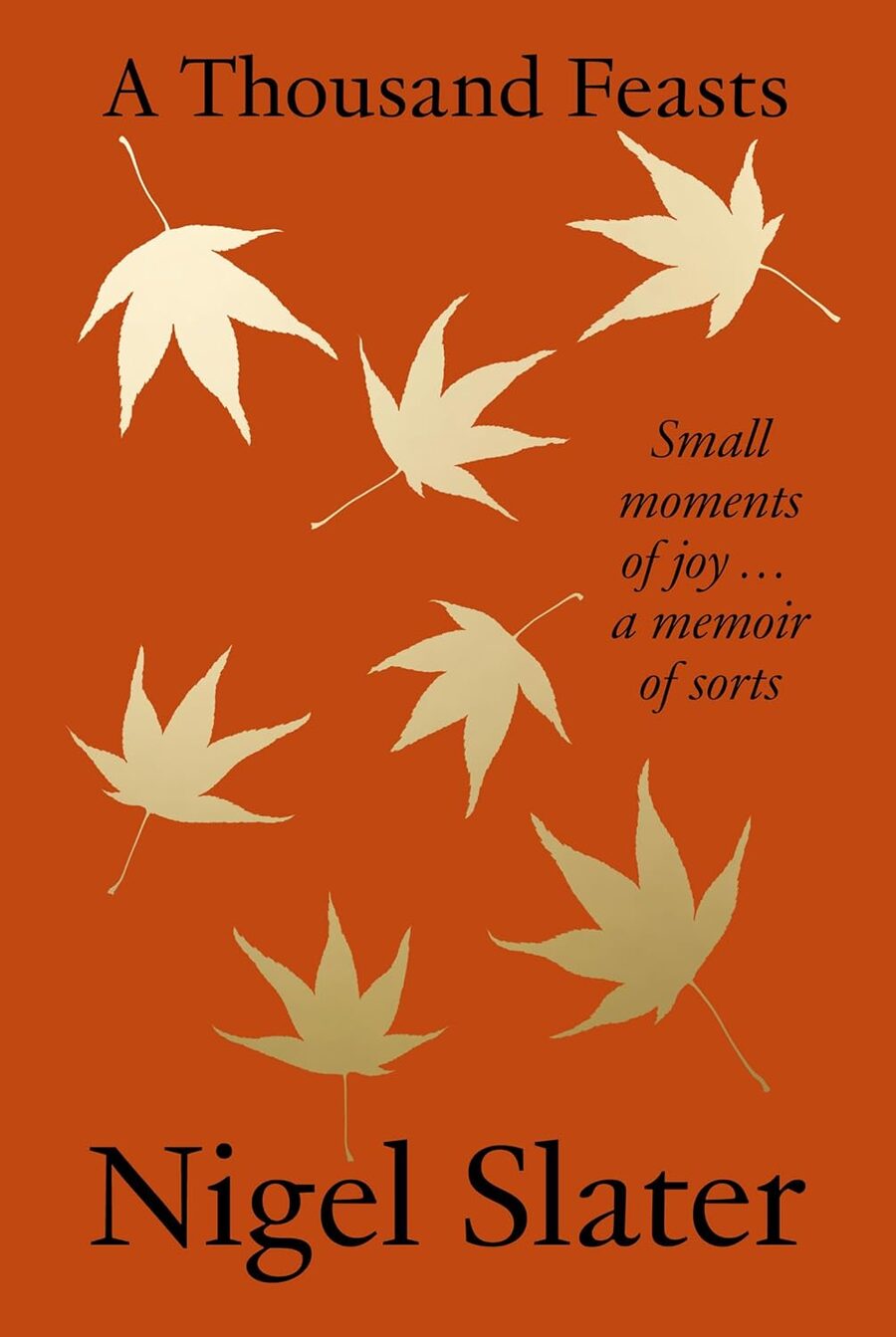
A Thousand Feasts, Nigel Slater (Fourth Estate) In his latest culinary notebook, the British writer offers the same sharply observed moments that made memoir Toast so divine, but in this outing he offers some meditative, mouth-wateringly descriptive vignettes from his time as a professional chef.
The extremely online
When you purchase an independently reviewed book on our site, we may earn an affiliate commission.



Filterworld, Kyle Chayka (Doubleday) The New Yorker staff writer investigates how the homogeneity created by algorithmic feeds and recommendations of digital platforms has overtaken how we create and consume culture by making it less interesting and fulfilling.
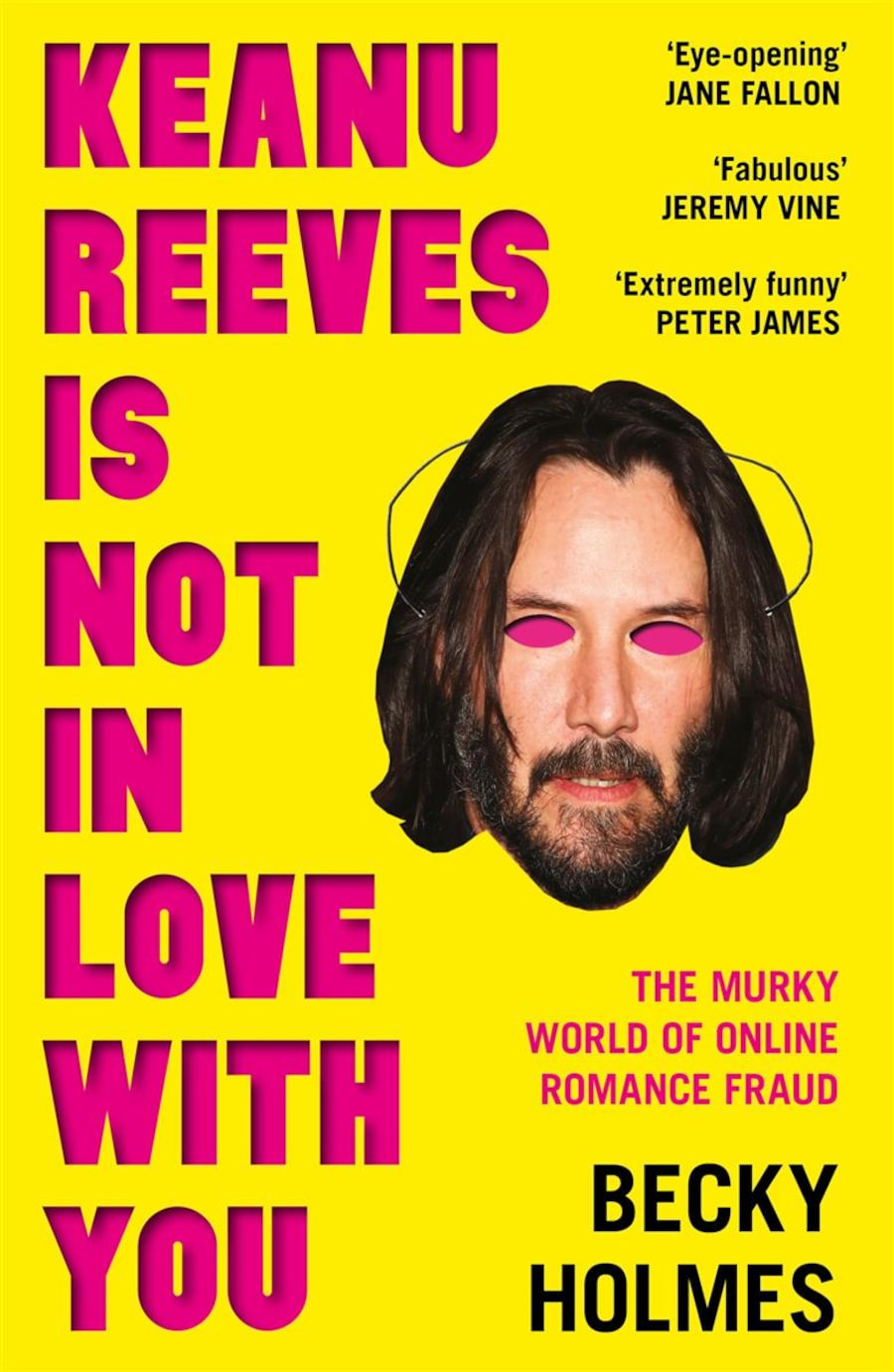
Keanu Reeves is Not in Love With You, Becky Holmes (Unbound) A con artist pretending to be the internet’s boyfriend inspired the British humorist (also known as @deathtospinach) to create this seriously hilarious guided tour, complete with first-hand accounts, of the financially and emotionally damaging crime of online romance fraud.
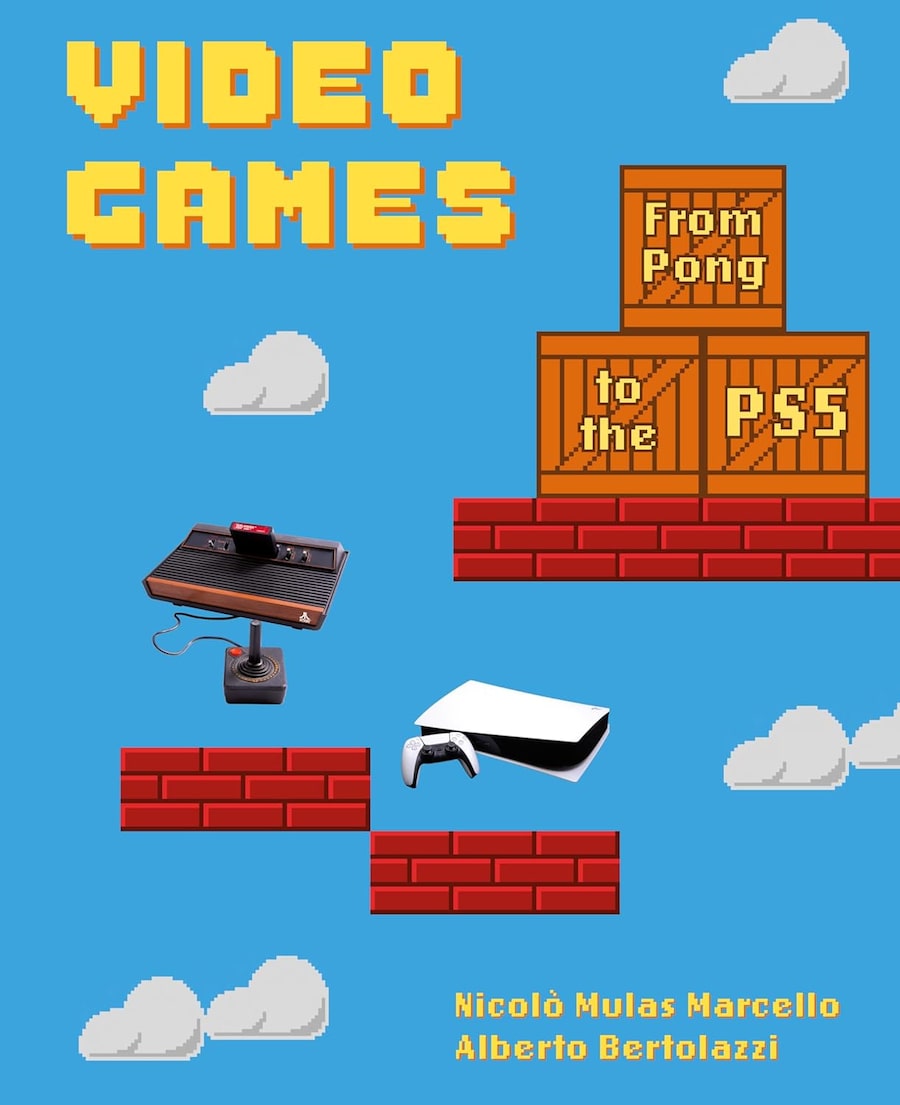
Video Games, Nicolò Mulas Marcello and Alberto Bertolazzi, trans. from Italian by Jonathan T. Hine (Abbeville) From Pong to PS5, images of obsolete 8-bit era cartridges and the tangled wires of gaming setups form an ode to 50 years of gaming in this photographic record of primitive vintage consoles and retro hardware.
Supremacy, Parmy Olson (St. Martin’s Press) Bloomberg’s tech writer goes behind the scenes in the battle between OpenAI and DeepMind, two of the world’s leading AI firms, as they struggle to use their tech for good even as two tech monopolies aim to control the future.
Everything to Play For, Marijam Did (Verso) A cultural critique of the gaming industry’s ethical and political shortcomings come together in this inquiry into the politics of video games and entertainment technologies (both on the screen and in their dehumanizing labour practices), with ideas about how to save the industry from itself.
Nexus, Yuval Noah Harari (Abbeville Press) Human communication is at the heart of the latest foray from the author of the breakout 2011 bestseller, Sapiens. Here, he tackles the evolution of information networks across millennia and the bracing challenges posed by AI.
The good listener
When you purchase an independently reviewed book on our site, we may earn an affiliate commission.


We Oughta Know, Andrea Warner (ECW Press) The pop-culture writer assesses how Canadian superstars Celine, Shania, Alanis and Sarah (McLachlan)’s international success in the 1990s reshaped the music landscape in a collection of essays.
Every Valley, Charles King (Doubleday) A chronicle of Handel’s 1741 Messiah journey makes for a strange dark history, particularly because his England was an era rife with war, disease, poverty and religious tension extremely similar to what is happening in our world today.
3 Shades of Blue, James Kaplan (Penguin Press) This is an immersive account of music, business, racial politics and cities which helped birth jazz while also being a hefty blended biography of icons Miles Davis, John Coltrane and Bill Evans as they recorded the seminal 1959 album, Kind of Blue.
Women and the Piano, Susan Tomes (Yale University Press) This biographical compendium tells the stories of 50 pioneering female pianists beginning with an 18th-century French keyboard player and concluding with jazz pianist and civil-rights activist Nina Simone.
Cocaine & Rhinestones, Tyler Mahan Coe (Simon & Schuster) The raconteur behind the popular country music history podcast delivers on the tumultuous music and marriage promised by the title, but not before unique digressions into the superstar country couple’s element, from cowboy boots to bullfighting and drag.
The Tastemaker, Tony King (Faber & Faber) Starting with his first job at Decca Records in 1958, the now-legendary music promoter was the ultimate rock insider, working with everyone from the Beatles and Ronettes to Elton John and Freddie Mercury. His autobiography vividly captures the scenes from that heady time as well as the gay scene in London and New York.
The history buff
When you purchase an independently reviewed book on our site, we may earn an affiliate commission.




Land Between the Rivers, Bartle Bull (Grove Atlantic) Beginning in Sumeria through several empires and going right until the seismic shifts in leadership during the 20th and 21st centuries, this is a sweeping 5,000-year history of Iraq.
Eighteen, Alice Loxton (Pan Macmillan) Eighteen eclectic notable figures in British history are seen at the age of 18 including Empress Matilda, Elizabeth Tudor and Richard Burton. It’s a premise that could easily be twee but instead is insightful as we examine these lives on the cusp of adulthood.
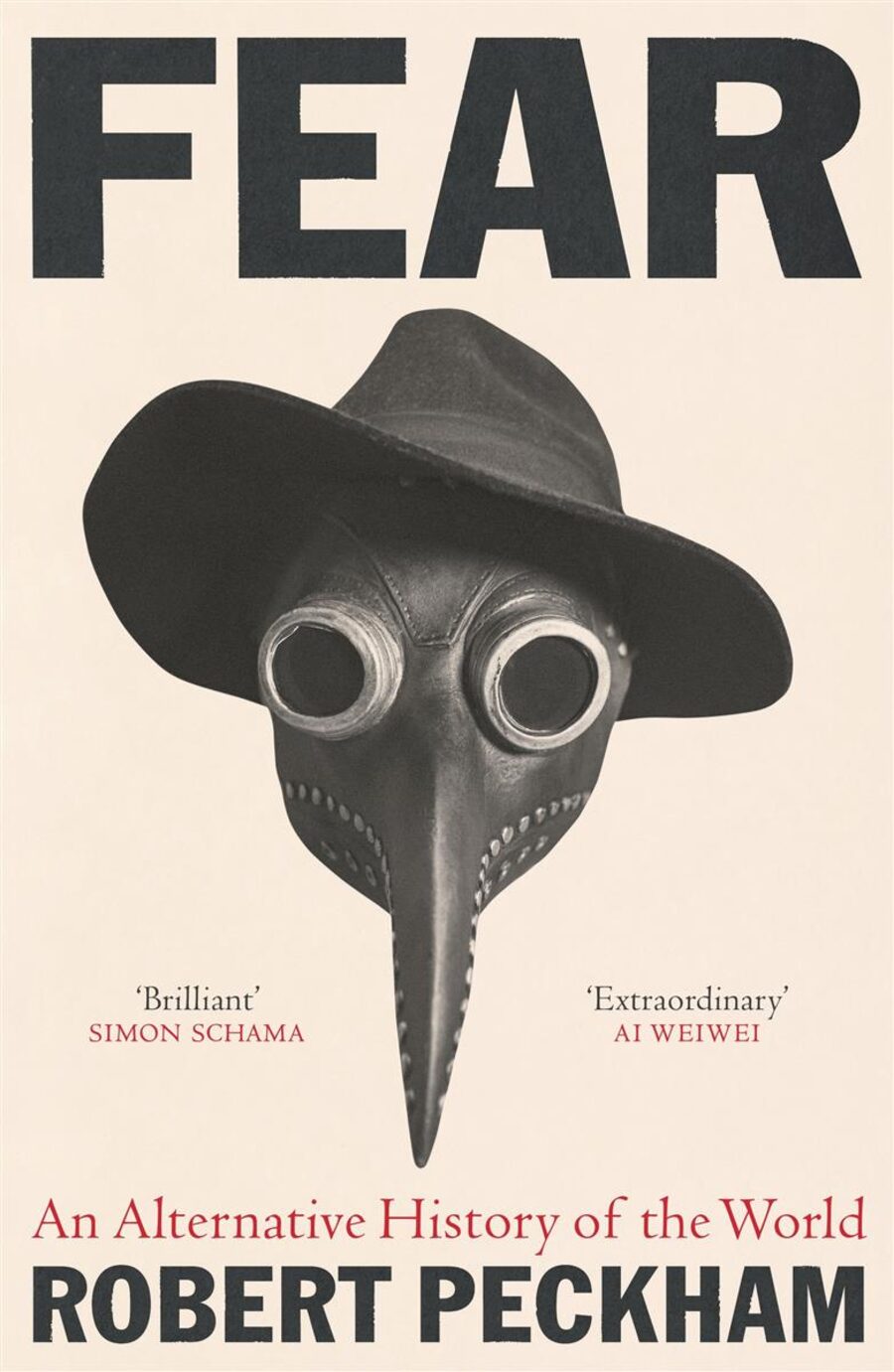
Fear, Robert Peckham (Profile Books) This alternate history is told through the motivational emotion generated by panics, plagues and paranoia and traces how governments have used it as a coercive tool, stoking fear and anxiety to strengthen their power.
The Vietnam War, Geoffrey Wawro (Basic Books) This military historian pored over thousands of diplomatic, military and intelligence documents to create this page-turner that takes the long view of the U.S. involvement in Vietnam.
The Damascus Events, Eugene Rogan (Basic Books) Using harrowing first-hand reports of the 1860 massacre of Christians in Damascus discovered in consular dispatches, the acclaimed scholar crafts a groundbreaking narrative that contextualizes and reframes patterns of sectarian violence in the modern Middle East.
The Siege, Ben MacIntyre (Crown) With both the standoff (and eventual rescue operation) and eye for the banal but telling detail, this minute-by-minute retelling of the 1980 six-day hostage crisis at the Iranian Embassy in London makes for a gripping non-fiction procedural.
The know-it-all
When you purchase an independently reviewed book on our site, we may earn an affiliate commission.


Rumbles, Elsa Richardson (Simon & Schuster) Attitudes toward eating is just one of the elements in this cultural history of the digestive system, as are societal assumptions about obesity, the body mass index (based on the bodies of white European men) and gendered urban myths about gut health (such as constipation being a female ailment).
Living on Earth, Peter Godfrey-Smith (Farrar, Straus and Girou) The notion of organisms “as causes, rather than evolutionary products” underpins this proposal for a new understanding of how life shapes and has been shaped by its environment.
All Mapped Out, Mike Duggan (Reaktion Books) To demonstrate the impact of maps (and borders) on our identities, Duggan deconstructs the concept of cartography and how it’s shaped politics and economics throughout history.
Waves in an Impossible Sea, Matt Strassler (Basic Books) The theoretical physicist leads a comprehensive journey through the cosmos to cover the Higgs energy field’s influence on existence, in an ambitious attempt to explain why living creatures are mostly empty space.
Bite, Bill Schutt (Algonquin Books) From trivia to canine fangs and prehistoric incisors, the technical specificity of this zoologist’s exploration of teeth’s role in evolutionary history may seem niche but it is approachable – and offers plenty of fascinating trivia and lore to chew on.
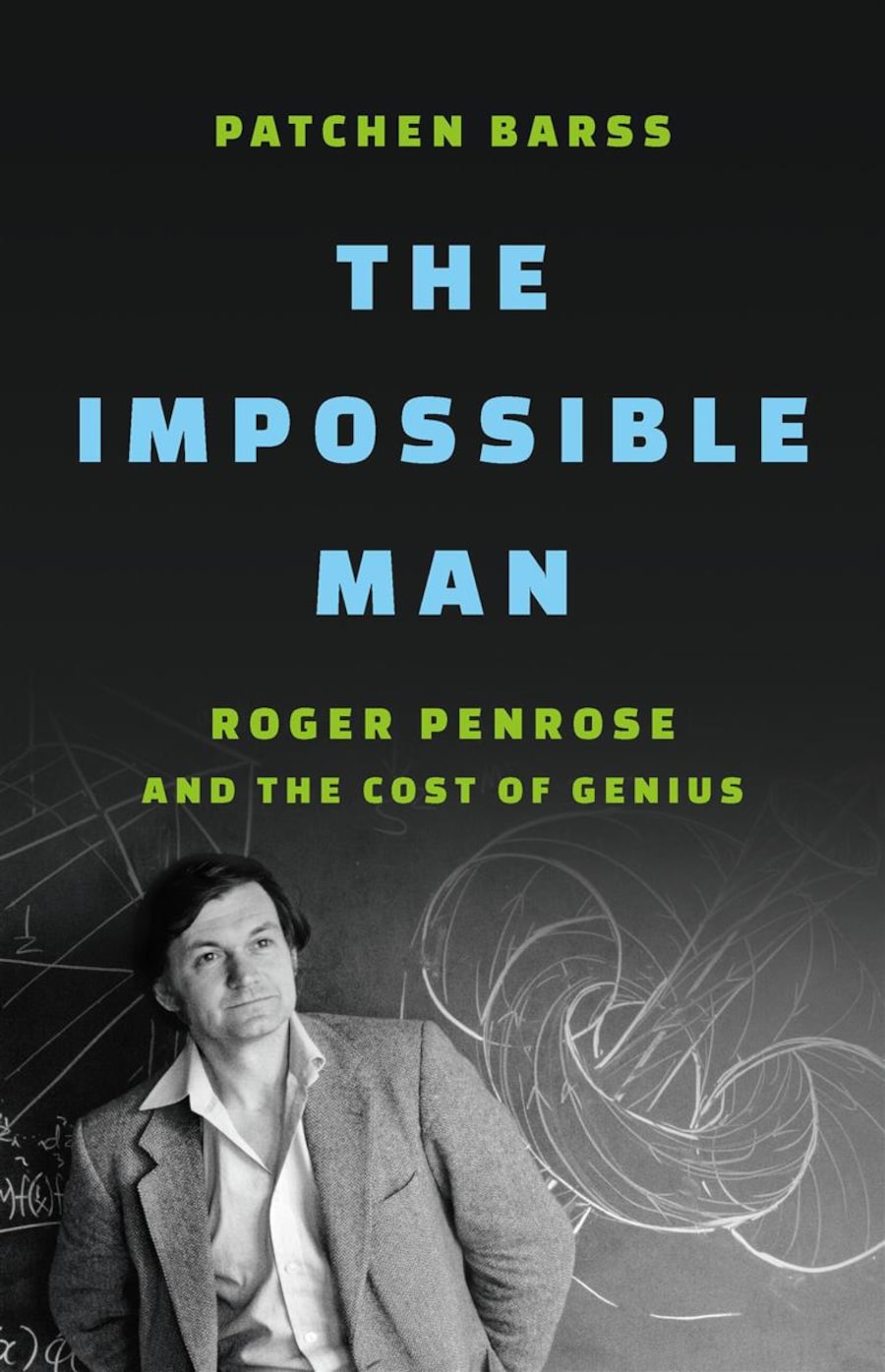
The Impossible Man, Patchen Barrs (Basic Books) This fulsome portrait of the life of Sir Roger Penrose, the Nobel Prize-winning mathematical physicist who expanded our understanding of the universe (he was a dominant theorist in the field of general relativity), and his way of visualizing the four dimensions, makes his intriguing work accessible to an audience beyond the field.
The mindful maven
When you purchase an independently reviewed book on our site, we may earn an affiliate commission.


On Giving Up, Adam Philips (Farrar, Straus and Giroux) In recent years, self-help has celebrated the virtues of anger, flaws and failure. The latest counterintuitive approach is this psychoanalyst’s guide to identifying the helpful point between hope and despair in order to feel more alive – so crazy it just might work.
Letters, Oliver Sacks, edited by Kate Edgar (Knopf) Beyond the stories of his clinical writings (made famous by his books and the movie Awakenings), the late neurologist’s extraordinary life also offers inspiration and escape when it’s pieced together through six decades of his perceptive and profound correspondence, curated by his long-time editor.
Big Mall, Kate Black (Coach House Books) This slim book is a personal essay on the modern history of the mall (and by extension, issues such as colonization and land extraction). It invites readers to reassess their own relationship to shopping and deftly incorporates Black’s ambivalence and affection for her own teenage haunt – Alberta’s massive West Edmonton Mall.
Bad Artist, edited by Nellwyn Lampert, et al. (Touchwood Editions) More than 20 Canadian and international writers weigh in on navigating their relationship to creativity and pressures for output, in essays exploring disability, parenting, fallow periods and free play in a society that rewards productivity.
The Art of the Interesting, Lorraine Besser (Balance) A professor who teaches popular undergrad courses on well-being and happiness combines stories, research and theories on the dimensions necessary for cultivating and enjoying a rich life.
Third Ear, Elizabeth Rosner (Counterpoint Press) In detailing her own multilingual upbringing and the latest concepts of inter-species communication, the author makes a strong case that learning to notice the aural world’s subtle soundscapes transforms listening into a powerful tool, “to build interpersonal empathy and social transformation.”
The mogul
When you purchase an independently reviewed book on our site, we may earn an affiliate commission.
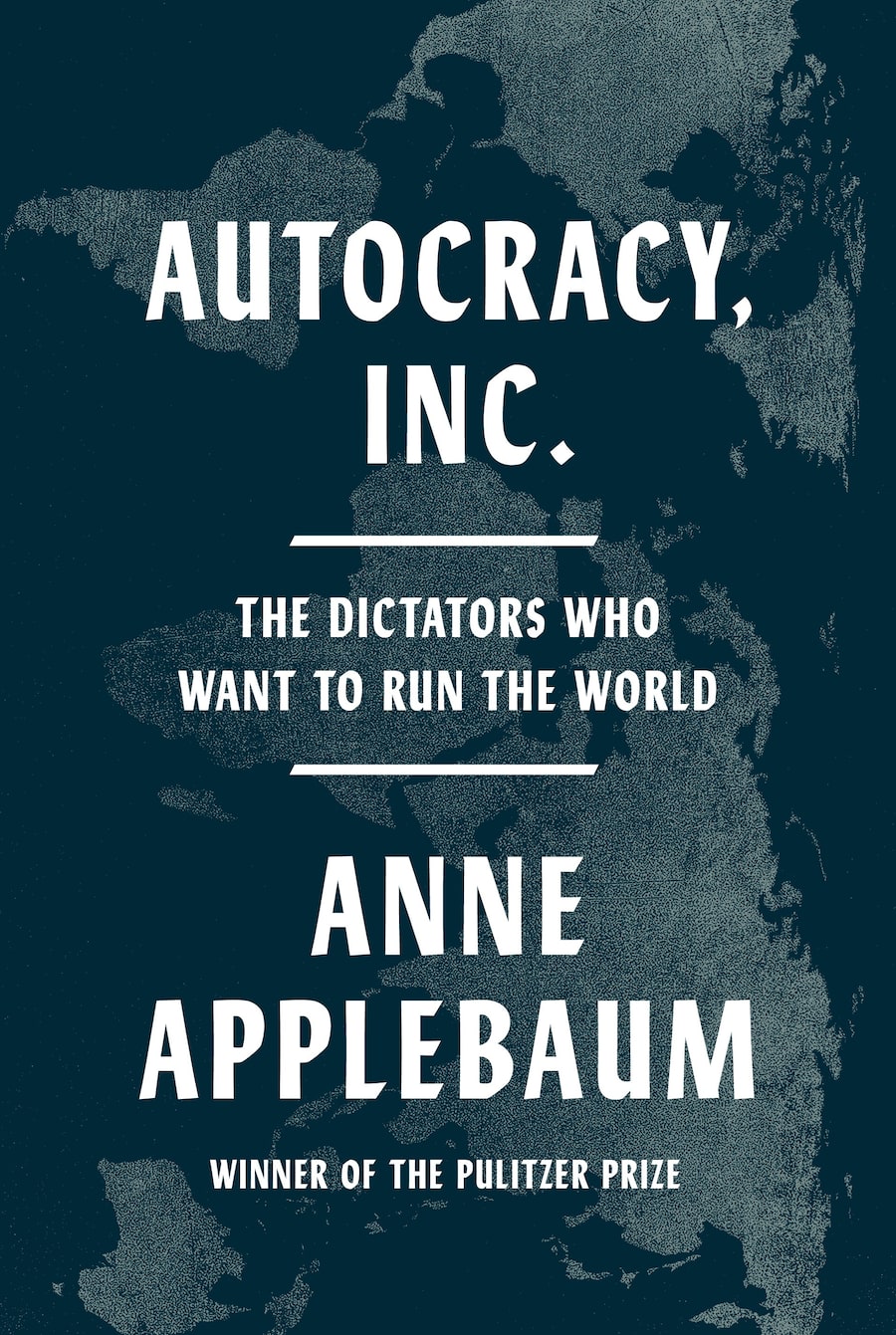


Autocracy, Inc., Anne Applebaum (Doubleday) Know thy enemy: This alarming tour of the war on democracy, through contemporary disinformation tactics, technologies and networks employed by dictators around the world who seek to undermine the democratic world, comes with a hopeful guide to how to defeat them.
She-Wolves, Paulina Bren (WW Norton) In 1967, Muriel (Mickie) Siebert became the first female member of the New York Stock Exchange; this book illuminates the life and work of other trailblazing Wall Street women before and after her, such as the sisters backed by Gilded Age tycoon Cornelius Vanderbilt and the pioneering women of Harvard Business School in the 1960s.
Growth, Daniel Susskind (Harvard University Press) The history of pursuing growth, and at what price, is balanced with ideas on how to broaden future economic policy to combat a slowdown and still benefit growth, while mitigating the undeniable, undesirable side effects.
Character Limit, Kate Conger and Ryan Mac (Penguin Press) As thousands abandon the original short-form social-media platform water cooler and migrate to BlueSky, Threads and Substack, the subtitle says it all: How Elon Musk Destroyed Twitter.
Slow Down, Kohei Saito, trans. from Japanese by Brian Bergstrom (Astra Publishing House) The manifesto by a Japanese philosophy professor, which argues for a sustainable path to counter overconsumption under the insatiable appetite of capitalism, has become a surprise (and unlikely) bestseller in the C-suite.
When Women Ran Fifth Avenue, Julie Satow (Doubleday) This is a group biography of the three savvy department store executives who put retail at the forefront of the mid-century consumer boom, when shopping became about leisure and spectacle rather than necessity. It’s about business innovation and will make readers wistful for the bygone era of attentive customer service at Simpson’s.
The nature lover
When you purchase an independently reviewed book on our site, we may earn an affiliate commission.



The Garden Against Time, Olivia Laing (WW Norton) For this memoir of earthly delights, the critic and novelist chronicles the restoration of her unkempt Suffolk garden, while surveying horticultural history, gardening’s deep appeal and the place of gardens in culture and literature.
Vanishing Treasures, Katherine Rundell (Doubleday) The polymath writer (of acclaimed literary biographies, middle-grade books and hit fantasy novels) turns her lyrical talents to this poignant and often funny collection of the many marvellous real creatures, both unusual and ordinary, whose survival is under threat.
How Birds Fly, Peter Cavanagh (Firefly) Illustrated chapters detail the biomechanics of takeoff, gliding, soaring, “in-flight manoeuvres” and migration in this bird photographer’s study of avian artistry, including the evolution of bird flight and the science of aerodynamics that inspired Leonardo da Vinci and the Wright Brothers.
The Serviceberry, Robin Wall Kimmerer (Scribner) In this thoughtful little book, the author of the bestselling Braiding Sweetgrass offers a meditation on communing with nature and cultivating connection, through a consideration of the titular humble (and often overlooked) shrub.
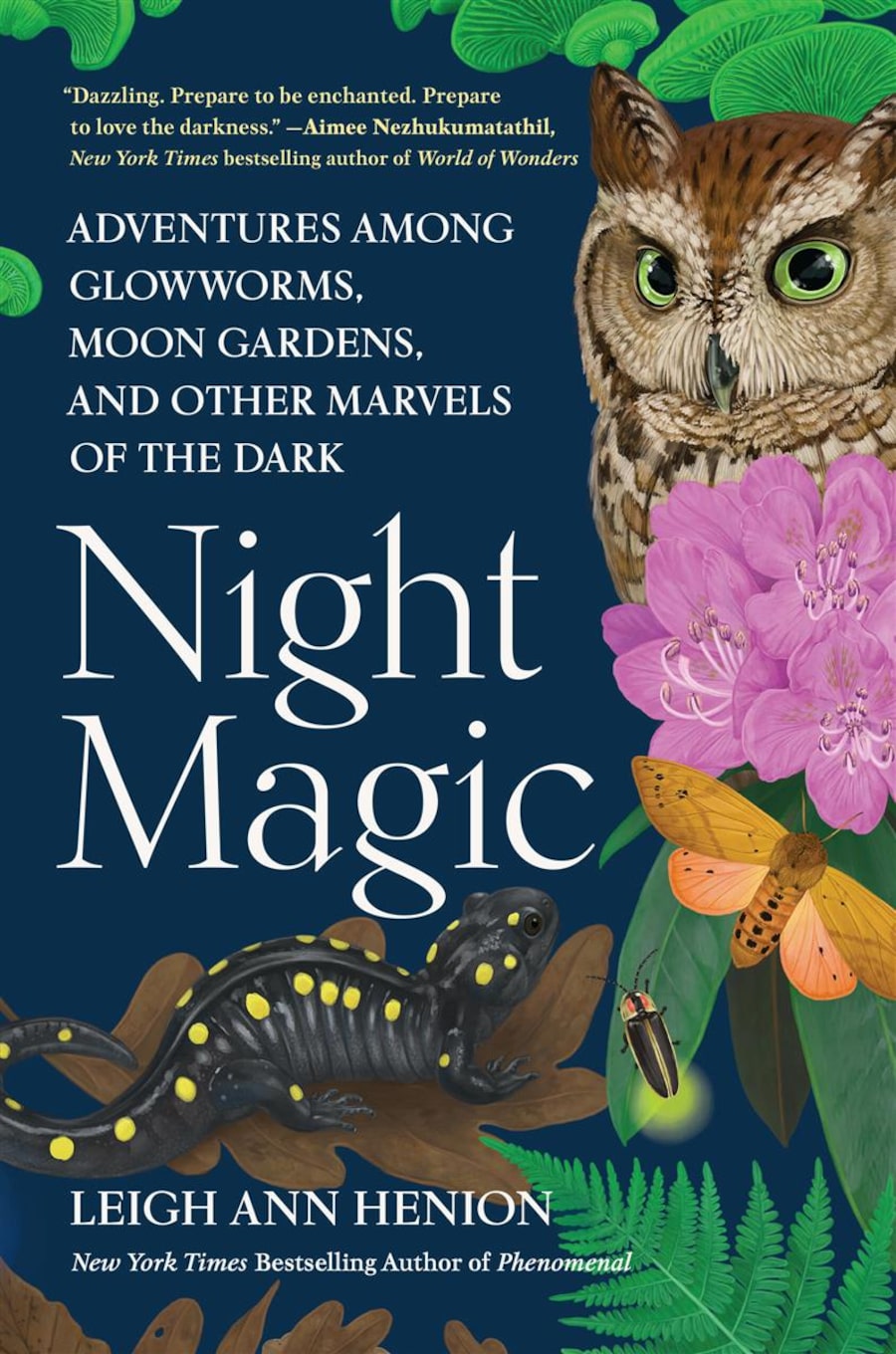
Night Magic, Leigh Ann Henion (Algonquin Books) Readers will want to sleep with one eye open to the wonders of nocturnal activity after discovering this wonderful and busy secret world of plants and creatures, who conduct their lives in the dark while we’re asleep.
The Light Eaters, Zoë Schlanger (Harper) The Atlantic staff science writer probes the contemporary world of botany’s stance on behaviour and intelligence in the plant kingdom, challenging assumptions about consciousness through interviews with innovative botanists around the world who are at the vanguard of research.
The politico
When you purchase an independently reviewed book on our site, we may earn an affiliate commission.




Our Enemies with Vanish, Yaroslav Trofimov (Penguin Press) The Wall Street Journal’s chief foreign affairs correspondent chronicles the first year of Russia’s full-scale invasion of Ukraine, tracing events from the eve of the war through its major turning points with the help of first-hand reportage and interviews with civilians, aid workers, government officials and military personnel.
The Fall of Roe, Elizabeth Dias and Lisa Lerer (Flatiron Books) In this eye-opening account, two New York Times journalists lay bare the decade-long, multipronged strategy by American backroom power brokers and a coalition of Christian lawyers that successfully overthrew the landmark 1973 U.S. Supreme Court ruling decriminalizing abortion.
The Crisis of Culture, Olivier Roy (Oxford University Press) This is an examination of the origins and contradictions of identity politics (and factors such as financial globalization, emojis and even automatic translation) that, the author argues, have deculturized the postwar Western world and supplanted it with what he calls “aggressive normativity.”
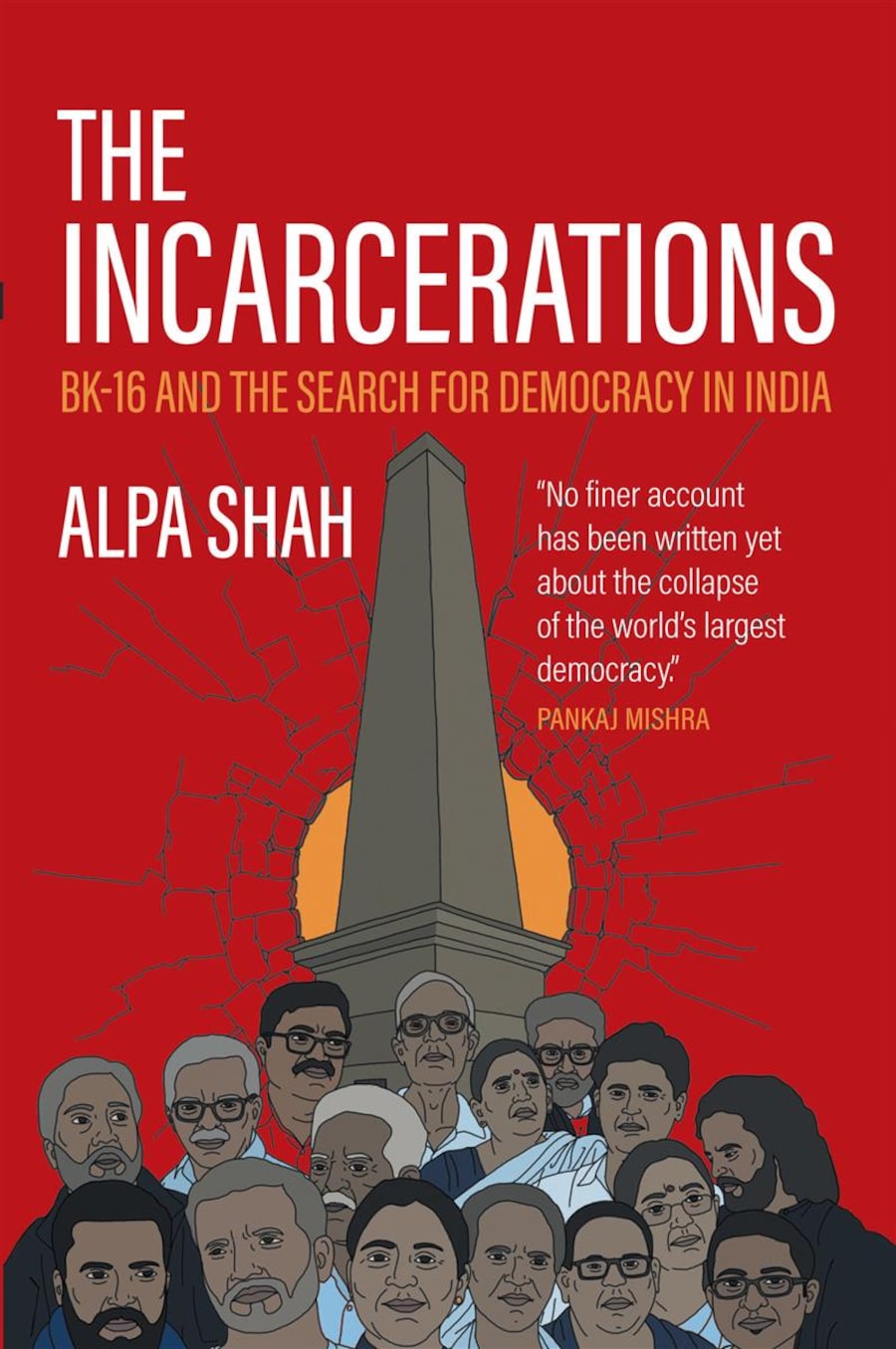
The Incarcerations, Alpa Shah (William Collins) A British anthropologist unpacks the backstory of the BK-16 case around the arrest of 16 of India’s leading liberal activists and human-rights campaigners, for an analysis of the state of democracy under Narendra Modi.
Faux Feminism, Serene Khader (Beacon Press) A political philosopher traces the erosion of the pillars of feminism in this inquiry that dismantles prevailing “faux feminisms” (such as #girlboss culture and white feminist fragility) and posits a strategy for rebuilding with a more inclusive framework.
The Achilles Trap, Steve Coll (Penguin Press) The Pulitzer Prize winner investigates the long relationship between Saddam Hussein and the United States (1979-2003) and its role in the geopolitical conflict of the Middle East.
The style & design guru
When you purchase an independently reviewed book on our site, we may earn an affiliate commission.
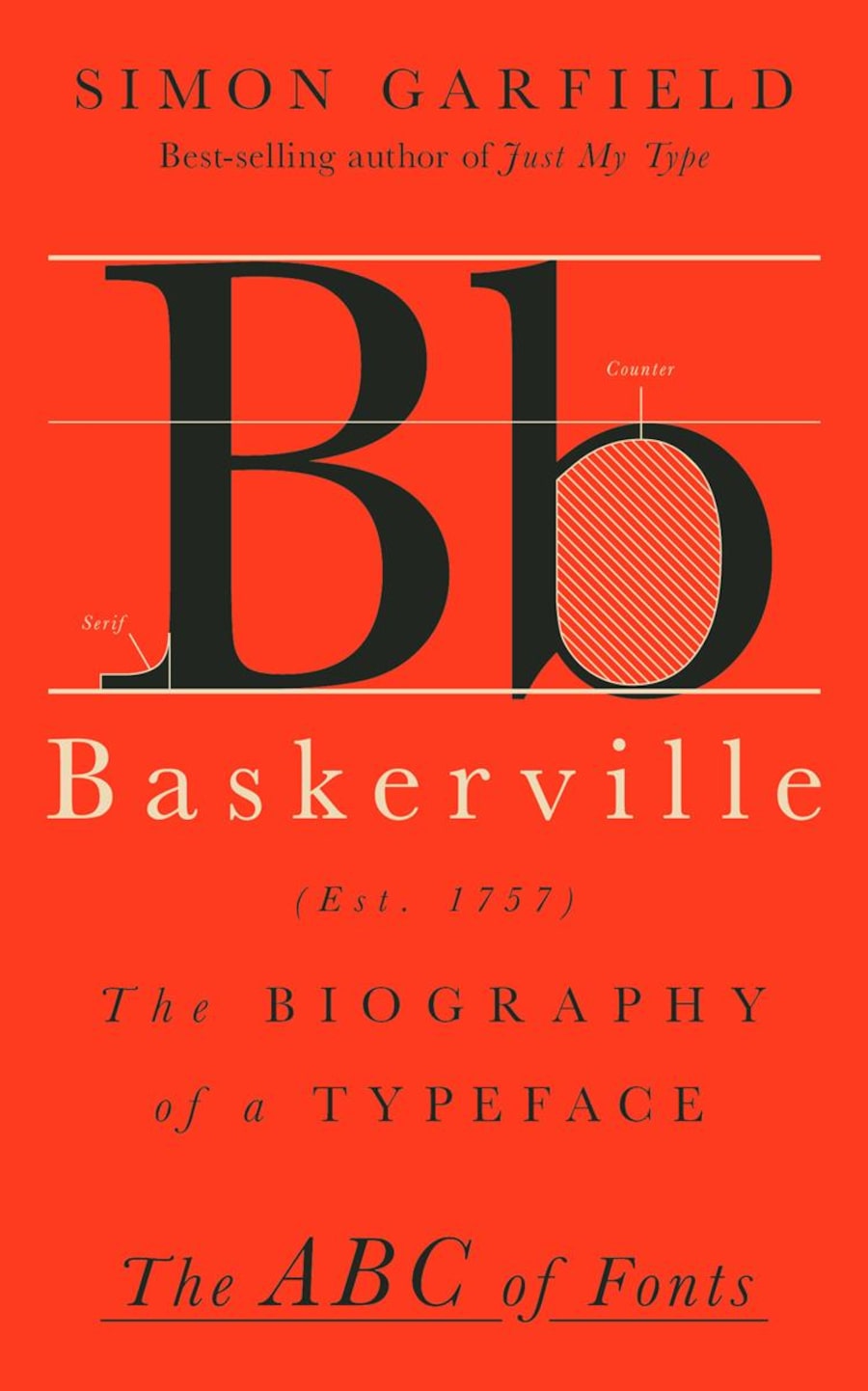



Baskerville, Simon Garfield (WW Norton) This slim biography about the classic Enlightenment-era typeface is one of Garfield’s compact yet erudite ABC of Fonts treatises that expand brief mentions in his 2010 Just My Type book into fascinating individual accounts. Its companions are 1930s font Albertus and 1990s Comic Sans, every graphic designer’s nemesis.
Parachute, Alexis Walker (Rizzoli) David Bowie, Michael Jackson, Madonna and Don Johnson in Miami Vice all wore Parachute, the avant-garde 1980s label formed in 1977 in Montreal. The book (by the McCord Stewart Museum’s associate curator) explores the subversive global brand’s genesis, influence on street fashion and concept store retail design, and lasting relevance.
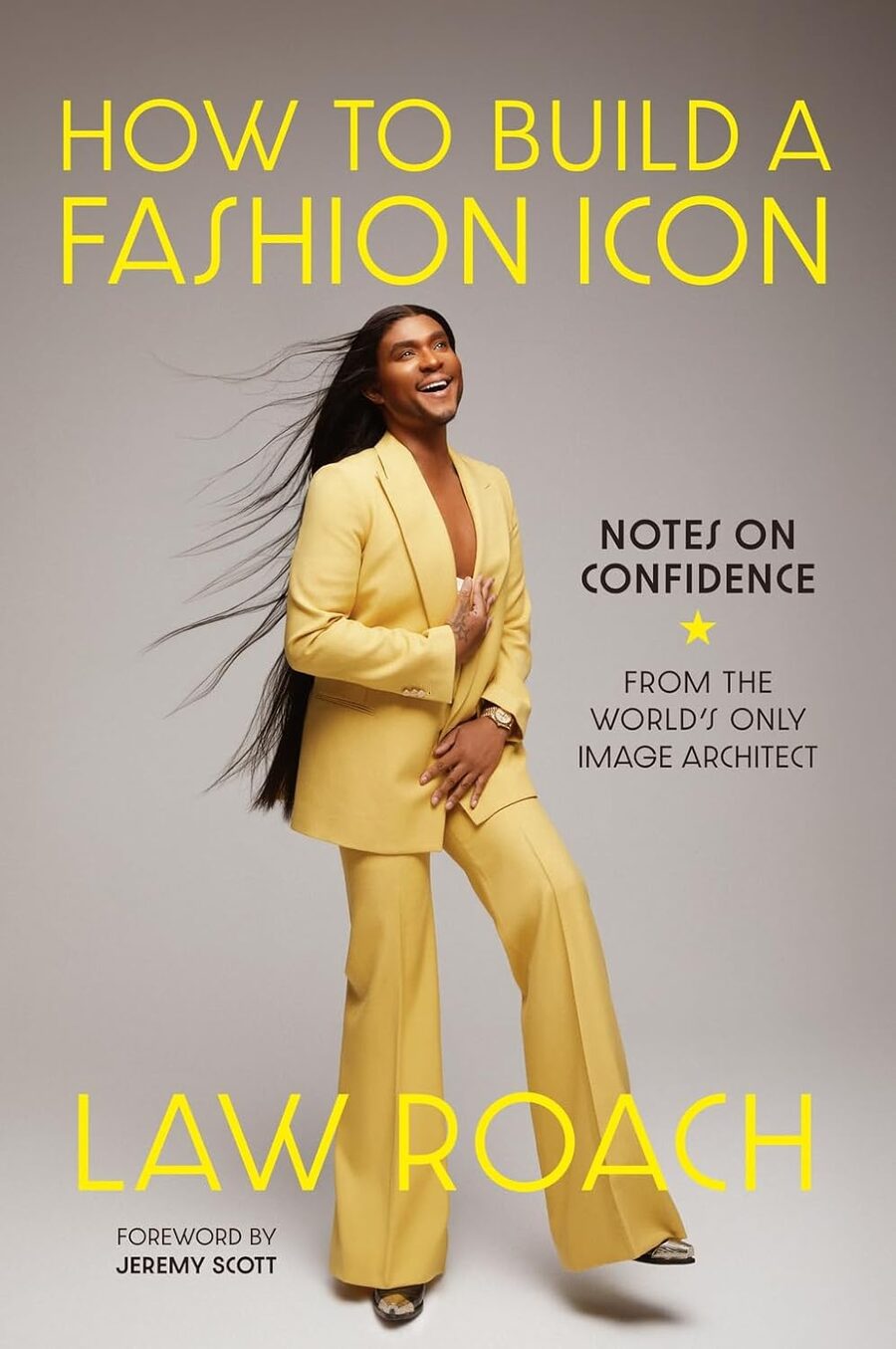
How to Build a Fashion Icon, Law Roach (Abrams) Roach calls himself an image architect rather than stylist, because he’s famously masterminded looks on and off the red carpet for Zendaya as well as Celine Dion that transcend being mere fashion moments. His guide offers practical fashion tips and how to wear the most essential accessory: confidence.
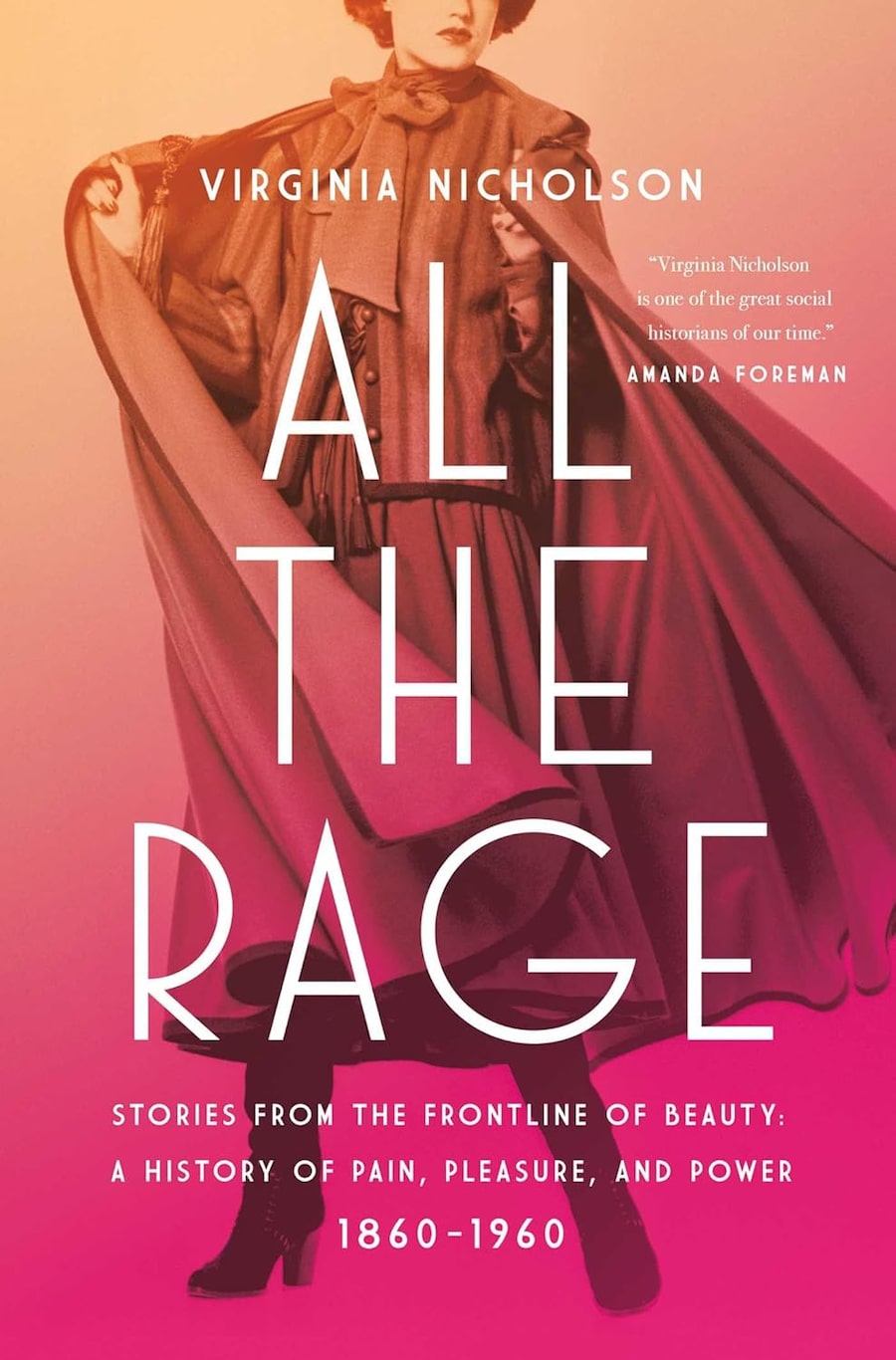
All the Rage, Virginia Nicholson (Pegasus Books) The female body in the public gaze is the subject of this social history spanning the century between 1860 and 1960, when as women gained rights and became emancipated, beauty ideals and expectations rose commensurately (an all-too timely read).
Alexander Girard, Todd Oldham and Kiera Coffee (Phaidon) One of the 20th century’s most prolific designers gets a richly comprehensive monograph highlighting his dynamic, colourful exuberance across graphic, textile, furniture, product, interior, architectural and typographical disciplines.
Azzedine Alaïa, Olivier Saillard and Miren Arzalluz (Thames & Hudson) The acclaimed Tunisian couturier, who died in 2017, was also a connoisseur and historian of vintage clothing by others. His fabled personal collection of important Doucet, Worth, Balenciaga, Schiaparelli and other legends (avidly accumulated but never revealed in his lifetime) is finally shared in this showcase.
The Unclassifiable
When you purchase an independently reviewed book on our site, we may earn an affiliate commission.



Nostalgia, Agnes Arnold-Forster (Picador) This is a shrewd analysis of the nostalgia condition – that wistful, sentimental yearning for the past rooted in dissatisfaction about the present – that considers the slippery nature of memory, complete with historical tangents.
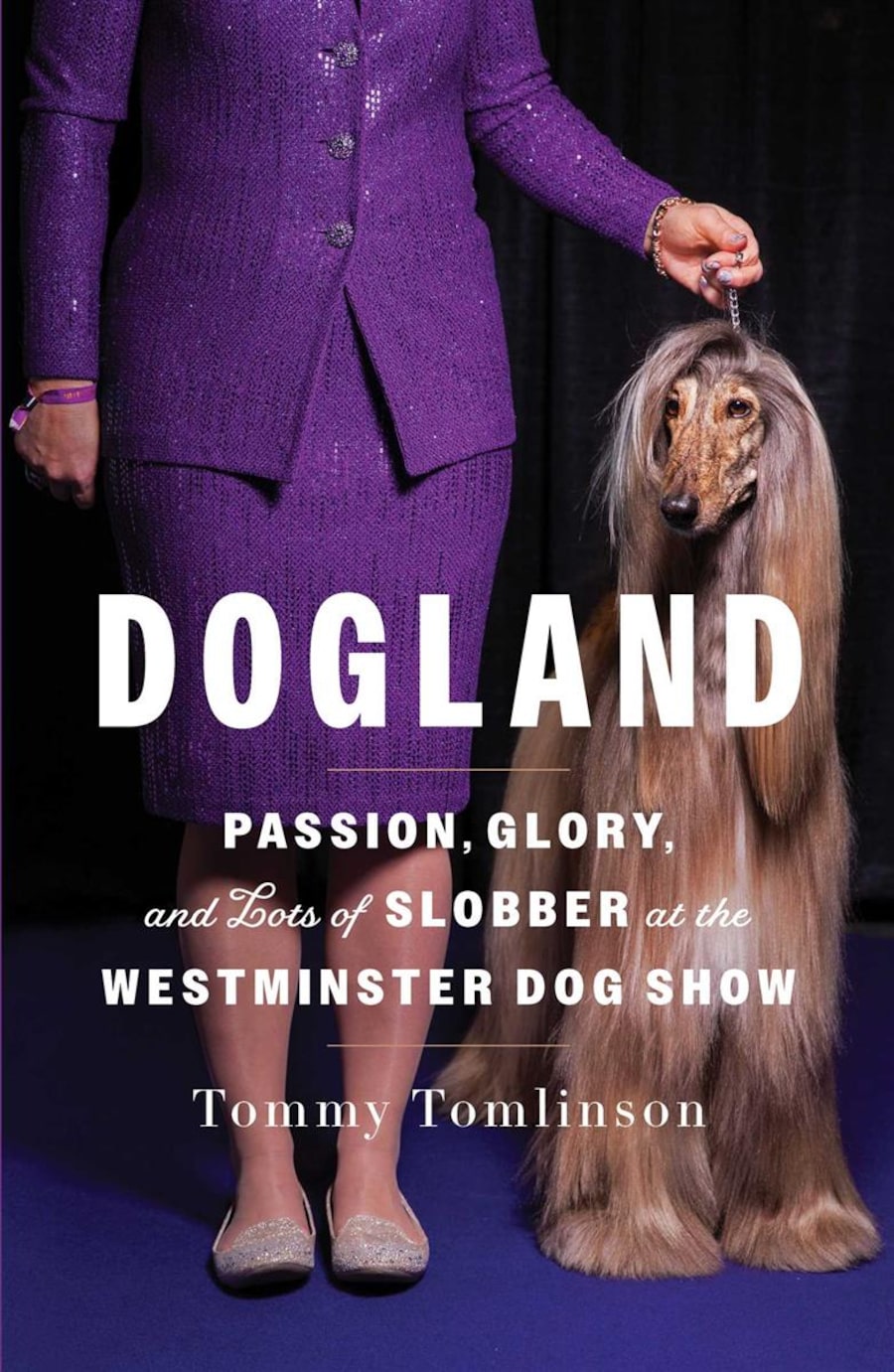
Dogland,Tommy Tomlinson (Avid Reader) A behind-the-scenes account of the workings of dog competitions that follows Striker, a coiffed and slobbering top dog contestant, and his humans, to that annual spectacle of earnest eccentricity: the Westminster Dog Show.
Conjuring the Spirit World, George H Schwartz, et al. (Rizzoli Elekta) Art and objects were instrumental to “conjure” the spirit world and this gorgeous book assembles the tools of entertainment, belief and illusion from more than a century of magic and spiritualist performance, alongside ephemera that helped capture the imagination of willing but skeptical audiences.
The Notebook, Roland Allen (Biblioasis) No Luddite tendencies are required to enjoy this dive into the act of jotting things down (“thinking on paper”). The author charts the evolution of notebooks as a repository for thought and follows the crucial role logbooks, diaries and journals have played in humanity’s development.
Q, Craig Brown (Farrar Straus and Giroux) As with his offbeat treatment of the Beatles and Princess Margaret, the author throws off any semblance of a traditional linear structure and instead assembles insightful, thematic vignettes of Elizabeth II’s milestones and encounters for his prismatic portrait of the late monarch.
Playing Possum, Susana Monsó (Princeton University Press) The Spanish philosopher tackles questions of knowledge with anecdotes from the natural world, to suggest that what animals understand of death and mourning doesn’t conform to the expectations of behaviour familiar to their human companions.
Editor’s note: A previous version of this article incorrectly included the U.S. publisher of Dionne Brand's book Salvage. The Canadian publisher is Knopf Canada. This version has been updated.