
Power lines stretch towards the city of Mississauga, Ont. on March 13.Carlos Osorio/Reuters
Ontario Premier Doug Ford followed up his threats on energy exports this week by quickly retreating, demonstrating the limits of electron diplomacy.
When he first announced a 25-per-cent surcharge on electricity exported to the United States, Mr. Ford said it would remain in place indefinitely. If the U.S. escalated, he would halt transfers completely. “Until the threat of tariffs is gone for good, Ontario won’t back down,” he declared on Monday.
But U.S. President Donald Trump escalated on Tuesday, vowing to double steel and aluminum tariffs. That very afternoon, Mr. Ford announced he’d withdrawn the surcharge after U.S. Commerce Secretary Howard Lutnick granted him a meeting – and, it seems, nothing else.
Other provincial governments, including British Columbia, Quebec and Manitoba, have mooted using electricity exports as leverage in the trade conflict. Mr. Ford’s backpedalling suggests it’s not the bargaining chip the premiers imagined it to be. Why?
To begin with, statements by Mr. Ford and his officials suggest that they either fundamentally misunderstood the importance of Ontario’s electricity exports to the Americans – or else had hoped to make them seem more consequential than they truly are.
For example, the Ford government repeatedly said that 1.5 million homes and businesses in New York, Michigan and Minnesota receive power from Ontario. The Premier went so far as to claim that Americans would see “up to $100” in additional charges on their monthly power bills.
The Globe and Mail asked Ontario officials to explain whose bills the Premier was referring to, and the basis for Mr. Ford’s figure. No response was provided over a four-day period. Isha Chaudhuri, a spokesperson for Energy Minister Stephen Lecce, clarified that Ontario doesn’t power those 1.5 million homes directly; rather, it’s an estimate of how many the province’s total annual exports could theoretically power.
The distinction matters: Ontario would have greater leverage if American homes actually depended on its power.
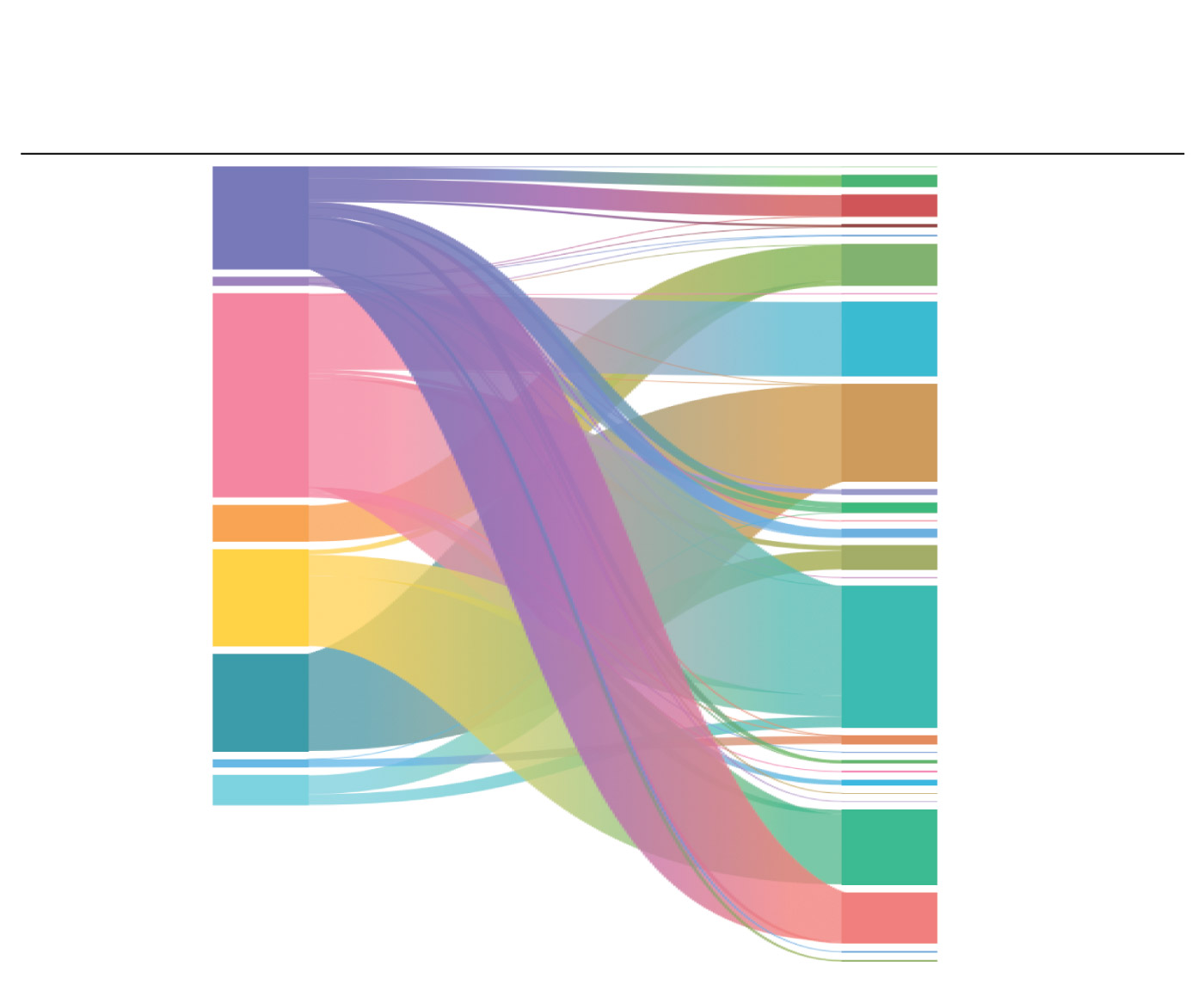
At first blush, Canada might appear to be an electricity-exporting superpower. According to the U.S. Energy Information Administration, Canada has consistently exported far more electricity to the U.S. over the past two decades than it has imported.

Free trade in electrons
Electricity exported from Canada is consumed throughout the U.S.
SOURCE
ENERGY TRANSFERRED IN 2024 (MWh)
DESTINATION
Alaska: 671
Calif.: 1,328,621
B.C.: 6,302,872
Maine: 2,537,418
Alta.: 520,416
Mich.: 4,591,579
Ont: 12,595,437
Minn./N.D.: 6,013,748
Mont.: 643,055
N.B.: 2,238,677
New England-ISO:
1,460,768
Que.: 5,935,724
N.Y.: 8,756,762
Man.: 5,991,273
N.D.: 513,095
Penn.: 46,890
N.L.: 1,829,563
Vermont: 4,609,563
Wash.: 3,148,130
Note: Smaller importing states not labelled
W. Va.: 5,760
matthew mcclearn and john sopinski/the globe and mail,
source: Canada Energy Regulator; flourish

Free trade in electrons
Electricity exported from Canada is consumed throughout the United States
SOURCE
ENERGY TRANSFERRED IN 2024 (Megawatt hours)
DESTINATION
Alaska: 671
Calif.: 1,328,621
B.C.: 6,302,872
Maine: 2,537,418
Alta.: 520,416
Mich.: 4,591,579
Ont: 12,595,437
Minn./N.D.: 6,013,748
Mont.: 643,055
N.B.: 2,238,677
New England-ISO:
1,460,768
Que.: 5,935,724
N.Y.: 8,756,762
Man.: 5,991,273
N.D.: 513,095
Penn.: 46,890
N.L.: 1,829,563
Vermont: 4,609,563
Wash.: 3,148,130
Note: Smaller importing states not labelled
W. Va.: 5,760
matthew mcclearn and john sopinski/the globe and mail,
source: Canada Energy Regulator; flourish
Free trade in electrons
Electricity exported from Canada is consumed throughout the United States
SOURCE
ENERGY TRANSFERRED IN 2024 (Megawatt hours)
DESTINATION
Alaska: 671
Calif.: 1,328,621
B.C.: 6,302,872
Maine: 2,537,418
Alta.: 520,416
Mich.: 4,591,579
Ont: 12,595,437
Minn./N.D.: 6,013,748
Mont.: 643,055
N.B.: 2,238,677
New England-ISO:
1,460,768
Que.: 5,935,724
N.Y.: 8,756,762
Man.: 5,991,273
N.D.: 513,095
Penn.: 46,890
N.L.: 1,829,563
Vermont: 4,609,563
Note: Smaller importing states not labelled
Wash.: 3,148,130
matthew mcclearn and john sopinski/the globe and mail,
source: Canada Energy Regulator; flourish
W. Va.: 5,760
But take a closer look, and it’s clear neither country has the other over a barrel.
“Electricity exchanges across the United States and Canada – historically each other’s largest electricity trading partners – remain relatively small, representing less than 1 per cent of their respective total generation,” according to a recent EIA commentary.
That national average obscures regional patterns. New York is more reliant on Canuck power than any other U.S. state, according to the New York Independent System Operator: Last year it imported 7.7 terawatts, worth hundreds of millions of dollars. Even so, the NYISO isn’t worried about shortfalls resulting from Ontario’s surcharge: It said in a statement that it still has enough reserves to meet New York’s requirements.
Mr. Ford’s threats did bother some politicians. In a post on X, Minnesota Governor Tim Walz claimed the surcharge would affect power bills in his state. The surcharge was enough to induce Mr. Trump to commit to “declaring a National Emergency on Electricity within the threatened area.”
Within the electricity sector, though, things look different. The Michigan Public Service Commission said in a statement that it wasn’t aware of any utilities in that state that buy Canadian electricity.
“Michigan is more of a pass-through state,” spokesperson Matt Helms wrote in a statement, meaning much of the power it imports is headed to other destinations.
“The imposition of these tariffs could have some impact on prices in the regional energy markets, though the ultimate impact on Michigan customers is likely to be small.”
Xcel Energy, which has 1.4 million electric customers in Minnesota and 9,000 in Michigan, said in a statement that it doesn’t import any electricity directly from Ontario.
In an energy plan published last fall, Mr. Lecce painted a different picture of his province’s electricity exports than he did this week. Those transfers often occur during periods when its power plants were producing surplus power (typically overnight in spring and fall) and sold at low prices. Indeed, the Independent Electricity System Operator found that between 2016 and 2020, as much as 9 per cent of all exports were sold at negative prices – in other words, Ontario sometimes paid counterparties to take its power.
There are essentially two ways of exporting electricity. The first is to sell it on the “spot” market over short periods of time, for example in markets operated by an independent system operator, or sales negotiated directly with a buyer. The value of such transactions is typically low. That’s primarily what Ontario’s doing now, and it limits its leverage.
The other method is to enter into long-term contracts to sell power at fixed prices, for at least several months and often years. Sometimes called “firm” exports, these arrangements are often more lucrative – but involve taking on greater obligations. Mr. Lecce hopes Ontario can secure more firm export agreements, possibly with customers in New York and the U.S. Midwest.
“Ontario would not participate in long-term export commitment unless a firm revenue agreement was in place to protect and actually drive value for Ontarians,” his plan asserted.
In short, Ontario wants to be more like Quebec.
Hydro Quebec has exported electricity to the U.S. for many decades, and built its first direct-current transmission line into that market in the early 1990s. In 2008 it signed an agreement with power distributors in New England to build a second. New England has become the utility’s main export market. (According to the ISO New England, over the past five years, New England imported 11 per cent of its electricity from Canada.) It built some hydro dams including its newest, the Romaine complex, specifically to export more power.
The reward: In some years, these transfers accounted for a large share of Hydro Quebec’s income while representing only a small fraction of the power it produced.
Elbowing into in new foreign markets creates political headaches, though. Even amid more harmonious circumstances, most U.S. states and Canadian provinces are often reluctant to rely heavily on neighbours for electricity, preferring to meet most of their demand using local resources. Foreign entrants can expect opposition from local politicians, energy companies and environmental groups.
Nationalistic impulses were on display this week in yet another of Mr. Trump’s erratically capitalized social media posts, in which he asked: “Why would our Country allow another Country to supply us with electricity, even for a small area? Who made these decisions, and why?”
Hydro Quebec’s enthusiasm for exports has waned considerably in recent years. Last year its net income declined largely because its export sales fell amid low runoff conditions that lowered output from its dams. It’s the fourth year in a row that export sales have fallen, and low runoff continues to darken its outlook.
Nonetheless, Hydro Quebec continues to play an important role in U.S. power markets. François Bouffard, a professor of electrical engineering at McGill University, said its presence lowers electricity prices significantly – and that Quebec therefore could inflict greater damage than Ontario.
“If we were to throttle the amount of electricity we sell to either New York and New England, it would most likely give rise to much higher prices on the New York ISO and ISO New England markets,” he said.
However, Mr. Bouffard doubted Quebec will follow Mr. Ford’s example.
“The problem is that where Quebec exports, it’s a group of ‘blue’ states. So we’d be hurting people who are probably talking in our favour in Washington, trying to fix the current situation,” he added.
“It’s a bit of a pipe dream to say that we’re going to use electricity as a way to retaliate against the U.S.”
Moreover, having expended more money and effort to become an electricity exporter, Quebec has more to lose than Ontario does.
But if co-operation on electricity diminished for any reason, both countries would suffer. The electrical grid is more stable when the two countries share power. The NYISO, IESO and Hydro Quebec are members of the Northeast Power Coordinating Council, collaborating to maintain reliability throughout the region. The NYISO has described this co-operation as “critically important,” particularly when the electricity grid is stressed.
Demand for electricity in the eastern U.S. peaks during the summer, for example, and that’s offset by Canadian imports. Dependence cuts both ways: In recent years British Columbia suffered drought conditions, forcing it to import significant amounts of power from the U.S.