
The ExxonMobil Esso Oil refinery in Fawley, near Southampton, southern England on Oct. 4.ADRIAN DENNIS/AFP/Getty Images
The International Energy Agency is warning in its annual flagship report that progress on clean energy goals is still far too slow to put global emissions into sustained decline, and is calling on governments to send an “unmistakable signal” of action at the coming COP26 climate summit in Glasgow, Scotland.
At the same time, it estimates a US$1-trillion transition bonanza – comparable in size to the current global oil market – is up for grabs for manufacturers of wind turbines, solar panels, lithium‐ion batteries, electrolyzers and fuel cells if countries step up efforts to meet their net-zero emissions pledges.
The agency’s 2021 World Energy Outlook, released Wednesday morning in Paris ahead of COP26′s opening Oct. 31, delivers a series of stark warnings about the consequences that climate change inaction will have on people, the environment and energy systems. It also provides four key recommendations to limit global warming – a push for clean electrification, a “relentless focus” on energy efficiency, a drive to cut methane emissions from fossil fuel operations and boosting clean energy innovation.
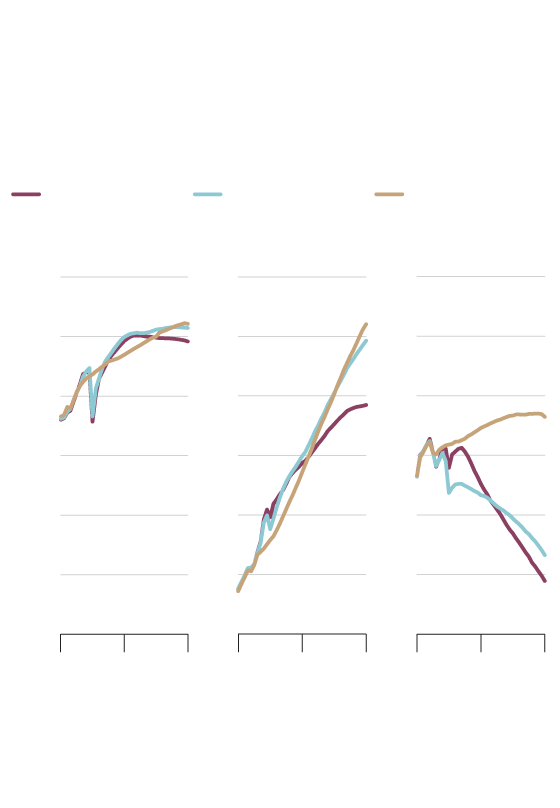
Oil, natural gas and coal demand in the stated-policies scenario in World Energy Outlook 2021, 2020 and 2016
Million terajoules
WEO-2021
WEO-2020
WEO-2016
Natural gas
Oil
Coal
220
200
180
160
140
120
100
2010
‘30
‘50
2010
‘30
‘50
2010
‘30
‘50
Note: WEO-2016 numbers are the new-policies
scenario extrapolated to 2050.
SOURCE: WORLD ENERGY OUTLOOK 2021

Oil, natural gas and coal demand in the stated-policies scenario in World Energy Outlook 2021, 2020 and 2016
Million terajoules
WEO-2021
WEO-2020
WEO-2016
Natural gas
Oil
Coal
220
200
180
160
140
120
100
2010
2030
2050
2010
2030
2050
2010
2030
2050
Note: WEO-2016 numbers are the new-policies
scenario extrapolated to 2050.
SOURCE: WORLD ENERGY OUTLOOK 2021
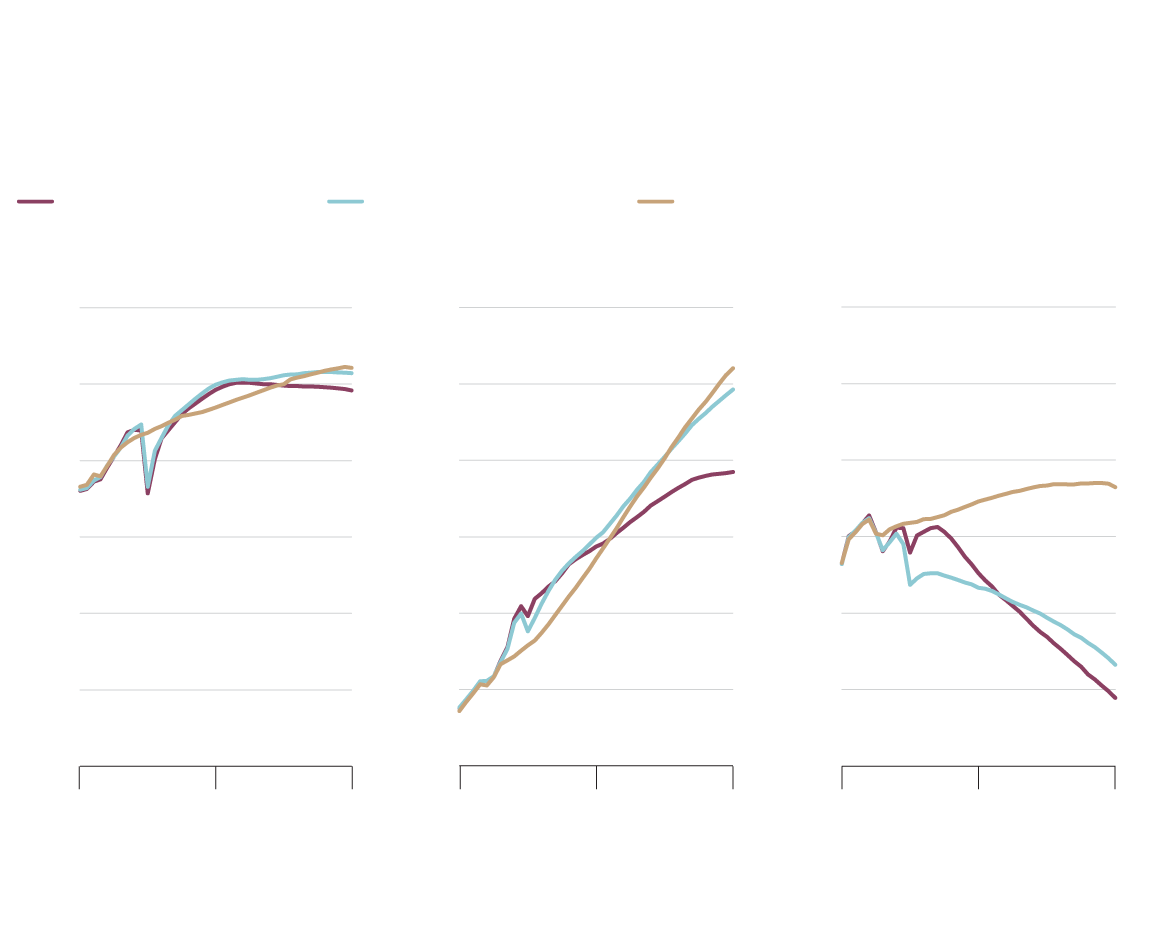
Oil, natural gas and coal demand in the stated-policies scenario in World Energy Outlook 2021, 2020 and 2016
Million terajoules
WEO-2021
WEO-2020
WEO-2016
Natural gas
Oil
Coal
220
200
180
160
140
120
100
2010
2030
2050
2010
2030
2050
2010
2030
2050
Note: WEO-2016 numbers are the new-policies scenario extrapolated to 2050.
SOURCE: WORLD ENERGY OUTLOOK 2021
The report shows that even as deployment of solar and wind goes from strength to strength, the world’s consumption of coal is growing strongly this year, pushing carbon dioxide emissions toward their second-largest annual increase in history.
“The world’s hugely encouraging clean energy momentum is running up against the stubborn incumbency of fossil fuels in our energy systems,” Fatih Birol, executive director of the IEA, said in a statement.
“Governments need to resolve this at COP26 by giving a clear and unmistakable signal that they are committed to rapidly scaling up the clean and resilient technologies of the future. The social and economic benefits of accelerating clean energy transitions are huge, and the costs of inaction are immense.”
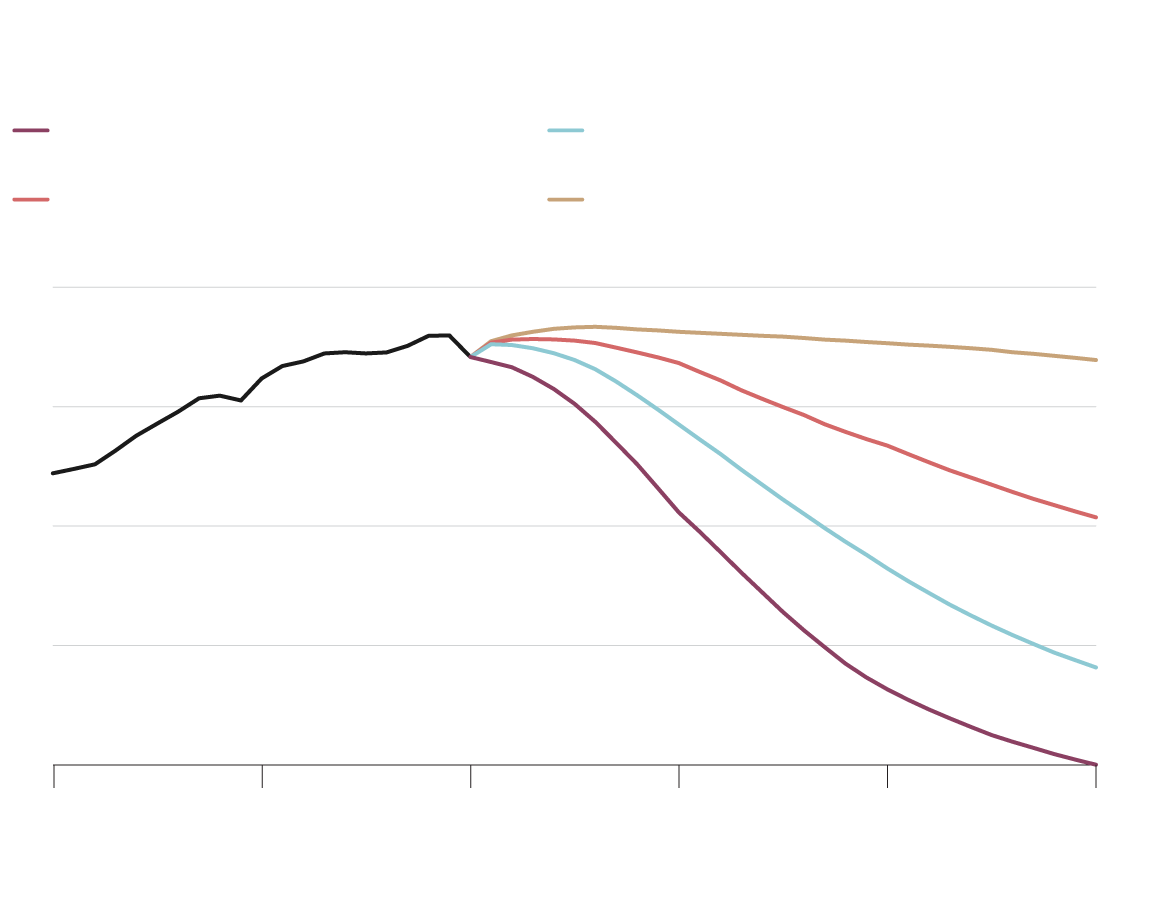
The Paris-based IEA advises industrialized countries on energy issues. It outlines three scenarios in its annual energy outlook: a narrow pathway for the global energy sector to achieve net-zero emissions by 2050; a scenario that assumes all climate commitments made by governments around the world will be met in full and on time; and a scenario that reflects current specific policies.
For the first time, oil demand declines in all three scenarios, though the timing and speed of the drop vary widely.
If all the announced climate pledges are met, the world would still be consuming 75 million oil barrels a day by 2050 – down from around 100 million today. But that plummets to 25 million in the net-zero scenario. Natural gas demand increases in all scenarios over the next five years.
The report says under the net-zero scenario, no new oil and gas fields will be required beyond those already approved for development, owing to a rapid rise in low emissions fuels, better energy efficiency and more electrification.
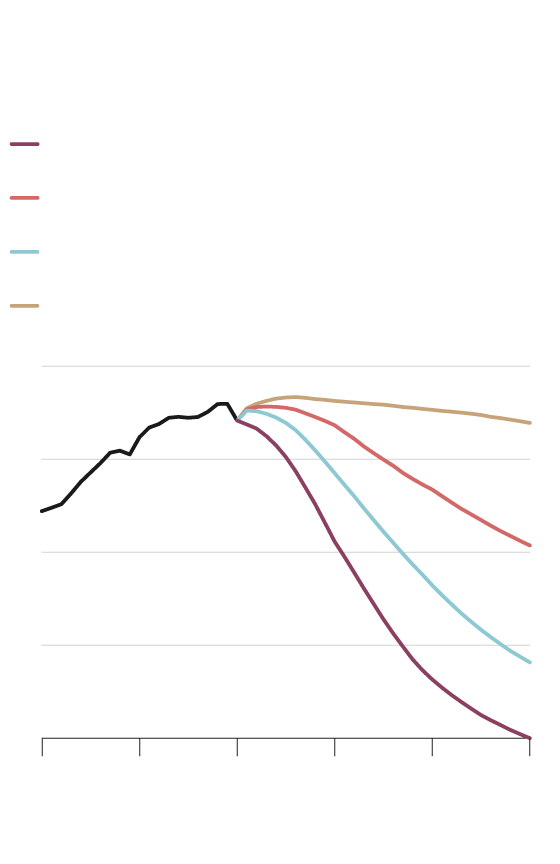
CO2 emissions in the WEO-2021
scenarios over time
Gigatonnes of CO2
Net-zero emissions
Announced-pledges scenario
Sustainable-development scenario
Stated-policies scenario
40
30
20
10
0
2000
2010
2020
2030
2040
2050
SOURCE: WORLD ENERGY OUTLOOK 2021
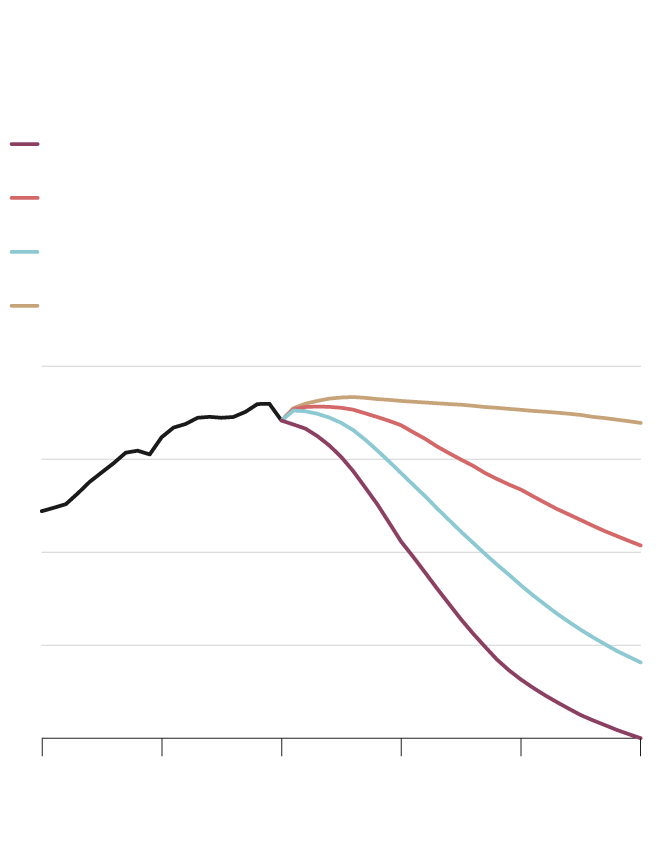
CO2 emissions in the WEO-2021
scenarios over time
Gigatonnes of CO2
Net-zero emissions
Announced-pledges scenario
Sustainable-development scenario
Stated-policies scenario
40
30
20
10
0
2000
2010
2020
2030
2040
2050
SOURCE: WORLD ENERGY OUTLOOK 2021
CO2 emissions in the WEO-2021 scenarios over time
Gigatonnes of CO2
Net-zero emissions
Sustainable-development scenario
Announced-pledges scenario
Stated-policies scenario
40
30
20
10
0
2000
2010
2020
2030
2040
2050
SOURCE: WORLD ENERGY OUTLOOK 2021
The IEA says the fall in oil demand and prices simply don’t justify investment in new fields after 2021 – particularly in places like Canada, where the majority of oil production is heavy crude from the oil sands, which is more expensive to produce.
Under the net-zero scenario specifically, it says any such investment “would be surplus to requirements,” and companies could struggle to return the capital invested.
Still, it says there will likely be some investment in existing fields to minimize the emissions intensity of production, improve management of reservoirs and use enhanced oil recovery to avoid a sudden near‐term drop in supply.
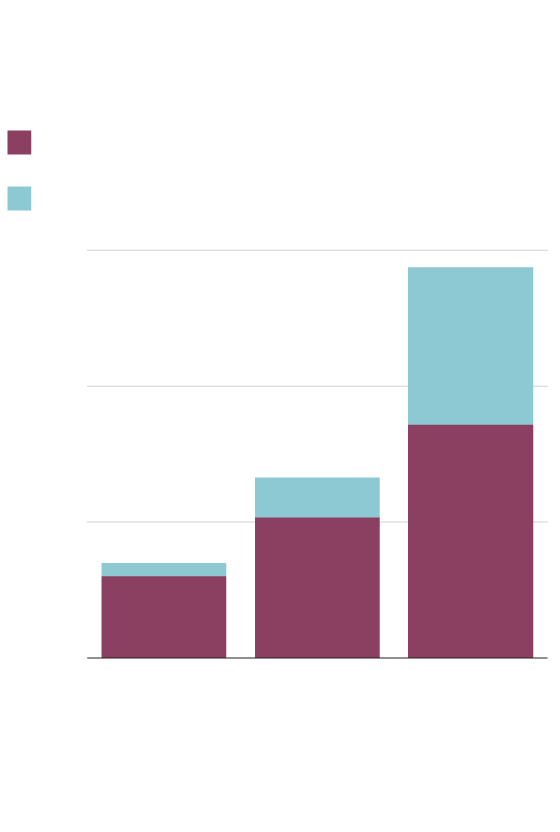
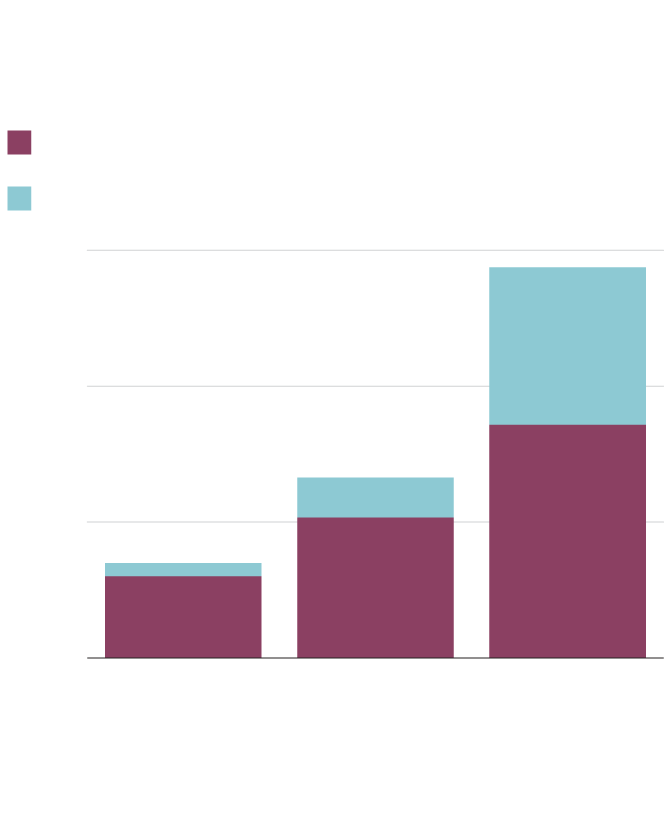
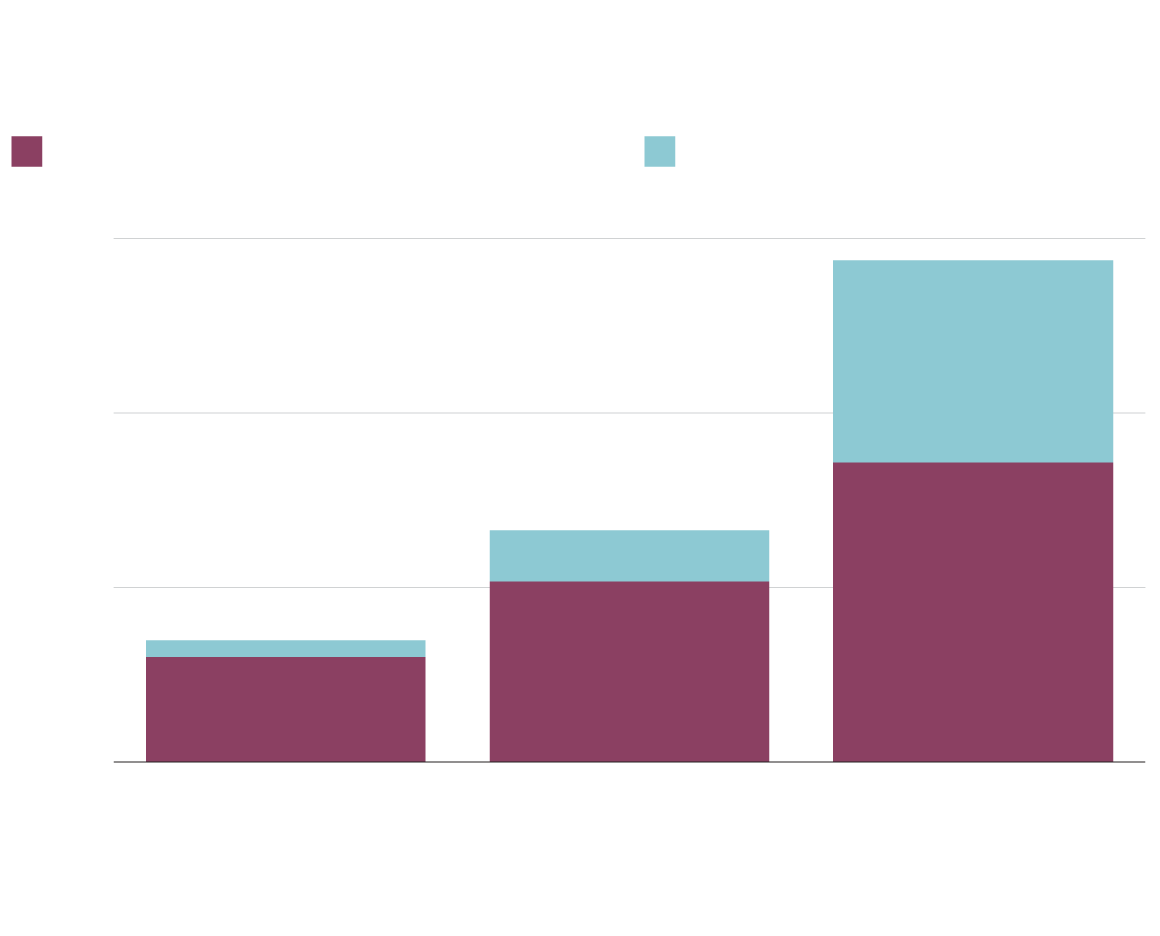
The agency estimates that limiting global temperature hikes to 1.5 C will require a $US4-trillion annual surge in investments in clean energy projects and infrastructure by 2030 – and warns that current levels of spending on clean transitions are dangerously low.
The IEA says the energy sector itself is at risk if transitions don’t ramp up, with around one‐quarter of global electricity networks facing a high risk of destructive cyclone winds and more than 10 per cent of dispatchable generation fleets and coastal refineries prone to severe coastal flooding.
“If we do not correct it soon, the risks of destabilizing volatility will only grow as we move forward,” the report says.
Capacity additions of renewables,
by scenario
Gigawatts
Advanced economies and China
Rest of world
1,200
800
400
0
2020
2030,
Announced
pledges
2030,
Net-zero
emissions
SOURCE: WORLD ENERGY OUTLOOK 2021
Capacity additions of renewables,
by scenario
Gigawatts
Advanced economies and China
Rest of world
1,200
800
400
0
2020
2030,
Announced
pledges
2030,
Net-zero
emissions
SOURCE: WORLD ENERGY OUTLOOK 2021
Capacity additions of renewables, by scenario
Gigawatts
Advanced economies and China
Rest of world
1,200
800
400
0
2020
2030, Announced
pledges
2030, Net-zero
emissions
SOURCE: WORLD ENERGY OUTLOOK 2021
Governments are already seeing an advanced warning of those risks, with the prices of natural gas, coal and electricity rising to historic highs around the world.
And while the report emphasizes that the key reasons for those sharp increases are not related to transition efforts (they’re more because of a rapid economic rebound from last year’s pandemic‐induced recession, weather‐related factors and some supply challenges), it notes that clean energy transitions in the years ahead could be volatile.
Like many IEA reports before it, the World Energy Outlook 2021 says, people – as consumers, and as workers – must be placed at the centre of all transition plans.
It cautions governments to manage the effects of energy diversification carefully, seeking transition pathways that maximize opportunities for jobs and for workers to make use of their existing skills.
“Clear signals and direction from policy makers are essential,” the report says. “If the road ahead is paved only with good intentions, then it will be a bumpy ride indeed.”
Your time is valuable. Have the Top Business Headlines newsletter conveniently delivered to your inbox in the morning or evening. Sign up today.