Donald Trump’s tariff threats have come fast and thick. Every other day, it seems, the U.S. President lobs a new grenade at the international trading system: across-the-board duties on imports from Canada and Mexico; “reciprocal” tariffs on all countries; industry-specific levies on steel and aluminum, automobiles, lumber and copper, to name a few.
It’s a dizzying barrage, with the President making threats and then withdrawing them, while sending mixed messages about his goals.
Some of the threatened tariffs look like bargaining chips: tools to pry non-economic concessions from trading partners or to increase America’s leverage in future trade negotiations. Others look like permanent features of an ultra-protectionist economic agenda, aimed at rejigging global supply chains, gobbling up foreign manufacturing jobs and generating revenue to offset tax cuts.
Mr. Trump has already signed a handful of executive orders related to trade, several of which are scheduled to take effect in the coming days and weeks, and he’s said there’s more to come. It’s anyone’s guess which ones will actually come into force, and what shape the tariffs will ultimately take. But you can bank on this being a month of extraordinary uncertainty: March Madness, to borrow a phrase.
So what should Canadians expect? What’s the nature of the various tariff threats? And is there any hope of avoiding them?



Border security tariffs: March 4
Canadians breathed a collective sigh of relief on Feb. 3 when Mr. Trump postponed his plan to impose steep across-the-board tariffs on imports from Canada and Mexico by a month. That interlude has flown by, and this week the President resumed his sabre-rattling.
Mr. Trump said Thursday that those tariffs would go ahead as scheduled on March 4, claiming that illicit drugs “continue to pour” into the United States from both countries.
The motivation behind the plan to put 25-per-cent tariffs on imports from Mexico and Canada, with lower 10-per-cent tariffs for energy and critical minerals, has always been opaque and confusing. Mr. Trump has tied the threat to border security, saying Ottawa and Mexico City need to do more to reduce the flow of fentanyl and illegal migrants into the United States or they will face crippling import duties.
While overblown, at least in Canada’s case, this national security argument provides legal cover for the tariffs under the International Economic Emergency Powers Act (IEEPA), which gives the President the ability to impose tariffs without congressional approval in the event of an emergency. Mr. Trump, however, has muddied the waters by tying the threat to America’s trade deficit with its neighbours, Ottawa’s failure to meet its NATO military spending targets, and several other grievances.
He paused the tariff threat on Feb. 3 after Mexico promised to send 10,000 troops to patrol the border and Canada increased spending on drug enforcement and agreed to appoint a “fentanyl czar.” But he also said in a social media post that a permanent reprieve would depend on “whether or not a final Economic deal with Canada can be structured.”
With the March 4 deadline approaching, it’s unclear what Mr. Trump intends to do. White House officials have recently said that broad tariffs on Canada and Mexico could be delayed until early April – only for the President to reiterate his original timeline.
If Mr. Trump does proceed, Ottawa has promised to hit back with its own levies on $155-billion worth of American goods, including alcohol, household appliances, apparel and motorcycles. That would rapidly become a full-blown trade war, shattering decades of continental economic integration.
There may also be legal challenges to the tariffs in U.S. courts. Several industry groups representing companies that would be negatively affected by the tariffs have been preparing lawsuits arguing Mr. Trump is abusing his emergency powers and pursuing goals beyond the scope of IEEPA.
“I think the legal challenge has a lot of merit,” said Jesse Goldman, a partner with the law firm Osler, Hoskin & Harcourt LLP in Toronto, who focuses on trade and foreign investment.
“The interesting thing will be who brings that litigation and how quickly it comes, because there seems to be a fear on the part of the business community of retribution from the Trump administration, and signals have been sent that parties in the U.S. that take on opposition to the imposition to the IEEPA tariffs – there will be a price to pay in some way or form.”

Steel and aluminum tariffs: March 12
This isn’t the first time Mr. Trump has menaced Canada with tariffs. In 2018, during his first presidency, he slapped 25 per cent tariffs on steel and 10 per cent on aluminum in a bid to boost U.S. metal production. Ottawa responded with its own tariffs, and the U.S. granted Canada an exemption after a year.
Now the tariffs are back.
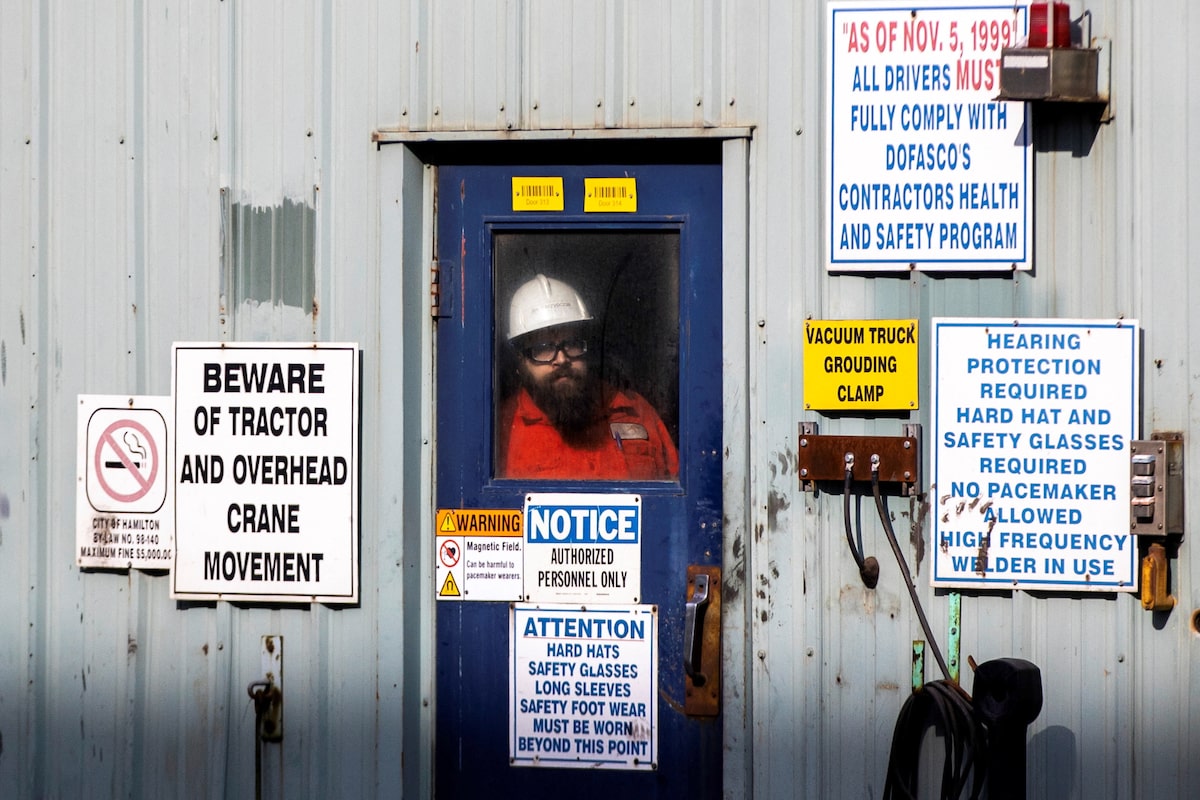
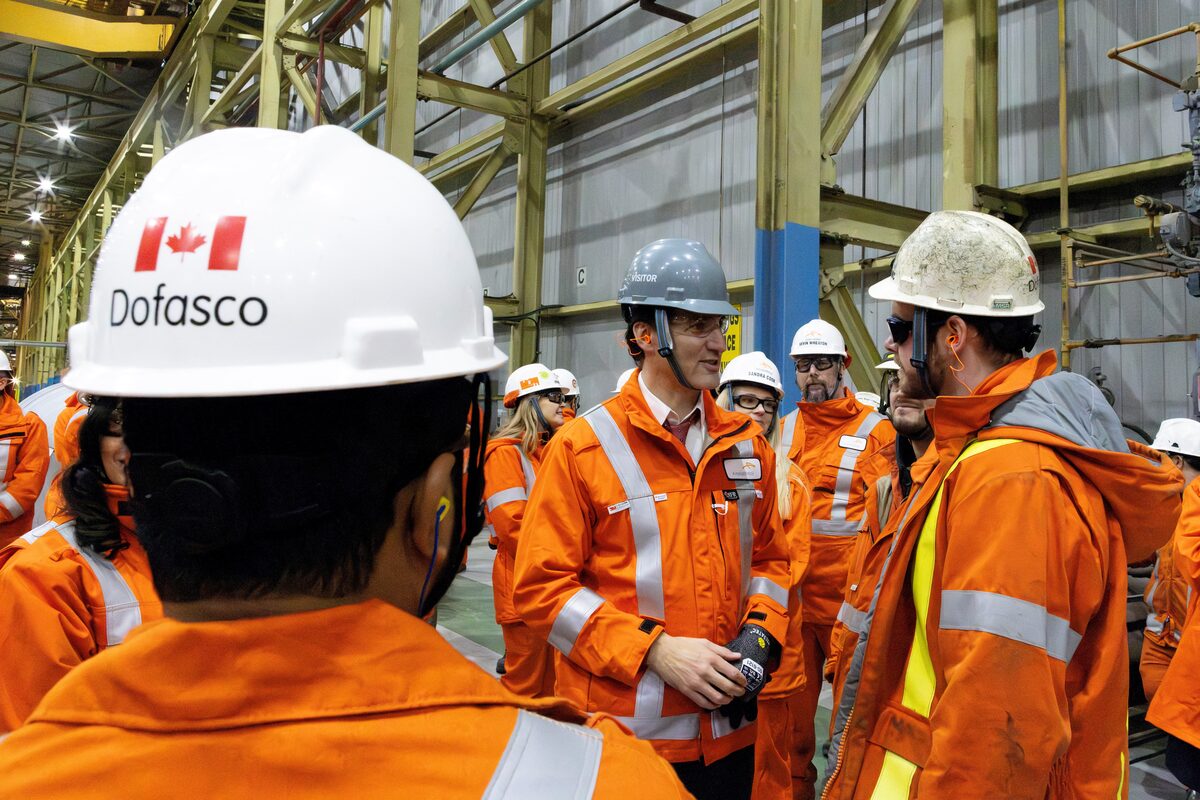
Starting on March 12, the U.S. will reimpose a 25 per cent tariff on steel imports, and a higher 25 per cent tariff on aluminum imports, from all countries without exception. As America’s largest supplier, Canada will be hit the hardest. Canadian producers, mostly based in Ontario and Quebec, sent a combined $35-billion worth of the metals south across the border last year.
On the surface, this looks like a repeat of 2018. Mr. Trump is even relying on the same national security investigation, conducted under Section 232 of the Trade Expansion Act of 1962 during his first presidency, to provide the legal basis for the tariffs. In effect, he’s removing exemptions, rather than imposing new levies. That means they can come into force right away without needing another months-long investigation by the Department of Commerce.
There are, however, differences this time around. The aluminum duties are notably higher, and the White House has suggested various tariffs will layer on top of each other. That means if the administration moves ahead with its plans on both March 4 and March 12, Canadian steel exports could be subject to a 50 per cent tariff and aluminum exports a 35 per cent tariff. (Aluminum is classified as a critical mineral, so it would get dinged with the lower 10 per cent tariff on March 4).
Mr. Trump has also said he won’t provide exemptions to certain importers this time around, and that the tariffs will apply to a broader range of metal products, beyond the raw materials.
“A lot of companies spent a good deal of time in 2018, 2019 working to get those specific exclusions. Those are all out the window,” said Chandri Navarro, a senior counsel with U.S. law firm Baker McKenzie, based in Washington. “And products that weren’t covered are now going to be covered, whether that’s medical devices that contain aluminum, for example, or backyard grills that are made from steel.”

U.S. steel products – like this square tubing at HCC’s factory in Mendota, Ill. – have seen prices surge as uncertainty rises around the tariffs and supply chains.Vincent Alban/Reuters
There could be pushback from U.S. companies, including automobile, airplane and machinery manufacturers, which use steel and aluminum in their products. U.S. smelters produce less than one-fifth of the aluminum that American manufacturers need. Two-thirds comes from Canada.
Even American aluminum companies are sounding the alarm. William Oplinger, chief executive of Pittsburgh-based Alcoa Corp., which also has operations in Quebec and around the world, said this week that the proposed trade restrictions could cost 100,000 jobs in the U.S.
Canada has a strong case to make that the U.S. is violating the United States-Mexico-Canada Agreement (USMCA) agreement, which Mr. Trump himself negotiated to replace the North American Free Trade Agreement during his first term in office. Canada and the U.S. even added a side agreement to the USMCA saying they wouldn’t unilaterally reimpose steel and aluminum tariffs without at least 60 days’ notice.
Still, appealing to the USMCA dispute panel or to the World Trade Organization may not get Canada very far, said Julia Webster, a Baker McKenzie partner based in Toronto. International tribunals move slowly, while the Trump administration is moving fast. It can take years to get a ruling, and it’s not clear the U.S. would abide by the outcome, Ms. Webster said.
“My personal view is that any challenge of the WTO or under a USMCA dispute panel would be largely symbolic,” she said. “I’m not saying that Canada shouldn’t pursue that route because it shows acknowledgment and respect for its international obligations … but it’s not likely to provide economic relief to Canadian businesses.”


Reciprocal tariffs: As early as April 2
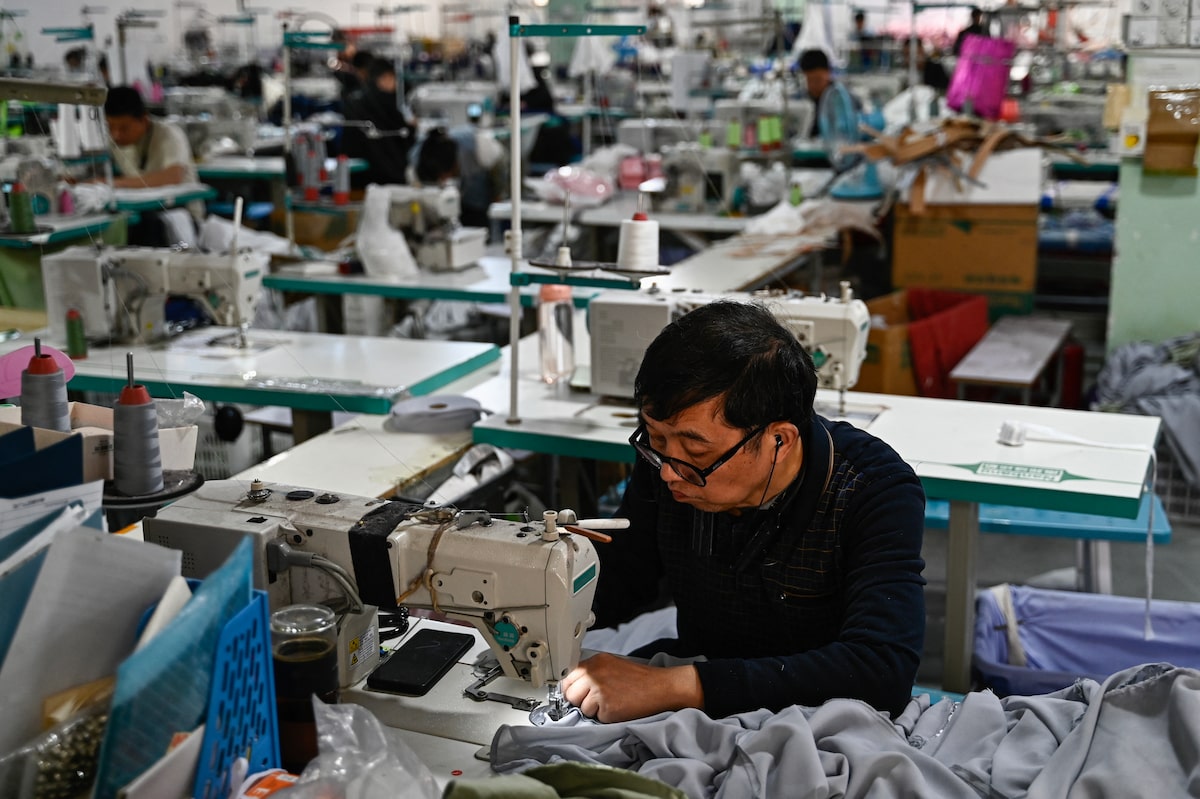
During his election campaign, Mr. Trump promised to impose a 10 per cent to 20 per cent “universal” tariff on all imports, with higher tariffs on adversaries like China. This idea appears to have morphed into something he calls “reciprocal” tariffs.
The President has long complained that America is being treated unfairly by its trading partners. In an executive order signed Feb. 13, he told his administration to go country by country, find areas where the U.S. companies are supposedly being taken advantage of, and suggest remedies.
“Whatever countries charge the United States of America, we will charge them. No more, no less,” Mr. Trump said earlier this month.
White House officials have said these measures could start as early as April 2. Crucially, the administration is looking at foreign tax policies and regulations it considers discriminatory, alongside tariffs other countries place on U.S. goods.
What “reciprocal” tariffs will amount to in practice remains hazy. A literal reading would suggest the U.S. will try matching tariffs, country by country and product by product. But that would be a logistical nightmare.
“Speaking as somebody who’s been a customs and international trade lawyer for 30 years, the practicalities of doing this are inconceivable,” said Mr. Goldman of Osler.
“I think instead, there will be a much narrower set of probably politically high-value reciprocal tariffs. You know, taking a stand against the EU’s 10 per cent tariff on U.S. cars, hitting Canada with some type of reciprocal tariff because of the digital services tax, taking on non-tariff barriers in the Brazilian ethanol industry,” he said.

Supply management helps shield Canadian egg farmers from the vagaries of the market, which its critics in the United States see as an unfair advantage.Peter Power/The Canadian Press
Canadian tariffs on most U.S. goods are zero, thanks to the continental free trade agreement. But Canada does maintain sky-high tariffs for a few industries, notably the country’s supply-managed egg, dairy and poultry sectors, where tariffs can be as high as 300 per cent beyond a limited import quota.
U.S. officials have also complained about non-tariff issues, such as Canada’s goods and services tax, which applies to imports alongside domestically produced goods, and Canada’s more recent digital services tax, which came into force in 2024 to collect tax revenue from U.S. tech giants like Google and Facebook.
Given the nature of these complaints, the U.S. may hammer Canadian companies with burdensome regulation alongside tariffs, said Clifford Sosnow, chair of the International Trade and Investment Group at the law firm Fasken Martineau DuMoulin LLP.
“Right now software as a service is not covered, but there’s every possibility that the President may say, ‘Well, we’re going to impose an export permitting or an import permitting regime with respect to cross-border transfers of software and downloads, or exports of sensitive goods and technology. And of course, that could be enormously disruptive because many Canadian companies require that sensitive technology to operate,” Mr. Sosnow said.


Other threats – possibly early April
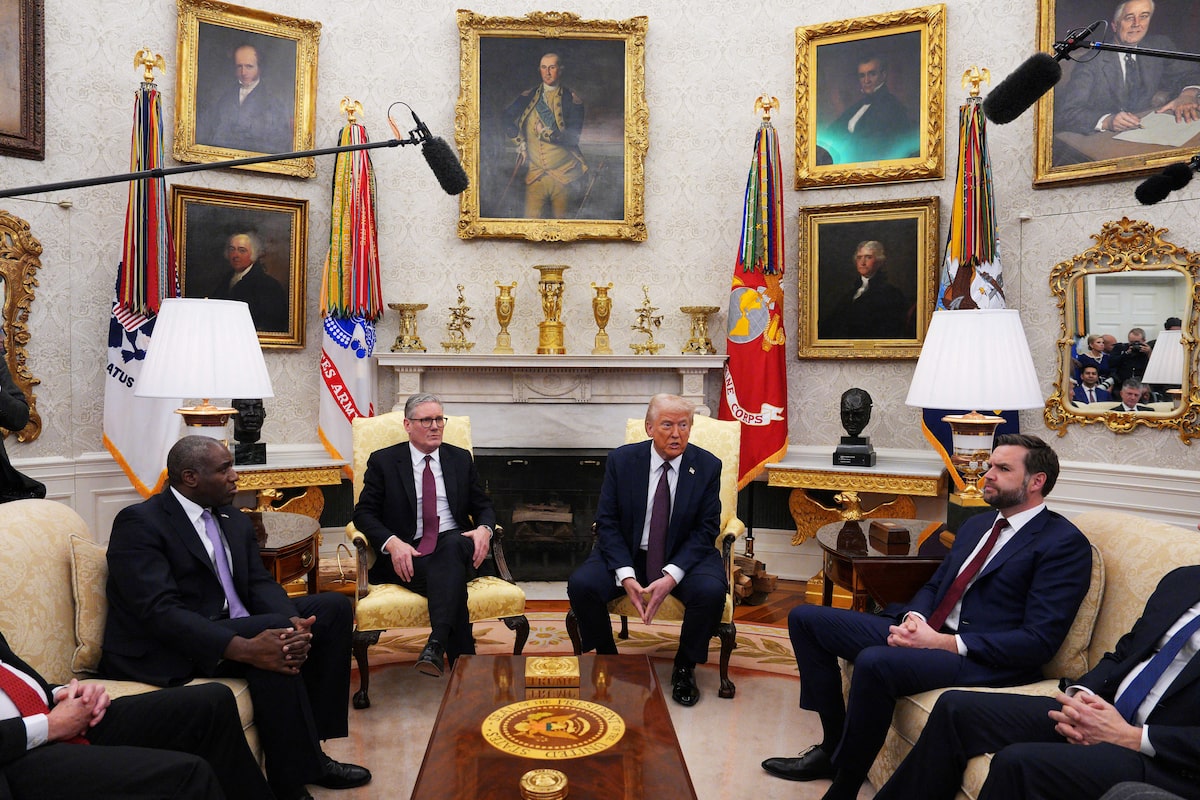
After announcing steel and aluminum tariffs on Feb. 10, Mr. Trump mused that he would roll out additional tariff orders, “maybe on a weekly basis.” Since then he’s threatened 25 per cent tariffs on autos, lumber, pharmaceuticals and semiconductors.
Mr. Trump has said some of these tariffs may come into force in early April, although he’s signed no executive orders spelling out timelines or what legal authority he would rely on. This may become clearer on April 1, when the Department of Commerce, Treasury and Office of the United States Trade Representative are scheduled to publish a series of reports on American trade grievances and suggest potential responses to them.
On Tuesday, Mr. Trump ordered a national security investigation into copper imports under Section 232 of the Trade Expansion Act, the same law it used to implement steel and aluminum tariffs. This process takes months.
And on Thursday, Mr. Trump vowed to double tariffs on Chinese imports, which began in early February, to 20 per cent. He also threatened this week to place prohibitive duties on imports from the European Union.
As the tariff threats pile up, the question becomes: How many will stick? Mr. Sosnow of Fasken thinks the answer depends on the specific tariff and the goal behind it.
“Is there effectively a parachute, where the president says, ‘I got what I wanted, I don’t need these tariffs now. I can always reimpose them if what I wanted didn’t materialize.’ Or is there a larger, more structural endgame for the President in imposing these tariffs,” Mr. Sosnow said.
It’s possible that Mr. Trump is building up leverage to gain concessions from Canada in the renegotiation of the USMCA, which is scheduled for next year but may take place before then. Mr. Trump and his lieutenants have expressed a clear desire to gain more access to Canada’s supply-managed agriculture markets and to tighten rules of origin for North American auto manufacturing to the benefit of U.S. carmakers.
The key question for Canadians: How much is the USMCA worth if the dominant partner doesn’t play by the rules?
“You’ve had an administration that’s already indicated that it’s prepared to disregard the agreement whenever it wants,” said Mr. Goldman of Osler. “So what’s the point of having an agreement with a country like that?”
Tariffs and trade: More from The Globe and Mail
The Decibel podcast
Diversifying Canada’s international trade relationships isn’t as simple as pushing a new set of “buy” and “sell” buttons. Business Briefing writer Chris Wilson-Smith spoke with The Decibel to explain what it would take to wean ourselves off U.S. goods. Subscribe for more episodes.
‘Buy Canadian’ basics
A Globe guide to replacing U.S. imports with local brands
I tried to Buy Canadian with my grocery list. Here’s what it cost me
If tariffs do come for Canada, here’s what would get expensive first
MAGAnomics explained
Do trade deficits matter? Trump thinks so. Here's what economists think
Two books to understand Trump's fixation on tariffs and William McKinley