
Photo illustration of an Iranian flag overlayed with a rising price graph and 3D printed gas pump miniature.Dado Ruvic/Reuters
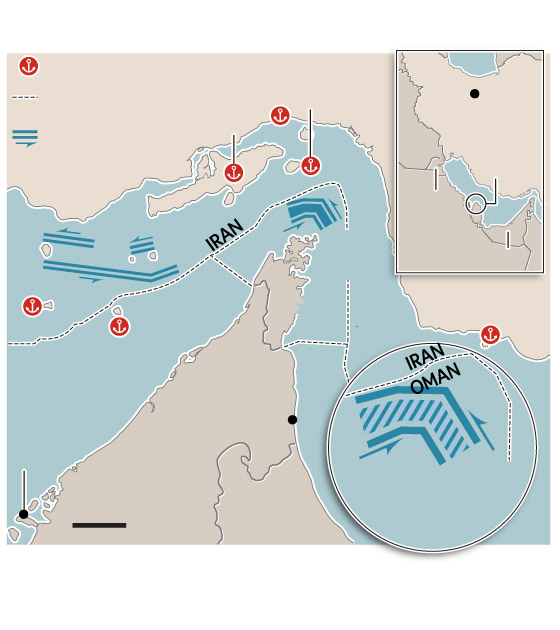
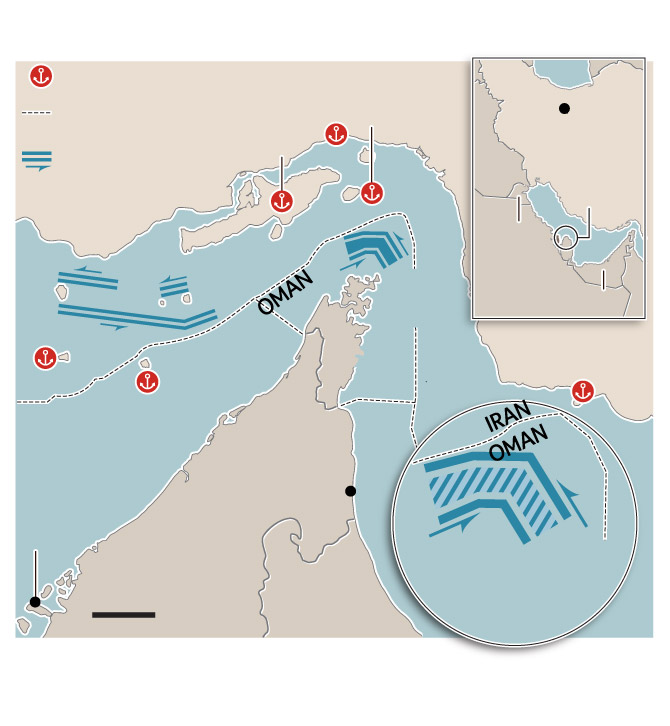
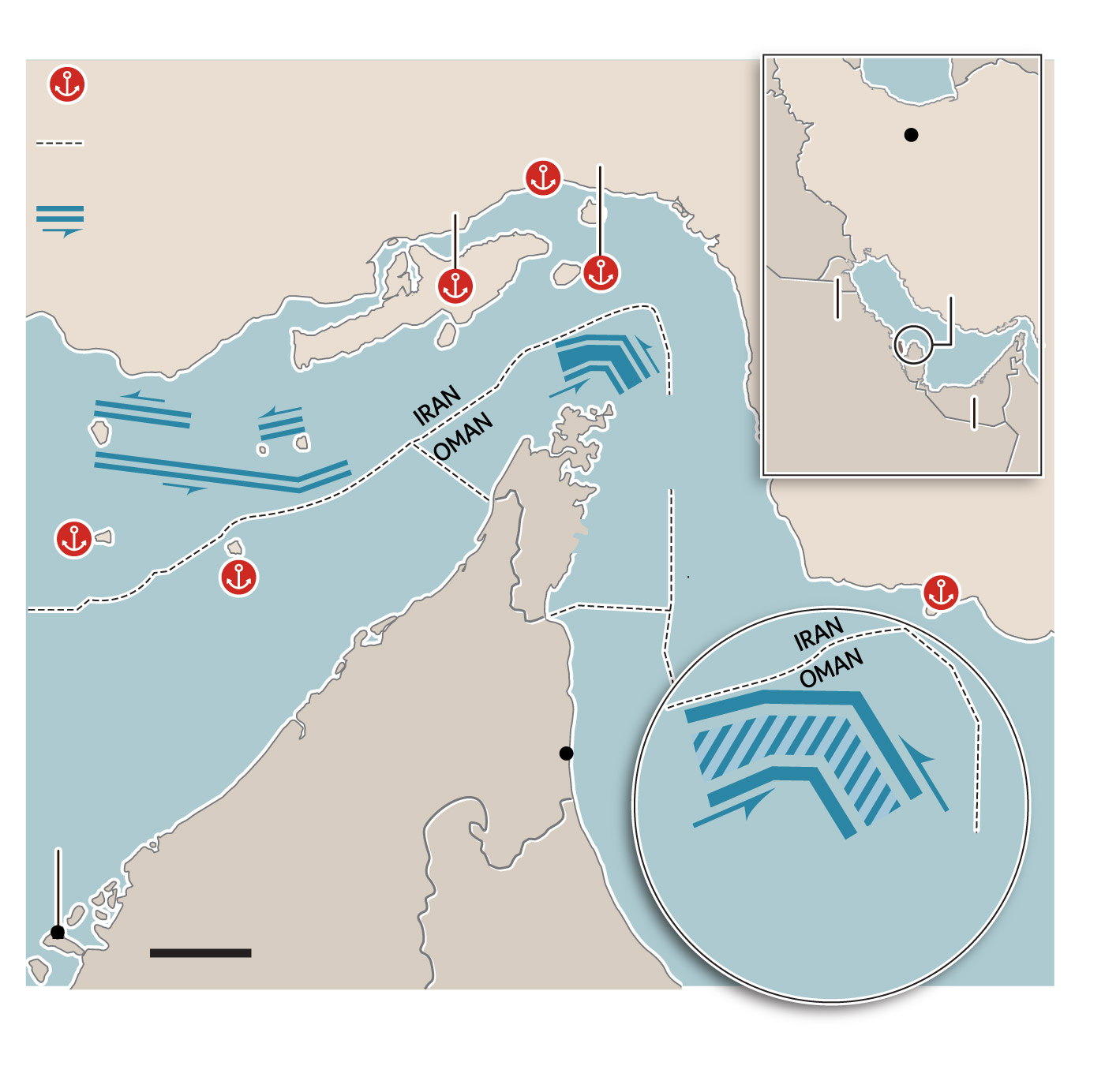
A crude oil tanker was hit in the northern reaches of the Persian Gulf, marking the first time a ship was hit beyond the Strait of Hormuz area. The attack sent the message that Iran is not ready to capitulate and that a war of attrition and endurance may be under way.
The attack on the ship sent oil and natural gas prices higher on Thursday after a respite the day before.
Iran’s Revolutionary Guards said they had hit a vessel in the northern Gulf. At about the same time, the U.K. Maritime Trade Operations Centre reported “a large explosion” on the port side of a tanker at anchor, near Kuwait, and that the vessel had taken on water.
The centre did not identify the ship, though some reports said it was the Sonangol Namibe, a large oil tanker registered in the Bahamas. The VesselFinder site reported a ship of the same name and flag in the northern Gulf. The ship was not loaded at the time and there were no injuries, reports said.
How the closing of the Strait of Hormuz is affecting global oil markets
In London trading on Thursday afternoon, the news of the tanker attack, plus renewed Israel and U.S. warplane raids on Iran, sent Brent crude up by almost 3 per cent, to US$83.50 a barrel. Brent was below US$60 in late December.
Argus, an energy and commodity price reporting agency, said that jet fuel prices climbed to their highest levels in almost four years due to supply disruptions in the Middle East.
European natural gas prices climbed about 12 per cent on Thursday morning, taking the weekly gain to 70 per cent. In the afternoon, gas lost much of its gains but was still up about 2 per cent over Wednesday.
Critical choke point
Islamic Revolutionary Guard Corps bases
Maritime
boundary
Tehran
IRAN
Bandar-e-Abbas
Larak Island
Bahrain:
HQ of U.S.
5th Fleet
Qeshm
Deepwater
shipping lane
IRAQ
IRAN
KUW.
OMAN
SAUDI
ARABIA
Strait of
Hormuz
U.A.E
Sirri
OMAN
Abu
Musa*
Jask
IRAN
U.A.E
Persian Gulf
Fujairah
Abu
Dhabi
UNITED
ARAB
EMIRATES
Shipping lanes are
2,700m wide, separated
by buffer zone
OMAN
40 km
*Occupied by Iran, claimed by U.A.E.
the globe and mail, Source: graphic news; iran
international; reuters
Critical choke point
Islamic Revolutionary Guard Corps bases
Maritime
boundary
Tehran
IRAN
Bandar-e-Abbas
Larak Island
Bahrain:
HQ of U.S.
5th Fleet
Qeshm
Deepwater
shipping lane
IRAQ
IRAN
KUW.
IRAN
SAUDI
ARABIA
Strait of
Hormuz
U.A.E
Sirri
OMAN
Abu
Musa*
Jask
IRAN
U.A.E
Persian Gulf
Fujairah
Abu
Dhabi
UNITED
ARAB
EMIRATES
Shipping lanes are
2,700m wide, separated
by buffer zone
OMAN
40 km
*Occupied by Iran, claimed by U.A.E.
the globe and mail, Source: graphic news; iran
international; reuters
Critical choke point
Islamic Revolutionary Guard Corps naval bases
Tehran
Maritime
boundary
Bandar-e-Abbas
Larak Island
IRAN
Qeshm
Deepwater
shipping lane
Bahrain:
HQ of U.S.
5th Fleet
IRAQ
IRAN
KUW.
SAUDI
ARABIA
Strait of
Hormuz
U.A.E
Sirri
OMAN
Abu
Musa*
Jask
IRAN
U.A.E
Persian Gulf
Fujairah
Abu
Dhabi
UNITED
ARAB
EMIRATES
Shipping lanes are
2,700m wide, separated
by buffer zone
OMAN
40 km
*Occupied by Iran, claimed by U.A.E.
the globe and mail, Source: graphic news; iran international; reuters
The sharp oil and gas increases since last week reflect the view that Hormuz, the narrow channel separating the Gulf from the Indian Ocean through which 20 per cent of the world’s oil and liquefied natural gas (LNG) pass, probably will not reopen soon.
Both London’s FTSE-100 and Germany’s DAX stock indexes were flat on Thursday after fairly steep falls earlier in the week.
In a note published early Thursday, ING Economics said that investors are taking the view that the war in Iran, which began on Saturday with Israeli and U.S. airstrikes throughout the country, could rattle the markets for some time.
“Risk assets are struggling again today after yesterday’s bounce,” ING said. “It seems clear that there is going to be no quick fix to the war in the Middle East, be it a negotiated settlement or the U.S. military somehow managing to reopen the Strait of Hormuz.”
The European Union is especially worried that gas prices will continue to rise, hurting consumers and energy intensive industrial companies such as the auto and chemicals makers. After Russia invaded Ukraine four years ago, the EU tried to eliminate Russian gas from its energy mix. It was largely, but not entirely, successful.
“Adding to the rebound in gas has been reports that Russia could redirect its gas exports away from the EU,” ING said. “Russia represents 12 per cent of the EU’s gas imports. The EU is trying to wean itself off Russian gas, but clearly events in the Middle East make such a move that much more arduous.”
Canadians may pay more for gas because of Iran war, but oil glut could curb price hikes
Hormuz remained the focus of investors’ concerns. As long as the shipping chokepoint remains effectively closed, they fear that oil and gas prices will keep rising, stoking inflation and making it less likely that central banks will cut interest rates anytime soon.
Some oil refineries and LNG facilities in the Gulf have suspended operations because ships are not taking cargoes and captains with loaded ships are unwilling to pay the soaring insurance costs to risk traveling through Hormuz.
The Financial Times reported that insurance costs have climbed as high as 3 per cent of the value of the ship, up from 0.25 per cent before the war broke out on Saturday – a 12-fold increase.
The rise came even though U.S. President Donald Trump said earlier in the week that the U.S. International Development Finance Corp. would provide insurance coverage “at a very reasonable price” and that the U.S. Navy may escort ships through Hormuz.