In the end, the voyage of Artemis II lasted just over nine days and 92 minutes – a relatively short time in space by current standards.
But in that time, four astronauts flew farther from Earth than humans have ever gone. In the process, they built a bridge across more than 53 years of space exploration history, forging a direct link to the Apollo program of that era and pledging to pick up where NASA’s initial effort to explore and build a presence on the moon left off.
For those watching through years of setbacks and debate about the future direction of the human space program, it was a reset long anticipated that nonetheless seemed to arrive all of a sudden.
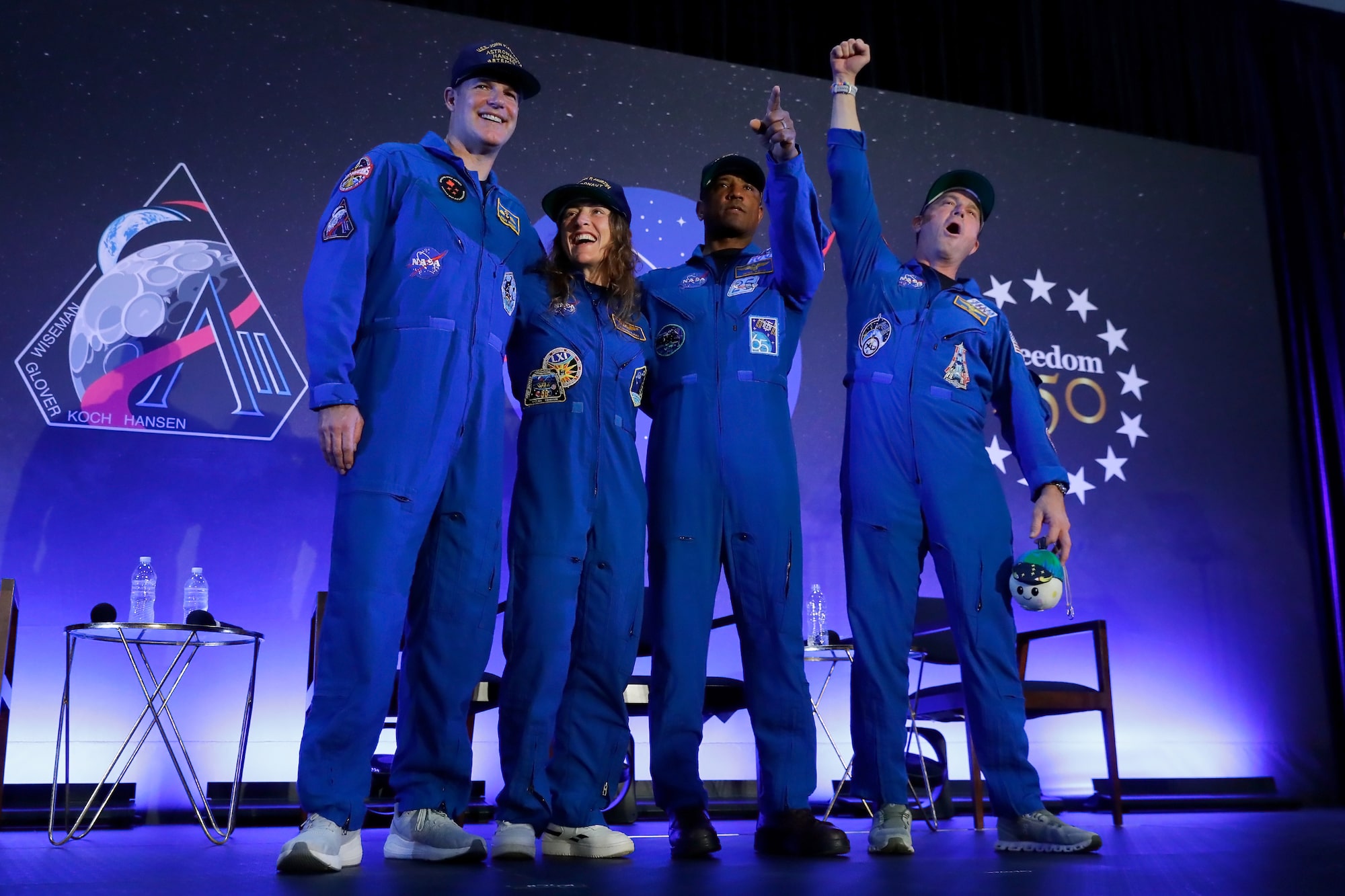
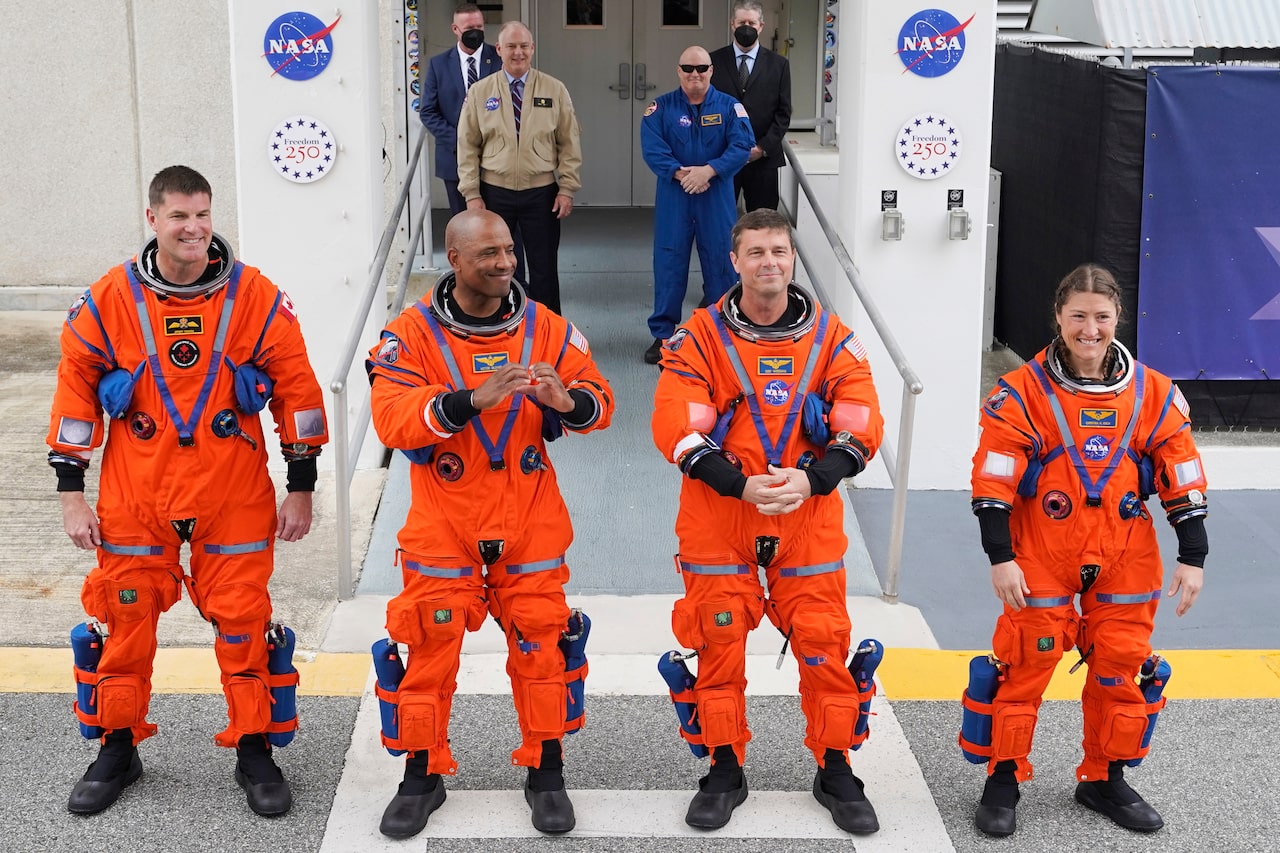
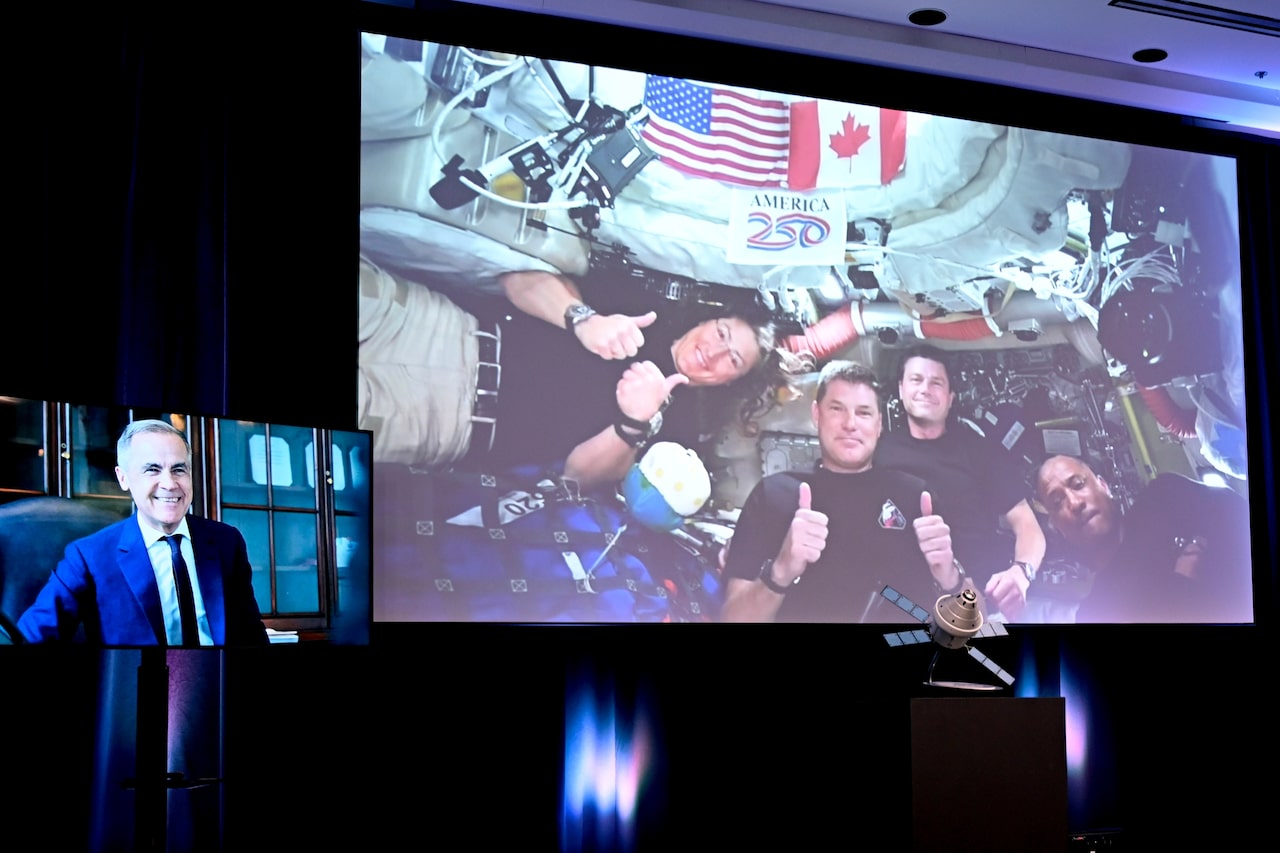
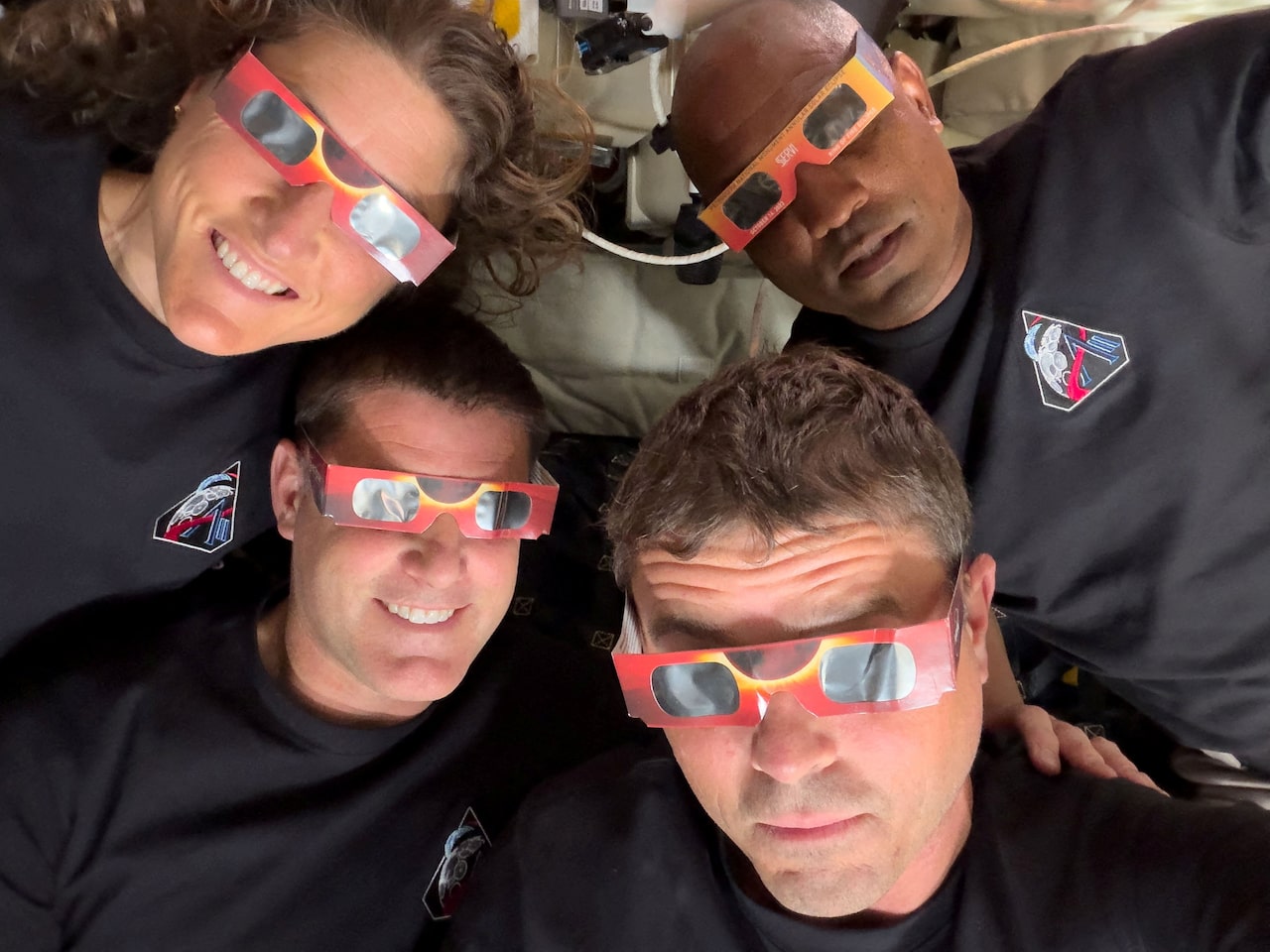
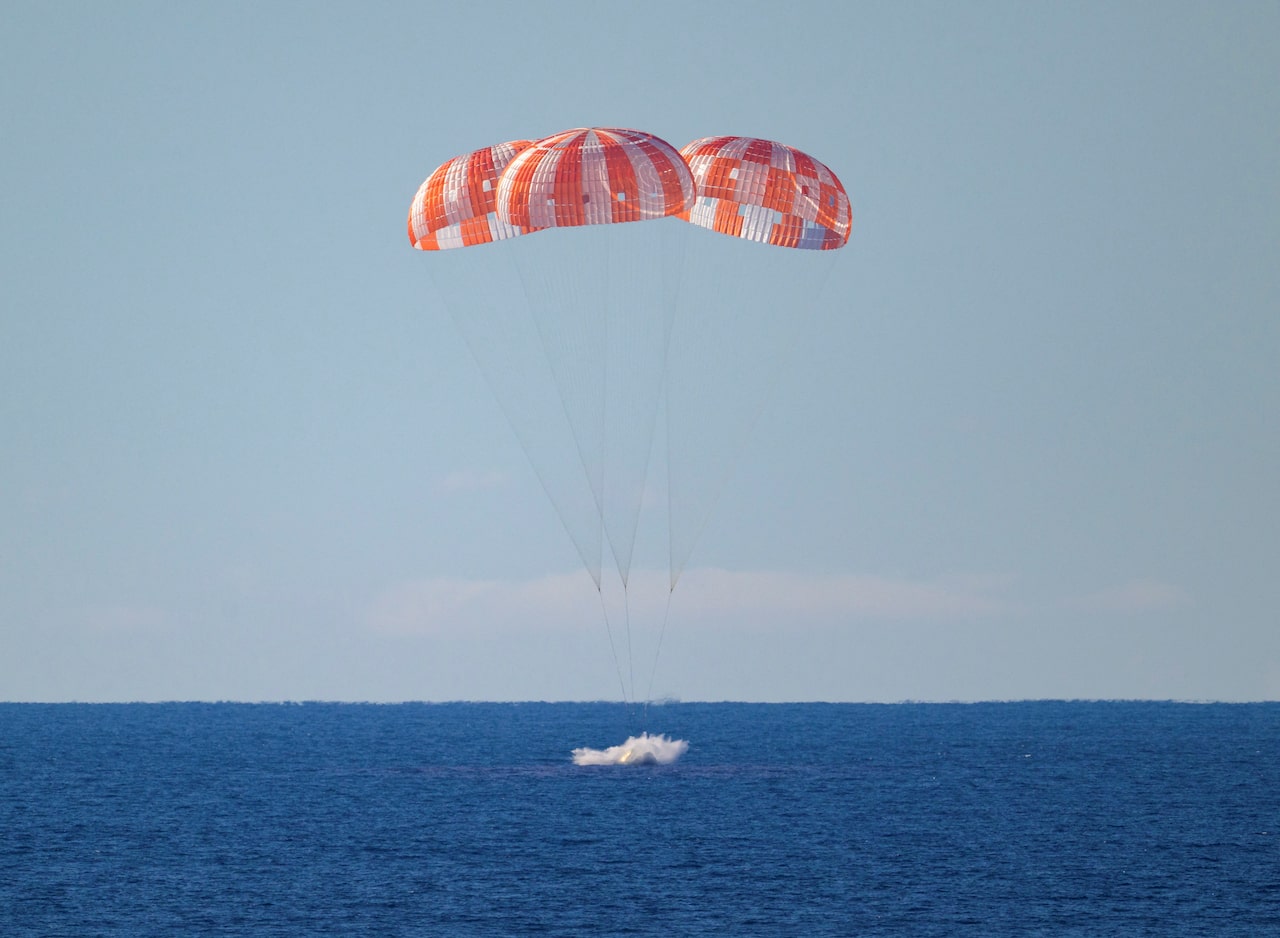
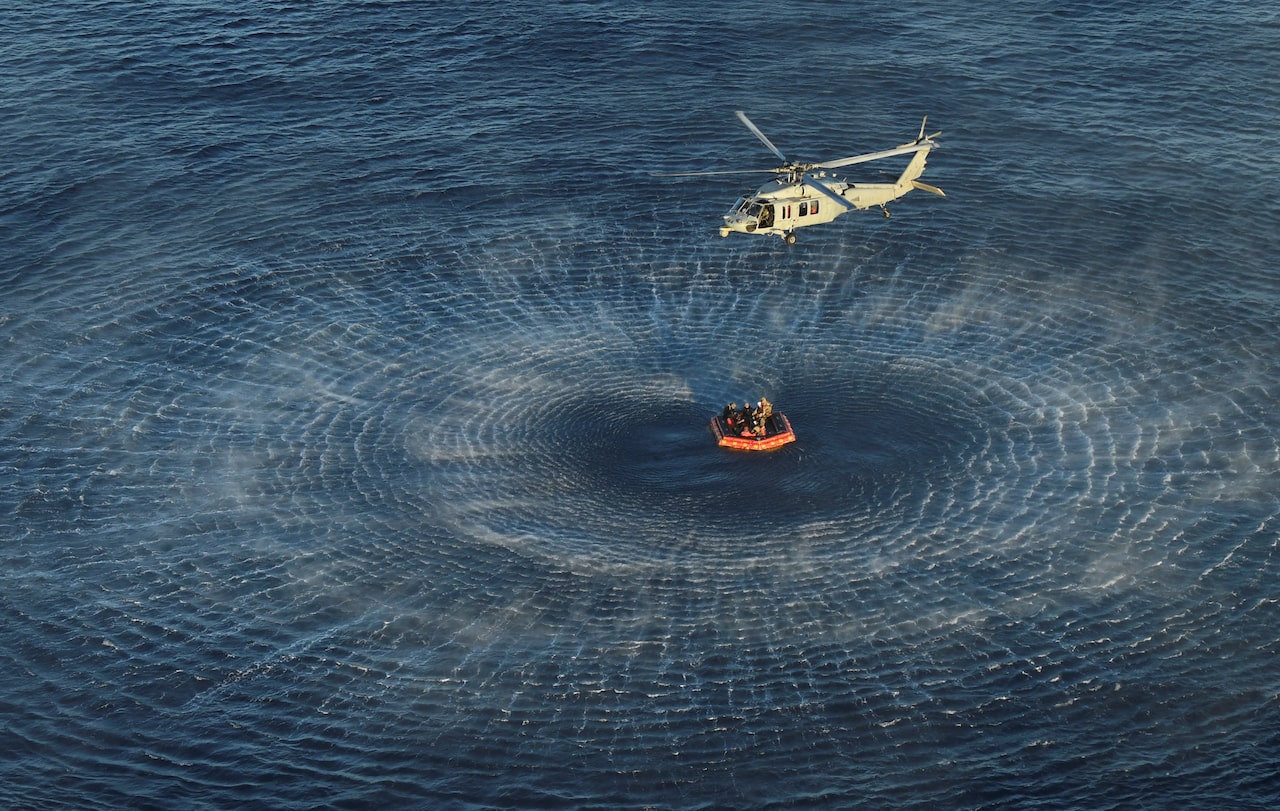
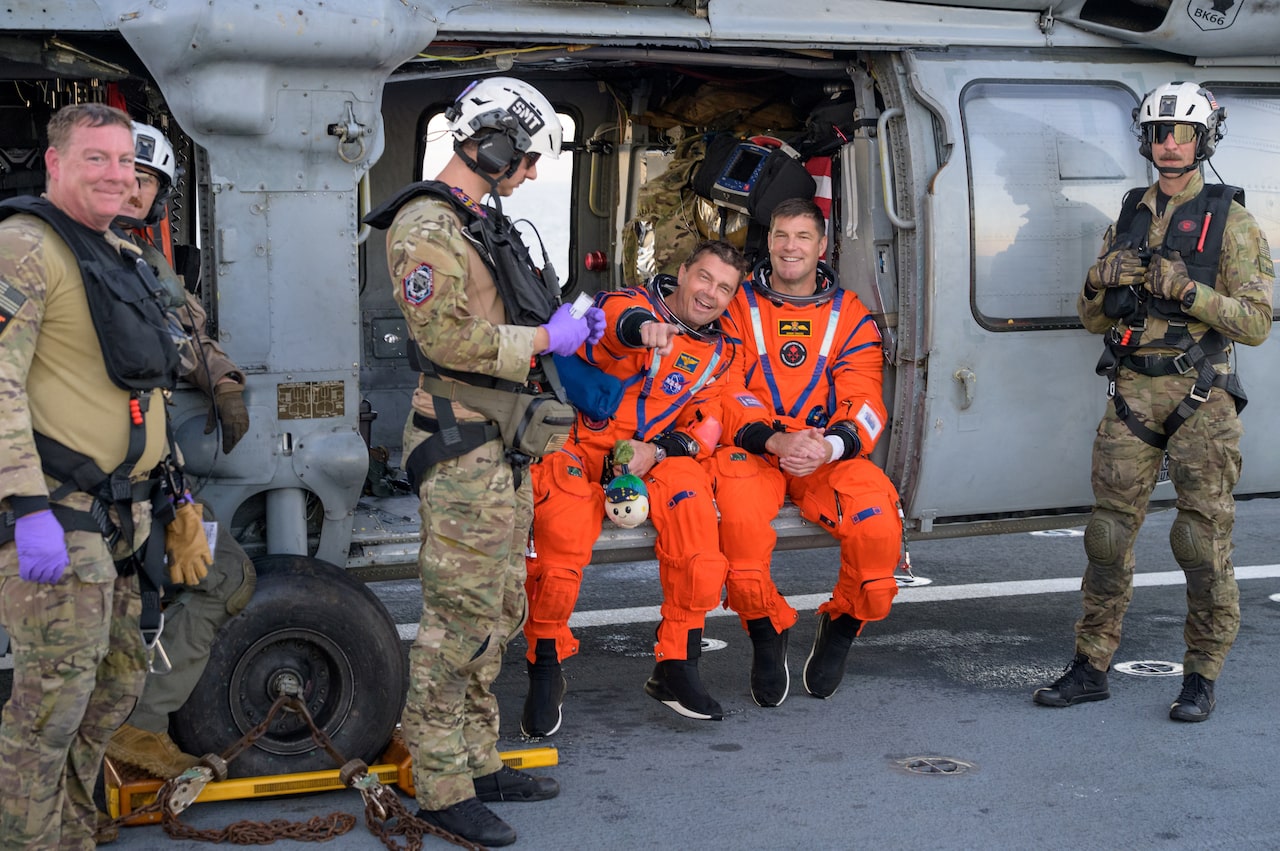
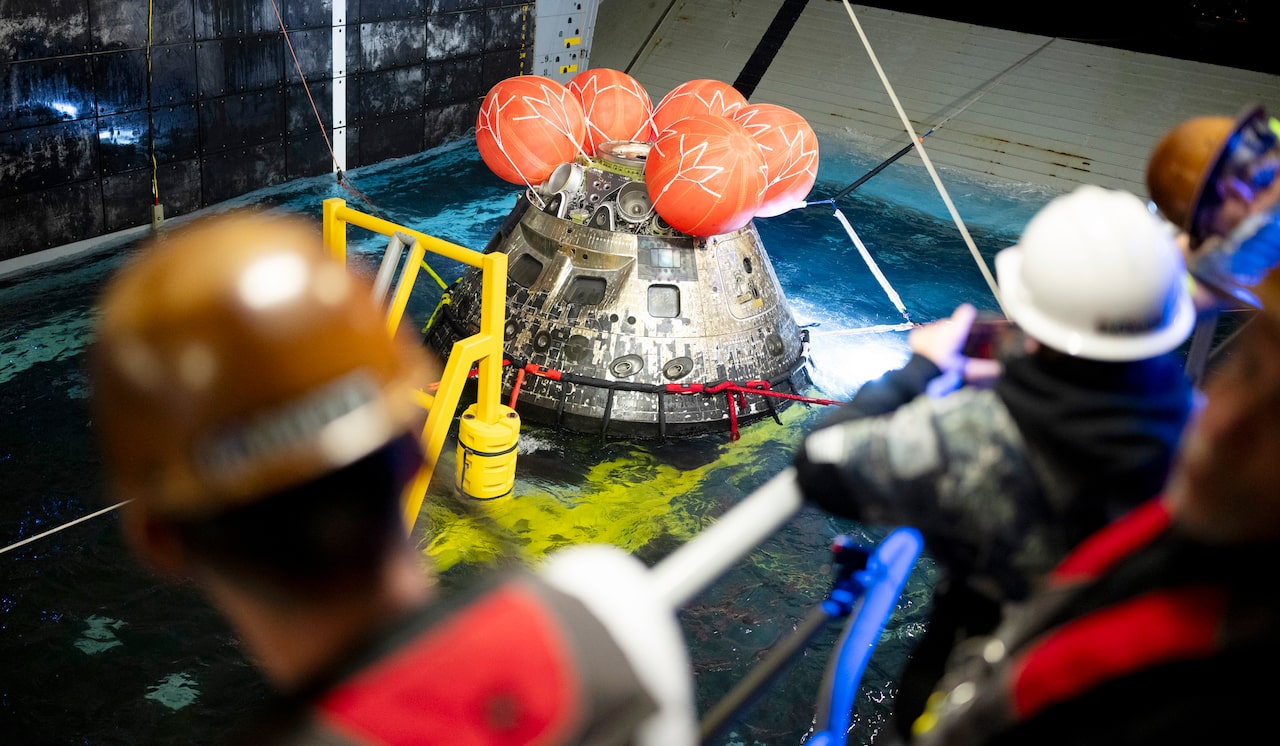
Reid Wiseman, Victor Glover, Christina Koch and Jeremy Hansen – three Americans and a Canadian – were on stage Saturday at NASA’s Johnson Space Center in Houston to greet colleagues and well-wishers after the successful splashdown of their minivan-sized capsule, called Integrity, less than 24 hours before.
“This is the furthest I’ve been away from Reid in a long time,” Col. Hansen quipped as he looked over at Commander Wiseman at the other end of the stage.
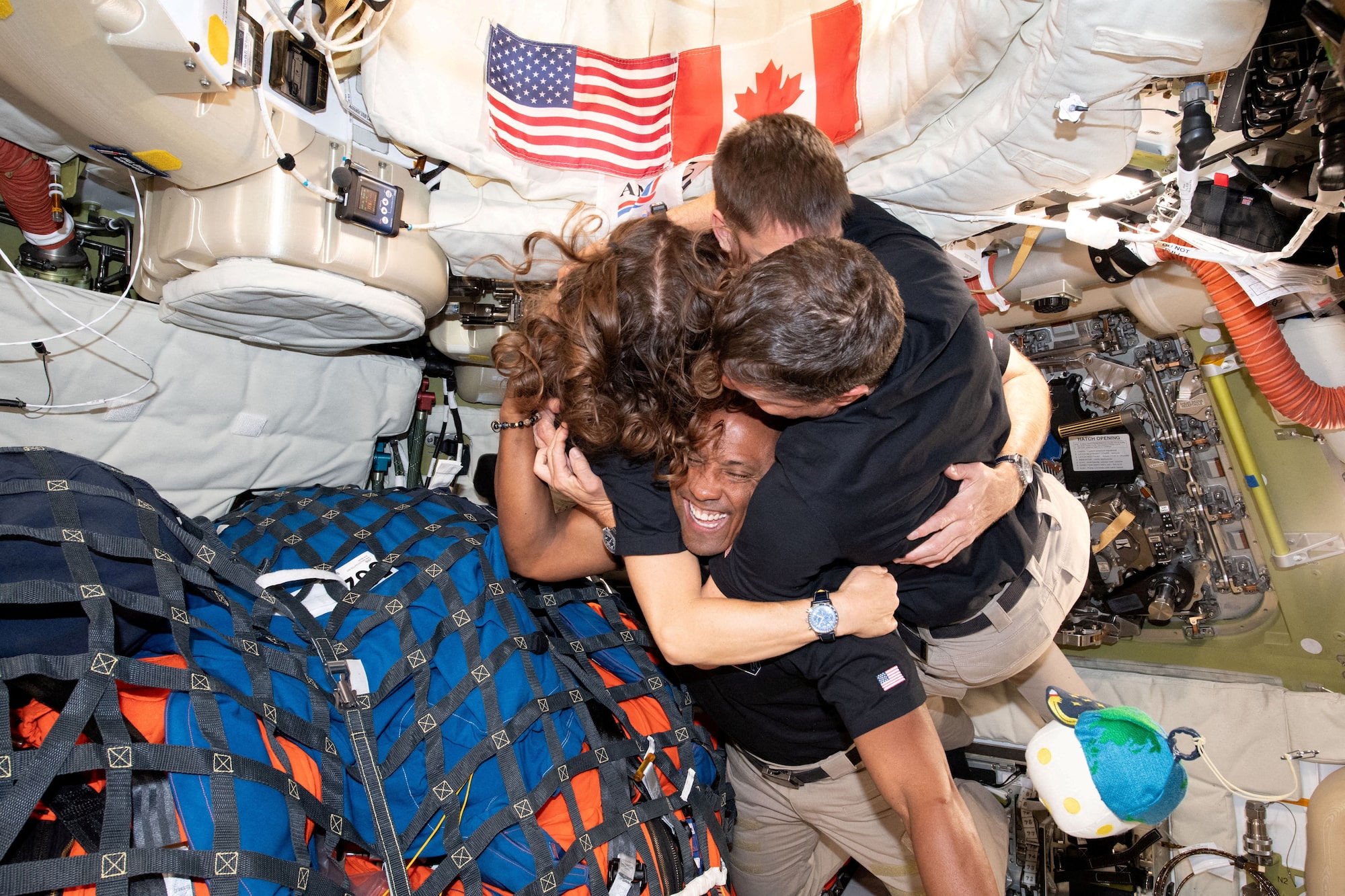
All four astronauts were looking healthy and happy after being reunited with family members who had had to cope with the possibility of sudden disaster at any moment as the mission progressed, up to its fiery plunge through Earth’s atmosphere at 32 times the speed of sound.
For NASA and its partners, including the Canadian Space Agency, the flight was an unequivocal success.
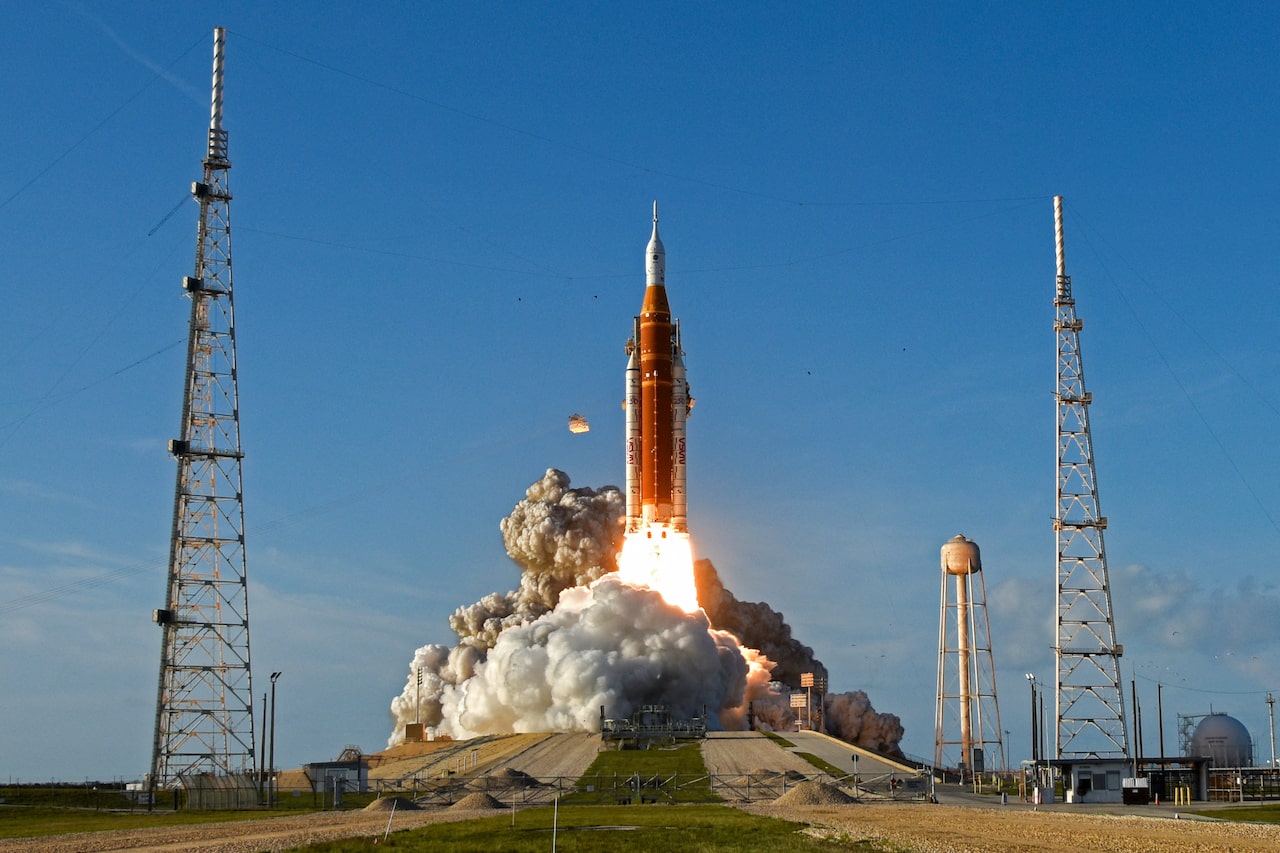
Artemis II achieved its main objective of testing the Orion crew capsule, which included exposing some technical glitches, such as a faulty toilet.
Equally important, the mission succeeded in reminding a fractious world what going to the moon looks like, and why that should matter to humanity at large.
“It was the moment we all saw the moon again, where childhood dreams became missions,” NASA administrator Jared Isaacman told the astronauts
For most people alive today, the Apollo moon landings exist not as personal memory but as a previous generation’s history, captured in old photos and reproduced in books that are themselves now yellowed with age.
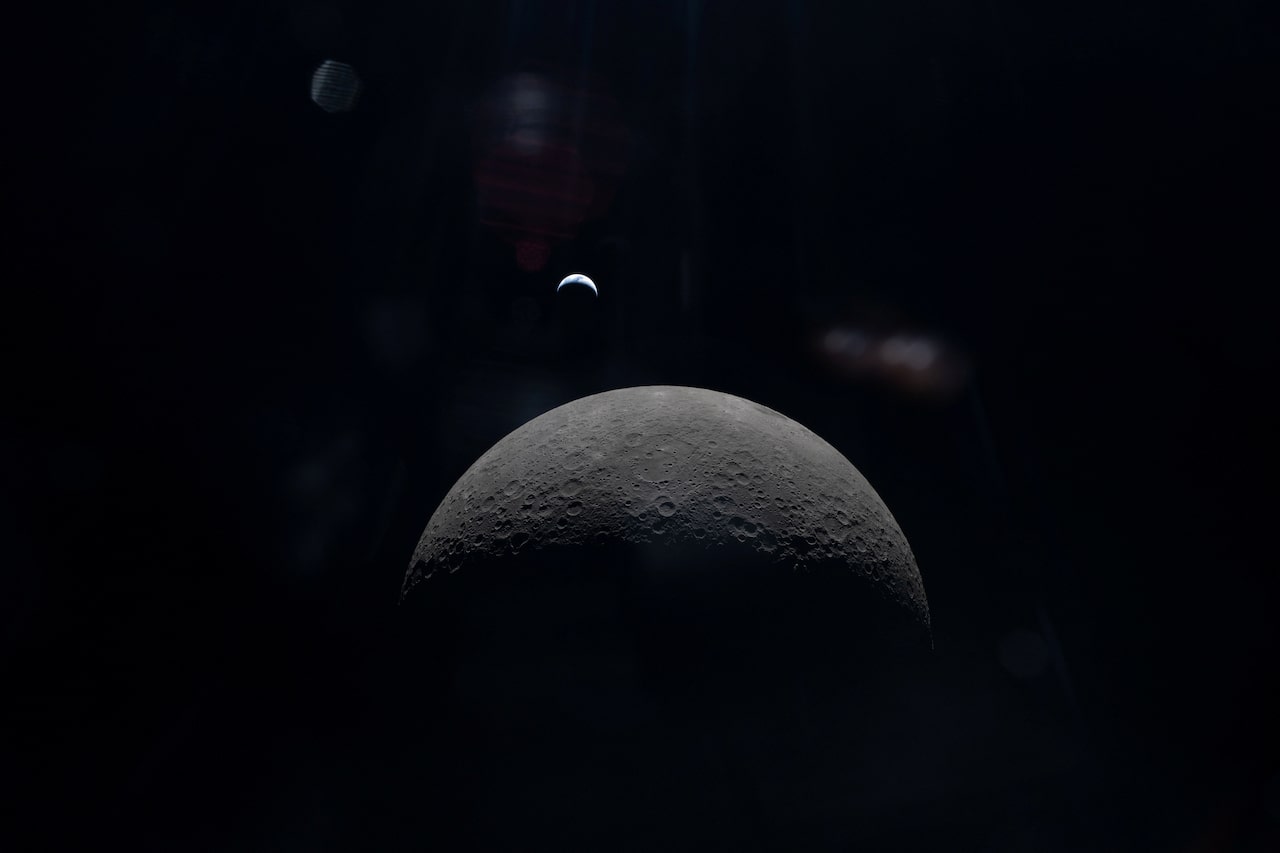
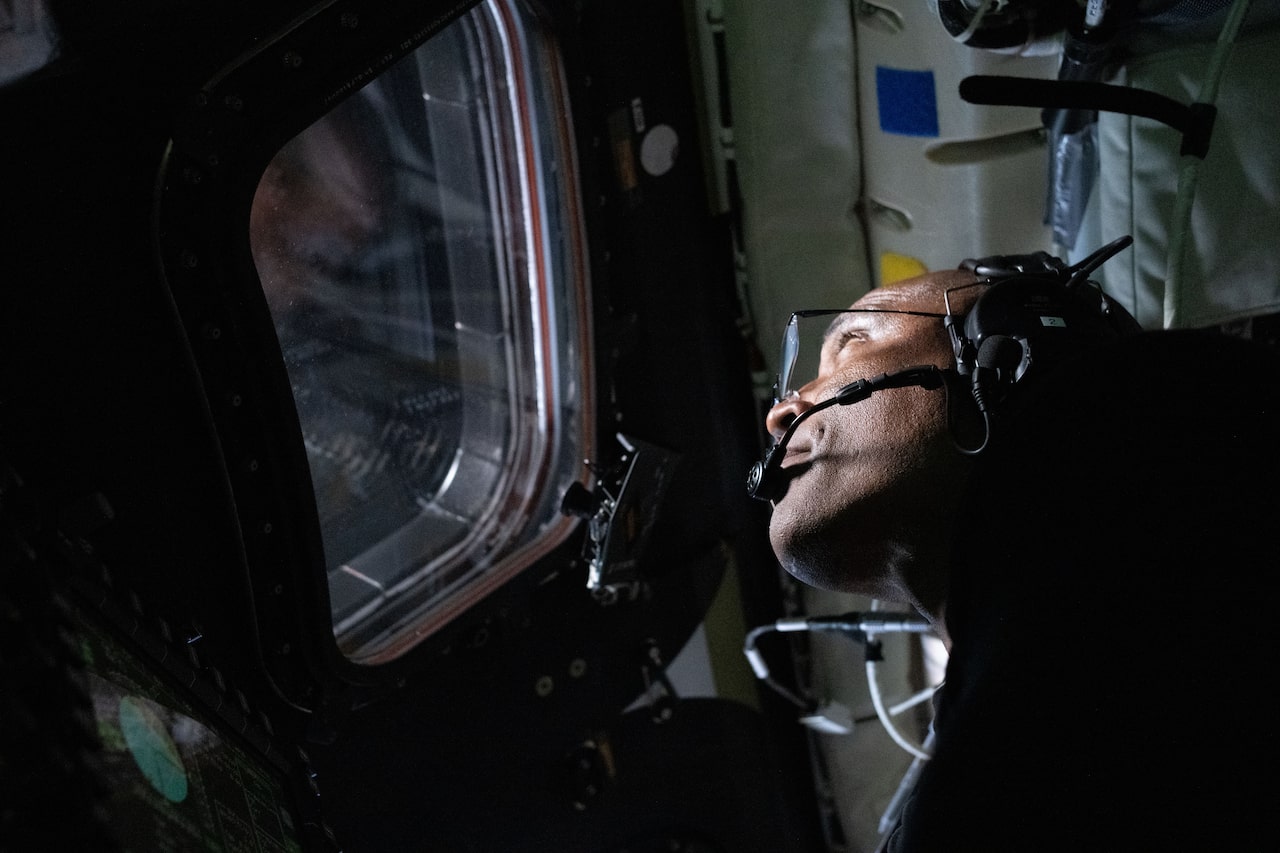
With Artemis II, the act of seeing the moon up close and in person has been restored to the repertoire of contemporary human experience. It is something kept alive not just by pictures that the Artemis astronauts took during their lunar flyby, but by the freshness and immediacy of their descriptions.
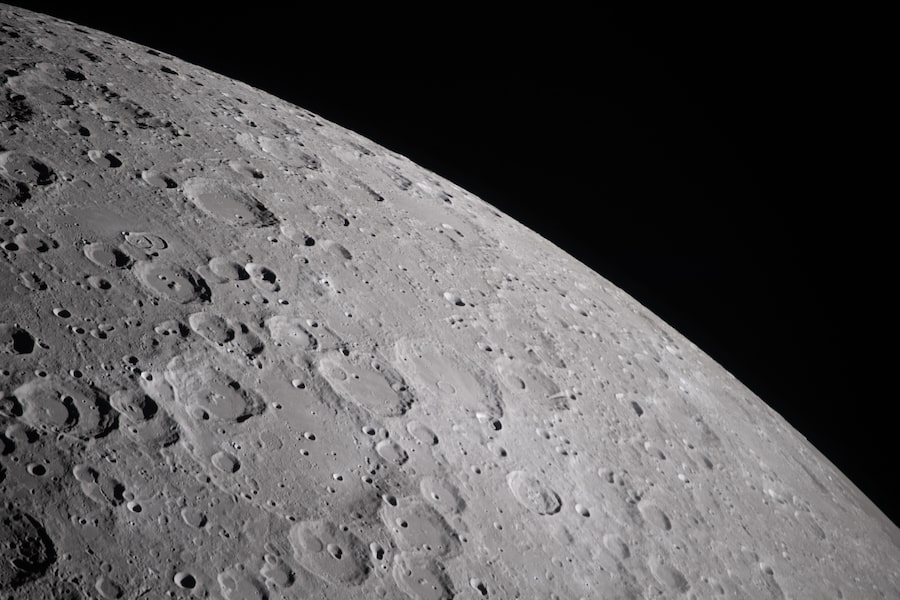
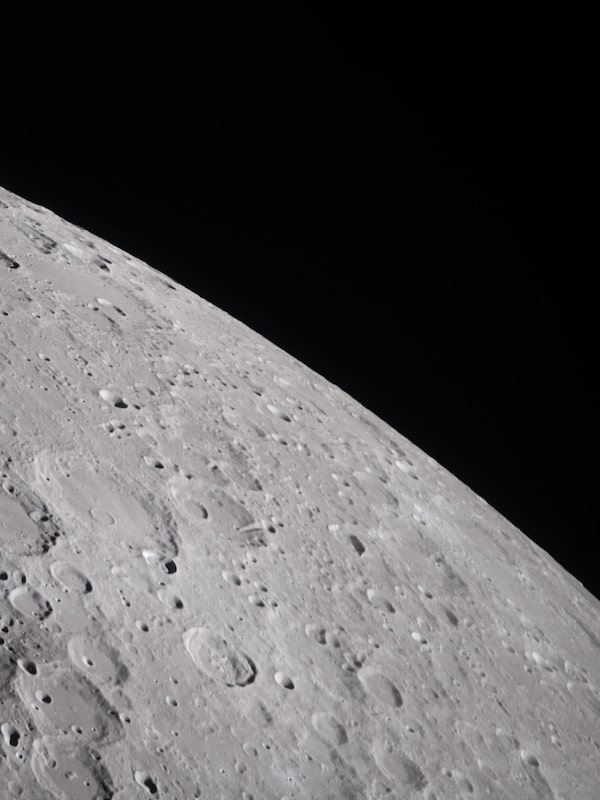
During their intense six-hour observation period of the moon’s far side, the crew related sightings that were not always expected and that automated cameras without humans present would not have seen. This included flashes from micrometeoroids striking the darkened lunar surface during an eclipse.

“These are things we just can’t image given typical lighting conditions,” said Tim Haltigin, the Canadian Space Agency’s senior mission scientist for planetary exploration.
Such observations help answer the question that often surfaced during the long road to getting the Artemis program off the ground: Namely, why bother going where people have already been?
A range of possible answers exist that have to do with the scientific and commercial opportunities that come with such an endeavour. But the question is fundamentally one of values.
One might similarly ask why learn to play a Bach fugue, or try to pitch a no-hitter.
With Artemis II, NASA has tried to demonstrate that going to the moon is not a one-time goal to be checked off but a capability in humanity’s collective skill set that is worth maintaining.
Some of the photos the crew sent back were strikingly different from what Apollo astronauts saw. In the 1960s, it was a revelation to see the Earth above the moon’s horizon – our planetary home as viewed from so desolate and distant a place.
But because the Artemis II crew travelled several thousand kilometres beyond the moon, they also showed Earth and moon together in a different way – as a joint system. It’s a subtle difference, but it suggests a newly expanded sense of humanity’s place in the universe that consists of the two celestial bodies together.
The challenge for the U.S. space agency now is to continue to deliver on its lunar program at a pace that maintains interest and at a cost that can be tolerated. A key aspect of this will be the involvement of private companies and international partners to expand the endeavour beyond a single government program.
To that end, the diverse makeup of the crew established an important template for the future of the lunar program. It also gave Canada the status of becoming only the second country in history to send an astronaut around the moon.
Astronomers have long recognized that the moon is a mirror. It does not shine by its own light, but merely reflects the light that falls on it.
On Saturday, Col. Hansen offered some apt words that extended this notion to Artemis and the future.
“What you saw was a group of people who loved contributing, having meaningful contribution, and extracting joy out of that,” he said. “I would suggest to you that when you look up here, you’re not looking at us. We are a mirror reflecting you.”