Two minutes can feel a lot longer when a lit fuse is burning. At Revelstoke Mountain Resort, Justin Brown, a ski patroller and avalanche forecaster, reminds everyone to “plug your ears” at the 30-second mark. Wind howls up and over the summit, kicking up snow.
Finally, after what seems a long wait, the small yellow package of explosives dangling over the cliffside evaporates with a chest-rattling thud. Small waterfalls of snow tumble down the mountainside.
It’s a perfect controlled avalanche. The purpose of the event was to pre-emptively break up any unsafe snow formations.

This is the result moments after a bundle of explosives was tossed over a cornice on Mount MacKenzie, as seen in the top photo. Detonations help prevent snow from falling uncontrollably in avalanches.


On Feb. 19, a skier died in an avalanche on Kapristo Mountain in British Columbia. It was the first avalanche-related fatality this winter. On average there are 11 deaths in Canada each year owing to avalanches, with around 80 per cent of those fatalities occurring in British Columbia.
Ski resorts hire employees like Mr. Brown to make sure that the conditions on their terrain are as safe as possible for skiers. Backcountry – that is, Crown land – doesn’t have dedicated staff. But conditions in the wild are monitored by an organization called Avalanche Canada.
Avalanche Canada is a not-for-profit focused on avalanche safety and communication. It was formed in 2004 in the wake of a tragic winter that saw 29 avalanche fatalities, including seven from a school outdoor education trip.

At Avalanche Canada HQ in Revelstoke, forecasters go over weather reports at the morning briefing.
Mr. Brown and other ski patrollers rely on information from Avalanche Canada and, in turn, the non-profit collects data from folks out in the field. Avalanche Canada’s Mountain Information Network report is a resource of updates and info from different sources out in the backcountry, including guides, recreational users and organizations.
The organization also works with partners across the country such as Avalanche Quebec, Kananaskis Country and Parks Canada to produce avalanche and snow safety forecasts. They released 2,371 forecasts in the 2023-24 season alone.
Canada’s forecasting area is 367,579 square kilometres, the largest in the world, and an area greater than Germany. Key to the safety forecasts are seven Avalanche Canada field teams located in the South Rockies, North Rockies, the Northwest, the Yukon, Vancouver Island and Newfoundland. One roving field team is based at their headquarters in Revelstoke, B.C.
“Our field teams are gathering information,” says James Floyer, the Avalanche Canada program director, “about the layers in the snow, about the nature of the snow above the weak layers of slabs, looking for avalanche observations, testing small pieces of the slope.”


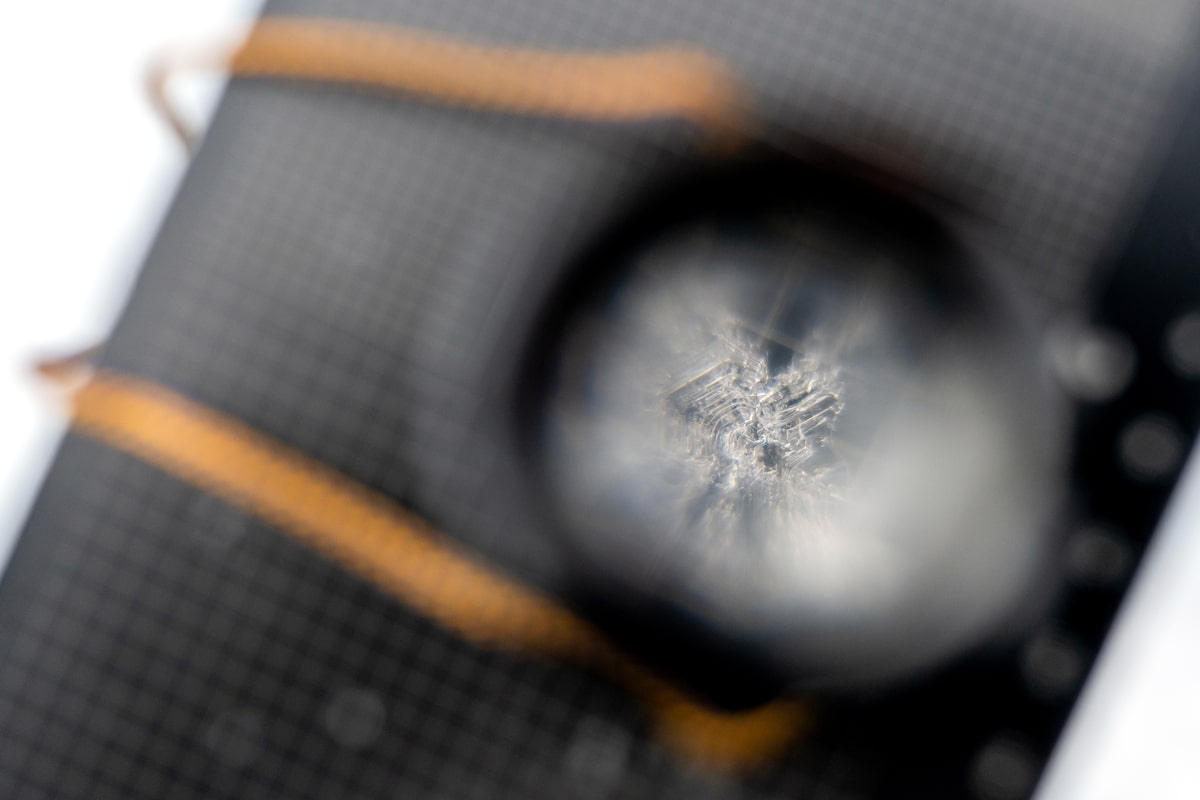
Digging a snow pit and tracing back through layers of snow and ice, the Avalanche Canada experts can identify successive storms, weak layers, and formations of hoar frost (snow crystals that form under very specific weather conditions) that can lead to a dangerous, unstable layer within the snowpack.
After testing and research at various destinations, they crunch their data into forecasts and warnings to the public that are put into layperson’s language and terms and accessible through their website.
As well as forecasts, the organization provides outreach and education, training students in the skills needed for backcountry travel.
“We do see ourselves as a real essential service for Canadians,” Mr. Floyer explains. “Being able to use Canada’s amazing backcountry is a real gift … but we have to do it safely.”
Editor’s note: An earlier version of this article incorrectly referred to Avalanche Canada as the Avalanche Canada Foundation. This version has been corrected.
