
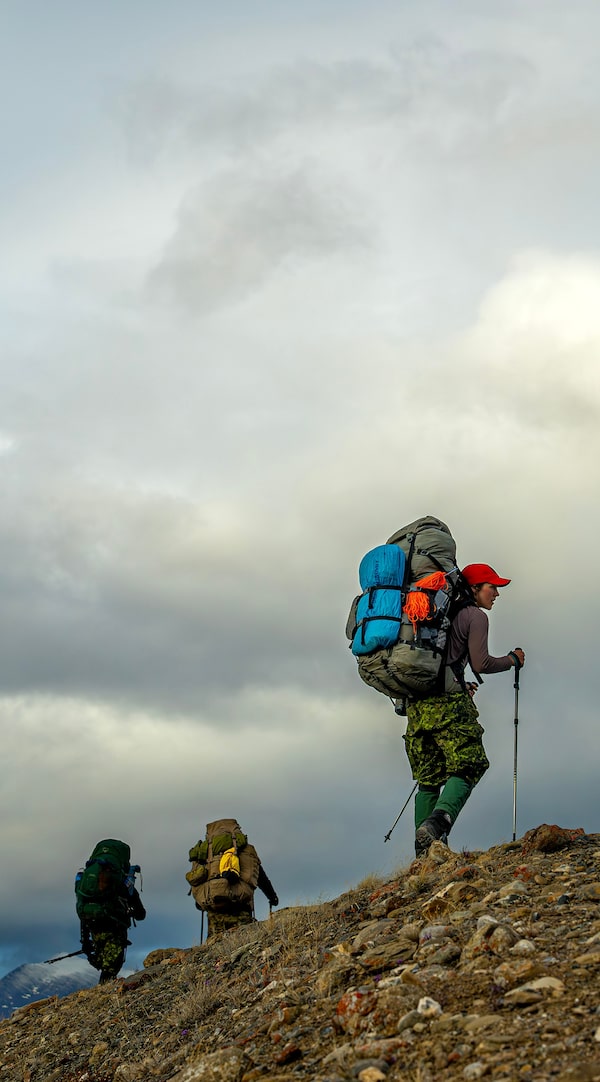
In July, the Canadian Armed Forces launched the first iteration of Operation Nanook-Takuniq, sending a contingent of 70 individuals north, most of them Canadian Rangers. The rangers are a subcomponent of the army reserves, distinguished by their location in remote and/or coastal parts of the country.
The exercise is part of a broader effort by Canada to increase its presence in the Far North, after years of criticism from defence experts and others that it was failing to take Arctic sovereignty seriously. The strategic importance of the North has taken on a greater urgency in the face of aggression from Russia.
The Senate’s 2023 assessment of Arctic defence did not mince words, warning Canada was “militarily exposed, undeveloped, and increasingly vulnerable amid climate change and heightened global interest in Arctic resources.” It urged a rethink of where Rangers are posted, how they’re equipped and how the forces north of the 60th parallel are supported.
At the same time, U.S. President Donald Trump has been putting pressure on the Carney government, which has argued in favour of reducing reliance on American security, to join his Golden Dome missile defence system as the two countries work on a multibillion-dollar plan to modernize NORAD, a decades-old joint air-defence command.
Last week, Mr. Trump confirmed the U.S. and Canada are working together on the Golden Dome, but while Ottawa has previously acknowledged talks, the federal government has not confirmed whether there has been any formal agreement.
Since the Senate’s assessment, Ottawa has moved money and attention north. In March, the government announced $420-million in funding for NORAD modernization, which, it says, will enable a “more sustained, year-round presence.”

The Rangers' C-19 service rifles are useful for hunting and warding off animals. Ottawa's planned boost in defence spending is aimed at a different sort of predator: Foreign armies such as Russia's.
Takuniq is the newest in the Nanook series of annual “sovereignty” exercises.
Sovereignty in the Archipelago has always been as much about performance as policy. Canada’s claim rests not only on maps and treaties, but on whether it can project presence.
Much of the Arctic sits so far north that many GPS and geostationary communications links degrade or fail outright. In the end, patrols like those under Takuniq provide the resilience and interpretation that satellites and radars cannot.
While 1 Canadian Ranger Patrol Group (1CRPG) has played an integral role in all the Nanook series of operations, Takuniq, which means “ways of seeing” in Inuktitut, is the first that places them in the primary role. They are the tip of the spear, projecting further and deeper into the Arctic than ever before, their capabilities elevated to match the high-tech surveillance projects now reshaping Canada’s Arctic posture.

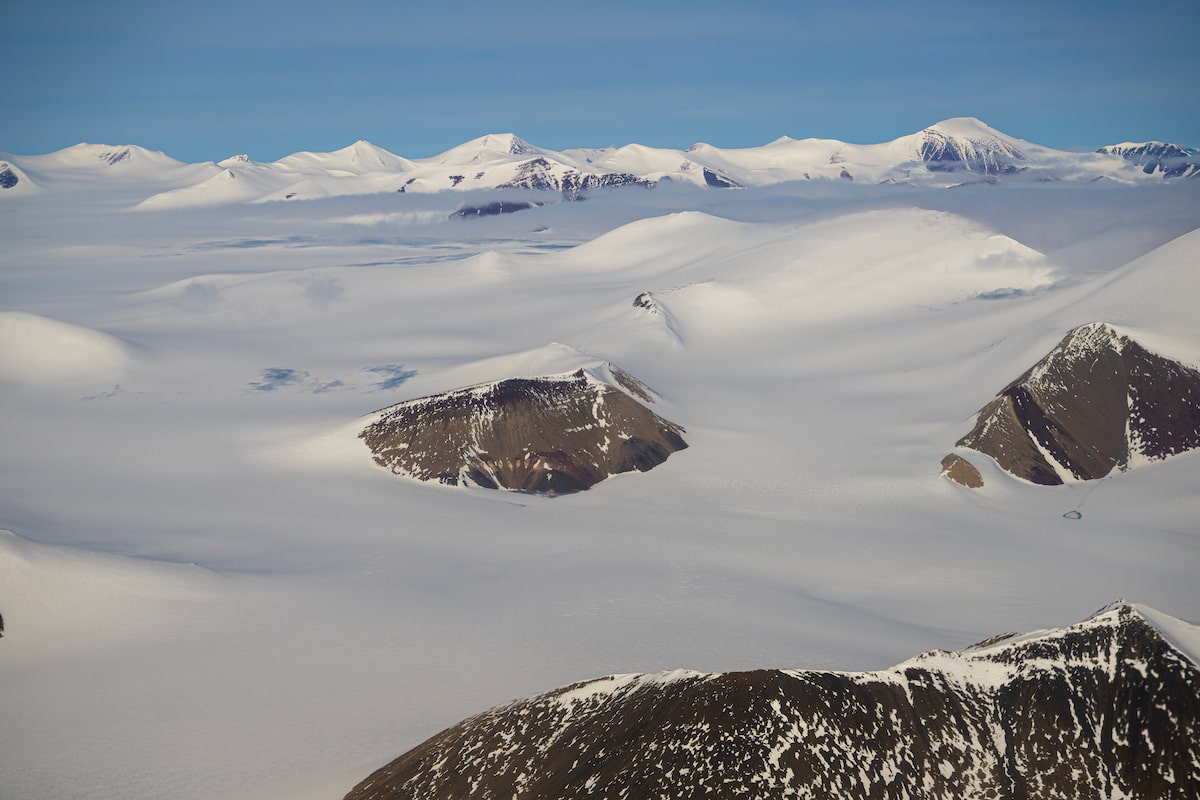
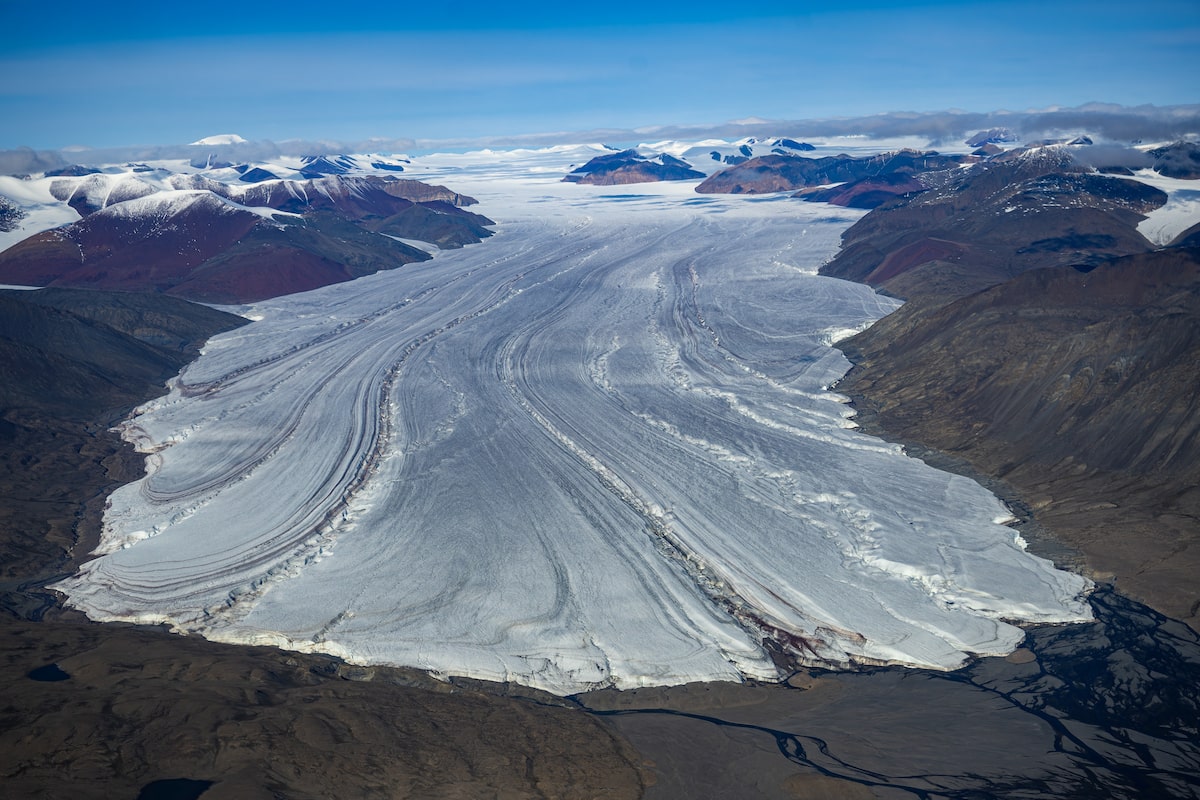
The Arctic Archipelago consists of more than 36,000 islands, only 11 of which are inhabited, stitched together by a labyrinth of straits and channels. The Arctic Cordillera rises along the Baffin and Ellesmere islands to the edge of the polar ice cap. It is into this unyielding and largely unvisited terrain that the Rangers were deployed. The ones assigned to Takuniq were chosen for their background in rugged physical endurance activities, such as mountaineering or Dall sheep hunting.
Takuniq split into three simultaneous patrols. One foot patrol pushed onto Prince Patrick Island with support from the Princess Patricia’s Canadian Light Infantry. A second, mounted on ATVs, fanned out from Canadian Forces Station Alert. A third team set out on foot from Tanquary Fiord toward Hazen Camp. A command post in Resolute, at the Polar Continental Shelf Program facility, knitted the patrols together.
Takuniq, staged in early-to-mid summer, now fills an operational gap between Nanook-Nunalivut in late winter and Nanook-Nunakput toward the end of summer. “We need to be on the watch at all times, and we need to be able and postured and ready to act any time, anywhere,” said Brigadier-General Daniel Rivière, commander of Joint Task Force North.
“Canadian Rangers operating in the High Arctic are a positive demonstration of Canadian sovereignty and security,” said Dr. Whitney Lackenbauer from Trent University, an expert on Arctic security and the Rangers.
The operation stressed small-team structure, to keep them compact and deliberately agile. From Whitehorse Patrol, three Rangers, James Cleary, Maya Poirier and Catherine Welsh – joined by 1CRPG Captain Jake MacDonald and Master Warrant Officer Patrick Murphy – were selected to attempt what would be among the longest unsupported foot patrols in Canadian Ranger history, across some of the least-visited land on Earth.
After Capt. MacDonald was forced to turn back, the rest of the team made their way up and over mountain passes with a calculated relentlessness. They forded rivers and crossed the plains of Ellesmere Island.


Quttinirpaaq, meaning “Top of the World” in Inuktitut, covers 37,775 square km at the crown of Ellesmere. It is Canada’s second-largest national park and arguably its most inaccessible. There are no settlements. Access is by charter only to a single airstrip and a small outpost at Tanquary Fiord staffed by five Parks Canada employees.
In summer, perpetual daylight flattens time. The sun circles the horizon at 80 degrees north, the light hardly changing between noon and 3 a.m. Temperatures swing from -10 C to 20 C. The High Arctic here is a mosaic of peaks and glaciers, stony deserts and marshy floodplains. Dwarf willows cling to the ground. Mosses grow in damp hollows. In the right places, a kaleidoscope of tundra wildflowers paints wide open grasslands and plains. Nearly 300 archeological sites, tent rings, and stone traps mark Thule and Dorset presence, some reaching back four millennia, evidence of successive pulses of Arctic migration.
Wildlife shows itself sparingly, but leaves plenty of signs. Snow buntings sing their songs into the constant daylight. Caribou and muskoxen litter patches of fur or “qiviut” onto grass beds. Delicate tracks of shorebirds, wolves, foxes – and on one occasion, polar bear – leave their presence in the silt. Muskoxen the patrol encountered were more curious than hostile, spectral shapes on the horizon that Ranger Welsh dubbed “silent, ghostly guides,” their trails offering gentle hints to the best lines across difficult ground. Her intimate pathfinding knowledge and leadership was not lost on the other Rangers.

Catherine Welsh's pathfinding skills helped keep the group on track to their destination.

Netting gives James Cleary some protection from the mosquitoes.
For all the beauty surrounding the Rangers, the march was steady and unsentimental. They moved eight hours a day on foot, working a 45-minutes on, 15-minutes off rhythm, averaging 15 km, and pitching camp wherever water could be found – river, lake or melt-pool.
Swarms of mosquitoes, fields of car-sized boulders, and knee-numbing fords of glacial rivers slowed the pace; harsh winds scoured the bare plains; and one day demanded a three-km traverse across a braided glacial delta pocked with quicksand.
The Rangers carried one another, sometimes literally, their support as physical as it was emotional. Despite the intensity and punishment, laughter was common throughout, on the trail, from the tents at night and in moments of shared contemplation. Throughout the patrol, Ranger Poirier would exclaim out loud to her phone, the nearest Ranger, or, seemingly, the land itself. “Can you believe where we are?”, “Look at that!” or “I can’t believe we’re doing this!”

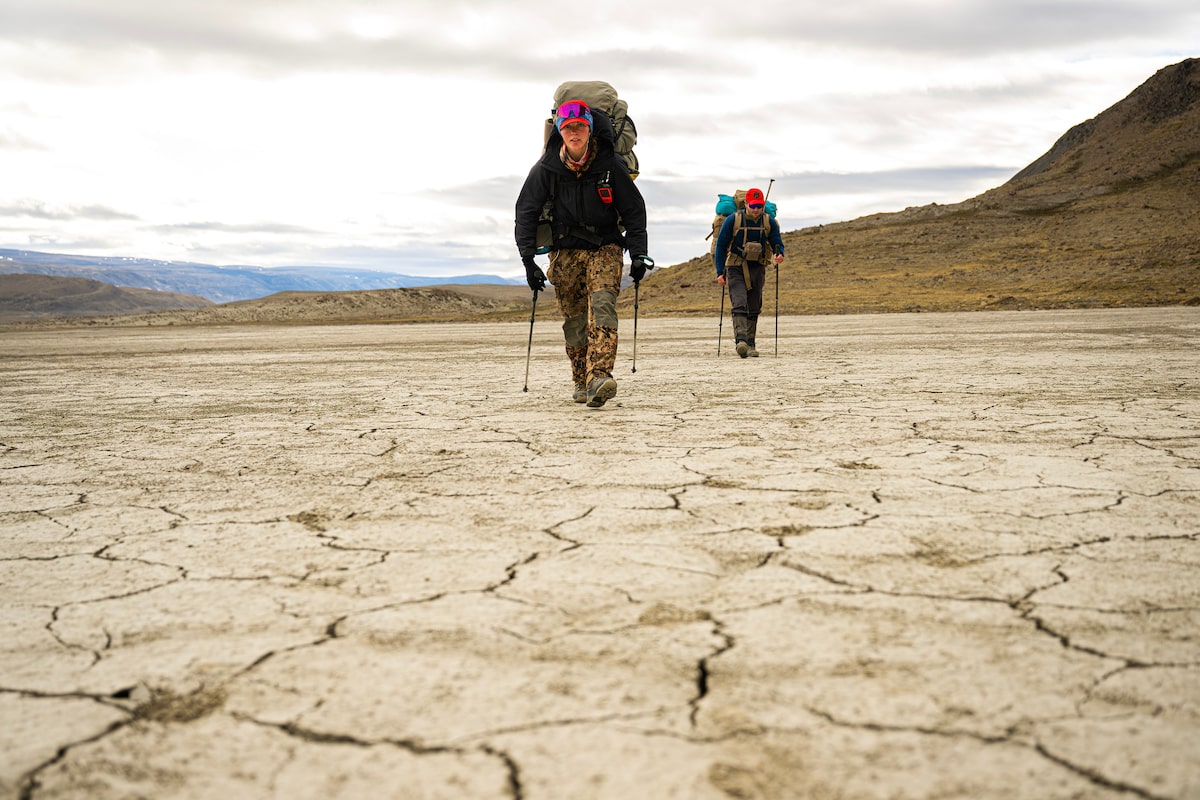
The separation necessary for safety and military doctrine left each Ranger alone with his or her thoughts. Whenever the Rangers would close the distance between each other, sometimes to talk or sometimes due to the asymmetry of pace, MWO Murphy would interject.
“We’re not on vacation,” he would say, half-serious. “This is a patrol. Keep your distance.”
For all the hardship – the chill, the exhaustion, the endless days – it wasn’t the terrain that drew their loudest complaints, but the rations that sustained them.
“I’m never going to eat pad Thai again,” Ranger Cleary muttered, forcing down another helping of rehydrated noodles midway through the patrol – a sentiment met with agreement from the others.
After successfully crossing the final glacial delta, MWO Murphy revealed a small AeroPress. The fresh and hot cup of real coffee was a welcome boost to the team.
After nine days, Hazen Camp – an aging research outpost on the shore of Lake Hazen – came into view.
“I can’t believe it,” Ranger Poirier exclaimed as she embraced the other Rangers. “Do you realize what we just did?”


See the North: More from The Globe and Mail
The Decibel podcast
The melting Arctic is more than just a geopolitical challenge for Canada: It’s a threat to Inuit communities that risk becoming more remote and harder to feed. Investigative journalist Jenn Thornhill Verma took The Decibel to Nunatsiavut, in northeastern Labrador, to see how elders are adapting to climate change. Subscribe for more episodes.
Arctic defence in depth
Golden Dome signals change to Canada’s long-time opposition to joining U.S. missile defence
Jessica Shadian: Zip up, it’s time to build a wartime economy in the North