Good evening, here are the coronavirus updates you need to know tonight.
Top headlines:
- Canada’s GDP shrank 11.5 per cent in the second quarter
- Premier Doug Ford urges Ontario school boards to spend $50-million for air filtration by Thanksgiving
- Ottawa extends existing travel restrictions until Sept. 30
In Canada, there have been at least 126,848 cases reported. In the last week 2,974 new cases were announced, 13 per cent more than the previous week. There have also been at least 112,825 recoveries and 9,102 deaths.
Worldwide, there have been at least 24,176,836 cases confirmed and 825,696 deaths reported.
Sources: Canada data is compiled from government websites, Johns Hopkins and COVID-19 Canada Open Data Working Group; international data is from Johns Hopkins University.
Coronavirus explainers: Updates and essential resources • Coronavirus in maps and charts • Lockdown rules and reopening plans in each province • Global rules on mask-wearing • Back to school
Photo of the day

People hold signs during a teachers protest at a school in Summit, New Jersey on Aug. 19. With less than two weeks before the start of school, growing numbers of affluent districts are pulling the plug on face-to-face instruction, citing teacher shortages, ventilation issues, and late-in-the-game guidance from the state on how to manage coronavirus cases.Bryan Anselm/The New York Times News Service
Number of the day
$120.4-billion
In the first quarter of its 2020-21 fiscal year, the government ran up a $120.4-billion deficit.
- In comparison, the government reported a deficit of $85-million for the same period in the 2019-2020 fiscal year.
Last month, then-finance minister Bill Morneau projected a $343.2-billion deficit for this year.
Coronavirus in Canada
- In Ontario, the government wants school boards to spend $50-million in ventilation upgrades in schools by Thanksgiving. Critics say the deadline will be difficult, given how late in the summer the funds were allocated. Meanwhile, teachers in the province are concerned about the task of implementing the new math curriculum while managing the many challenges teaching in pandemic.
- Quebec is reducing its mandatory self-isolation period for people infected with COVID-19 from 14 days to 10 in response to evolving science regarding the transmission and the duration of contagiousness.
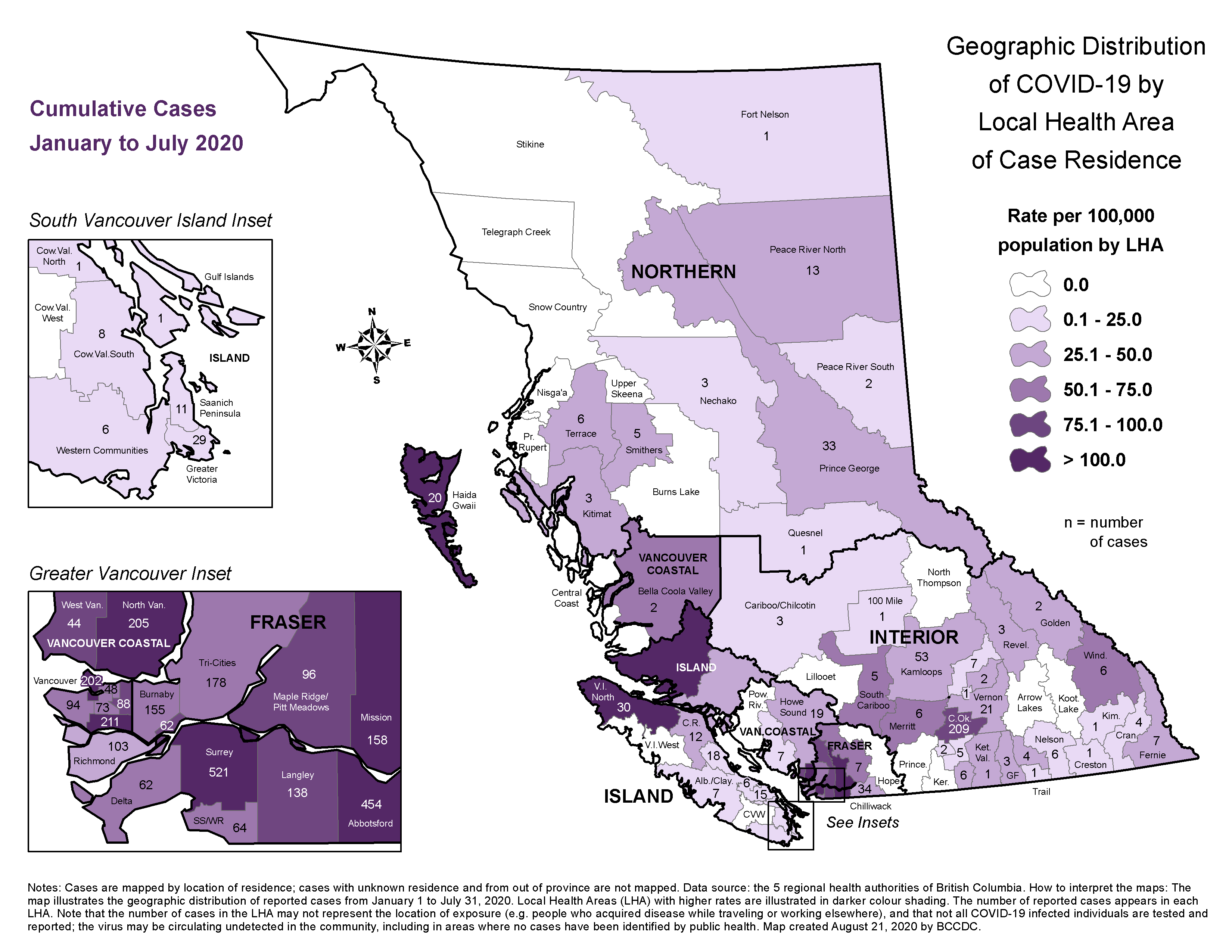
- In British Columbia, a new map of COVID-19 cases shows the highest concentrations in the communities in and around Vancouver. Meanwhile, some small towns in the province are seeing a rental boom as people leave urban centres for smaller communities.
The federal government announced it is extending existing travel restrictions on international travel to Canada until Sept. 30.
- Incoming travellers to Canada are required to quarantine or isolate for 14 days.
- The extension is aimed at limiting “the introduction and spread of COVID-19 in our communities,” Public Safety Minister Bill Blair.
Also today: The Canada Mortgage and Housing Corp. says it expects significant short-term uncertainty in the housing market, and falling demand from weakened household income in the medium term.
And: Dr. Theresa Tam, Canada’s chief public health officer, says coronavirus outbreaks in schools are inevitable.
Coronavirus around the world
- In the United States, two senior public relations advisers to the Food and Drug Administration were fired after making erroneous claims about blood plasma as a treatment for COVID-19. Emily Miller, a White House pick who previously worked for Ted Cruz and One America News, was removed along with another PR expert. Meanwhile, four people who attended the Republican National Convention have tested positive for COVID-19.
- Japan, still hoping to play host to the 2021 Olympics, is set to secure 521 million doses of five different vaccines in 2021 – enough doses to inoculate its population four times over.
Coronavirus and business
Canada’s GDP declined 11.5 per cent in the second quarter ended June 30, according to new data from Statistics Canada – the largest drop on record.
- Expressed on an annualized basis – a common way of quantifying quarterly GDP changes in normal times – the decline was 38.7 per cent. The U.S., by comparison, recorded a 31.7 per cent drop.
A rebound in June and July suggests the economic recovery is underway. Real GDP was up 6.5 per cent in June from May; from June to July, GDP rose 3 per cent, according to a preliminary estimate by Statscan. The July estimate leaves GDP at about 6 per cent below its pre-crisis level in February.
- Some sectors, like air travel, tourism and restaurants and bars, are still operating well-below pre-crisis levels. In June, air travel was down 94 per cent from February, and restaurants were operating at 40 per cent below their pre-COVID-19 levels.
Globe opinion
- Elizabeth Renzetti: “It’s going to be a weird year for students returning to high school: There will be new rules, different schedules, and restrictions on sports and theatre and music. But it’s got to be better than sitting under the increasingly glassy eyes of their panicky parents.”
- Andrew Willis: How will we pay for all these government programs?
- Amplify: What do we lose when we stop talking to strangers?
More reporting
- Capital spending in Canada’s oil and gas sector fell by 54 per cent in the second quarter, according to a new Statistics Canada report.
- Johnson & Johnson is set to begin mid-stage vaccine trials in three European countries.
- With sales down, Coca-Cola looks to cut 4,000 jobs as part of a restructuring in Canada, the U.S. and Puerto Rico.
- What do time and space really mean in the time of COVID-19? Ask an astrophysicist
- ‘Network, network, network’: These are the tips to keep in mind when looking for work
Distractions
🍿 For the TIFF-icionado: The Toronto International Film Festival will take place in person and online this year. Here’s how to enjoy it whether you’re watching at home or at an outdoor theatre.
- Ticketing: Sales to the public begin Sept. 5, with members getting earlier access.
- Snacks: A spiced caramel version of popcorn to bring you into autumn smoothly and sweetly.
- Viewing: Here’s how to watch the 50 films that are premiering this year from home.
Information centre
- Rob Carrick’s 10-point checklist of things you should have done by now to protect or improve your money situation. Tips for minimizing damage to your credit score; how to manage retirement anxiety during difficult times; and things to think about if you’re considering home delivery.
- Here are the expectations for self-isolation; tips for managing anxiety and protecting your mental health; and what to do if you think you have the virus. Wash your hands. How to break a bad habit (like touching your face). Is flying safe?
- The best foods to eat to maintain an immune system-friendly diet; and how to keep a healthy diet while working from home; four eating tips when working from home; and five mistakes that might cause you to gain unwanted weight. Here are the essentials to stock up on and how to shop safely for groceries; the best pantry staples and how to stop stress-eating. What to cook with rhubarb (aside from pie).
- Here’s what you should do if you are newly laid off; how to apply for CERB, Employment Insurance, and other financial benefits; how the CRA might identify CERB fraud; and other coronavirus and employment questions answered. What to do if your employees don’t return to work because they want to collect CERB.
What are we missing? Email us: audience@globeandmail.com. Do you know someone who needs this newsletter? Send them to our Newsletters page.