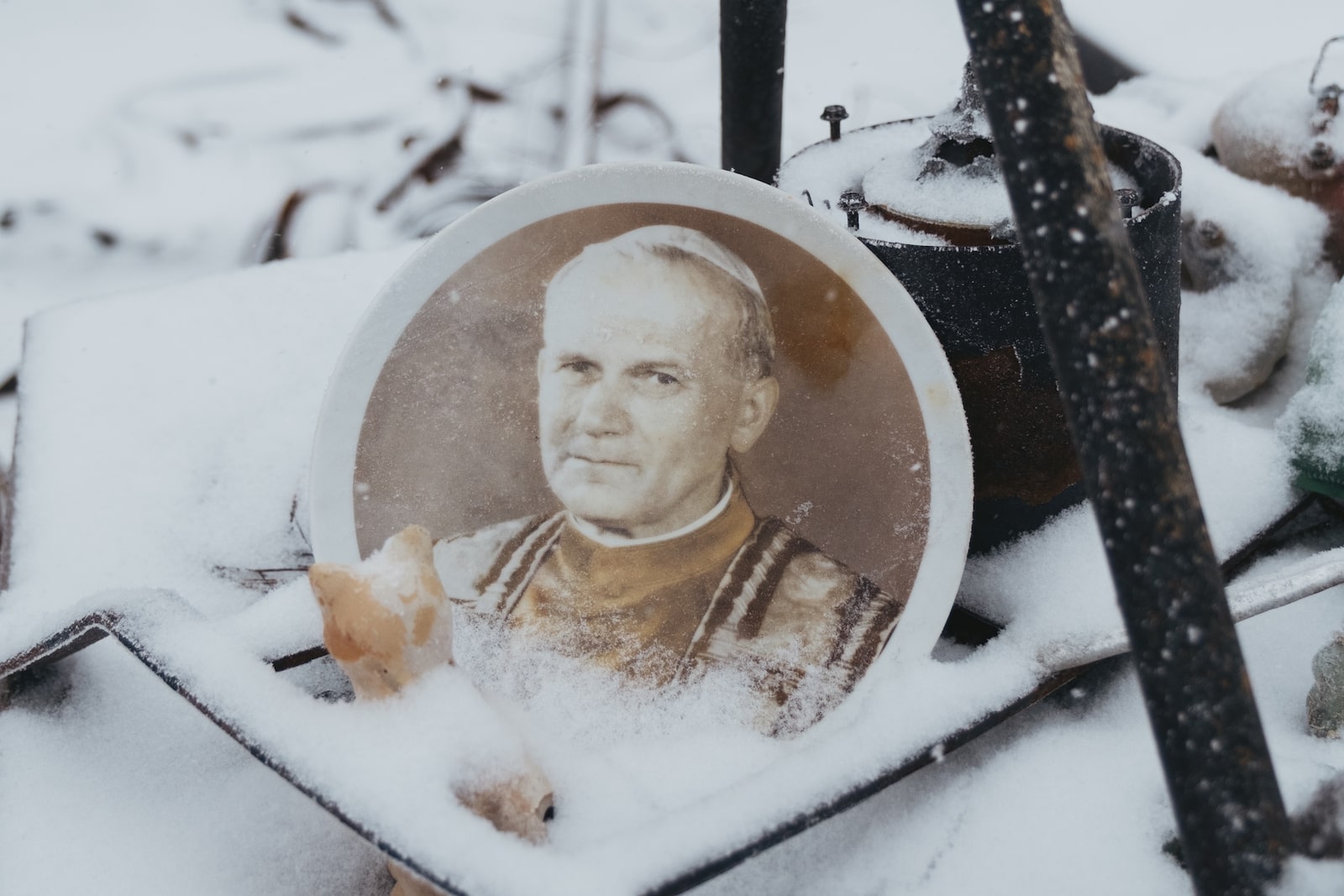
Fire-warped remnants of Winnie Cadieux’s old life lay on her kitchen table: twisted glass, rusty pliers and distorted coins.
For nearly 40 years, she lived in Enterprise, a hamlet in the Northwest Territories near the Alberta boundary, where she ran an art gallery and gift shop. When a wildfire tore through the community in 2023, it swallowed Ms. Cadieux’s home and business, along with at least 80 per cent of the hamlet.
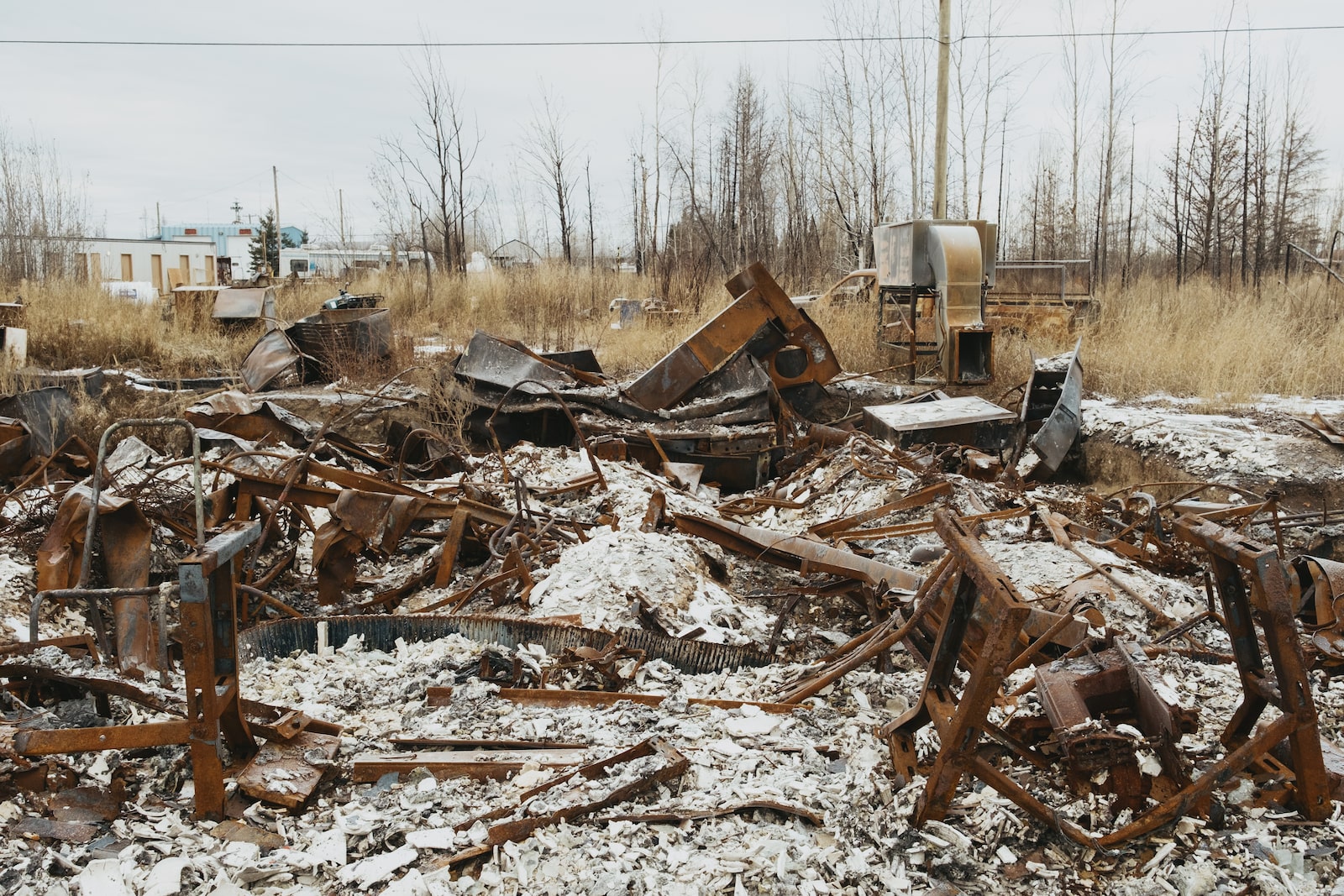
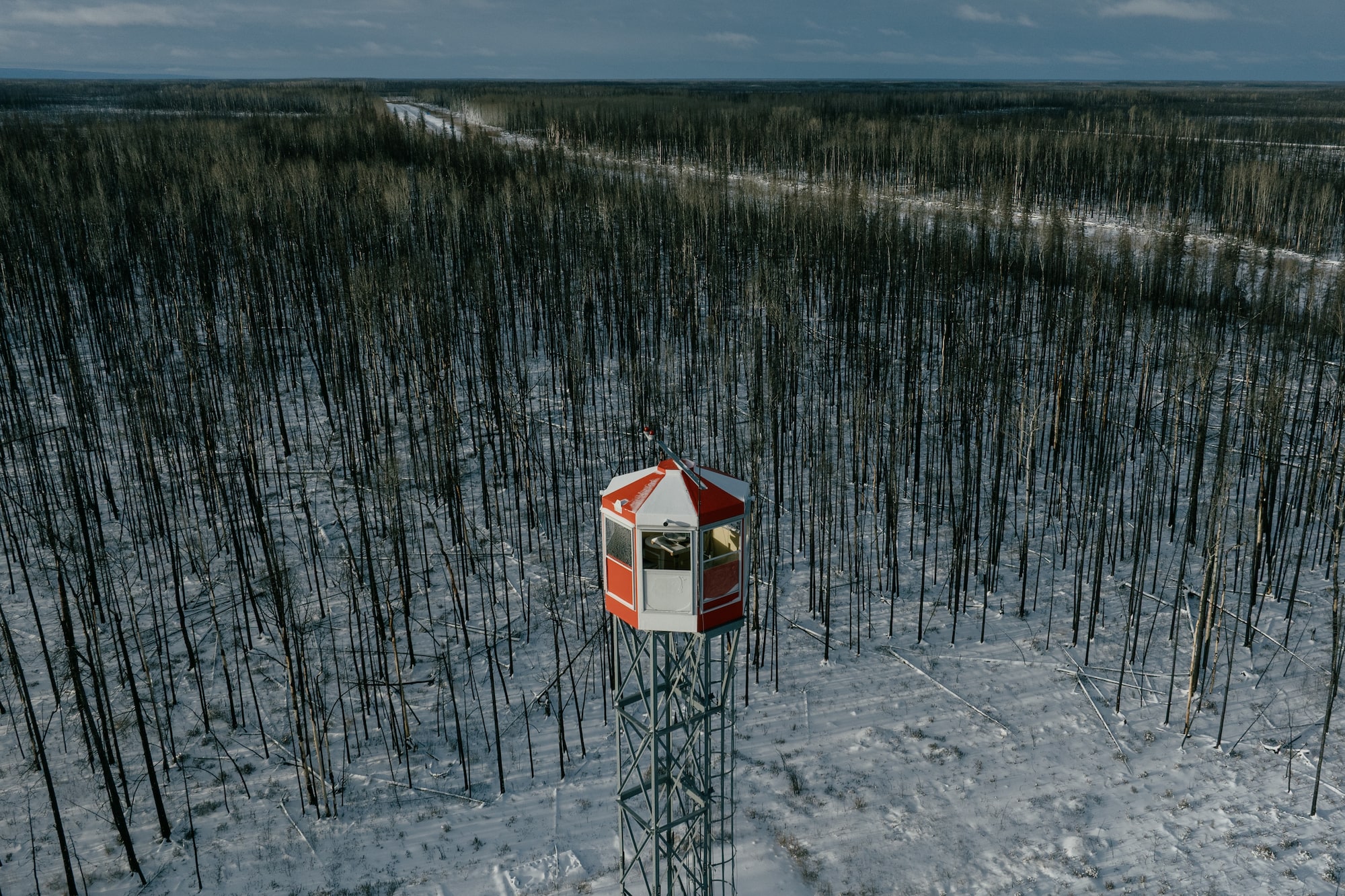
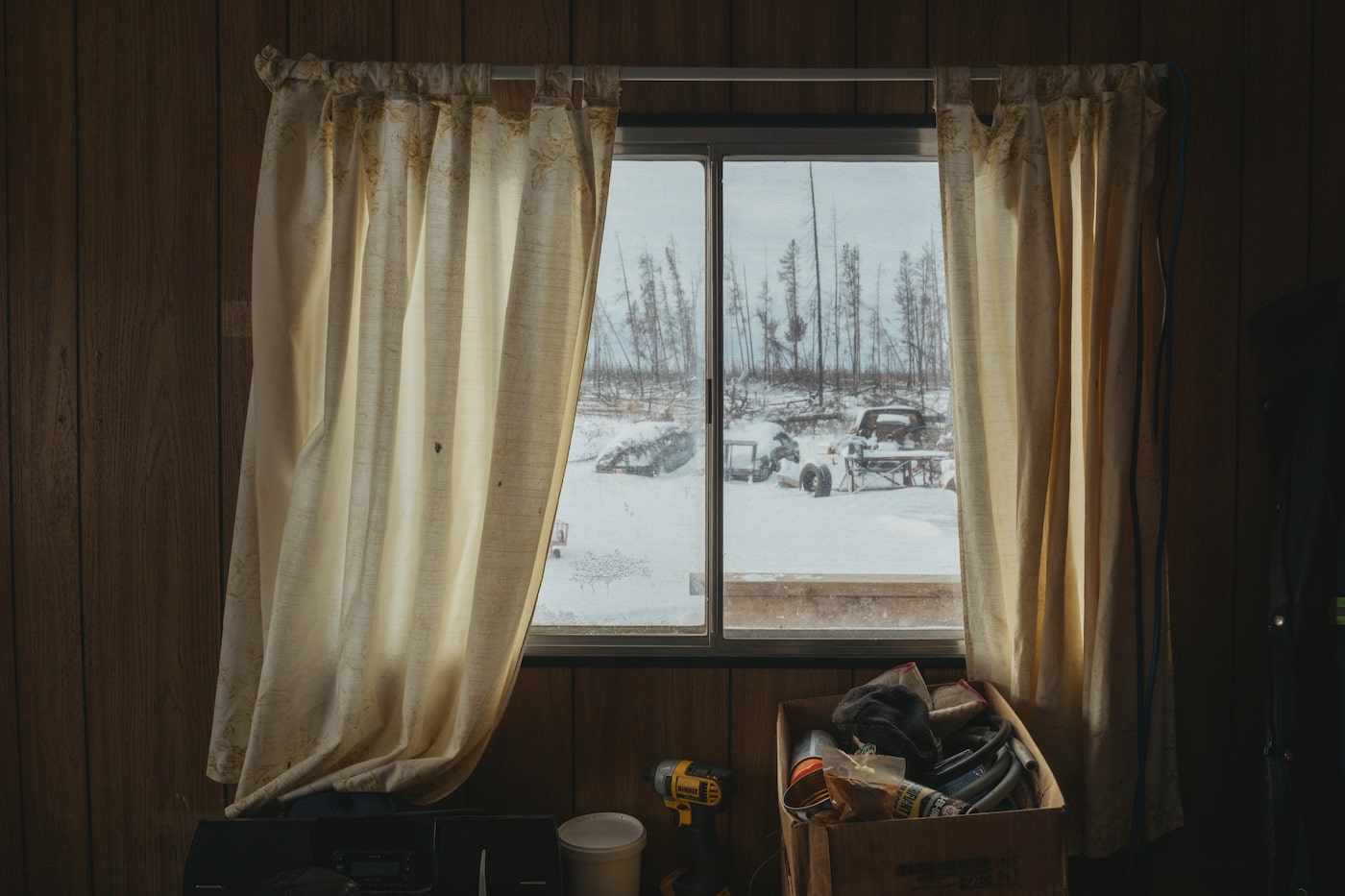
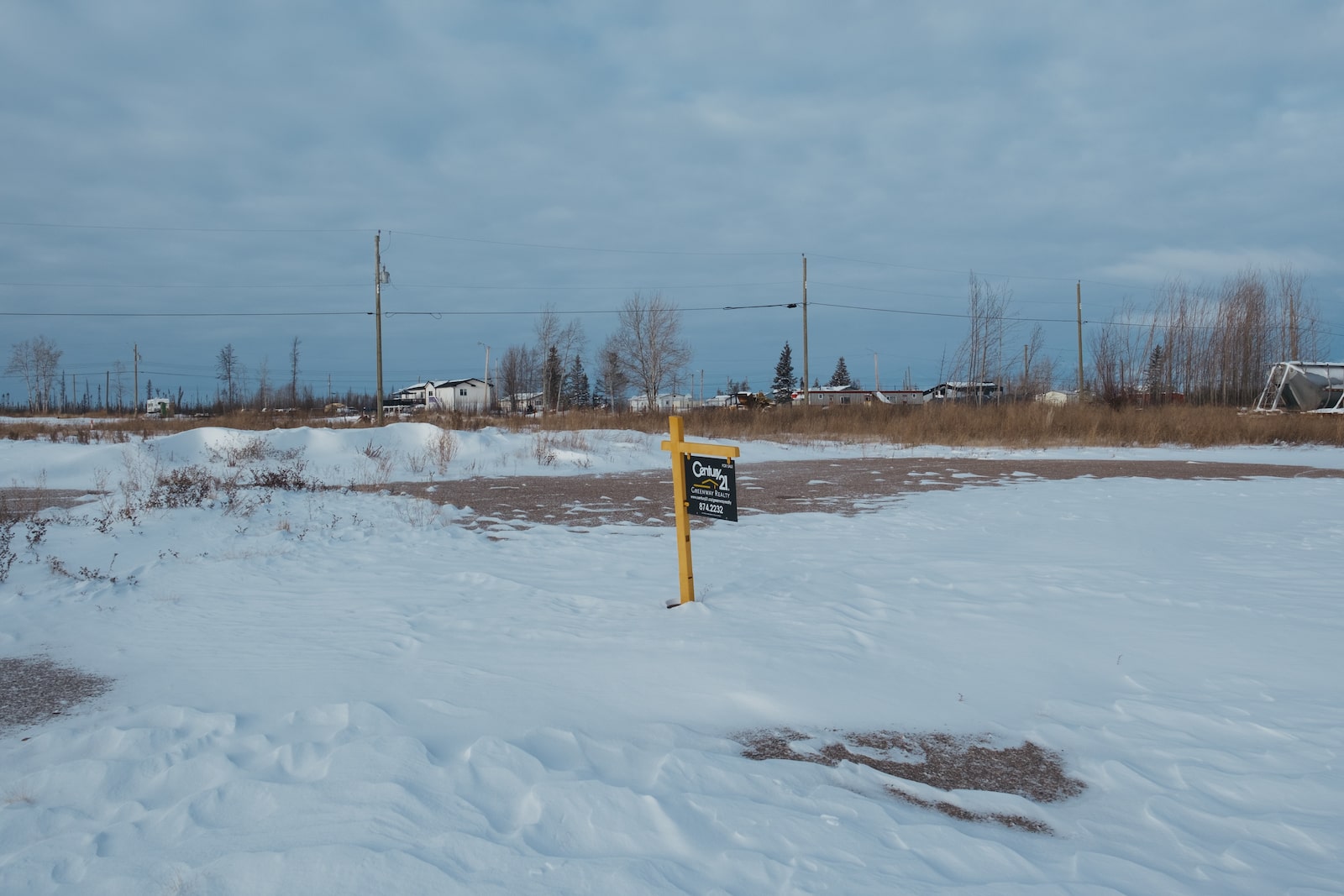
Much of the community today is sparsely inhabited, set in a forest of faded black. Streets are lined with empty lots interspersed with the odd building – trailers and modular homes brought in after the fire, and structures that, for whatever reason, didn’t burn.
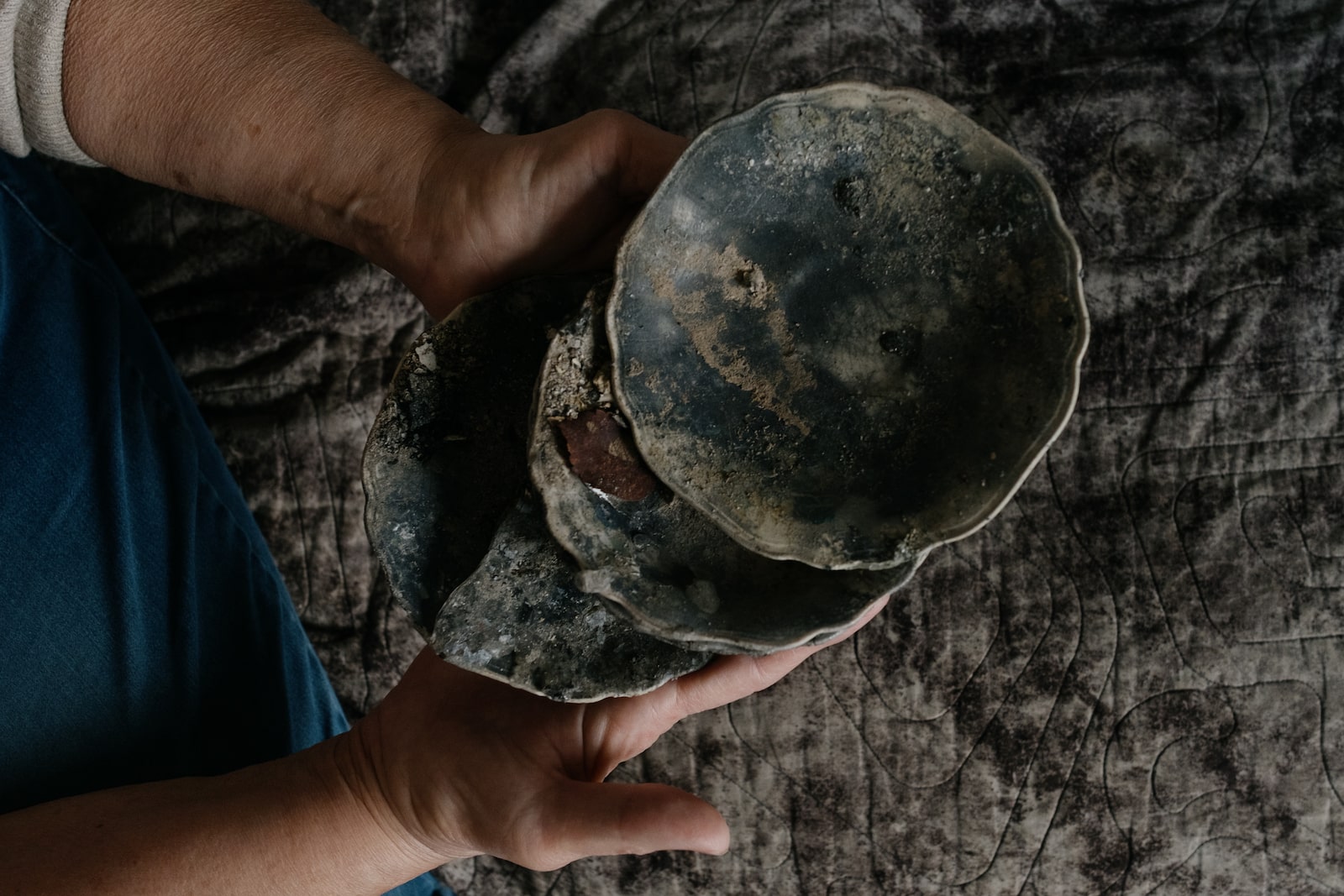
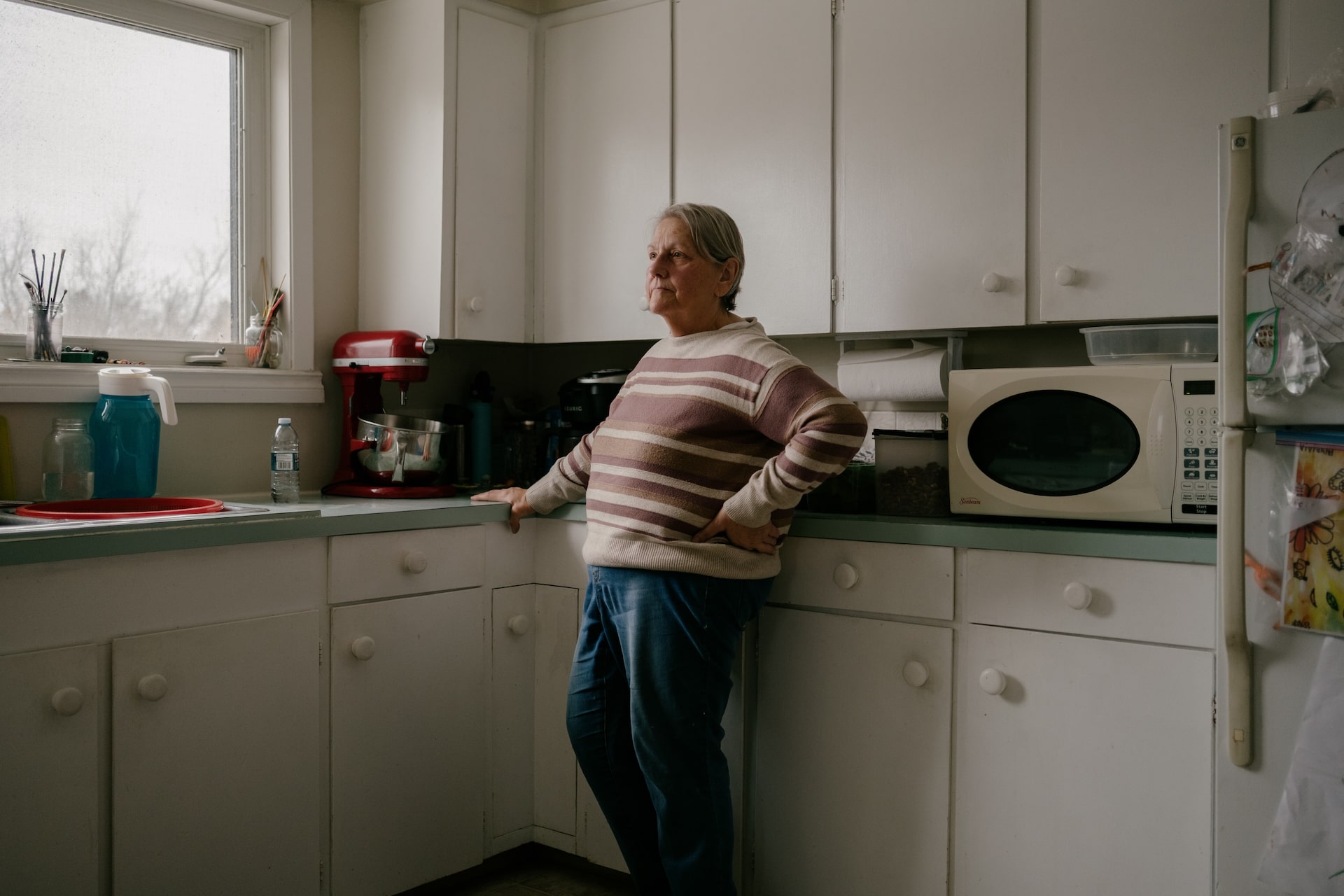
The items on Ms. Cadieux’s table come from the ruins. In the chaos of the evacuation, the only thing she grabbed from her shop was a recipe for butter tarts she makes every Christmas. “My family teases me about it,” she says. Had she known she would not return home, she would have saved more. “I try not to think about it.”
She now rents a house in the neighbouring town of Hay River, where she lives with her son and two granddaughters. The hardest part of recovering from the disaster, she says, is that all her relatives who lived in the community lost everything in the fire, too.
Ms. Cadieux and many other residents who lost their homes did not have insurance, often because they couldn’t afford it. They say federal and territorial governments led them to believe they would get help to rebuild, but ultimately, uninsured residents were told they did not qualify for disaster assistance.
The 2023 wildfire season, when Enterprise burned, was the most destructive in recorded Canadian history, and was followed by two more seasons that were unusually severe. Although the flames have receded, questions remain about the long-term implications for life in parts of the country vulnerable to these disasters, as governments and communities struggle to marshal the resources to respond and rebuild.
Dry conditions this winter in British Columbia, northern Manitoba and the eastern NWT have stoked fears of another relentless season this year.
The recovery in Enterprise has been especially slow and complicated. On top of the physical losses and displacement, the aftermath of the fire has also aggravated local political tensions. Now, with only a fraction of former residents still living in the community and many losing hope that the situation will improve, it’s unclear what the hamlet’s future holds.
It has taken Ms. Cadieux a long time to process what she’s lost. Over the past few years, she says she often felt overwhelmingly angry – at herself for not being more prepared, and at various levels of government for not doing more to help residents recover. People told her it was a normal part of grieving, but to Ms. Cadieux, the anger did not feel normal. “It seemed to consume me,” she says.
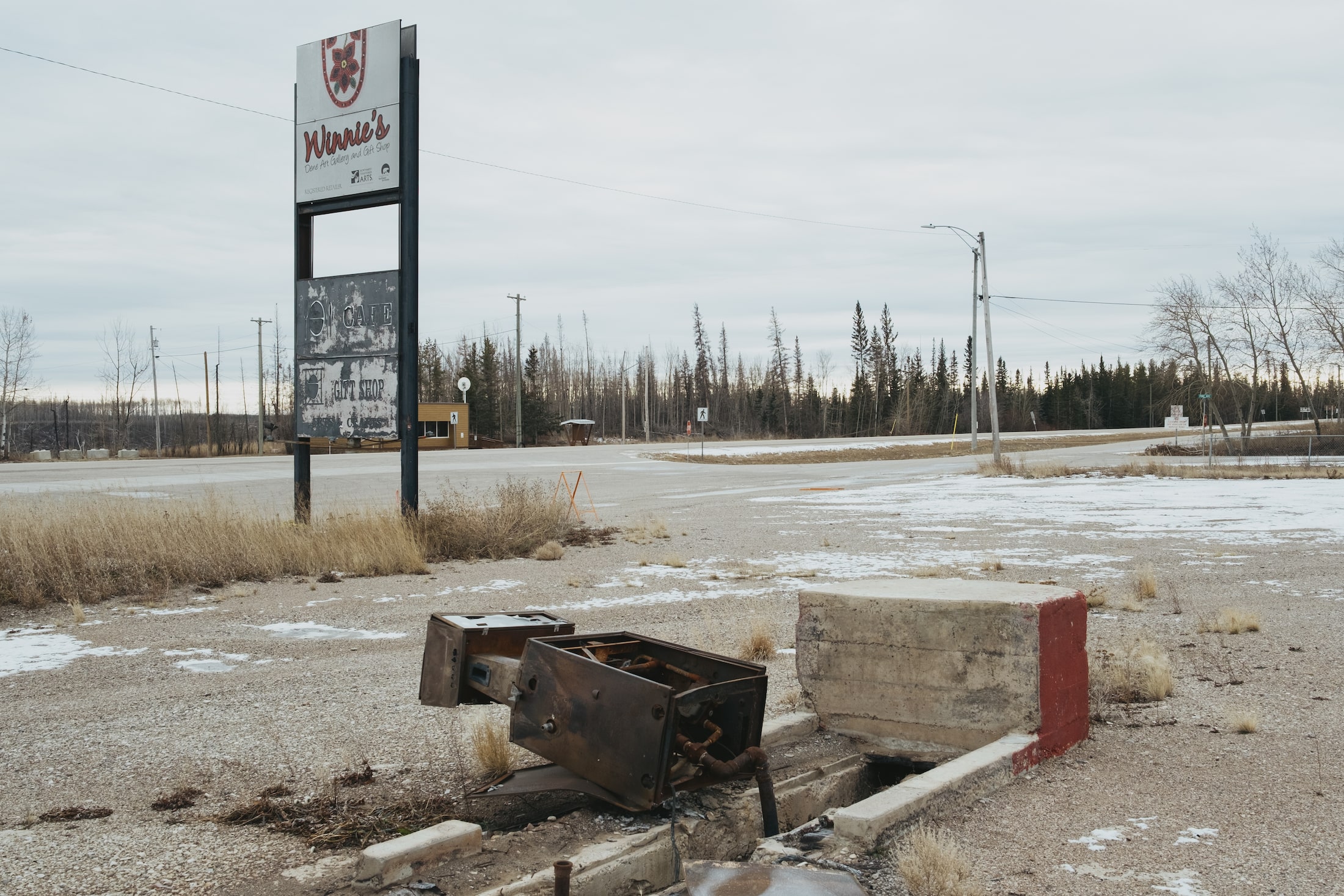
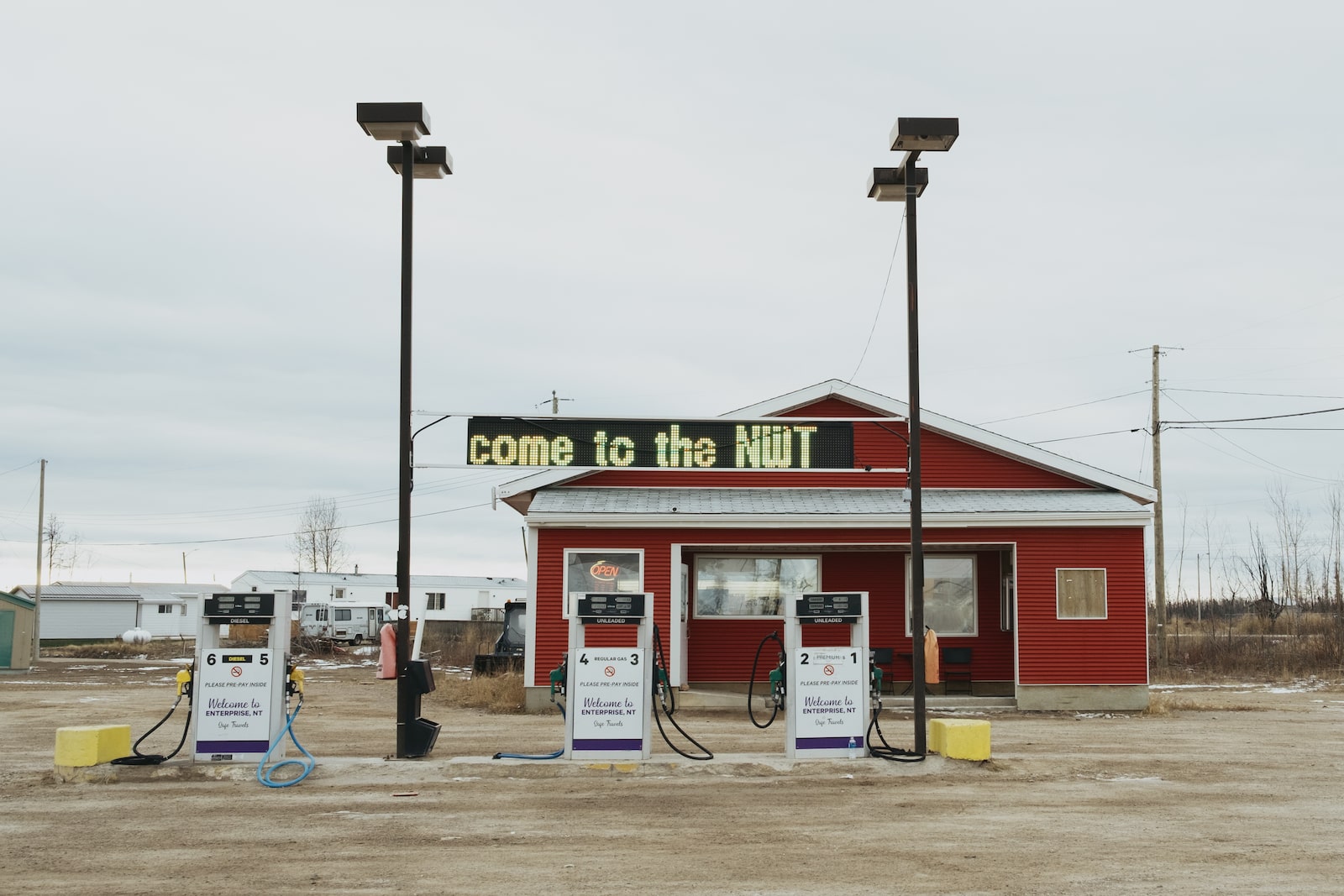
Enterprise is the first community in NWT that travellers pass while driving north from Alberta. Its existence stems from a gas station built shortly after the Mackenzie Highway was constructed in 1948.
Unlike many of the territory’s small communities, most residents are non-Indigenous. People who move to the hamlet are drawn to its small-town feel, cheap land and sense of freedom.
During the record-breaking 2023 wildfire season, Enterprise was among the hardest hit. A fire that had been burning in the distance suddenly barrelled toward the hamlet. Within a matter of hours, most of the town was reduced to twisted metal and ash.
After the fire, questions swirled about why there was so much destruction. Residents wondered why the fire was allowed to burn for more than a week before it hit the community, why local officials weren’t invited to a territorial fire briefing the morning before the evacuation, and why there weren’t more firefighting efforts to save houses.
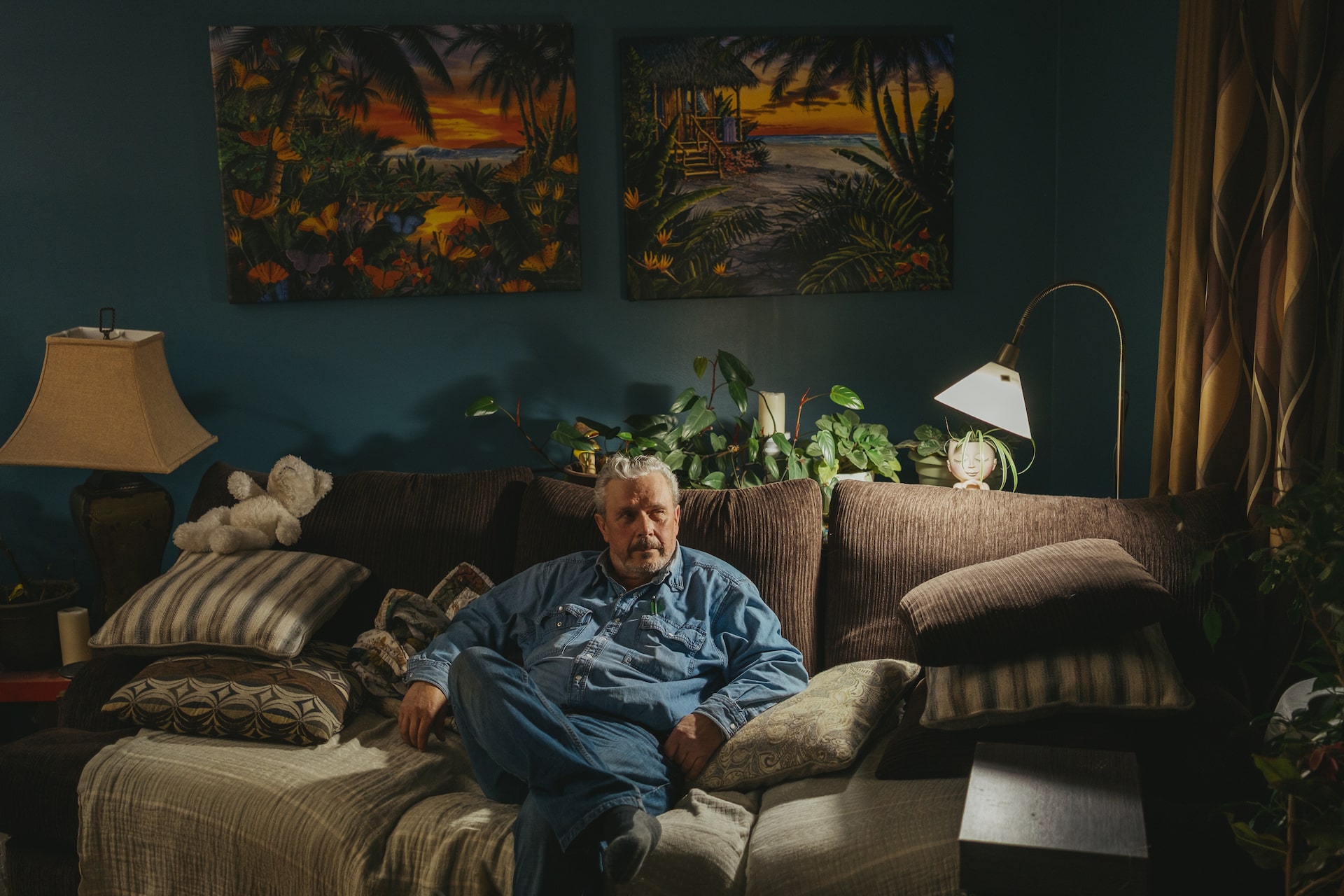
According to Cliff Kimble, who moved to the community in 1979, a territorial fire crew only showed up for a few hours, well after the blaze had passed through.
“They let us burn,” he says.

Mike Westwick, a spokesperson for the territory’s Environment and Climate Change Department, said in an e-mailed statement that significant efforts were made to contain the fire when it was discovered, but that extreme conditions overpowered these attempts. On the day of the evacuation, high winds made firefighting unsafe, he wrote. Given the fire’s speed, there was no time to set up sprinklers. Getting residents and firefighters out of the way became the priority.
Shortly after the fire, leaders in Enterprise called for an independent inquiry into the territorial government’s response. The territory has since commissioned two third-party reviews of its handling of the 2023 wildfires. One of them points to “a significant gap in communications” with Enterprise and a “lack of situational awareness” that created a dangerous situation for the community.
In October, 2023, then-prime minister Justin Trudeau visited Enterprise among other fire-impacted NWT communities. Although he made no commitments during the tour, he spoke of being “there to rebuild.” The territorial government also asked residents to engage with assessors by providing lists of everything they lost.
D’Arcy Moses, a Dene fashion designer who had a studio in Enterprise but rebuilt it further north in Wrigley after the fire, says his list filled at least 12 pages and his losses amounted to $285,000. The damage assessment made him think his business would be saved, but a few weeks later, he learned the money wasn’t coming because he wasn’t insured.
“I was dumbfounded,” Mr. Moses says.
Funding for disaster recovery comes from both territorial and federal governments, both of which only cover damages that were not insurable, said Peter Tah, a spokesperson for the territory’s Municipal and Community Affairs Department, in an e-mailed statement.
Because insurance was available in Enterprise, uninsured residents were not eligible for assistance unless they could prove they had been denied coverage.
The department “understands and appreciates the frustrations of residents of Enterprise who are still working to recover,” Mr. Tah wrote. He added that the department provided financial support for temporary accommodations for affected homeowners for a year and coordinated the cleanup of debris on uninsured residential properties.
On top of the confusion surrounding recovery efforts, administrative staff and several councillors quit over the course of 2024. In May of last year, the territory removed the local government because of governance, financial and operational challenges, instead appointing Grant Hood as a municipal administrator.
With some issues addressed and the hamlet’s books largely in order, the territorial government announced last fall that the hamlet would come out of administration and hold an election. For many, this was not good news.
“We didn’t want an election because nobody’s here,” says Enterprise resident Darren Sopel.
To be able to run or vote, residents had to prove they had been living in the community for the past year, as per territorial legislation. With many still displaced, only 35 of the roughly 100 people who used to call the hamlet home met this requirement.


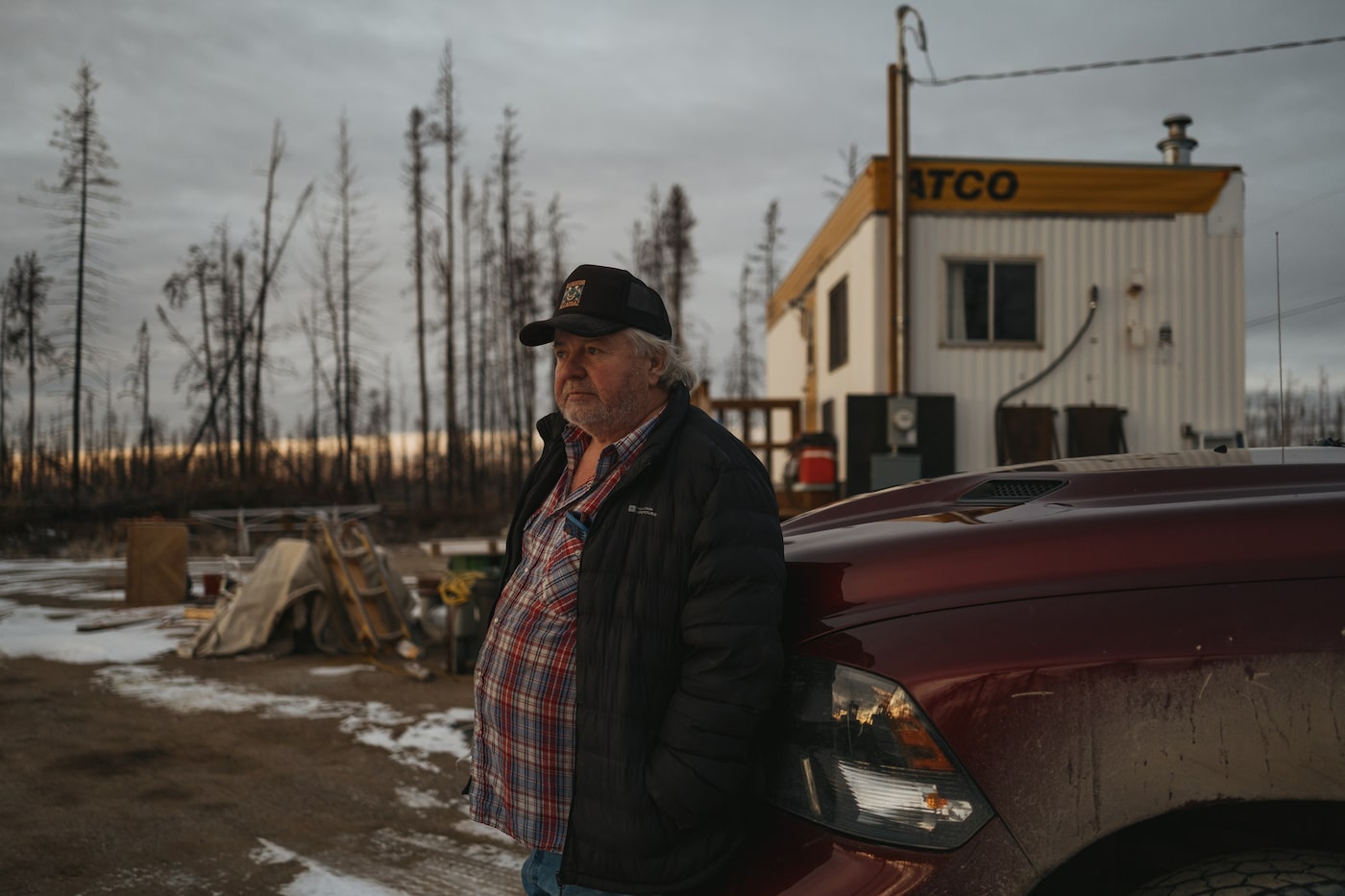
Mike Kimble, a general contractor, fought to save his home from the fire alongside his wife and brother. He returned to Enterprise to clean up the community in the aftermath of the destruction.
Mike Kimble, Cliff’s brother, was one of the residents who remained in the community since the blaze. He runs a general contracting, towing and demolition company that has cleaned up 42 properties and hauled over 50 loads of ash.
When he first heard about the election, he wanted nothing to do with it. “It’s just a headache and I don’t have time for it,” he said in an interview in November. But after talking to others, he realized he might be able to better advocate for his community.
In January, he was sworn in to a seat on council, along with a new mayor and two other councillors. Because so few candidates ran in the election, they were acclaimed rather than voted in.
Barbara Hart, the hamlet’s mayor, says council is figuring out what it can feasibly do and afford. To ensure the new council stays on track, Mr. Hood will stay on as a territorial supervisor to support the new council and oversee operations for up to a year. Broadly speaking, Ms. Hart says the council wants to clean up, rebuild what it can and make the community appealing – for past residents or new ones.
The hard reality, she says, is that the local government is very limited in what it can do. Building houses, for instance, is not within the council’s purview. “We don’t have that kind of money,” she says.
Ms. Hart says she understands what it feels like to be displaced. Although she did not lose her home in the fire, she lost everything in a flood the previous year, when she was living outside Enterprise.
She says the council will do whatever it can within its scope to help residents, adding, “When your hands are tied, it’s really hard.”
Many residents looking to rebuild are facing their own financial hurdles.
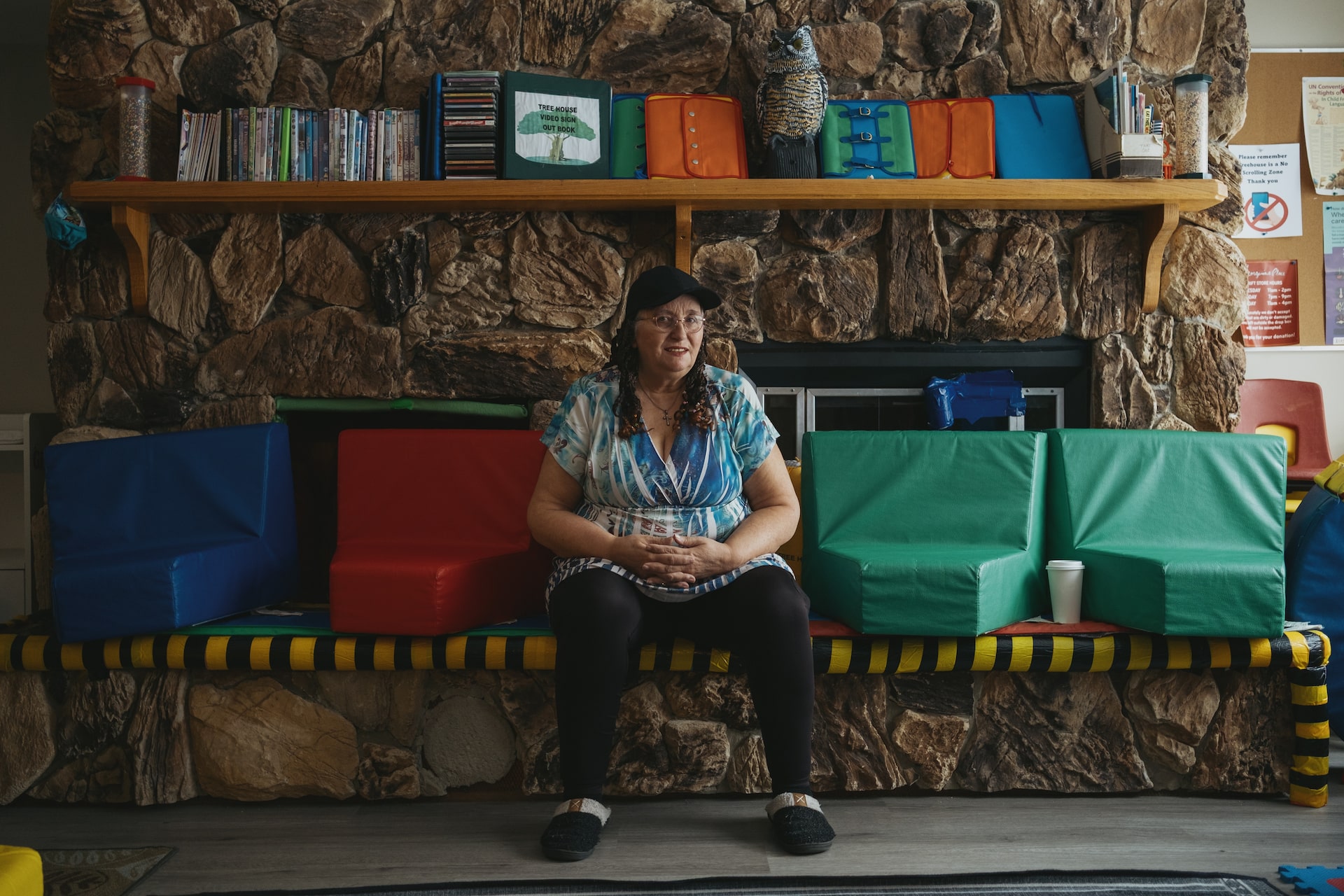
Genevieve Clarke lived in Enterprise for 38 years before losing her home in the fire. Ms. Clarke tried to insure her home decades ago, but because it was on trucked water and heated primarily by wood stove, she says she was refused. She never got a letter from the insurance company to prove it. Later, she heard others were paying upwards of $7,000 per year – more than her single-income family could afford.
With no representation on council, Ms. Clarke and other displaced residents worry they will get little help from the new local government. She says there is a need for affordable ways to move back to the community, such as low-cost rentals or a mortgage assistance program. The territorial government recently committed to bringing two affordable seniors’ housing units to Enterprise. But for the most part, Ms. Clarke says the options for people who lost their homes are “either build or nothing.”
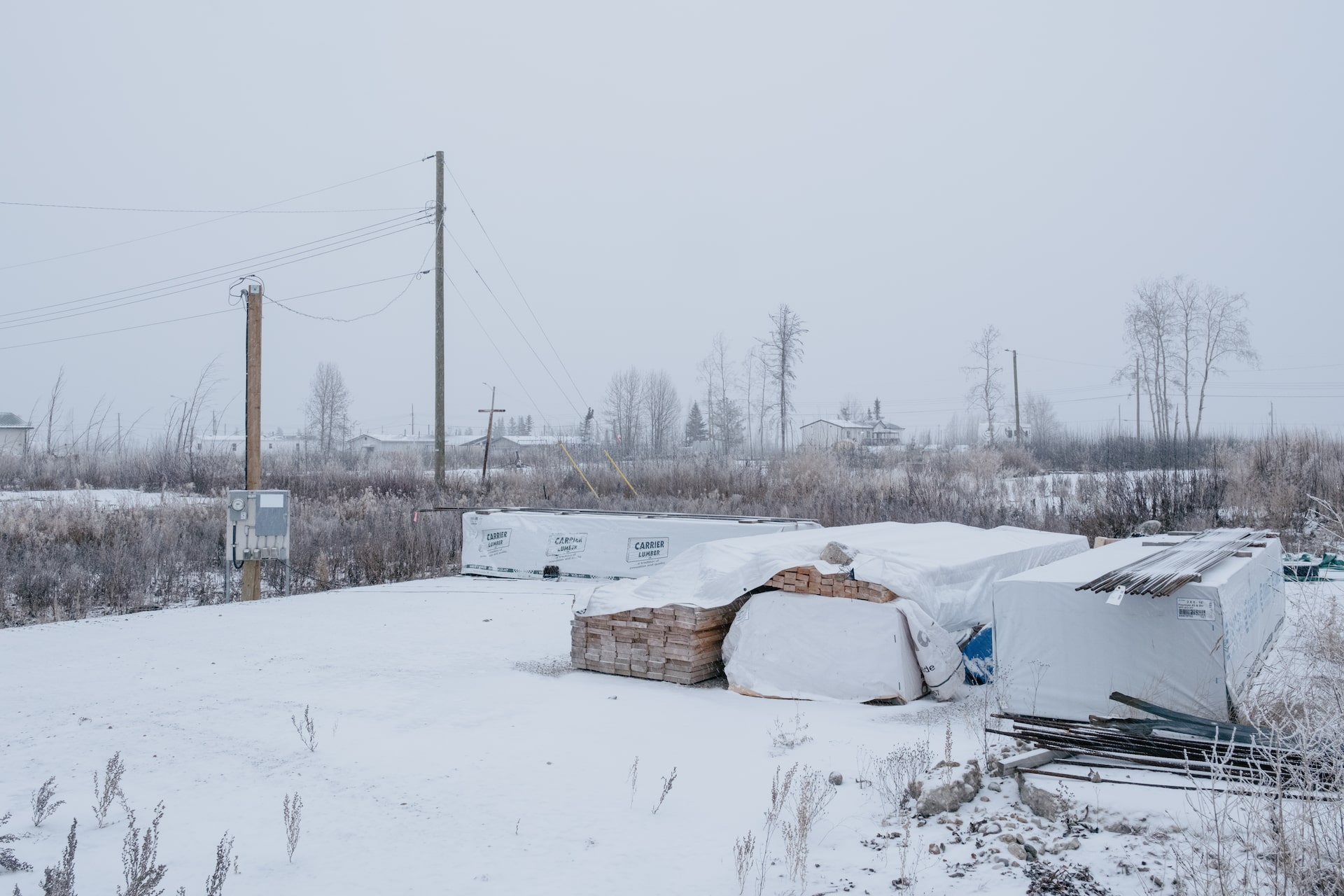
Since the fire, Ms. Clarke has been gathering funds from various sources, including a crowdfunding campaign, her church and a disaster recovery program from the Red Cross. She recently managed to raise $50,000 – enough to buy materials for a new house that her husband will start building later in the spring.
“It’s not something we expected to have to do,” Ms. Clarke says, adding that building the house themselves is the cheapest path back to Enterprise. Considering she is 66 and her husband is 72, she says rebuilding will take a few years.
Not everyone is actively trying to move back.

Chaal Cadieux, the hamlet’s foreman and a lifelong Enterprise resident, now rents a house in Hay River with his children and mother, Winnie. He lost the house and rental property he owned in Enterprise, and doesn't see rebuilding as a viable option.
“Enterprise has changed for me,” says Chaal Cadieux, Ms. Cadieux’s son and the hamlet’s foreman, who now lives in Hay River. Before the fire, he owned a house and rental property in Enterprise, but couldn’t afford insurance. With all his equity tied to his properties, rebuilding hasn’t been a real option. His connection to the community has also shifted, he says. Most of the people he was closest to are gone.
Living outside the hamlet for the past two-and-a-half years meant that Ms. Cadieux lost her status as an Enterprise resident. Having spent decades working to build the community, it was a harsh blow. Now that she can’t participate in the local council to help guide the hamlet, she says she needs to refocus.
“It’s like we’ve been hitting our head against a brick wall,” she says, adding, “I need to move towards something more positive in my life, rather than continuing to worry about what will happen to Enterprise.”
Ms. Cadieux plans to gather more items from the wreckage to craft a monument, honouring her loss. She believes Enterprise will recover, but she says the community she knew is not coming back.

Editor’s note: A photo caption in a previous version of this article incorrectly stated that Cliff Kimble now lives in Hay River. He temporarily relocated there after losing his house in the fire, but has since returned to Enterprise.