
Olena Mynash, a justice studies student, examines old police case files on the 1990 disappearance of 22-year-old University of Toronto student Elizabeth Bain.
The classroom is knee-deep in cardboard boxes. The desks are cluttered with court documents and transcripts of witness testimony. The walls are plastered with timelines, maps and scrawled notes.
Seated facing their professor on this winter afternoon, the students in John Irwin’s University of Guelph-Humber independent study class have spent months delving into a cold case: the June, 1990, disappearance of 22-year-old University of Toronto student Elizabeth Bain.
The justice studies students have been hand-picked by Prof. Irwin to spend months on this project. They’ve sifted through piles of evidence, offering fresh eyes and enthusiasm.
Their objective is to identify things investigators may have missed, developing their own views and theories of the case as they go. They learn to assess credibility, evaluate evidence and put themselves in the shoes of investigators of a different era, when technology they take for granted was in its infancy. It’s an invaluable experience, the students say. Many of them dream of becoming lawyers or police officers.

University of Guelph-Humber professor John Irwin, a retired police officer, handpicked several justice studies students to participate in the cold case project.
Prof. Irwin, a retired police officer who now wears his hair long and dresses in a philosopher’s tweed jacket, preaches the virtue of an open mind. And he warns his students constantly against tunnel vision.
He says he hopes they will leave his class with some real-world experience – and new ways of thinking about doubt and certainty.
“When you think you’ve got it all figured out, pause,” he says. “Ask yourself: What if I’m wrong?”
The case they’re examining is a vivid illustration of the perils of certainty.
Ms. Bain went missing more than 34 years ago. Her body has never been found. Her car, with traces of her blood inside, was recovered not far from her last known destination, the tennis courts at the U of T Scarborough campus.
Robert Baltovich, her boyfriend at the time, was wrongfully convicted of her killing, partly on the questionable testimony of witnesses who said they saw him with Ms. Bain around the time she went missing. He served eight years in prison before being released on appeal. The Crown dropped the case against him in 2008.

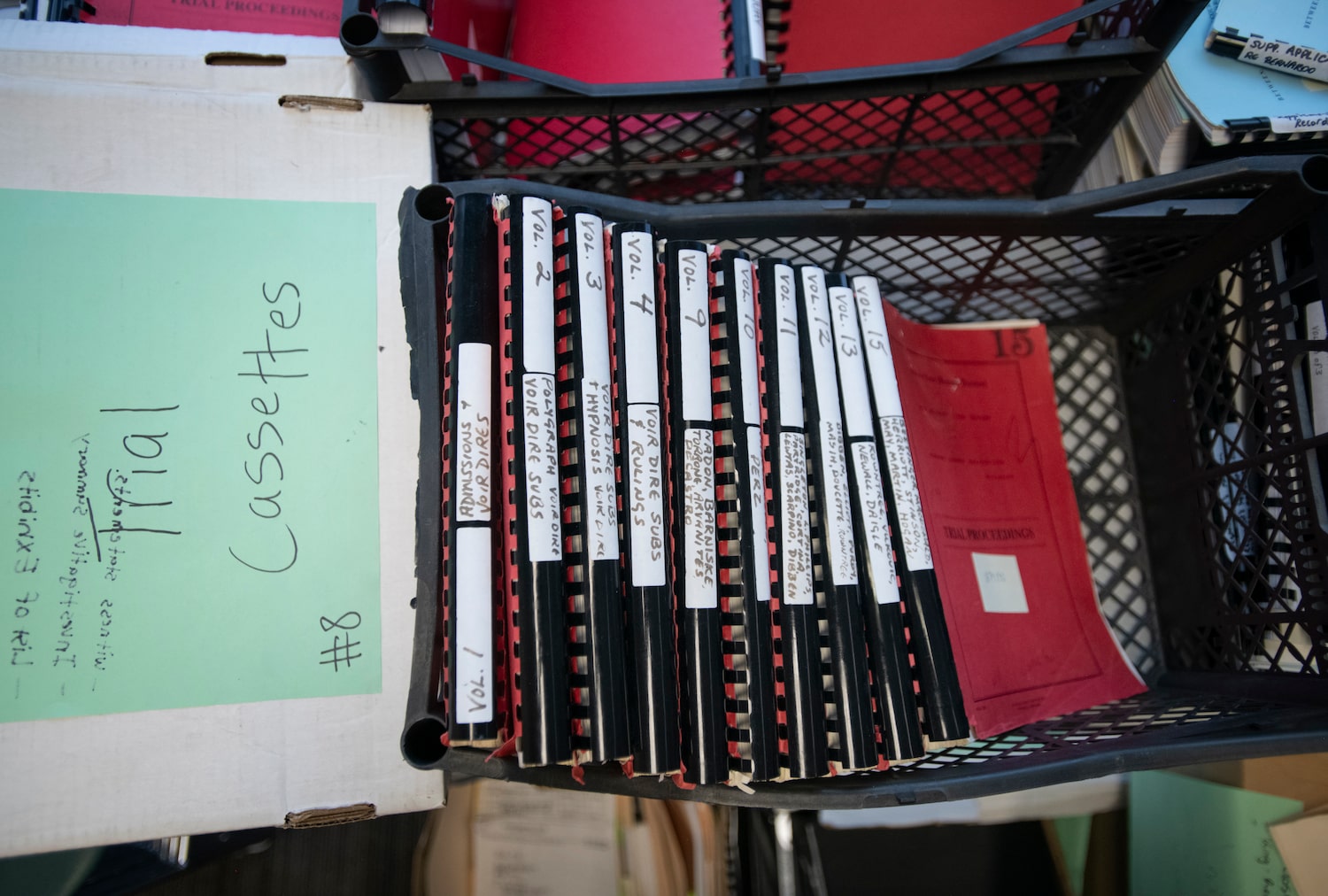
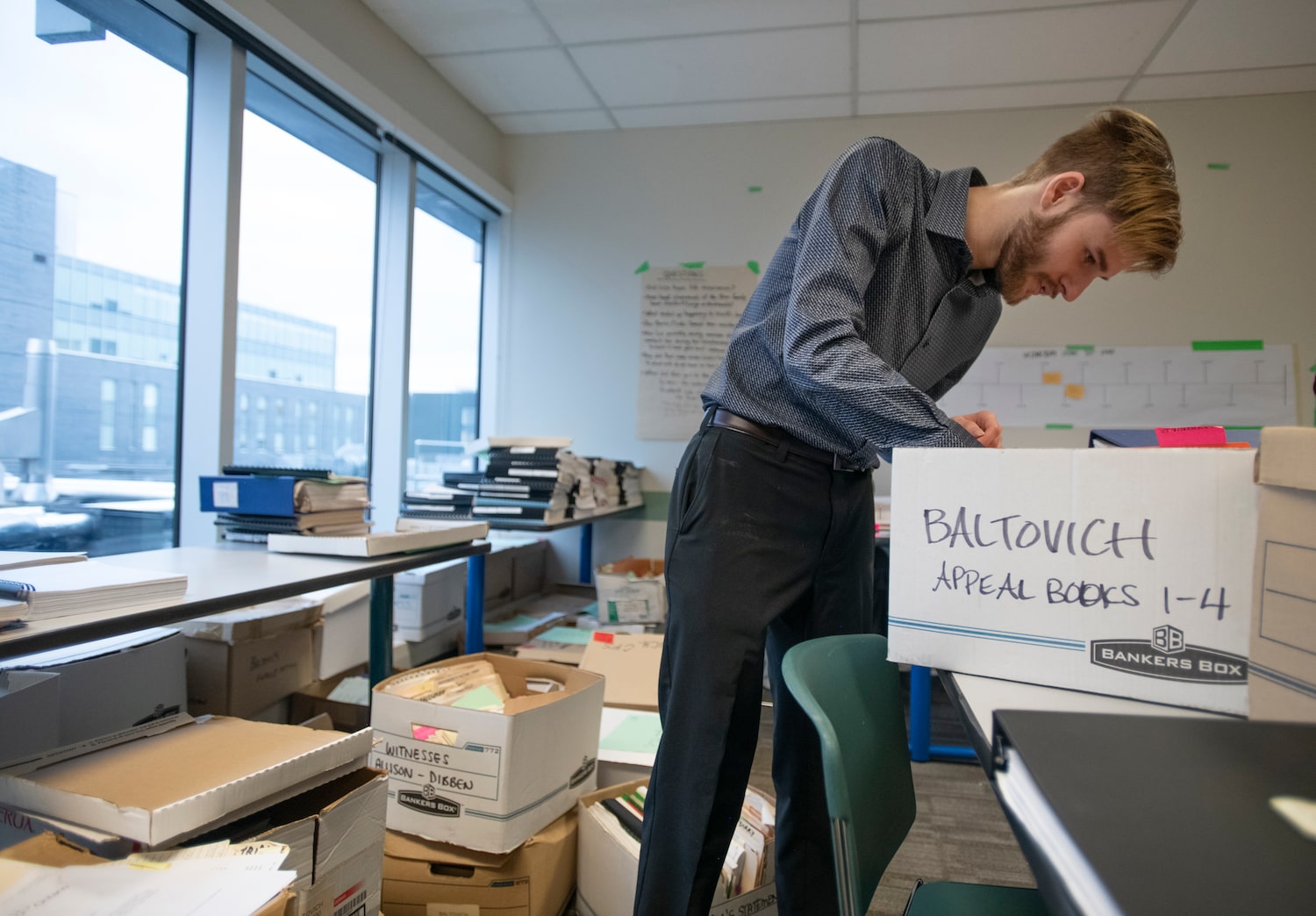

Professor Irwin's justice studies students have been looking into the cold case of Elizabeth Bain, which led to the wrongful conviction of Robert Baltovich. They are co-ordinating their efforts with police in the hope they can be of assistance in finally solving the case.Fred Lum/The Globe and Mail
Mr. Baltovich sued many of the agencies involved and received more than 80 boxes of police and prosecution records from the court process. He has granted the students access to those records in the hope they might find something others have missed, which is what makes the course possible.
“I love the fact that these students are looking at the materials and I’m interested in hearing what they have to say,” Mr. Baltovich said.
He has also formed an unlikely alliance with Prof. Irwin.
Unlikely because, back in 1990, Prof. Irwin was working undercover for the Toronto Police Service. His job was to get close to Mr. Baltovich, who police then considered a suspect in Ms. Bain’s disappearance.
Mr. Baltovich remembers being introduced to him by a friend as “John Pine,” a friendly guy who said he was new in town. Mr. Baltovich liked him, and they hung around together for a while in the months between Ms. Bain’s disappearance and his eventual arrest that November. They even went on a double date (their dates were also undercover officers). After Mr. Baltovich was arrested, he had a visit from “John Pine,” and the two exchanged letters. It wasn’t until years after his release from prison that Mr. Baltovich was told by his lawyers that there was an undercover operation.

Robert Baltovich, Elizabeth Bain's boyfriend at the time of her disappearance, was wrongfully convicted of her murder, partly on the questionable testimony of witnesses.
Prof. Irwin went on with his career in the police force. He enrolled at university part-time while working and became fascinated by philosophy and other subjects. He eventually earned a master’s degree and has been teaching justice studies for more than a decade.
He reintroduced himself to Mr. Baltovich at an event several years ago for Innocence Canada, an organization that advocates for people who have been wrongfully convicted. There were no apparent hard feelings, and the two kept in touch. Prof. Irwin said he didn’t learn anything at the time he was undercover that was used in the case against Mr. Baltovich.
“It’s pretty crazy that this guy who worked on my case undercover eventually left the police force, became a law and justice instructor and was able to bring his insight about what was going on with me to the classroom,” Mr. Baltovich said.
Now, Prof. Irwin acts as an informal liaison with the Toronto Police Service. When a student hits on something noteworthy, he passes the tip to the cold-case unit.

Student Julia Does pores over the case files in an effort to narrow down the range of suspects and scenarios that police are examining.
Detective Sergeant Stephen Smith, the acting head of the unit, said the class is a test case of sorts. It’s possible police could use a similar process on a larger scale to supplement their resources, he said. The cold-case unit currently has more than 800 open files and three investigators. He said the Guelph-Humber students have produced leads in the Bain case that are well thought out and documented.
“So far they’ve come up with a couple different leads. We haven’t really been able to get any traction on anything, but it’s been very interesting,” he said. “It’s a good test drive for us to see what the capabilities of the students would be and if we would be able to utilize this on a larger basis.”
Julia Does, a student in the class who wants to become a police officer, says she hopes her group can contribute to the case by narrowing down the range of suspects and scenarios that police are examining. “Sometimes things like this do get solved. It will take a lot of work and a lot of resources, but in a perfect world, we would get there,” Ms. Does says.