The Horse River fire had ignited on May 1, and was – at first – not considered an existential threat. It was just another one of the typical fires the region sees during particularly dry early springs. Wildfires in peatlands and parts of the boreal forest can sometimes burrow underground, appearing quiet but waiting for the right conditions to explode.
“But then the winds picked up significantly and it appears that it was the fire in the deep organic soils that then picked up in multiple places and caused this big spread,” said Sophie Wilkinson, a wildfire expert at Simon Fraser University who has studied Horse River and other boreal forest wildfires extensively.

Police officers wearing respirators direct residents fleeing Fort McMurray as the fire closes in on the town on May 6, 2016.COLE BURSTON/AFP/Getty Images
During the battle against the blaze, wildland and structural firefighters lacked common radio channels and couldn’t effectively coordinate. Communication delays also hampered the town’s evacuation. By the time a full evacuation was ordered, parts of the city were already burning.
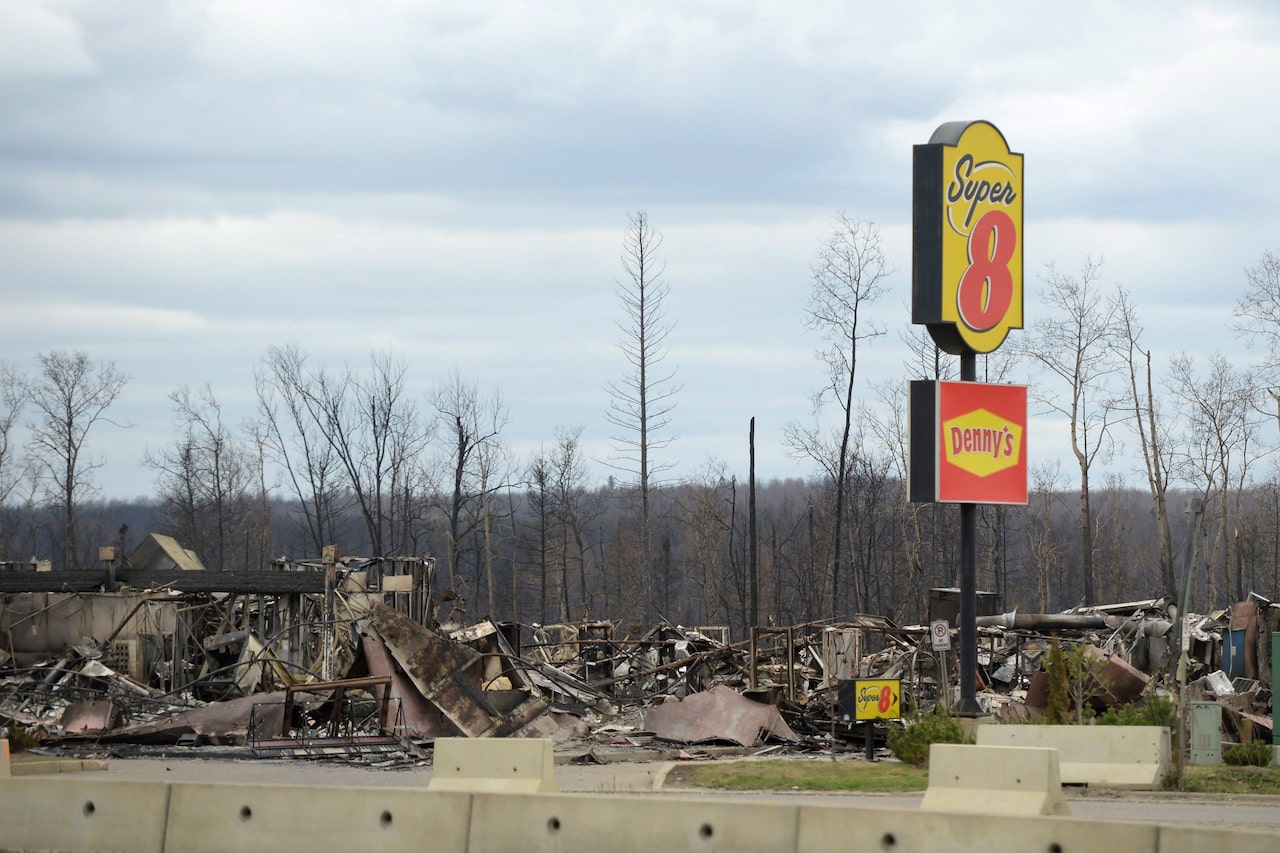
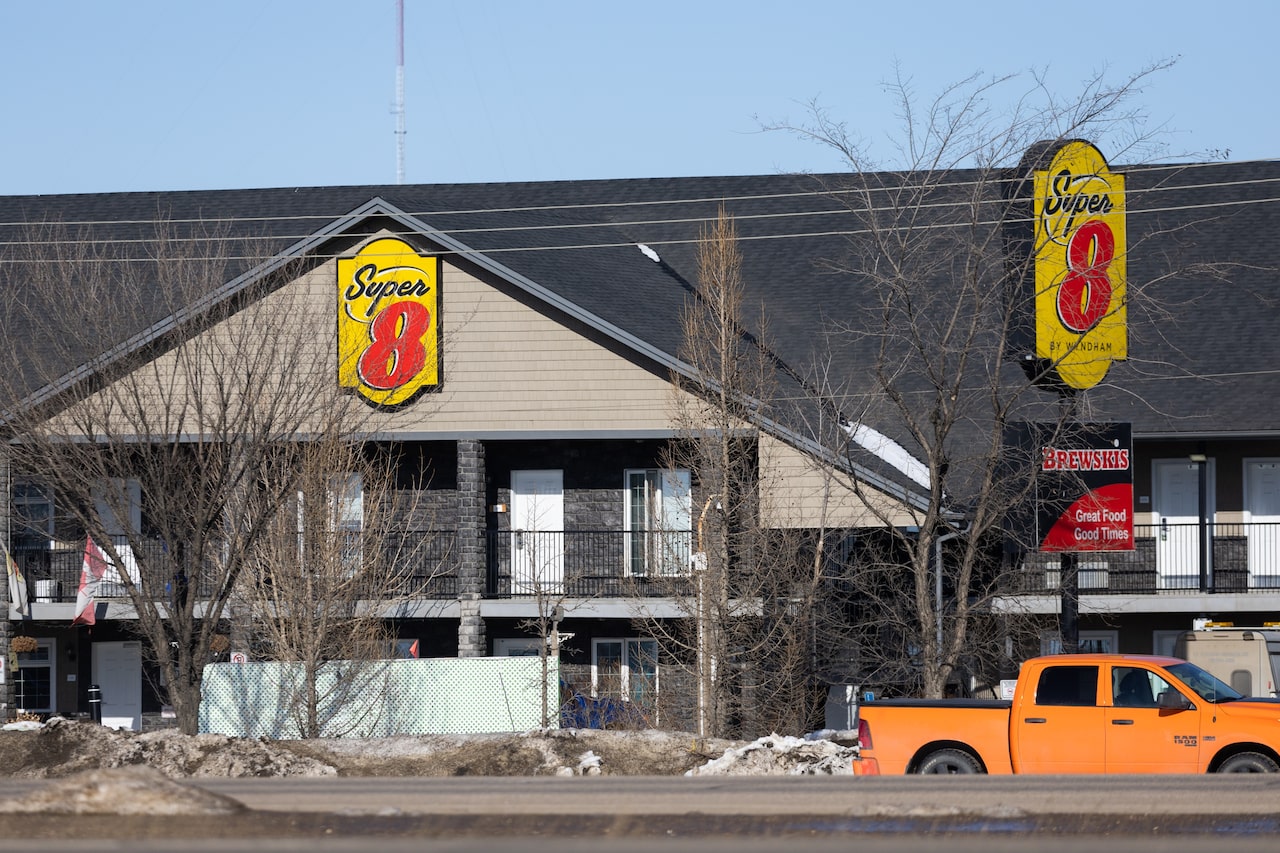
“We had to drive through the fire,” said Abdulbasit Ghori, who was a teenager at the time. “You could see patches of grass burning … trees burning. You could see the Super 8 motel like fully on fire.”
As tens of thousands of people poured onto the highway, traffic jams stretched into hours. While no one was killed by the fire itself, 15-year-old Emily Ryan and 19-year-old Aaron Hodgson died in a car crash during the chaotic evacuation.
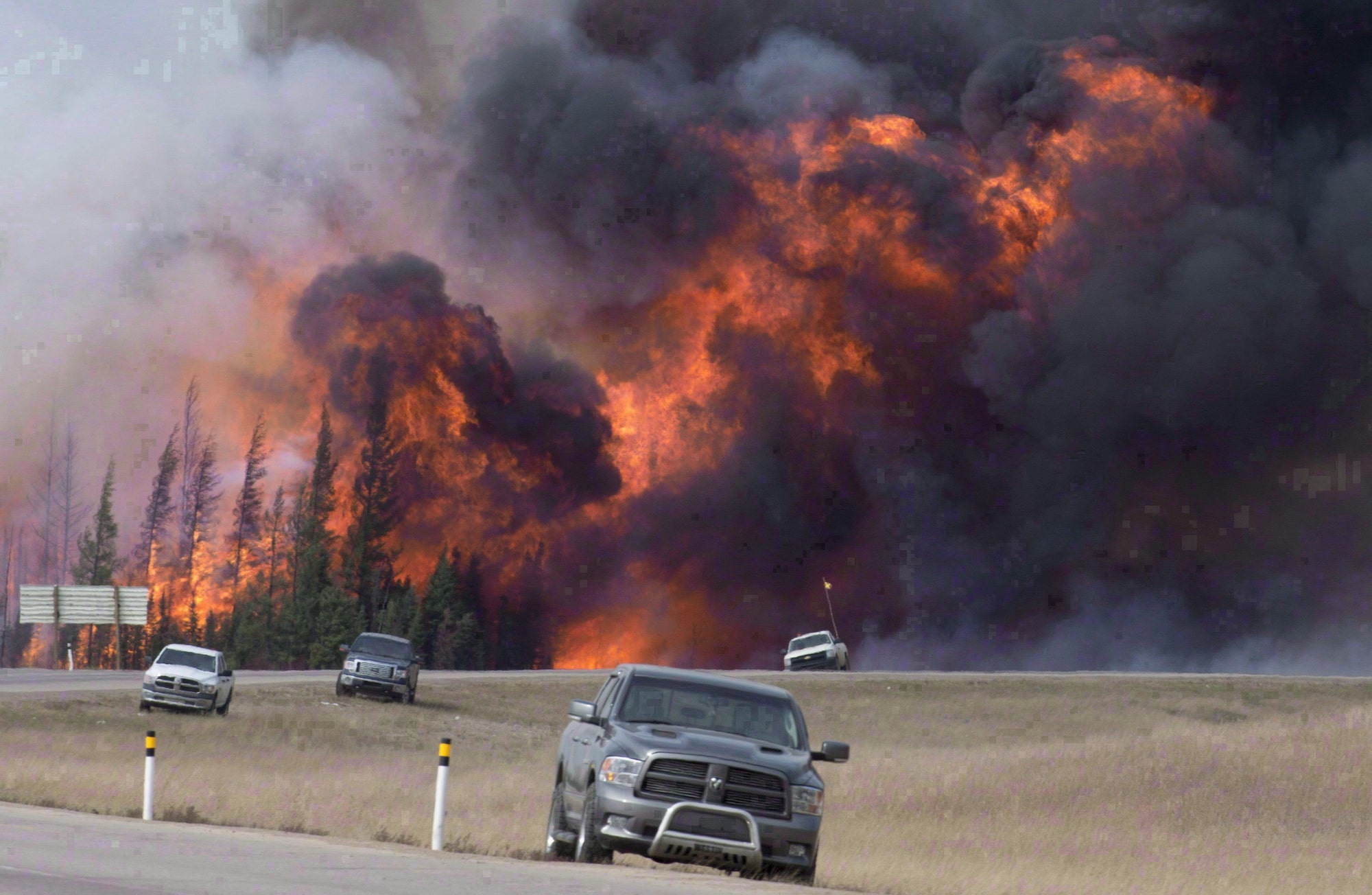
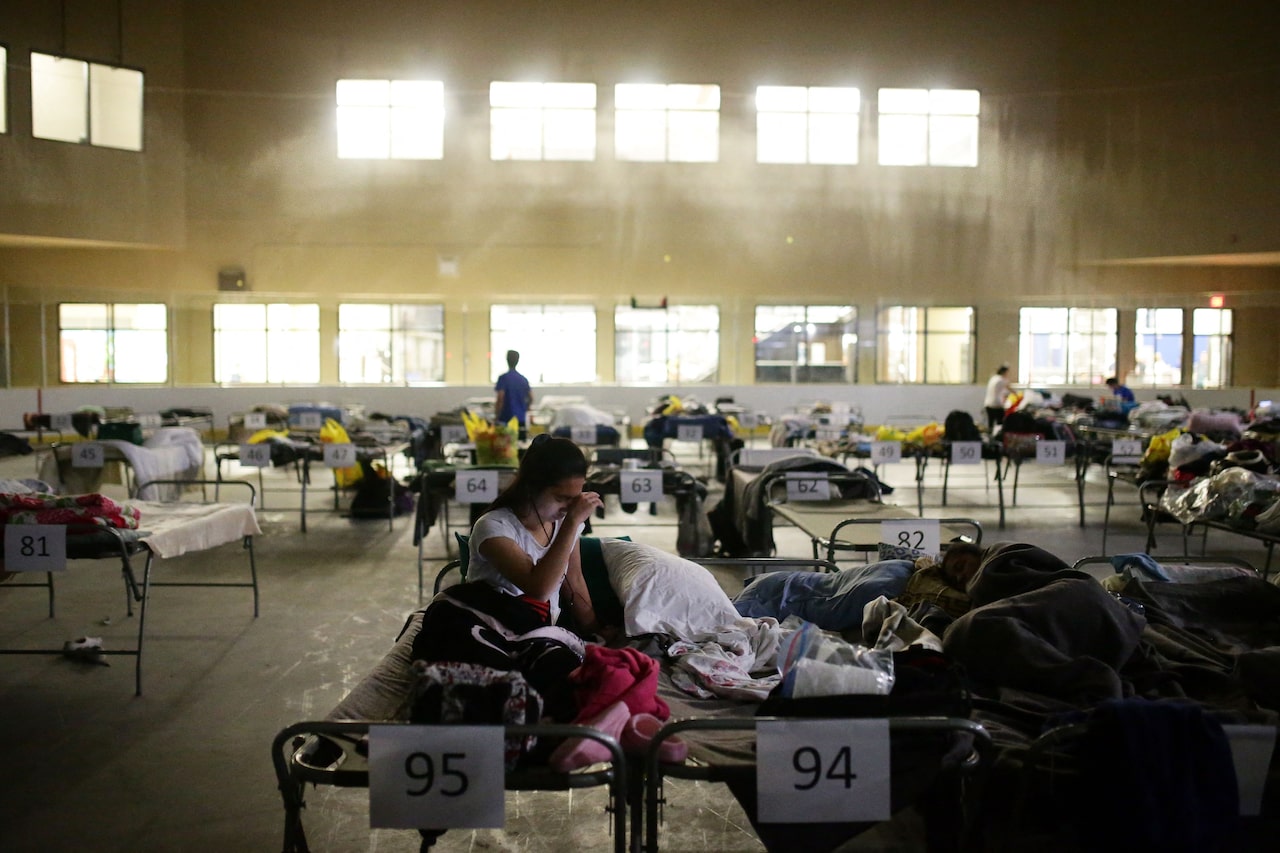
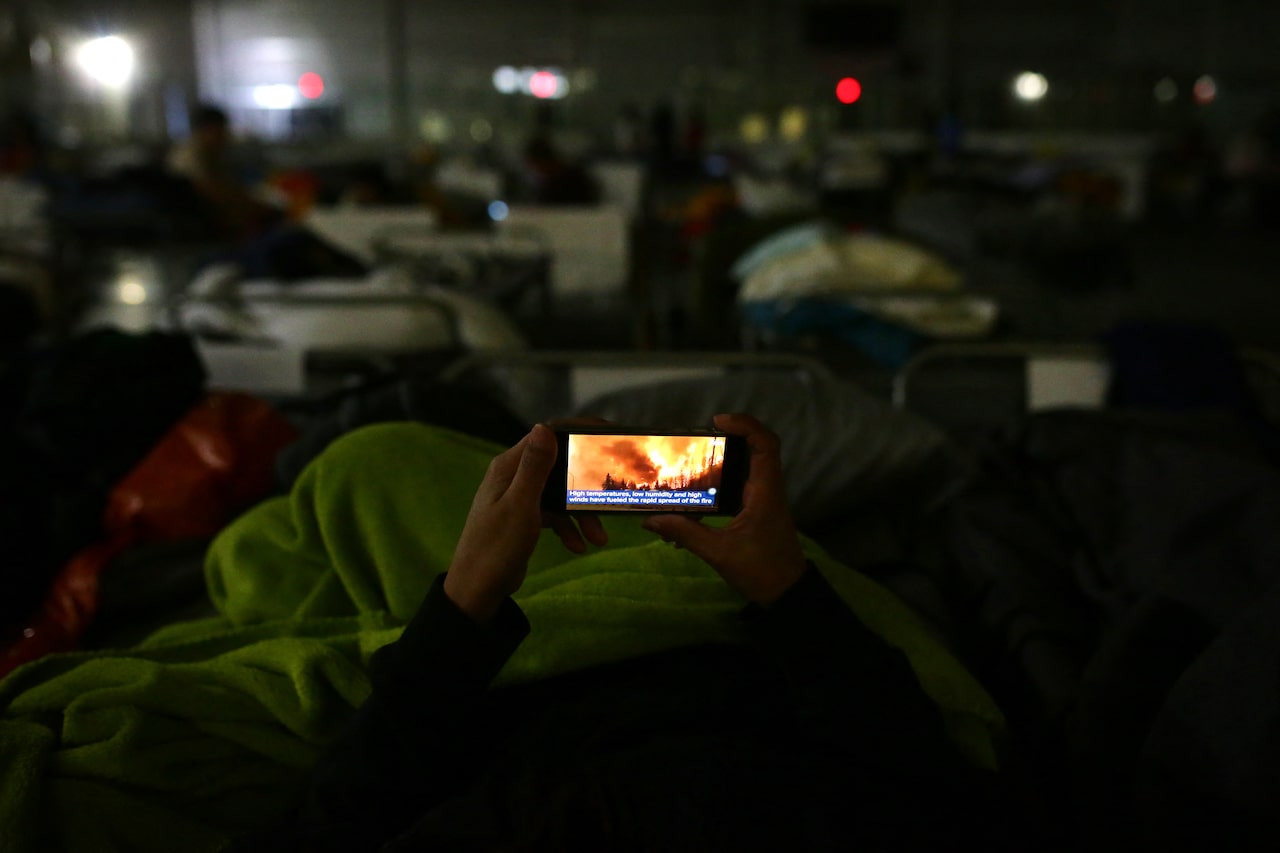
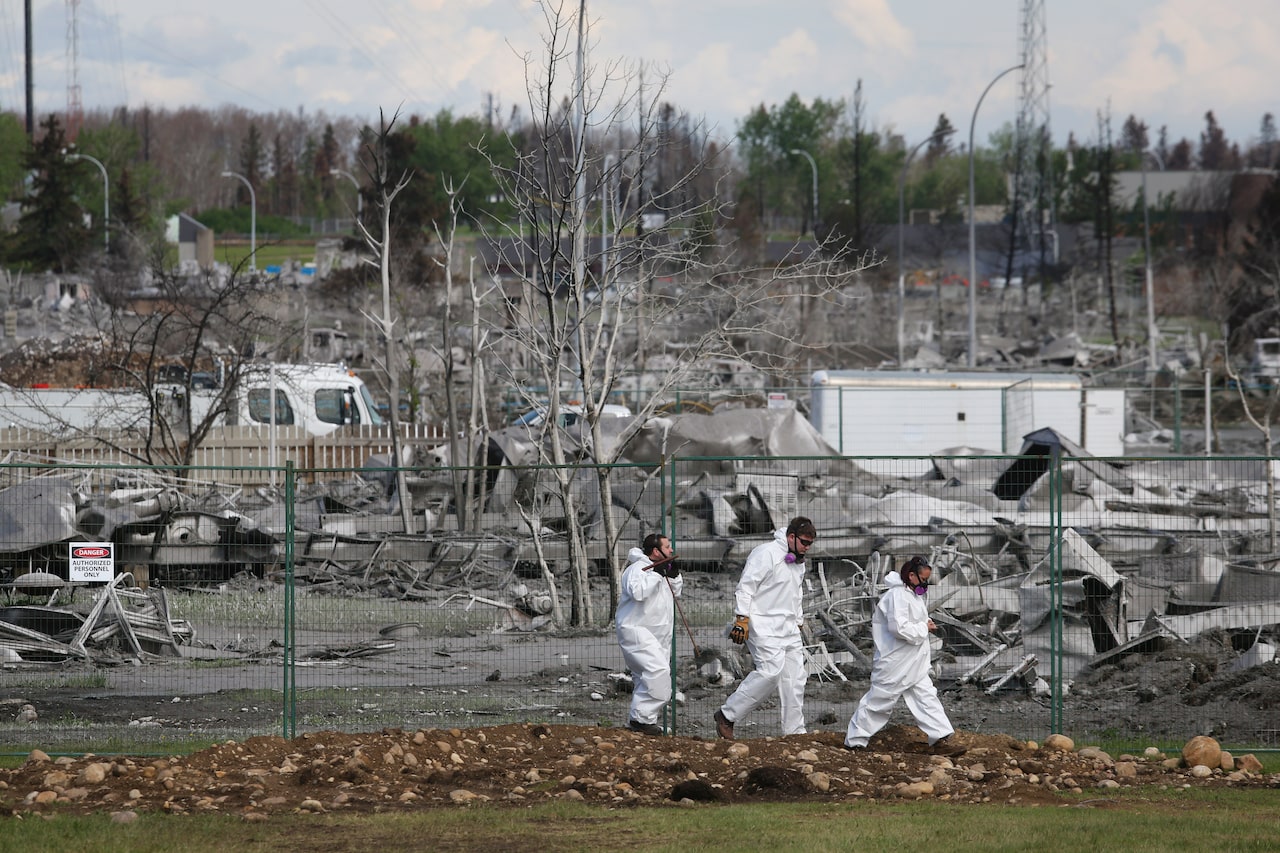
The Fort McMurray wildfire was shocking not just across Canada, but around the world: More than 2,400 homes and other buildings were destroyed in the heart of Canada’s oil sands, the engine of the country’s energy industry. With estimated insured losses between $3-billion and $6-billion, it was (and remains) the costliest natural disaster event in Canadian history.
For many, the correlation between the climate impacts of the fossil fuel industry and the combustion of a town founded on them was hard to miss. The suggestion that the town was somehow to blame for its own destruction was like salt in many survivors’ wounds.
“A lot of the anger is gone now, but if you suggested that climate change was a factor, some people would get very angry at that,” said Mr. Dahl, the high school teacher.
The 2016 wildfire in Fort McMurray forced residents to quickly evacuate in dangerous conditions.
Globe and Mail Update
After the smoke cleared and the government reports were written, the city was left to reckon with the true scale of something the vast majority of Canadians had never seen and could not possibly imagine: An era where wildfires, exacerbated by climate change, are capable of releasing as much energy as a nuclear weapon.
As Mr. Coutts, the former Slave Lake fire chief explained, hardly anyone had fought a wildfire like that before. In Fort McMurray, Mr. Coutts saw firefighters making the same mistakes he and his crews had made in 2011.
“For 50 years, we had this plan that we were just going to hook our fire trucks up to the hydrants around town, and we’d spray into the forest, and the forest fire would just stop,” he said.
Mr. Coutts said that as firefighters steeled themselves to face the fire on the town’s outskirts in 2016, they watched as it simply hurled embers over their heads, burning houses down behind them.
We know better now. When firefighters bulldozed houses in Fort McMurray (as they had in Slave Lake) to create fire breaks the way wildland crews plow down trees to deprive a fire of its fuel, it was seen as a tactic of desperation. Today it’s formalized into training and standard practice for managing the worst urban wildfires.
The Fort McMurray disaster also gave rise to Alberta’s unified command structure, which integrates emergency workers from multiple agencies under one cohesive umbrella.
But in the decade after the Horse River fire, many Canadian communities appear to have not heeded the lessons that the fire left in its wake.
Terrifying, last-minute wildfire evacuations continued for years afterwards. Videos of residents driving through walls of roiling smoke, their windshields lashed by embers, have remained almost commonplace in Canada’s wildfire seasons.
During B.C.’s devastating 2023 wildfire season, homes were already ablaze in the province’s North Shuswap communities before formal evacuation orders were given. Residents were forced to face a gauntlet of fire along the region’s only paved road out of the area before that route was cut off entirely. Many more were forced to evacuate by boat across wind-whipped Shuswap Lake.
That same weekend in the Northwest Territories capital of Yellowknife, officials, who had for days assured residents no evacuation would be necessary, suddenly reversed course and ordered the entire city of 40,000 people to empty.
In 2025, two people were killed when a fast-moving wildfire overran the town of Lac du Bonnet, east of Winnipeg.
According to a recent survey by First Onsite, a property restoration and emergency planning company, more than 60 per cent of Canadians say they’re worried about the threat of a wildfire, but only 36 per cent know their evacuation routes ahead of time. Only 44 per cent say they have confidence in local emergency response systems.
Melissa Herman returned to her home in Fort McMurray with her daughter after the 2016 wildfire.
Globe and Mail Update
While much of Canada may still be playing catch-up, Fort McMurray has taken its lessons to heart.
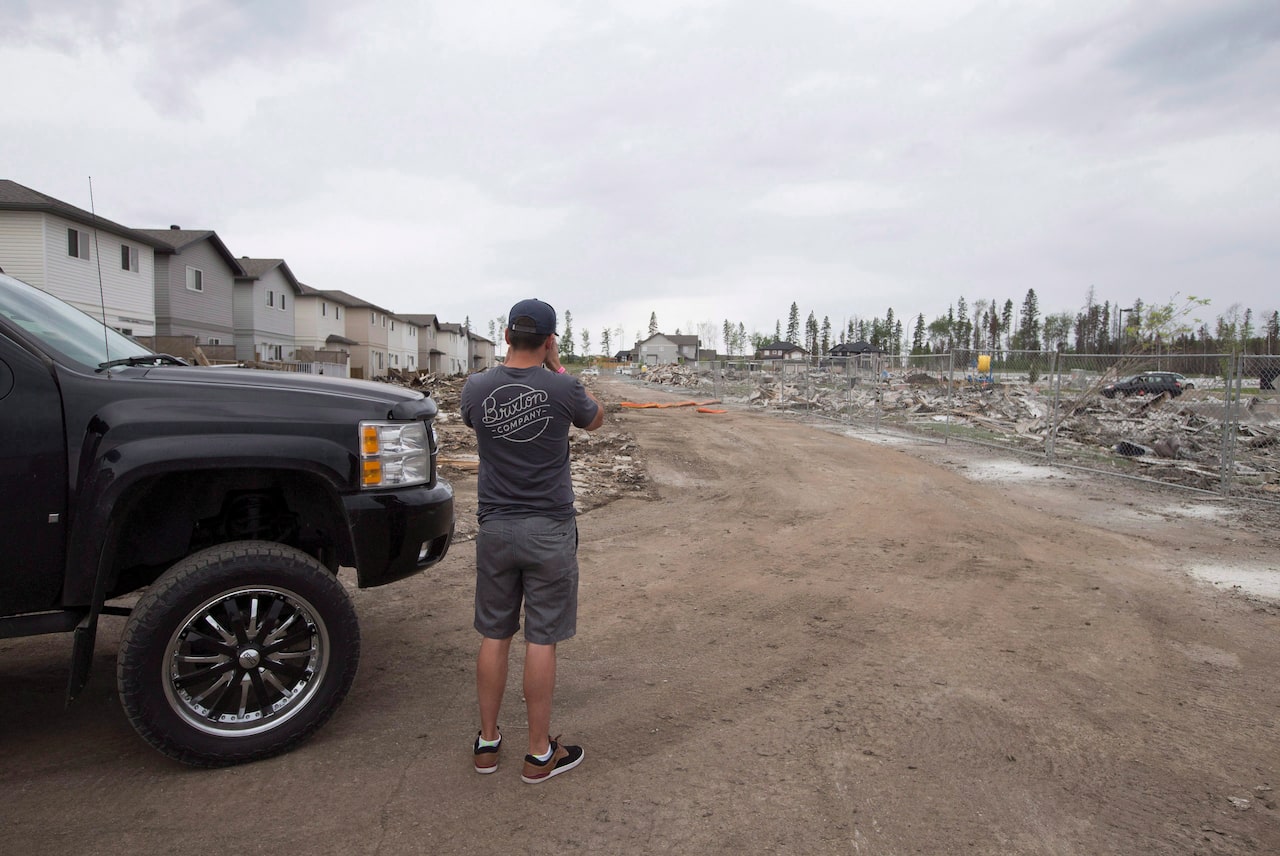
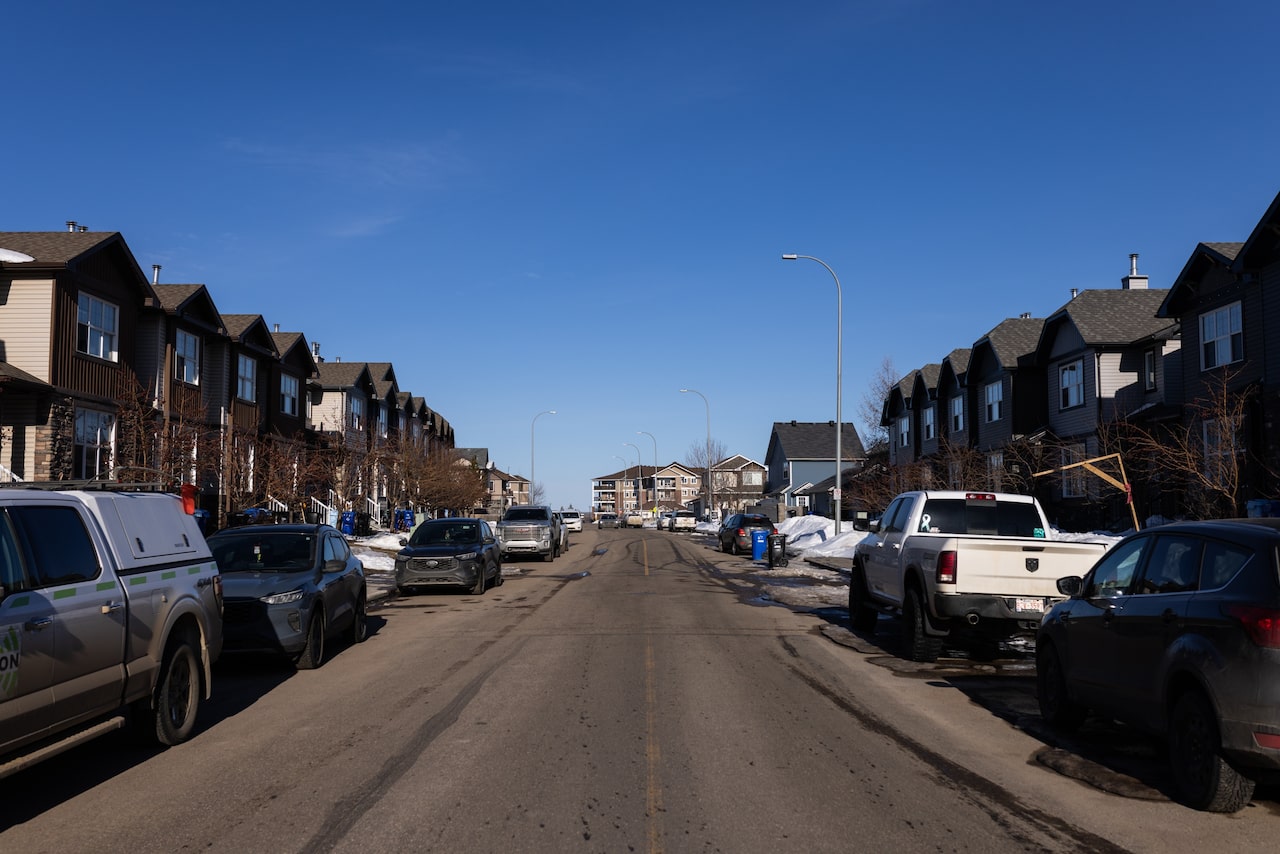
When the 2016 fire devastated the neighbourhoods of Beacon Hill and Abasand Heights in Fort McMurray, many residents faced bottlenecks trying to escape on the only road in or out of the communities. When those neighbourhoods were rebuilt, the city ensured that each was connected to at least two evacuation routes.
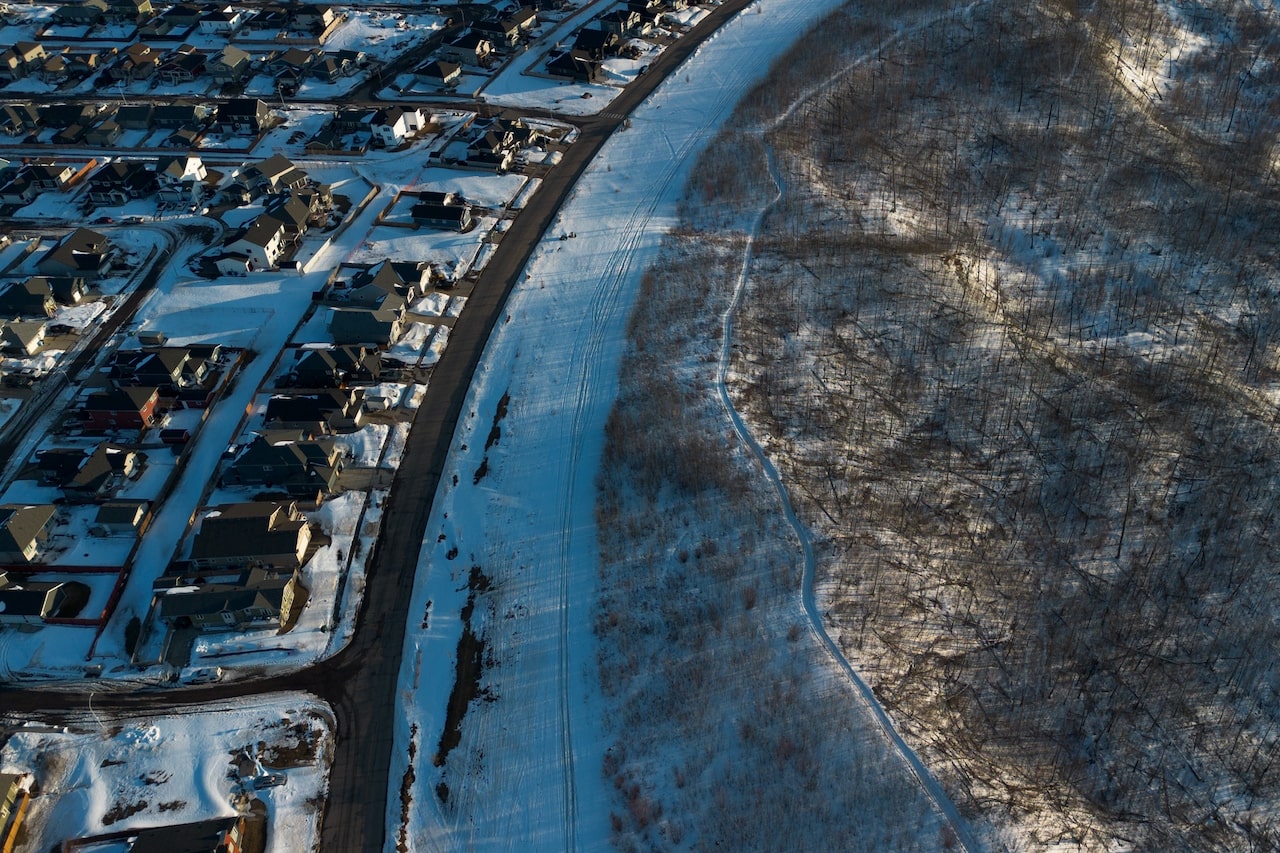
Urban planners ringed each neighbourhood with strategically designed parks and greenbelts, creating vital defensible space between homes and the forest. This both minimizes the risk of embers reaching homes and gives firefighters critical space to work from safety if they have to defend against another oncoming fire.
Since 2017, the Regional Municipality of Wood Buffalo, which includes Fort McMurray, has spent $6.3-million to reduce risk of wildfire damage across more than 434 hectares of forest through a program called FireSmart. It has its own specialized prescribed fire teams to conduct fuel reduction burns.


The lessons learned from the 2016 Horse River wildfire were put to the test when a wildfire threatened Fort McMurray again in 2024. Wildfire crews prepared as communities on the southern edge of the city evacuated and fire retardant was sprayed on trees in the Beacon Hill neighbourhood.Jeff McIntosh/The Canadian Press
All of these preparations and more were on display in 2024 when another wildfire threatened Fort McMurray. The sky darkened to a familiar, sinister orange. But this time, there was no panic, no last-minute flight through burning neighbourhoods.
The city ordered several outlying neighbourhoods to evacuate well ahead of time, and found that many other residents voluntarily packed up and left as well.
Structural protection firefighters, now armed with the knowledge of how to better fend off a blaze, moved into the emptied neighbourhoods with pumps and heavy-duty sprinklers to create the kind of wide moisture domes that are effective at suppressing an ember storm.
City residents are more prepared as well. Ms. Ohelo’s mother Adela now keeps suitcases packed full of clothes and critical documents such as passports; go-bags for the entire family are ready at a moment’s notice.

Being ready helps many people manage the anxiety that memories of the fire still trigger. It reminds Ms. Ohelo that she’s survived worse and can again. “You just have to learn to be prepared. With any trauma ... you learn to live with it, manage it, because you don’t want to put it away in a box,” she said.
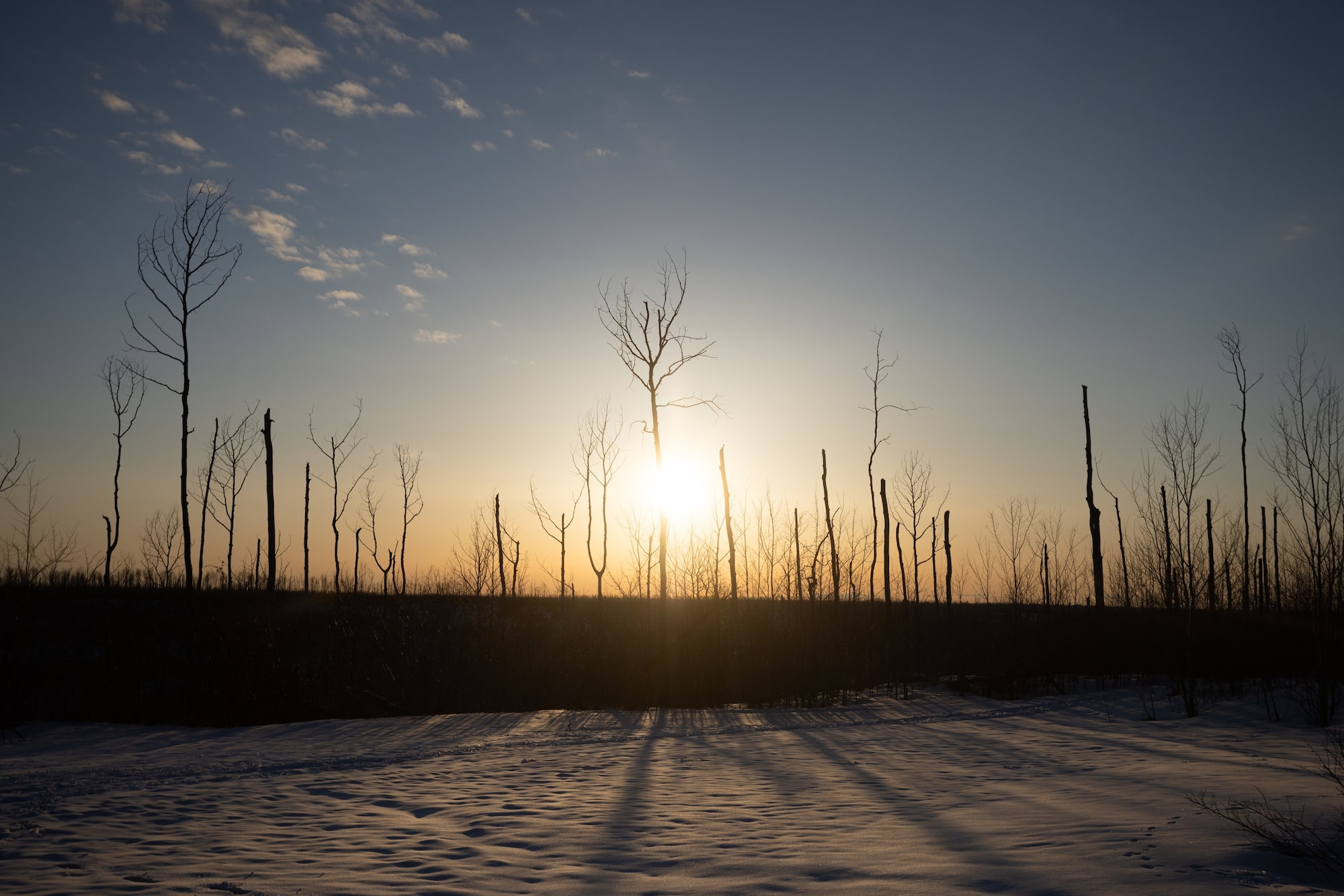
Like the dead snags that still loom over downtown, the fire continues to cast a long shadow. The fire changed the trajectory of many people’s lives, and continues to impact Mr. Dahl and his family’s mental health.
“I ended up on medical leave three times for stress,” Mr. Dahl said. “The emotional, mental health stuff that I took into the next couple years, a big part of that was how I saw the fire affecting my children,” he said.
Ms. Wilkinson, the wildfire scientist, said the Horse River fire even changed the way wildfires are studied.
The fire’s behaviour spurred new research into the unusual way that peat and deep-soil fires sometimes burn. It has resulted in a whole new fuel category in the country’s fire-danger rating system, Ms. Wilkinson said.
For Mr. Coutts, there are plenty of lessons the Fort Mac fire left in its wake, but perhaps the most important one is that wildfires are not a problem we can solve, only one we can learn to live with.
“We have to get ready. We have to stay ready,” he said.
The Decibel: How 2016 looms over the wildfires in Fort McMurray
In 2024, eight years after the infamous Horse River wildfire levelled several neighbourhoods and businesses, the sky was a familiar smoky orange in Fort McMurray as a fire crept closer to the city. The Globe’s Calgary reporter, Carrie Tait, explains how for many residents and officials, they feel the lingering effects of what happened in 2016.