Shots from across Canada captured celebrations and progress this year, but also loss – and in conflict zones abroad, the picture was grim

Fred Lum

In 2024, Mr. Lum marked his 40th anniversary as a staff photographer, and in some ways, the history he chronicled had come full circle. The Globe hired Mr. Lum in September, 1984, the month of the federal election that first brought Brian Mulroney’s Progressive Conservatives to power. When the former prime minister passed away this February, Mr. Lum and reporter Frédérik-Xavier D. Plante set off to Baie-Comeau, Que., to hear locals’ stories about the hometown son.

Plans for Mr. Mulroney’s state funeral took shape while they were there, and Mr. Lum backtracked to Montreal to cover the service. “It was a cold, wet snowy day” of waiting across the street for dignitaries to arrive and leave, Mr. Lum says, “but this is what we do.”
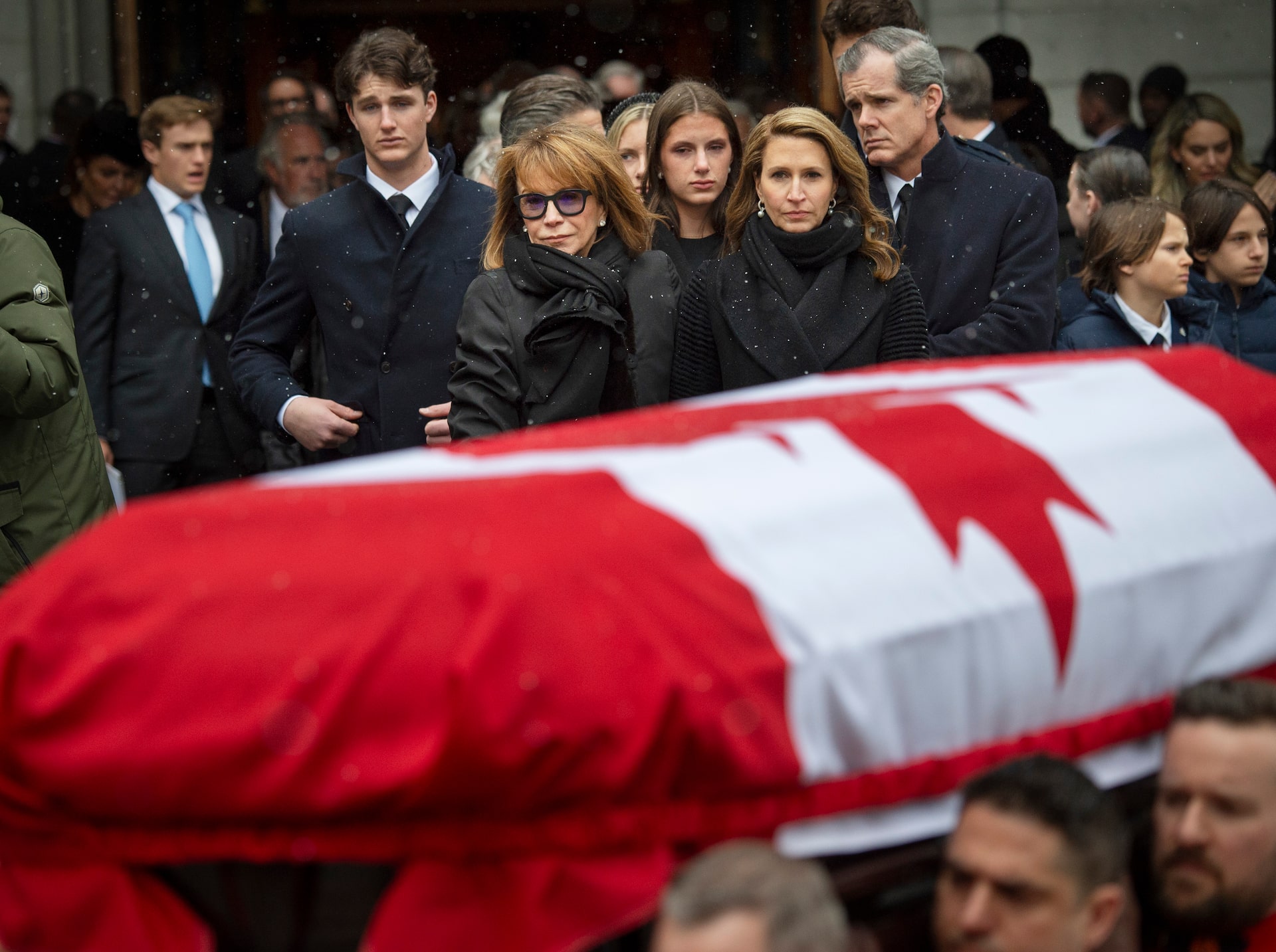
Mila Mulroney, in dark glasses, watches as pallbearers take husband Brian’s casket away from Notre-Dame Basilica on March 23. Caroline Mulroney, at right, eulogized her father and was in tears as she described the 84-year-old’s final days in Palm Beach, Fla., where he was hospitalized after a fall.
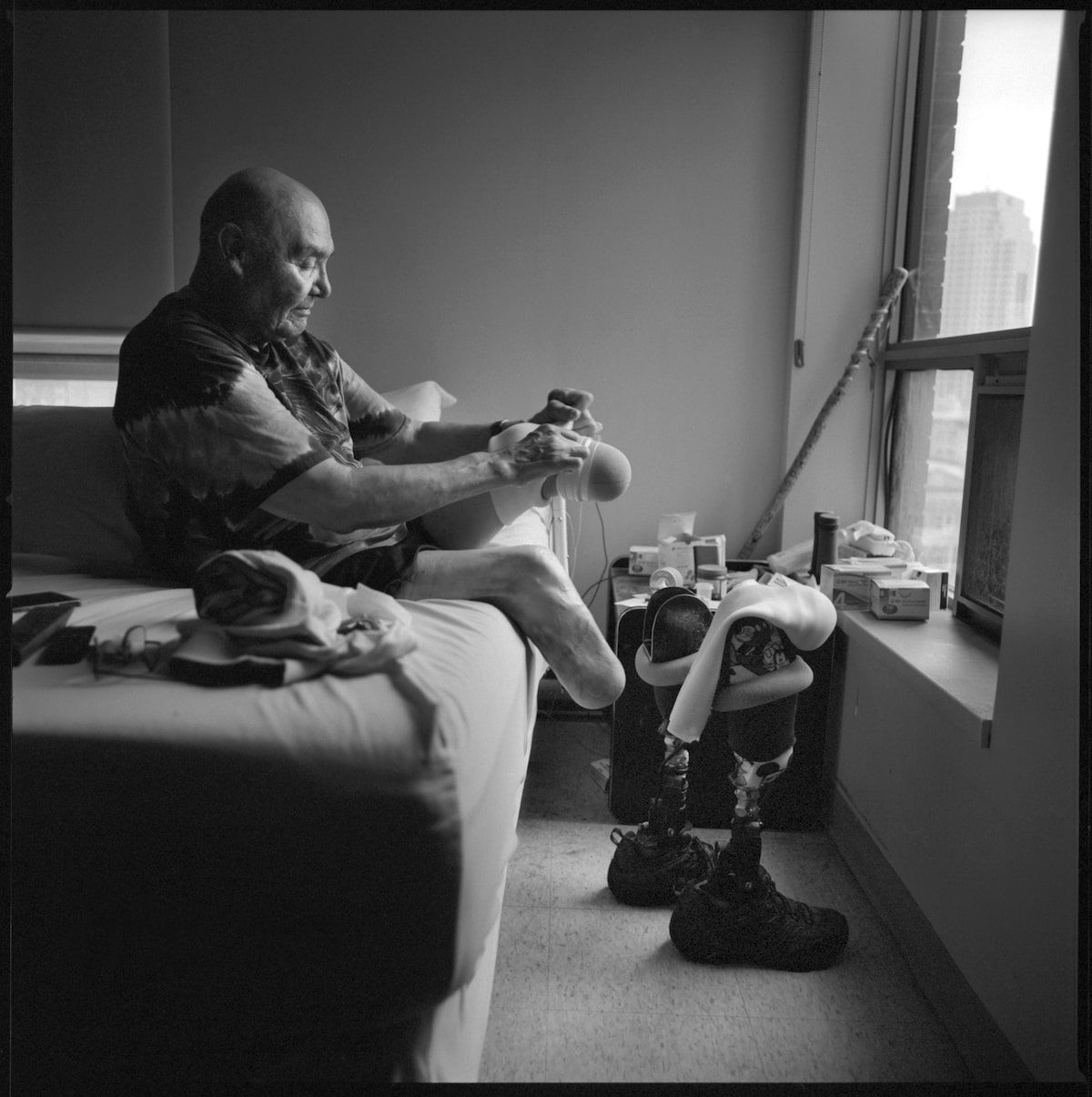
James Gott, a Winnipegger from Sapotaweyak Cree Nation, spent time with Mr. Lum for a story about diabetic amputations, showing the tricky process of putting on and removing his prosthetics. Mr. Lum said his job in sensitive situations is to respectfully ‘help tell the story that needs to be told.’
Mr. Lum originally planned to be in Kingston for April’s eclipse, but cloudy forecasts sent him east to Brockville and then Cornwall, where he watched the cosmic show unfold at Lamoureux Park. Darkness brought a roar from the crowd, then a hush, except for camera sounds.
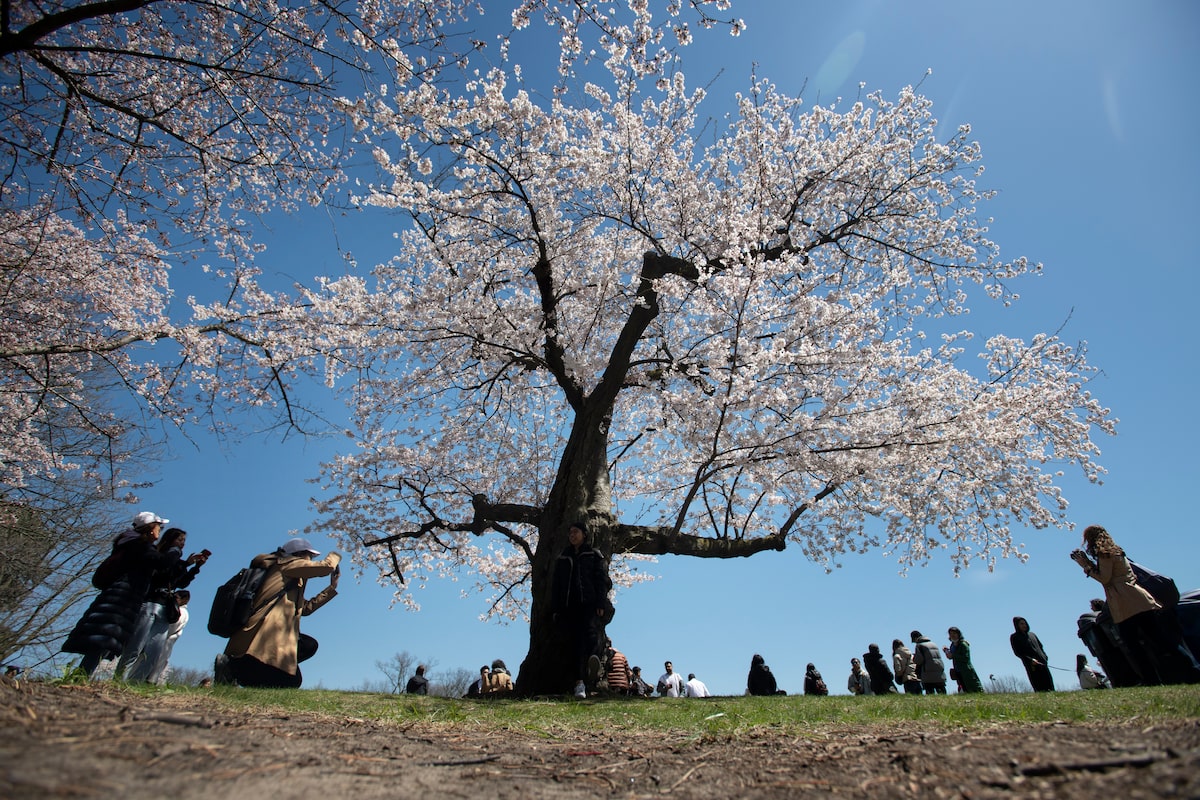
April was sakura season in High Park, an eruption of pink cherry blossoms that thousands of Torontonians come to see each year. ‘Most photos are often closeups of the blossoms and people posing for photos beside them,’ Mr. Lum says, but he tried for something different from farther away.
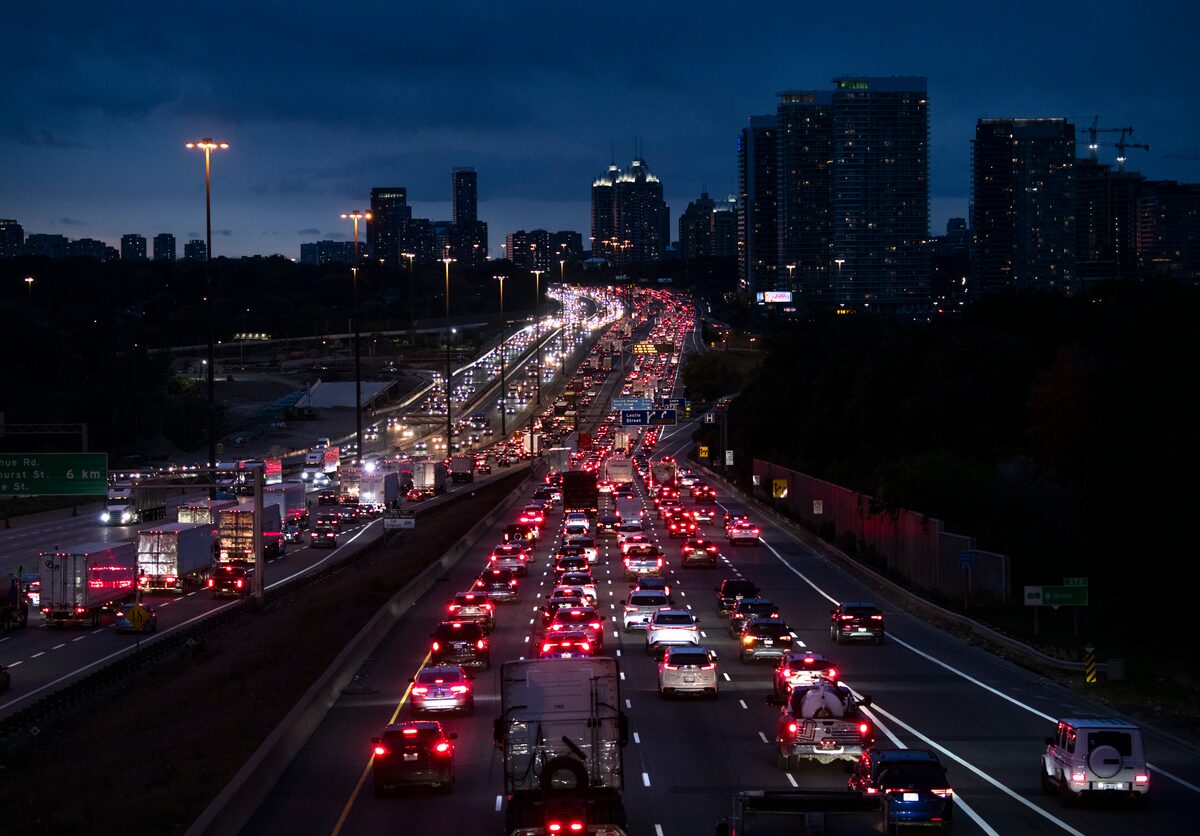
Mr. Lum’s shots of October gridlock on the 401 were for a story about worsening traffic in Toronto. Avoiding clichés in such assignments is a challenge, Mr. Lum says; he waited for darkness to fall so he could get the right scene of the ‘ordeal drivers still faced before they could get home.’

Melissa Tait

One of Ms. Tait’s favourite images of 2024 was an adorable epilogue to an assignment from the year before.

Adrial and Adiah Nadarajah were born 22 weeks and zero days into their mother’s pregnancy, a world record for surviving. Ms. Tait photographed them for a 2023 profile published soon after their first birthday, in which health reporter Kelly Grant explored the ethical questions around the babies’ care. Ms. Tait saw the twins again this past March at their second birthday party, where Adrial was walking confidently, something doctors feared he might never do.

They also have a new sibling: after new baby Alissa was born in November, the parents said the twins were “chatty, with big personalities, and in love with their little sister.”

Kevin Nadarajah and Shakina Rajendram – with son Adrial and daughter Adiah, respectively – celebrated the twins’ second birthdays in Pickering, Ont., on March 2. Ms. Rajendram, whose delivery set a world record among premature births, said the couple was relieved to feel like typical parents at last.
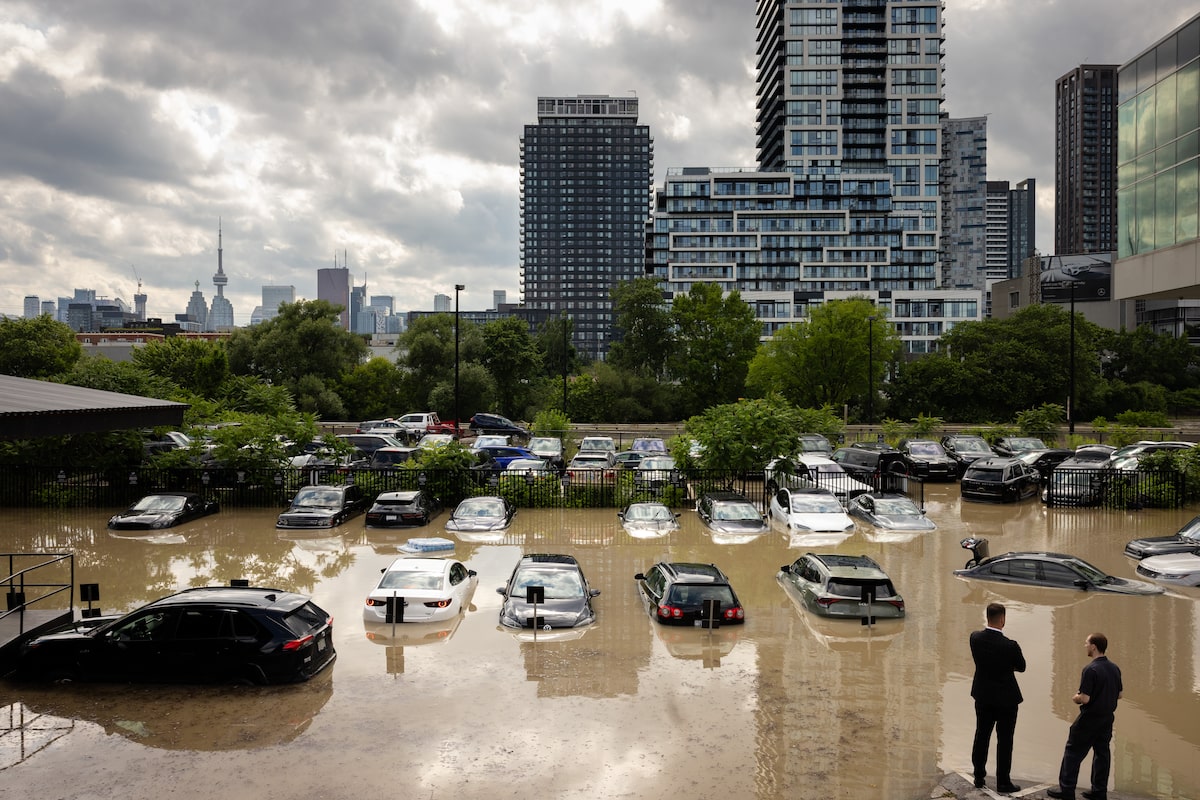
Grand Touring Automobiles on Dundas Street East became a lake on July 16, when heavy rain burst the banks of Toronto’s Don River. These vehicles had no one inside, but not so on the Don Valley Parkway, where first responders worked to rescue stranded motorists.
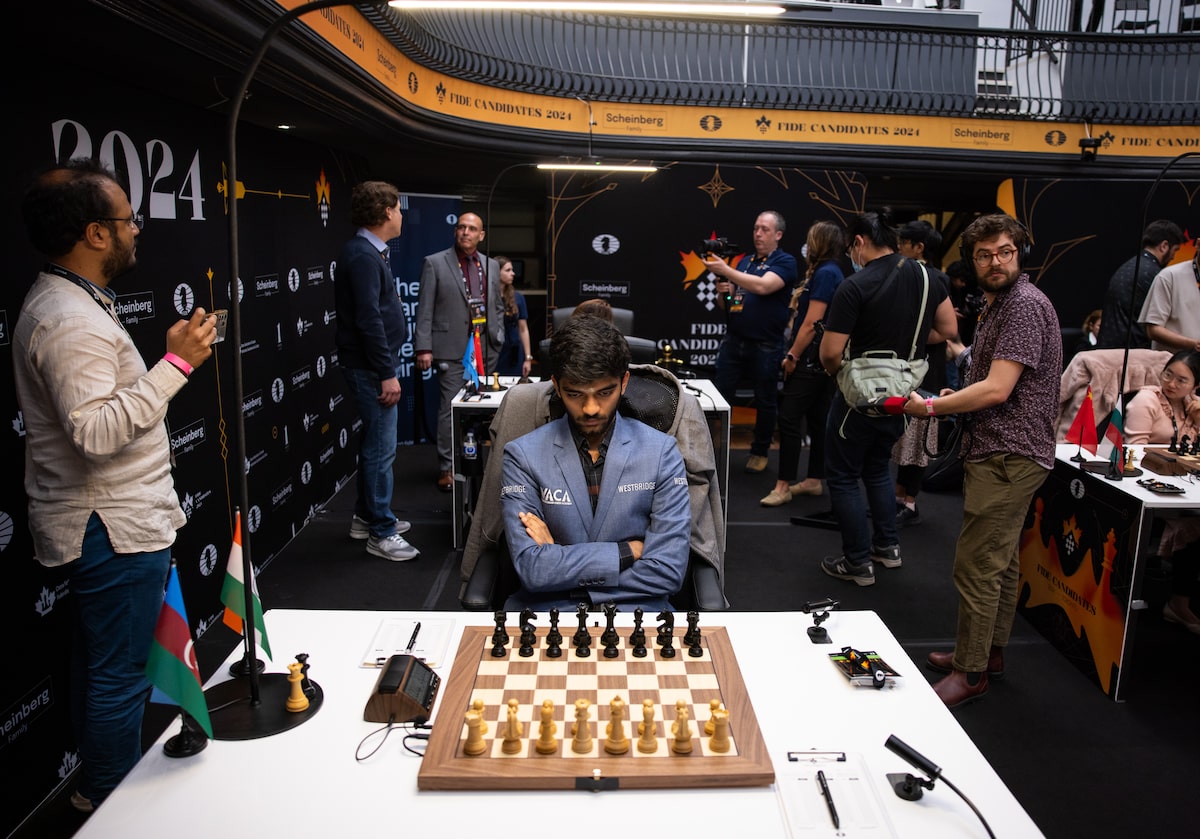
Gukesh Dommaraju, an Indian grandmaster, waits for an opponent ahead of an April 18 match at the Candidates Tournament of chess in Toronto. where he became the youngest-ever winner. Eight months later in Singapore, he took the world champion title from Ding Liren of China.
King’s College Circle was a patchwork of yellowed grass on July 3, after a pro-Palestinian encampment heeded a court order to clear out or be removed by police. The University of Toronto was one of several Canadian schools where students set up camp that summer to oppose Israel’s invasion of Gaza.

Goran Tomasevic

Haiti and Lebanon were among the world’s least safe places to be this year, but Goran Tomasevic went anyway. In Port-au-Prince, the dangers he faced came mostly from street level – gangs, rebelling against the dysfunctional state, had seized control of most of the city – while in Lebanon, Israeli and Hezbollah rockets were unpredictable threats from above.

Dead bodies were an inescapable sight, and Mr. Tomasevic and his editors had to choose carefully which photos to publish: showing just enough graphic detail can kindle compassion for the suffering of others, but showing too much – or framing it tastelessly – will only traumatize the reader. Sometimes, the absence of people is equally disturbing: in southern Lebanon, a horse in a long-abandoned market stall was a “surreal” scene, Mr. Tomasevic said. “Unlike anything I’ve seen in past assignments.”
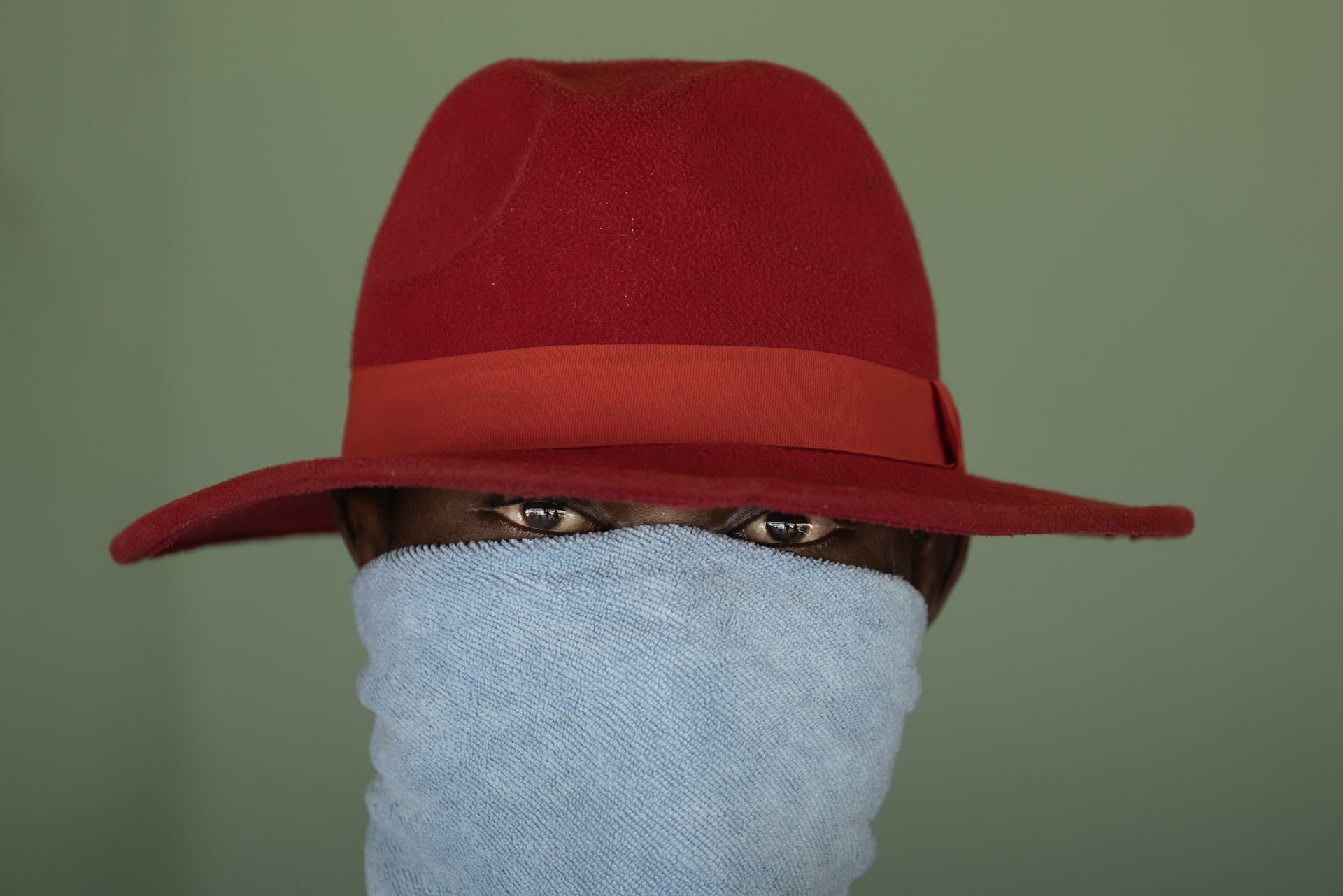
The gang that Goran Tomasevic found at a gas station in Mariani, outside Port-au-Prince, controlled a road connecting five departments of Haiti to the capital. A federation of armed groups had risen up against the government a month earlier, when the acting prime minister was on an official trip to Kenya.
Many fighters hide their faces so that, if law and order is ever restored, they will be harder to prosecute. Near a charred police vehicle and dead body, one man wore a Ghost Face mask from the Scream films; another faction, holed up in a medical clinic in Delmas, sported ski masks, stockings and other garments.
In Maasryah, northern Lebanon, a Maronite Christian priest joined the Muslim funeral rites for victims of Israeli air strikes on Oct. 14. Crowds of civilians were a rarer occurence in the south, where Mr. Tomasevic found residents had largely fled, leaving their animals behind.

Deborah Baic

Photo and video journalist Deborah Baic had less time for assignments in the field in 2024, but when she did go out, it was to a place dear to her heart: Sault Ste. Marie, where she grew up.

Algoma Steel, the region’s largest employer, is upgrading its Sault plant to emit less carbon dioxide and other pollutants, so she and energy reporter Jeffrey Jones went to see that work in progress.

Other Saultites shared a less hopeful story about the state of local medicine: cutbacks at a community clinic – which a steelworkers union had fought to build in the days before universal health care – left more than 10,000 people without a family doctor.

Algoma Steel’s No. 7 furnace takes in iron ore, limestone and coke and turns out the red-hot iron used to make steel. Once upgraded, the Sault Ste. Marie plant will forgo blast furnaces, with their high carbon footprint, and instead melt scrap metal with powerful arcs of electricity.
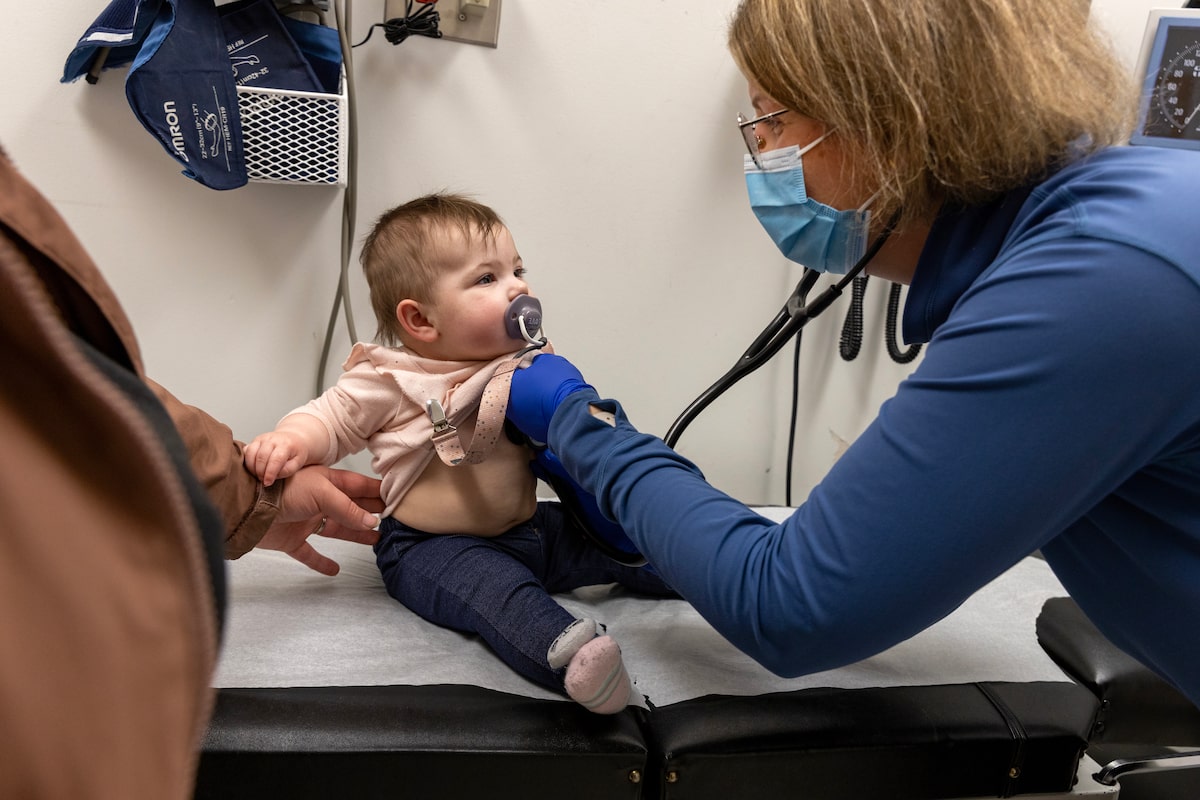
Family physician Melissa Hemy gives nine-month-old Kinsey Cross her checkup at Group Health Centre in mid-April. Six weeks later, the Sault Ste. Marie clinic would cut off 10,000 of its 60,000 patients from primary care because it was short-staffed – a common complaint at hospitals across Ontario recently.
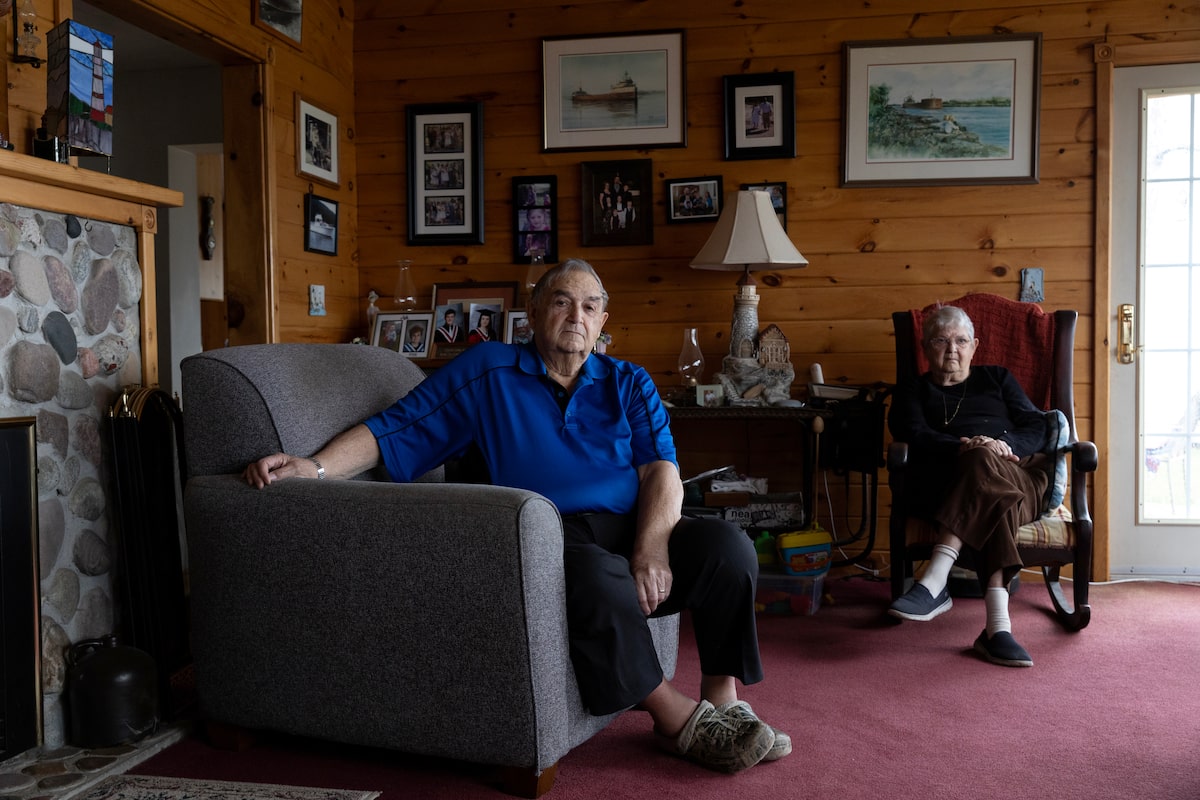
Retired steelworker Barry Armstrong, at home with wife Dianne, helped finance the creation of Group Health Centre in the 1960s – but this year, it derostered him. ‘I know I’m never going to have a family doctor before I die,’ the 85-year-old told The Globe this spring.

Interact with The Globe

Trending