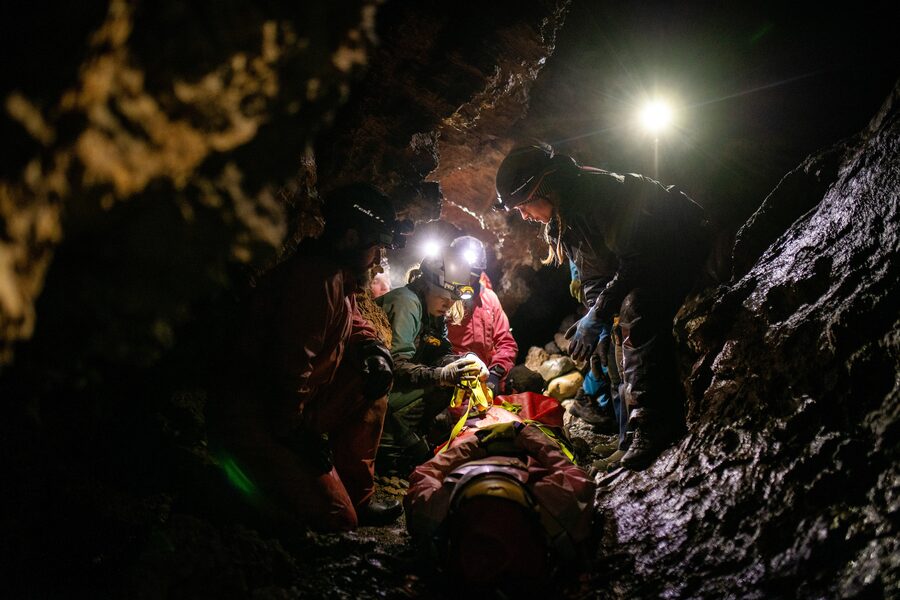
A waterfall tumbles down the rock face near 10 or so cavers hunched deep within a cranny in Horne Lake Caves, one of Vancouver Island’s best-known cave systems.
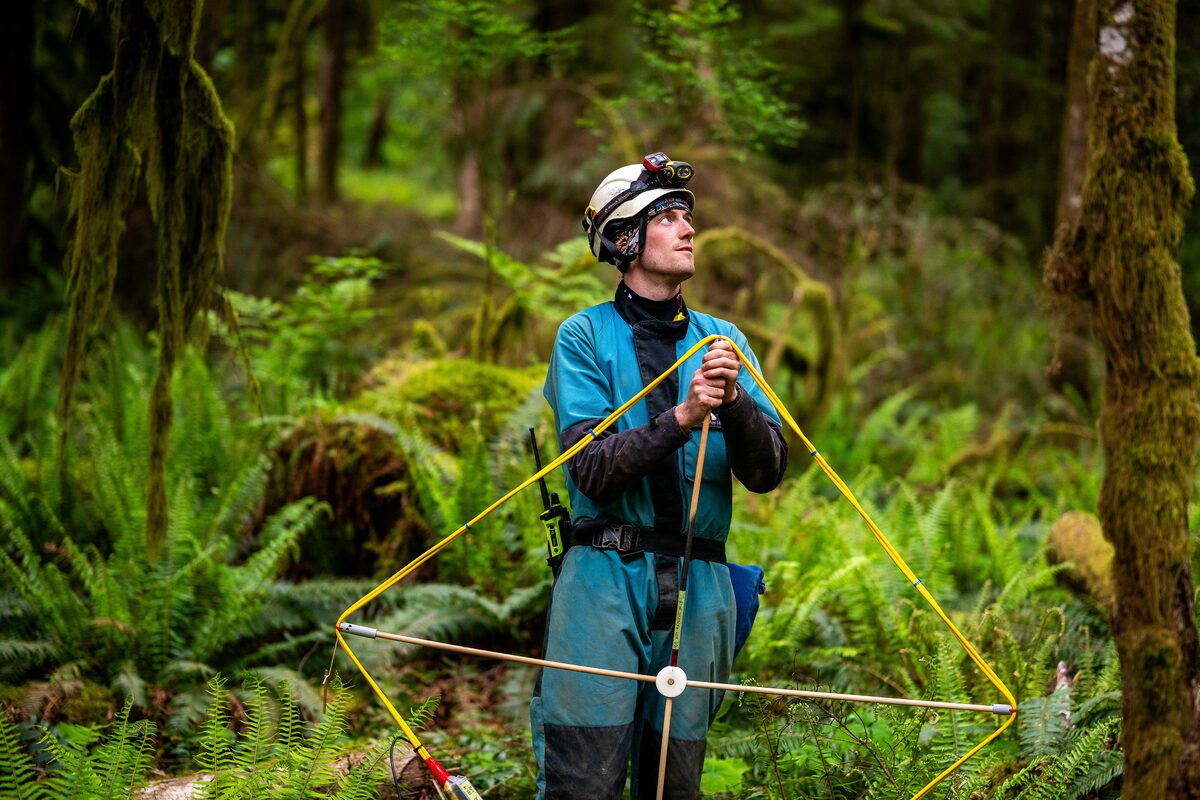
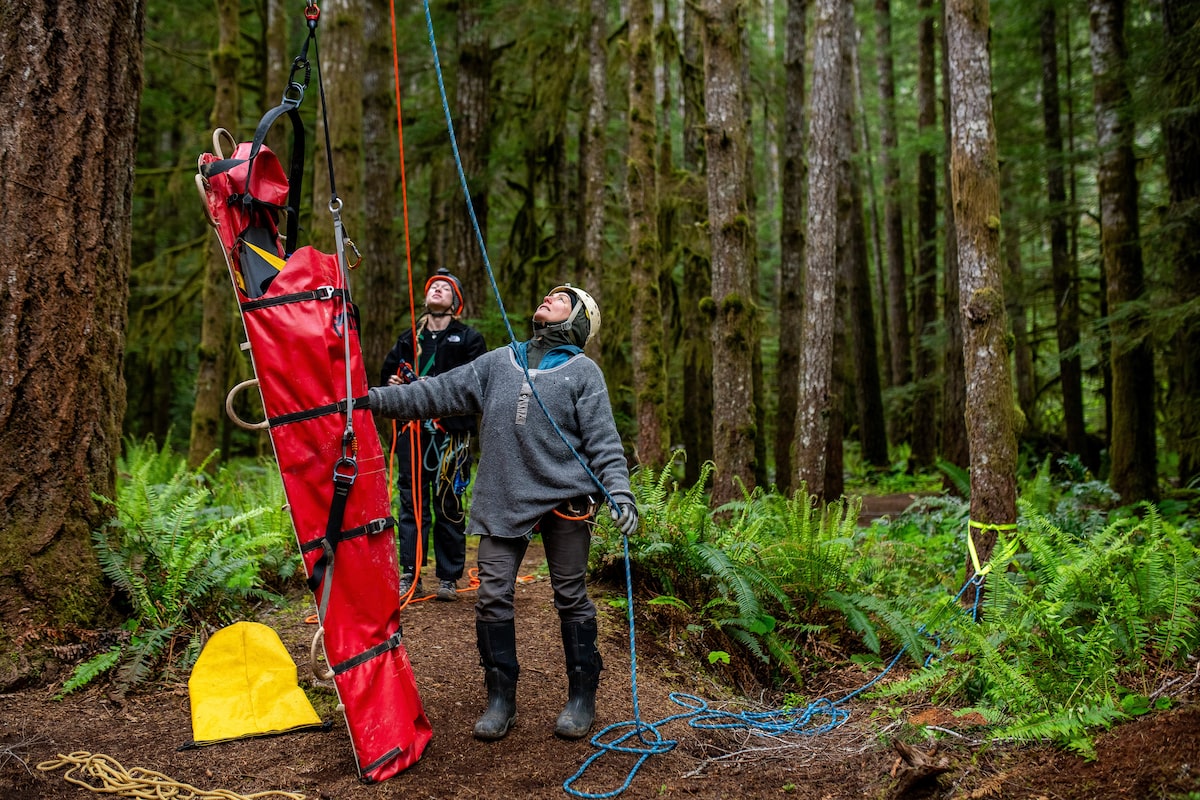
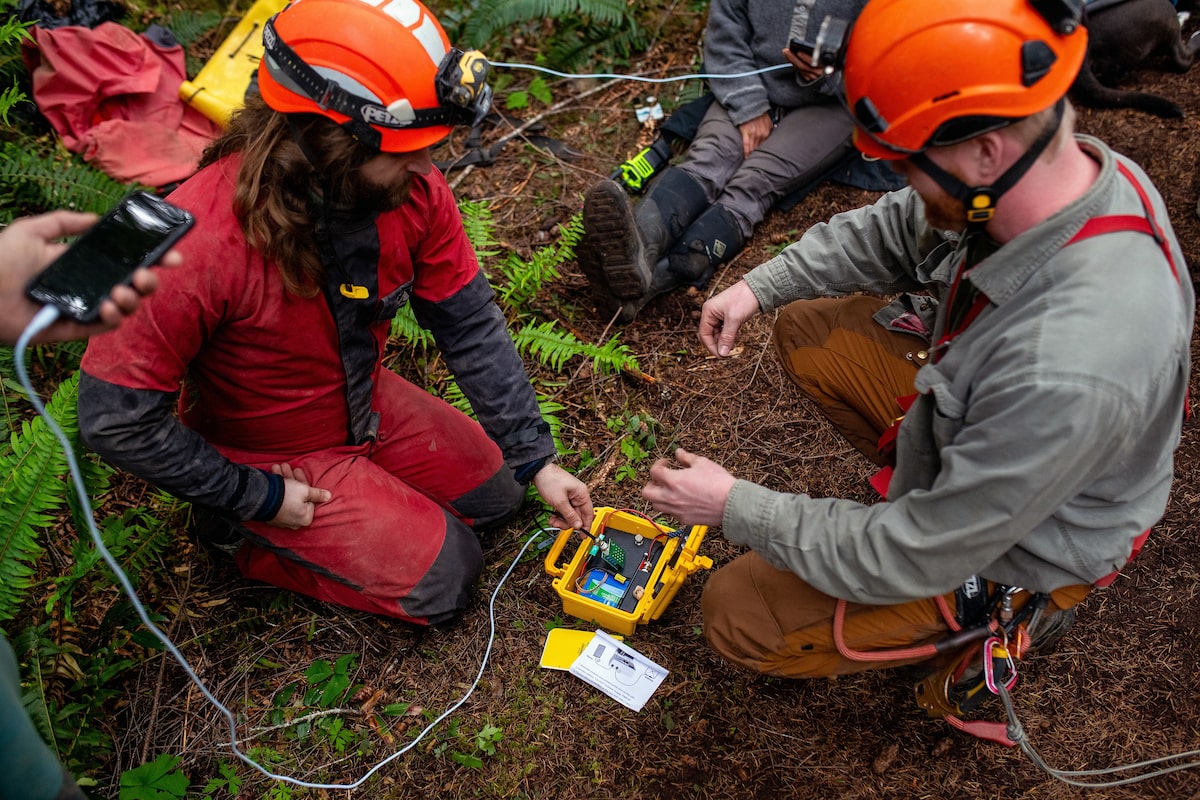
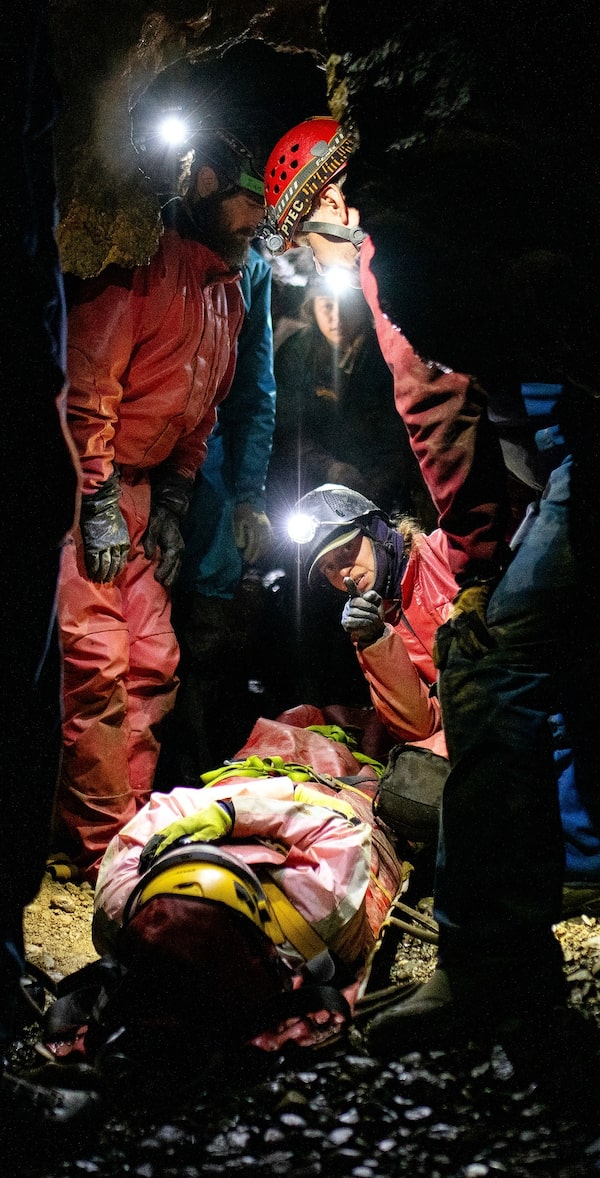
As part of a rescue training workshop, the volunteer cavers are learning how to strap a person onto a backboard – a role played by a fellow volunteer – and how to manoeuvre and communicate in dark, tight and twisting passages.
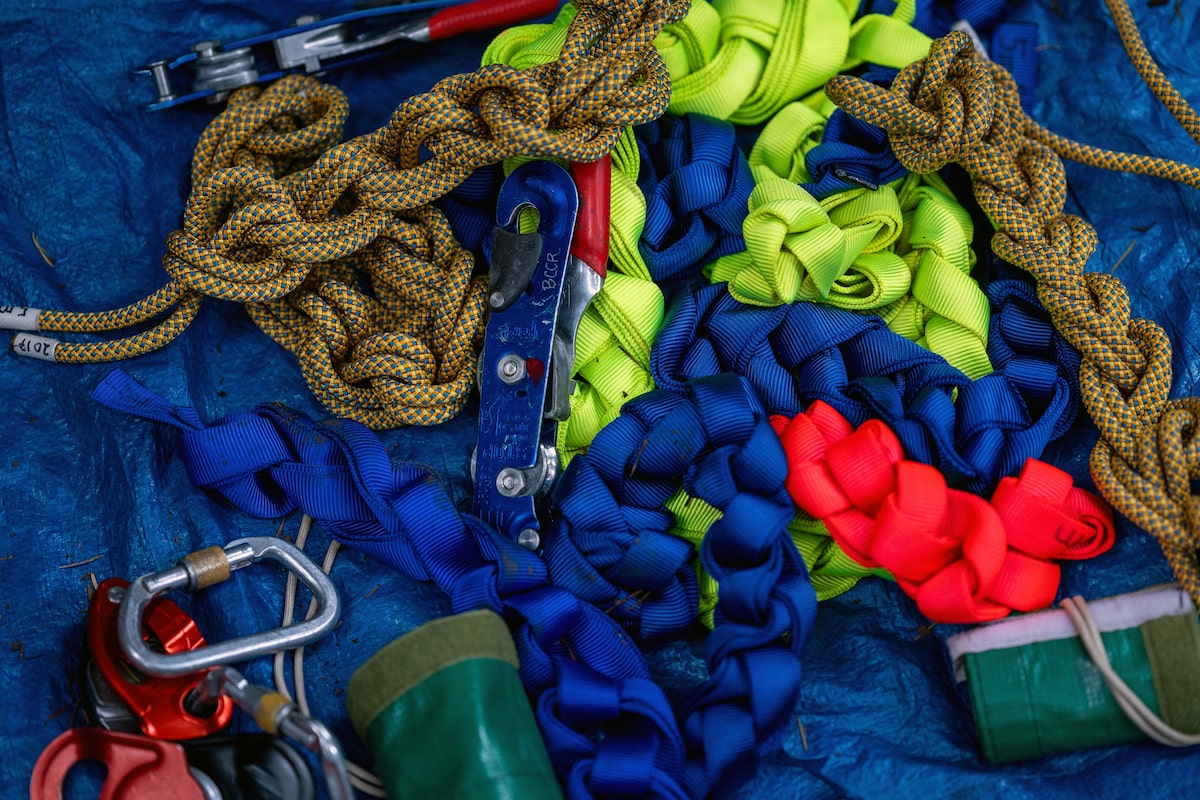
The annual workshop, which is run above and below ground, is led by the BC Cave Rescue Service, a provincial cave search and rescue organization, along with members of the Alberta Cave Rescue Group. After the 20-hour workshop, the volunteers – a mix of professional and recreational cavers – will be certified to perform specialized rescues and extractions, and assist police and first responders on cave rescue missions in Western Canada.

Phil Witfield, a pioneer in cave rescue since the 1960s, came to the exercises at Horne Lake to ensure that a new generation will have the skills he helped to invent.
“These training workshops are critical,” said Stuart de Haas, training director of BC Cave Rescue Service. “Cave rescues in Canada are extremely rare, but if and when they do happen, it’s critical we have trained search and rescue volunteers ready to respond.”
Phil Whitfield, a technical rescue and cave management specialist, likens cave rescues to mountain rescues: both require technical skillsets that begin with familiarity of the terrain. “You have to have all the skills and knowledge of a caver to do cave rescue,” said Mr. Whitfield, a pioneer in the field since the 1960s.
The geography of Vancouver Island lends itself to the formation of caves. The region has an ideal mixture of thick limestone, intense rain, substantial soil cover, dense vegetation and mountainous geography – all the necessary ingredients that have led to the formation of more than 1,000 recorded caves on the island.
Exploring and surveying these caves has been a growing pastime and field of research since the middle of the 20th century. Organizations such as the Vancouver Island Cave Exploration Group, one of Canada’s oldest caving organizations, can trace their origins to an informal group calling themselves the BC Cave Hunters, organized by Clarence Hronek on Vancouver Island in 1962.
Cavers are a mix of adventurists, researchers and photographers who are all connected by a fascination with underground worlds. Watching the workshop team expertly move through tight spaces offers a glimpse into a world that many choose to never enter, a boundary of exploration and research that continues to be pushed, not just in Vancouver Island, but across B.C. and Canada.