Matter and space
c. Alberta’s two largest cities are perfectly positioned for the Aug. 22, 2044, eclipse. Start planning. It will be here sooner than you think!

Patricia and Monty Domingo seized the chance to see April 8’s eclipse from Lamoureux Park in Cornwall, Ont. In 2044, it will be Western Canada’s turn to go dark.
Fred Lum/The Globe and Mail
c. The telescope, built by Ontario’s Canadensys Aerospace Corp., was the first astronomical instrument to be flown to the moon’s surface. Unfortunately, the lander tipped over after it touched down, which left the telescope pointing at lunar dirt.
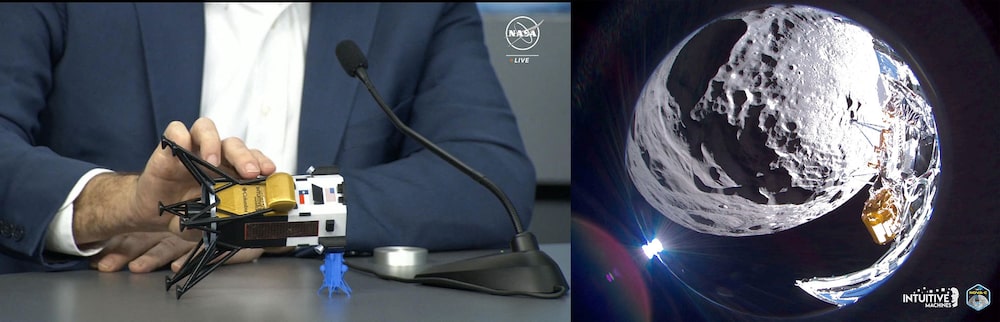
Steve Altemus, CEO of Intuitive Machines, uses a model to show the sideways stance of the company’s Odysseus lunar lander. The craft set down about 200 kilometres from its planned destination, and sent back this wide view of the Schomberger crater.
NASA TV/AFP via Getty Images; Intuitive Machines via Reuters
a. There are beaver moons but so far no beaver planets. However, the eyeball planet (LHS 1140 b), popcorn planet (WASP-107 b) and vodka planet (TOI-270 d) were all subject to scrutiny by the JWST this year.

This illustration of exoplanet WASP-107 b imagines it as blue, like its closest counterpart in our solar system, Neptune. The James Webb telescope has yielded more data about its giant size and low density – hence the ‘popcorn’ planet, because it is puffy.
NASA, ESA, CSA, Ralf Crawford (STScI); Laura Betz/NASA via AP
a. According to a description of the process published in Nature Communications, the trefoil-shaped knot was formed with a backbone of only 54 atoms, including six atoms of gold.
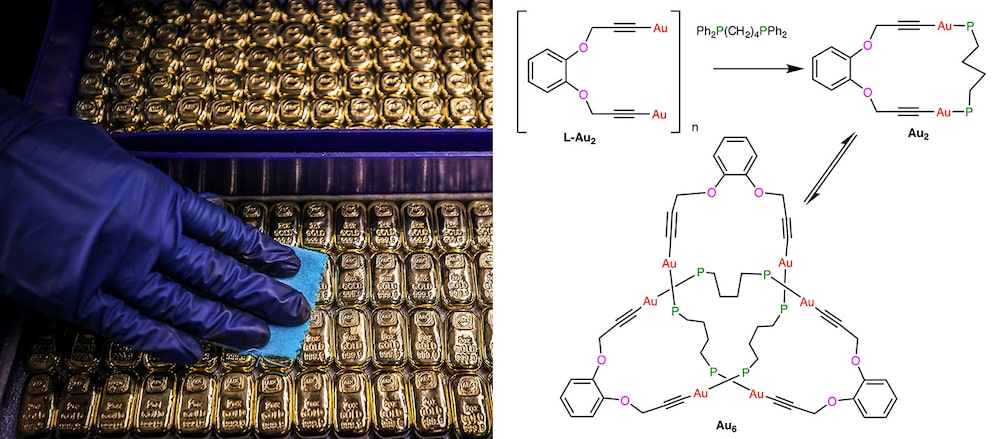
Gold is such a malleable metal that, with the right tools, chemists need only a few atoms to twist it into complex shapes, like this trefoil knot made at Western University.
David Gray/AFP via Getty Images; Li, Z., Zhang, J., Li, G. et al., Nature
Earth and climate
b. Using internationally established criteria, the assessment, published in the Canadian Journal of Earth Sciences, found that British Columbia’s Mt. Garibaldi and Mt. Meager are both very high risk volcanoes, with four others falling in the high-to-moderate category. The assessment also noted that Canada “falls significantly short of internationally recommended volcano monitoring guidelines for volcanoes of all threat levels.”
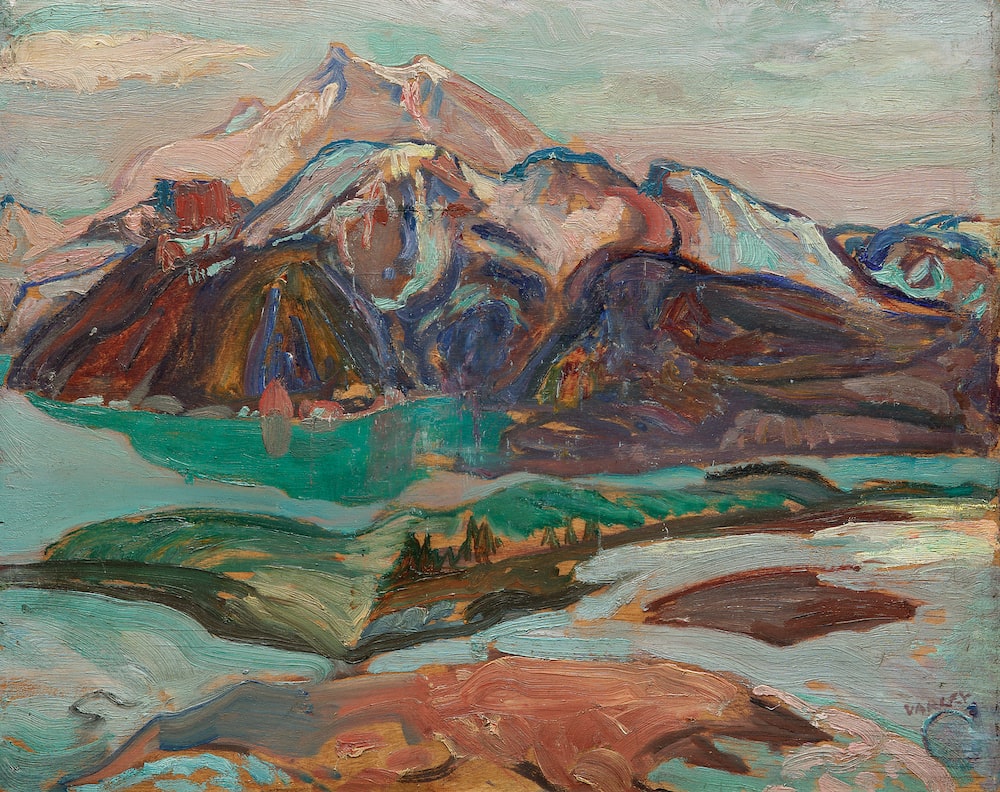
Mount Garibaldi, painted by the Group of Seven’s Frederick Varley in the 1920s, last erupted about 13,000 years ago. Its Squamish name is Nch'ḵay̓, ‘dirty place’ or ‘grimy one,’ for the muddying effects of volcanic debris on a nearby river.
Courtesy of Vancouver Art Gallery
a. Authors of the study, published last July in Communications Earth & Environment, say that the unexpected result has to do with the increase in mobility of sea ice from the Arctic Ocean, which has been loosened by climate change and can now move into the Northwest Passage, blocking its narrowest points more readily than in the past.
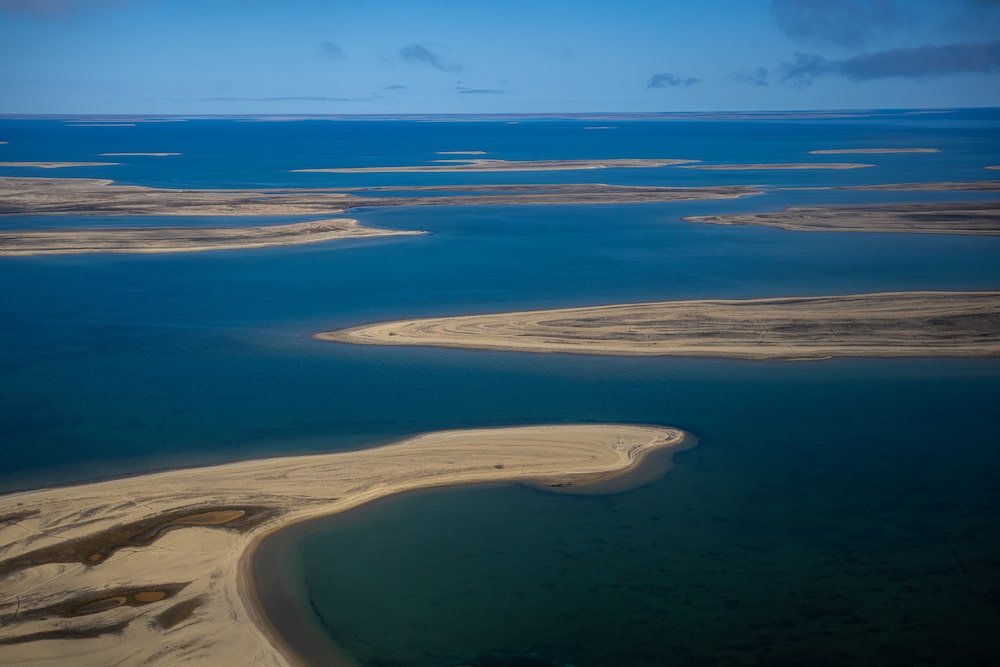
This stretch of the Northwest Passage near Cambridge Bay was ice-free in late August, when Canadian troops were in the area for annual exercises. As shipping seasons grow longer and busier, Ottawa wants to show strength in what it says is a Canadian internal waterway, but other nations say is international waters.
Gavin John/The Globe and Mail
b. While the 2024 hurricane season will long be remembered for Hurricane Helene’s extraordinary devastation in North Carolina, Hurricane Debby’s northward track ultimately made it the costliest weather event in Quebec history. Both storms were sobering reminders that the effects of hurricanes can be felt far away from the coast.

Highway 30 in Vaudreuil-Dorion, Que., was overflowing with water after heavy rains in the Montreal area on Aug. 9. The southeastern United States fared far worse when the source of the rain, Hurricane Debby, landed earlier that week.
Peter McCabe/The Canadian Press
b. Canada comes out on top in a regional breakdown of pyrocumulonimbus events. This means more Canadian wildfires could be amplified in ways that lead to faster-than-expected rates of spread.
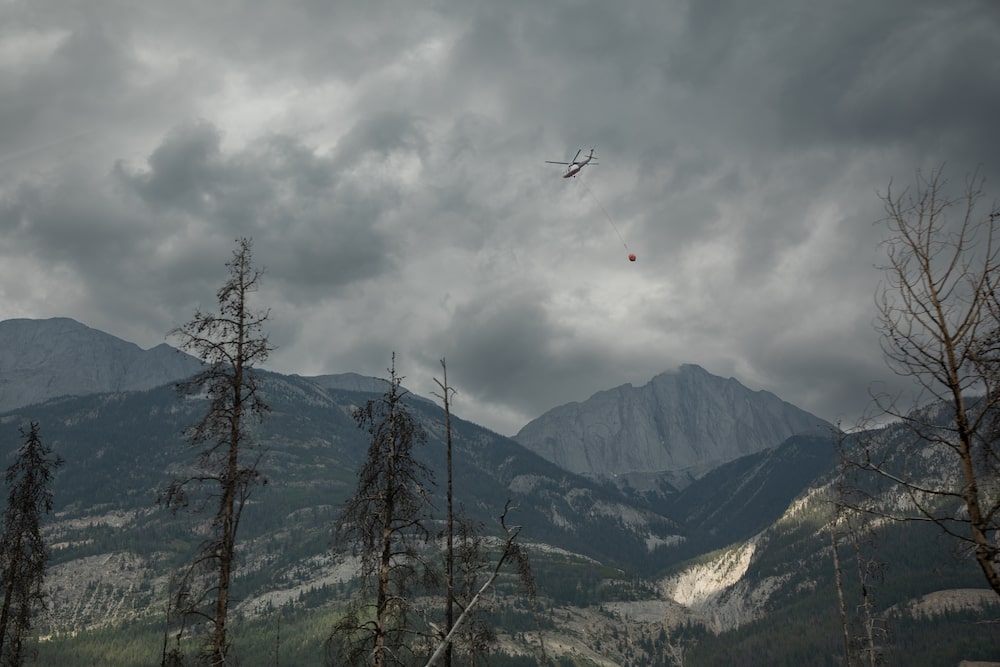
Fires smoulder under cloudy skies in Jasper, Alta., as helicopters drop more water on July 26. More than 20,000 residents evacuated from Jasper and the national park surrounding it.
Amber Bracken/The Canadian Press
Ecology and evolution
b. In their description of the ancient plant with a straight woody stem topped by a thick tuft of frond-like leaves, scientists saw something that resembled truffula trees from the Dr. Seuss classic.

Olivia King co-discovered this fossil tree at a private quarry near Norton, N.B., in 2017. Sanfordia densifolia – illustrated without leaves, to better show its branches – grew in the forests of the Carboniferous Period about 350 million years ago.
Matthew Stimson and Tim Stonesifer
a. Just as chimpanzees can recognize themselves visually in a mirror, a University of Waterloo study published in Proceedings of the Royal Society B found that Eastern garter snakes possess self-recognition through smell.

Herpetologists are still learning new things about garter snakes, a harmless and abundant species found across North America. Once thought to be solitary, the reptiles have been observed forming social groups and using chemical cues to tell individuals apart.
Robert Tinker/The Globe and Mail
d. In separate studies, researchers this year found that volunteer bee-watching can be a powerful data source, that hibernating queens prefer contaminated soil and that they can also survive underwater for an inordinately long time.
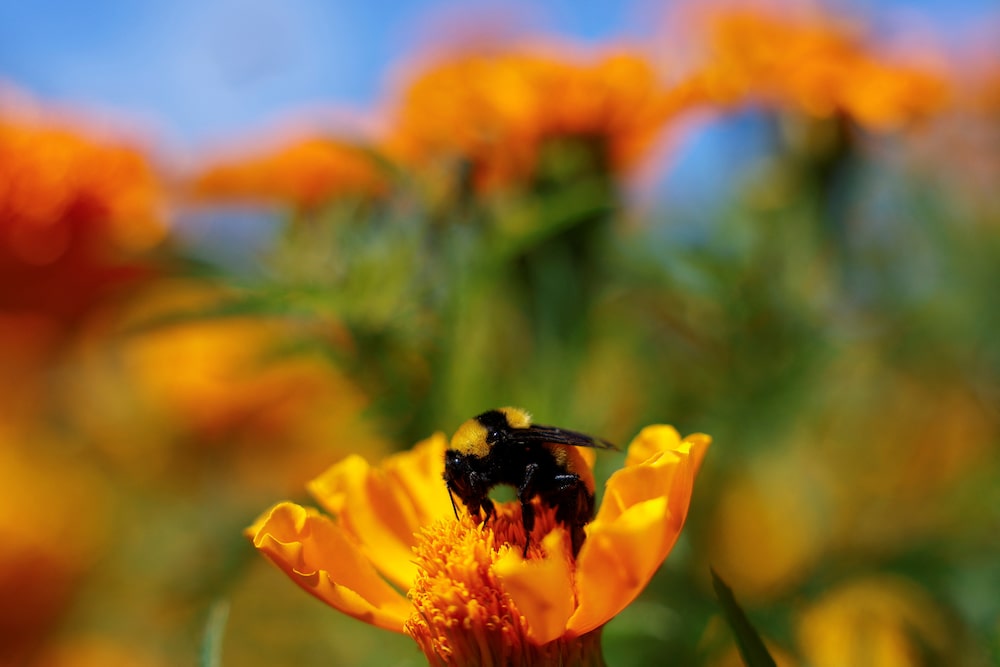
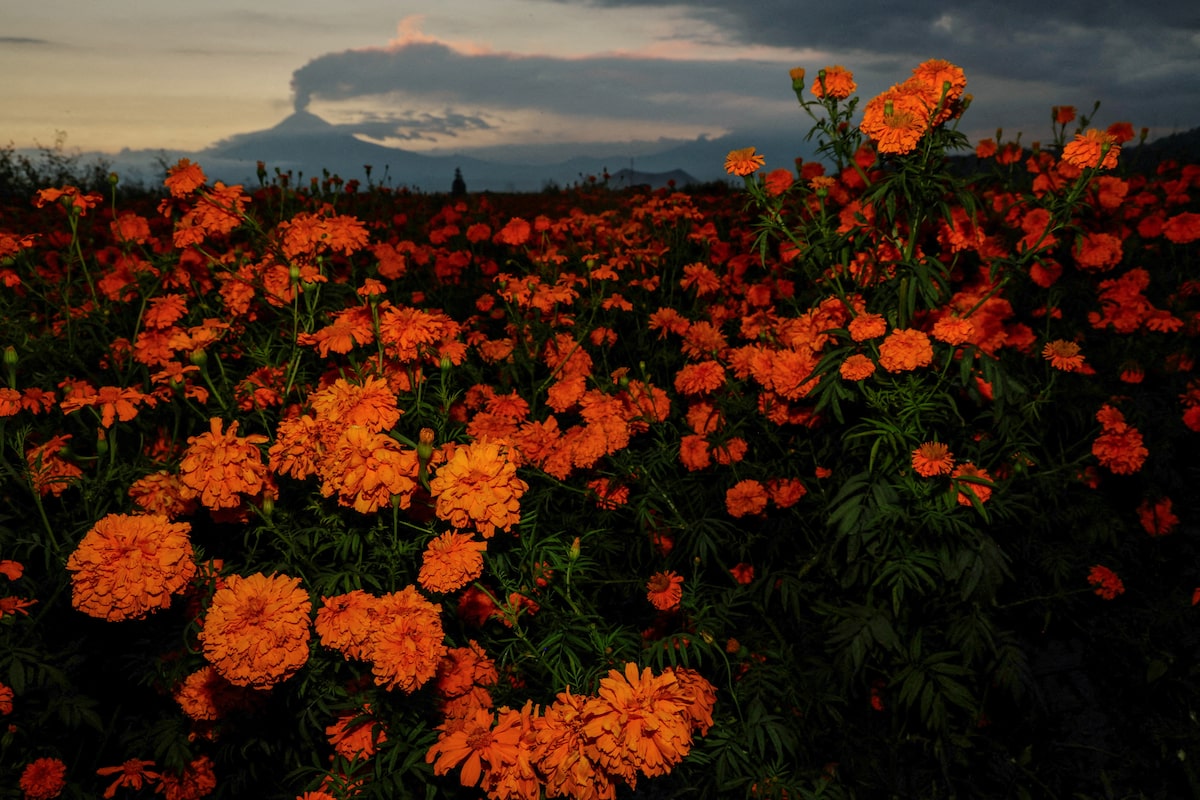
A bumblebee samples a marigold in Boquillas, Mexico, where the flowers are a fixture of Day of the Dead ceremonies each fall. The queen bees hibernate in the winter, but if water floods their underground hiding spots, they are virtually undrownable, recent research suggests.
Daniel Becerril/Reuters
a. Mushrooms that grow on decaying flesh are a scientific rarity. But in 2024, scientists found mushrooms growing on a dead muskrat in a New Brunswick cave. They later brought in a dead beaver carcass to see if they could reproduce the phenomenon, which they did. They have been visiting the dead beaver ever since to study the mushrooms, most recently this past spring.
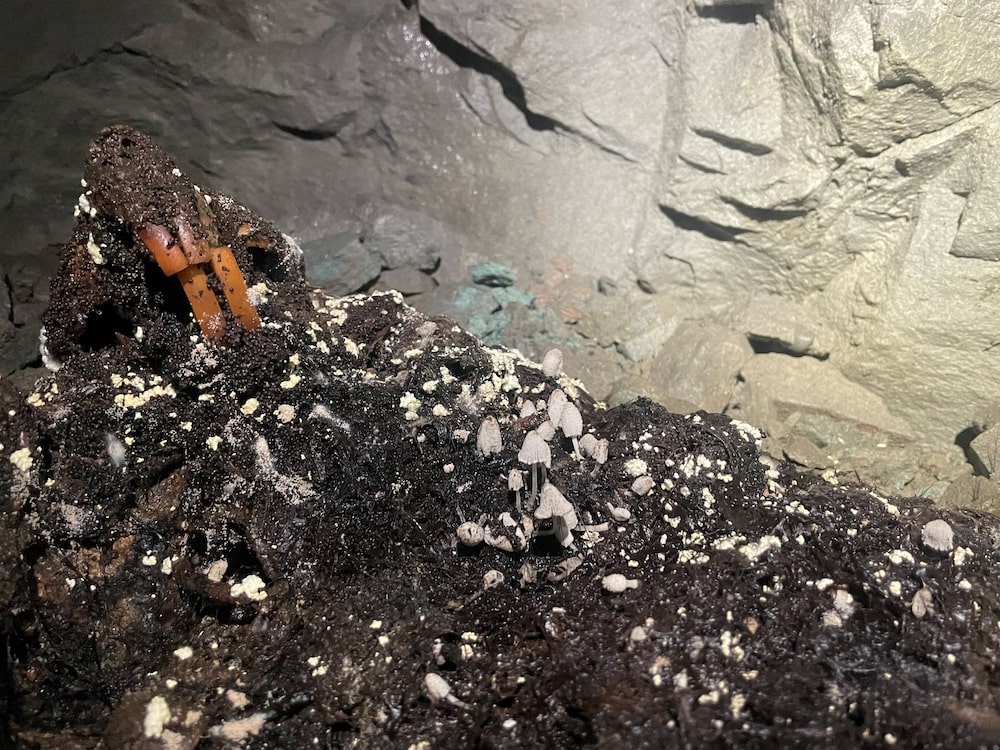
Aside from its orange teeth, this beaver carcass was an unrecognizable pile when scientists came to check on it this past spring. It had been buried in the New Brunswick mine in 2015 to study the role of fungi in its decomposition.
Donald McAlpine
Mind and body
c. The landmark effort, known as the FlyWire project, is seen as a major stepping stone on the way to understanding brain architecture and function.
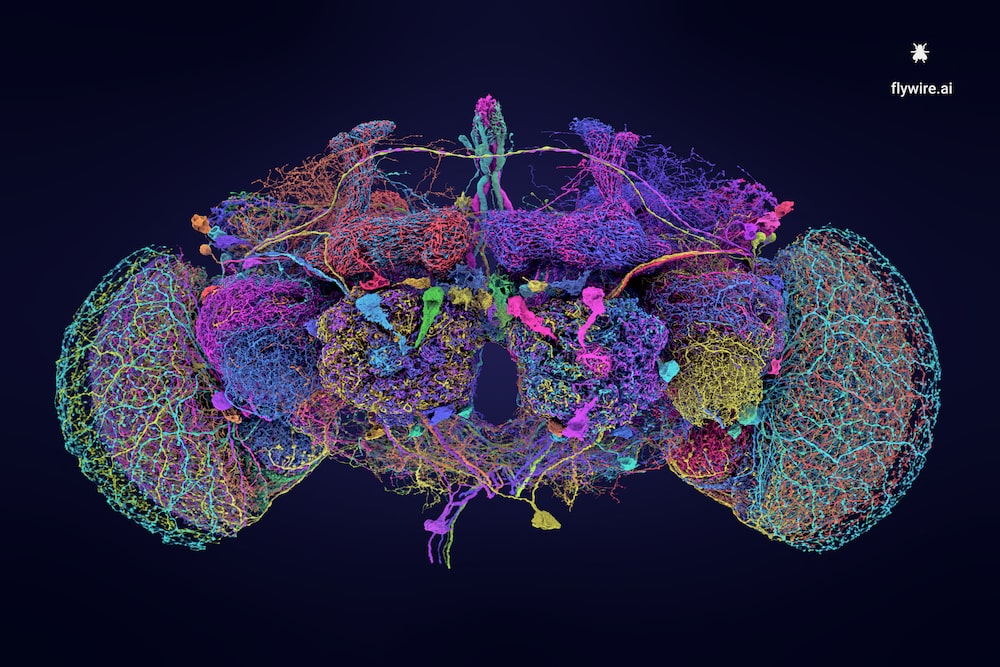
A fruit fly’s brain is only about one millimetre wide, smaller than a mustard seed, but it contains more than 3,000 neurons. Mapping these pathways, and the half-million synapses that relay signals between them, took five years of work from an international team of researchers.
Tyler Sloan and Amy Sterling/FlyWire and Princeton University via AFP/Getty Images
d. The study, published last February in Nature, found that a change in a gene called TBXT might account for how the common ancestor of the hominoids – our branch of the primate family tree – lost its tail after splitting from old world monkeys some 25 million years ago. Apparently, the change came at a price. Versions of the gene, which can affect spinal cord development, are also linked to an increased risk of spina bifida.
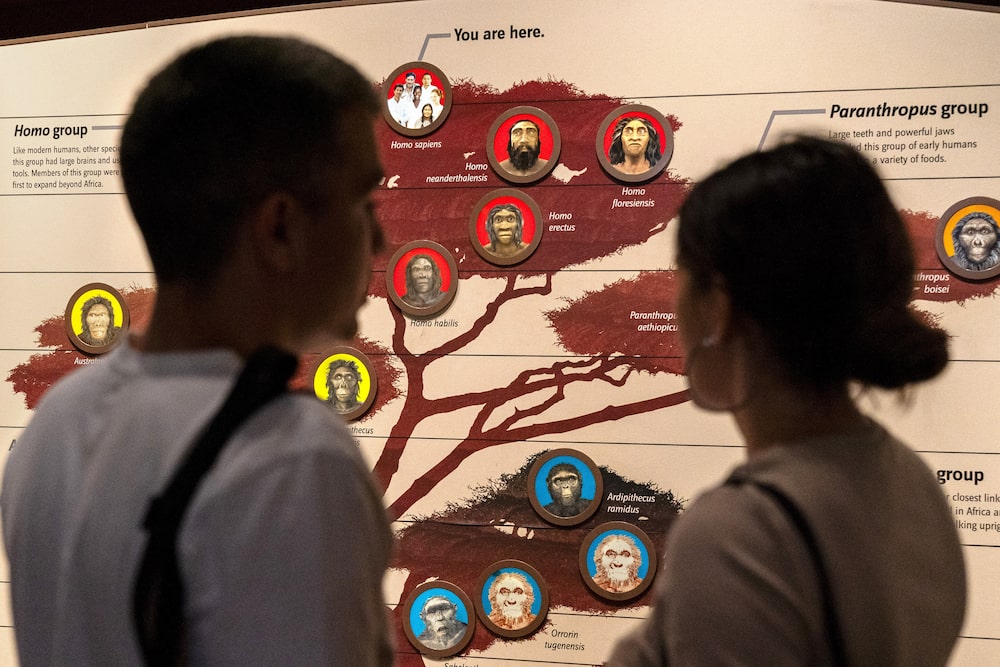
When tracing our evolutionary past, researchers must go back 25 to 30 million years to find the last fossil record of a primate ancestor with a tail. The human coccyx, or tailbone, is not a functional tail, only the remnant of one.
Jacquelyn Martin/The Associated Press
a. As documented in the journal Science, a team of U.S. and Canadian researchers looked at more than 60,000 individuals who experienced sugar rationing in utero through the first 1,000 days of life. In addition to a reduced incidence of Type 2 diabetes, those individual were also 20 per cent less likely to develop high blood pressure. Researchers note that the study points to the profound influence of early childhood nutrition on health outcomes later in life.
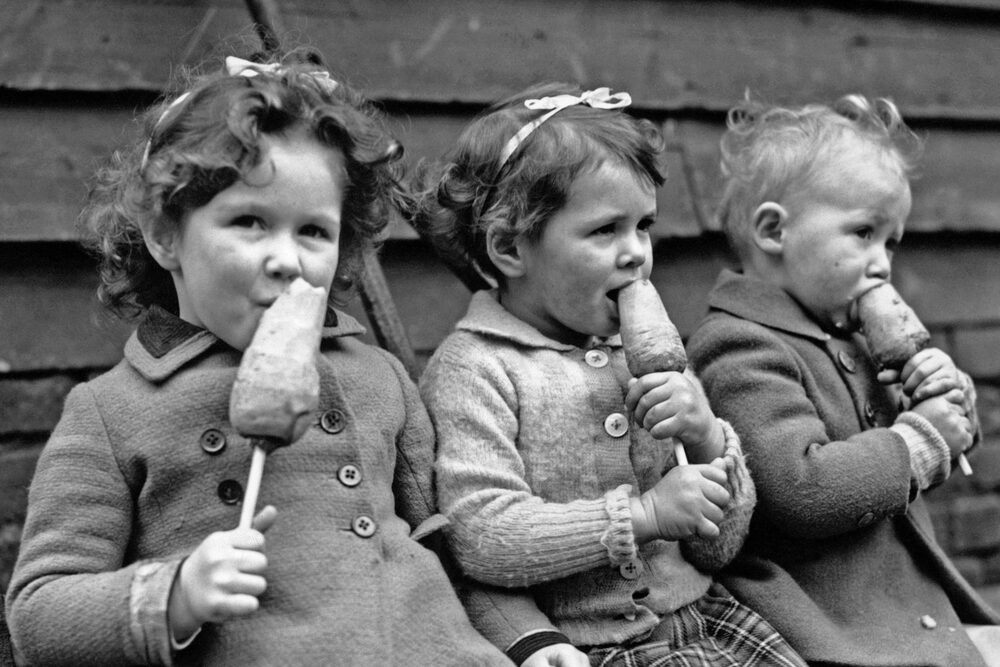
Carrots on sticks were the best substitute for ice cream these British children could get in 1941, when the government strictly rationed sugar and dairy products.
Ashwood/Fox Photos/Getty Images
b. The drug, which is administered by injection twice per year, was found to have 100 per cent efficacy at preventing HIV in one clinical trial of adolescent girls and young women and 99.9 per cent efficacy in a second trial involving subjects of diverse gender. As Science magazine reported when naming it the breakthrough of the year, the drug has the best potential of any intervention to date of driving down global infection rates of HIV.
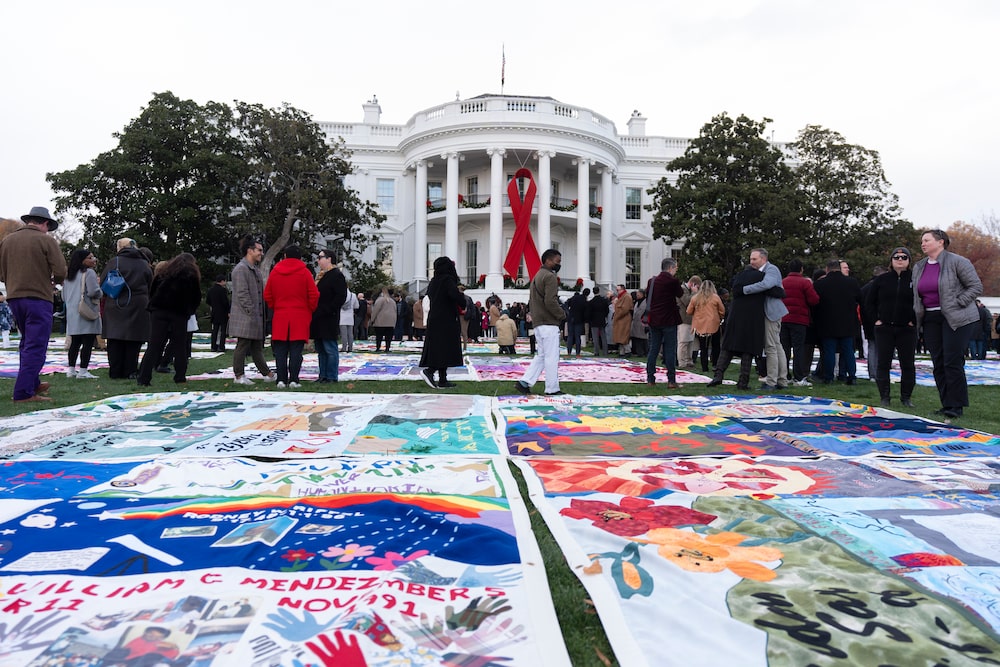
For World AIDS Day on Dec. 1, President Joe Biden had the White House’s South Lawn covered in a quilt honouring the lives lost to the disease. Two years earlier, U.S. regulators approved a new drug called lenacapavir that’s highly effective in stopping infected people from spreading HIV.
Manuel Balce Ceneta/The Associated Press
Technology and civilization
c. Staring in the 1980s, Hinton’s work on artificial neural networks – computer programs that can self-adjust to improve their performance – would prove crucial to the development of AI. Today, they empower every other application listed in this question.

Computer scientist Geoffrey Hinton, known as the ‘godfather of AI,’ is also a leading voice of caution about the technology. After winning his Nobel, he told The Globe he hoped it would bring a bigger platform for those criticisms.
Laura Proctor/The Globe and Mail
a. Opened 95 years ago, the Ambassador Bridge, which sits just a few kilometres upstream of the new Gordie Howe bridge, is currently the busiest border crossing between Canada and the United States.

The Ambassador Bridge, left, has a new neighbour on the Detroit River, but the Gordie Howe Bridge isn’t due to open to traffic until next fall. This summer’s big task was connecting the two halves on the U.S. and Canadian sides.
Dax Melmer/The Globe and Mail
a. In an analysis published in Scientific Reports in February, researchers found that the stone vial “contains a deep red cosmetic preparation that is likely a lip-coloring paint or paste.”

Twist-up lipstick tubes are an invention of the early 20th century, but ancient peoples of all genders used minerals, plant juices and wax for the same purpose. The contents of a 5,000-year-old stone vial from Iran, at right, were likely applied with a brush, researchers say.
Athit Perawongmetha/Reuters; Scientific Reports, Feb. 2024
b. In an article published last March in the journal Historia Mathematica, Glen Van Brummelen of Trinity Western University in British Columbia, shows that the decimal point was introduced by Giovanni Bianchini, an Italian astrologer, in the 1440s. The discovery pushes back the use of the decimal point by more than a century and suggests that the 15th century was a more innovative time for mathematics than is widely supposed.
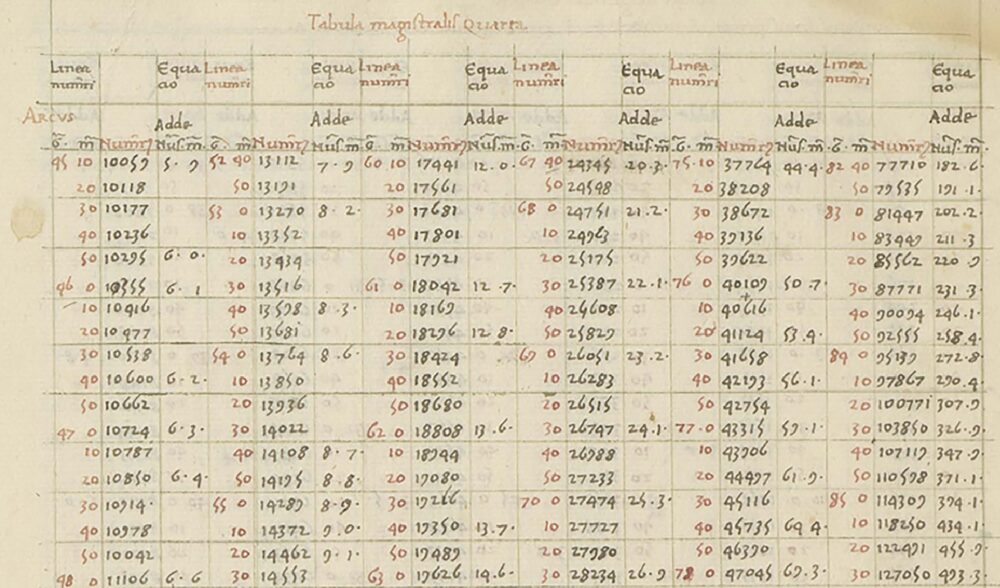
Familiar-looking dots mark the decimal points in Tabulae magistrales, a book of calculations by Giovanni Bianchini, court astrologer in the 15th-century Duchy of Ferrara.
Glen Van Brummelen, Historia Mathematica, March, 2024