When Canadian photo artist Grahame Lynch first opened the door to the darkroom at a chateau in the French countryside, he could barely get inside. Pushing through years of debris, Lynch discovered an intact chemical darkroom dating to the days when negatives were made from glass plates and a kerosene lamp provided the only light source because the chateau was not yet electrified.
In 2023, Lynch, who teaches in the School of Fashion at Toronto Metropolitan University alongside his partner Colleen Schindler, was enjoying an artists’ residency with her at the Château de Bouthonvilliers, in the commune of Dangeau, about 130 kilometres southwest of Paris. He was working on his own photography when the owner of the property mentioned the old darkroom. Going inside, Lynch was amazed to discover that all the necessary equipment, dating back as far as the 1870s, was still there. His host, Édouard de Verdun, explained that his great, great grandfather Maurice de Possesse had been an enthusiastic amateur photographer in the late 19th and early 20th century. If Lynch was interested, perhaps he wanted to see the glass negatives.
And that’s really where the story begins.

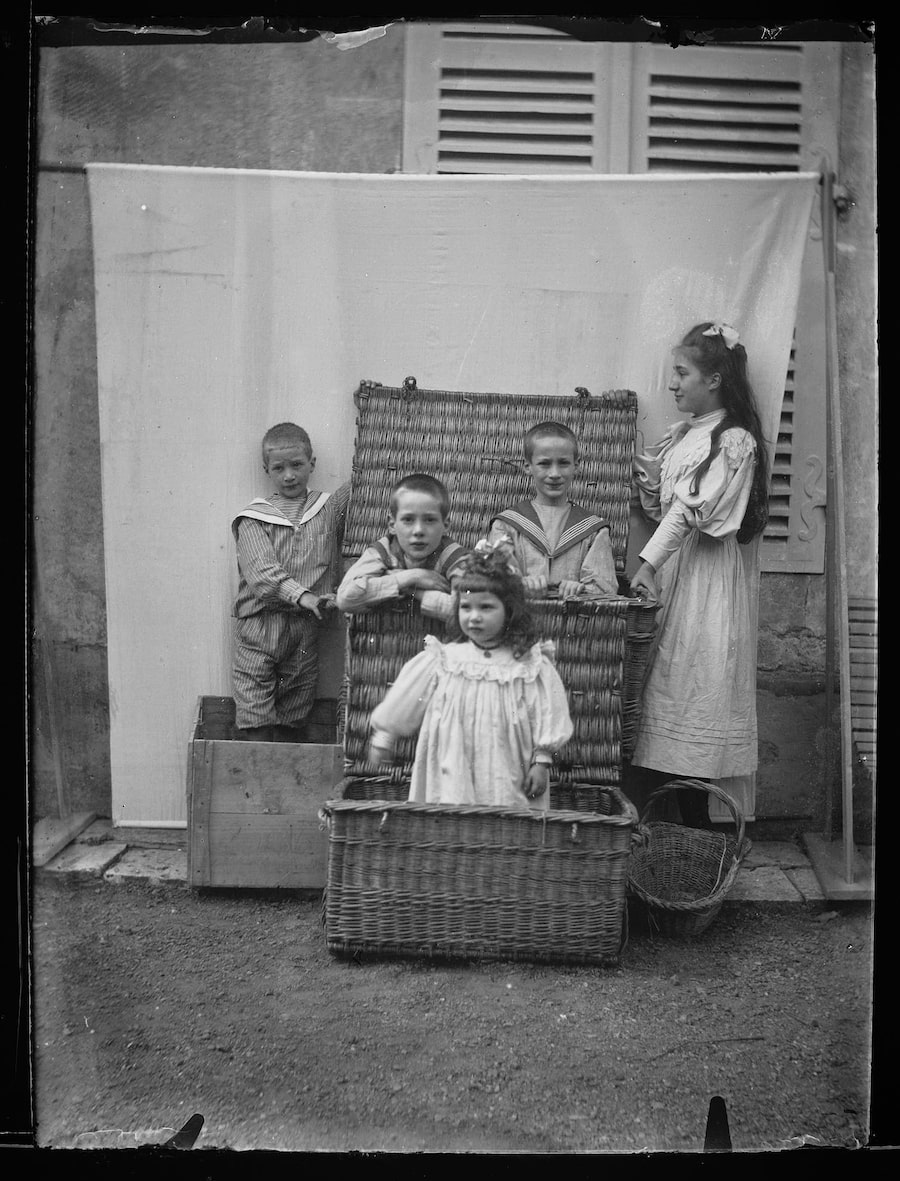
Albin de Possesse (with legs extended) probably took this photo with an early version of a self-timer and then hopped into the frame, beside his brother Henri, at right.Attributed to Albin de Possesse/Courtesy Édouard de Verdun/Supplied
“He took me out to the garage and just started pointing at these crumbling boxes, disintegrating with water damage, chickens roosting on them, mushrooms growing on them,” Lynch said during a recent interview. “It was in absolute disarray.”
Lynch managed to find a few intact glass plates in the small cardboard boxes, and printed an image of a man in a Viking costume deploying the vintage cyanotype (or blueprint) method he uses for his own work. Another early print was the portrait of a little girl: An excited de Verdun recognized a pattern in the brickwork behind her and could point to the spot where his ancestor must have taken the shot.

The de Possesse family attended the 1900 Paris Exposition, where this photograph of early inline skating was captured.Attributed to Maurice or Albin de Possesse/Courtesy Édouard de Verdun/Supplied
“What do you do with your old family albums?” Schindler said, noting that de Possesse’s descendants had never seen most of the images on the glass plates. “You hold on to them for nostalgia. They’re kind of cool because they’re glass. They’re not just paper, but ultimately, had this project not moved forward, they probably would have thrown them out. They need the space.”
But the more the family saw what the artists had uncovered, the more they were convinced of the need to save the collection. The couple returned the following year for a second residency that included Montreal cinematographer Etienne Proulx. The trio of Canadians got to work tidying the darkroom and investigating the glass negatives, launching a project that is now the subject of an exhibition at Gallery Stratford entitled Recovered Light.

The Studio de Maurice collection includes 70 boxes of glass negatives shot at the 1900 Paris Exposition by Maurice de Possesse or his sons.Courtesy Édouard de Verdun/Supplied
The de Possesse/de Verdun family, who still farm the estate and run the chateau as a venue for weddings and retreats, could match some of the negatives with photos in family albums but these contained a small fraction of what was on the glass negatives.
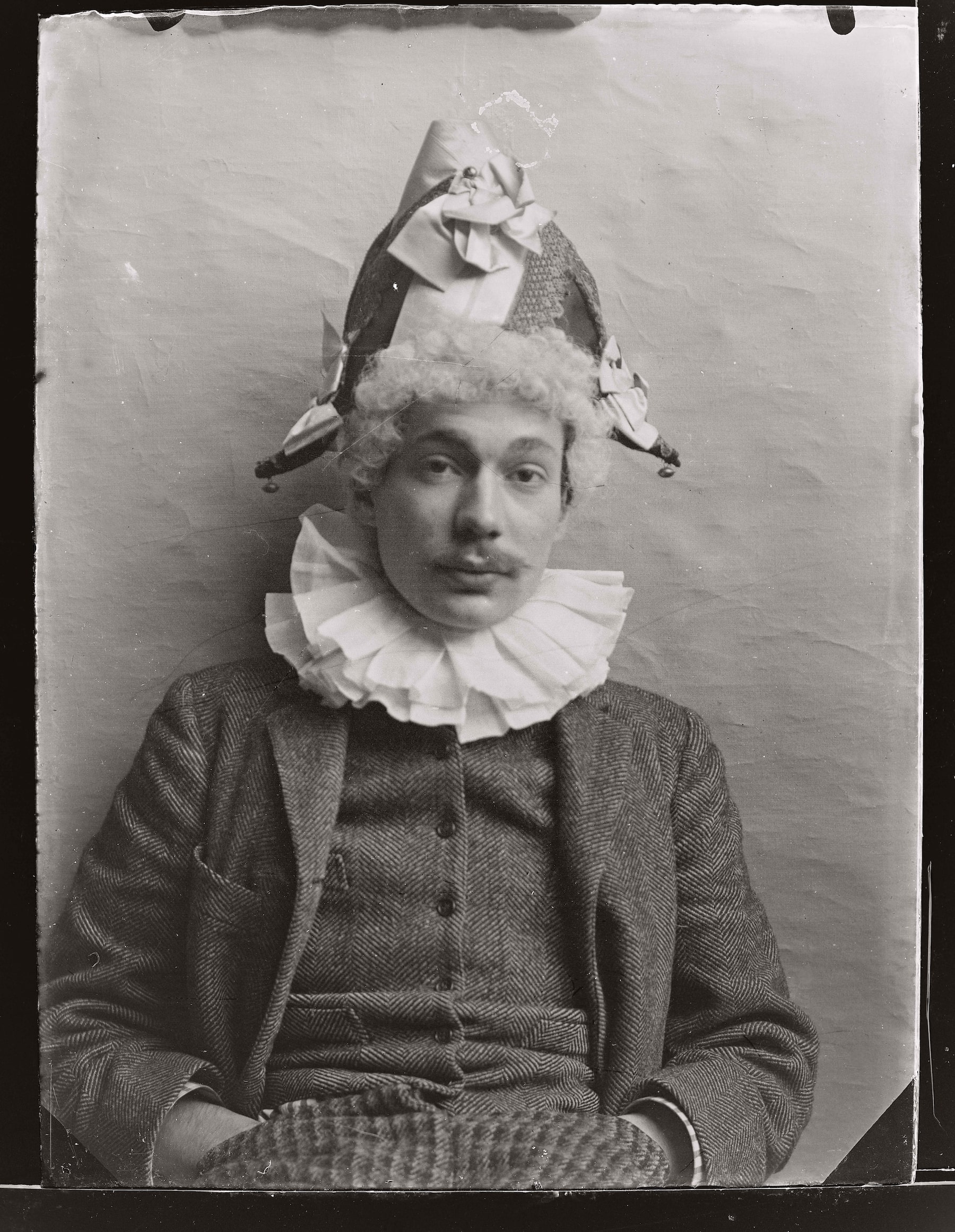
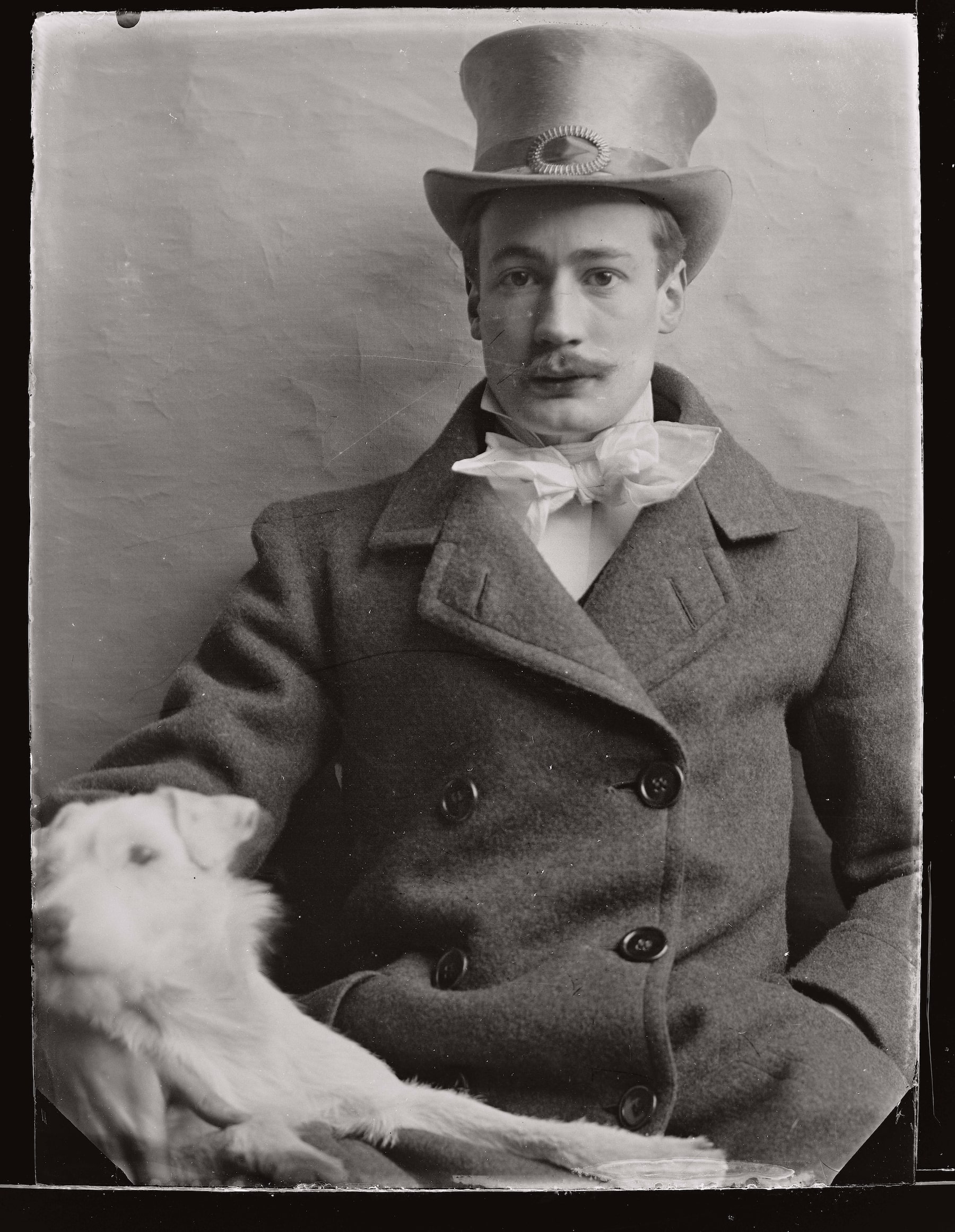
The Canadians had discovered a treasure trove of about 2,500 negatives, not only the fancy-dress portraits and holiday snaps of a wealthy, land-owning family with five children, but also images of the wider society, including 70 boxes of negatives devoted to the 1900 Paris Exposition. The photos, dating from the late 1870s up to the First World War, belong to the Belle Époque, that period of peace and prosperity in France after the Franco-Prussian war.
The artists also discovered that two of Maurice’s sons, Albin and Henri, were photographers too, and they began to recognize stylistic differences among the three. Albin studied painting in Paris and some images, such as one of women washing laundry in a river seen from above and some Paris street scenes, suggest that a more professional eye for composition and light was at work.

This image of women washing laundry is attributed to Albin de Possesse, who trained as a painter, because it suggests more understanding of composition.Attributed to Albin de Possesse/Courtesy Édouard de Verdun/Supplied
The negatives had survived two world wars and the Nazi occupation of the chateau, but they were in poor condition and the Canadian artists aren’t conservators. On a subsequent visit in 2025, the trio began to clean the negatives with distilled water and alcohol, and catalogue the collection. “We tried to handle them as little as possible,” Schindler said. “After 100 years some of the emulsion immediately started popping off.”
Working long days for a week, they managed to take digital photographs of every negative. With digital copies they now could make new prints. Glass negatives are contact printed: The final photo is the same size as the negative, about as big as a pocket paperback. By digitizing, the artists could enlarge the images to almost any size they wanted, revealing how much fine detail is retained on the glass. There are also rolls of early film in the collection, which would have required an enlarger to print, but they are tightly wound and could not be unrolled without damage.
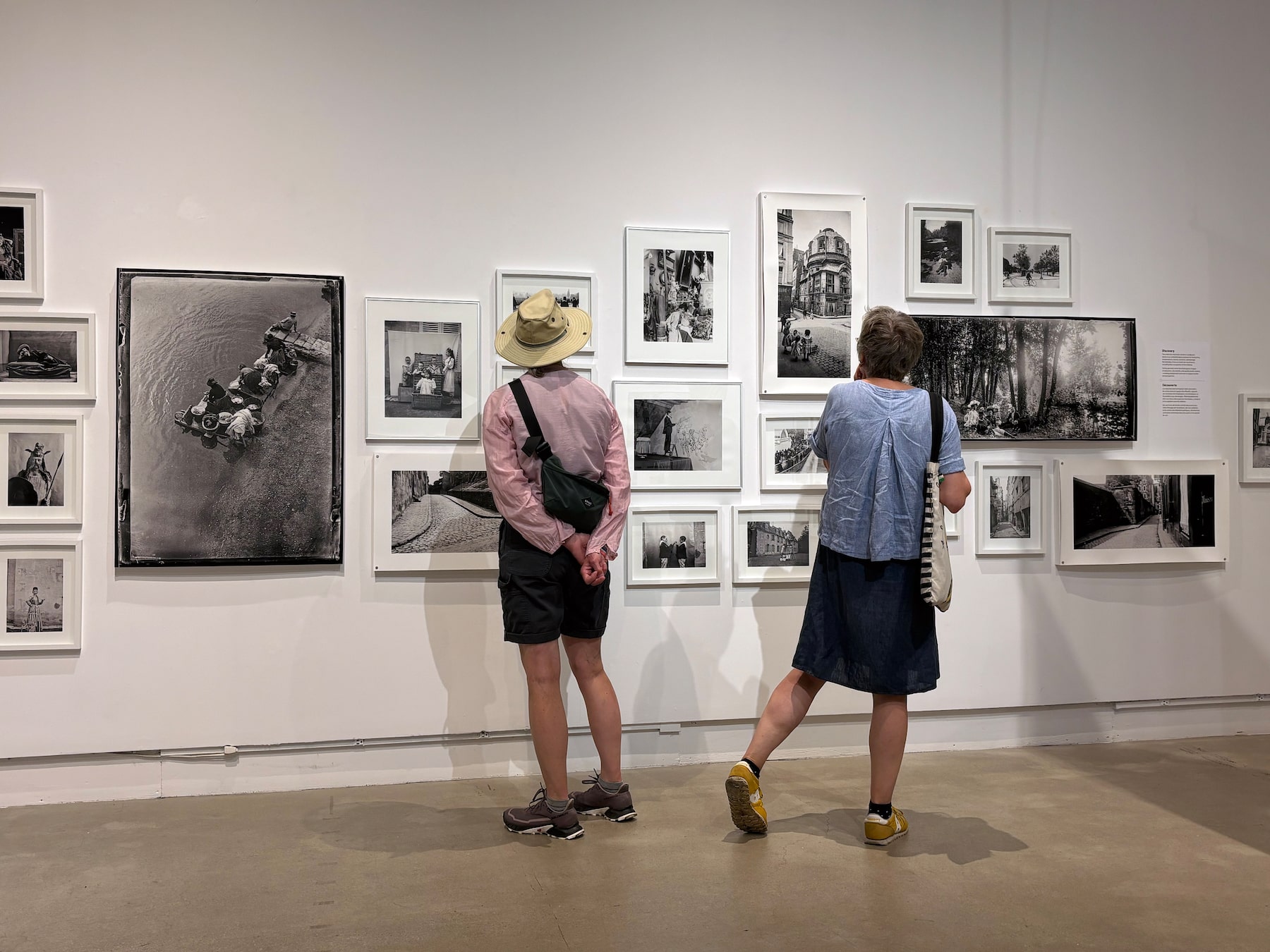
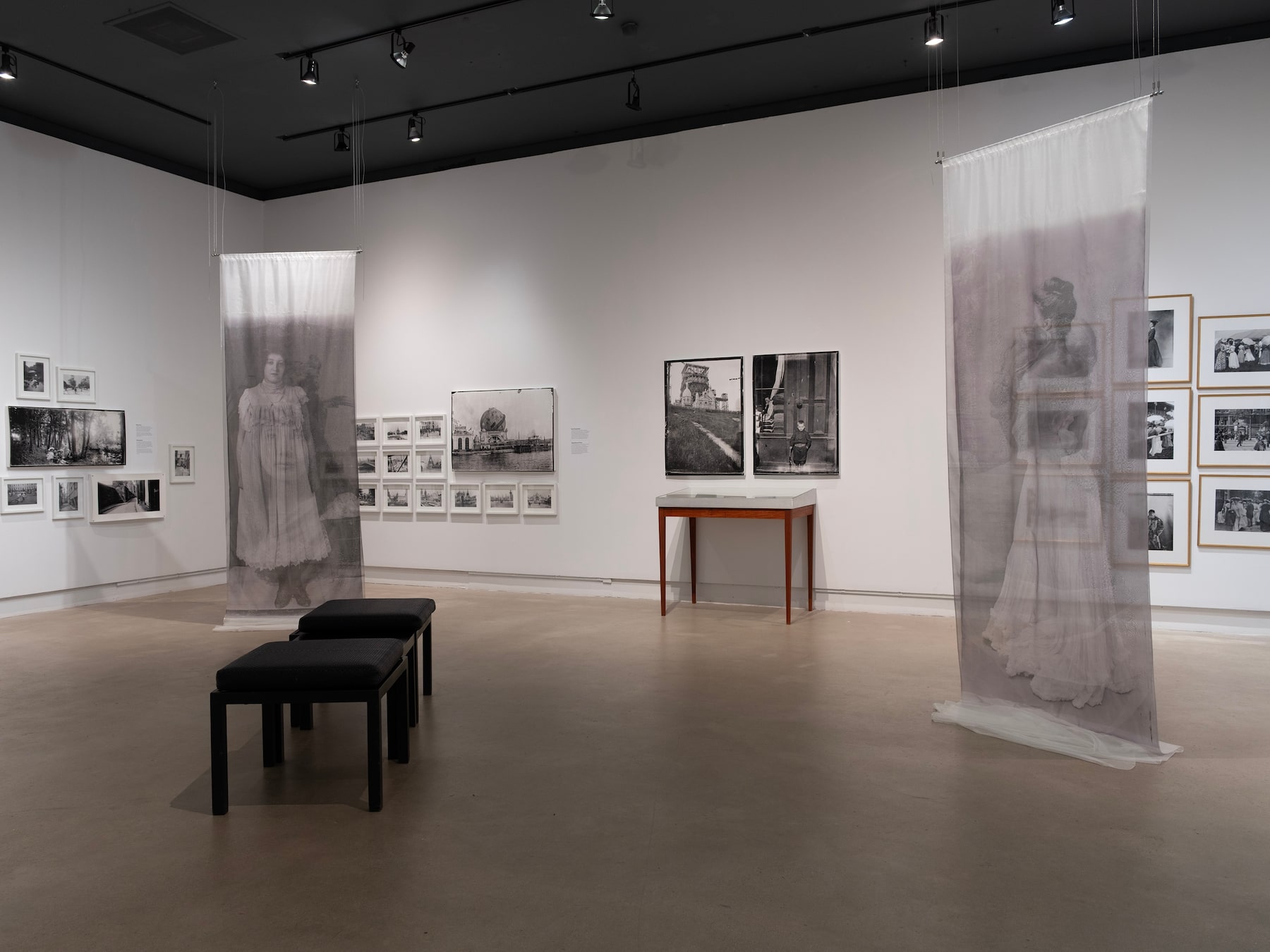
As they worked on the collection in 2025, Lynch and Schindler contacted Robert Windrum, director of Gallery Stratford. (The couple live in Stratford, Ont., and both had solo shows of their own work at the gallery in 2024.) Although the gallery usually shows contemporary work, Windrum was intrigued and quickly agreed to a show. The Studio de Maurice, as the project now calls itself, hopes it will tour to other Canadian venues and that French institutions will take note of a collection that needs to be preserved.
The Stratford show, curated by Lynch and Schindler, includes a selection of the Paris Exposition photos, revealing all the exotic pagodas and pavilions that were built around the Eiffel Tour for that event, and tableau vivant images featuring costumed or half naked women posing as classical figures, a popular genre at the time.

Some images were printed from damaged plates, such as this one with newsprint transferred onto the surface.Attributed to Maurice de Possesse/Courtesy Édouard de Verdun/Supplied
It also features images printed from damaged negatives, where one can see wide cracks in the silver emulsion, double exposures where two negatives have fused together or ones where the print from a piece of newspaper used to protect the negative has transferred on to it. The “infirmary pile” became “the beautiful damage” section of the show, Schindler said: “This was 100 years before Photoshop. They speak a visual language we are familiar with now, with layered imagery … They take on a more artistic life rather than the record of a family.”
That family’s descendants want the world to see their legacy – de Verdun and his wife, Alexia, attended the exhibition opening in Stratford last month – but are also looking for a solution that would keep the de Possesse photos at the chateau.
Recovered Light: Studio de Maurice and a Century in Glass continues at Gallery Stratford in Stratford, Ont., to Oct. 11.

A portrait of young Françoise de Possesse taken by her fatherAttributed to Maurice de Possesse/Courtesy Édouard de Verdun/Supplied

Artist Colleen Schindler compares the street scenes by Albin de Possesse to those by photography pioneer Eugène Atget, who was active in Paris at the same time.Attributed to Albin de Possesse/Courtesy Édouard de Verdun/Supplied

The 1900 Paris Exposition featured a series of exotic pavilions erected temporarily along the Seine.Attributed to Maurice or Albin de Possesse/Courtesy Édouard de Verdun/Supplied

The de Possesse family followed new technology closely, including early cars pictured at the 1900 Paris Exposition.Attributed to Albin de Possesse/Courtesy Édouard de Verdun/Supplied