When the Venice Biennale opens to the public next Saturday, Canadians will be unusually well represented in the main show, a survey of global art entitled In Minor Keys. Of the 110 participants, five are from Canada.
Aside from the perennial Canada Pavilion, which this year features Montreal artist Abbas Akhavan, this country is typically lightly represented at the event sometimes called the Olympics of visual art.
The curators behind the huge group shows, commissioned to create an era-defining statement, have often seemed unaware of North American developments outside New York and Los Angeles. In particular, the 2024 edition missed an opportunity to include Indigenous artists from Canada who would have fit neatly with the themes of identity, outsiders and otherness.
Besides its Canadian contingent, this year’s Venice Biennale, however, is unusual for other reasons: It is the first curated by a Black woman – and the first to launch posthumously.
Venice Biennale jury resigns in politically charged controversy at art exhibition
Cameroonian-Swiss curator Koyo Kouoh died suddenly in May last year after a cancer diagnosis, only six months after her appointment to the Biennale was announced. Fortunately, she had laid all the groundwork for her exhibition, defining the themes and selecting the artists, and had delivered the curatorial text to the administration a mere month before she died. With support from her family, the Biennale chose to continue as she had planned, with her team completing the work.
Although In Minor Keys includes many American and European artists, it is being positioned as a counterweight to the overdeveloped Western world. Kouoh drew heavily on Africa and its diasporas to consider themes of seeding, collaborating, rest and enchantment.
In keeping with these topics, the five participating Canadian artists all bring an element of spirituality to their considerations of culture and nature.
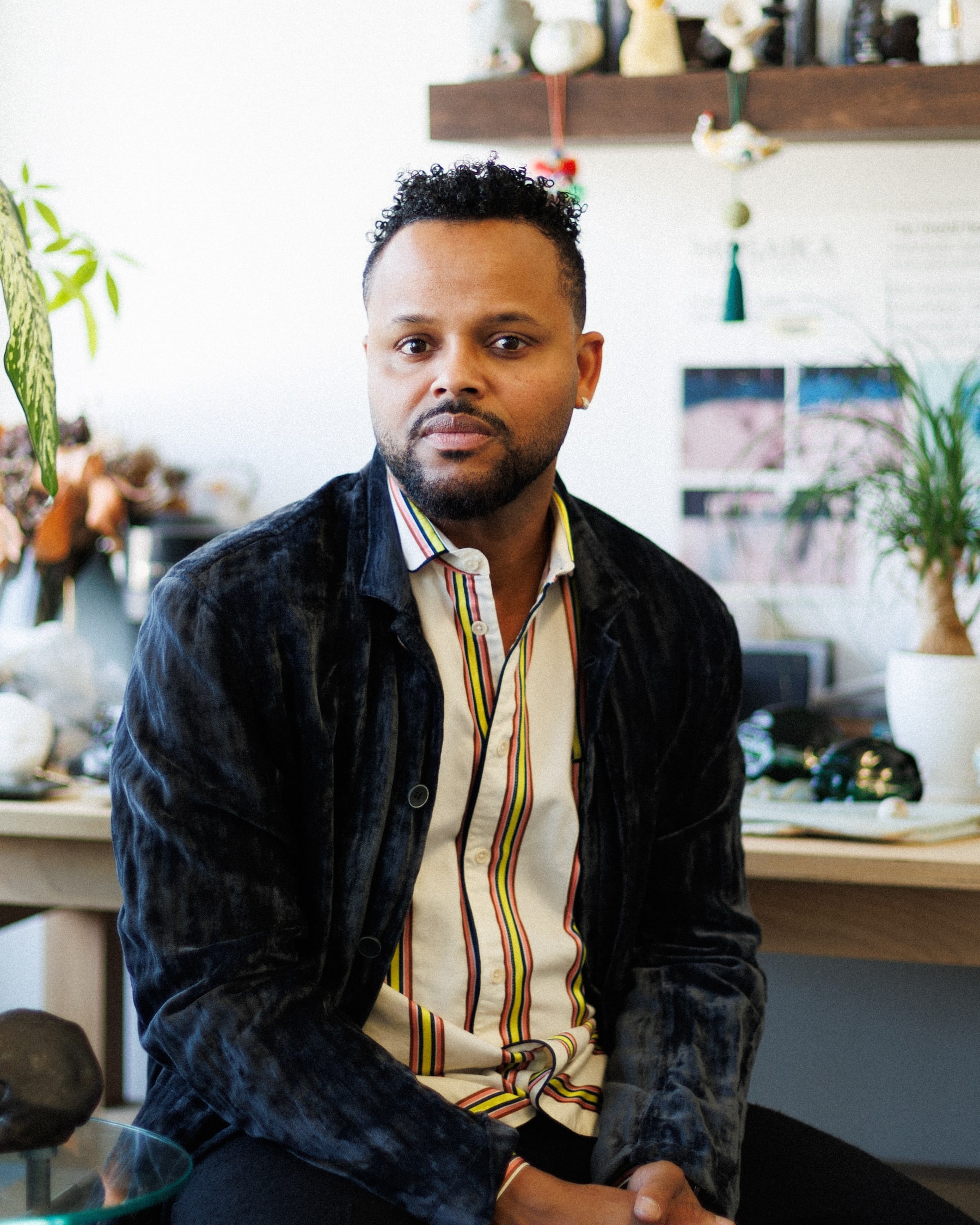
Manuel Mathieu
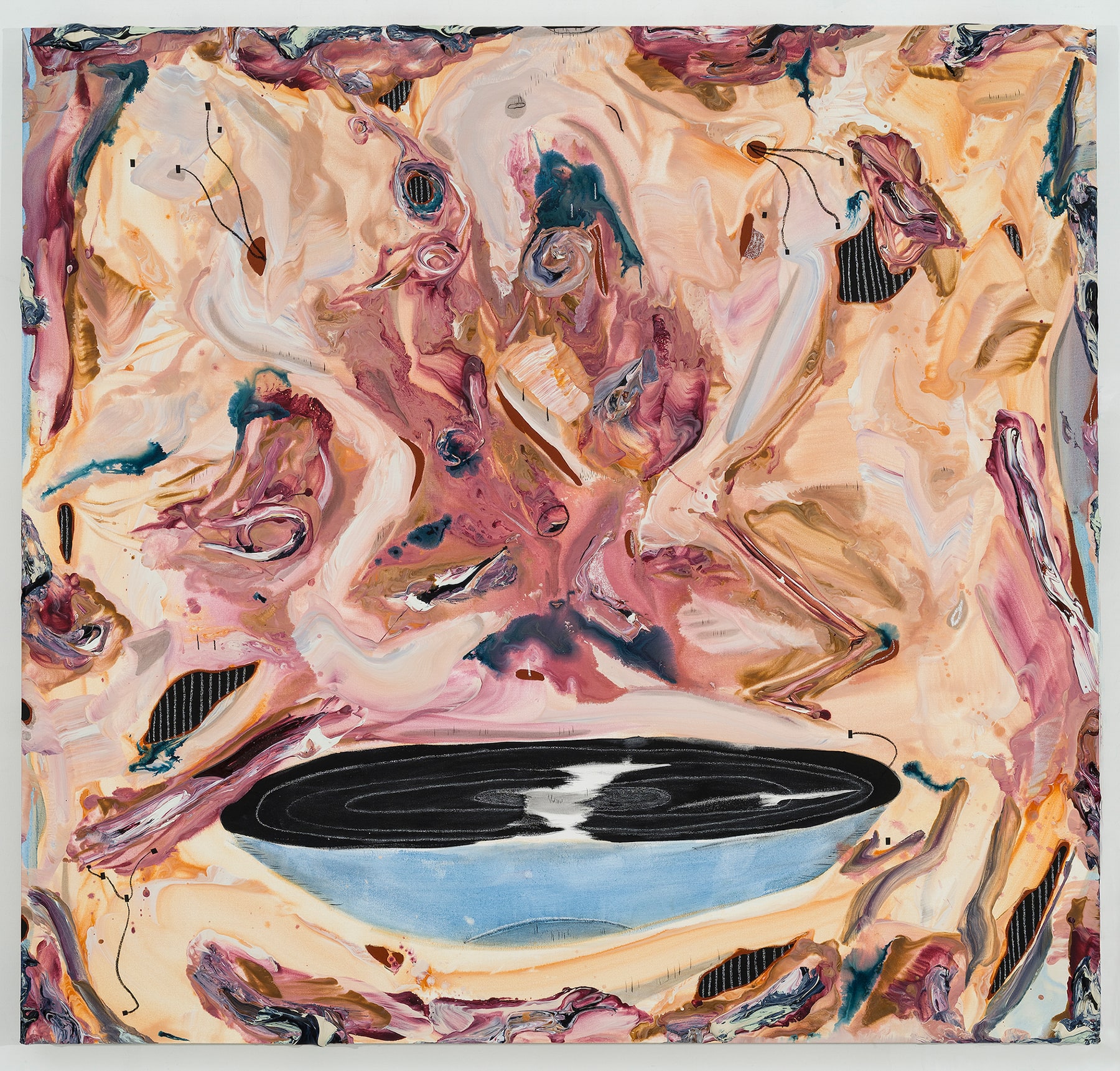
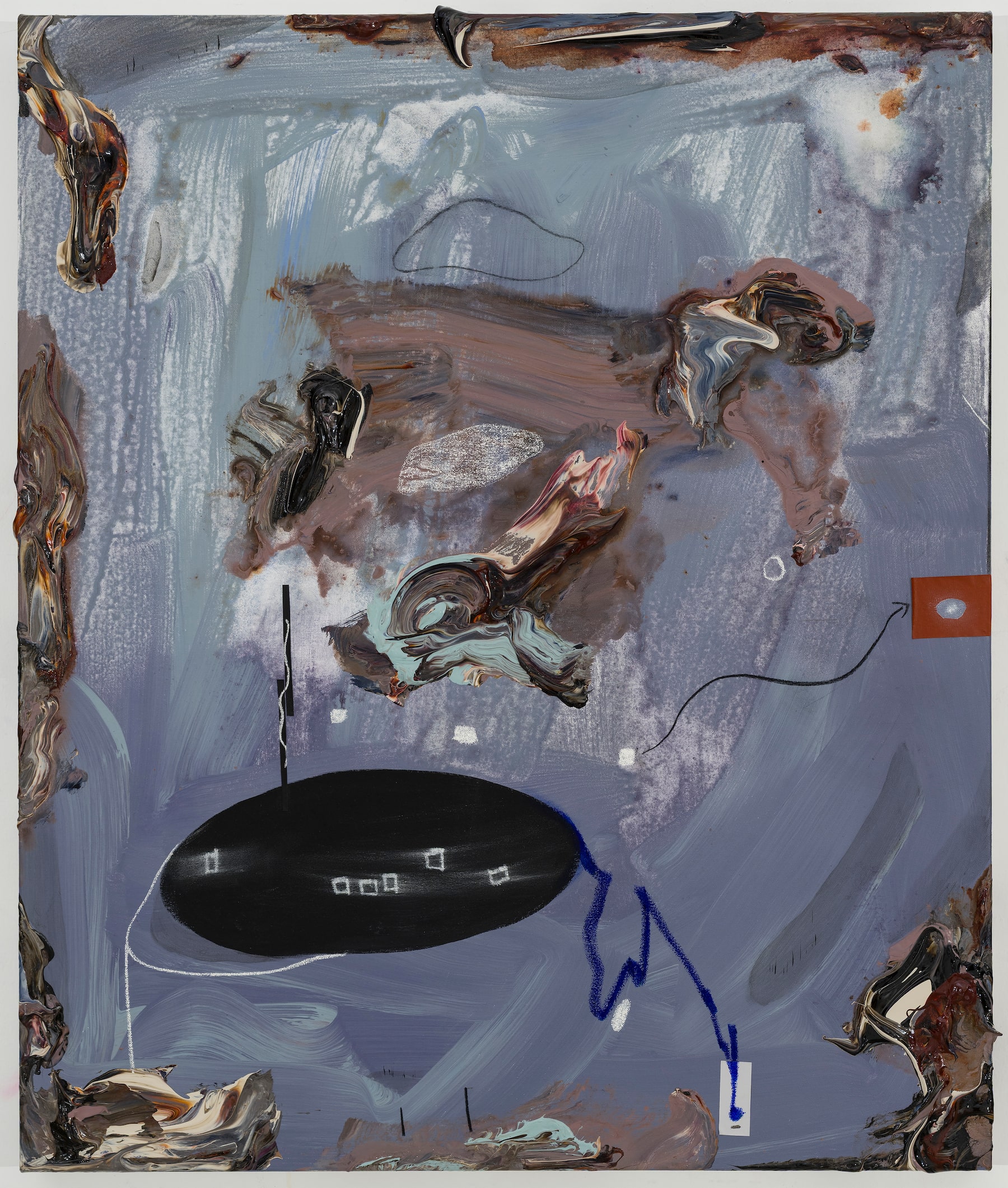
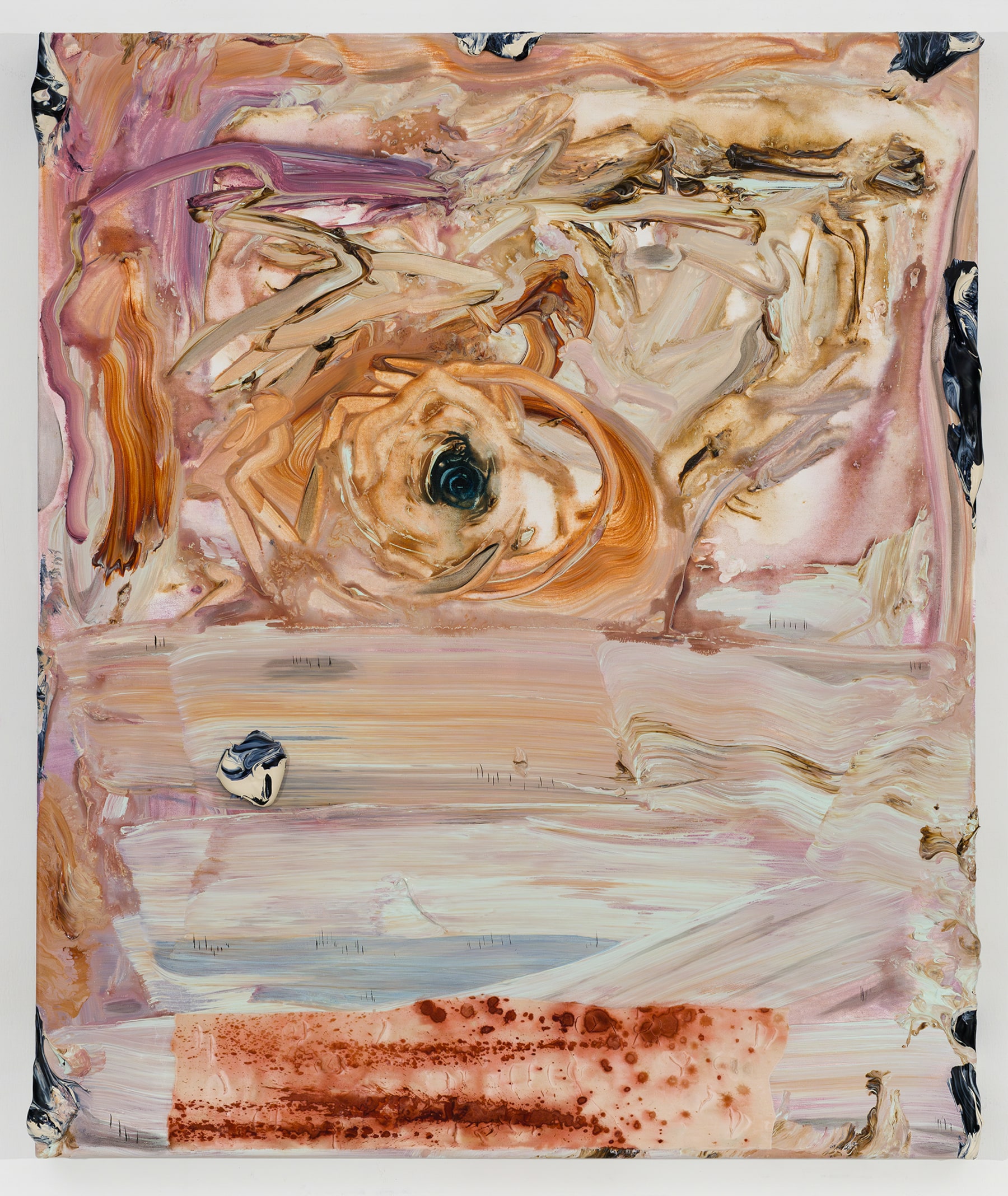
A Montrealer of Haitian ancestry, Manuel Mathieu creates paintings, prints and drawings that sit somewhere between abstraction and figuration. In previous work he included references to Haiti’s troubled history – founded by a slave rebellion at the beginning of the 19th-century, it was ruled by a dictatorship from the 1950s to the 1980s – but his recent art is more universalist in its visceral themes.
His spring Montreal show was entitled Perineum, a reference to that sometimes fragile piece of muscle and skin that separates the body’s most intimate functions. In paintings and prints, hints of figures, faces, eyes and lips emerge from dynamic swirls and scrawling lines.
Rajni Perera and Marigold Santos
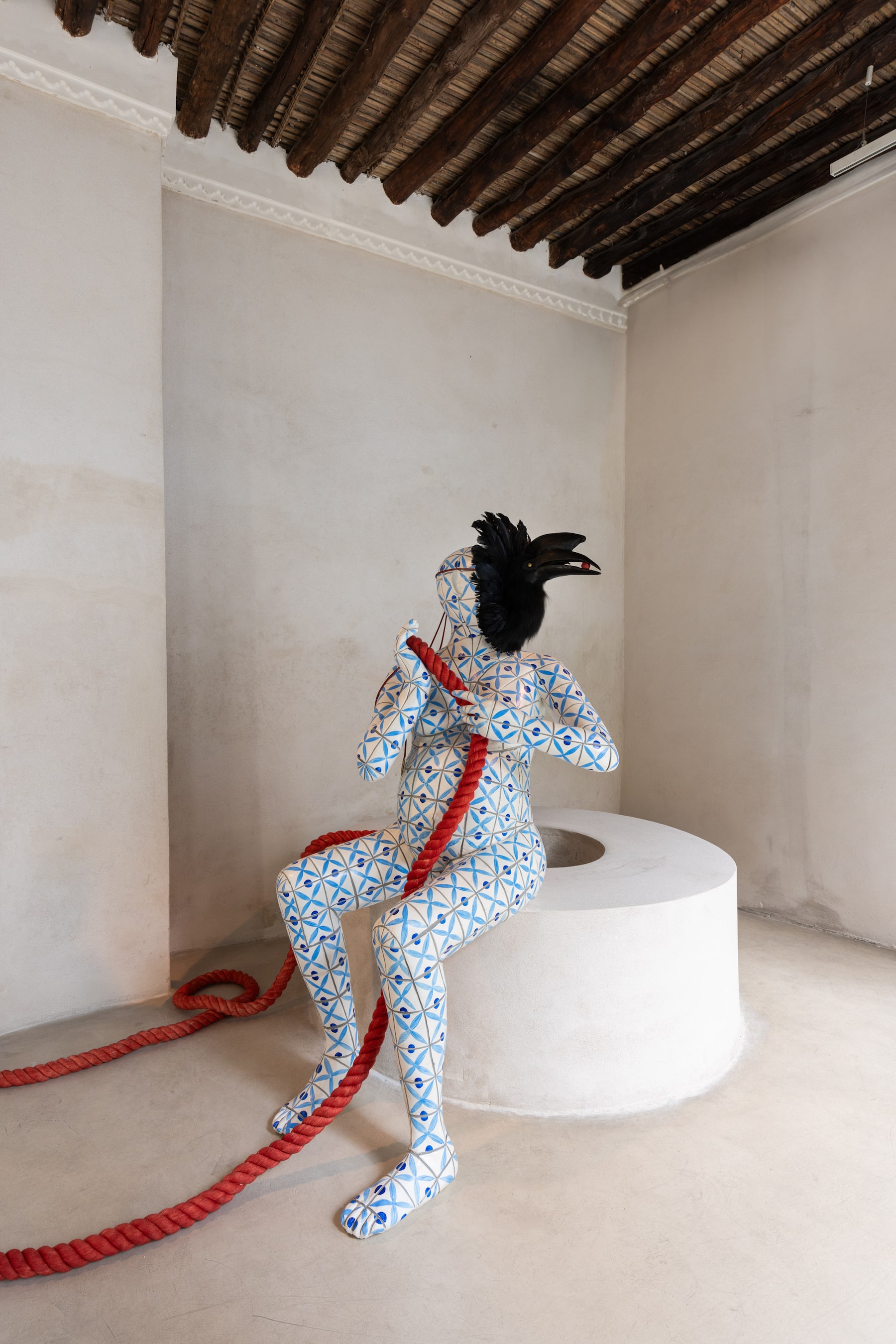
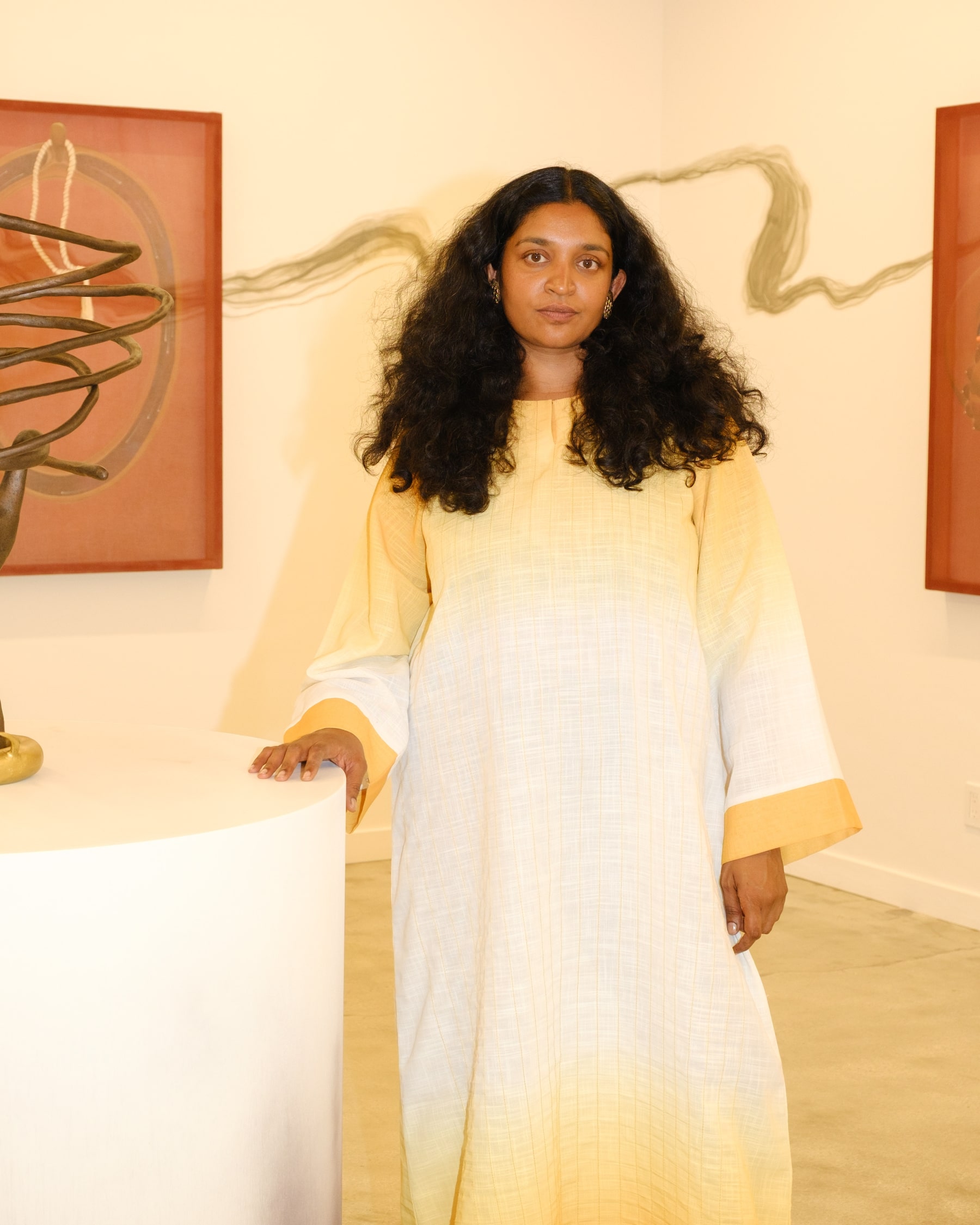
The pair, participating in the Biennale as a duo, first worked together on a clay sculpture for a booth at the Armory Show in New York in 2023; the female figure’s pendulous breasts served as a second set of arms. (It was later included in a two-person show in Montreal in 2024 that toured to Calgary in 2025.)
Both artists draw on Asian mythology and decorative traditions to create fantastical art featuring dense vegetation and transformed bodies, often about female power.
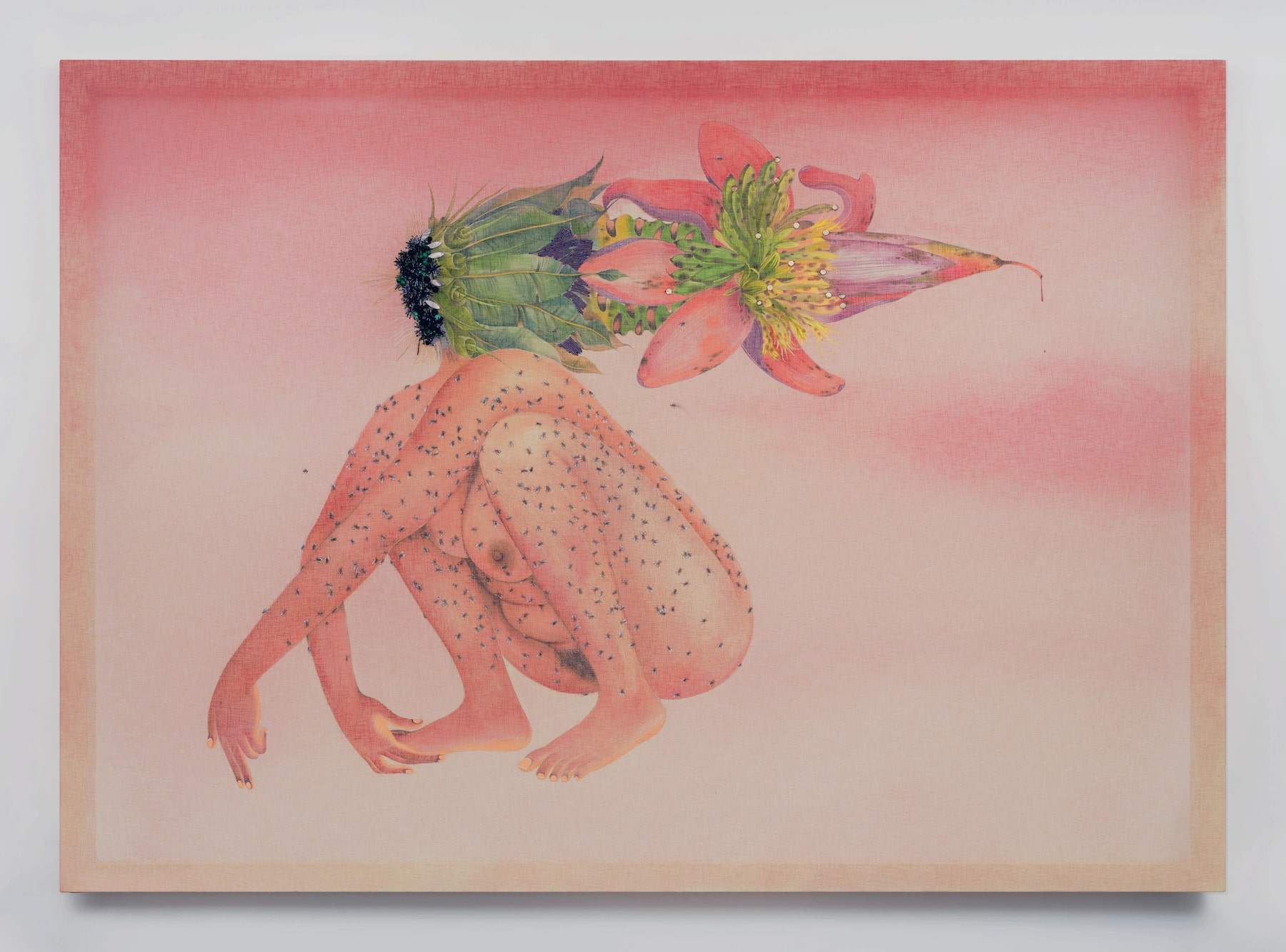
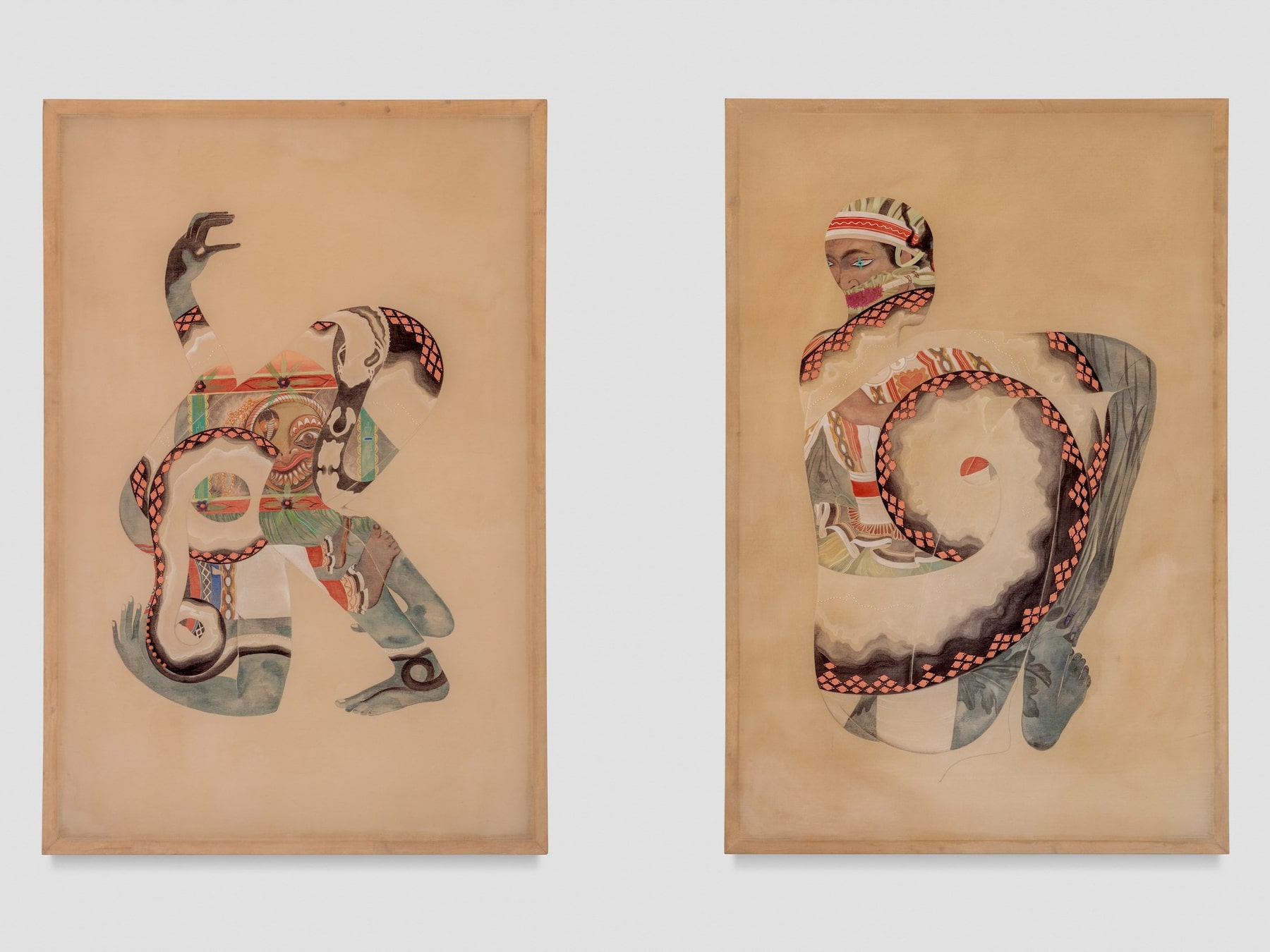
Perera, whose family came to Canada from Sri Lanka, is known for incorporating the South Asian miniature tradition into her own narratives of mythology and science fiction, in meticulous paintings and elaborate sculptures. The Torontonian’s recent work includes dancing figures whose swirling bodies are collages of dense patterns borrowing from other imagery and mixed with erasures, and a painting of a naked woman, covered in flies, who has a phallic floral arrangement in place of a head.
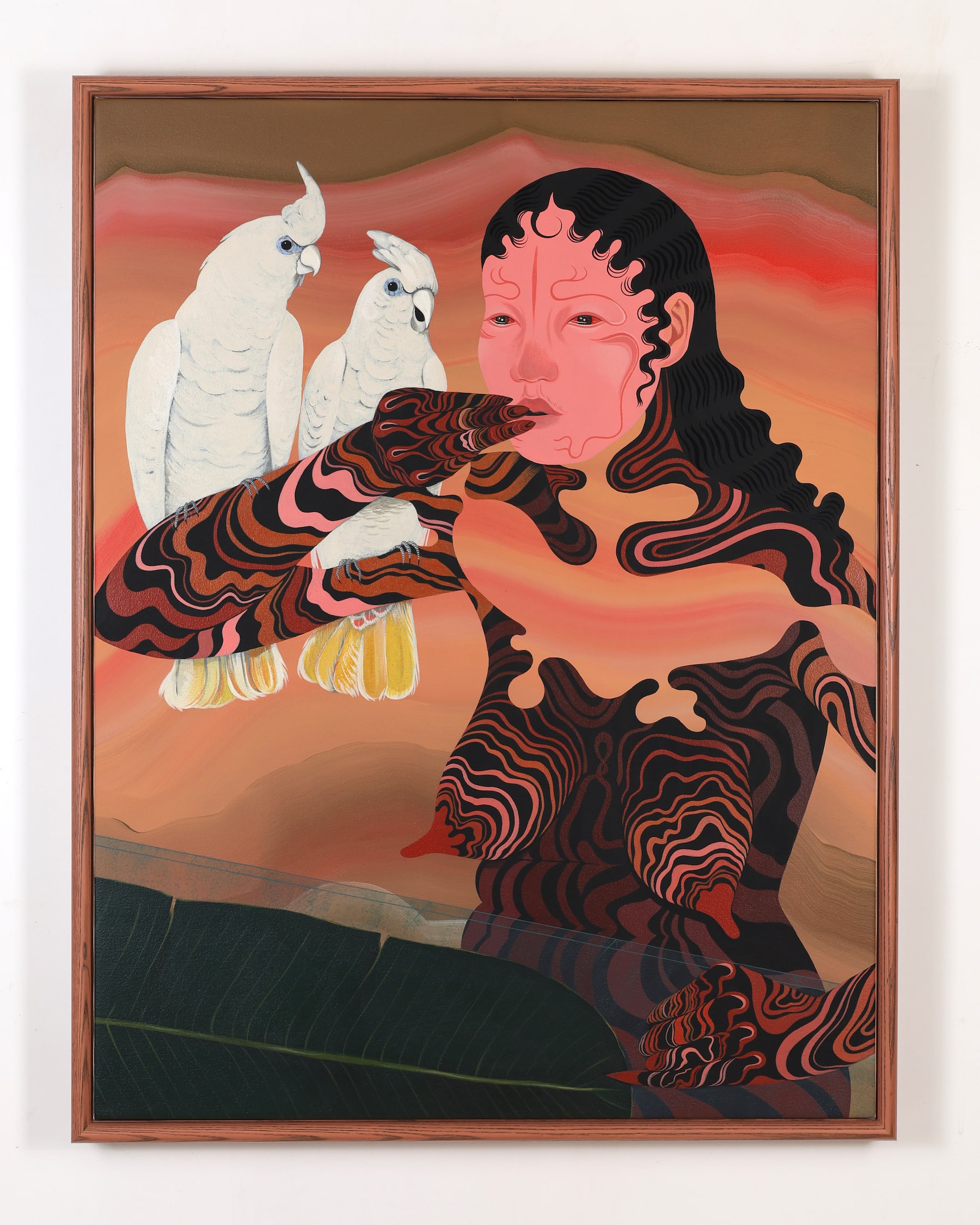
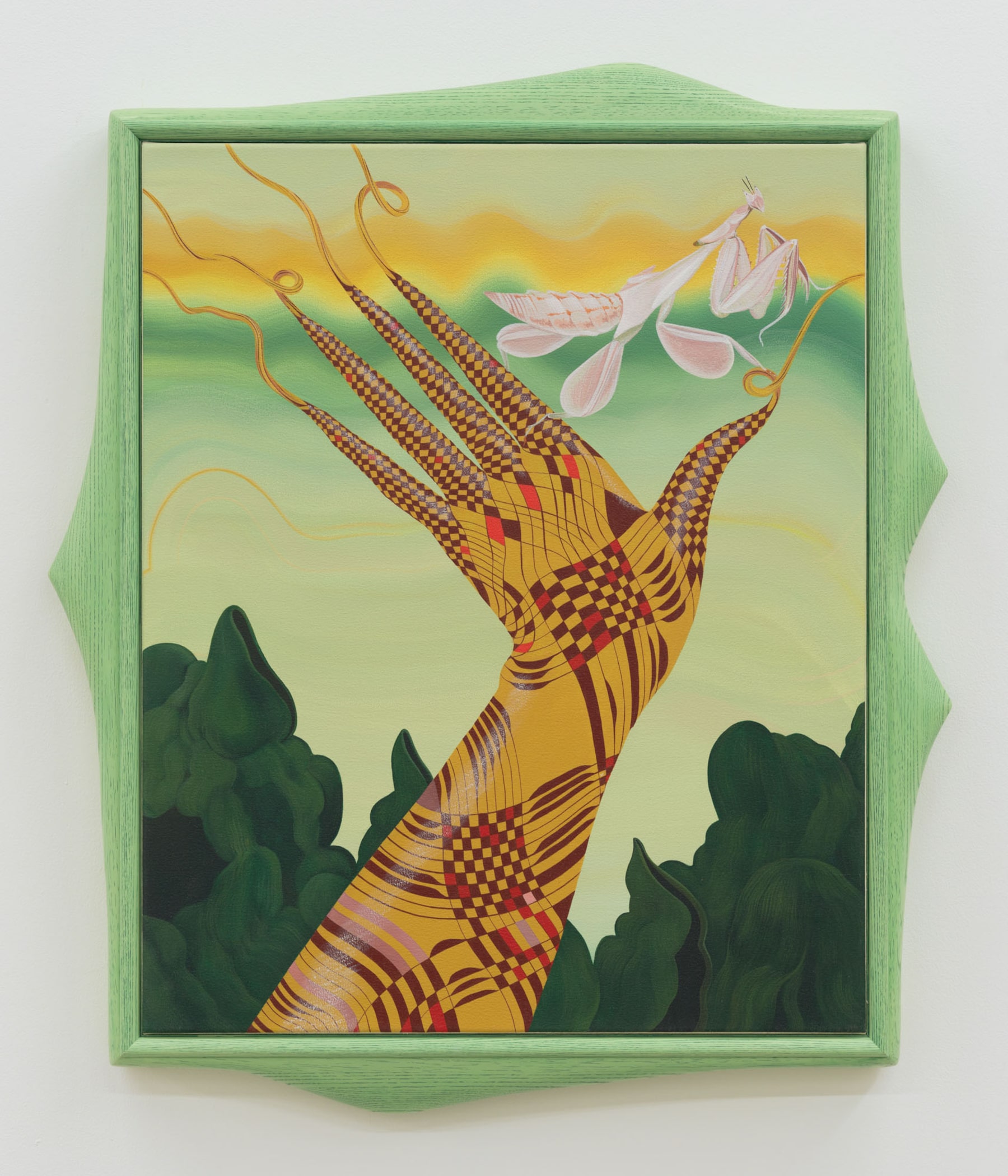
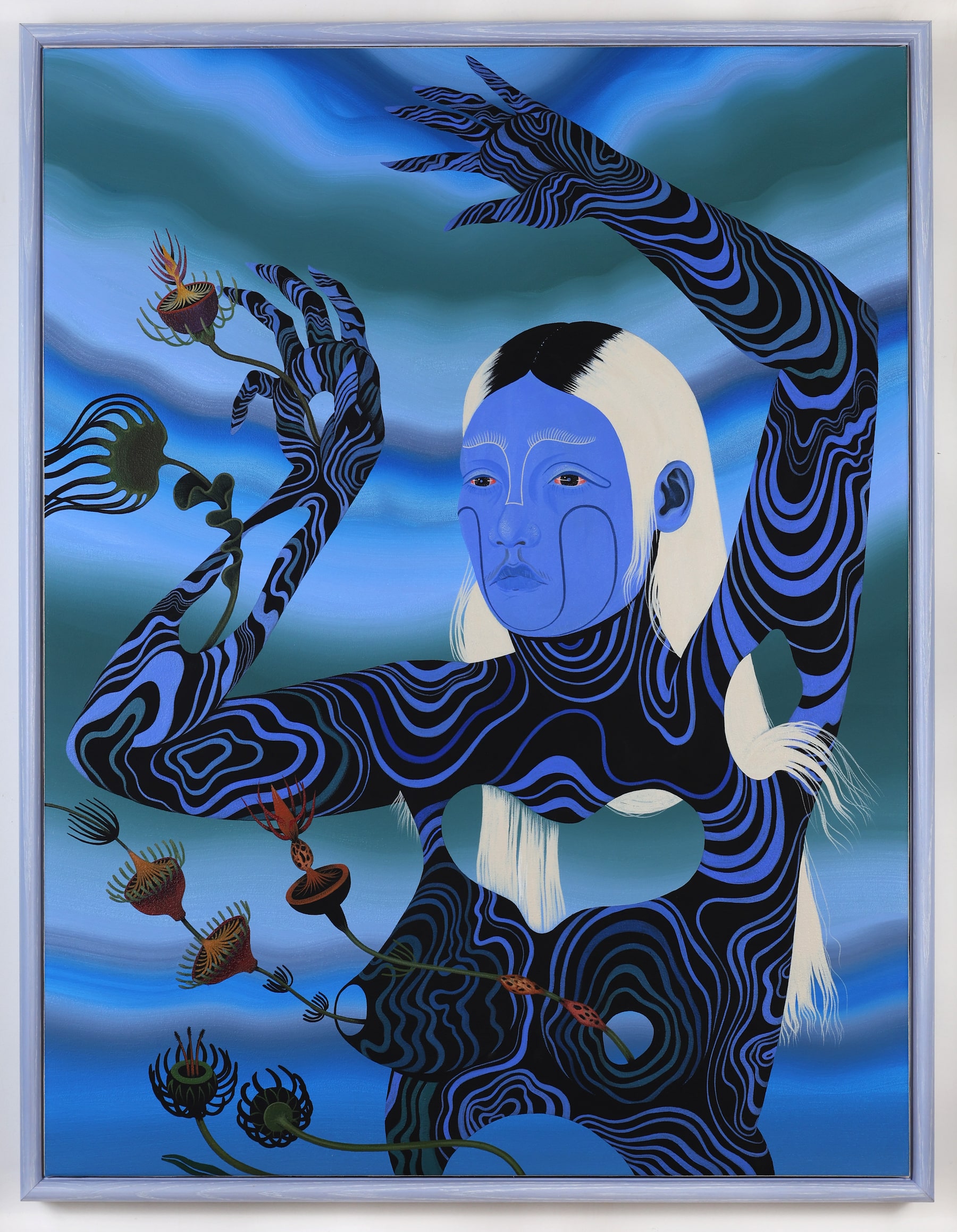
Santos, a Filipino-Canadian who lives in Calgary, has made reference to traditional dress, dance and weaving in work that places her cultural heritage in an otherworldly realm. She also works as a tattoo artist, and her recent paintings show surreal female figures whose entire bodies and faces are covered with geometric patterning in saturated colours, as though their skins were psychedelic wallpaper.
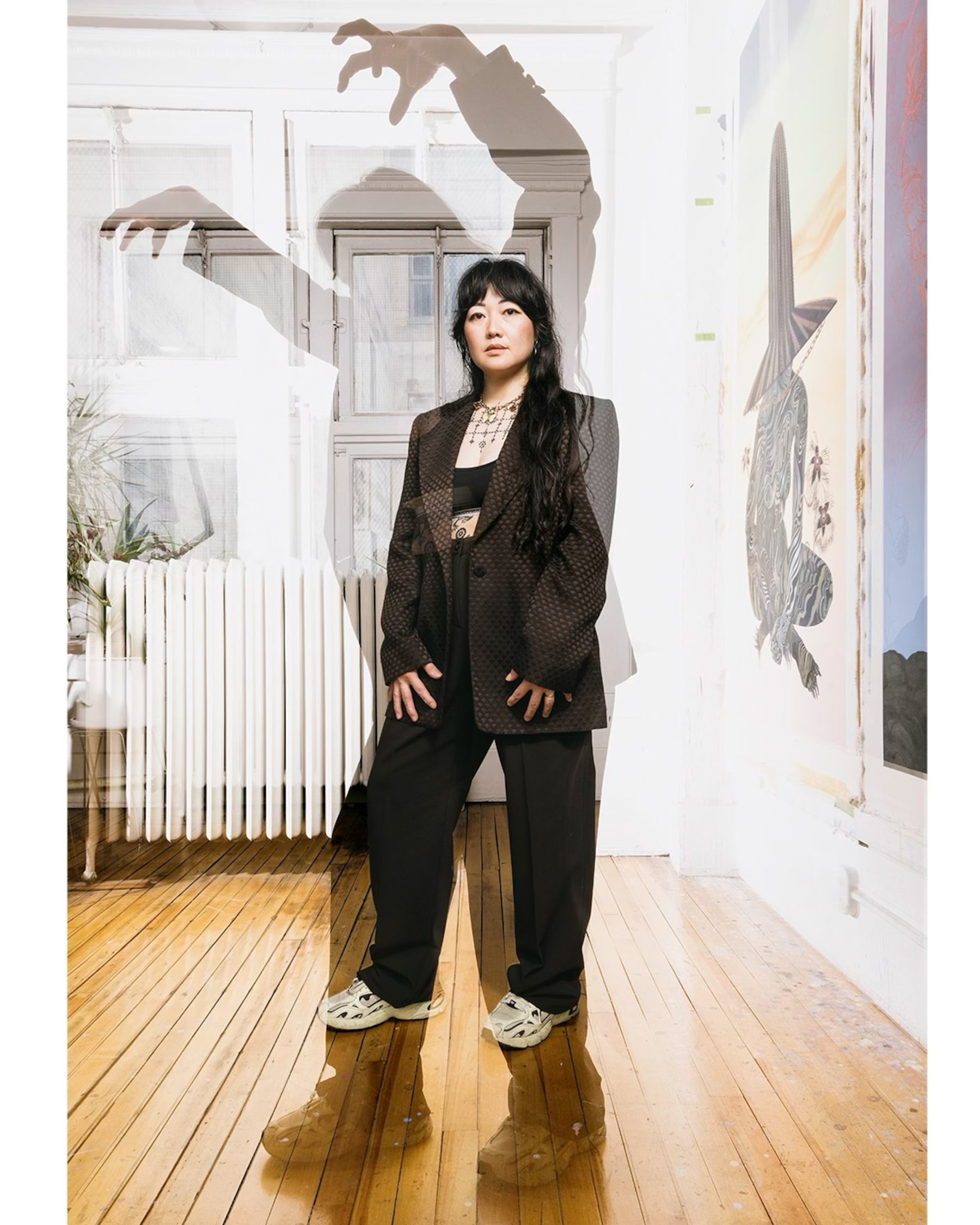
Bonnie Devine
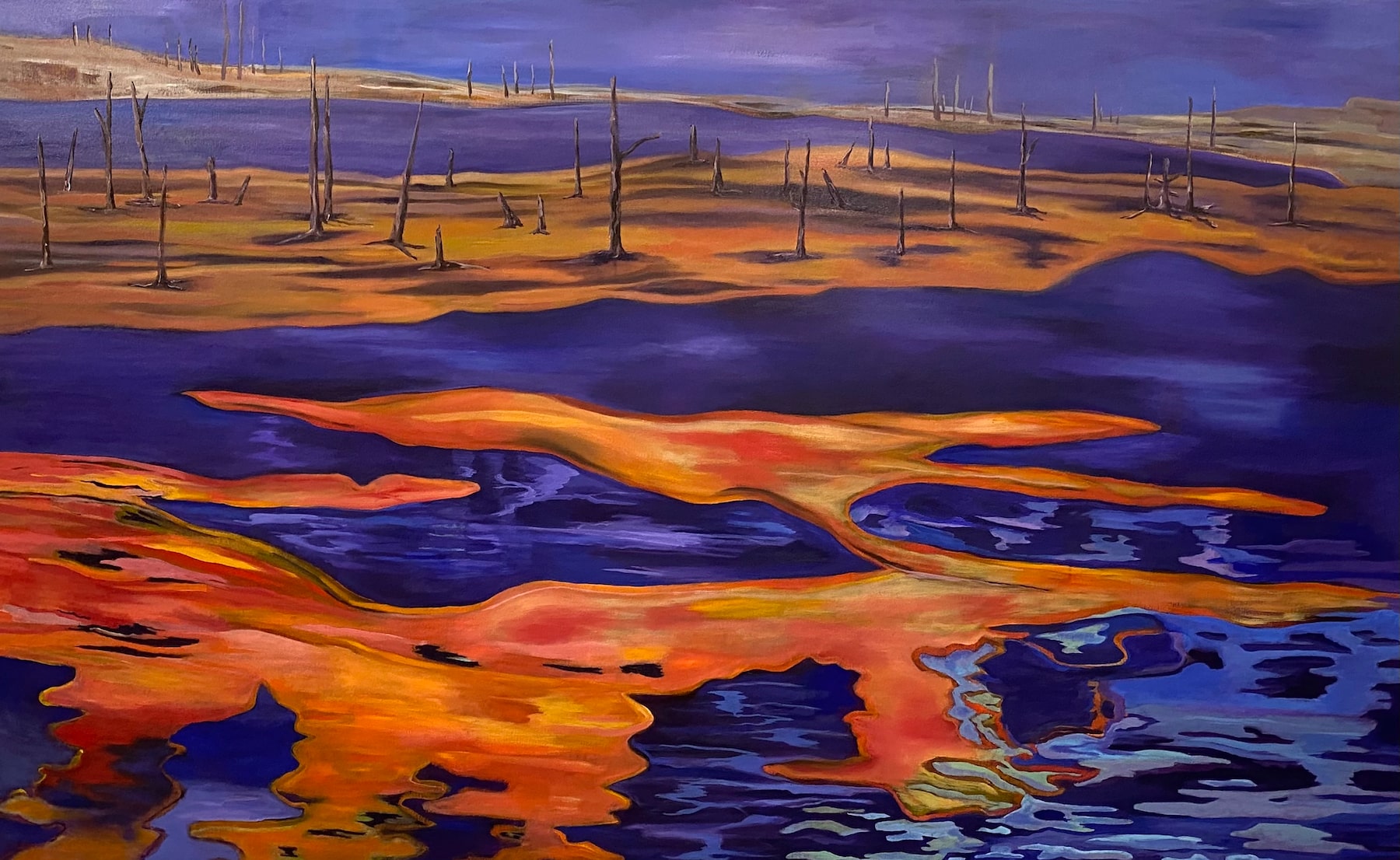
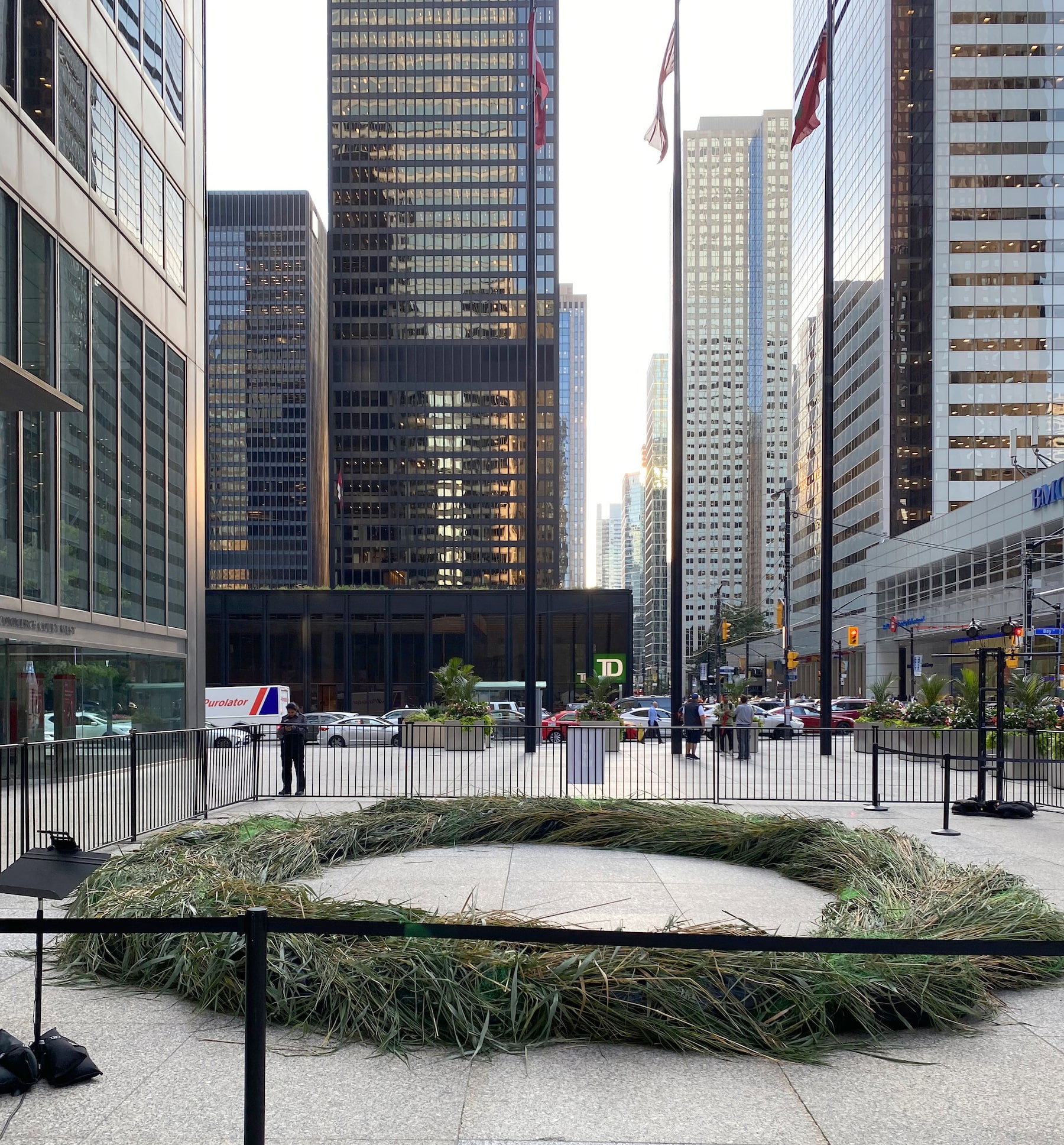
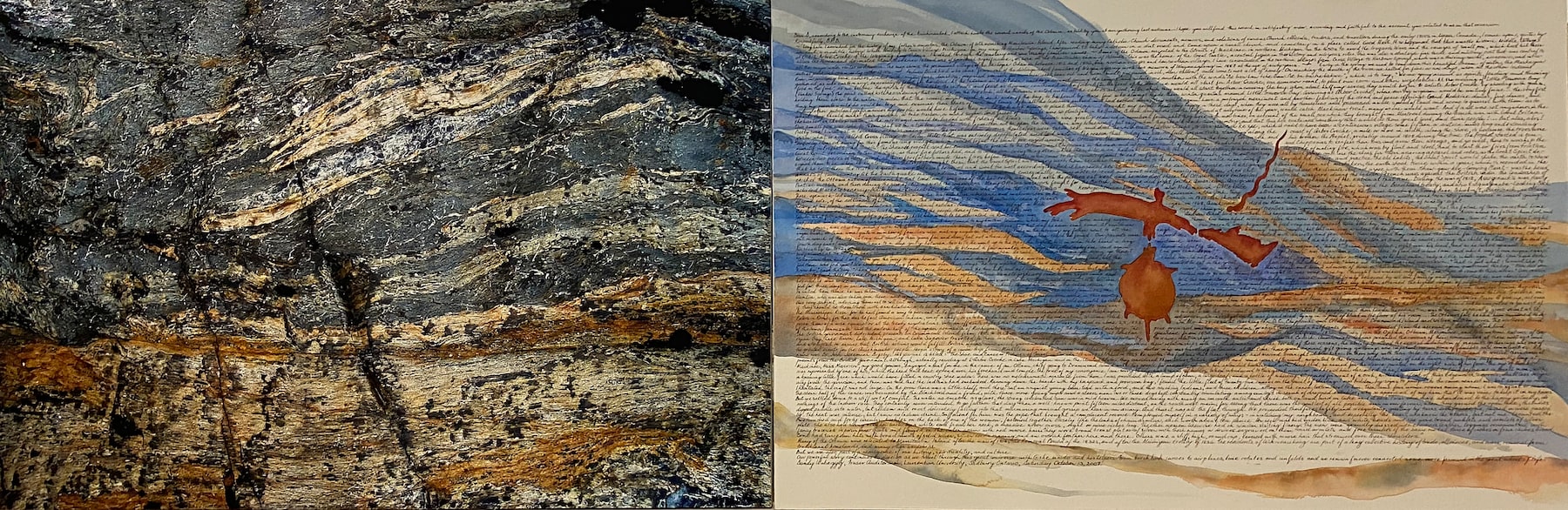
The most senior of the Canadian participants, Bonnie Devine is an Ojibwe artist from the Serpent River First Nation in Ontario who once made a full-size canoe out of her thesis notes on uranium mining in her home territory at the top of Georgian Bay.
Now retired from the Ontario College of Art and Design University, where she served as the founding chair of its Indigenous visual culture program, Devine continues to work in Toronto, where her drawings, paintings and installations layer Indigenous storytelling and visual traditions overtop colonial practices. Mapping and the environment are recurring themes.
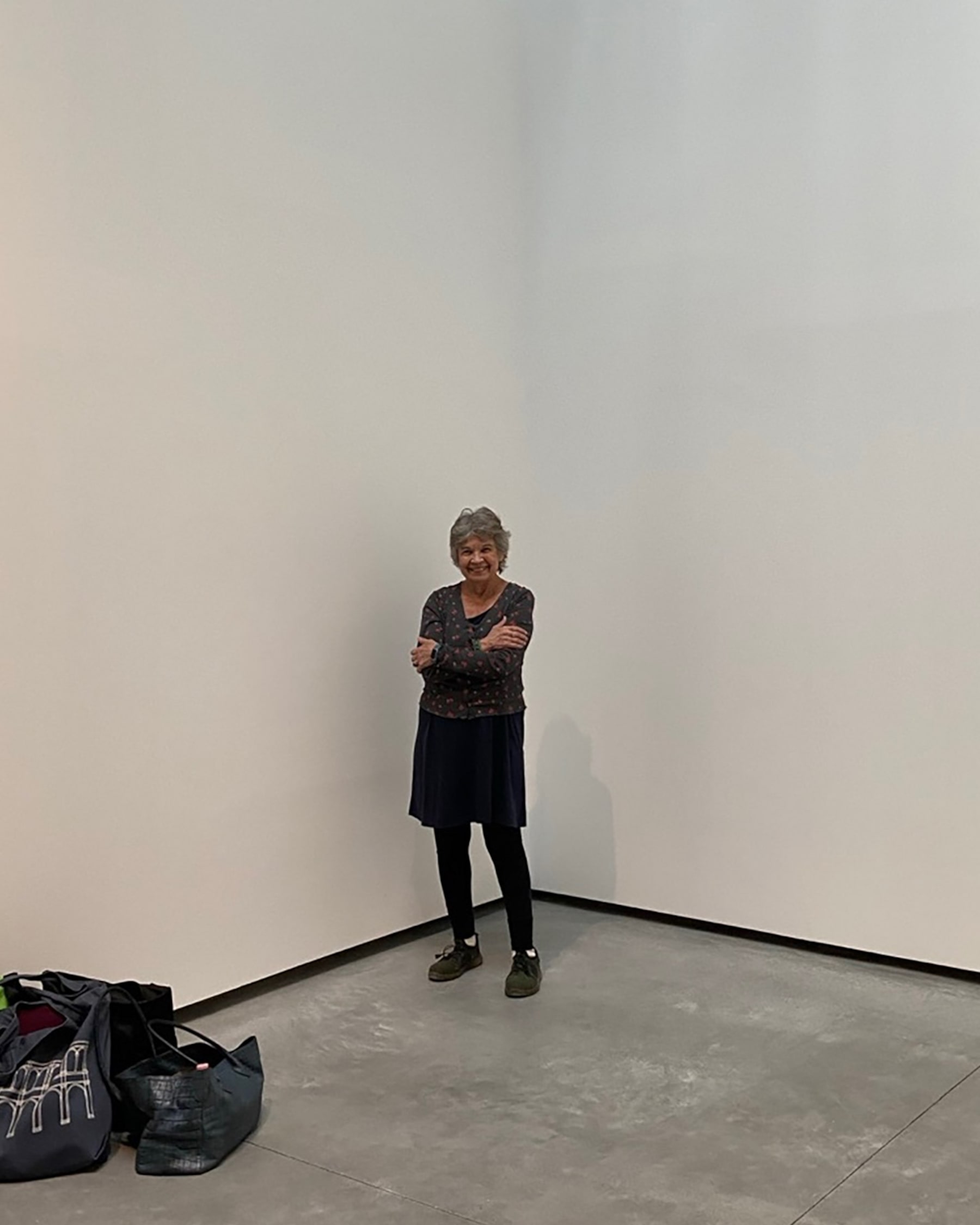
Alexa Kumiko Hatanaka
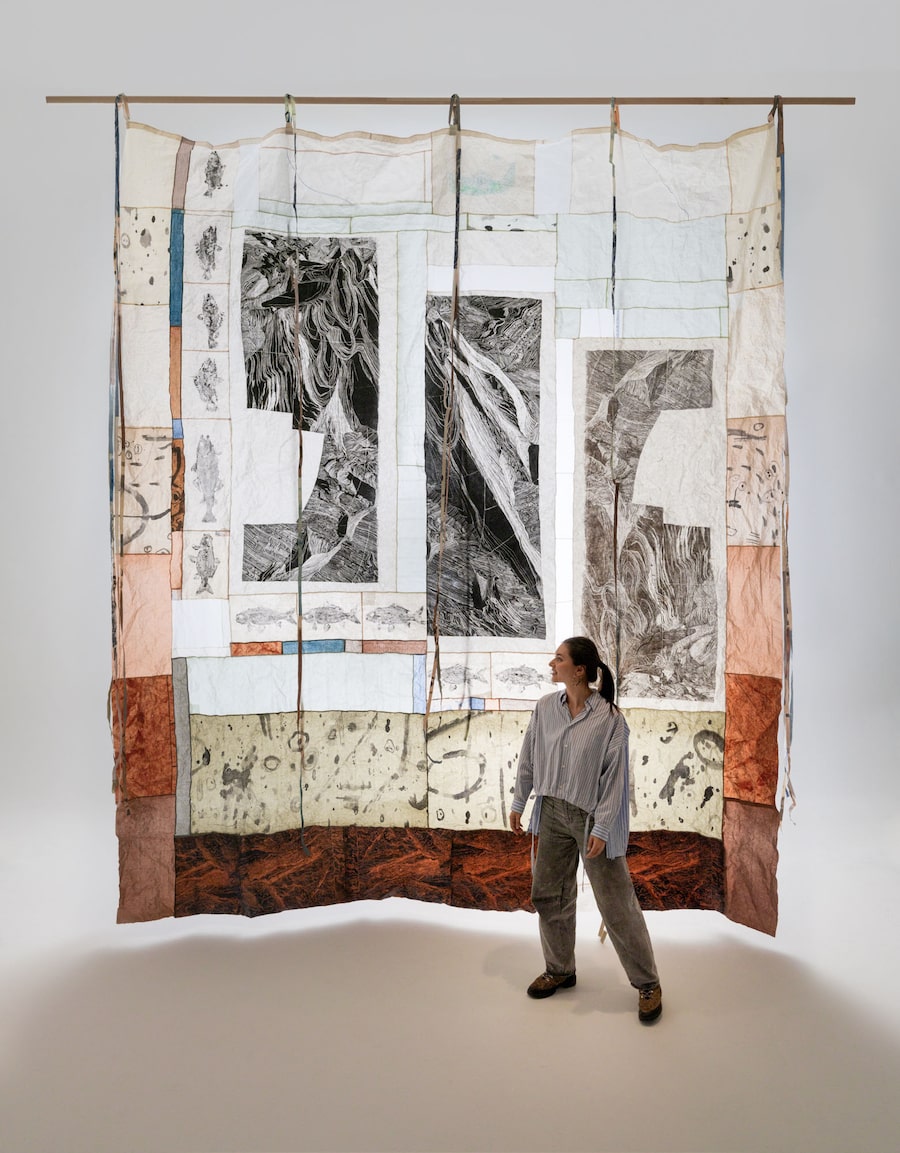
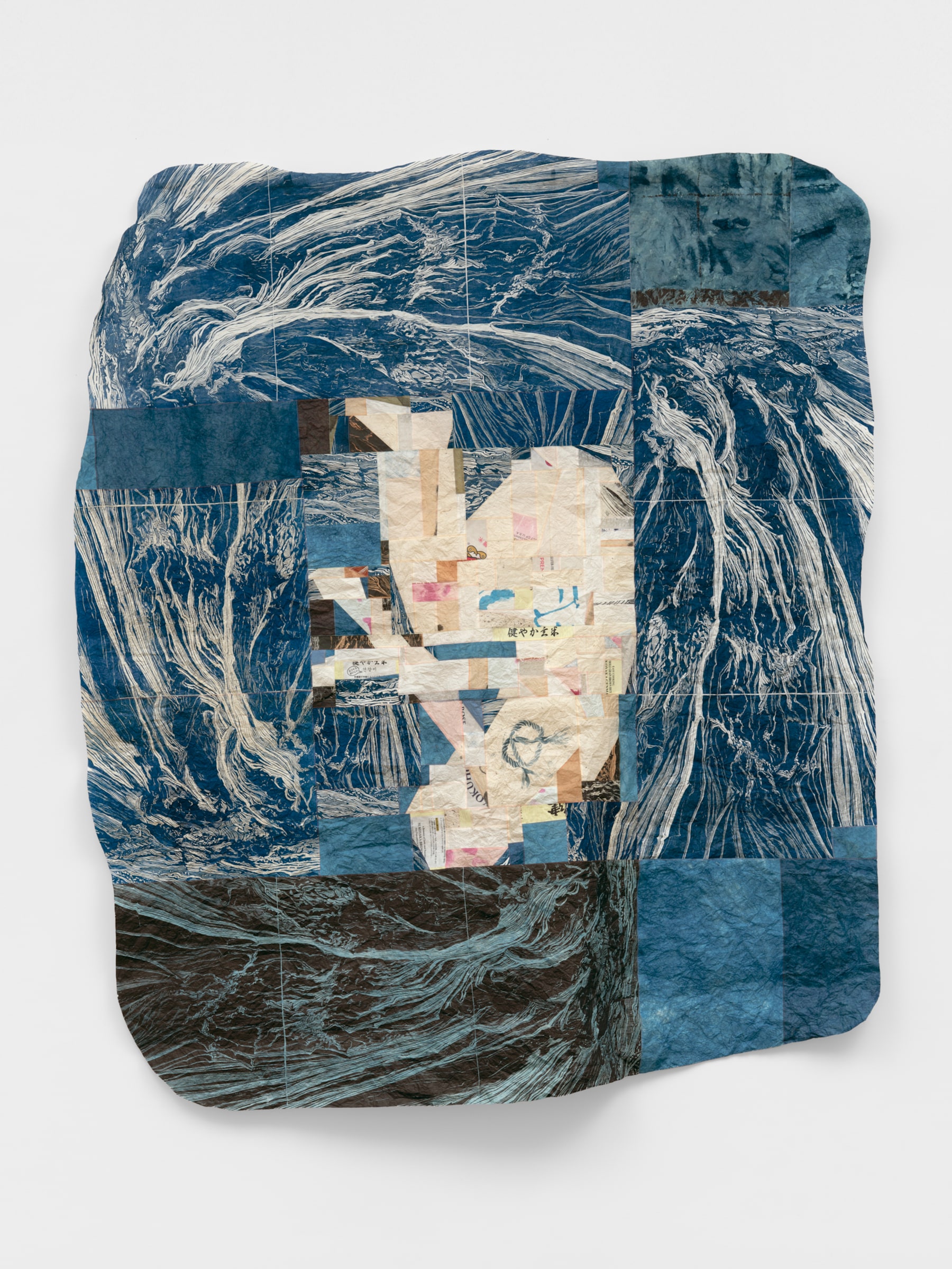
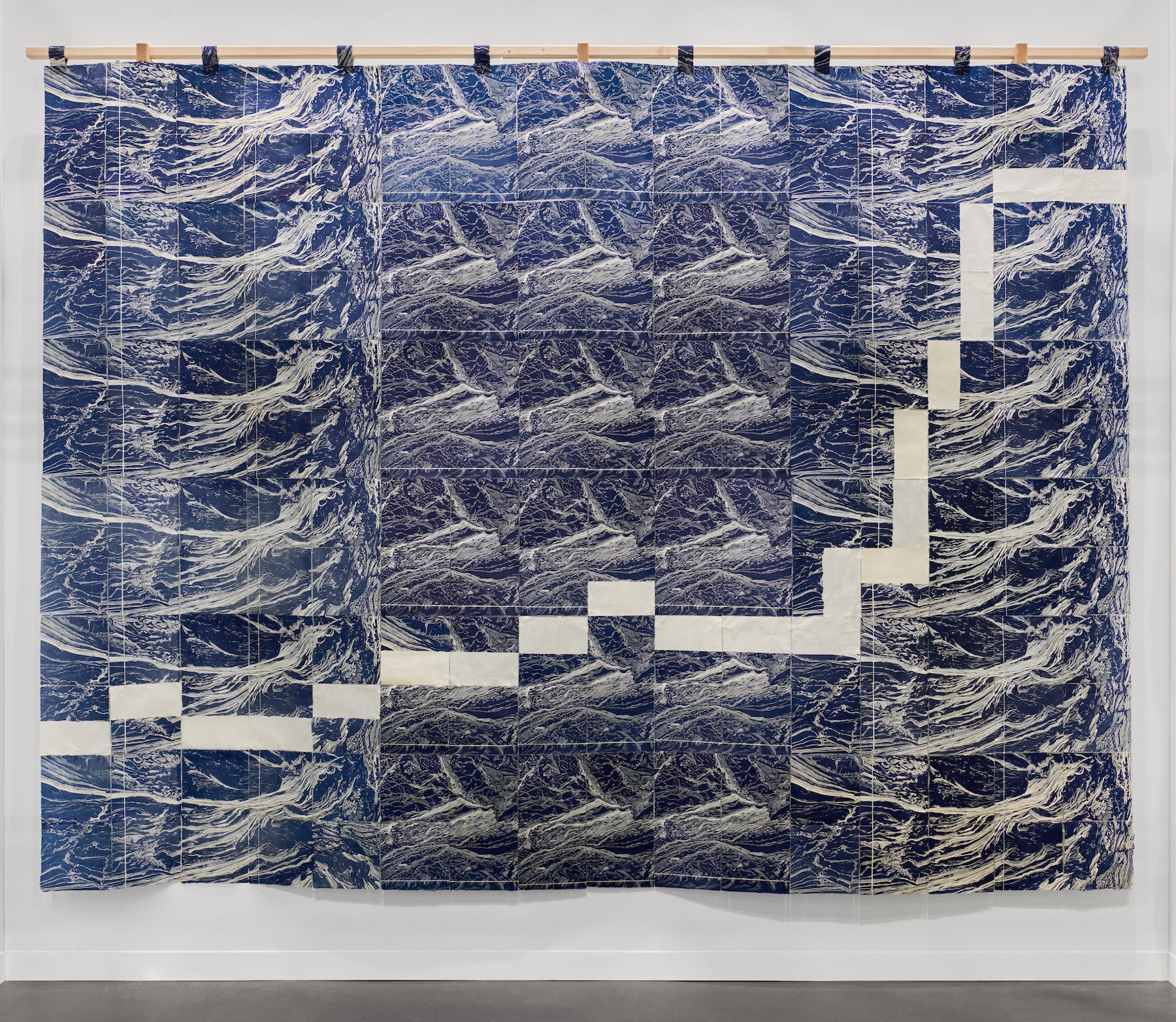
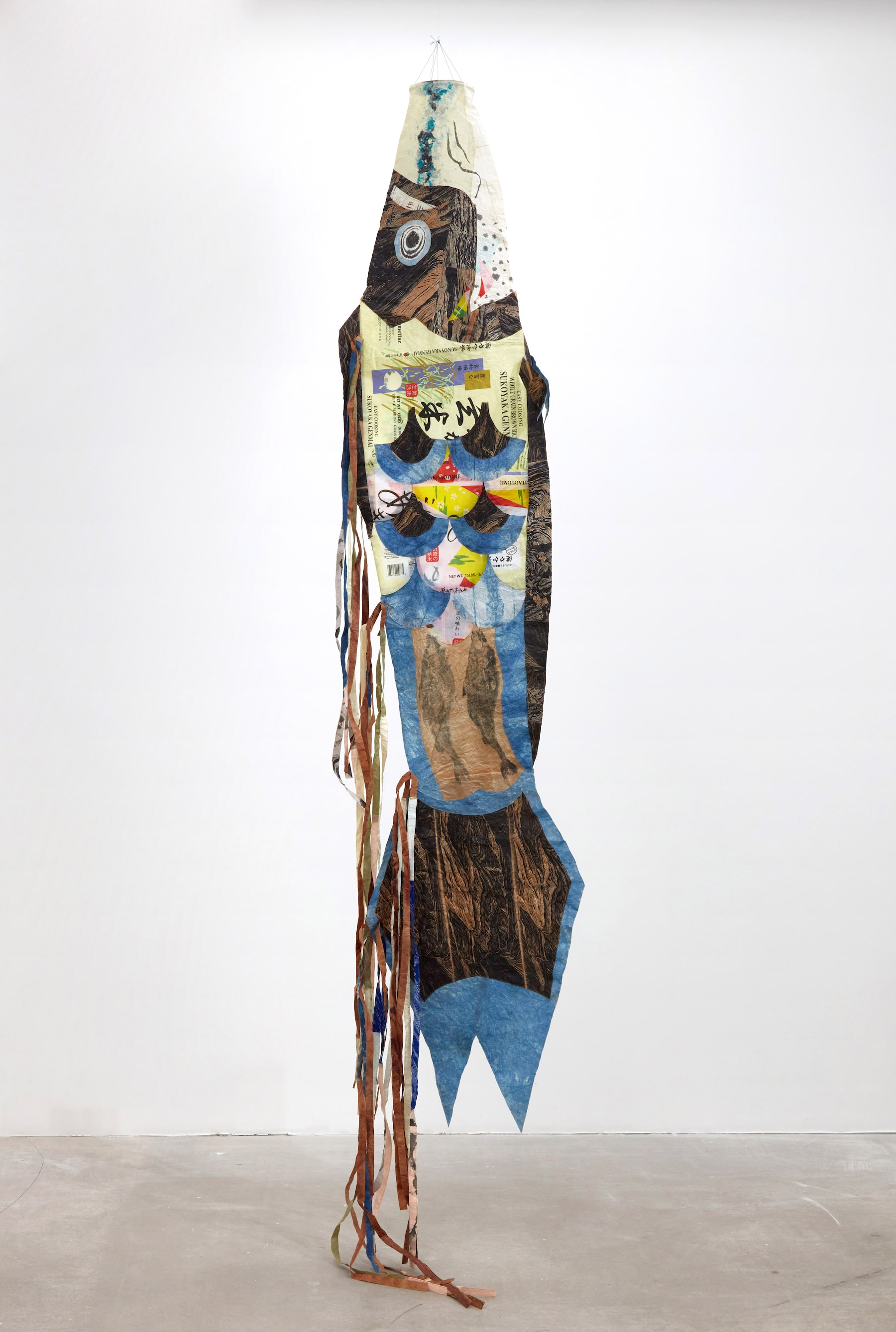
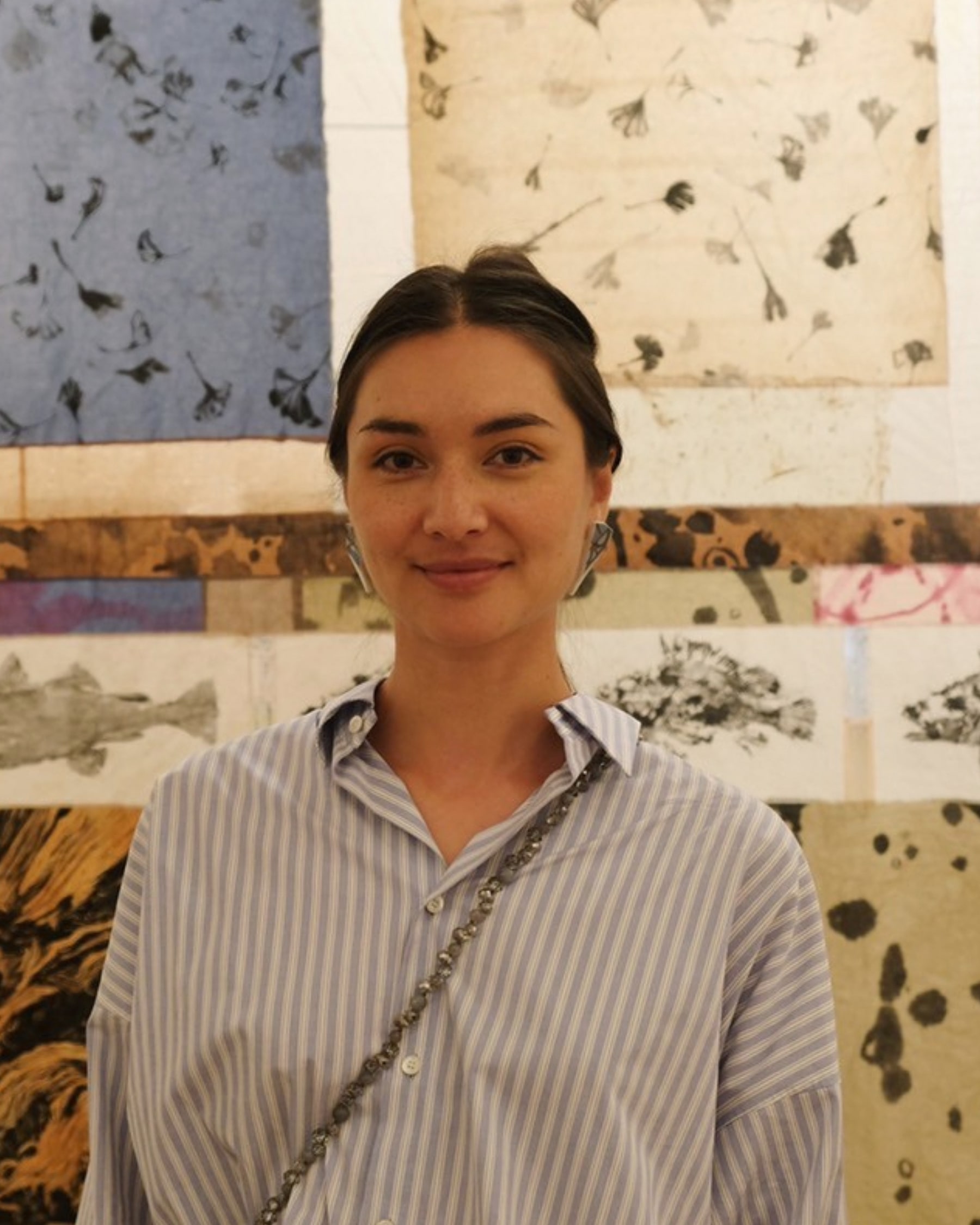
A Japanese-Canadian who lives with bipolar disorder, Alexa Kumiko Hatanaka has built her career on fertile experimentation with traditional Japanese paper arts; she makes sculptures, large print installations and wearable pieces. She is inspired both by ukiyo-e, those “pictures of the floating world” that portrayed daily life during the Edo period, and by gyotaku, fish prints that fishermen once used to record their catch.
She has also worked extensively in Kinngait, Nunavut, where Japanese printmaking was introduced in the 1950s. Since 2021, she has collaborated with Inuit artist Ashoona Ashoona on images of ice and snow, plus maps that link the region to Japan and memorialize family members. Her more recent work considers the environment and mental health.
Editor’s note: A photo caption has been updated to correct the name of Tatsuyuki Kitaoka.