
We or our contributors independently review everything we recommend. When you buy through our links, we may earn a commission. About The Globe’s shoppable articles
- 🏔️️ The Adventurer
- 🎨 The Art Aficionado
- 📚 The Bibliophile
- 📺️ The Culture Vulture
- 🏡 The Design Guru
- 🥄 The Epicure
- 💻 The extremely online
- 🎵 The Good Listener
- 📜 The History Buff
- 🎓 The Know-it-all
- 🧘 The Mindful Maven
- 💰 The Mogul
- 🌱 The Nature lover
- 🗳️ The Politico
- 💭 The unclassifiable
I'm shopping for ...



The adventurer
The Explorers Club Presents Letters From the Edge: Stories of Curiosity, Bravery, and Discovery, edited by Jeff Wilser (Crown) From the Thai cave rescues to excavating the remains of the Titanic, this anthology (produced with the 121-year-old club that counted Ernest Shackleton as a member) gathers short accounts on a wide-ranging number of subjects from routine fieldwork to ill-fated expeditions.
The Art Escapes Atlas: Cultural Experiences Around the Globe (Gestalten) Going beyond the borders of traditional galleries, this travel guide curates the latest site-specific installations shaping global art discourse. It highlights locations around the world that offer repurposed and land art, such as underwater sculpture parks and former Cold War listening stations.
Frostlines: A Journey Through Entangled Lives and Landscapes in a Warming Arctic, Neil Shea (Ecco) The National Geographic writer’s detailed reportage on the impact of climate change on the Arctic’s people and wildlife is grim but lyrical, as he recounts the disruption being done to whales, seals, narwhals, wolves and shrinking caribou herds.
Sisters of the Jungle: The Trailblazing Women Who Shaped the Study of Wild Primates, Keriann McGoogan (Douglas & McIntyre) A Canadian scientist delves into what draws women to study wild primates with the stories of Dian Fossey and Jane Goodall, but also lesser-known but no less gritty figures in the modern discipline of primatology, such as Linda Fedigan, Jeanne Altmann and Birutė Galdikas.
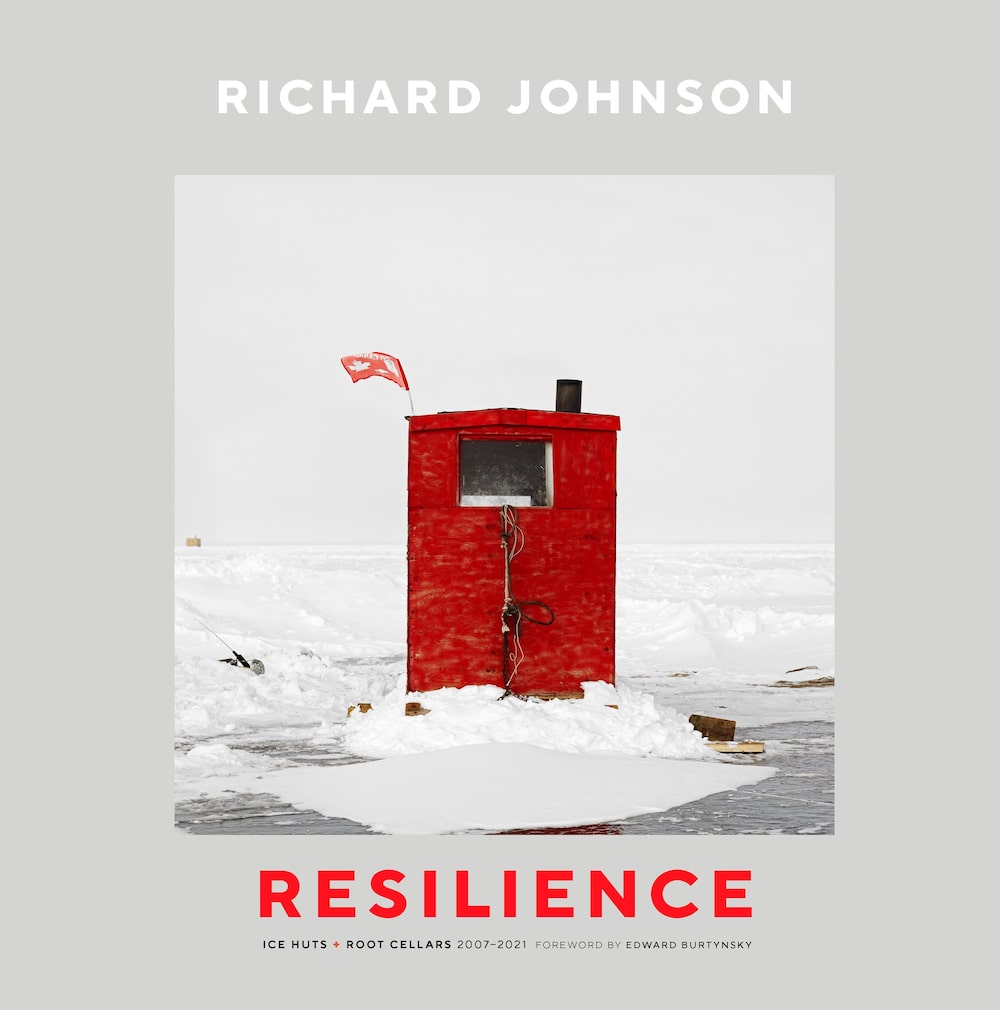
Richard Johnson: Resilience – Ice Huts and Root Cellars, Lucie Bergeron-Johnson and Tom Smart (Figure 1 Publishing) This showcase of small hand-built structures – ice fishing huts in the stark Great White North and earthen root cellars in Newfoundland – documented by the late Canadian photographer Richard Johnson comes with an appreciative foreword by Edward Burtynsky.
The Bridge Between Worlds: A Brief History of Connection, Gavin Francis (Canongate Books) Four decades of journeys across bridges around the world – including those spanning the Bosphorus and Zambezi rivers – have supplied the Scottish doctor and writer with enough fodder to muse on the connection between nations and people in this armchair travelogue.


The art aficionado
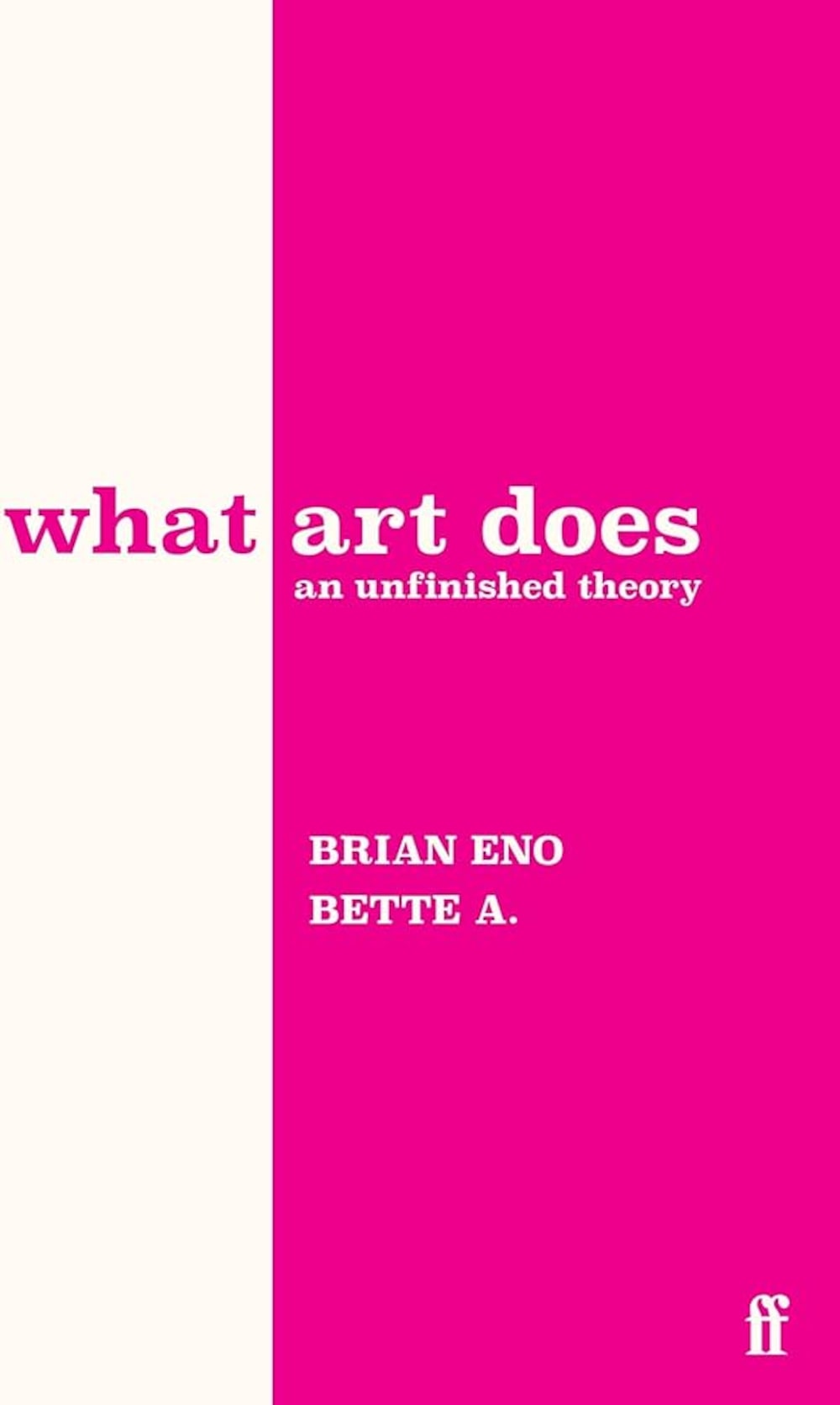
What Art Does: An Unfinished Theory, Brian Eno and Bette Adriaanse (Faber & Faber) The latest project by influential multi-hyphenate Brian Eno, co-authored with Dutch artist Bette Adriaanse, is a small handbook that’s bigger on the inside. It’s an invitation to question and understand the point of art and the role it has in our experiences of seeing and feeling.
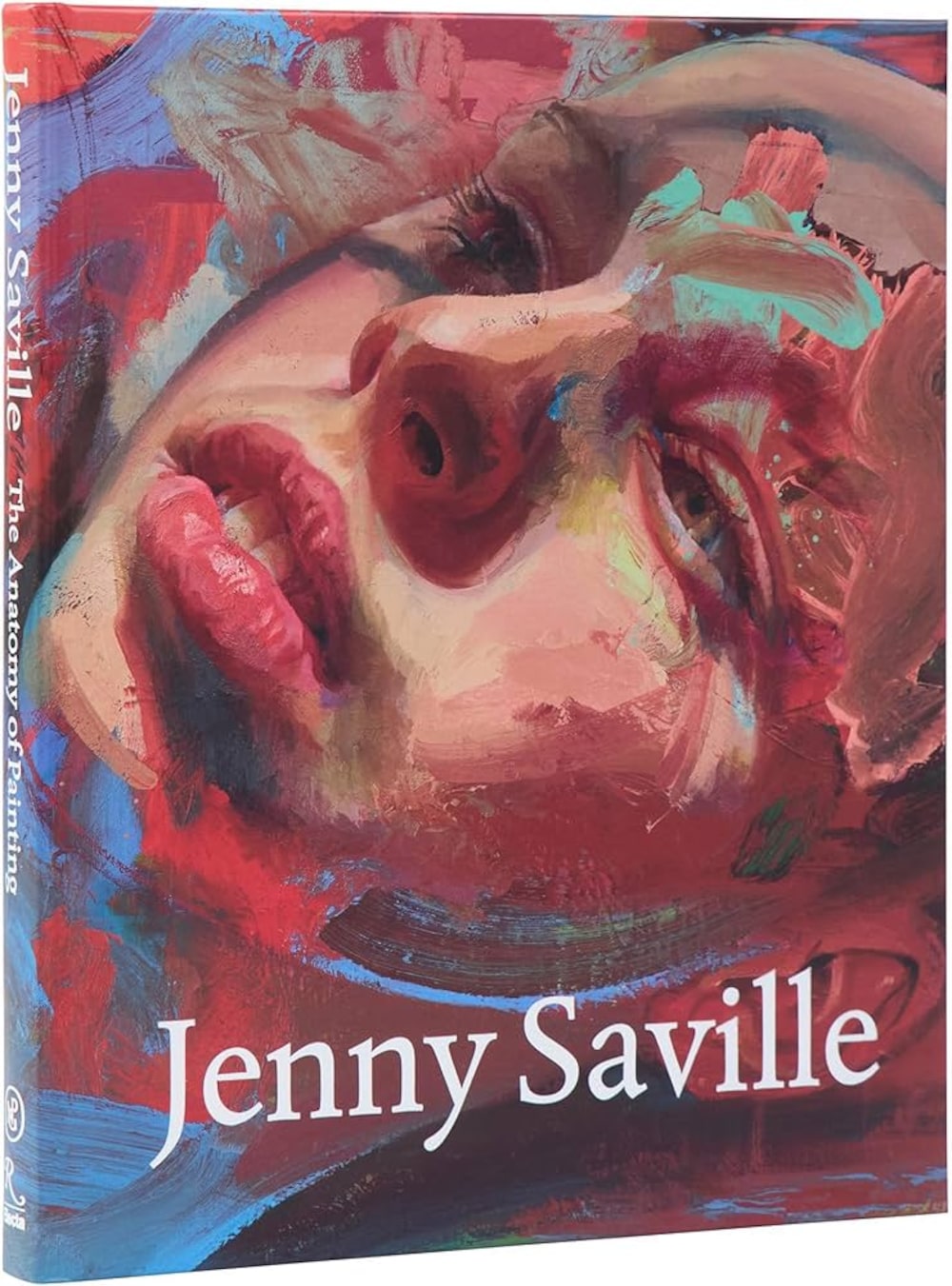
Jenny Saville: The Anatomy of Painting, Jenny Saville (Rizzoli Electa) An original member of the rebellious Young British Artists of the late 1980s, the painter’s portraits are monumental and confrontational. This retrospective captures their astonishing provocative power, featuring 60 paintings and drawings alongside in-depth texts.
David Hammons (Hauser & Wirth Publishers) Created under Hammons’s own direction, this postexhibition catalogue offers images from the 82-year-old artist’s expansive career without comment – an elliptical work of art by one of the most enigmatic contemporary artists living and working today.
The Rembrandt Heist: The Story of a Criminal Genius, a Stolen Masterpiece, and an Enigmatic Friendship, Anthony M. Amore (Pegasus Books) The Louvre heist has nothing on this tale, written by a security professional who is an art theft investigator: For true crime aficionados, the unbelievable true story of a painting’s notorious theft from the Boston Museum of Fine Arts in 1975 and the bizarre aftermath of its return.
Edmund de Waal: An Archive, Edmund de Waal (Ivorypress) A celebrated potter and writer ponders themes of diaspora and memory in a book about archives that is, itself, archival – thoughts on the act of categorizing and archiving personal and institutional histories, “passed on, inherited, stolen, plundered, and lost.”
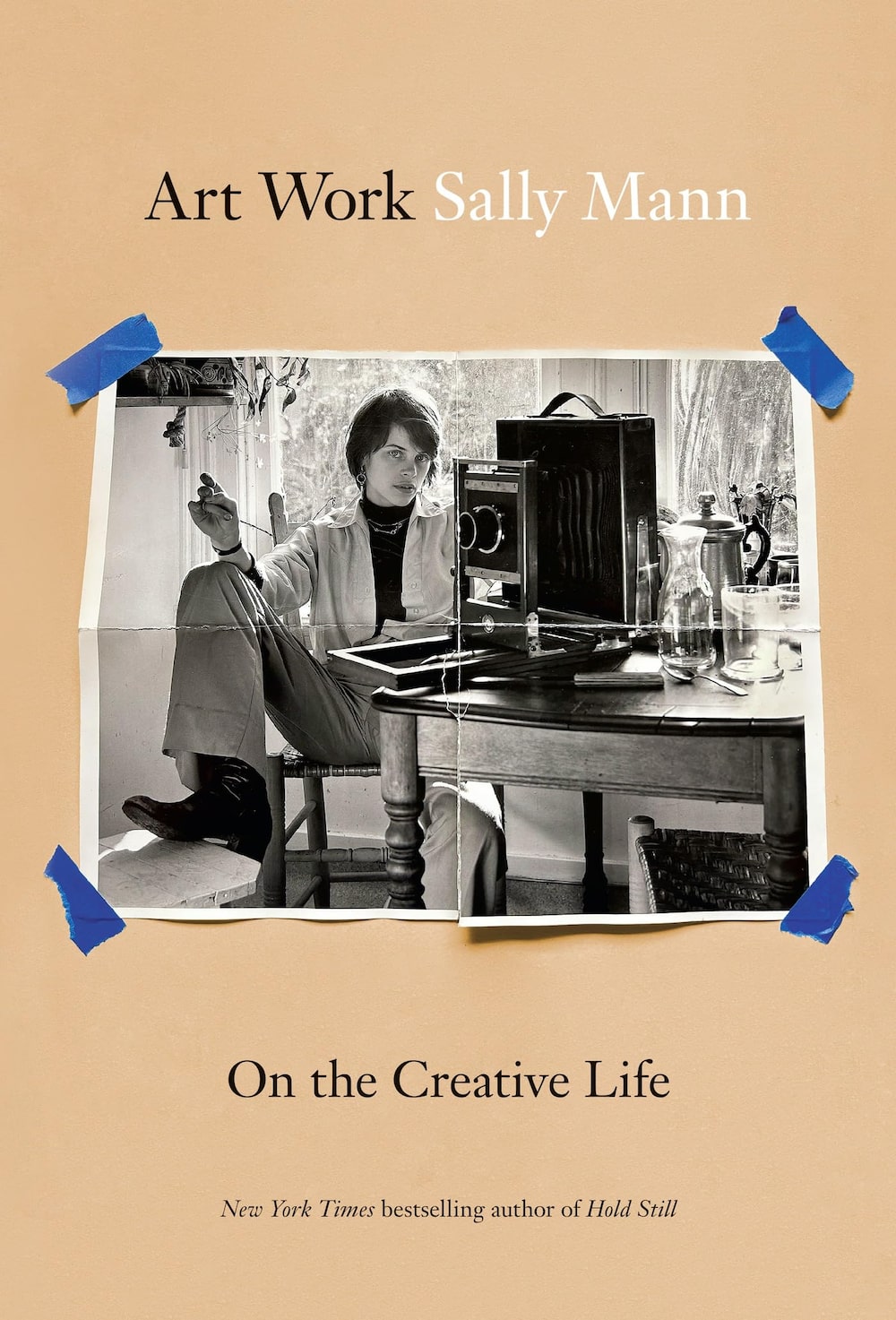
Art Work: On the Creative Life, Sally Mann (Abrams Press) An accomplished photographer reflects on her own practice in a series of thematic entries on patience, rejection, luck, work ethic and self-censorship. In her edgy, original literary voice and signature candour, it’s a practical companion to her bestselling memoir Hold Still.


The bibliophile
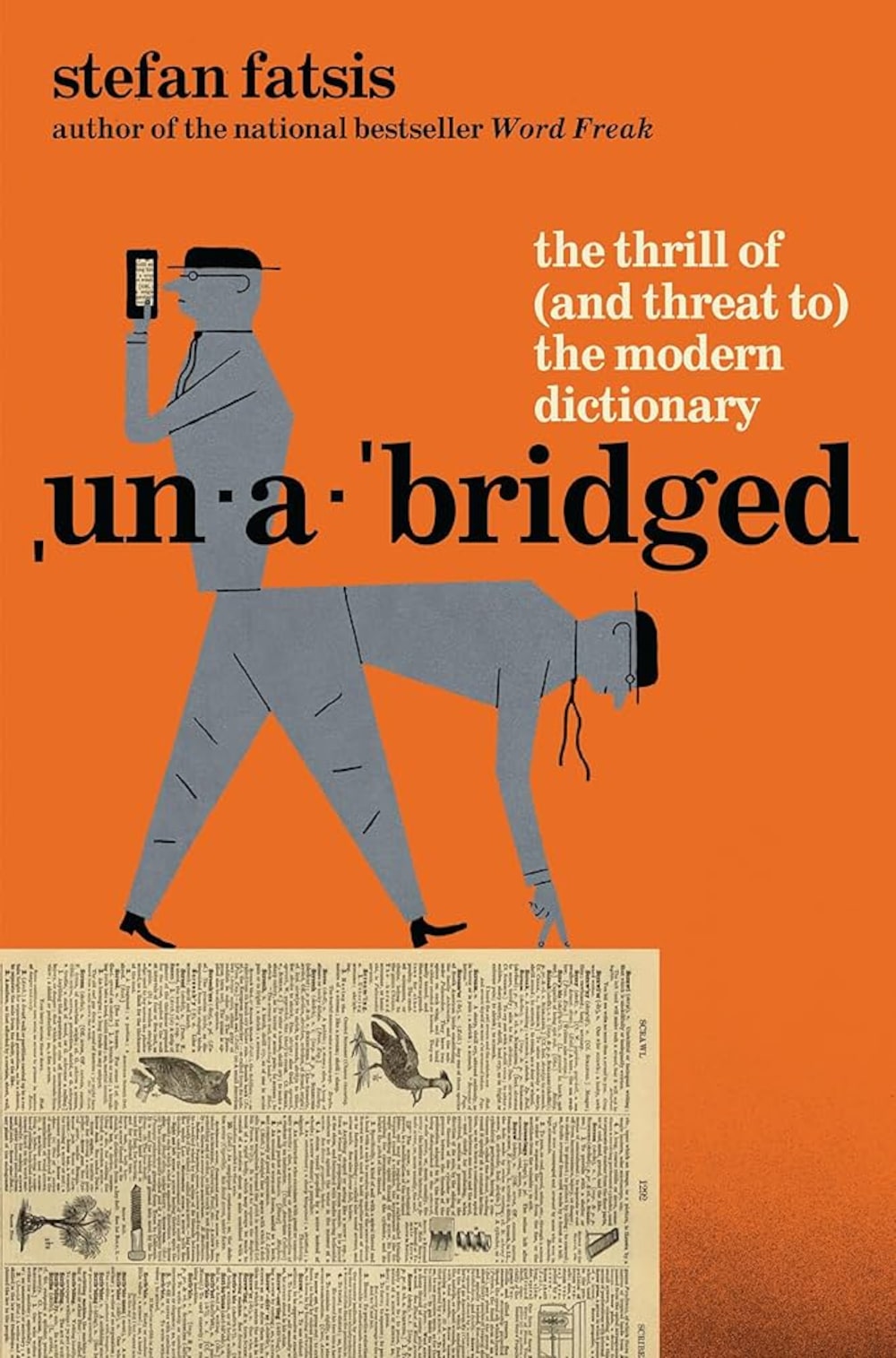
Unabridged: The Thrill of (and Threat to) the Modern Dictionary, Stefan Fatsis (Atlantic Monthly Press) The bestselling author of Scrabble fanatics fave Word Freak plumbs the dictionary and embeds as a trainee lexicographer with Merriam-Webster just as it pivots to pithy social media presence during the 2016 U.S. presidential election campaign and delves into the current state of authoritative institutions.
Looking After Your Books, Francesca Galligan (Bodleian Library Publishing) This quirky, beautifully-produced hardcover by a librarian at Oxford’s Bodleian Library balances high-level expertise with at-home pragmatism: Advice on setting up a library, collecting, caring for volumes, how best to shelve and stack and even (heaven forbid) getting rid of books.
Jane Austen’s Bookshelf: A Rare Book Collector’s Quest to Find the Women Writers Who Shaped a Legend, Rebecca Romney (Marysue Rucci Books) This bookish investigation into influential, often forgotten authors such as Ann Radcliffe and Frances Burney restores them to literary history and is a must-read for Janeites marking the writer’s 250th anniversary this year.
A Danger to the Minds of Young Girls: Margaret C. Anderson, Book Bans, and the Fight to Modernize Literature, Adam Morgan (Atria Books, Dec. 9) The story of queer icon Anderson, intrepid publisher of avant-garde magazine The Little Review, who first brought James Joyce’s Ulysses to America in the face of extraordinary attempts at censorship for obscenity, combines history, biography and literary criticism for a fulsome portrait of her impact on culture.
Schott’s Significa: A Miscellany of Secret Languages, Ben Schott (Workman Publishing) New York diamond dealers are just one of the 53 subcultures whose jargon and secret lingo go under the microscope (along with sommeliers, auctioneers and tailors) in the latest by the international bestselling author of Schott’s Original Miscellany.
Enough Is Enuf: Our Failed Attempts to Make English Easier to Spell, Gabe Henry (Dey Street Books) This compendium of curiosities and anecdotes about how the wild west of English spelling (and therefore, pronunciation) rules endures, with extraneous and silent letters, is an amusing tour of misfires and defeat.




The culture vulture
Blank Space: A Cultural History of the Twenty-First Century, W. David Marx (Viking) In a book named after a Taylor Swift song, an American fashion and culture writer looks at how pop culture turned into a global ideological battleground and the way Montreal-born Vice hipsters became influential players in it.
Hollywood High: A Totally Epic, Way Opinionated History of Teen Movies, Bruce Handy (Avid Reader Press) A critic and humorist argues that the defining teen movies of the genre serve as a cultural compass of their time (Mean Girls and female bullying; The Hunger Games and teen defiance). American Graffiti, Kids and Heathers appear alongside the John Hughes canon.
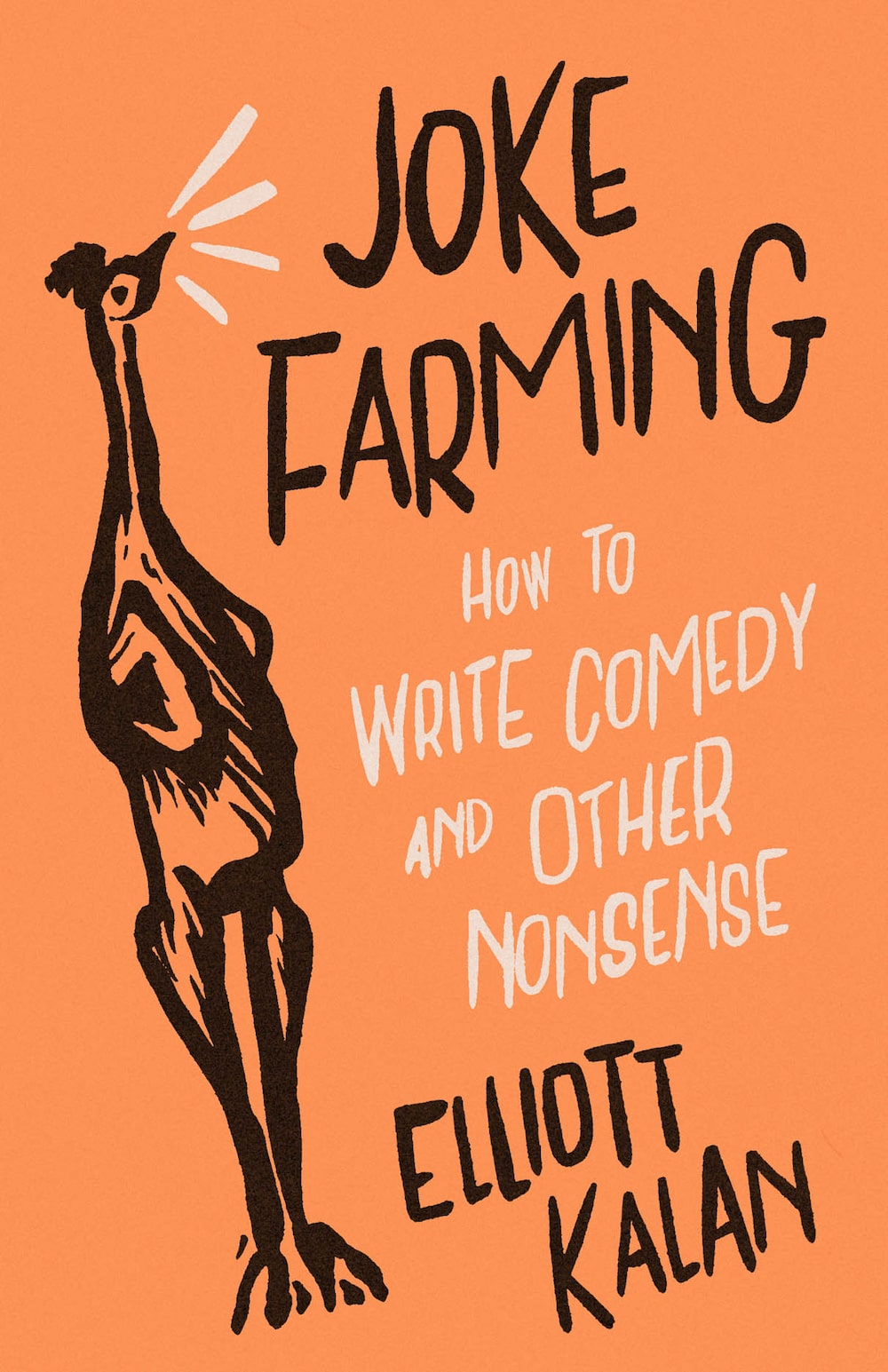
Joke Farming: How to Write Comedy and Other Nonsense, Elliott Kalan (University of Chicago Press) From the former head writer of The Daily Show with Jon Stewart comes a guide to timing, vocabulary, humour and how to be funnier that’s not only great for would-be comedians and fans of stand-up but anyone giving a wedding speech.
Animation for the People: An Illustrated History of the National Film Board of Canada, Charles Solomon (Abrams) An animation historian uses sketches and interviews to flesh out the wide-ranging influence of National Film Board of Canada filmmakers. To date, they’ve earned 78 Academy Award nominations with 12 wins.
How a Game Lives: The Annotated Essays of Jacob Geller, Jacob Geller (HarperPop) A wildly popular YouTube commentator and video game analyst translates 10 of his video essays into written form, delving into politics, social justice and art history as well as the narrative and visual grammar of the medium.
A Hollywood Ending: The Dreams and Drama of the LeBron Lakers, Yaron Weitzman (Doubleday) Fans of the team – and of hoop dreams – will devour this NBA reporter’s behind-the-scenes telling of the 2020 season comeback from the brink after signing LeBron James. Told through hundreds of new interviews, it’s a wild chain of events.


The design guru
Alphabet in Motion: How Letters Get Their Shape, Kelli Anderson (Katherine Small Gallery) Even the cover is interactive in this immersive introduction to the history of typography and evolution of print technologies. Shape-shifting pop-ups and hands-on activities come to life throughout this wondrous book.
Archigram: The Magazine, edited by Peter Cook (D.A.P.) The beloved, short-lived and much mythologized underground architecture magazine of the 1960s is reissued for the first time. The British collective’s ingenious free-form structure is intact in exact facsimiles of all 10 issues published from 1961 to 1974, housed in a clamshell box, down to the gatefolds, flyers, pop-ups and surprise elements.
The Mattel Archive (Rizzoli Electa) Childhood nostalgia is inevitable with the illustrated industrial design history of Mattel through photographs of classic Fisher-Price Ride-Ons, Chatty Cathy, She-Ra dolls and Hot Wheels as well as vintage ads and catalogue pages reproduced from across the toy company’s 80 years.
Concrete, Mon Amour: The Raw Imprint of Modernism, edited by Stefano Perego (Gestalten) The architecture photographer’s latest book covers his decade of travel visiting concrete structures and capturing the ethos of Modernism around the world. Radical visions of a future as imagined in buildings from the 1960s to the 1980s in the Balkans, the Baltic countries, Japan, Israel and more are immortalized here.
Wes Anderson: The Archives (Design Museum) Organized by film and published for a new exhibition of the detail-obsessed filmmaker at London’s Design Museum, this catalogue of hundreds of items that shape Anderson’s total aesthetic universe includes patisserie boxes from The Grand Budapest Hotel and Richie Tenenbaum’s bedroom wall art.
Good Movies as Old Books, Matt Stevens (Chronicle) The brief of this clever design project was to reimagine films as vintage books, with an emphasis on retro paperback quality as much as narrative wit. Legendary film title and poster art designers Saul and Elaine Bass would be proud.


The epicure
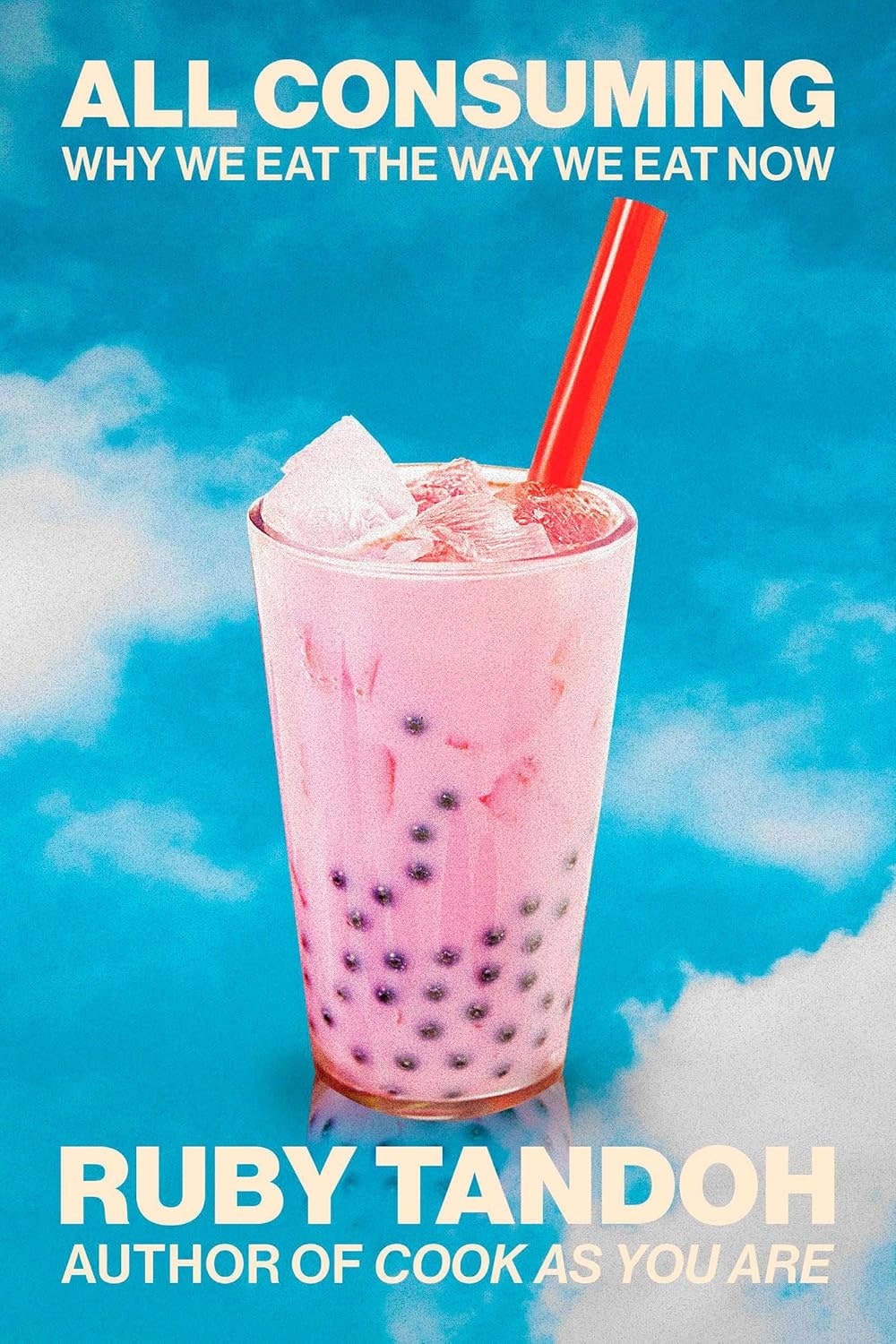
All Consuming: Why We Eat the Way We Eat Now, Ruby Tandoh (Knopf) The pop culture of food preoccupies the TV baking star-turned-columnist as she shrewdly unpacks shifting generational interests, the emergence of restaurant influencers, the hierarchy of grocery store chains and the commodification of gastronomy – served with a dash of cynicism.
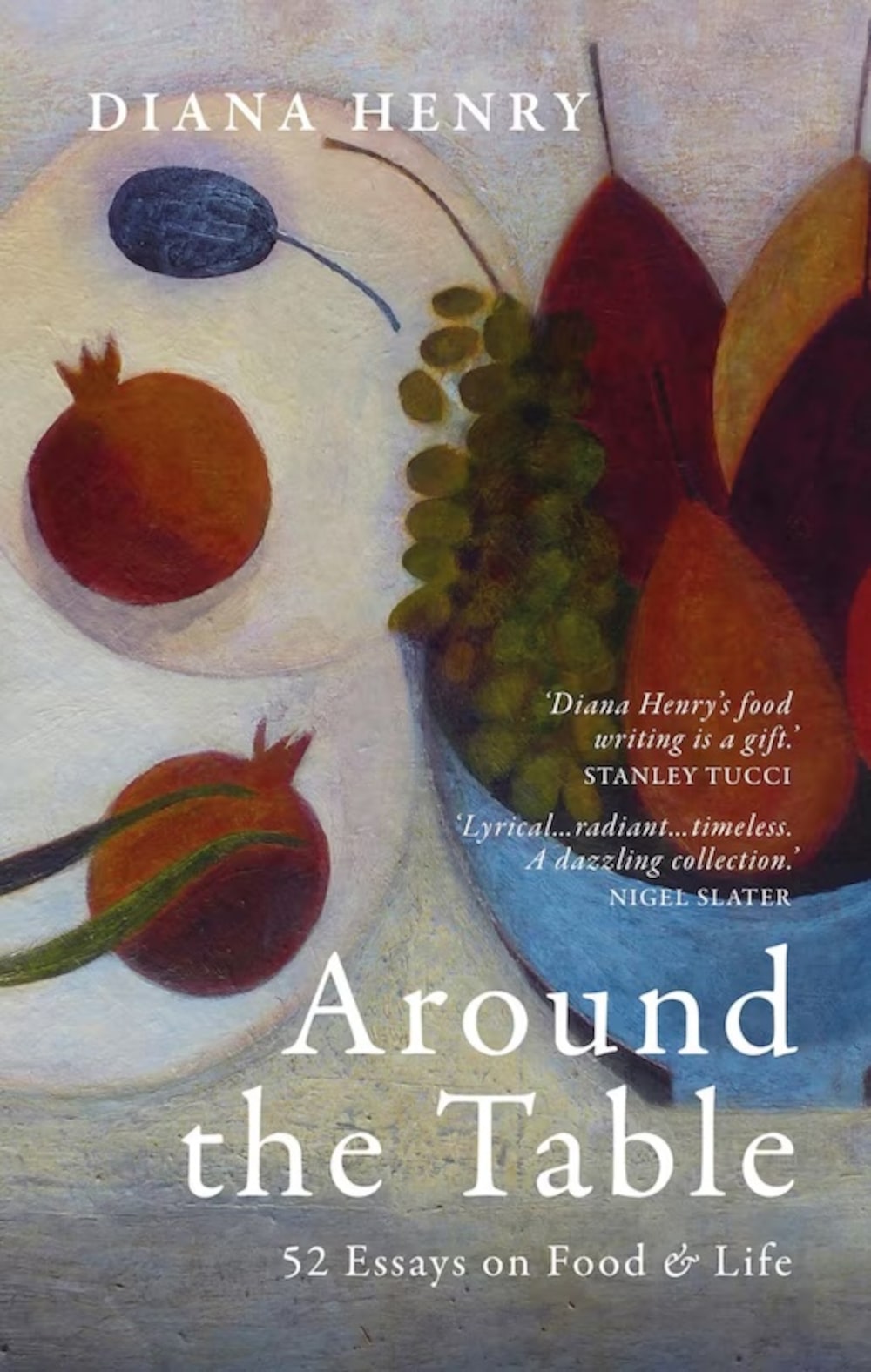
Around the Table: 52 Essays on Food and Life, Diana Henry (Octopus Publishing Group) The essays collected here cover the entire published life of the beloved British food writer, from Crazy Water Pickled Lemons (2002) to the present, travelling around the world, through food fads and family. It whets the appetite.
Tastes and Traditions: A Journey Through Menu History, Nathalie Cooke (Reaktion Books) The traditional restaurant menu, as we learn in this McGill professor’s new book, can be a medium for expression, an artifact of life and trace moments in social change. Illustrated with examples, she covers three centuries of the evolution of dining à la carte.
The Heart-Shaped Tin: Love, Loss, and Kitchen Objects, Bee Wilson (W.W. Norton) There is a special comfort in cherished objects associated with the kitchen, the food writer says. Her awareness of this began with the baking pan used to make her wedding cake, discovered shortly after the end of her marriage. A moving exploration of how everyday items can be loaded with meaning and carry our personal stories.
The Japanese Way of Whisky, Dave Broom (Mitchell Beazley) The Scottish spirits writer visits distilleries, tastes Mizunara oak-aged whisky and shares stories of Japan’s unique whisky culture. As the Canada-U.S. trade war continues, the absence of American alcohol products (such as bourbon) from most provinces is an opportunity to learn about another expanding brown liquor market with a growing international fan base.
The Look of Wine: Reading Wine Color, Florence de La Rivière and Bénédicte Bortoli (Abrams Press) Ruby, claret and 200 shades of rosé pink: The visual experience of wine is not an afterthought in this book saturated with the chromatic diversity across regions, varietals and grapes. Elevated by Jérôme Bryon’s stunning photographs, it is as informative as it is beautiful for the oenophile on your list.


The extremely online
The Onion Story: How a Band of Misfits, Dropouts, and Sad Sacks Built the World’s Most Trusted News Source, Scott Dikkers (BenBella Books) So crazy it must be true – just like a typical deadpan Onion headline. With his distinctive comedic sensibility, the parodic fake-news satirist-in-chief outlines the founding and misadventures of a media brand that has spawned imitators, from The Betoota Advocate in Australia to Canada’s own The Beaverton.
Amateurs! How We Built Internet Culture and Why it Matters, Joanna Walsh (Verso Books) Billed as a philosophical history of the proletarian internet, Walsh plumbs the aesthetics of memes and lolspeak. It’s a eulogy for the web before we began working for platforms that claim to be working for us (and convincing us it’s leisure) – for the expansive and sadly bygone user-friendly 1990s and 2000s iteration that opened up creative avenues.
Racebook: A Personal History of the Internet, Tochi Onyebuchi (Roxane Gay Books) In a series of thoughtful essays peppered with references to movies, novels and video games, Black science fiction and fantasy author Onyebuchi reflects on the evolution of the internet from tool to commercial machine, and his online coming-of-age as a “skinless, raceless entity.”
Superbloom: How Technologies of Connection Tear Us Apart, Nicholas Carr (W.W. Norton) A technology critic revisits the alarm of his cautionary 2010 book The Shallows to look at what the current technological age is doing to our brains, but now with the complication of deepfakes and AI. It’s a familiar but compelling critique of the endless scroll of networked modern communication.
9 Times My Work Has Been Ripped Off: An Informal Self-Defence Guide for Independent Creatives, Raymond Biesinger (Drawn & Quarterly) This slim book by a Canadian designer and illustrator combines productive seething and light philosophical inquiry on navigating creative theft with riffs on digital knockoffs, misappropriations and the nature of creative ownership in a visually-driven digital age.
The Age of Extraction: How Tech Platforms Conquered the Economy and Threaten our Future Prosperity, Tim Wu (Knopf) Shortlisted for a slew of business book prizes, a former White House official who coined the phrase “net neutrality” expounds on how tech giants have mastered wealth extraction (a.k.a. bleeding us dry) and how to stop it.


The good listener
Night People: How to Be a DJ in ’90s New York City, Mark Ronson (Grand Central Publishing) The Grammy and Oscar-winning music producer and songwriter recounts his formative nocturnal years. It’s a memoir full of delicious insider dish that conjures the city’s bygone period of nightlife (think Peter Gatien’s Tunnel, Limelight and Palladium), watching the scene shift from nocturnal eccentrics and legends to celebrities.
Lisette Model: The Jazz Pictures, Audrey Sands, text by Langston Hughes (Eakins Press Foundation) When the pioneering street photographer Model was working on this series in the 1950s, the New York Photo League was investigated for purported connections to the Communist Party. Eventually placed on the FBI’s National Security Watchlist, she shelved the project. Now some of her 1,800 revealing portraits of jazz luminaries (such as Duke Ellington at the Newport Jazz Festival) are at last united.
Pretend We’re Dead: The Rise, Fall, and Resurrection of Women in Rock in the ’90s, Tanya Pearson (Da Capo) The founder of the Women of Rock Oral History Project argues that the grunge movement and alt-rock scene of the early 1990s had a spirit of inclusivity that encouraged transgressive feminism in a male-dominated industry, and captures the indomitable spirit of the era in interviews with the period’s biggest performers.
The Secret Public: How Music Moved Queer Culture from the Margins to the Mainstream, Jon Savage (W.W. Norton Liveright) In this meticulously researched book, the knowledgeable English rock journalist (known for his definitive history of the Sex Pistols and punk) traces how music popularized queer sensibility, from detailed analysis of the repressive gendered era of Little Richard and Tutti Frutti to David Bowie, for an engaging prismatic view.
Uncharted Territory: What Numbers Tell Us about the Biggest Hit Songs and Ourselves, Chris Dalla Riva (Bloomsbury) Pop culture history meets data in this deep dive into the statistics, rankings and patterns of music charts, set against the social landscape of North America. It contains illuminating digressions into the Macarena, payola, the limits of lyrical complexity and whether the SoundScan era (Billboard’s accounting system of record sales) is an accurate mirror of taste.
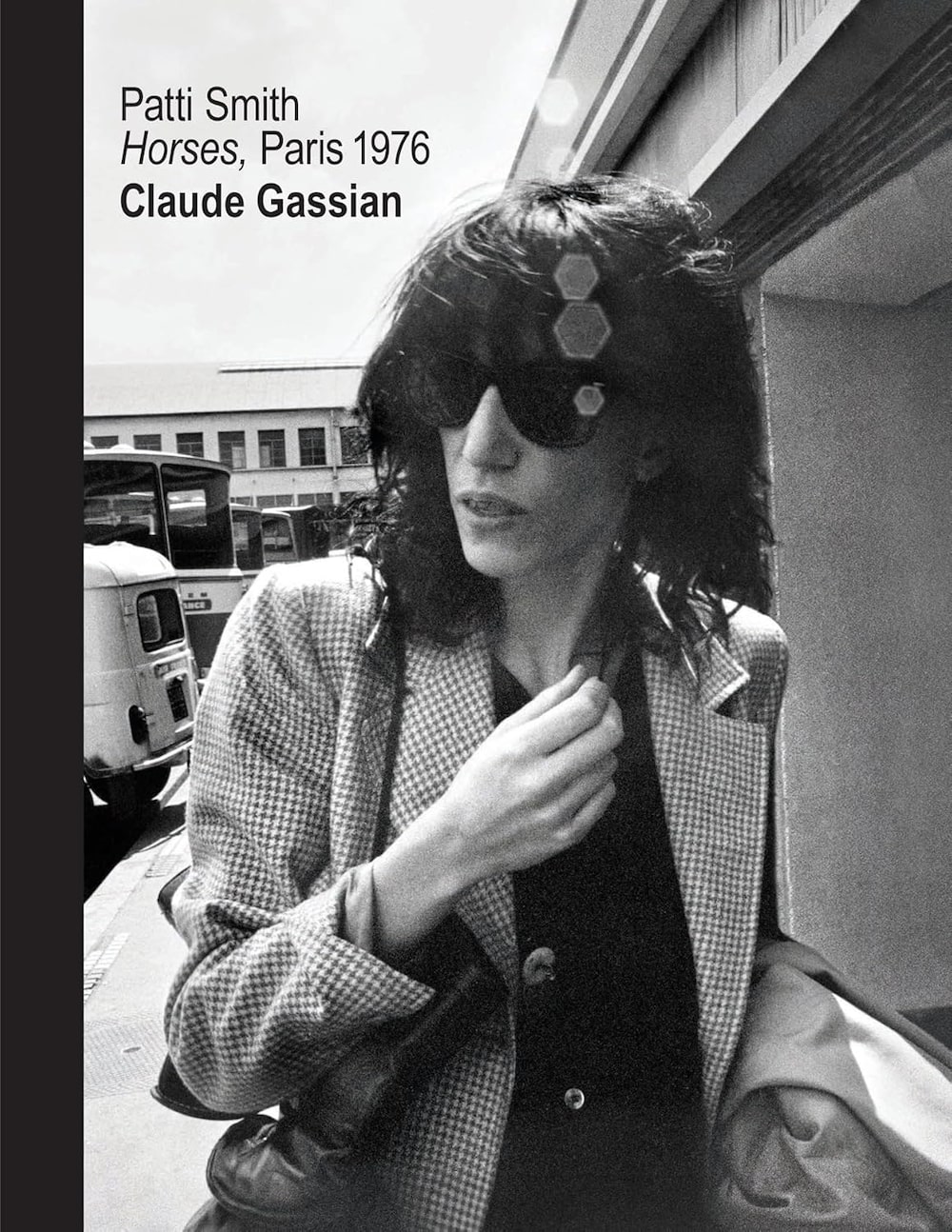
Patti Smith: Horses, Paris 1976, Claude Gassian (Abrams Books) Chances are they’ve already bought themselves Patti Smith’s new memoir, so get them this vivid never-before-published collection of photographs of the music legend, taken by rock ‘n’ roll photographer Claude Gassian during the release of her landmark 1975 album Horses.



The history buff
Ghosts of Hiroshima, Charles Pellegrino (Blackstone Publishing) This immersive account of the two atomic bombs dropped on Japan is based on more than 200 survivor interviews and years of forensic archaeology. It’s being developed for film by Oscar winner James Cameron and the audiobook is read by Martin Sheen.
How to Kill a Witch: The Patriarchy’s Guide to Silencing Women, Zoe Venditozzi and Claire Mitchell (Sourcebooks) The tongue-in-cheek framing device belies its brutality. Laid out like a how-to, this account of the early modern witch trials in Scotland outlines the stages of witch hunts, from identification to trial, and examines the misogyny, social anxiety and belief systems that led to the execution of thousands of women.
Victory ’45: The End of the War in Eight Surrenders, James Holland and Al Murray (Atlantic Monthly Press) Recognizing that the deaths of Benito Mussolini and Adolf Hitler alone were not capable of ending the conflict, two prolific historians of the Second World War chronicle the ordinary human stories around the key capitulations to Allied forces.
America, América: A New History of the New World, Greg Grandin (Penguin Press) The Pulitzer Prize winner goes south of the border for an authoritative and perceptive excavation of North and South America’s complex entangled relationship and spans the horrors of slavery and incursion to the CIA’s frequent intervention in Latin American politics.
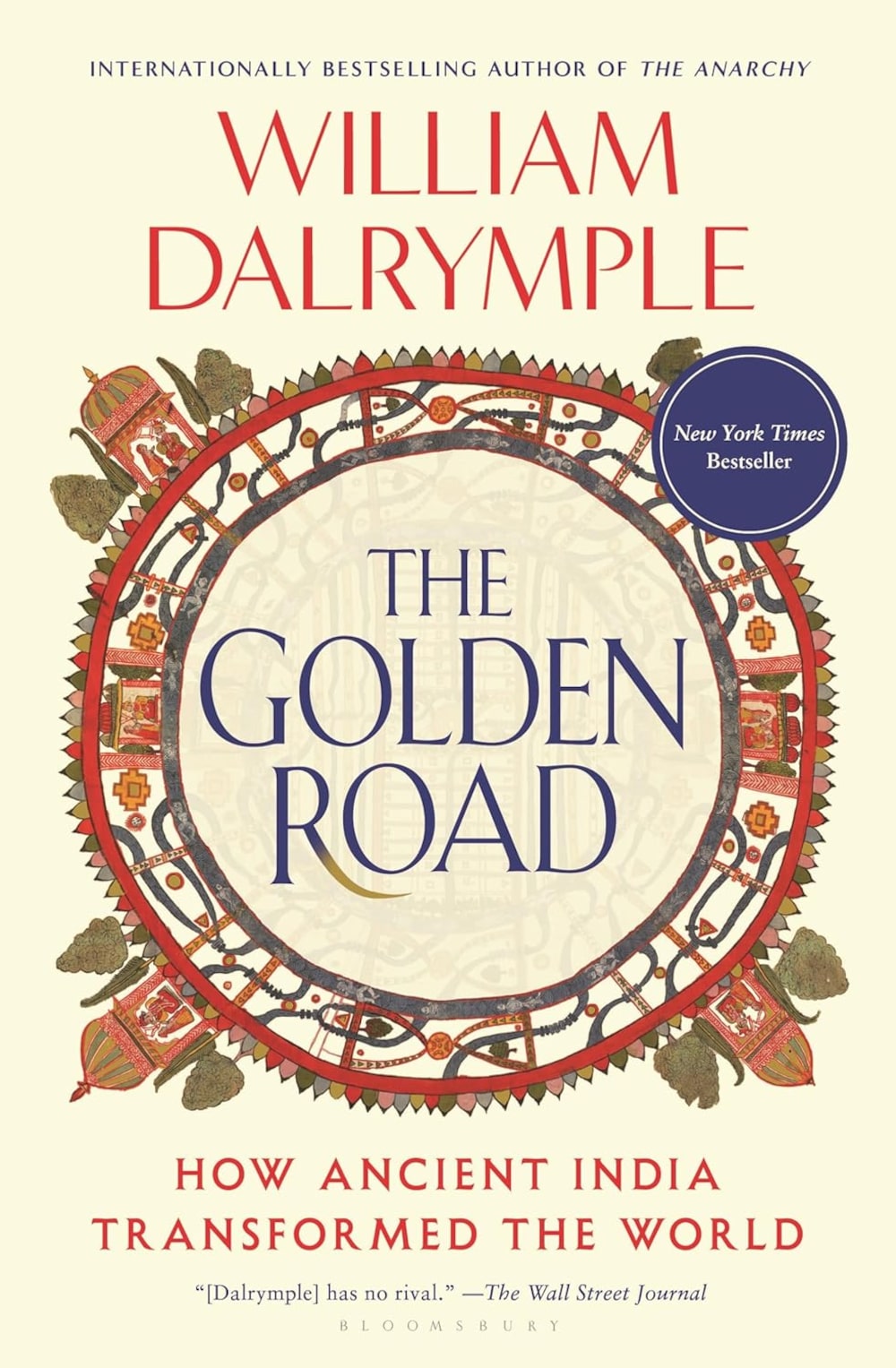
The Golden Road: How Ancient India Transformed the World, William Dalrymple (Bloomsbury) This major work puts India at history’s centre, or at least brings attention to its forgotten influence across the ancient and early medieval world. With colourful storytelling and dramatic arcs, the eminent scholar follows the spread of the subcontinent’s ideas – cosmology, architecture, Hinduism, Buddhism – to assert Indian civilization’s outward influence.
Threads of Empire: A History of the World in Twelve Carpets, Dorothy Armstrong (St. Martin’s Press) History is underfoot, according to this scholar of material culture. Organized around the production, labour and journey behind each rug is a story of cultures, personalities and periods – a knotted-pile Muslim prayer rug from 16th century Anatolia now in a Transylvanian church, for instance.




The know-it-all
How Things are Made: A Journey Through the Hidden World of Manufacturing, Tim Minshall (Ecco) The engineering of production, sprawling factories and supply chains is the subject of this ambitious and delightfully nerdy book, in which a Cambridge University professor of innovation reveals the hidden workings of manufactured products and how they invisibly influence our lives.
Replaceable You: Adventures in Human Anatomy, Mary Roach (W.W. Norton) The witty science writer who previously took readers on a journey around cadavers (Stiff) and the alimentary canal (Gulp) embarks on a tour of the parts of the human body that medicine and science attempt to make. “I wasn’t too far along in the research for this book when I began to suspect what I now believe: that even the simplest part of the human body defies efforts to re-create it.”
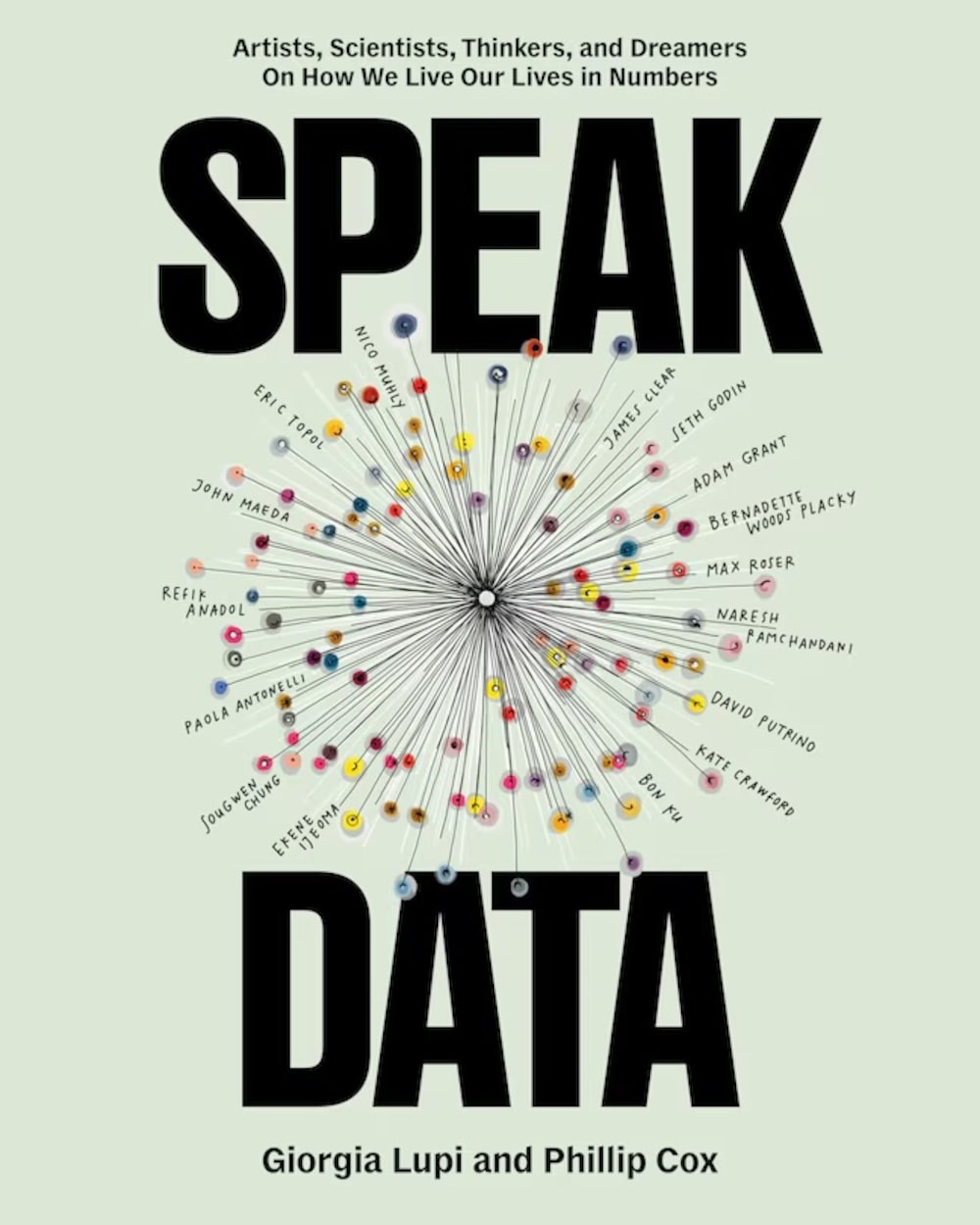
Speak Data, Giorgia Lupi and Phillip Cox (Princeton Architectural Press) The collection, interpretation and use of numerical data visualizations are the focus in these interviews by designer Lupi and brand strategist Cox. Museum curators, meteorologists, writers and patients weigh in on the need for data fluency.
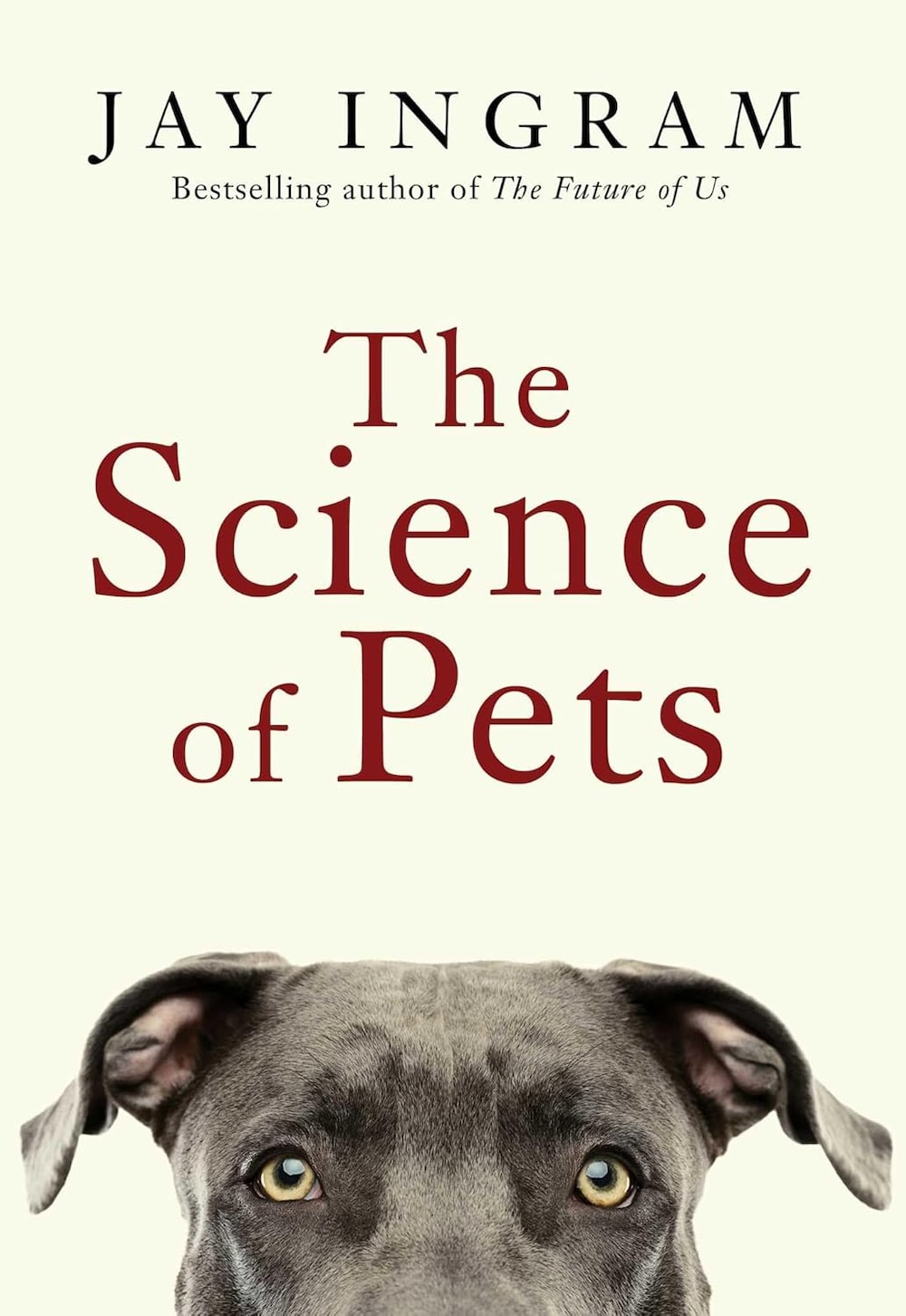
The Science of Pets, Jay Ingram (Simon & Schuster) This one’s for animal lovers. The popular Canadian science writer and TV personality reports on the creatures we keep as pets, positing reasons we bond with certain species and how they evolved into domesticated companions.
The Forgotten Sense: The New Science of Smell, Jonas Olofsson (HarperCollins Canada) A psychology professor explains the mechanics of human smell and how the olfactory system operating in conjunction with our other senses is essential to life and entangled in our personality.
The Mind Electric: A Neurologist on the Strangeness and Wonder of Our Brains, Pria Anand (Washington Square Press) This debut that recounts unusual stories about the function (and dysfunction) of the human mind – in case studies of patients both historical and contemporary experiencing neurological disorders – is being compared to the work of the late Oliver Sacks.




The mindful maven
No Straight Road Takes You There: Essays for Uneven Terrain, Rebecca Solnit (Haymarket Books) The 21 essays in the San Francisco writer’s collection on the existential challenges of the contemporary condition will provoke and inspire. Poetic but clear-eyed, they cover a lot of ground – ecology, climate change, political extremism and social inequities.
Waste Wars: The Wild Afterlife of Your Trash, Alexander Clapp (Little, Brown and Company) It’s not a coincidence that Tony Soprano worked in waste management. In this deeply researched look into the trash industry, ever-increasing garbage from wealthy Western countries is transported to an uncertain fate by decidedly nebulous forces. It’s both engrossing and sobering.
While the Earth Holds Its Breath: Embracing the Winter Season, Helen Moat (Saraband) To learn a new approach to winter, the author journeys to Lapland in Finland and Japan to discover how other cultures deal with the season of short, grey days. Evocative descriptions of nature abound in this meditation on coming to terms with the cold, dark winter not as a season to be dreaded and endured but enjoyed with gratitude, on its own terms.
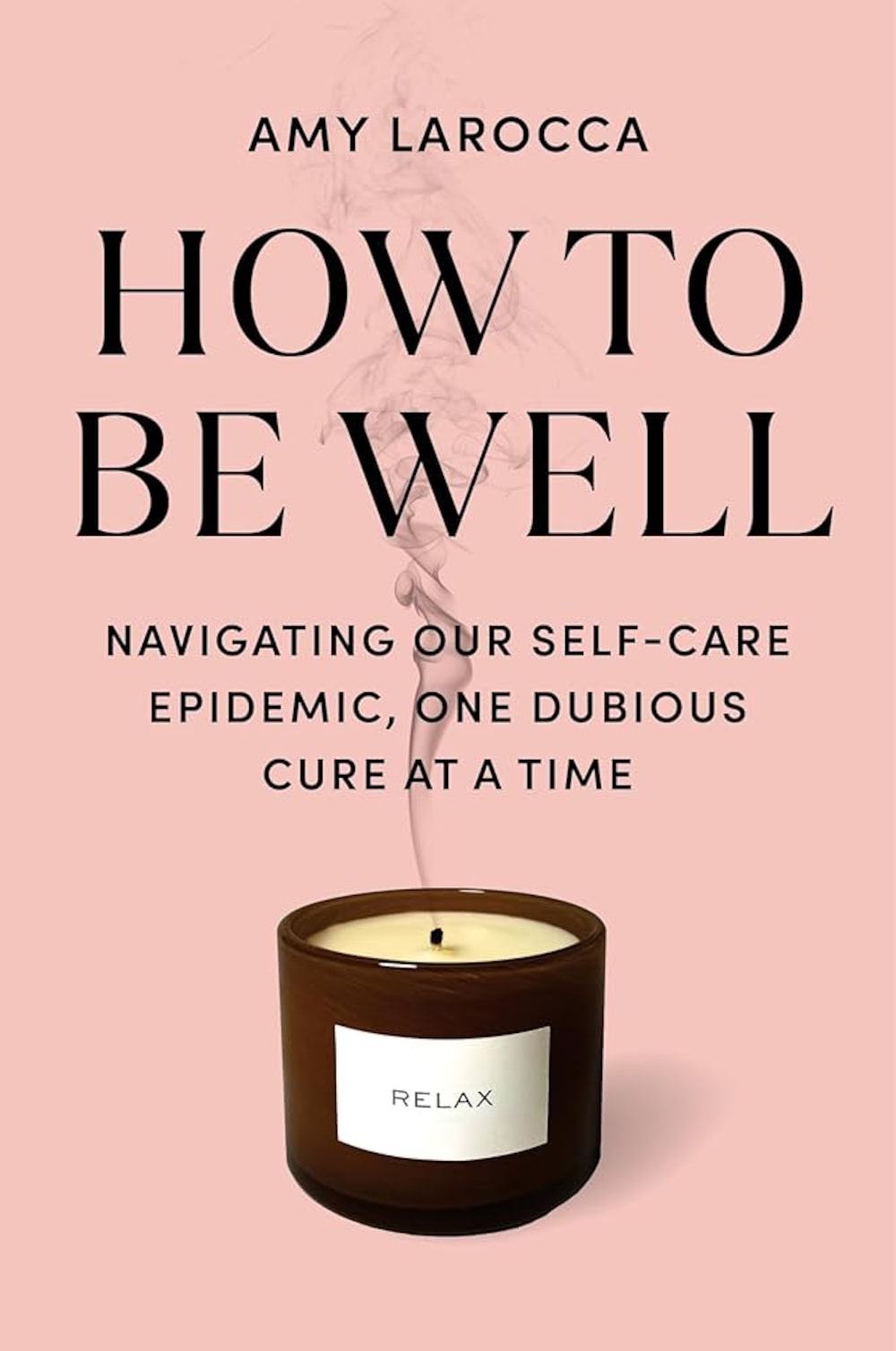
How to Be Well: Navigating Our Self-Care Epidemic, One Dubious Cure at a Time, Amy Larocca (Knopf) This entertaining investigation is for both devotees and skeptics. A journalist probes the contours of the multibillion-dollar global wellness industry, the domain of specialty groceries and private clinics offering self-care and optimization aimed primarily at women, to dissect the marketing of wellness as the ultimate luxury product.
The Healing Power of Korean Letter Writing, Juhee Mun, translated by Clare Richards (Random House Canada) Geulwoll is a stationery shop in Seoul with a cult following. This slim volume by the store’s owner is a tribute to the lost art of correspondence and the importance of finding connection. It offers guidance (complete with writing prompts and tips on paper selection, naturally) while reflecting on the benefits of cultivating this analog ritual.
Home, India Knight (Fig Tree) The British novelist and lifestyle columnist’s eponymous newsletter is the number one global bestseller in Design on Substack and inspired this handbook of observations and advice on cultivating one’s home. It’s reassuringly wise on eschewing minimalism and surrounding ourselves with the things that make us happy.


The mogul
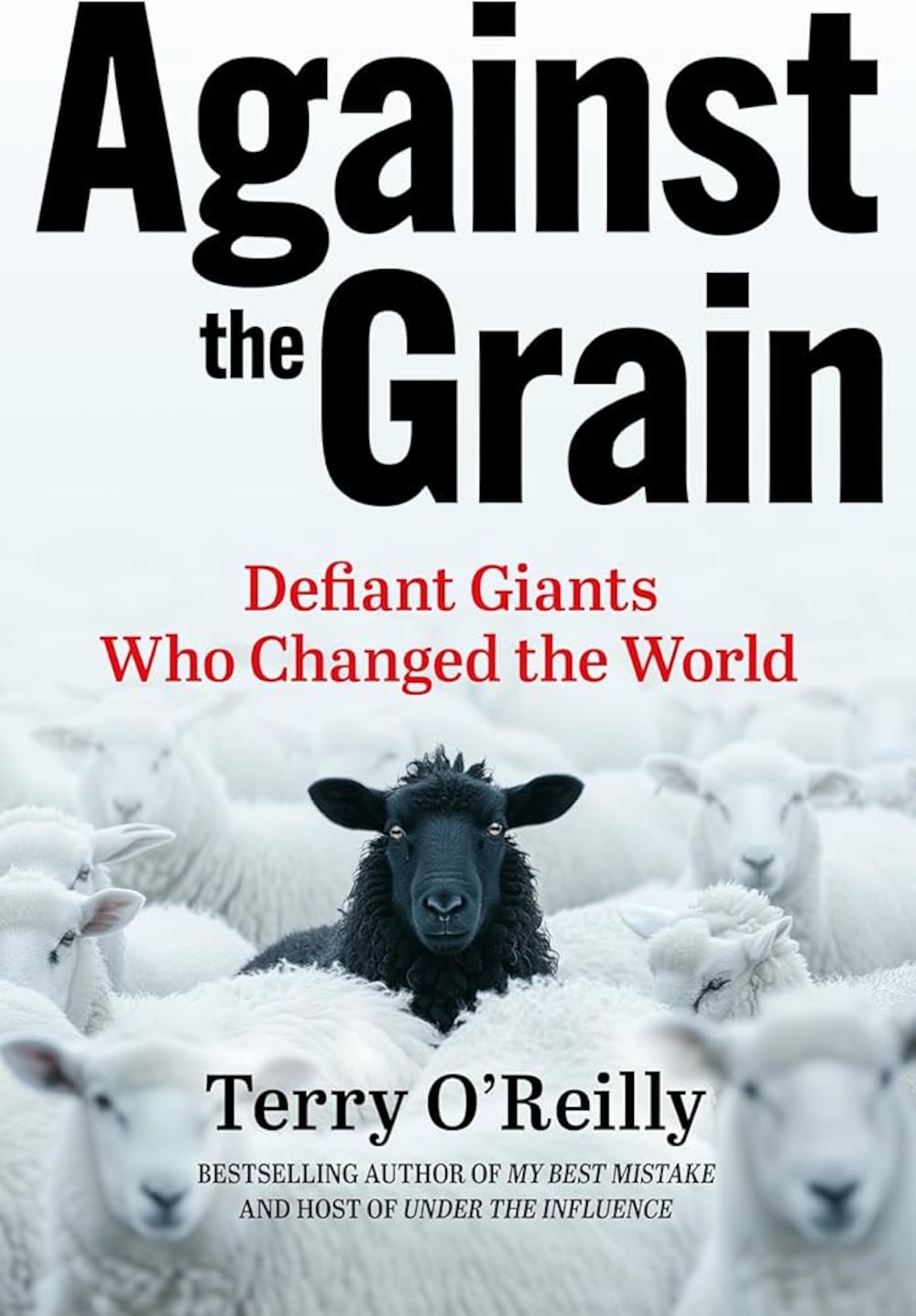
Against the Grain: Defiant Giants Who Changed the World, Terry O’Reilly (Collins) The host of CBC Radio’s Under the Influence, an expert on persuasion, turns his attention to contrarians to glean wisdom from their failures and success, be they Dr. Katalin Karikó, co-creator of the COVID vaccine, or how writer and producer Norman Lear, the father of the socially-conscious sitcom, became a television titan by bucking prevailing trends and challenging the system.
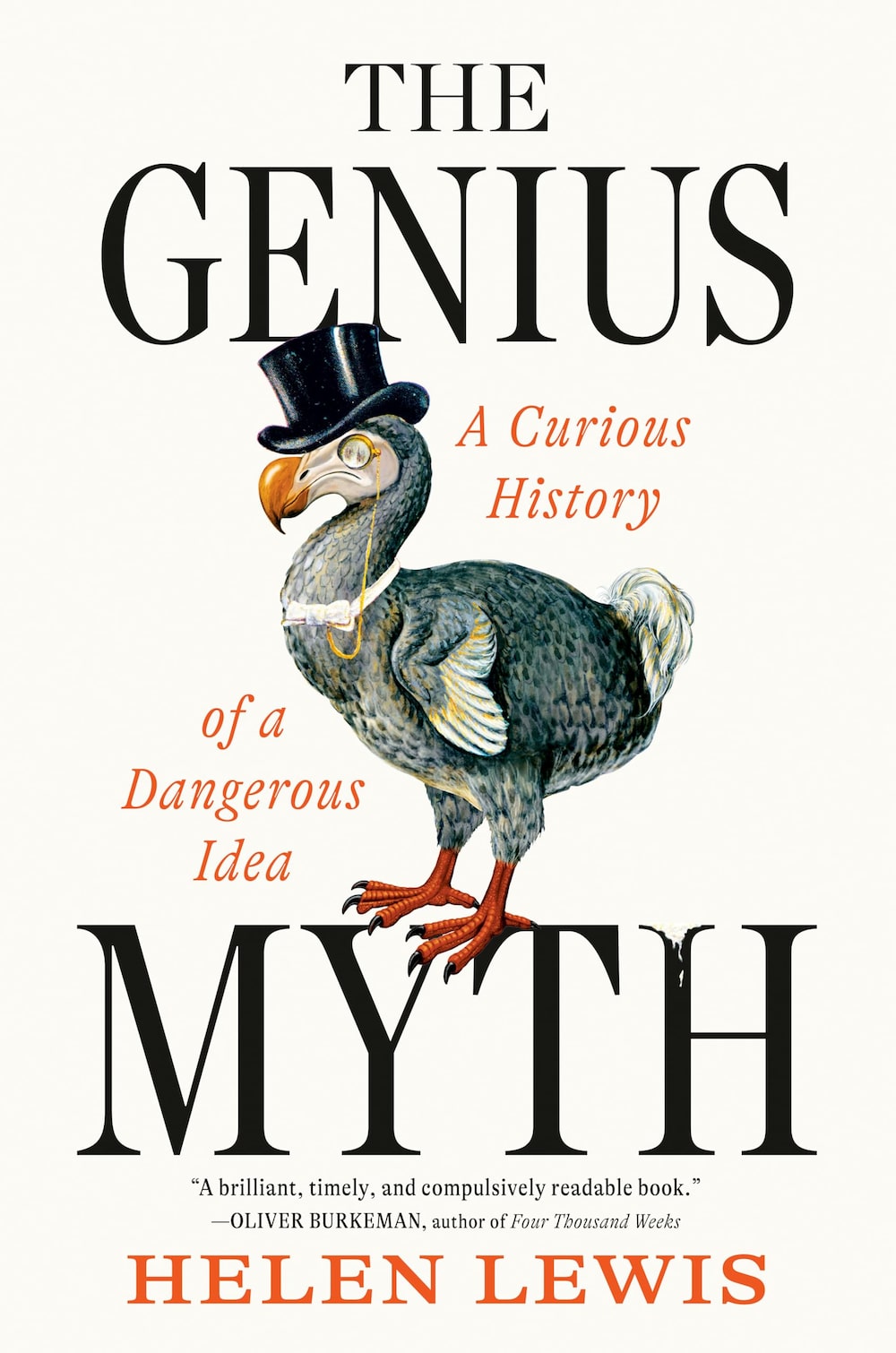
The Genius Myth: A Curious History of a Dangerous Idea, Helen Lewis (Thesis) This perceptive book by a staff writer at The Atlantic unpacks the persistence of the genius myth and the allure of anointing great minds. It challenges society’s lionization of genius archetypes – the messy reality of Shakespeare, Mozart and, yes, Elon Musk.
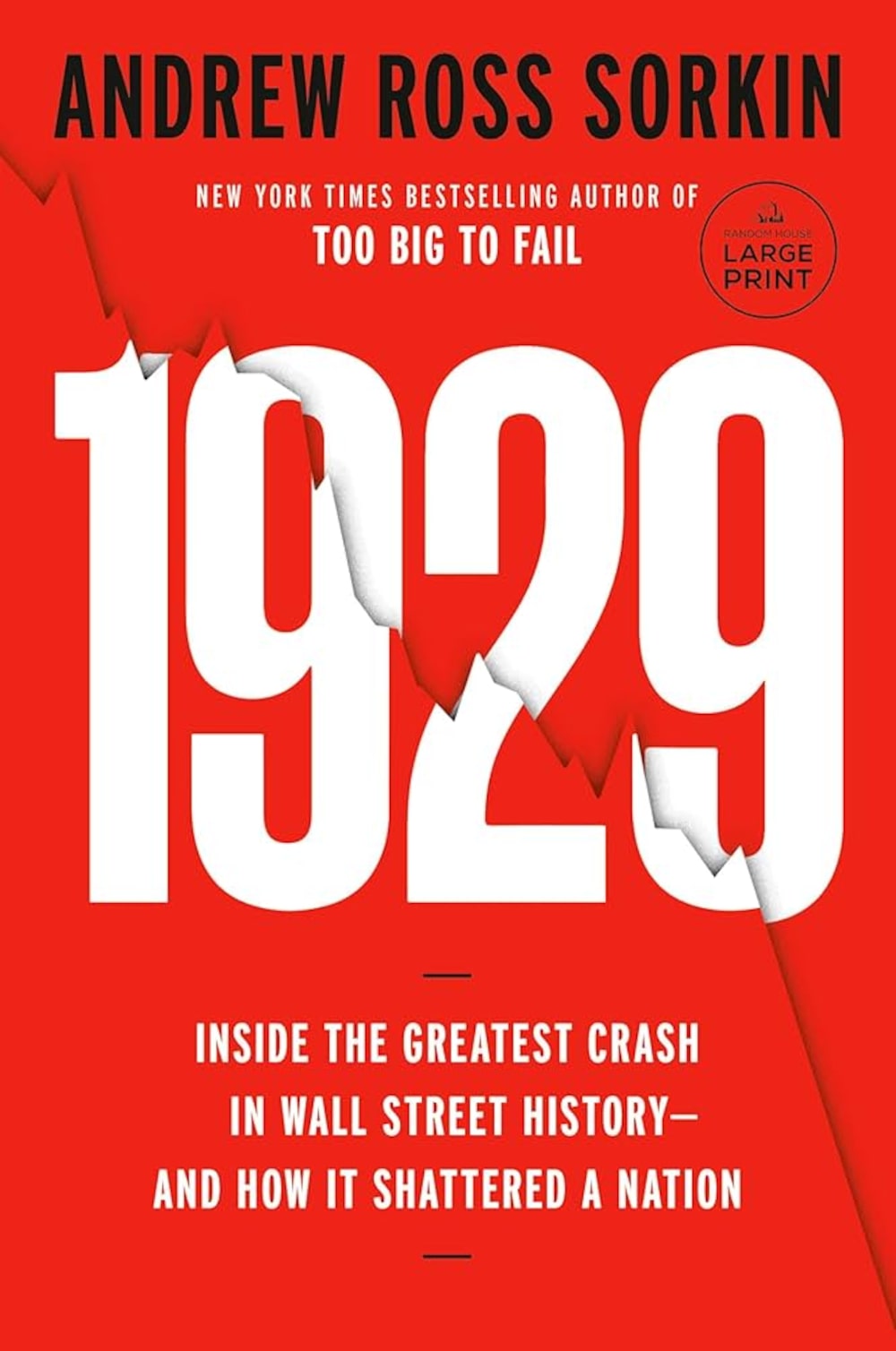
1929: Inside the Greatest Crash in Wall Street History – and How it Shattered a Nation, Andrew Ross Sorkin (Viking) The journalist behind Too Big to Fail and co-creator of TV show Billions knows how to wring dazzling melodrama out of economics. Here he weaves storytelling and analytical history about how the Roaring Twenties came to a halt with the Great Crash, in a gripping account of the decisions dozens of players made during the most consequential financial crash in North American economic history.
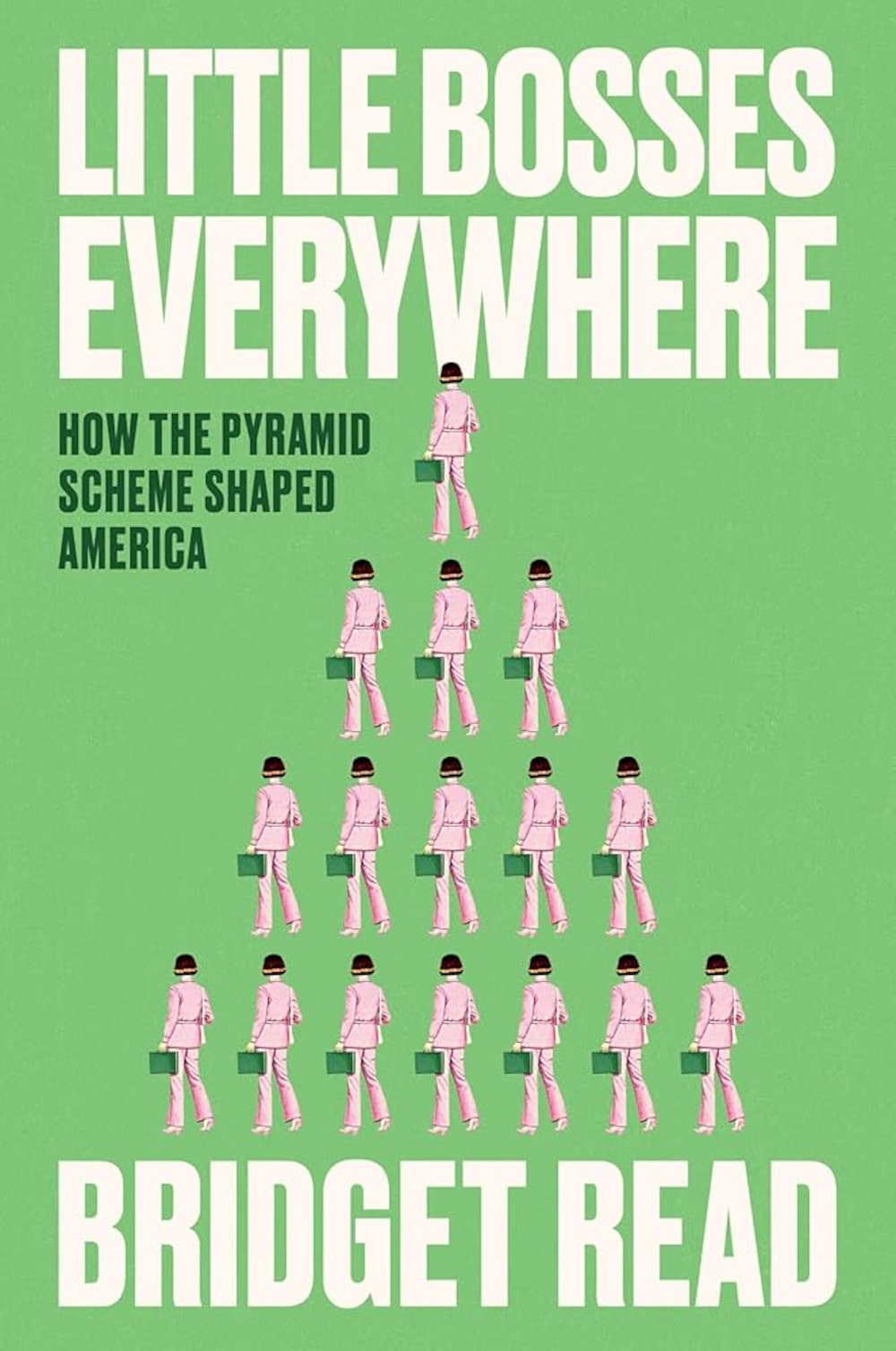
Little Bosses Everywhere: How the Pyramid Scheme Shaped America, Bridget Read (Crown) Vitamin company recruiters first saw the potential of multilevel marketing schemes in the 1940s, and a new spin on capitalism was born. A New York magazine journalist’s exposé on the history and cultish internal culture of the MLM business model encompasses how they spread the doctrine of free enterprise and pseudo-entrepreneurship and even power conservative politics.
Dirtbag Billionaire: How Yvon Chouinard Built Patagonia, Made a Fortune, and Gave it All Away, David Gelles (Simon & Schuster) In 2022, Patagonia founder, environmentalist and avid rock climber Yvon Chouinard signed away the entire outdoor gear company to a non-profit and trust. Can there be such a thing as an ethical billionaire? Gelles gamely dives into the paradox of whether the philanthropist is a new model for socially conscious enterprise.
How Progress Ends: Technology, Innovation, and the Fate of Nations, Carl Benedikt Frey (Princeton University Press) With a nuanced study of the past thousand years of technological and economic development that has reshaped societies (and what slows innovation down), an economic historian considers the dichotomies between decentralized dynamism, centralized coordination and scaling to nurture technological progress.



The nature lover
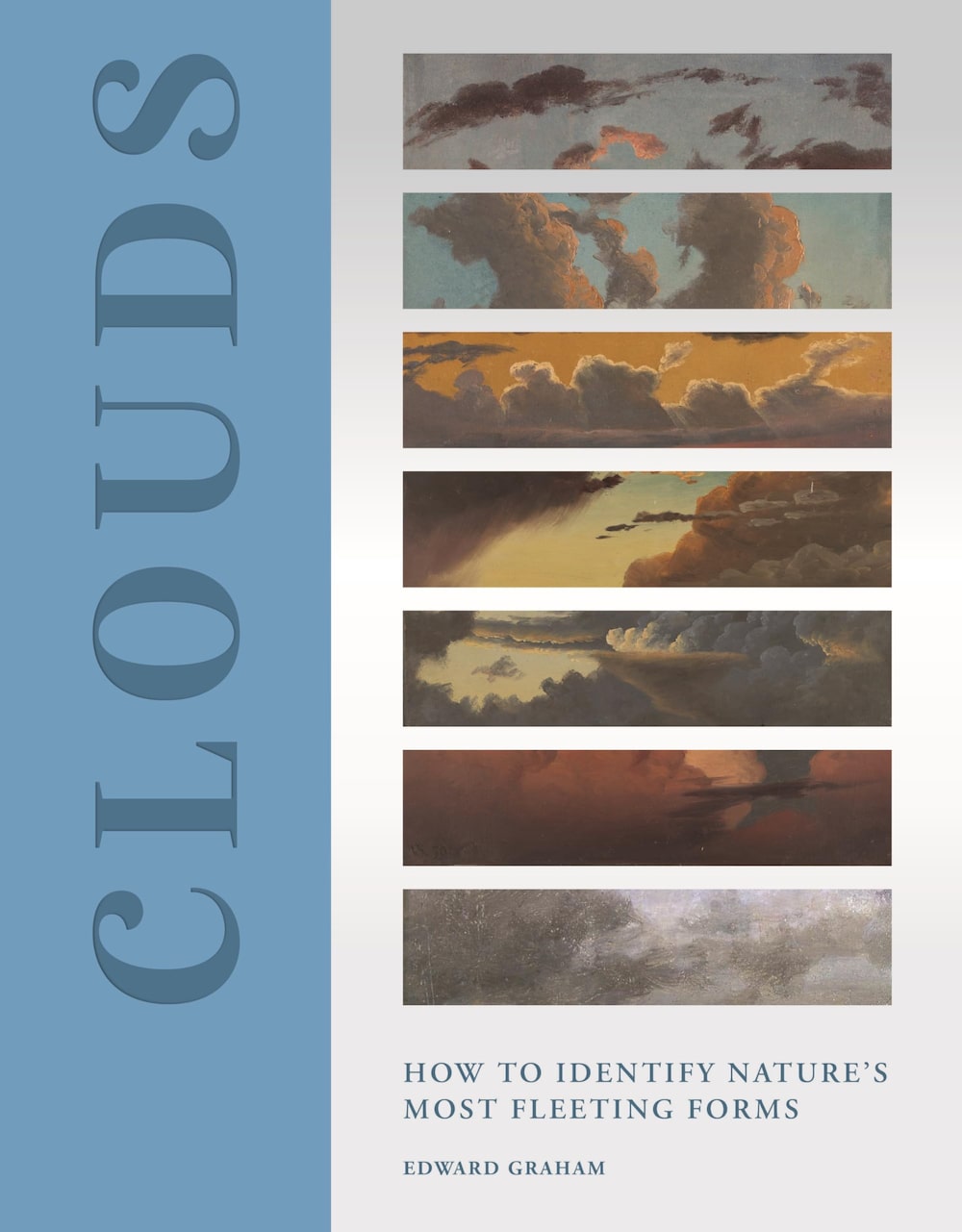
Clouds: How to Identify Nature’s Most Fleeting Forms, Edward Graham (Princeton University Press) Joni Mitchell sang about their ephemeral illusions. Atmospheric scientist Graham demystifies them. Science and art history come together in his accessible companion to the sky’s ever-changing spectacle: It’s peppered with examples from fine art (such as cumulus-loving Impressionists), ranging from foreboding leviathan cumulonimbus to the atmospheric phenomena known as circumzenithal arcs.
A Year with Gilbert White: The First Great Nature Writer, Jenny Uglow (Faber & Faber) In this charming idiosyncratic tome, a prize-winning biographer tells the life of the great English naturalist by following the daily entries of his 1781 journal. Glimpses of his battles with wasps, or noting spring’s first swallow, loop back and forth in time to form a portrait.
Life on a Little-Known Planet: Dispatches from a Changing World, Elizabeth Kolbert (Crown) Seventeen thought-provoking pieces about climate change and the natural world by a Pulitzer-winning environmental journalist are gathered here, including her adventures in beekeeping, and joining an entomologist on a Texas caterpillar-collecting expedition.
Lost Wonders: 10 Tales of Extinction from the 21st Century, Tom Lathan (Picador) The accounts here of recently extinct species are evocative and moving (if not downright devastating), such as the story of invasive snail species imported, with thoughtless arrogance, by a French military officer to Polynesia, or the 2012 death of 102-year-old Lonesome George, the last known male Pinta Island tortoise in the Galápagos.
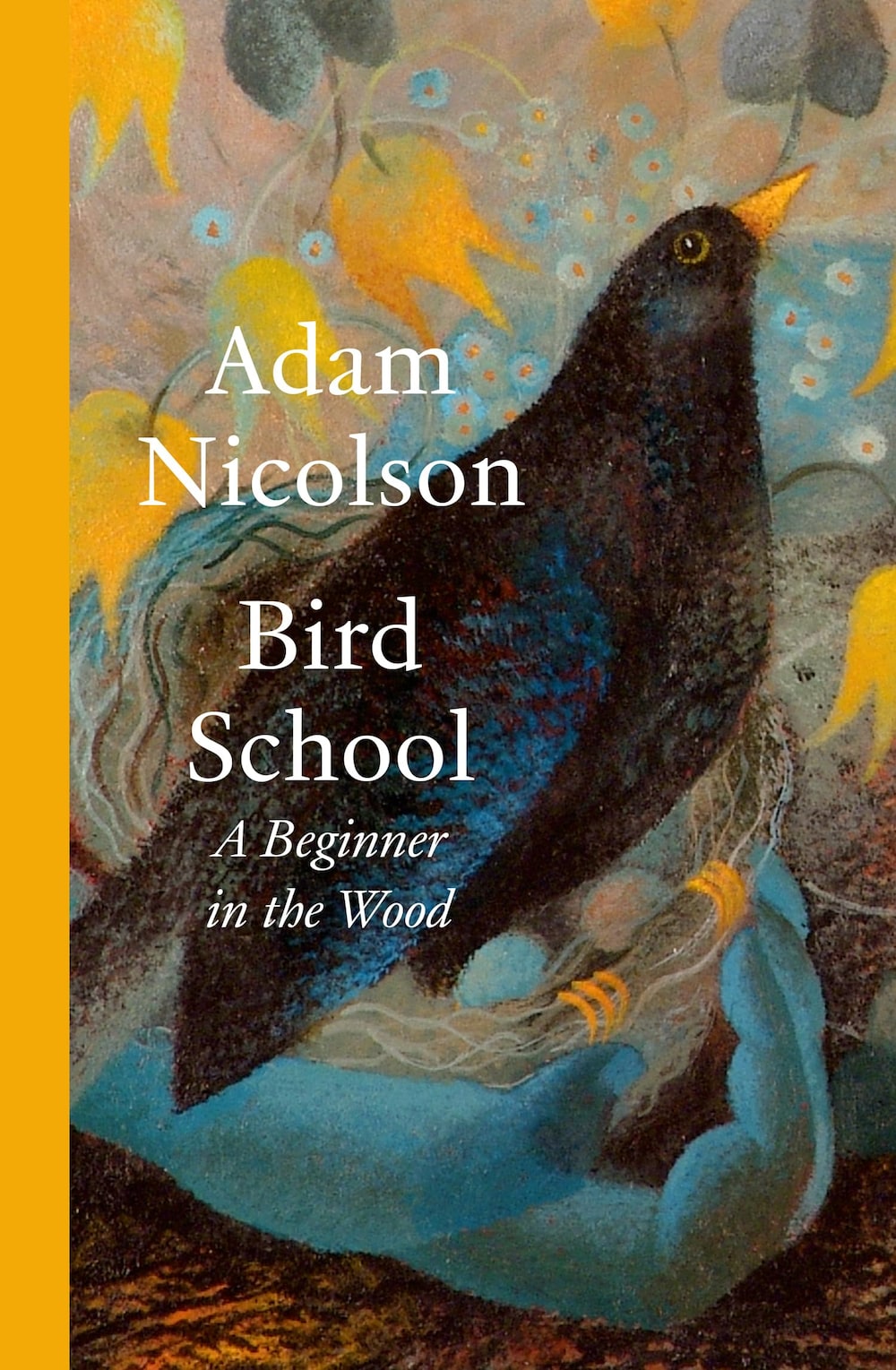
Bird School: A Beginner in the Wood, Adam Nicolson (Farrar, Straus and Giroux) A sense of wonder permeates the lyricism of Nicolson’s experience observing birds – nightingales, ravens, warblers and more – from a shed he builds in a forgotten field near his Sussex home, in this literary and philosophical ode to our relationship with wildlife that encompasses paleontology, poetry, even music.
Eyes in the Soles of My Feet: From Horseshoe Crabs to Sycamores, Exploring Hidden Connections to the Natural World, Caroline Sutton (Schaffner Press) Everything is connected: Crabs, Greenland sharks, Nazca geoglyphs. The science writer manages to weave overlooked or misunderstood life forms together in memorable essays, proof that the signature of all things and clues to humanity are hidden in nature.




The politico
Gilded Rage: Elon Musk and the Radicalization of Silicon Valley, Jacob Silverman (Bloomsbury Continuum) An origin story of the new tech right traces the shift away from political allegiance to liberal ideals, wooed by the promise of deregulation that aligns with their often-libertarian tenets.
Black Arms to Hold You Up: A History of Black Resistance, Ben Passmore (Pantheon) The award-winning political cartoonist’s graphic novel time-travels through the history of Black life and militancy to the present, by way of an alter-ego named Ben and his father, while exploring the generational divide of attitudes toward resistance.
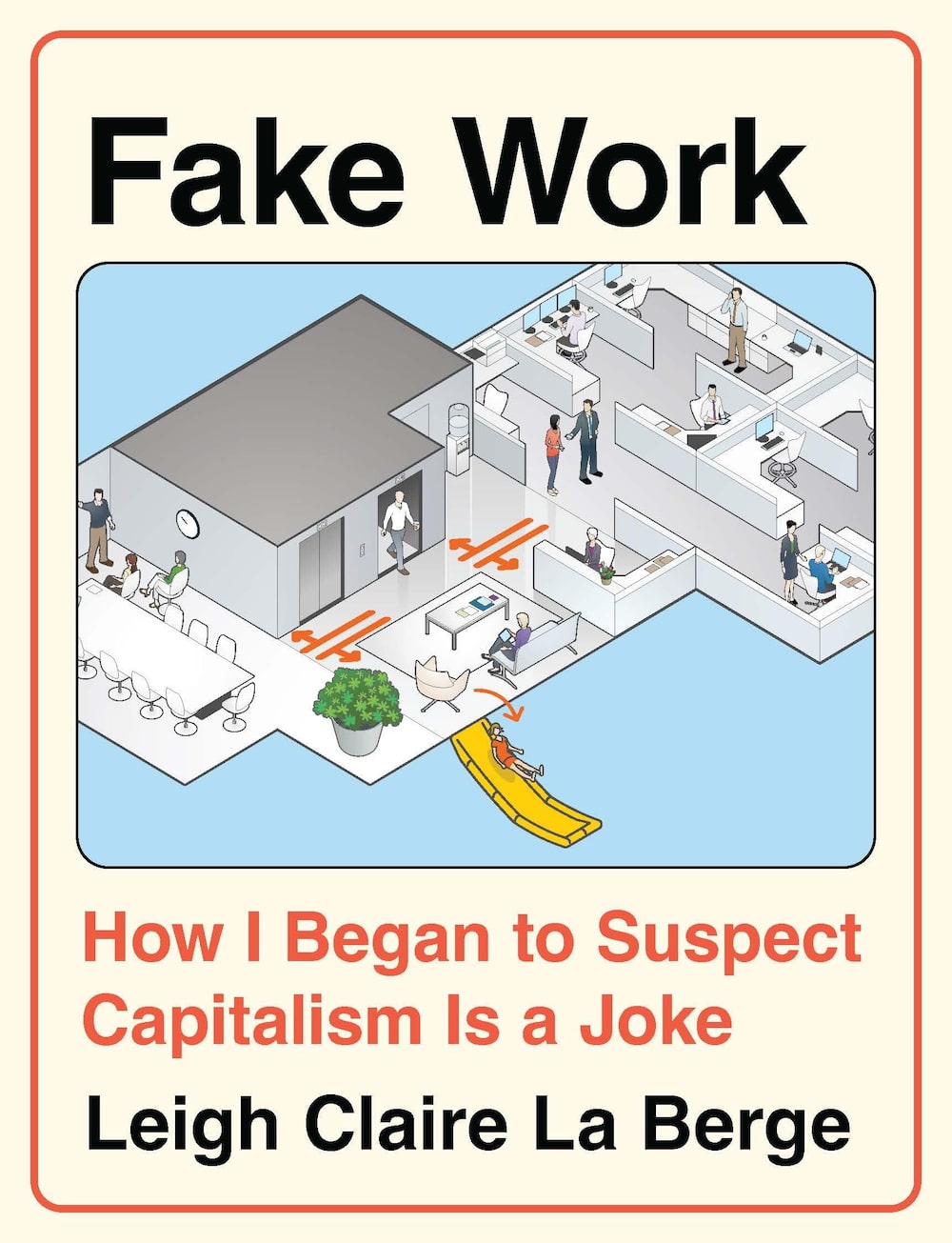
Fake Work: How I Began to Suspect Capitalism is a Joke, Leigh Claire La Berge (Haymarket Books) The author’s memoir of her time at a Fortune 500 management consulting firm in the late 1990s cubicle era, and the absurd level of data documentation undertaken while bracing for an anticipated Y2K crisis, serves as an amusing critique of capitalism.
The Sirens’ Call: How Attention Became the World’s Most Endangered Resource, Chris Hayes (Penguin Press) The MSNBC political commentator deconstructs the monetization of attention, from the infinite scroll of social media to breaking stories and the outrage economy, that have altered how we engage with news and politics.
Radical Cartography: How Changing Our Maps Can Change Our World, William Rankin (Viking) A historian argues that maps are not neutral visualizations of information but innately political constructions that fundamentally shape our world, with more than 150 provocative examples challenging the map as a tool of the status quo.
Sorry, Not Sorry: An Unapologetic Look at What Makes Canada Worth Fighting For, Mark Critch (Viking) The Newfoundlander and This Hour Has 22 Minutes star’s essays are a direct riposte to our southern neighbour’s recent, not-so-veiled threats of annexation. Flags and maple leaves, CanCon and the monarchy are dissected with Canuck hallmarks of sincerity, sarcasm and wordplay. (Think: Pierre Berton wielding a shiv whittled by Stephen Leacock.)


The unclassifiable
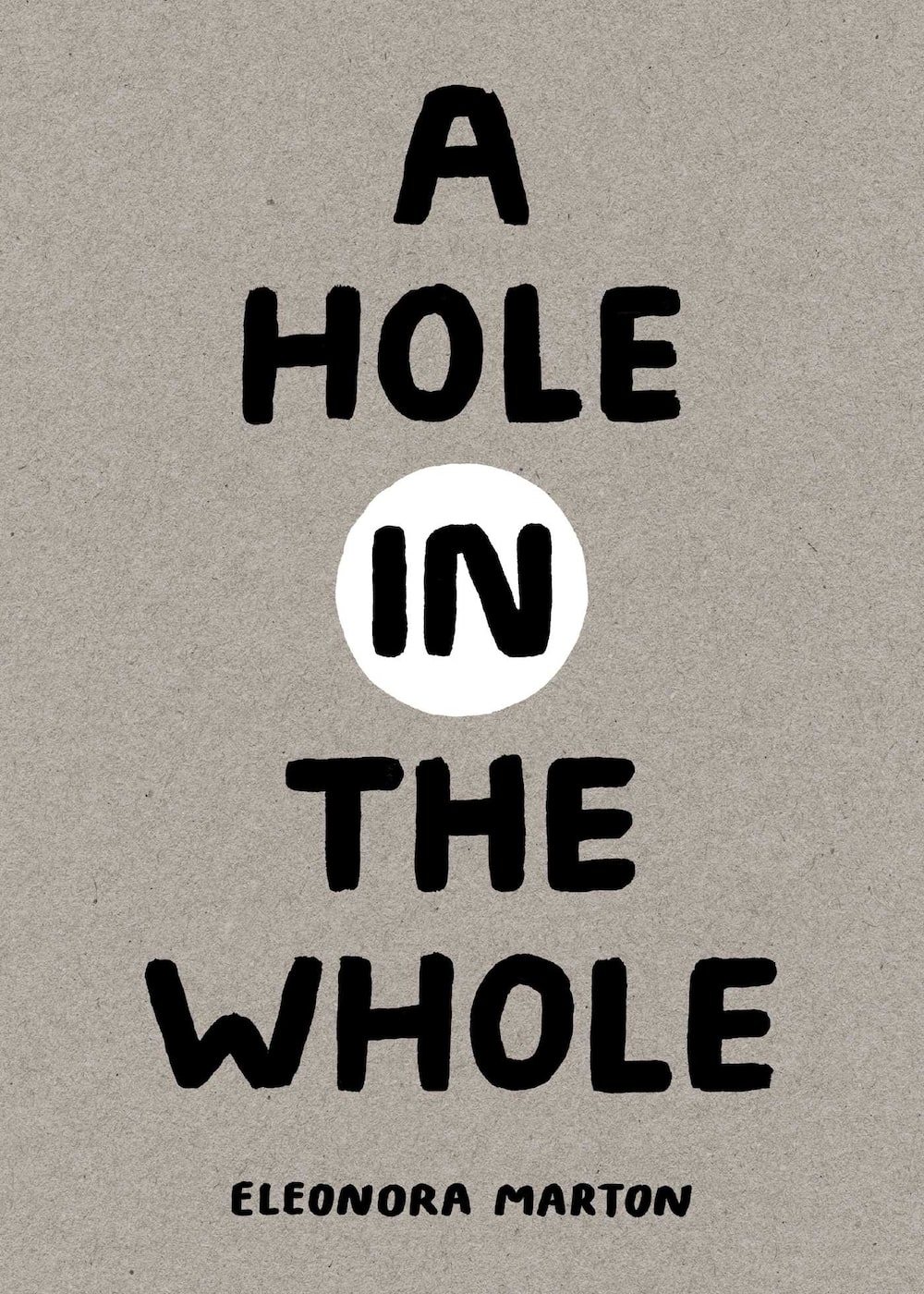
A Hole in the Whole, Eleanora Marton (Tra Publishing) Inspired by a 1959 book of conceptual picture ideas, the imaginative leaps in an Italian illustrator’s experience through fields of colour and context add up to both a refreshing mind cleanse and brain-challenging visual Sudoku.
Black in Blues: How a Color Tells the Story of My People, Imani Perry (Ecco) The National Book Award-winning Harvard scholar of race, law and African American culture considers the Black experience through the lens of blue (the indigo-dyed cloth used as currency in the West Africa slave trade; the ‘blue’ note in jazz) and its legacy as a colour of both melancholy and hope.
The Breath of the Gods: The History and Future of the Wind, Simon Winchester (Harper) The British-American journalist, who has written deep dives on events like the 1883 eruption of Krakatoa and the creation of the Oxford English dictionary, turns his gaze to the mysterious, ineffable and unseen movement of air.
The Slicks: On Sylvia Plath and Taylor Swift, Maggie Nelson (McClelland & Stewart) This biographical essay draws parallels between the confessional poet and the pop star, figures divided by half a century, to answer questions about making use of one’s personal history and the public commentary that follows when women do it.
Jason Polan: The Post Office, edited by Jason Fulford (Printed Matter, Inc.) Saved letters and mail art ephemera by the late American artist, known for his project Every Person in New York, form a “kind of portrait, and a manifesto for finding happiness in the tiny details of life.”
Finnish Sauna: Steam, Wood, Stone and How to Build Your Own, Lassi A. Liikkanen (Quercus Publishing) Do try this at home: Finnish sauna culture was added to UNESCO’s List of Intangible Cultural Heritage of Humanity in 2020 and, thanks in part to places such as Othership, the health craze for cleansing mind and body with the traditional bathing ritual has gone global.