

Campus novels are having a moment this fall, while a host of new Canadian titles unfold across Louis Riel’s West, 1980s Thetford Mines, late sixties Northern Ontario and a near-future Montreal. Add some conspicuous literary comebacks, Victorian Hell, Viking Greenland and a few genuine doorstoppers, and there’s plenty to carry readers of both fiction and non-fiction into winter.
September

The Radiance, Ayad Akhtar (S&S/Summit Books) The Pulitzer Prize-winner gives his protagonist his own name – then runs him off the road. Emerging from a coma minus his spleen, “Akhtar” finds his consciousness radically altered, launching a strange journey through perception, identity and, eventually, a campus scandal.
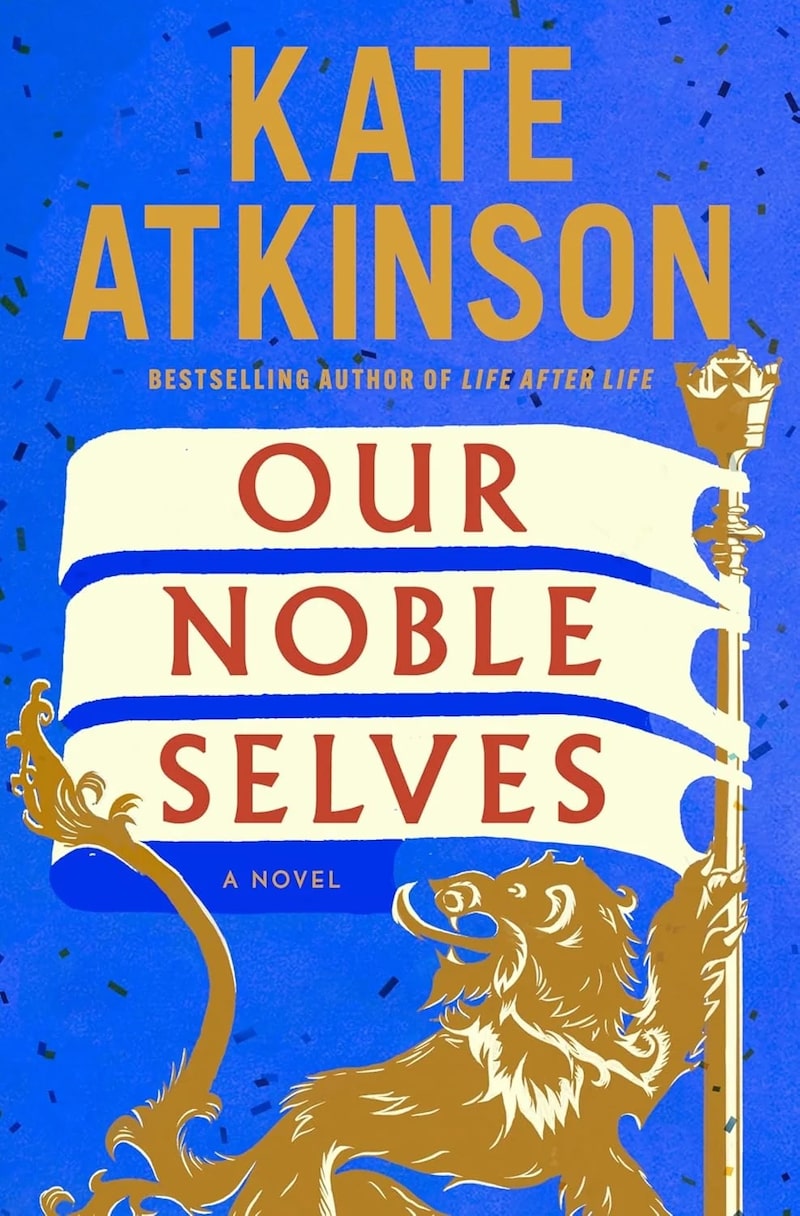
Our Noble Selves, Kate Atkinson (Doubleday) In Atkinson’s postwar London, former PoW Harry Flynn swaps war reporting for the seemingly safer business of helping organize the Festival of Britain. Then a woman he’s been seeing disappears, and Flynn finds himself with a black eye, a hole in his memory and the awkward possibility that he killed her.


Gaining Ground, Joan Barfoot (Faber) Long out of print, Barfoot’s 1978 cult classic (first published in Canada as Abra), about a woman who suddenly leaves her family for a life of solitude on an Ontario acreage, has been given a remarkable second life by British publisher Faber – and found a new, younger readership in the process.
Lords of Serendipity, Randy Boyagoda (HarperCollins) Boyagoda takes the campus novel global as he follows a poor Sri Lankan girl desperate to get into an elite Western university and a cash-strapped American professor caught in the machinery of higher education. Here, university is ticket, brand and global marketplace – a place of empty pedestals, scammers and library stacks cleared for meditation zones.

The Weight of Angels, John Boyne (Henry Holt and Co.) What if Oscar Wilde had simply ignored the Marquess of Queensberry’s infamous calling card instead of suing him for libel – thereby setting in motion his own prosecution and imprisonment? Boyne imagines the decades Wilde never lived, carrying him past his death at 46 and into the upheavals of the 20th century.
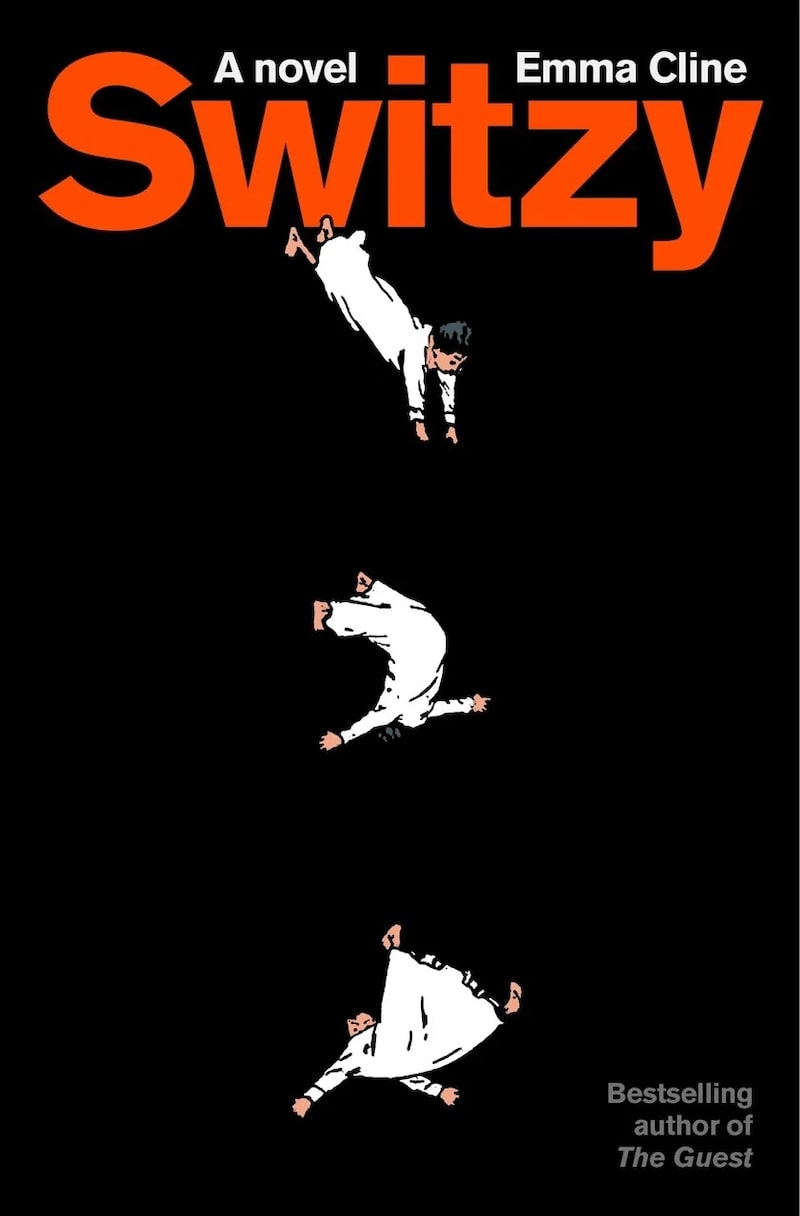
Switzy, Emma Cline (Random House) A retired executive with a failing memory sets off by private plane on a final journey across Europe. Cline (The Girls, The Guest) follows him through London and France toward Zurich, as he becomes increasingly stranded in episodes from his past.


Heatstroke, Meredyth Cole (Doubleday) Cole’s debut sends a heartbroken would-be screenwriter to California in search of distraction and inspiration. She finds both in a telepathic bunny inhabited by Caroline Lamb, Lord Byron’s former lover, who guides her through an increasingly unhinged summer.
Dodge City, Patrick deWitt (Anansi) The Sisters Brothers author’s latest sends an expelled UCLA student on the road in 1967. Stripped of his draft deferment, Lee Clarke takes the sensible course: Canada – but first makes a circuitous farewell tour of his scattered, eccentric family.
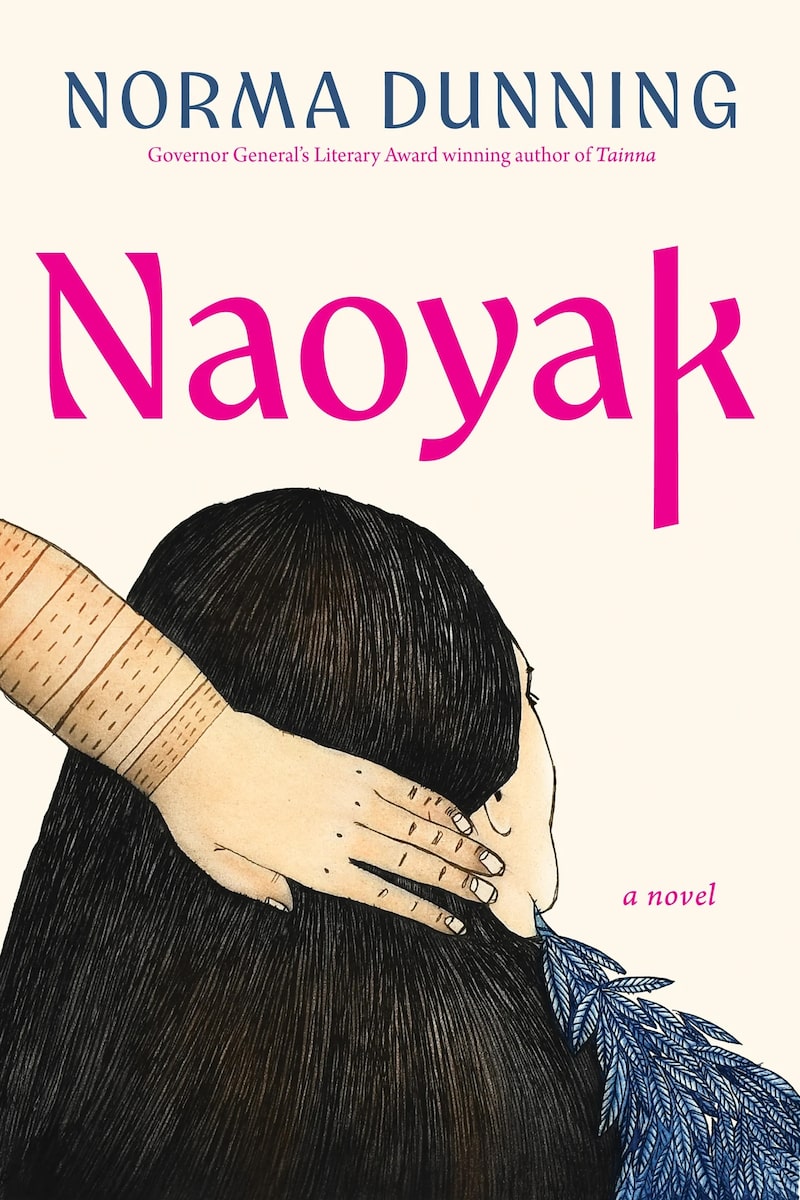
Naoyak, Norma Dunning (Douglas & McIntyre) Naoyak Aupak leaves Iqaluit with her young son in pursuit of “the easy life,” only to land in the bougie Sherwood Park home of a clueless southern researcher. This first novel from the Governor-General’s Award winner mixes social satire with visits from Naoyak’s spirited ancestors.
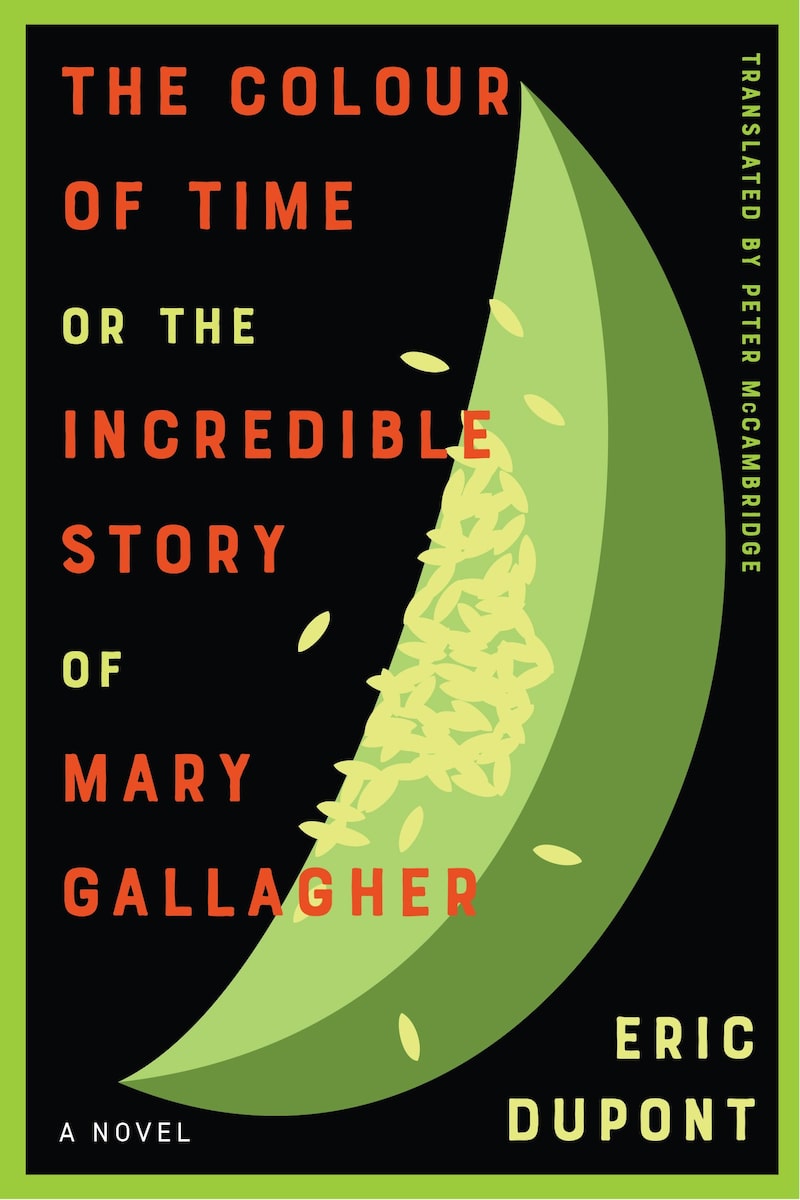
The Colour of Time, Eric Dupont (Véhicule) Giller finalist Dupont spins a Montreal family saga around the ghost of one Mary Gallagher, said to reappear in Griffintown every six years. The story moves between Mary’s 19th-century Montreal and the city of the Quiet Revolution and Expo 67, with brothels, trained bears and the legendary Montreal melon thrown in for good measure.

The Girl with No Name, Catherine Fogarty (HarperCollins) Former Love It or List It executive Fogarty reinvented herself as an amateur sleuth when she reopened the 1969 murder of Reet Jurvetson, a 19-year-old Montrealer whose body was found off Mulholland Drive in Los Angeles and remained unidentified for nearly half a century. Fogarty’s investigation uncovered new suspects and long-buried secrets – and brought her tantalizingly close to an answer.
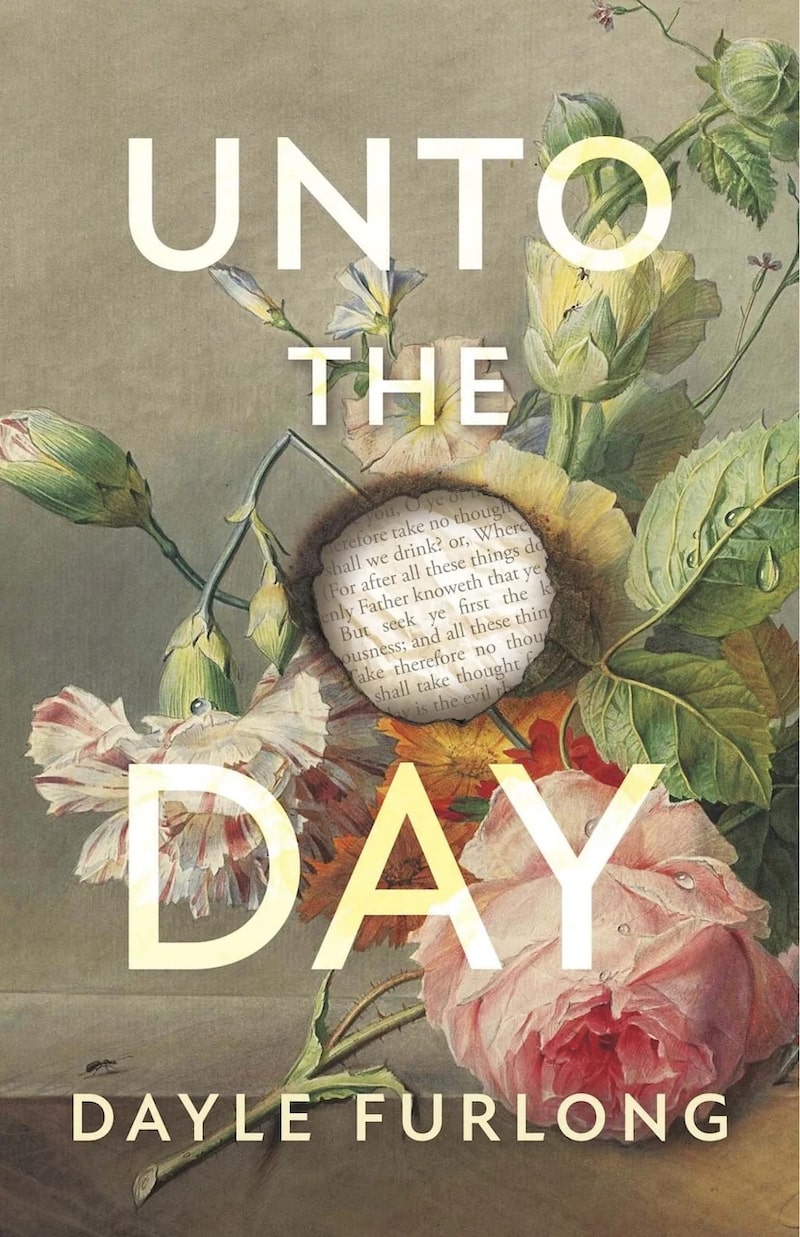
Unto the Day, Dayle Furlong (Dundurn) Some family history for Globe and Mail readers: Furlong’s historical novel revisits the 1880 murder of the newspaper’s founder, George Brown, through the eyes of three people: his suffragist wife, an Irish domestic and the disgruntled poet who shot him in the newspaper’s boiler room.

The Range Rules, Darren Greer (Cormorant) Two brothers at a prestigious boys’ school become fascinated by a notorious alumnus who went on to become a gay pornographer; one disappears into the underground queer scene, the other follows with a camera. Greer’s novel picks up the story after the latter emerges from three years in prison.
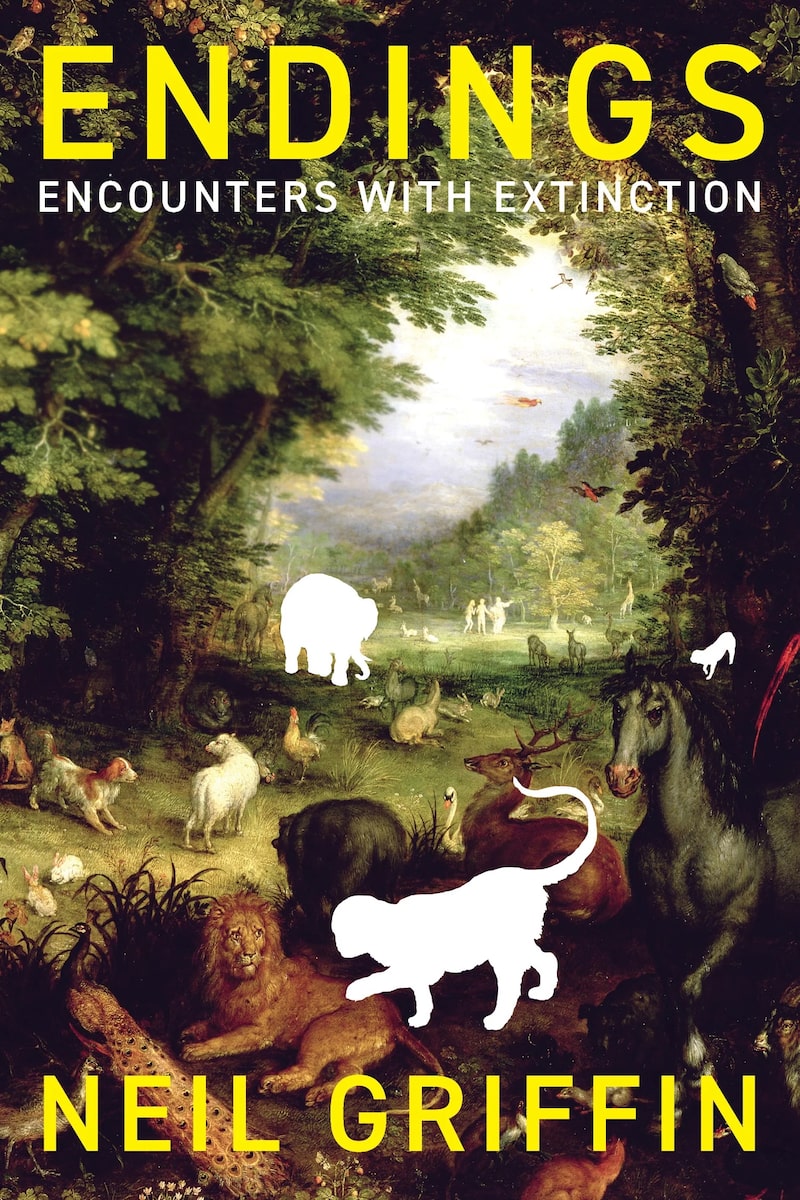
Endings, Neil Griffin (Anansi) A globe-spanning tour of the dead, the nearly dead and the improbably still living by Calgary-based Griffin, a naturalist and poet. Catching crocodiles in Belize, tracking bats and meeting the world’s rarest mammal, he explores extinction from deep prehistory to our own precarious moment.
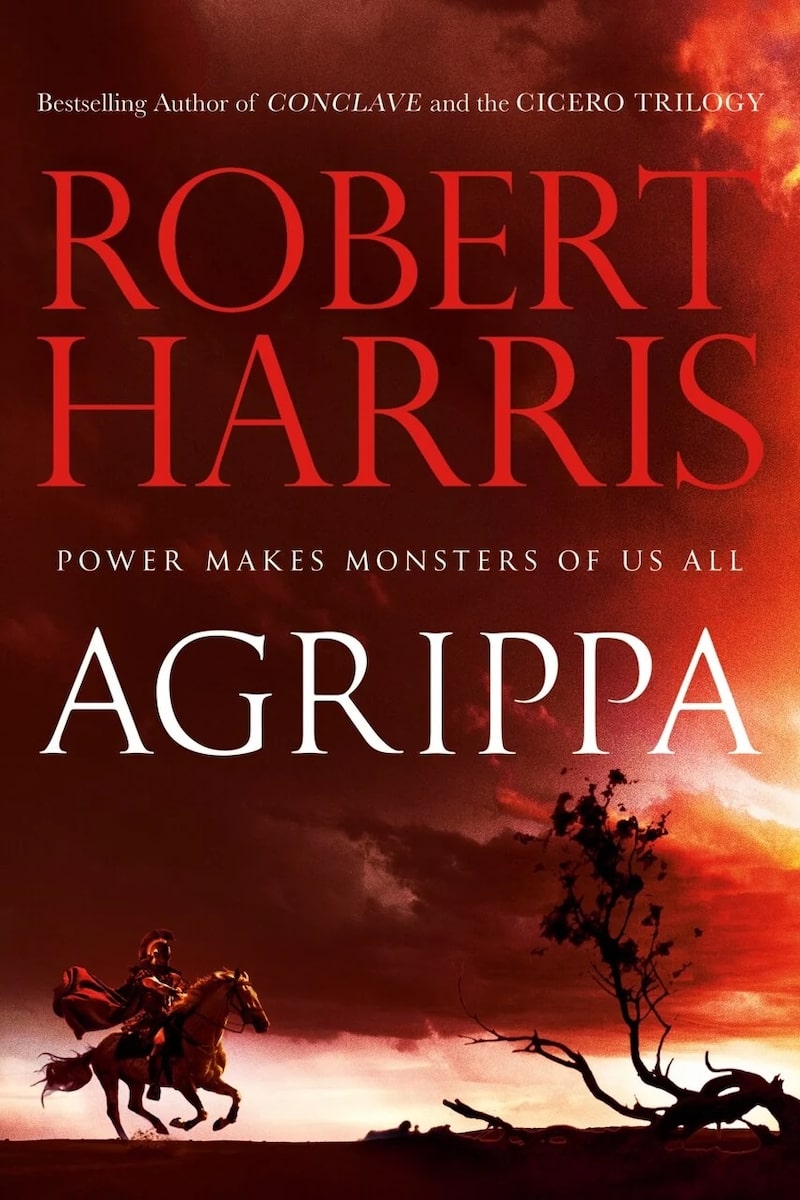

Agrippa, Robert Harris (Random House) Augustus got the empire, but Agrippa did much of the work. The author of Conclave returns to ancient Rome to tell the story of the common-born general who helped Octavian defeat Mark Antony and Cleopatra and transformed a republic into an empire.
Your Breath in Charcoal, Nicholas Herring (Goose Lane) In his second novel, the PEI author, and winner of the Atwood Gibson Writers’ Trust Fiction Prize, sends a directionless young Islander west: first to retrieve an acquaintance’s brother from a New Brunswick mental hospital and then, on impulse, onward to “Tah-ron-ah.”


The Small Ones, Nazanine Hozar (Knopf) Along the Iran-Iraq border in the early 1980s, a band of children are swept into the war and forced to become soldiers and martyrs. In her sophomore release, Hozar (Aria) follows Amir and his possibly mythical best friend, Clay, as their makeshift family travels along the Karun River looking for a way out.
Summerland, Helen Humphreys (HarperCollins) In 1941, Humphreys’s grandfather disappeared over the Mediterranean in an RAF bomber, his dream of returning to British Columbia unrealized. Decades later, the family discovered a cache of unpublished stories. In this memoir, she traces how his thwarted ambitions as an orchardist and writer echoed through three generations of her family.
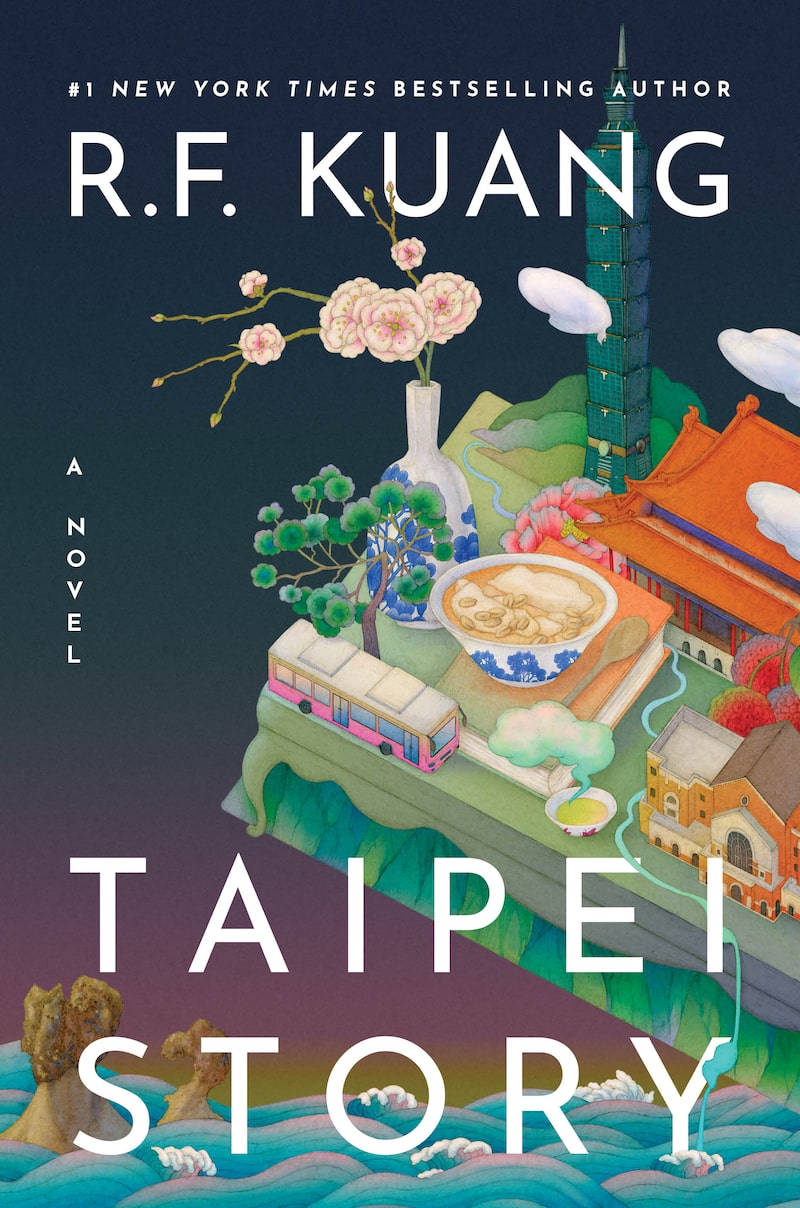
Taipei Story, R. F. Kuang (HarperCollins) In this coming-of-age novel, the Yellowface author sends Chinese-American college student Lily Chen to Taipei for a summer language program, where she hopes to get closer to a culture she’s inherited but never fully understood. Instead, she finds herself a foreigner in the place that was supposed to feel like home.
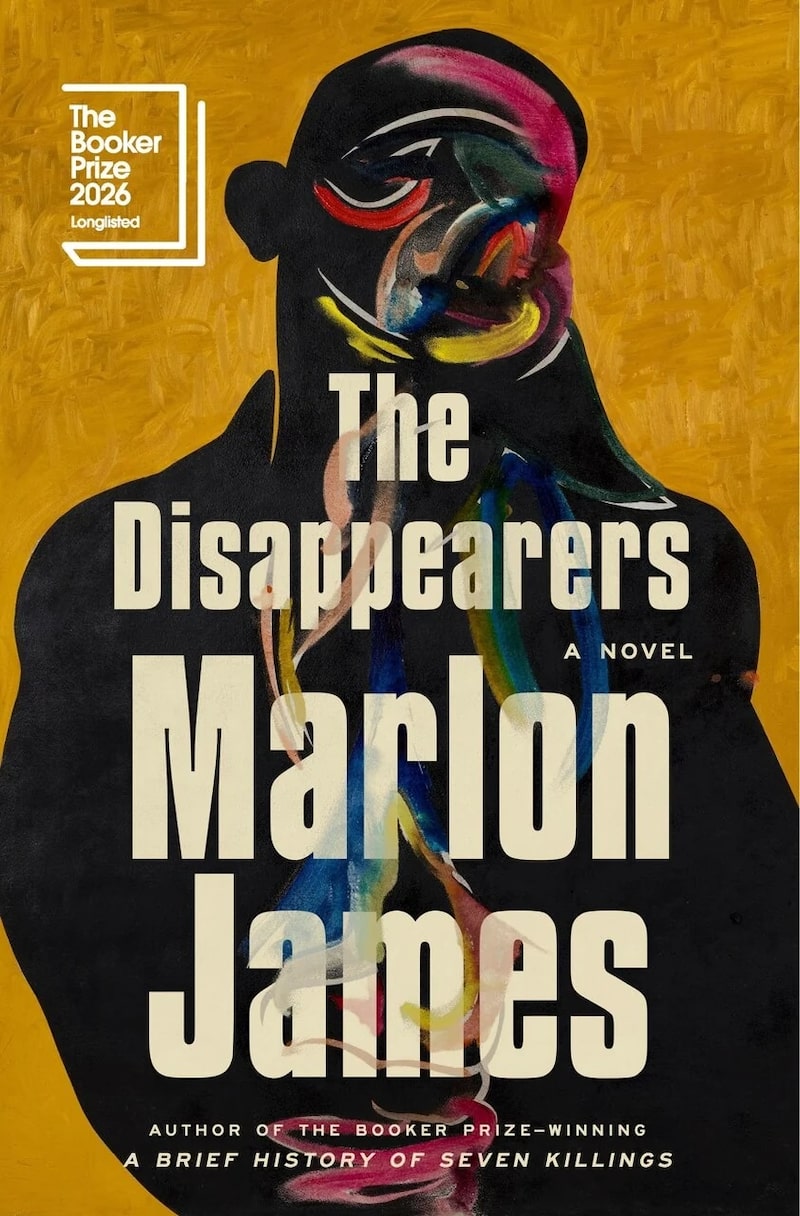
The Disappearers, Marlon James (Doubleday) The Booker-winner transports readers to 1988 Kingston, where eight gay men rehearsing Canadian playwright John Herbert’s Fortune and Men’s Eyes are attacked by a mob, leaving one dead. The survivors must decide what comes next: silence, survival or revenge.


American Hagwon, Min Jin Lee (Grand Central) In her first novel since Pachinko, Lee follows a Korean family from Seoul to Sydney to Southern California, where lost status, immigrant ambition and an almost all-consuming faith in education shape the lives of parents and children alike.
Republic of Glass, Catherine Leroux (Scribner) People are disappearing from the streets of a near-future Montreal, where virtually no one can afford a home. A journalist investigating rumours of government involvement eventually disappears too, behind the walls of a mysterious institution, in Leroux’s follow-up to her Canada Reads-winning The Future.


Daphnis and Chloe, Colin McAdam (Biblioasis) Amid the current Greek-myth fever, McAdam – armed with a PhD in translations of Ancient Greek – turns to one of antiquity’s great love stories. His version of Daphnis and Chloe are abandoned babies raised in a drug-plagued Pacific Island city, their modern romance narrated by Eros himself.
Redwood, Ben Macintyre (McClelland & Stewart) A KGB officer in revolutionary Iran, a secret that could ruin him and an unlikely appeal to MI6 together set Macintyre’s new true-life spy story in motion, as nuclear war lurks in the background.
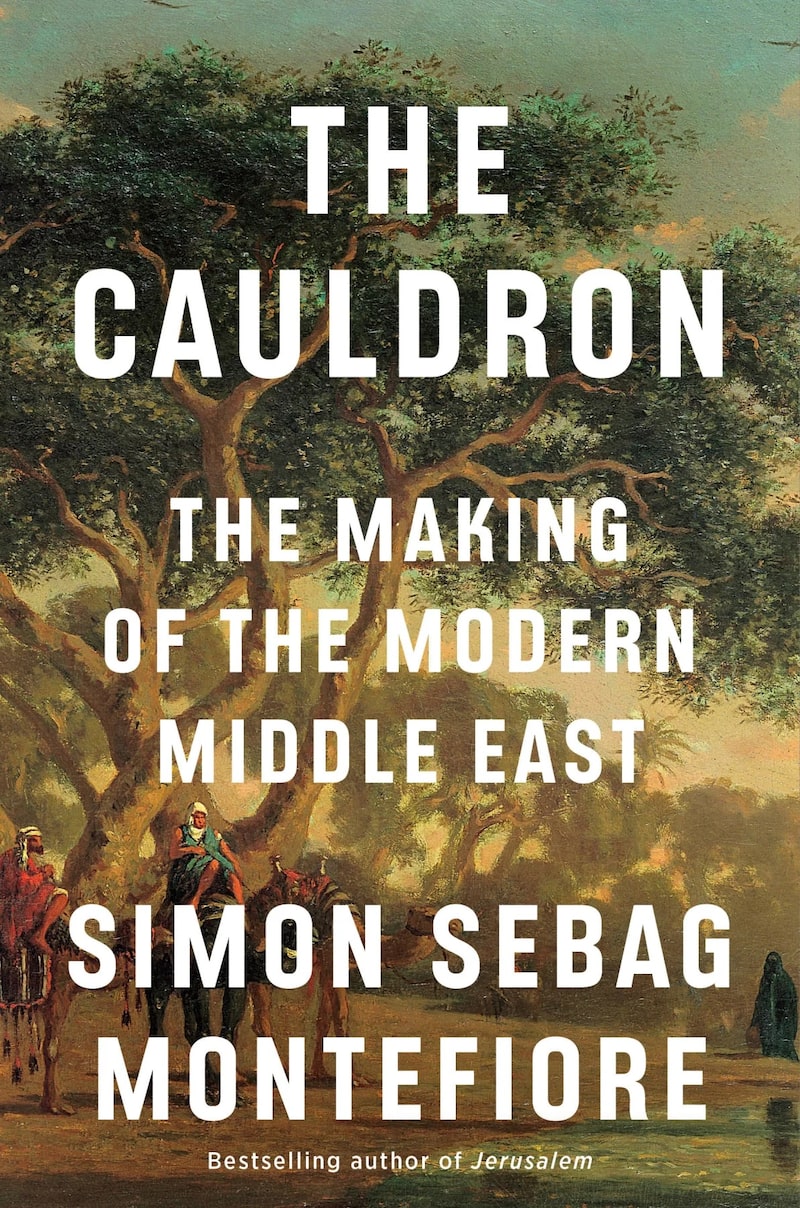
The Cauldron, Simon Sebag Montefiore (Knopf Doubleday) From the waning Ottoman Empire to the present, from Morocco to Iran, Montefiore (Jerusalem, The Romanovs) traces 125 years of upheaval, empire and political change across the Middle East.
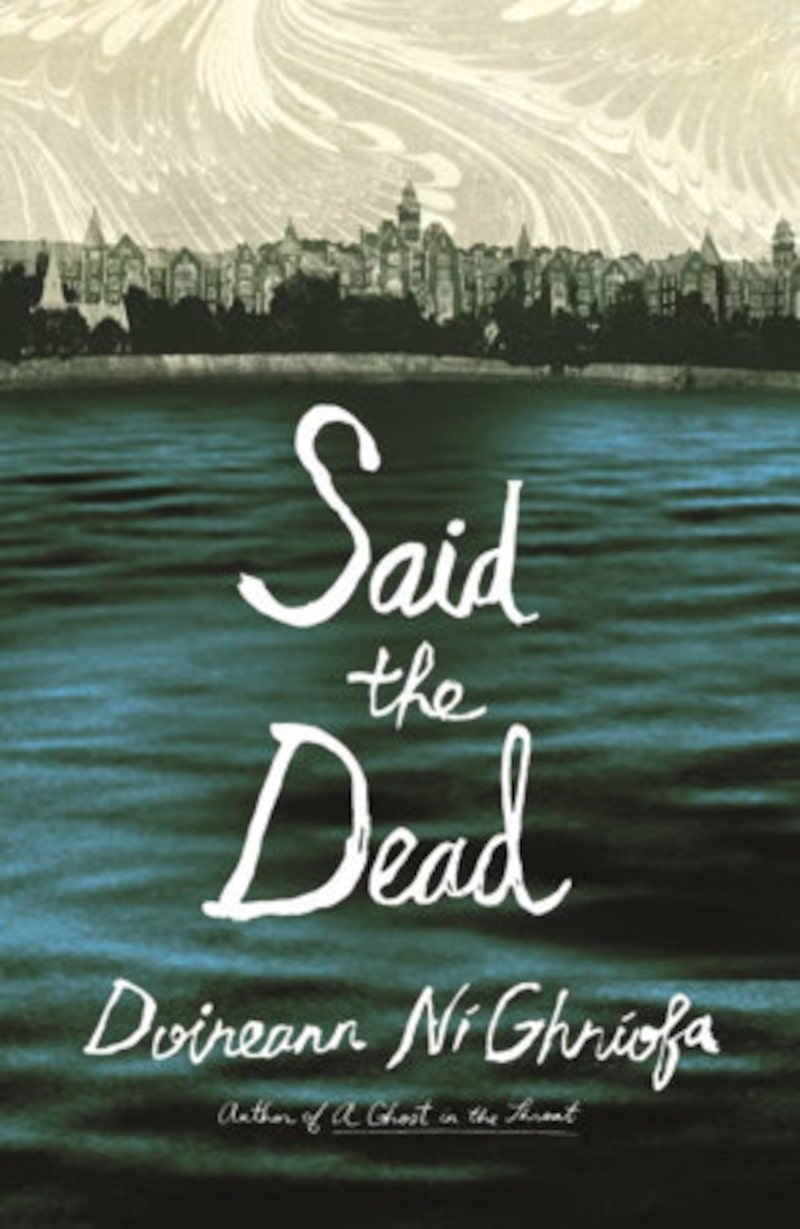
Said the Dead, Doireann Ní Ghríofa (Knopf) Ní Ghríofa (A Ghost in the Throat) returns with another genre-bending work prompted by her discovery of the remains of a 19th-century Irish asylum. Casebooks kept by its first female doctor led the author into the lives of the women confined there, resulting in a book that flirts with history, biography, fiction and memoir.
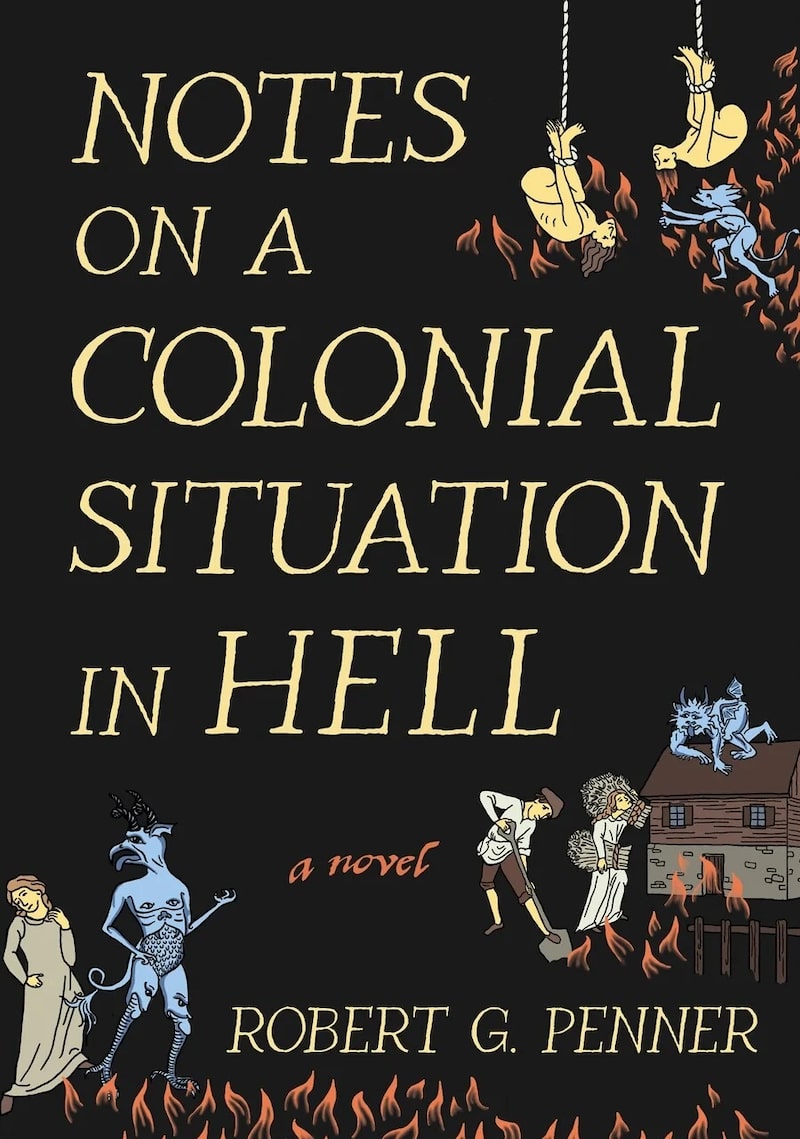
Notes on a Colonial Situation in Hell, Robert G. Penner (McNally) Having run out of earthly territory, the British Empire colonizes the next obvious thing: Hell. Winnipeg’s Penner populates his Victorian underworld with subdued demons, damned souls working plantations, missionaries, bureaucrats and colonists bent on conquering Hell’s interior.
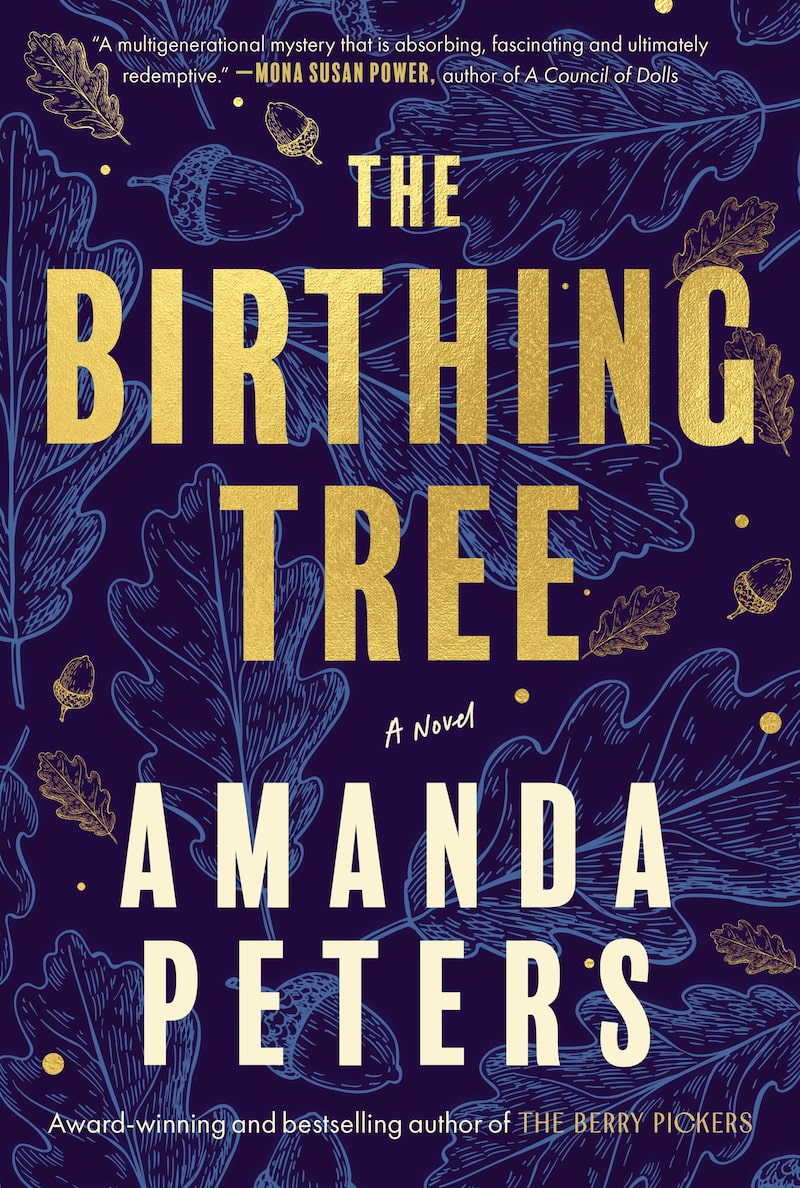
The Birthing Tree, Amanda Peters (HarperCollins) Peters, a Canadian, found a huge U.S. audience with The Berry Pickers, winner of the Carnegie Medal and Barnes & Noble Discover Prize. This novel centres on a Mi’kmaq woman who returns home years after abandoning the community, family and traditional knowledge she was expected to inherit.
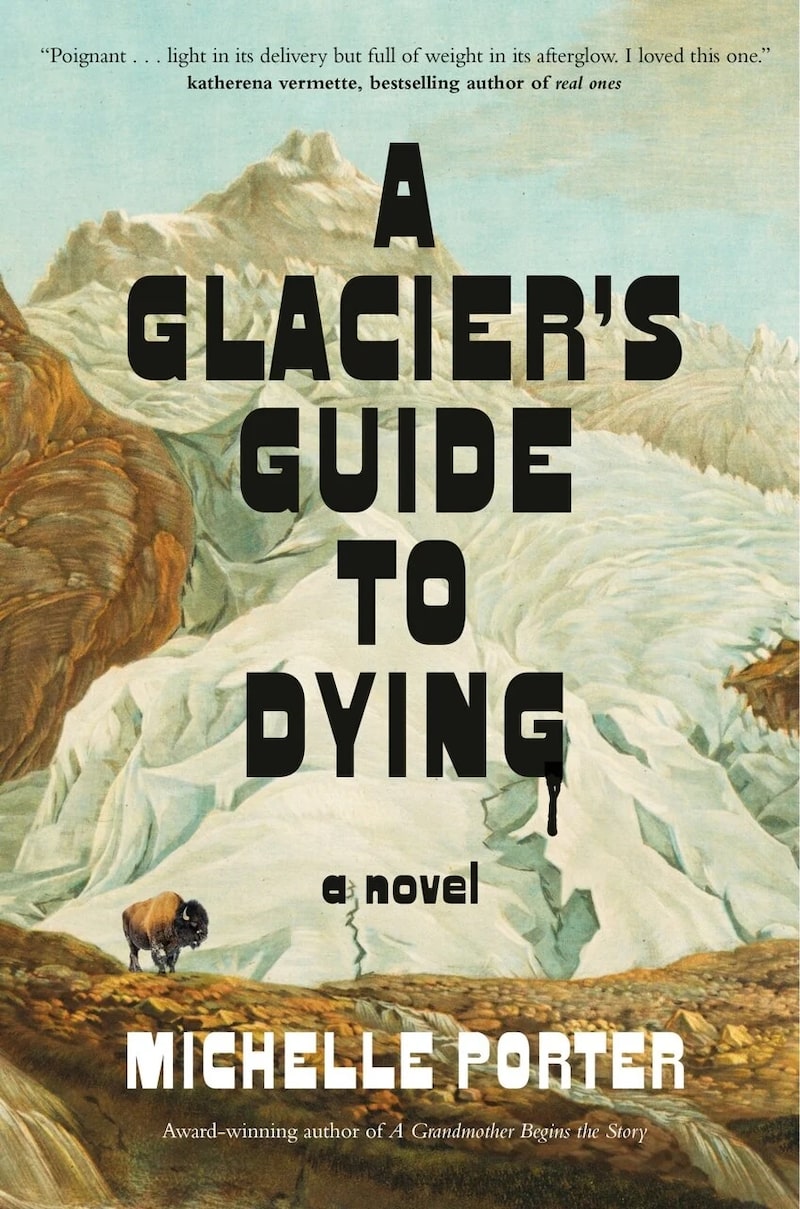

A Glacier’s Guide to Dying, Michelle Porter (Penguin) A young Métis man searching for his missing father finds himself following a pregnant bison up a mountain and arguing with a dying glacier named Omega, raising the question: Has he developed some deep connection to the land, or is he succumbing to the same mental illness that shaped his father’s life?
Murder School, Paul B. Rainey (D&Q) The very funny British cartoonist returns to middle school in a graphic memoir of bullies, sadistic teachers and playground hierarchies, in which a precocious comics nerd discovers that the best survival strategy might be to not be noticed at all.


Sailors Can’t Swim, Dominique Scali (Talonbooks) The Montreal novelist sets her prize-winning maritime fantasy – newly translated into English – on an imaginary Atlantic island in an alternate 18th century, where an orphan’s rare ability to swim carries her between the storm-battered shore and a fortified city of privilege.
Exit Party, Emily St. John Mandel (HarperCollins) Mandel (Station Eleven) returns to the near future, where the United States has fractured and Los Angeles is ready to party. At the first bash after curfew is lifted, the host disappears and a guest seems to be in two places at once, launching a puzzle of parallel timelines that stretches from 1960s New York to 2060s Paris.


The Apparition, M. G. Vassanji (Doubleday) The two-time Giller winner heads to 13th-century Delhi, where famine, Mongol armies and court intrigue are the least of anyone’s problems after a race of half-human, half-bird conquerors arrives promising a more perfect society.
An Unexpected Life, Gloria Steinem (Random House) Before Gloria Steinem became Gloria Steinem, there were road trips with her itinerant father, years caring for her mother and a formative stint in India. The late feminist icon looks back at the experiences that shaped her and the 60 years of activism that followed.

The Living Realm, Jordan Tannahill (Farrar, Straus and Giroux) This third novel from the two-time Governor General’s Award-winning playwright and Giller-shortlisted author follows a retired British archaeologist in Berlin who begins encountering his long-dead lovers at Teufelssee, a lake and gay cruising ground he has frequented for decades.
October
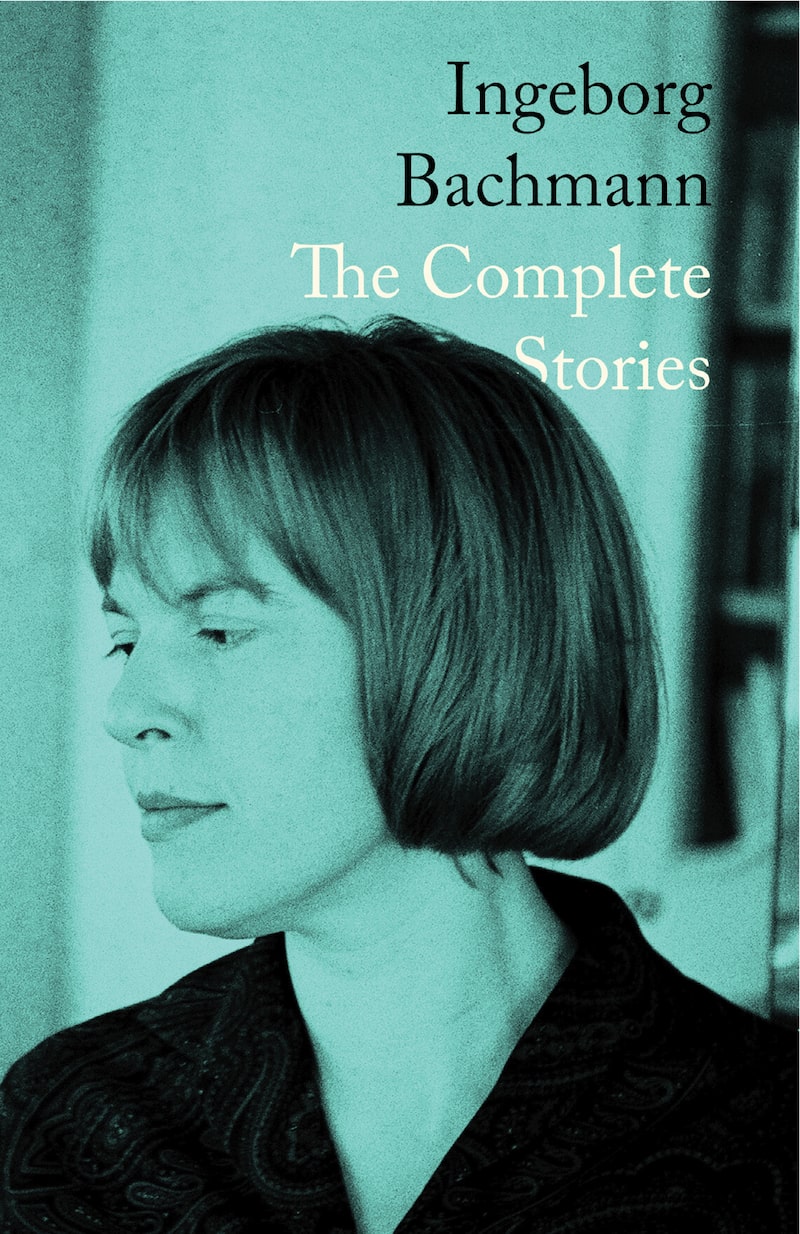
Complete Stories, Ingeborg Bachmann (New Directions) Three decades of stories by the Austrian writer are gathered here, including many in English for the first time. Love, sex, patriarchy and the violence of ordinary relationships recur across the work by one of the 20th century’s major German-language writers.
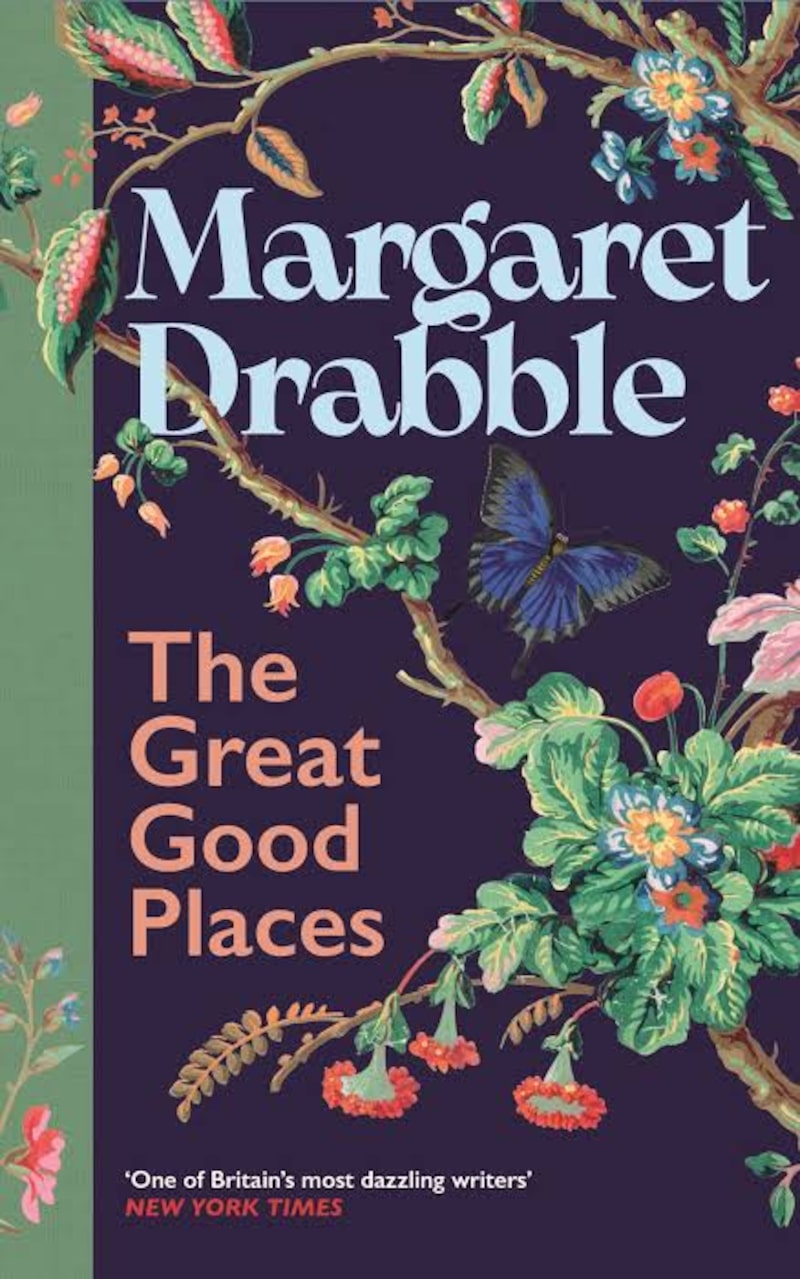
The Great Good Places, Margaret Drabble (Canongate) Drabble, 87, turns her attention to something she has come to know about: the business of growing old. Essays, stories and memoir range through the vagaries of memory and the places that accumulate meaning over a lifetime, from childhood homes and coastal retreats to cherished libraries.


Asbestos, Sébastien Dulude (Coach House) BMXs, Tintin comics and slag heaps of asbestos fill the summer of 1986 for two boys growing up in Thetford Mines, Que., until tragedy brings their idyll to an abrupt end. A poet and native of Thetford Mines himself, Dulude here makes his fiction debut.
Sleuth-Hound, Lindsey Fitzharris (Farrar, Straus and Giroux) Before Sherlock Holmes, there was Joseph Bell. Fitzharris (The Facemaker) tells the story of the Edinburgh surgeon whose uncanny powers of observation inspired his former medical student Arthur Conan Doyle – and whose own detective work took him from murder investigations and wrongful convictions to the hunt for Jack the Ripper.


Peck & Peck, Bonnie Garmus (Scribner) Garmus follows the global phenomenon Lessons in Chemistry with a second novel set in the considerably less lucrative world of poetry. An aimless twentysomething lands a job at Peck & Peck, a prestigious and spectacularly dysfunctional New York poetry journal whose 39 editors believe, as poets are wont to do, that poetry may be essential to humanity’s survival.
My Friend Kim Jong Un, Keum Suk Gendry-Kim (D&Q) The cartoonist Gendry-Kim can see North Korea from her home near Seoul – and Kim Jong Un is almost exactly her contemporary. In this graphic novel blend of memoir, biography and reportage, the creator of Grass draws on interviews with defectors, journalists, Kim’s former chef and former South Korean president Moon Jae-in in an attempt to understand the dictator in whose shadow she grew up.

The Brightness, Chad Harbach (Little, Brown and Company) It’s been 15 years since The Art of Fielding, which makes Harbach’s nearly 700-page second novel one of the fall’s more conspicuous literary comebacks. The Brightness follows best friends Pella and Irma as they navigate the messy freedoms of their twenties through weddings, hookups, artistic ambitions and a politically charged campus prank with consequences far beyond its confines.
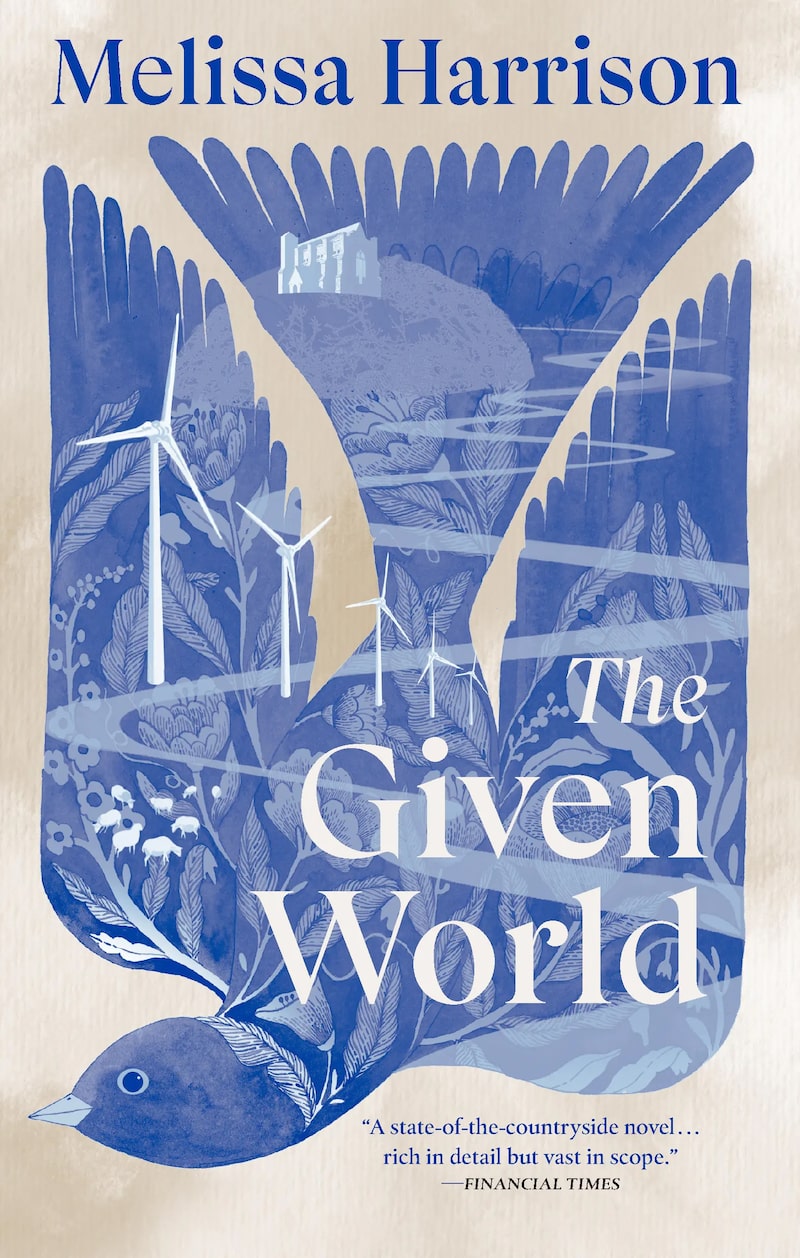
The Given World, Melissa Harrison (Biblioasis) Six months, one English village and a natural world increasingly out of joint: Harrison’s fourth fiction outing begins with a woman dying in the ancient priory she calls home, then fans outward through the farmers, builders, postmen and neighbours whose lives intersect with hers.
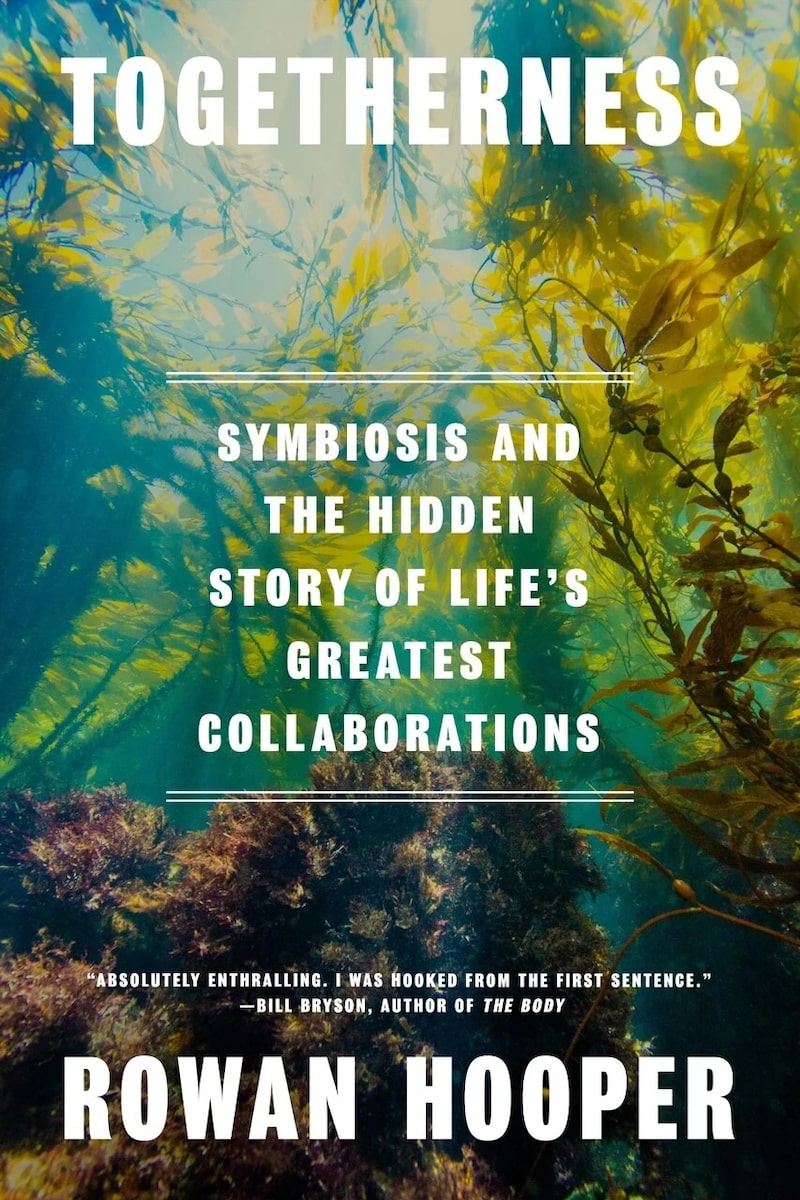

Togetherness, Rowan Hooper (McClelland & Stewart) From sloths and moths to orchids and fungi, Hooper, an evolutionary biologist, looks at the symbiotic relationships that make life on Earth possible, and what they can teach us about evolution, climate and our place in the biosphere. (With an enthusiastic thumbs-up from Bill Bryson.)
Wild West, Mark Anthony Jarman (Flying Books) In Jarman’s first full-length novel in three decades, an Irish-born drifter heads west and blunders into rather more history than he bargained for: the execution of Thomas Scott, Custer’s last stand, the North-West Resistance and the hanging of Louis Riel.


Partita, Barbara Kingsolver (HarperCollins) A phone call from an old lover forces a once-promising pianist to reckon with the life she might have led. Kingsolver’s novel moves between Livia’s quiet present in farm country and her younger years at a music conservatory, when ambition, love and loss knocked her life off course.
Music Against the Night, Yiyun Li (Farrar, Straus and Giroux) The Irish pianist John Field invented the nocturne, but Chopin got the glory. Li’s historical novel follows Field and his future wife, Adelaide Percheron, from Dublin and French India to Paris and Moscow as they pursue musical ambition through the upheavals of the Napoleonic era.

Passengers, Alexander Maksik (Europa) A father hopes a European vacation will mend his strained relationship with his daughter. They don’t make it out of LAX. As delays become cancellations and security tightens without explanation, Maksik (A Marker to Measure Drift) turns an awkward family reunion into an increasingly surreal end-of-the-world story.
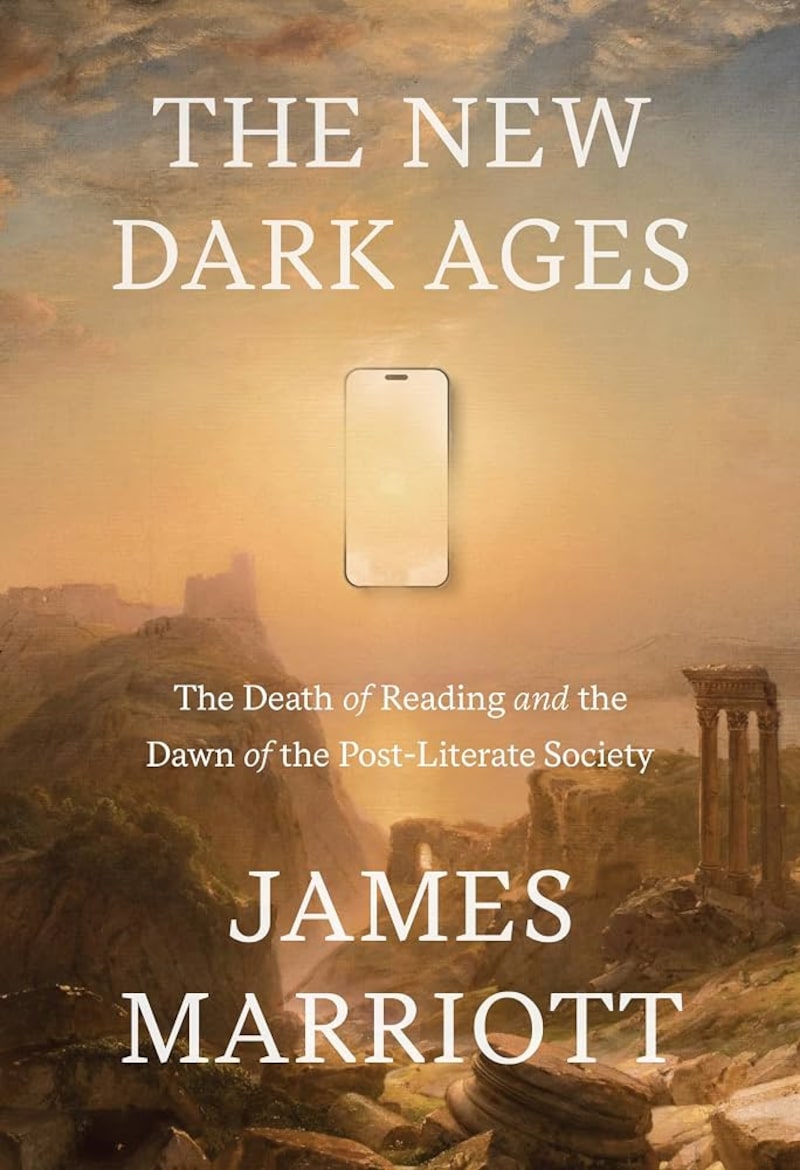
The New Dark Ages, James Marriott (Knopf Doubleday) Your phone may be ushering in a new Dark Age, according to the Times columnist, who argues that mass literacy helped build the modern world and that its decline now threatens complex thought, cultural continuity and democracy itself.

The Intangibles, Nick Paumgarten (Viking) After two decades at the New Yorker, Paumgarten has published his first book – and it’s about hockey. His years as a player, coach, parent and fan provide the rink-side view for a memoir about fathers and sons, male friendship and the strange persistence of boyhood into middle age.
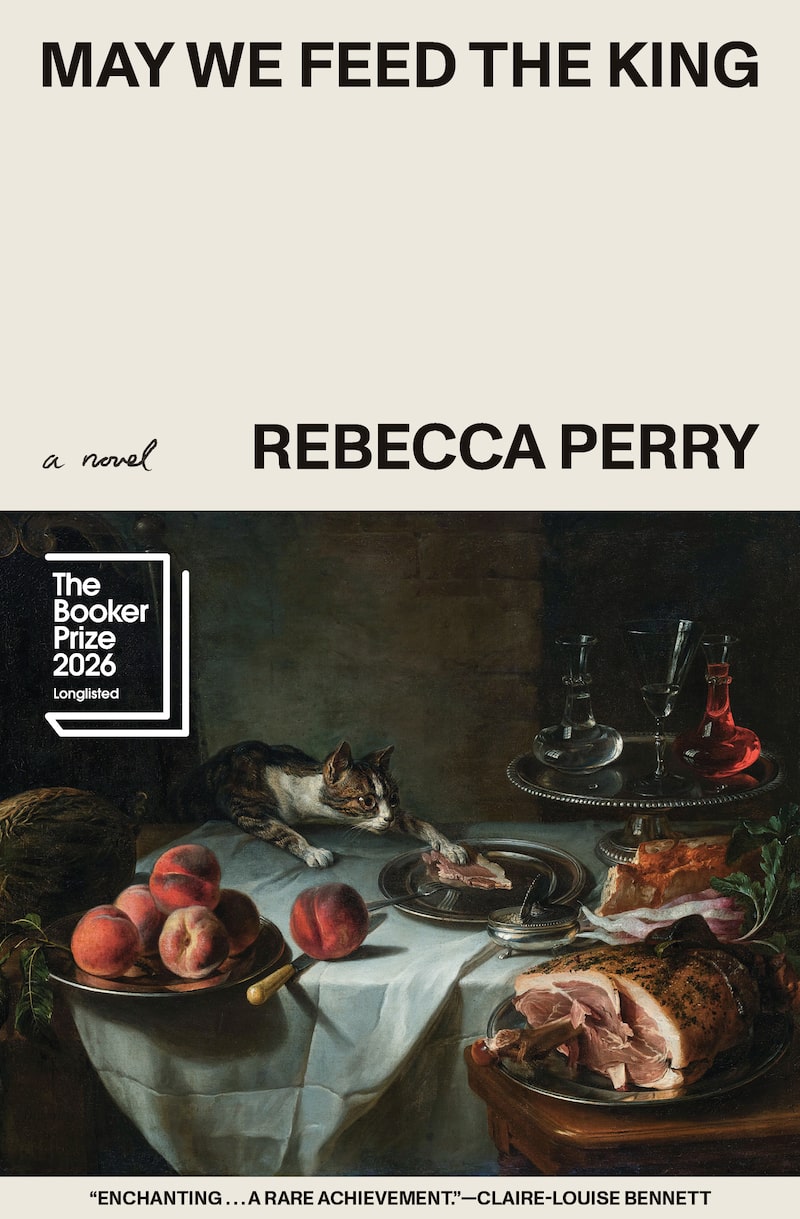
May We Feed the King, Rebecca Perry (Transit) A curator makes medieval rooms look as though their occupants have only just stepped out – then one of those occupants begins to pull her back into history. Perry’s debut, about a reluctant and nearly forgotten king, won the Waterstones Debut Fiction Prize and is shortlisted for this year’s Booker.

The Bookshop, Andrew Pettegree (Basic) Selling books, it turns out, has never been easy. Historian Pettegree here follows five centuries of booksellers as they smuggle contraband, invent the second-hand shop, colonize railway stations before eventually arriving at the neighbourhood indie.
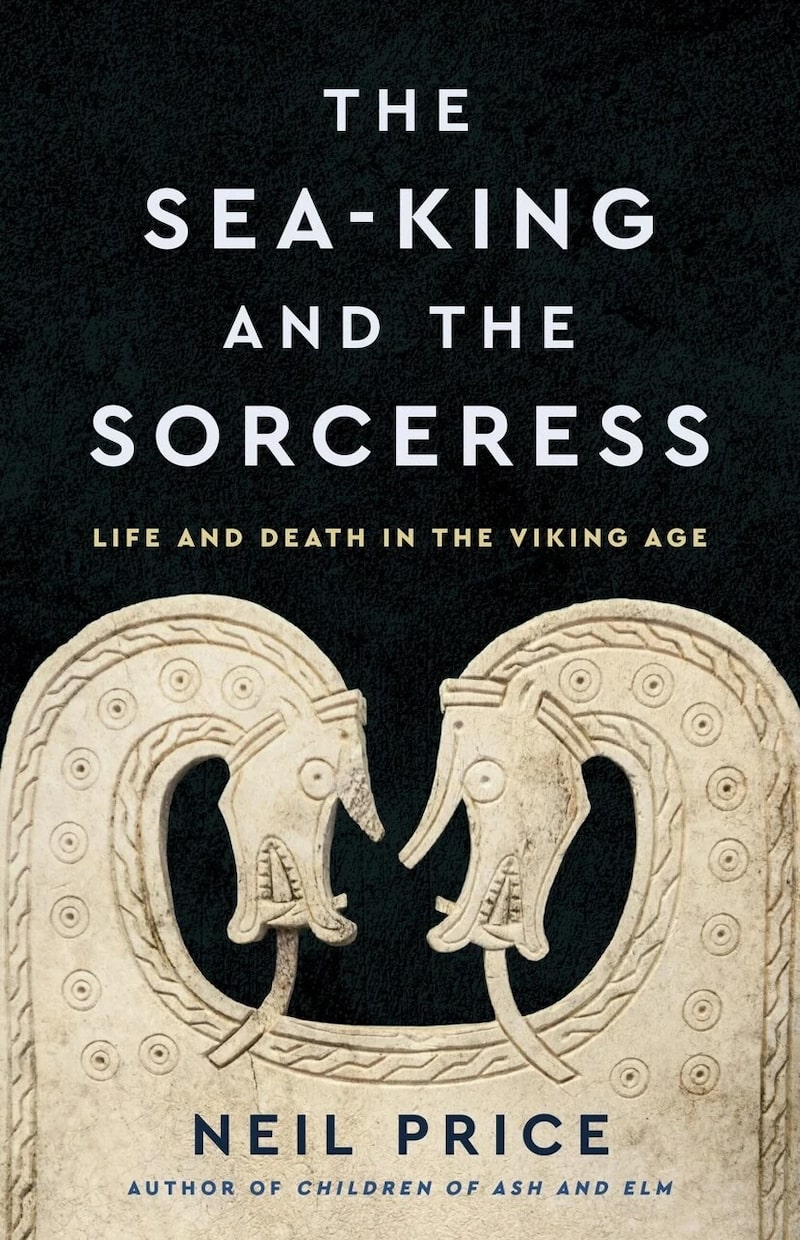
The Sea-King and the Sorceress, Neil Price (Basic) Forget your standard-issue Viking raider. Price, an archaeologist, travels from Greenland to Greece and across three centuries to reconstruct a far stranger and more diverse Norse world populated by traders, immigrants, sorceresses, shape-shifters and a bear endowed with personhood in this non-fiction title.
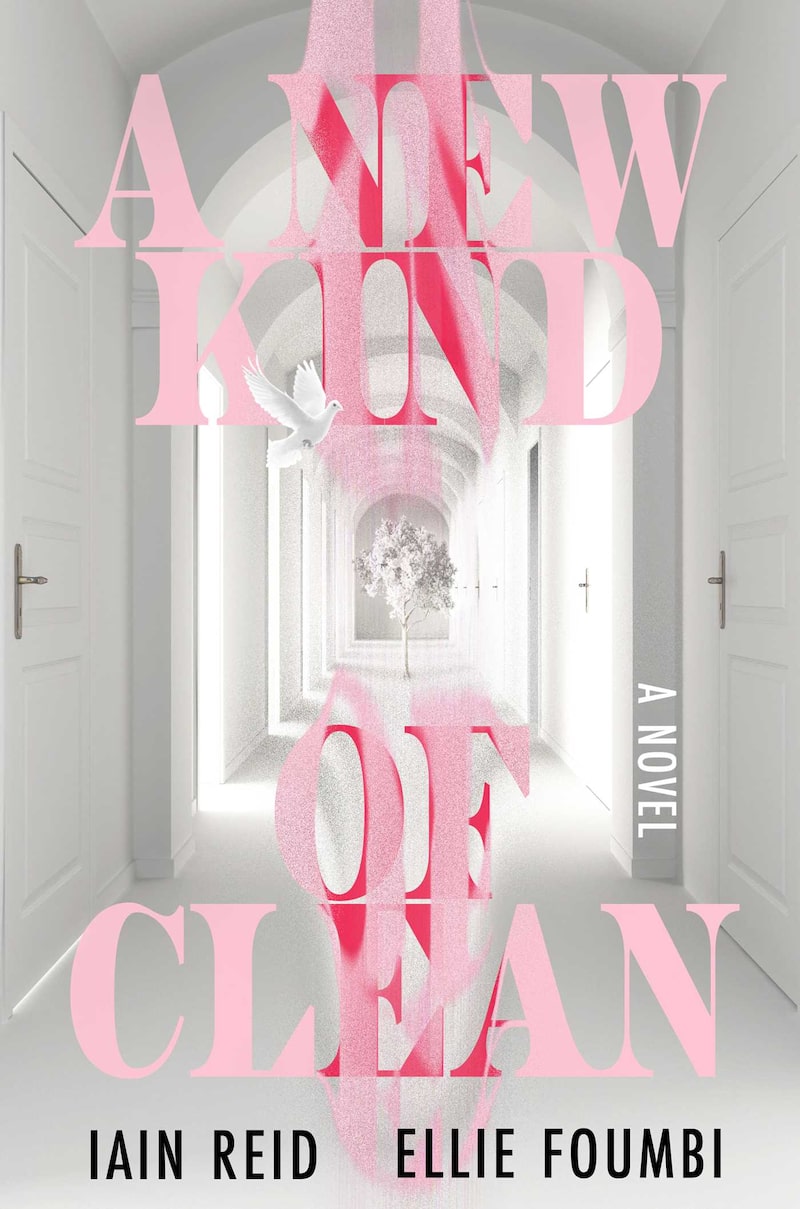

A New Kind of Clean, Iain Reid, Ellie Foumbi (Scribner) An aspiring actress finally lands the audition that might change her life – except it refuses to end. Reid, the I’m Thinking of Ending Things author, has teamed up with filmmaker Foumbi for a surreal horror story in which an increasingly strange commercial audition forces her to decide how much of herself she’s willing to give up for success.
The AGI Chronicles, Kevin Roose (Farrar, Straus and Giroux) The race for artificial general intelligence gets the inside-story treatment from Times technology columnist and co-host of the Hard Fork podcast Roose. More than 150 interviews took him inside OpenAI, Anthropic and Google DeepMind to chronicle the split that created Anthropic, Sam Altman’s firing and return, and Google’s scramble to catch up.
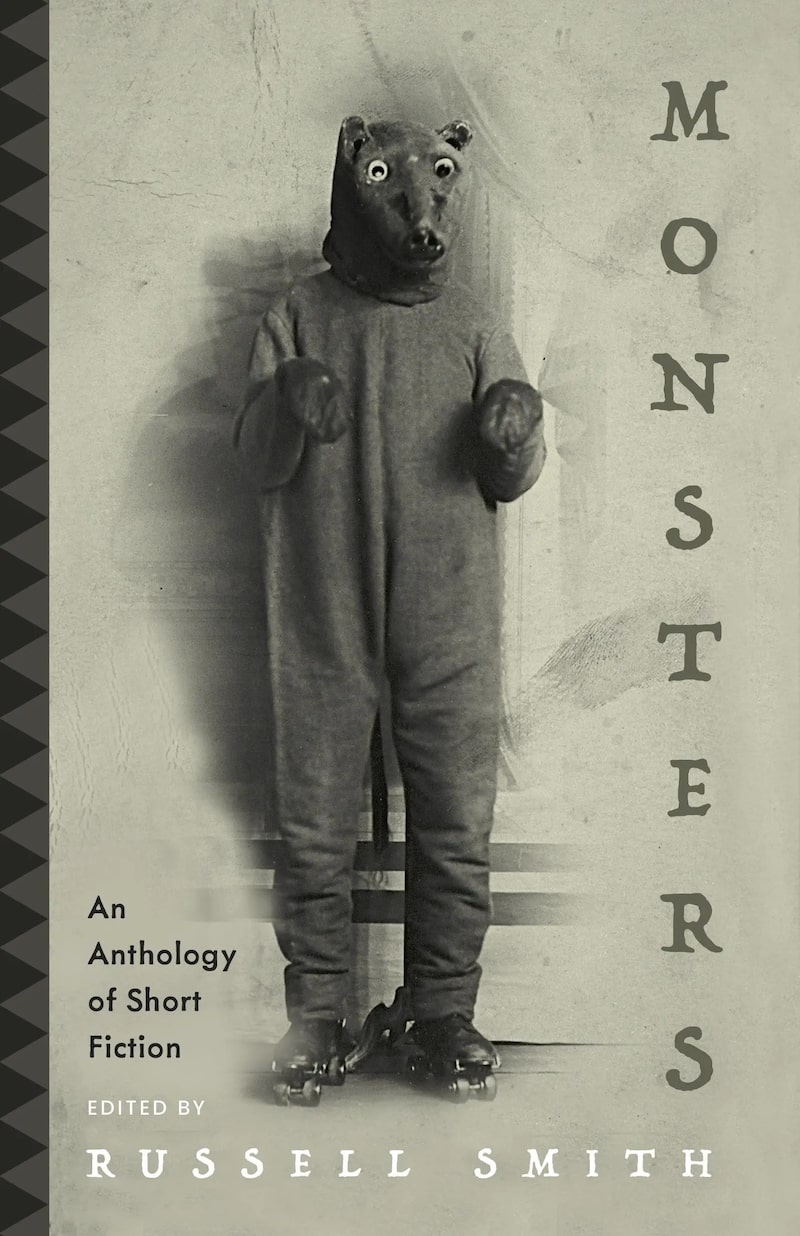

Monsters, Russell Smith (Dundurn) What makes a monster? Fourteen writers – including Pasha Malla, Zsuzsi Gartner, Naben Ruthnum and the late Andrew Pyper – try to answer that question, literally and metaphorically, in this collection edited by Smith.
The Four Wives and Five Deaths of Richard Milford, Nafissa Thompson-Spires (Scribner) A notorious moonshiner turns up dead in 1920s Oklahoma, leaving behind four “wives,” any one of whom might have wanted to kill him. Thompson-Spires’s debut novel is a murder mystery in which each suspect has her own version of the truth.

Tough Lies, Jesse Wente (Allen Lane) What does golf have to do with reconciliation? More than Wente (Unreconciled) expected. The Anishinaabe writer and broadcaster relates how he used his own path toward healing to consider grief, contested Indigenous identities and the larger question of healing from colonialism.
November


The Man Who Read Books, Rachid Benzine (Knopf) A French photographer reporting on Gaza encounters an elderly Palestinian bookseller who asks him not to take his picture but to hear his story. In this novel, Franco-Moroccan writer and scholar of Islam Benzine traces the man’s life through the books that sustained him through exile, prison, love and loss, from Mahmoud Darwish to Gabriel García Márquez.
The Telephone, James Gleick (Farrar, Straus and Giroux) From the word “hello” and switchboard operators to wiretapping, booty calls and the birth of the Information Age, Chaos author Gleick gives the telephone the epic treatment. Appropriately phone-book-sized (or thereabouts), this history traces how an invention no one initially knew what to do with transformed the way we work, speak, socialize and think.


Francis Drake and Nova Albion, Barry Gough (Harbour) What does Sir Francis Drake have to do with British Columbia? Canadian naval historian Gough follows the Golden Hind up the Pacific coast in 1579, when Drake claimed “Nova Albion” for England, and traces how that voyage echoed through the later explorations of James Cook and Vancouver.
Solace in Winter, Mary Lawson (Knopf) An abandoned dog and an injured American draft dodger turn up on the same snowy stretch of road in the winter of 1969, upending the quiet life of a widower named Jack. Lawson returns once again to Solace, the Northern Ontario town of her bestselling novel A Town Called Solace.


Blockers, Michael Lewis (W W Norton) In the second Trump administration, “blocker” became a term for federal employees who stood in the way. Lewis (Moneyball) found six of them – including a protector of sensitive tax data, a wildfire expert and a security guard – and asks here what is lost when people who believe in public service are pushed out of government.
True Patriot Love, Carol Off (Random House) What does it mean to love Canada without ignoring its failures? In this timely book, Off looks back over 60 years of free trade, Quebec sovereignty, Western alienation, Indigenous relations and other national reckonings to make the case for a distinctly Canadian patriotism.

Finding Aladdin, Matthew Teller (Biblioasis) Aladdin, who knew, wasn’t originally in The Arabian Nights. Teller, a British journalist, traces the famous tale back to Hanna Diab, a young Syrian traveller who made his way to 18th-century Paris and told a French translator a story about a boy and a magic lamp – then largely disappeared from literary history.
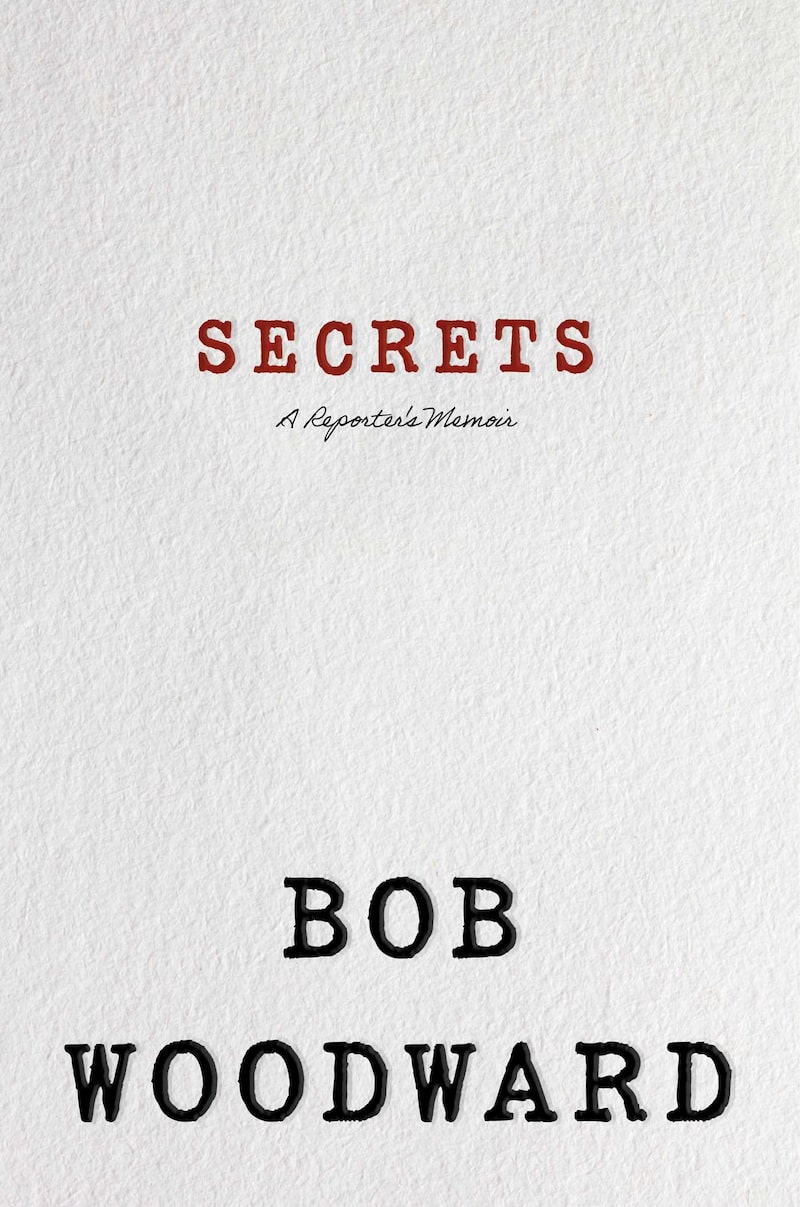
Secrets, Bob Woodward (Simon & Schuster) Woodward has spent more than 50 years getting Washington to talk. Now the two-time Pulitzer winner turns reporter on himself, revisiting Watergate, ten US. presidencies and the secret sources behind some of his biggest stories – including some he can finally name.