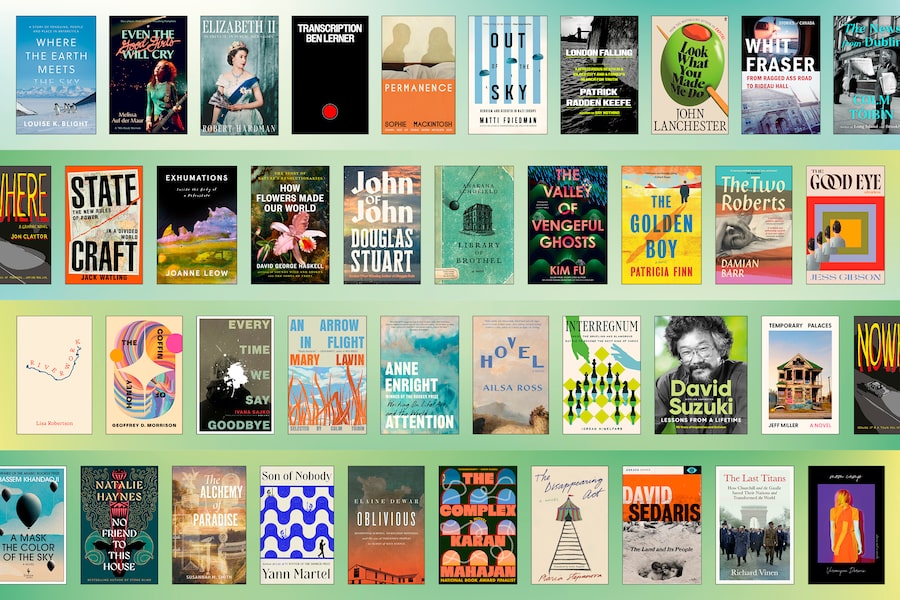
This spring, a wide range of promising books invite readers into worlds both familiar and strange. Several novels follow characters who vanish, withdraw or confront unsettling changes. Others explore memory, identity and hidden histories. In non-fiction, memoirs, science writing and global affairs offer their own compelling journeys – from reflections on a life in nineties alternative rock to the habits of Antarctic penguins to a deep dive into contemporary statecraft. In these collective pages, flowers become revolutionaries, reality shows unsettle domestic life and lost epic poems are rediscovered. Intimate or expansive, grounded or fantastical, this season’s crop reveals the many ways personal and global narratives can transform how we see the world.
Find your next book: Browse the Globe 100 review archives
MARCH
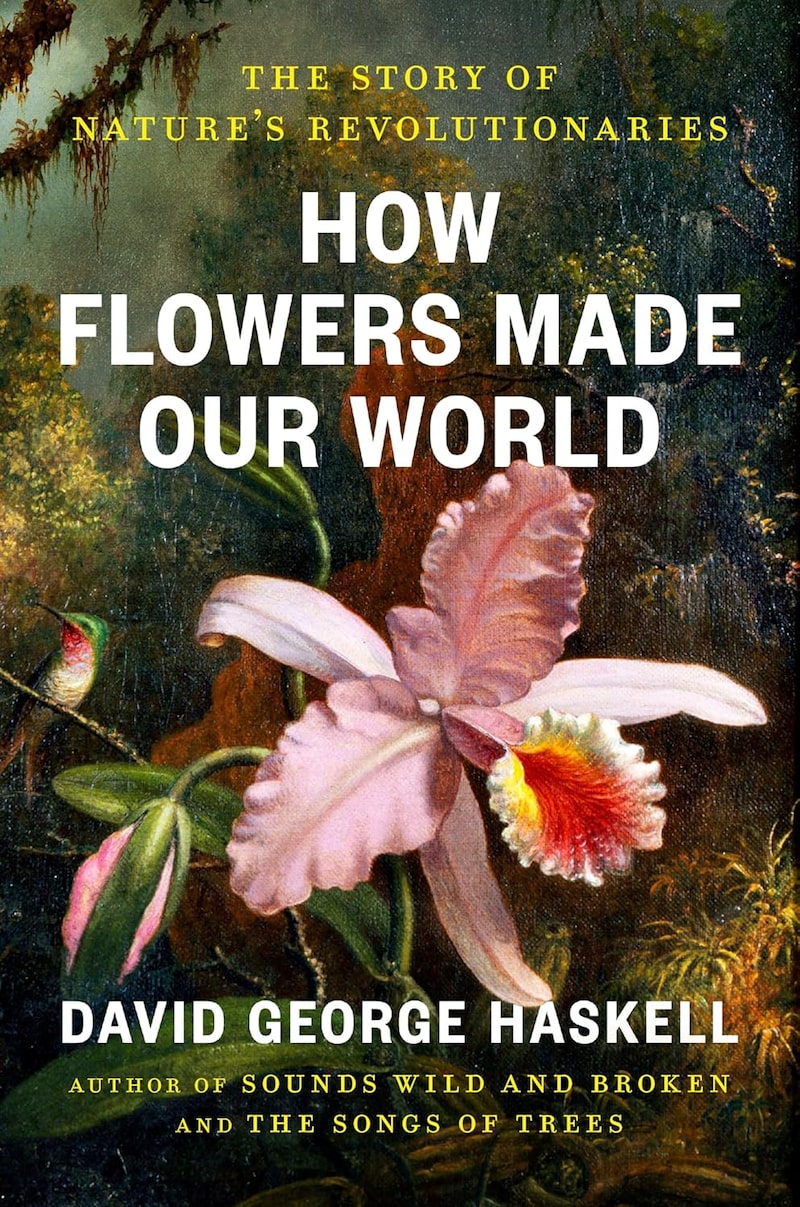

How Flowers Made Our World, David George Haskell (Viking) The Pulitzer-nominated biologist makes a passionate case for seeing flowers (the book focuses on eight, including orchids, goatsbeard and pansies) as “nature’s revolutionaries” for the gloriously disruptive manner in which flowers “sent our world on entirely new courses, reworking the physical and chemical nature of Earth, and inventing new ways of life and new habitats.”
The Golden Boy, Patricia Finn (HarperCollins) A letter prompted by a distant fatal car crash draws former TV exec Stafford Hopkins, now in self-imposed exile on Maui, back to his small-town Canadian past, unsettling his long, combative marriage to his wife and forcing him to confront buried guilt over a childhood friend. Finn’s novelistic debut comes with a strong plug from Elin Hilderbrand (“I can’t recall ever reading such a satisfying ending”).

Son of Nobody, Yann Martel (Knopf) There are tantalizing echoes of A. S. Byatt’s Possession in this story of a Canadian classicist, Harlow Donne, who stumbles upon a lost epic poem (penned by Martel, along with invented footnotes) that recounts the Trojan War from the perspective of an ordinary Greek soldier, a discovery that unlocks hidden stories that mirror and influence Donne’s own life.
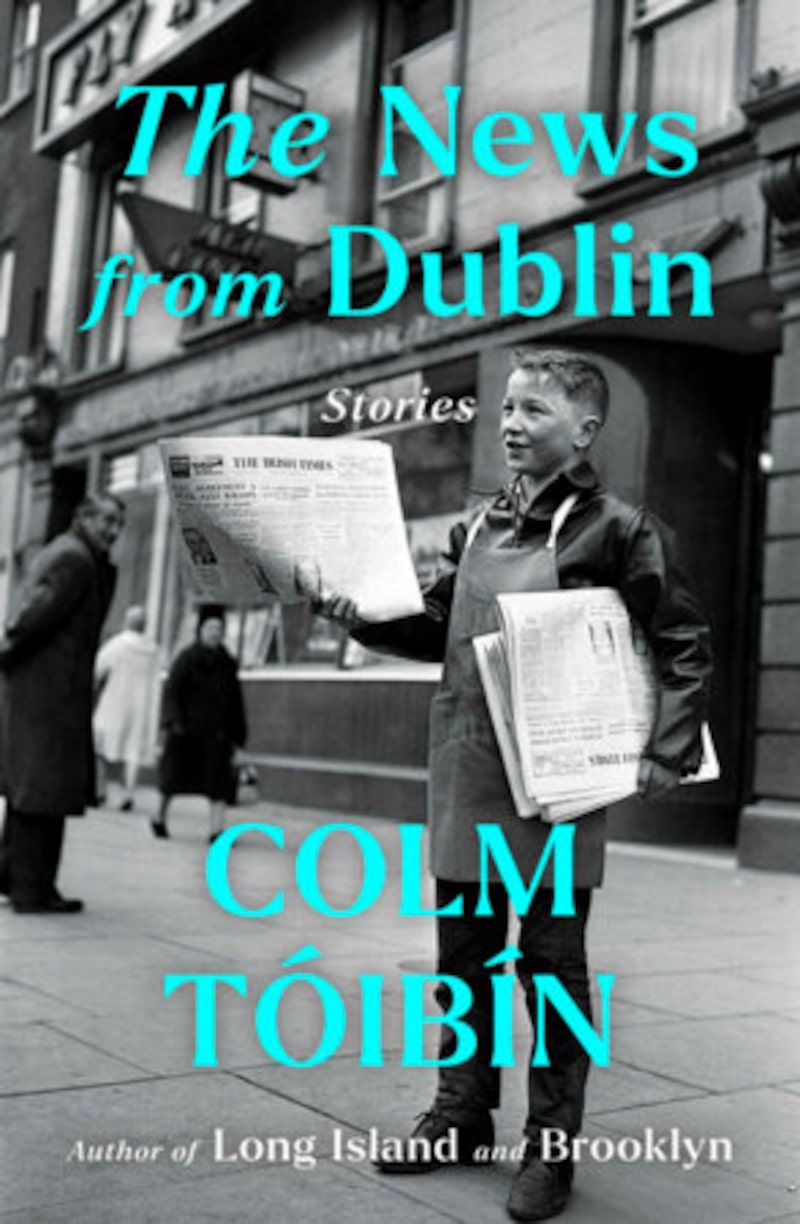
The News from Dublin, Colm Tóibín (McClelland & Stewart) Nine new stories, many previously unpublished, from the Irish master (Brooklyn et al.) promise to feature characters both familiar and new, from Ireland and abroad.

The Disappearing Act, Maria Stepanova (Book*hug) Undeterred by clichés equating boredom with watching grass grow, the influential Russian poet and journalist dedicates a full paragraph to the latter on the opening page of this novel (her previous was long- and shortlisted for many international prizes, and was a Globe best book), in which a writer stranded in a coastal town encounters misadventures – and a troupe of circus performers – that tempt her to disappear into a new existence.
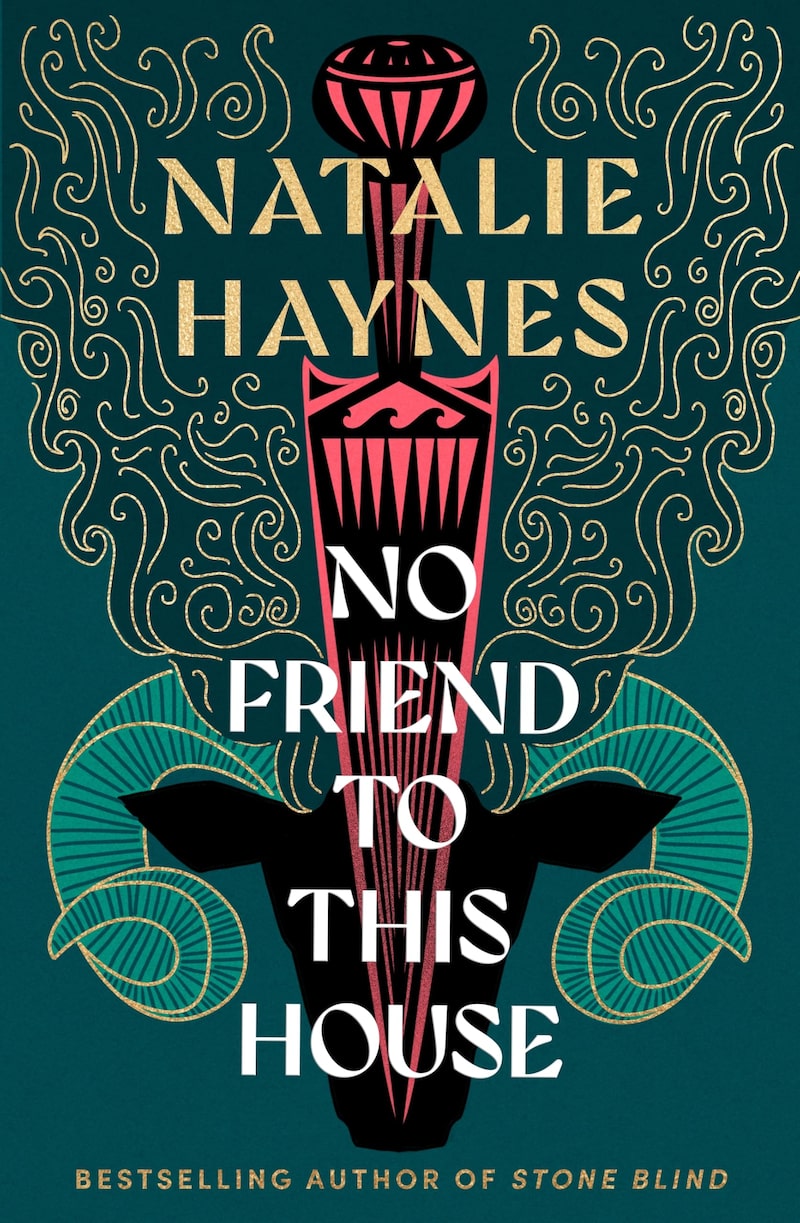
No Friend to This House, Natalie Haynes (HarperCollins) Haynes (A Thousand Ships, Stone Blind), an OG in the still-flourishing Greek reimaginings genre, and one of its best practitioners, takes on the myth of Medea – strategist, magician and enabler of Jason in all things Golden Fleece.
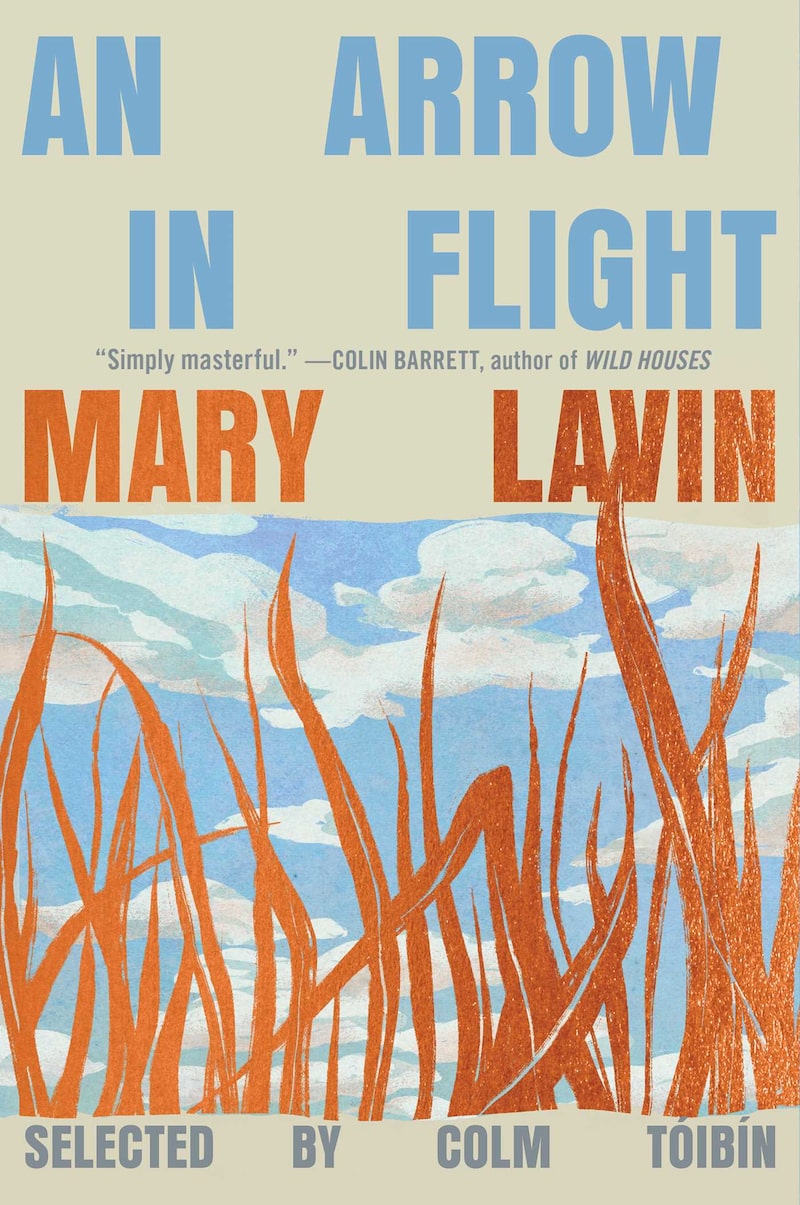
An Arrow in Flight, Mary Lavin (Scribner) Though the Irish American writer was once a regular in the pages of The New Yorker, where her psychologically complex portraits exploring widowhood, missed connections and the interior lives of women drew comparisons to Chekhov and Wharton, Lavin (who died in 1996) fell into obscurity after her 19-plus books went out of print. Selected and introduced by Colm Tóibín, this collection of 16 stories aims to reintroduce her work to a new generation of readers.
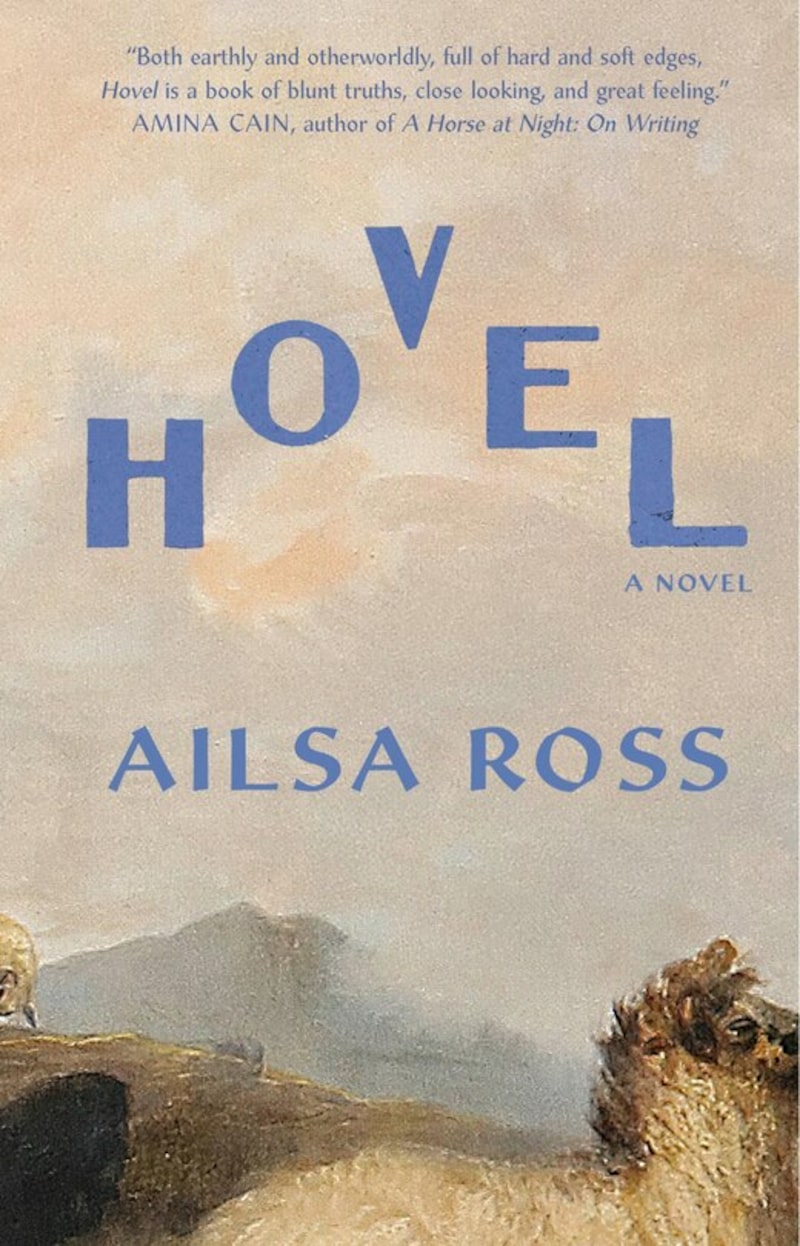
Hovel, Ailsa Ross (McClelland & Stewart) Olga Tokarczuk, Ali Smith and Rachel Cusk are listed as comparables for this moody, poetic first novel (speckled through with equally moody photographs) about a homesick Scottish woman living in the Rocky Mountains whose growing fixation on ancestral rituals and memory unsettles her marriage and alienates her from the surrounding community.
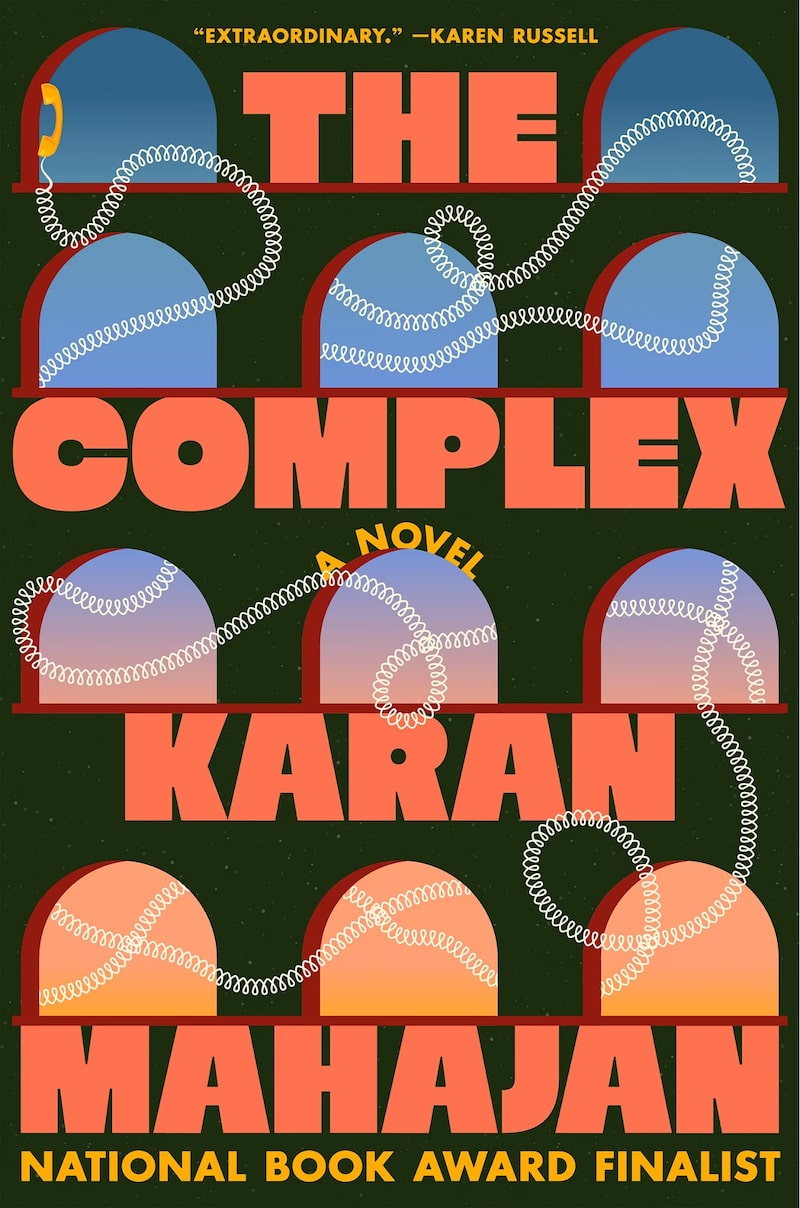

The Complex, Karan Mahajan (Viking) Set in the 1980s and ’90s (and, at 448 pages, in the tradition of the Big Indian Family Saga), Mahajan’s third novel follows the conflicts and betrayals of multiple generations of the Chopra clan, who live in a Delhi apartment complex built post-Partition by a patriarch forebear. Central to the story are Laxman, a politically influential yet deeply flawed figure, and Gita and Sachin, whose lives are shaped by Laxman’s actions and the pull between India and America.
The Valley of Vengeful Ghosts, Kim Fu (HarperCollins) The surrealism of Fu’s Giller-shortlisted short-story collection, Lesser Known Monsters of the 21st Century, has given way to literary horror in this tale of a therapist, Eleanor Fan, who, sidelined by trauma and a stalled career, uses her inheritance to buy a house where unsettling events and the home’s dark past begin to mimic her own struggles.
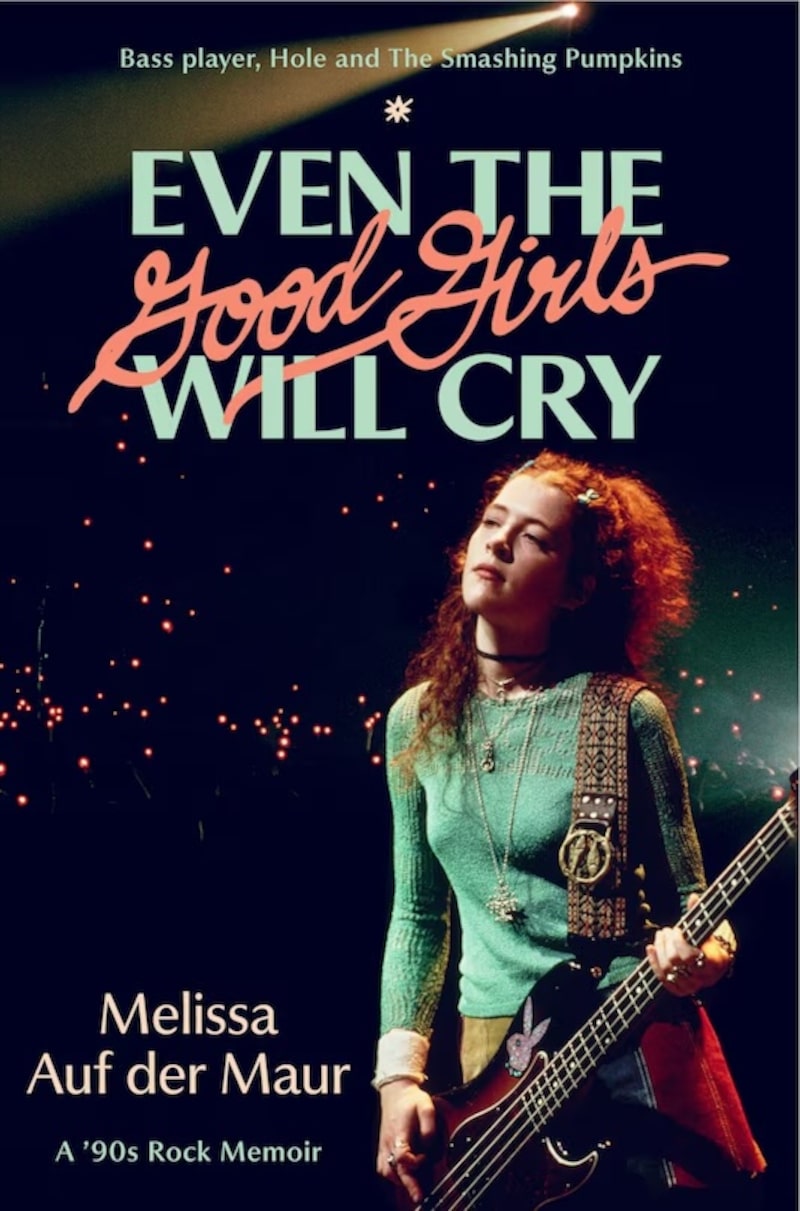
Even the Good Girls Will Cry, Melissa Auf der Maur (Da Capo) Few acts epitomize the raw, chaotic intensity of the nineties grunge music scene as the Courtney Love-fronted, all-female group Hole. This memoir by the band’s Montreal-born bassist – who joined shortly after the death of Kurt Cobain and Hole’s previous bassist – chronicles (with Auf der Maur’s own photos) a journey travelled in alternative rock’s predigital heyday.
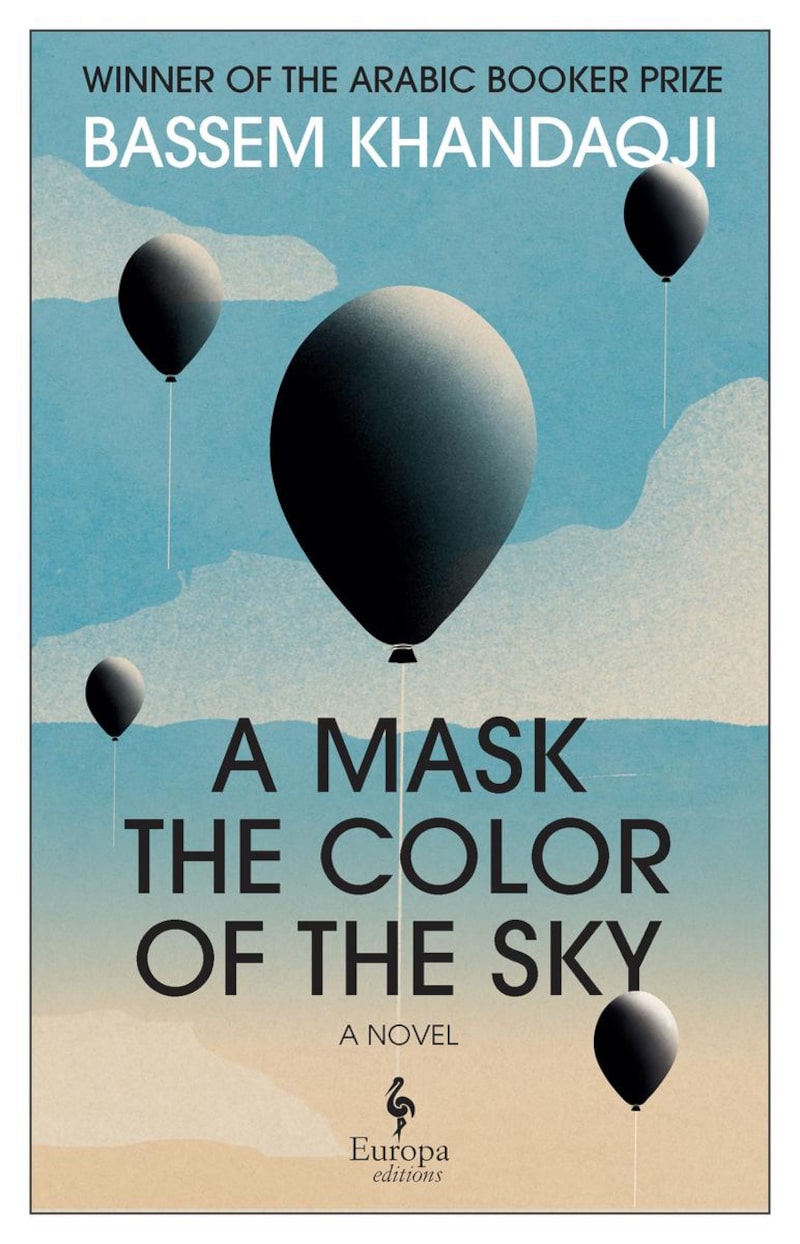
A Mask the Colour of the Sky, Bassem Khandaqji (Europa) In a Ramallah refugee camp, an archeologist named Nur finds an Israeli identity card and, after assuming its owner’s identity, joins a settlement dig to explore historical Palestine – the act creating tension between his true self and adopted persona. Khandaqji’s novel, which won the Arabic Booker Prize in 2024, was written from prison, where he served 20 years (controversially) for his political activities.
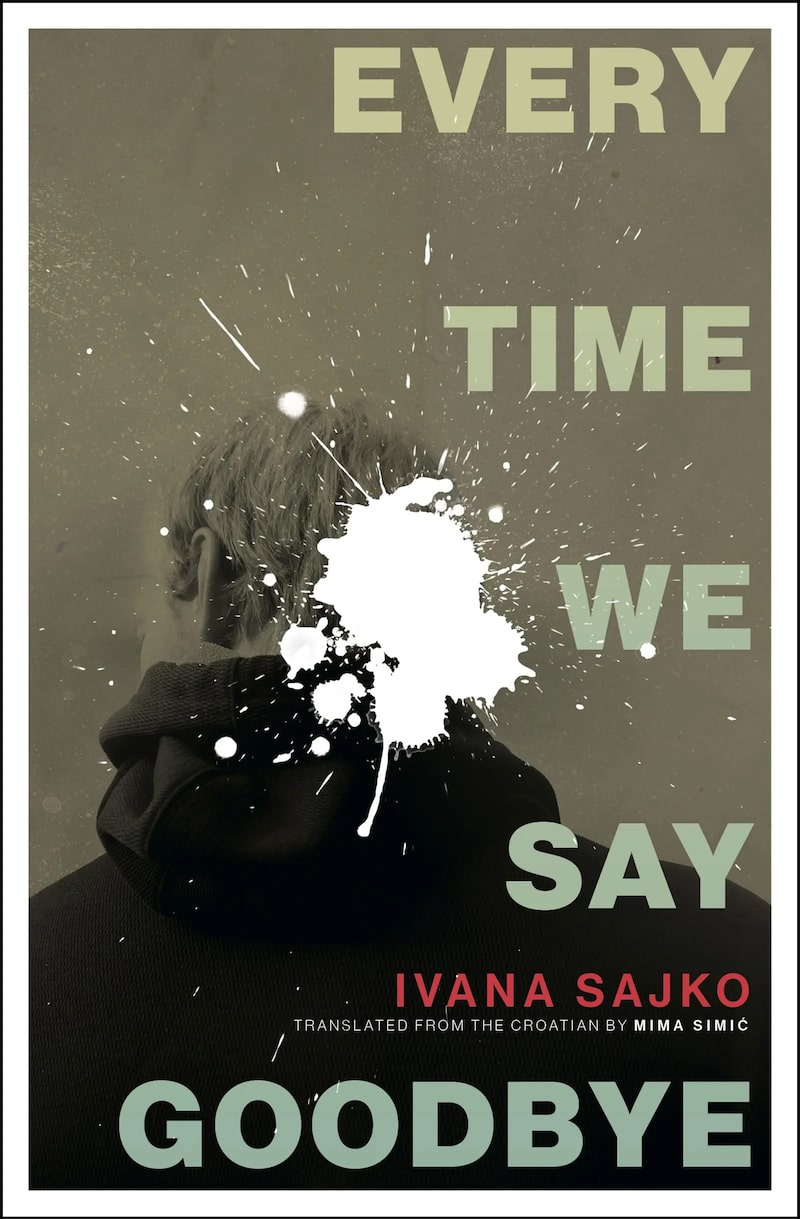
Every Time We Say Goodbye, Ivana Sajko (Biblioasis) As in the author’s highly original previous book, Love Novel, this one is written in single-sentence chapters, though it’s easy not to notice (it’s that fluid). The form suits the novel’s action, which involves a disillusioned Croatian journalist travelling by train to Berlin, where he reflects on a Europe in crisis, personal trauma and the losses that have left him alienated from his work, past and sense of belonging.
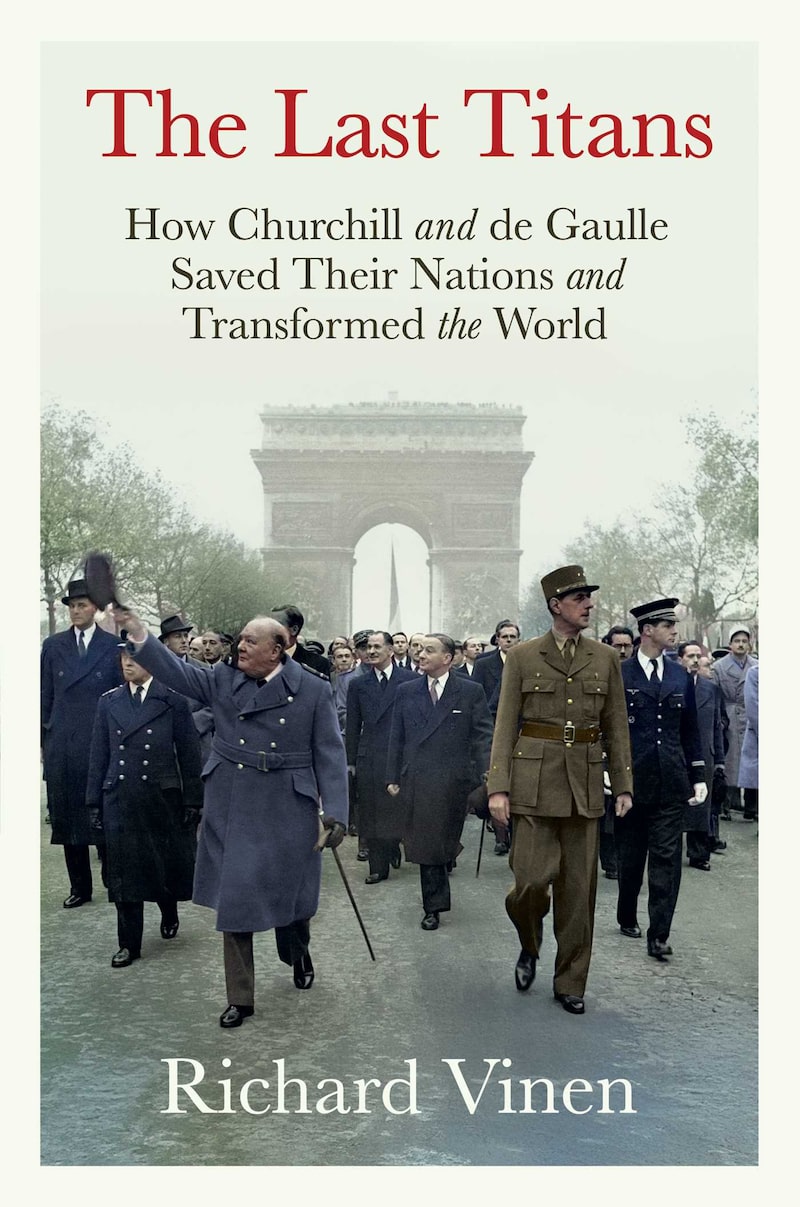
The Last Titans, Richard Vinen (Simon & Schuster) Aimed at the general reader, Vinen’s dual biography looks at the intertwined lives – from wartime allies to enduring shapers of Britain and France – of Winston Churchill and Charles de Gaulle, highlighting their shared traits and striking differences (Churchill, apparently, was “fond of money and not too scrupulous about how he got it”; de Gaulle “financially incorruptible”).
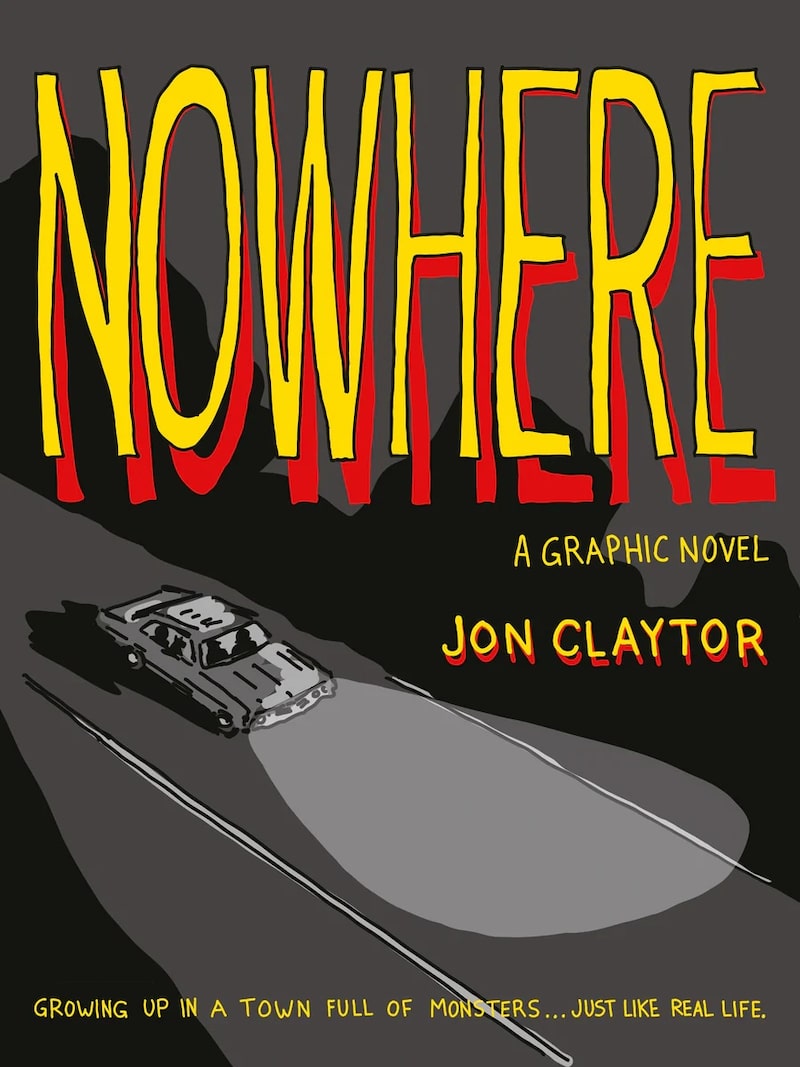
Nowhere, Jon Claytor (Goose Lane) Sackville, N.B.-based Claytor’s first graphic novel (he previously published a graphic memoir, Take the Long Way Home), takes on the bewildering, chaotic mental terrain that is early adolescence through the story of 12-year-old Joel, who finds himself confronting a small town turned surreal and threatening when a giant cube appears on its periphery, nocturnal monsters and clowns start roaming the streets, and his parents vanish.
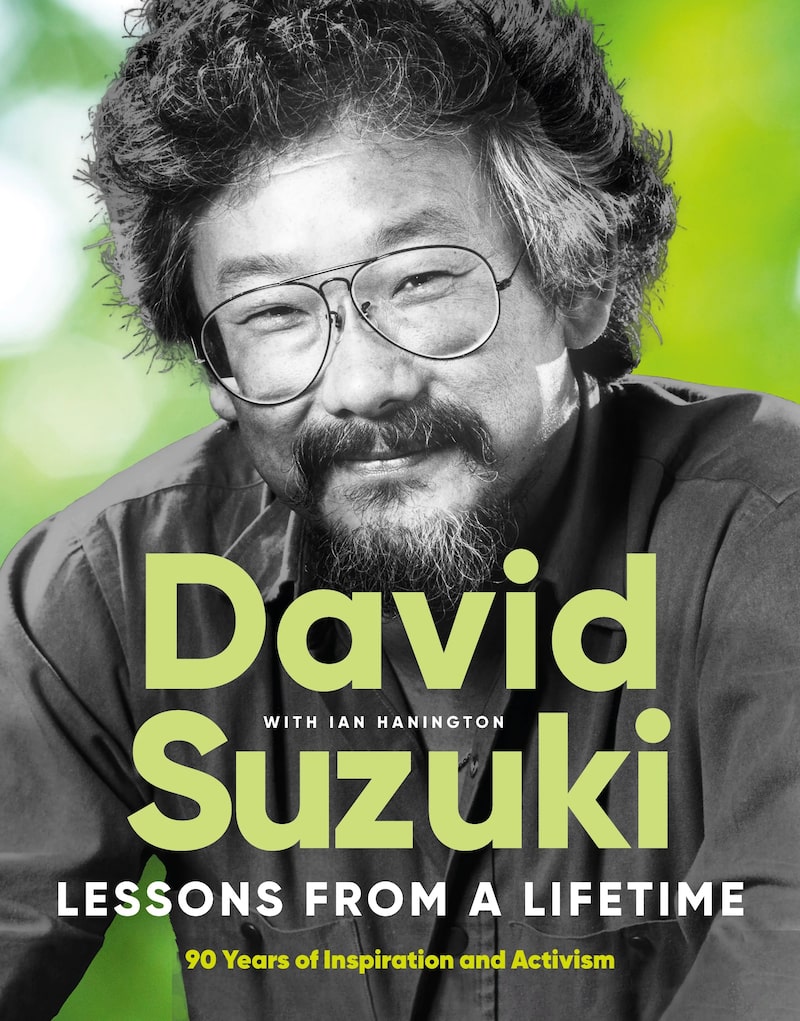
Lessons from a Lifetime, David Suzuki (Greystone) Released on the occasion of his 90th birthday, this book interlaces Suzuki’s reflections on a life shaped by his early years in a B.C. Japanese internment camp, his career as a genetics professor and long tenure as host of CBC’s The Nature of Things, with paeans from celebrities (Neil Young, Jane Fonda), politicians (Justin Trudeau, Elizabeth May), colleagues and Indigenous leaders and activists.

Out of the Sky, Matti Friedman (Signal) Canadian-Israeli journalist Matti Friedman draws on unpublished memoirs and once-secret files to tell the bizarre true story of a Second World War mission in which Holocaust survivors parachuted into Nazi-occupied Europe – orders they carried out while being given multiple, sometimes contradictory, explanations of the mission’s true purpose.
APRIL


Transcription, Ben Lerner (McClelland & Stewart) A magazine writer’s interview with his 90-year-old mentor is temporarily aborted after he drops his cellphone into a hotel sink, setting off a chain of events that expose miscommunications, misunderstandings and the ways technology mediates – and complicates – modern human connection.
Temporary Palaces, Jeff Miller (Anansi) In 2001, bandmates and lovers Rob and Ben are living the punk dream in an Ottawa squat teeming with other musician and artists – until police break it up and Rob, whose politics have been becoming increasingly radical, vanishes. The novel then fast-forwards to a decade later, with Rob’s friends reconnecting to reckon with events set in motion by his disappearance.


Oblivious, Elaine Dewar (Biblioasis) Known for her fearless journalism on subjects ranging from the de-nationalization of the Canadian book industry and the origins of the COVID-19 pandemic, Dewar’s last book (completed shortly before she died last year) exposes, in new ways, the pitiless machinery behind residential schools, segregated hospitals and race-based exploitation that took place on the Prairies – all while settlers’ descendants invited west by the government prospered on the same lands.
Permanence, Sophie Mackintosh (Hamish Hamilton) Deemed one of Granta’s Best Young British Novelists, the Welsh writer bagged Booker and Women’s Prize nominations for two of her previous novels. In this Black Mirror-ish new one, a pair of adulterous lovers wake up in an unfamiliar city populated only by couples, then start shifting unpredictably between this alternate realm and their ordinary lives.
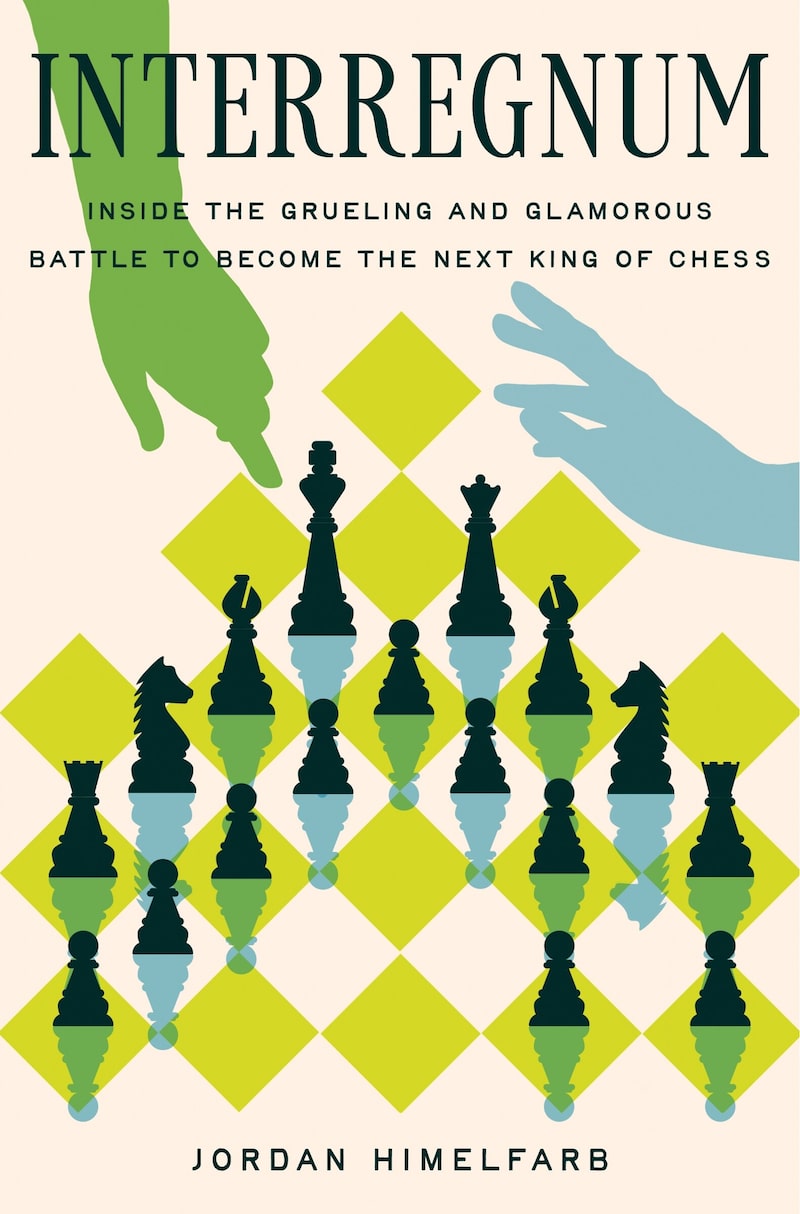

Interregnum, Jordan Himelfarb (Anansi) Himelfarb offers a portal into the rarefied world of competitive chess by introducing readers to the rogues’ gallery of international characters who rushed in to fill the void, battling for pre-eminence, after the seeming untouchable Norwegian grandmaster Magnus Carlsen stepped away from the sport in 2022.
Attention, Anne Enright (McClelland & Stewart) Surprisingly, this is the first collection of the Irish writer’s stellar essays – primarily criticism and memoir – which she’s been publishing for years in places such as the New York and London Reviews of Books. There’s some CanCon here, including a reassessment of Alice Munro’s work in the aftermath of revelations about her daughter’s sexual abuse by Munro’s second husband, and a piece about the two years Enright spent as a student in B.C. (where she discovered Margaret Atwood).

Where the Earth Meets the Sky, Louise K. Blight (Bond Street) In 2003, Blight was invited to Antarctica to partake in a long-term penguin study on Ross Island with the pioneering ornithologist David Ainley. In this travelogue-cum-memoir set against the backdrop of climate change, and braided with stories of Antarctic explorers past and present, the B.C.-based wildlife biologist recounts how the trip turned became an experience that “would consume my soul.”
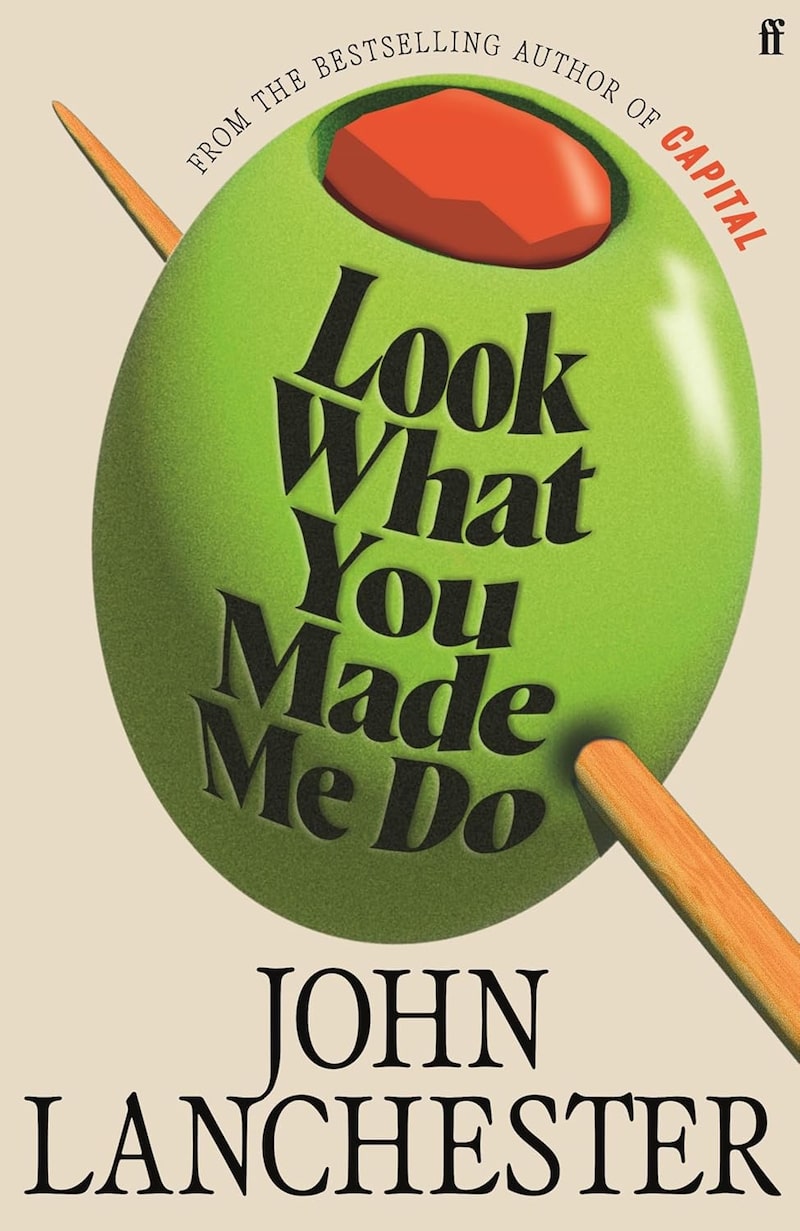
Look What You Made Me Do, John Lanchester (Faber and Faber) The British novelist and journalist has become known for fiction that blends keen social observation with wit and suspense (see Capital and The Wall). In this darkly comic tale, Kate begins to question her long, happy marriage with growing paranoia when a new hit reality show, Cheating, appears to expose her and her husband’s deepest shared secrets.
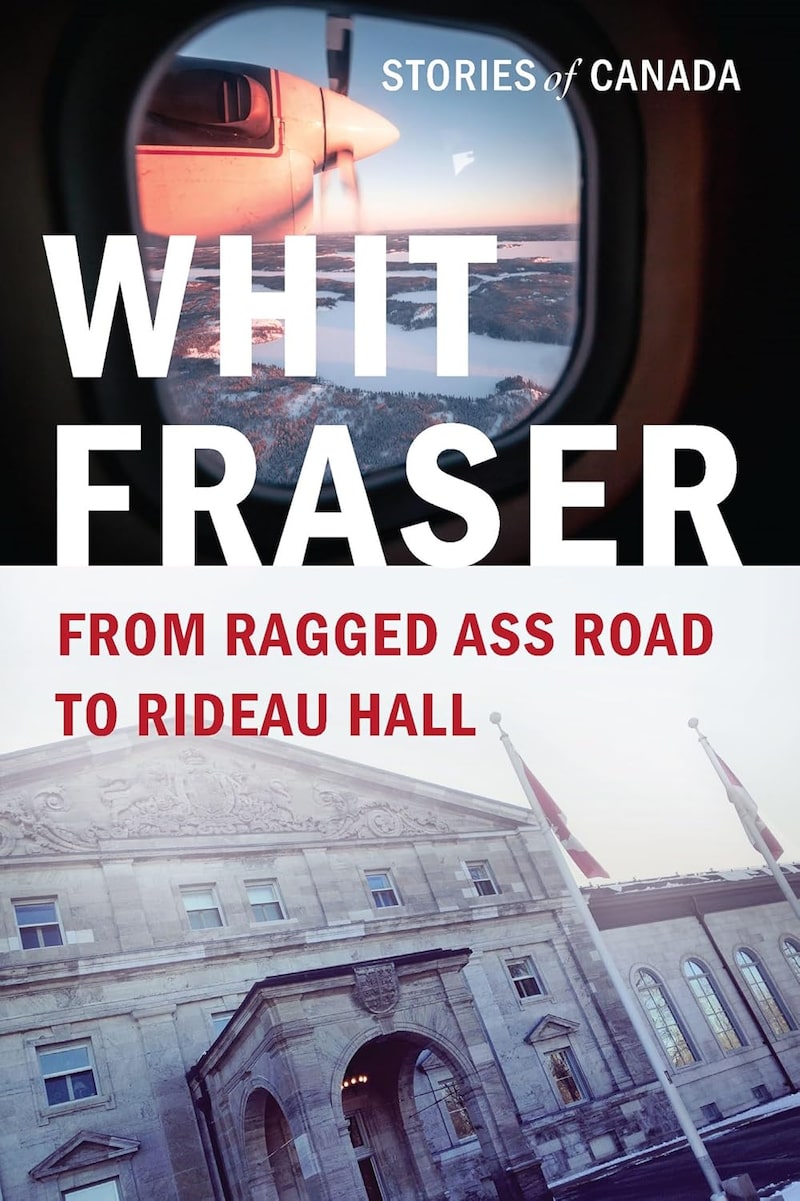
From Ragged Ass Road to Rideau Hall, Whit Fraser (Douglas and McIntyre) The Pictou County, N.S.-born Fraser – Canada’s 56th viceregal consort (that is, husband) to the country’s first Indigenous Governor-General, Mary Simon – looks back on the eventful half-century he spent in journalism, including 25 years with the CBC, eight as a Parliamentary reporter, as well as long stints in the place that would become his passion: the far North.
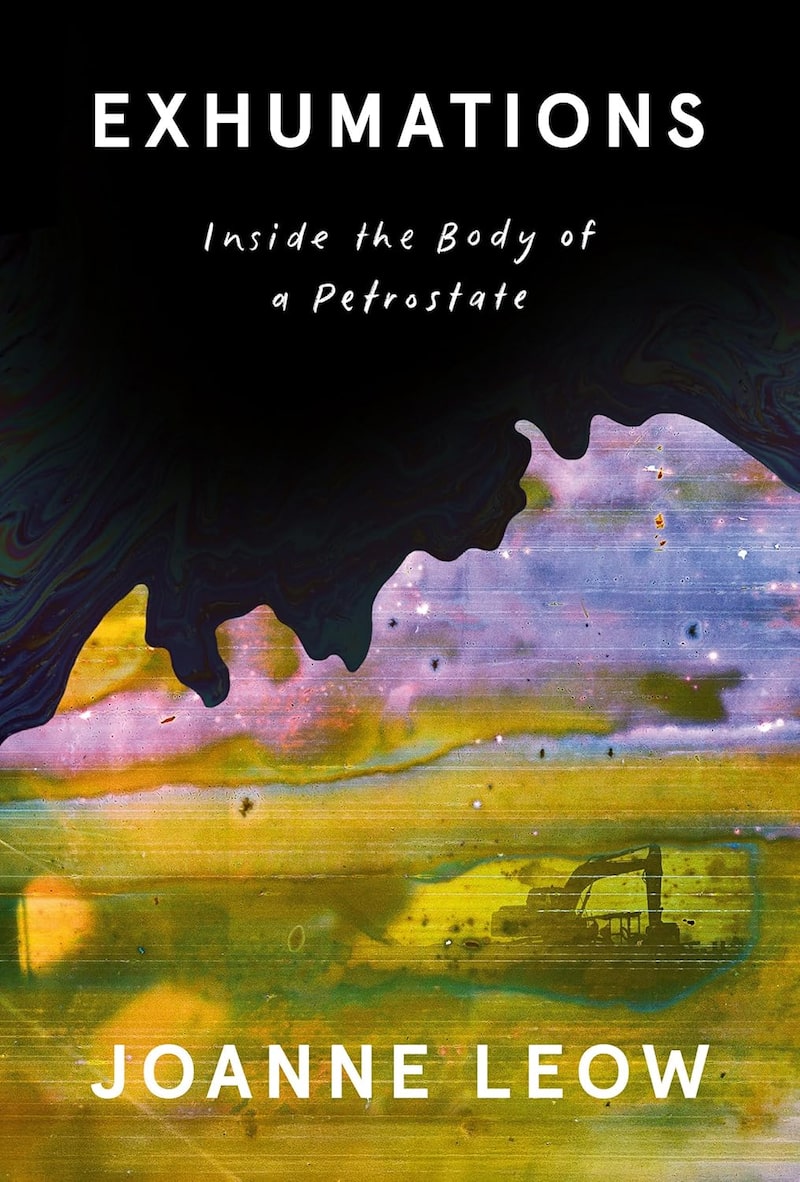
Exhumations, Joanne Leow (Alchemy) Written in fragmentary, literary prose interwoven with memoir, the Simon Fraser University professor pokes beneath the glossy, capitalist veneer of her birth country, Singapore – where she once worked as a journalist for state-controlled media – whose rapid development has depended on vast amounts of oil, sand, migrant labour and strict political systems to maintain social and political order.
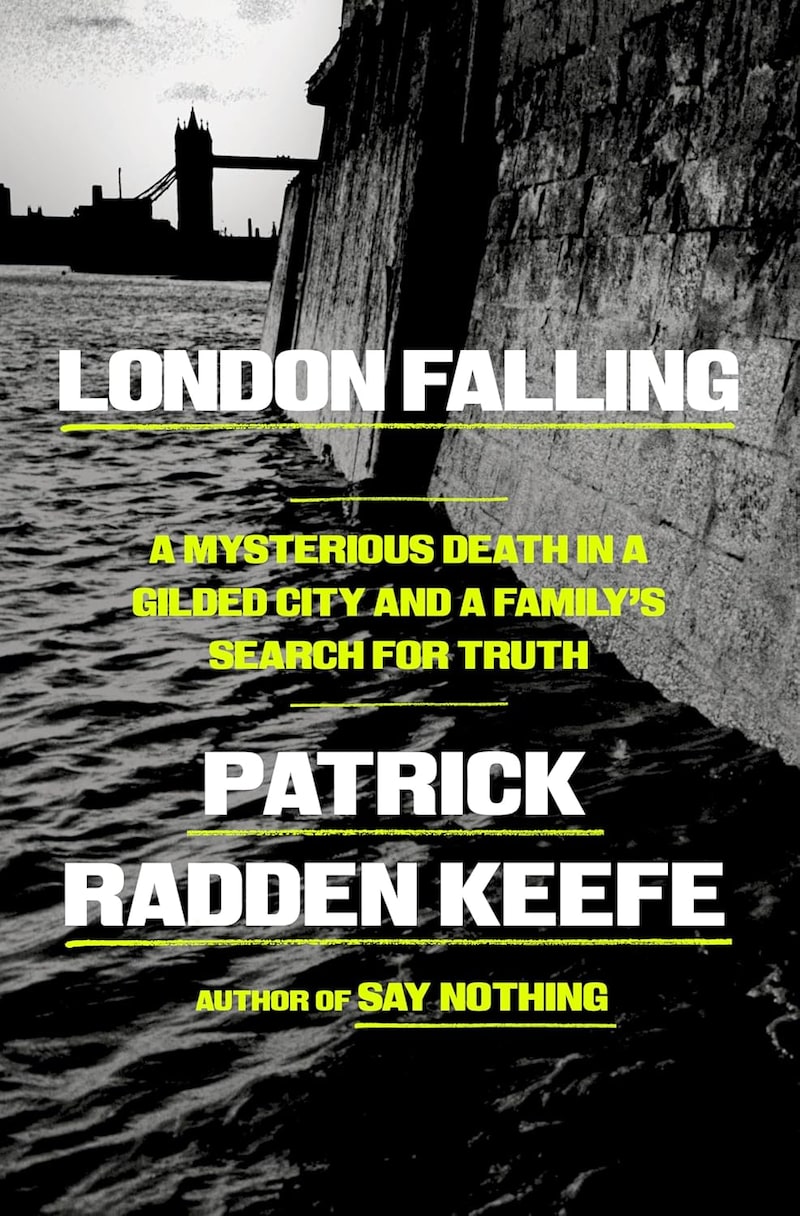
London Falling, Patrick Radden Keefe (Bond Street) Masterpieces such as Empire of Pain and Say Nothing established Radden Keefe as part of the top-tier of non-fiction writers out there today. His latest investigation, set in poshest London, unravels the bizarre, mysterious story of a 19-year-old from a respectable family who, after posing as the son of a Russian oligarch, died after flinging himself from a luxury apartment building into the Thames in 2019.
MAY
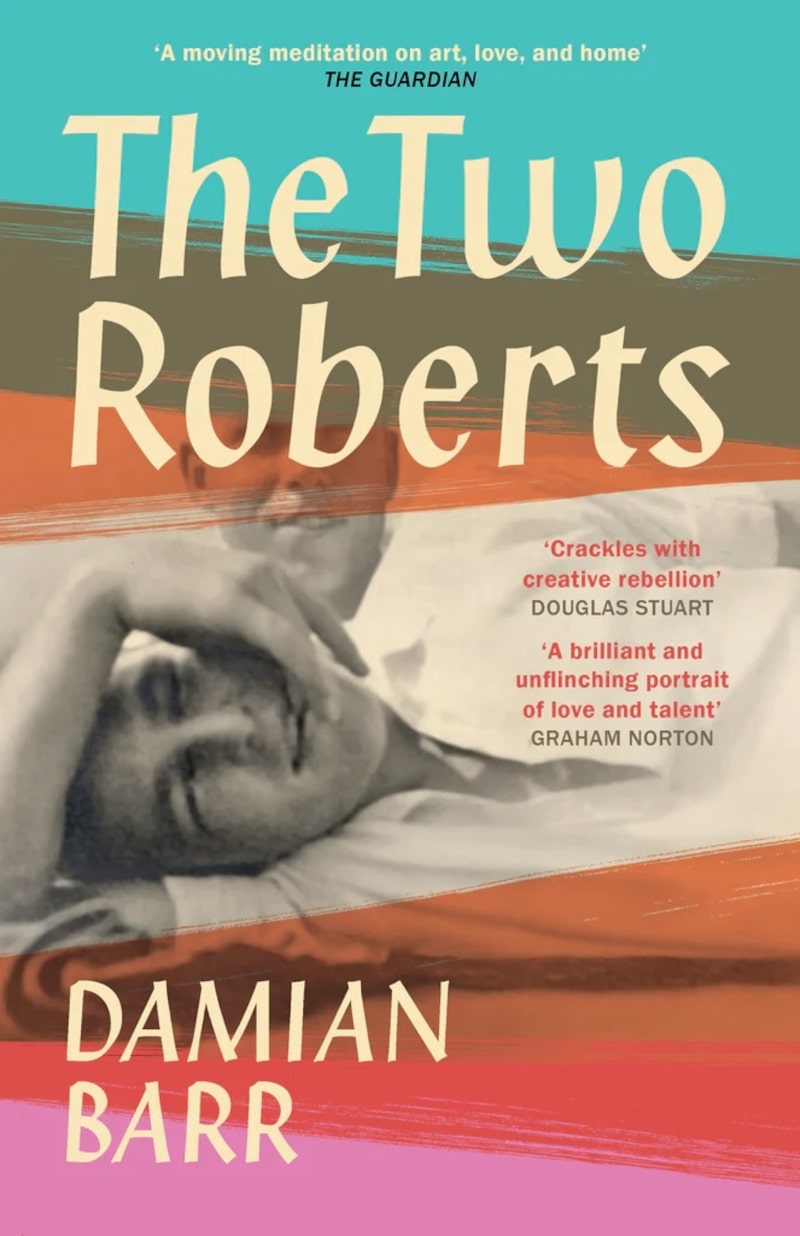
The Two Roberts, Damian Barr (Anansi) The author, previously, of the novel You Will Be Safe Here and a memoir, Maggie & Me, in his latest tells the tale of two (real-life) openly gay artists, Robert MacBryde and Robert Colquhoun, who, after meeting at the Glasgow School of Art, must navigate their relationship and careers across 1930s Europe. The Two Roberts was book of the year at several British outlets, including the Guardian, Observer and the BBC.
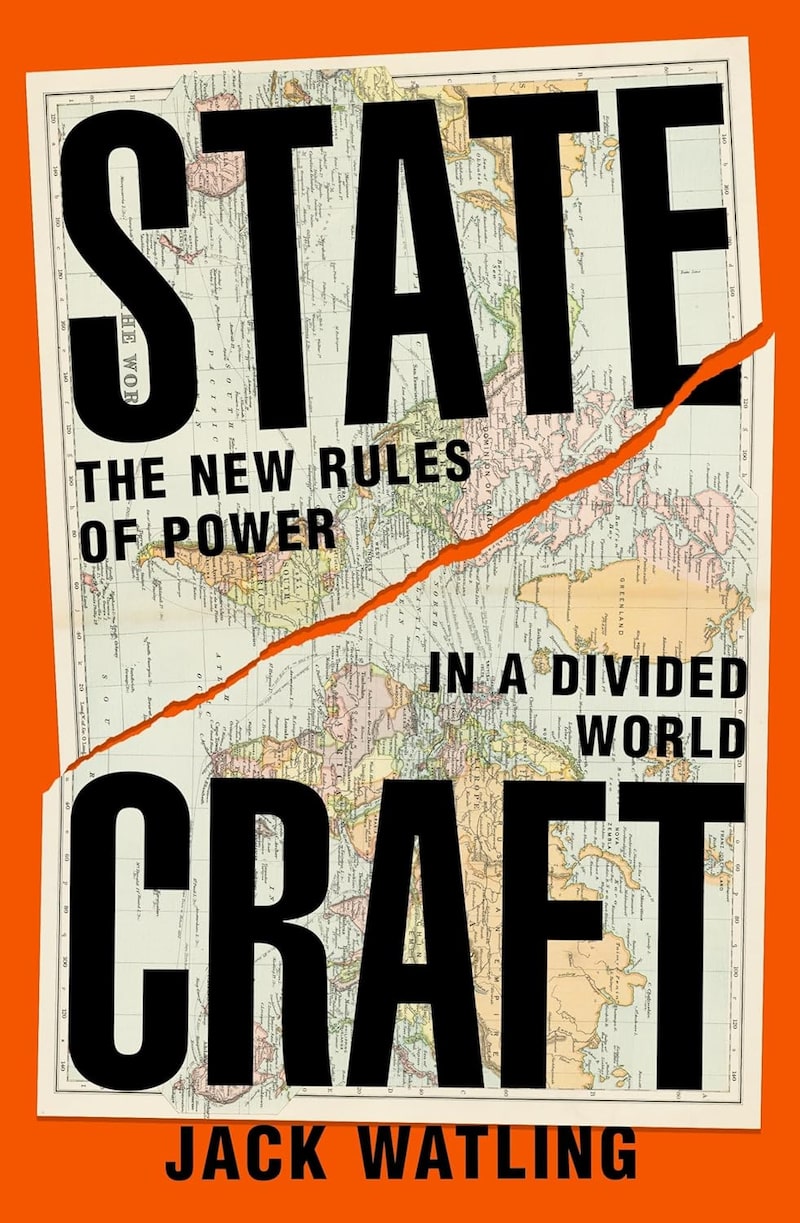
Statecraft, Jack Watling (Pan MacMillan) Using recent examples from Ukraine, the Middle East and Taiwan, and drawing on his work with the British, Ukrainian and American militaries, the U.K. journalist aims to show how contemporary states compete, co-operate and fight in a book Anne Applebaum is calling “Clausewitz for the modern world.”
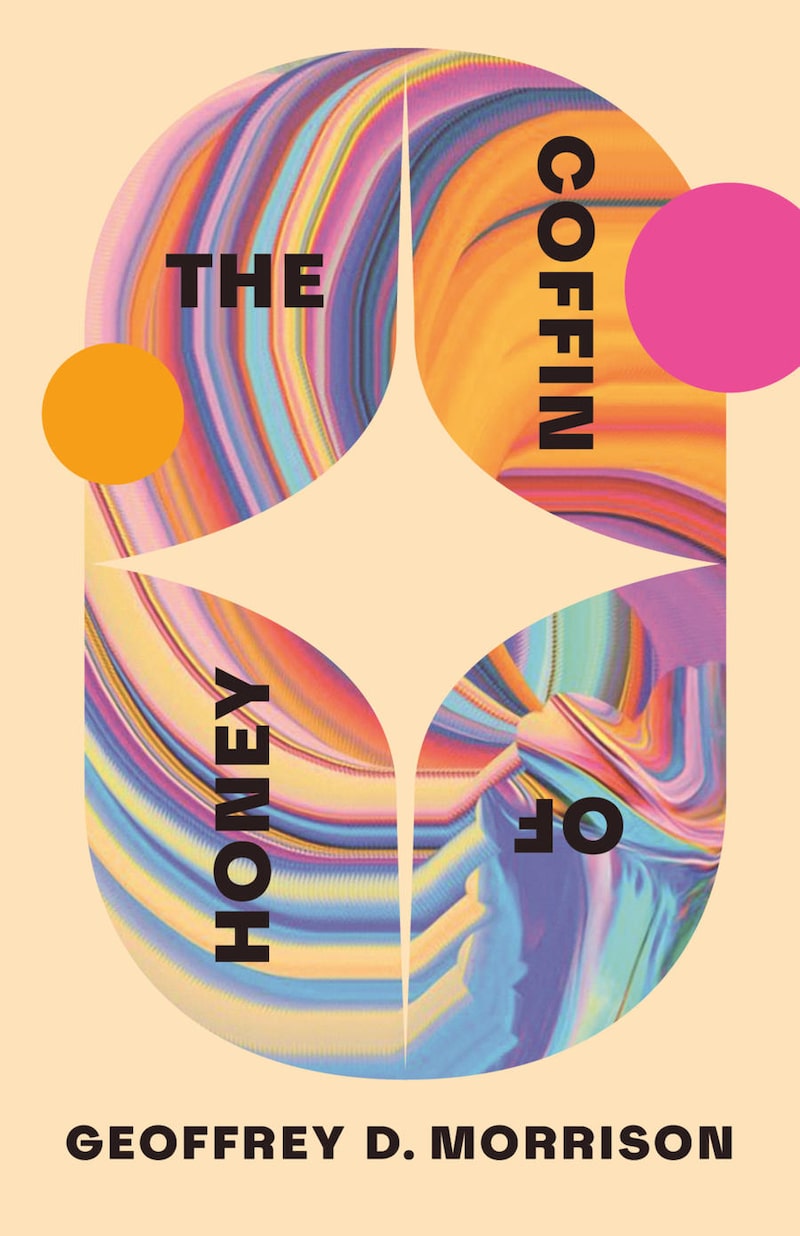

The Coffin of Honey, Geoffrey D. Morrison (Coach House) In a novel that its publisher is plugging as Close Encounters of the Third Kind meets Annihilation, and a “poetic space-age fable of proletarian internationalism,” a minor Marxist politician, a spy and a poet are drawn into a series of otherworldly visions triggered by a mysterious pill-shaped object.
John of John, Douglas Stuart (Knopf) The Scottish writer shifts from Glasgow – backdrop to the Booker-winning Shuggie Bain and Young Mungo – to the Isle of Harris in Scotland’s Outer Hebrides, where John-Calum Macleod, an art-school dropout summoned home to the family croft to care for his grandmother, finds himself contending with a conservative Presbyterian community, family secrets and his own concealed sexuality.

The Alchemy of Paradise, Susannah M. Smith (Invisible) Written as faux memoir, Smith’s novel of ideas continues the story of the curator-narrator from her previous novel, The Fairy Tale Museum, who, in an effort to cope with grief, turns to collecting objects, impressions and fragments – and, when all else fails, to alchemy.
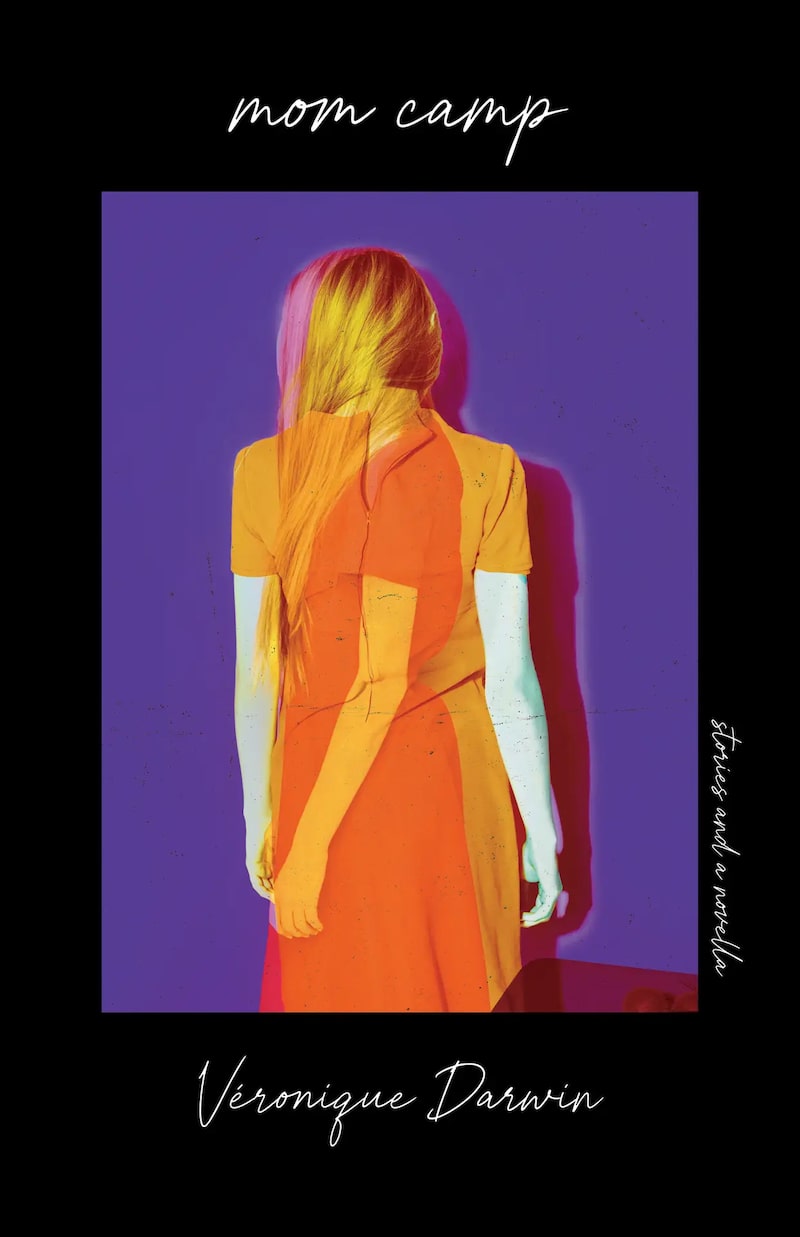
Mom Camp, Véronique Darwin (Assembly Press) Two epigraphs, one from Sheila Heti, the other from Virginia Woolf, set the mood for this debut collection of interconnected stories (and one novella) about women navigating various identities – sister, friend, lover, caregiver – at different stages of life.


Riverwork, Lisa Robertson (Coach House) This second novel from the poet and Baudelaire Fractal author follows Lucy as she resumes her vanished great-aunt’s research into Paris’s buried river, the Bièvre. Tracing its literary and industrial past, she finds unexpected connections between the river’s history and her own life cleaning apartments of the élite.
The Land and Its People, David Sedaris (Little, Brown) Sedaris continues to wring fall-down-funny material from his well-travelled yet relatively sedate life (and, at times, poignancy, as when he contemplates the death of a once-dear friend, not seen for decades). The titular story of this essay collection begins with an anxiety-ridden Sedaris, for reasons he can barely fathom, riding up the side of a Guatemalan volcano aboard “the ugliest horse I had ever seen.”
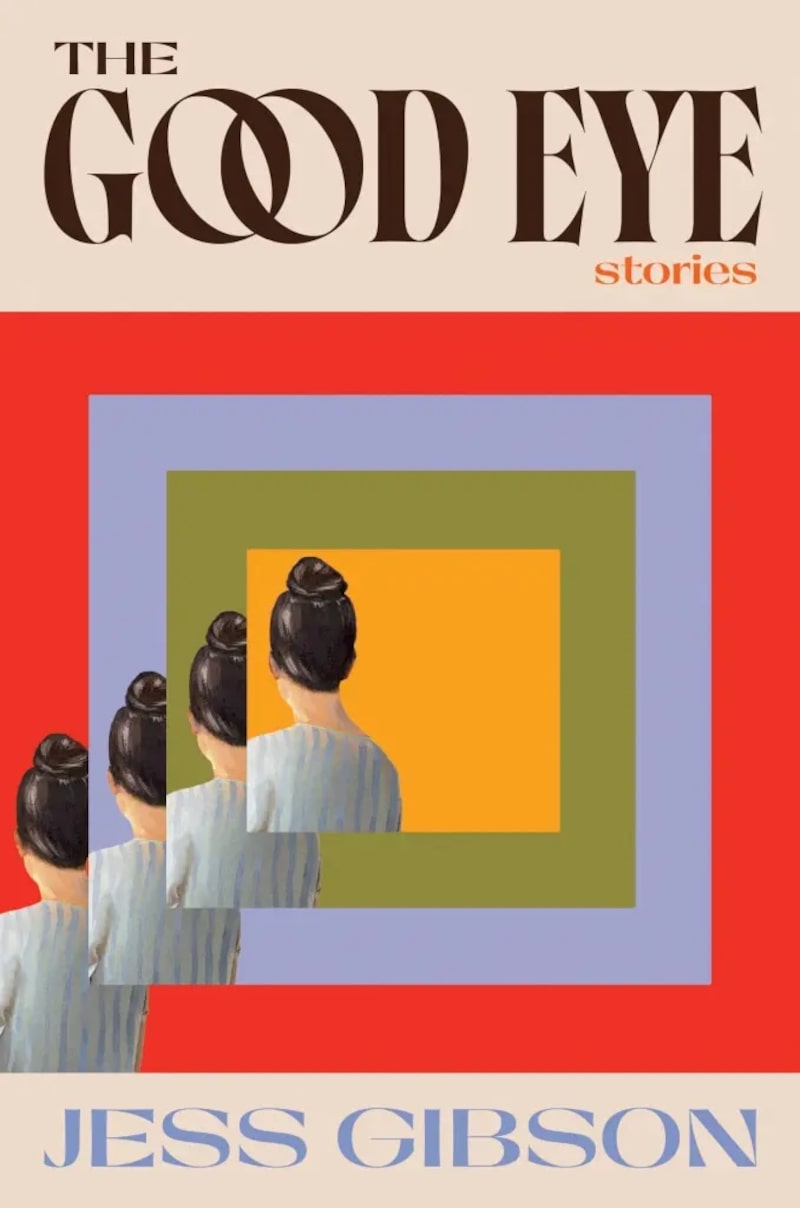
The Good Eye, Jess Gibson (Knopf) Spanning crime, fantasy and art (Gibson has a PhD in art history), the Toronto-born Brooklynite’s book has earned praise from André Alexis, who called it “the best first collection of stories I’ve read in years.”
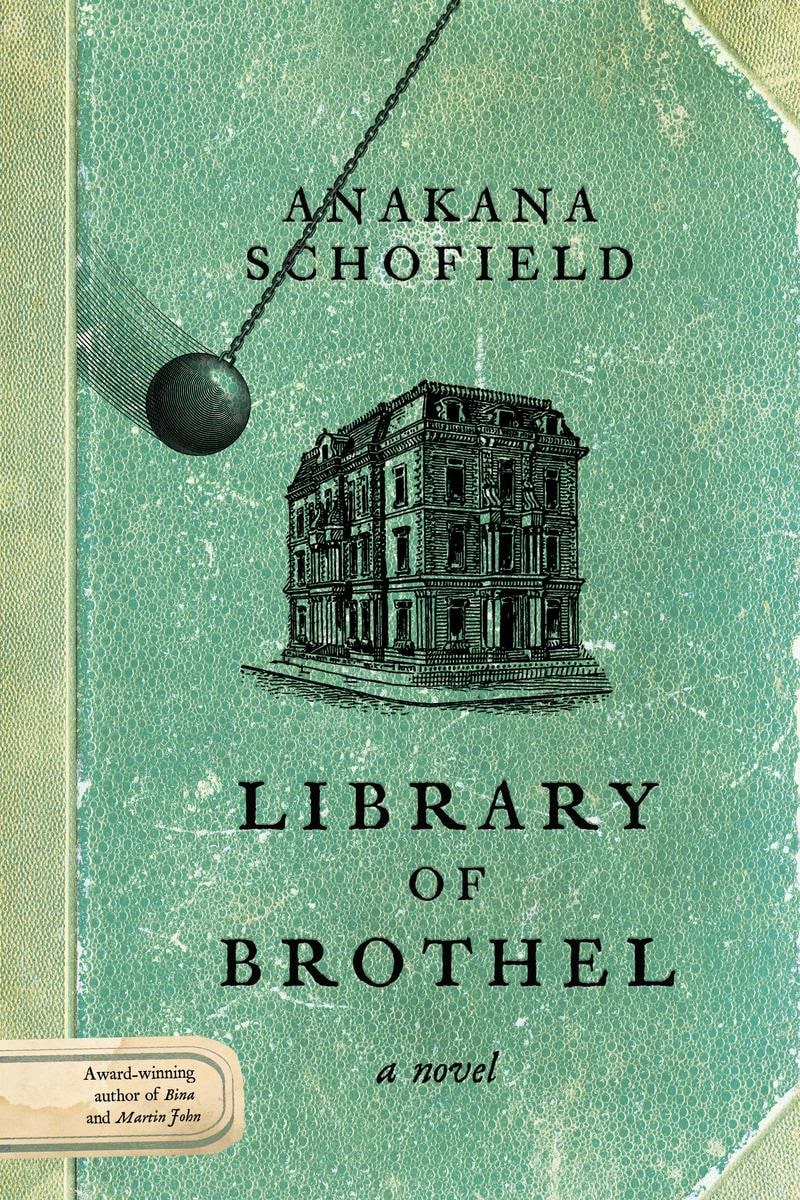
Library of Brothel, Anakana Schofield (Knopf) Schofield has always pushed form in her novels (Martin John, Bina), but she tips it off the cliff in this one, set in a mysterious building with moving rooms whose worker denizens – led by Noble Leader (“a fatter Fidel Castro without cigars”) – are allowed to engage in intellectual pursuits as long as they conform to a very specific series of house rules (unpublished poetry, gardening tools and mouth organs are all banned).
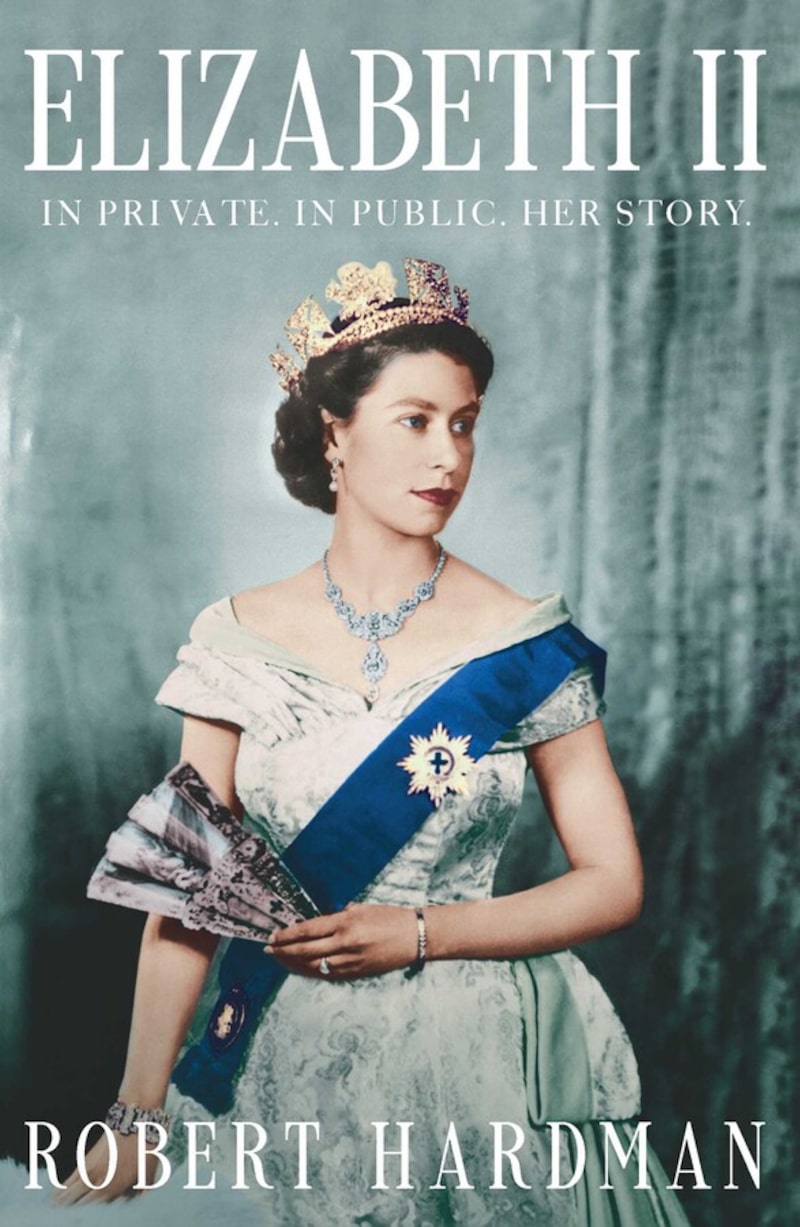
Elizabeth II, Robert Hardman (Pan MacMillan) Advance copies of this major new biography of the late Queen weren’t made available (it’s under embargo until its U.K. publication date in April) by a long-time chronicler of the Royal Family (Daily Mail, BBC), so it’s anyone’s guess what the jacket copy’s promise of “intimate and revealing” will yield.