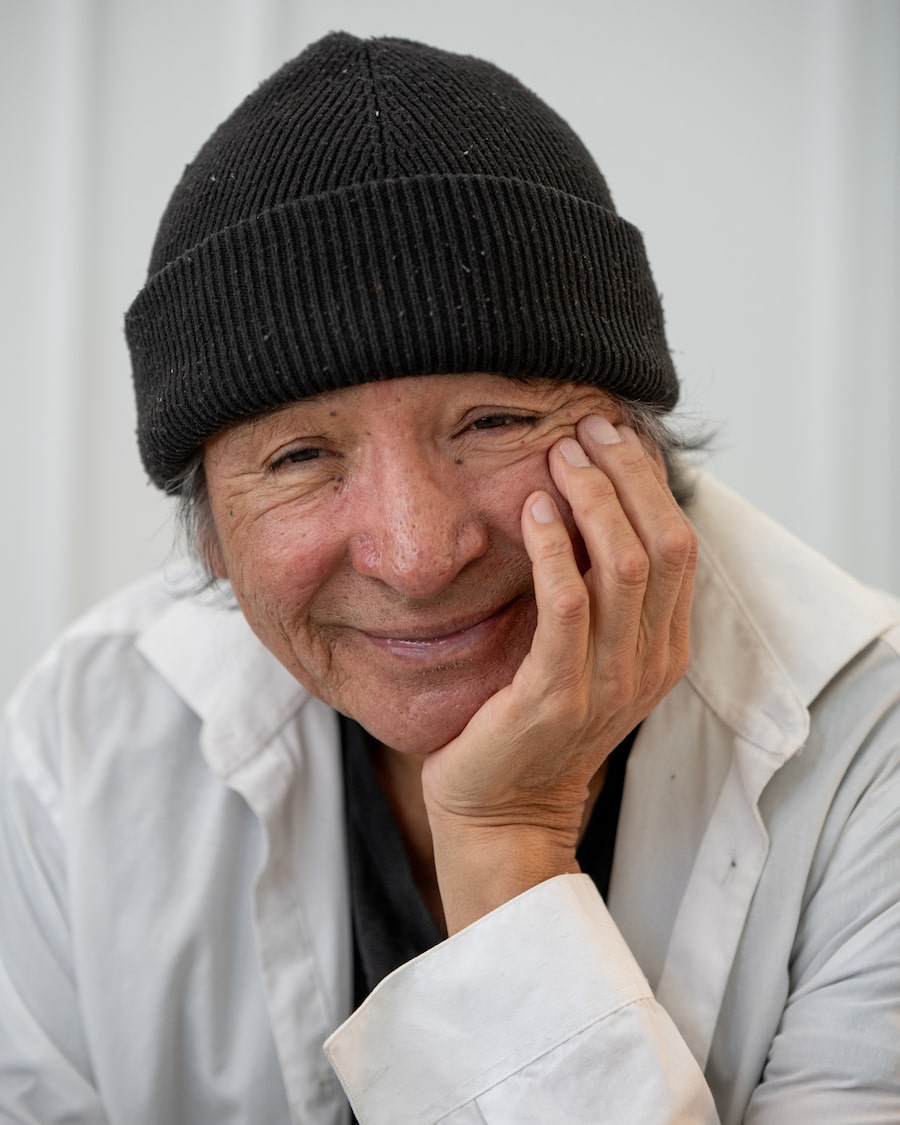
Above all, Tomson Highway wants to laugh.
The problem, he says, is that God – or the popular, Westernized version of him – doesn’t agree.
“I’ve never heard the Christian God laugh,” says the lauded author, pianist and playwright, 74, from his home office in Gatineau on a slushy March day. “He’s not funny. He’s frightening. You’re always doing something wrong. Anything you do that’s pleasurable is forbidden.”
Highway makes the observation while discussing his musical Rose, which receives its professional premiere with the National Arts Centre’s Indigenous Theatre at the end of the month. Kevin Loring’s no-holds-barred production has been decades in the making: Highway first wrote the show 34 years ago, and it’s been 27 years since its first amateur production at the University of Toronto.
It’s a long-overdue milestone for a writer whose career is full of them.

A photo of Tomson's parents, Pelagie Cook and Joe Highway, hangs in his home.Shelby Lisk/The Globe and Mail
Highway was born in 1951 near the Manitoba/Nunavut border, to nomadic caribou hunters Pelagie Cook and Joe Highway. The 11th of 12 children, Highway moved south to Winnipeg for high school, then east to study music and English literature at the University of Western Ontario. After university, he worked as a social worker on reserves across Canada, and eventually started producing plays. While his earliest works didn’t immediately make a huge mark on Canadian theatre, The Rez Sisters, first produced by Act IV Theatre Company and Native Earth Performing Arts in 1986, was a hit.
A member of the Order of Canada and recipient of 11 honorary doctorate degrees, Highway has seen his most famous works – The Rez Sisters and Dry Lips Oughta Move to Kapuskasing, mostly – performed all over the world. (His favourite production of The Rez Sisters featured no Indigenous actors at all: It was staged in Japan.) From 1986 until 1992, he served as artistic director of Native Earth, and in 2021, he won the Hilary Weston Writers’ Trust Prize for his memoir Permanent Astonishment. He used some of his $60,000 in winnings to pay for the shiny black grand piano that sits proudly in his living room.
Even when talking about Rose – the three-act epic whose music spans jazz, samba and a vast range of other genres – Highway has a habit of veering into the music, languages and places that fascinate him. He’s a polyglot, fluent in Cree, French and English, and proficient in a handful of other tongues.
When he’s not explaining Cree syntax or reminiscing on his years living in Italy and the south of France, he makes jokes, sipping beer from a local brewery while extolling the virtues of crude humour.
“There is nothing funnier than a fart,” he says, a playful glimmer in his eye.
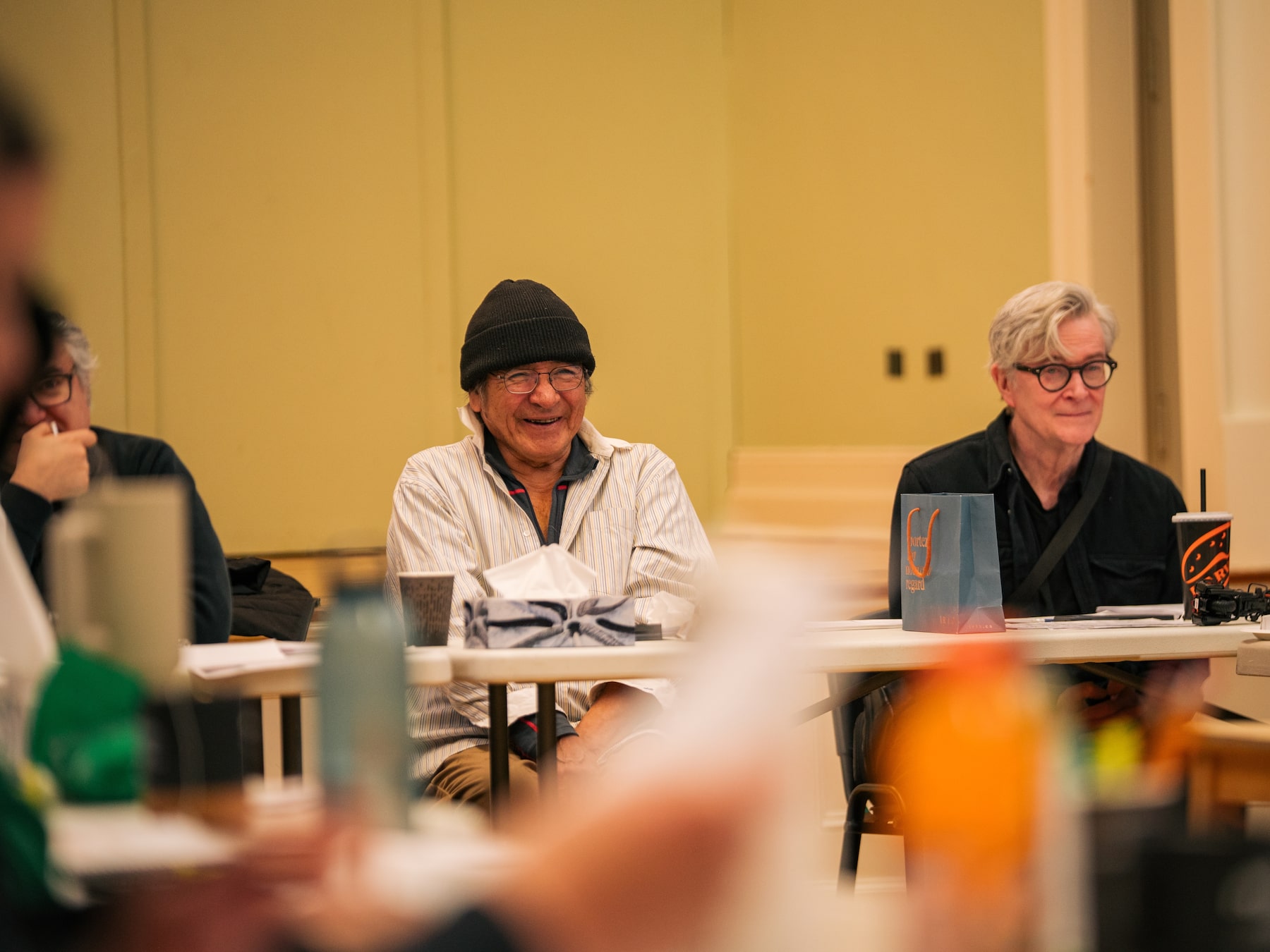
When he does talk about himself – usually after some prodding – he shrugs off accolades, hamming up his humility rather than dwelling on prize money or trophies.
Rose, he says, was written in service of the same question as The Rez Sisters and Dry Lips Oughta Move to Kapuskasing: Is God a man or a woman? The musical answers that question on the Wasaychigan Hill Reserve, the familiar, fictional setting for Highway. We pick up in a world much the same as Dry Lips: Big Joey wants to open a multimillion-dollar casino in the reserve’s community hall. When he enlists the Sudbury Mafia to help, the reserve’s greatest defenders – Emily Dictionary, her fellow bikers and Chief Rose – must rise to protect the place they love most.
What unfolds is a search for God, and, by extension, a search for justice for the women of the reserve.
“In non-Native culture, God is male,” he says. “Gender is the fulcrum on which rests the structure of patriarchal religion. In Christianity, God created man and forgot to create woman – woman was an afterthought. It’s her fault she ate the apple and submitted to temptation; it’s her fault we’re cursed as a species, that we were kicked out of the Garden of Eden.”

A copy of Highway's musical Rose sits in his home in Quebec.Shelby Lisk/The Globe and Mail
Highway’s point is that Christianity – specifically, Christianity’s version of the creation story – created a culture that treats bodily pleasure as taboo. “Talk about a recipe for sexual dysfunction,” he says with a laugh.
“On the other side of the story, in the matriarchy, that’s precisely what you’re supposed to do with that tree,” he explains. “You’re supposed to enjoy the fruit. One system of thinking treats the fruit as a curse; the other talks about a gift of pleasure, a gift of beauty.”
He fast-forwards to European settlers’ colonization of North America: “When they came here in 1492, the first question we had for them was about the most important piece of cargo they had in their boats, this male god,” he says. “In our concept, God is female. That’s the question we had for them: Where’s your God’s girlfriend? Where are your wives?”
Highway was raised a “hard-core Catholic” by his parents and sent to Guy Hill Indian Residential School at the age of 6. Over the years, he’s shared positive memories of his Catholic upbringing, and of his time at the school, though his 1998 novel Kiss of the Fur Queen explored the abuse rampant in such institutions. In his 2021 memoir, he later revealed his own memories of sexual trauma at Guy Hill, experienced at the hands of a staff member.
In any case, Highway says he knows the Catholic God well. “But I have yet to hear him laugh,” he repeats. “His principal weapon is this spiritual terrorism, where everything you do is forbidden.”
His analysis of theology soon spirals into linguistics – more than once, he loses his “Shania Twain of thought,” as he gleefully puts it. Cree, he eventually says, focuses less on gender and more on animacy; nouns aren’t separated into masculine and feminine, as they are in French and Spanish. They’re divided into things that have souls – people, animals, wombs – and things that don’t.

Director Kevin Loring is also the artistic director of NAC Indigenous Theatre.Craig Conoley/National Arts Centre/Supplied
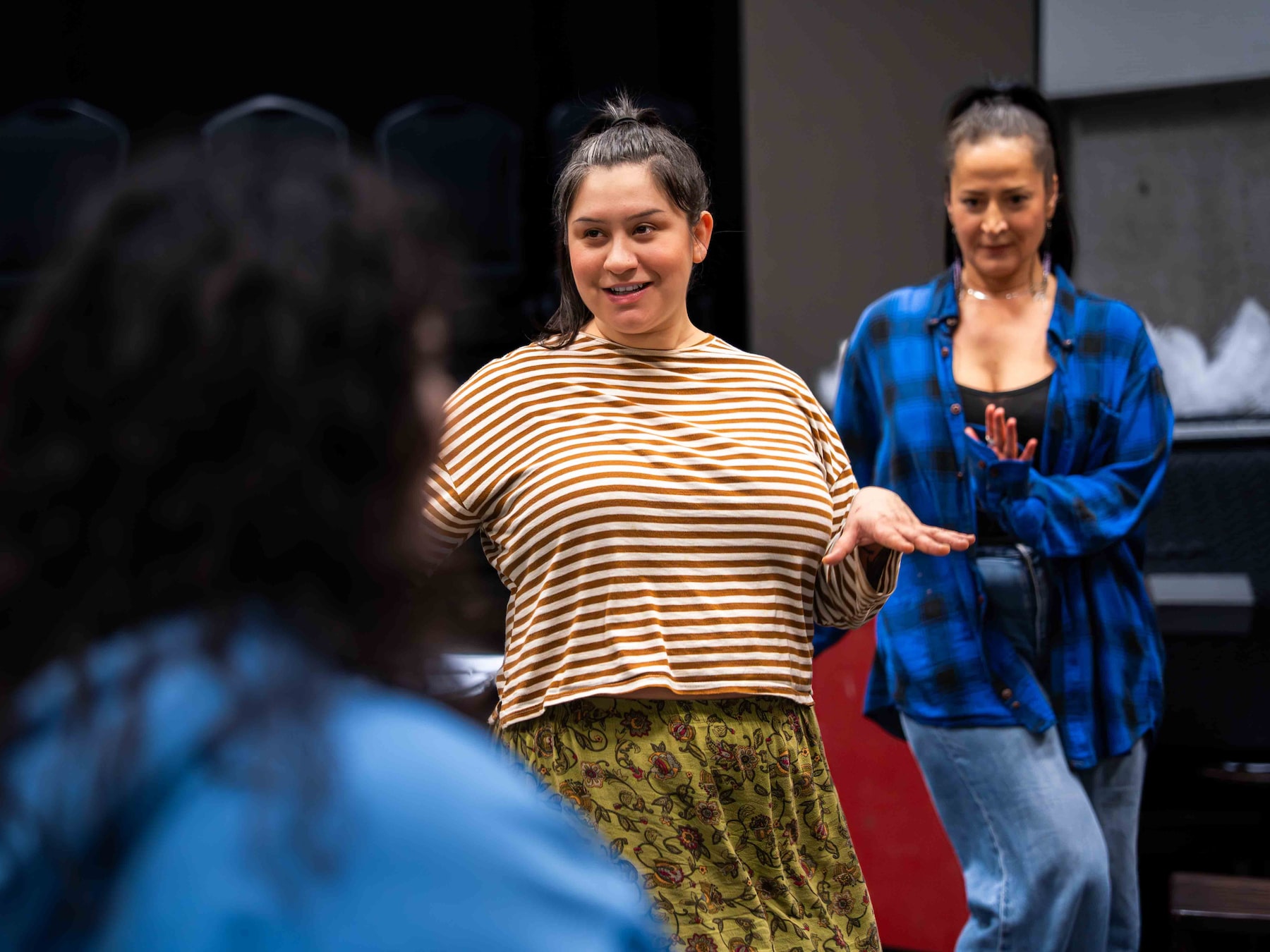
These sprawling ideas come to a head in Rose, directed by Loring, who also serves as artistic director of NAC Indigenous Theatre. His production, staged at the scale demanded by the genre-bending, reality-twisting script, will feature 20 Indigenous actors and a six-piece band.
But what’s kept Rose from being staged all these years isn’t just the piece’s size. The show travels between atmospheres, sprinkling in images that some have called unstageable – including a troupe of dancing avocados.
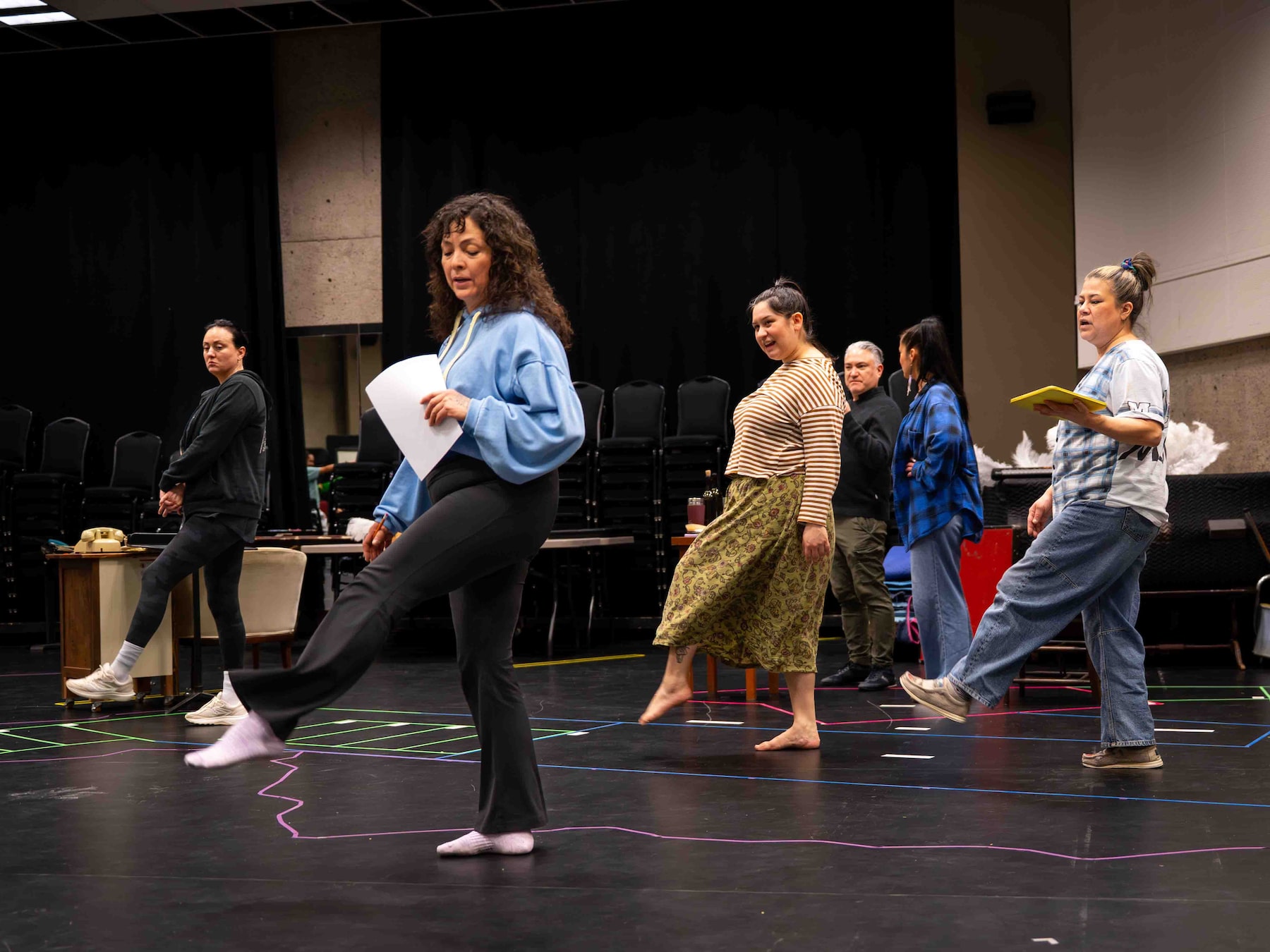
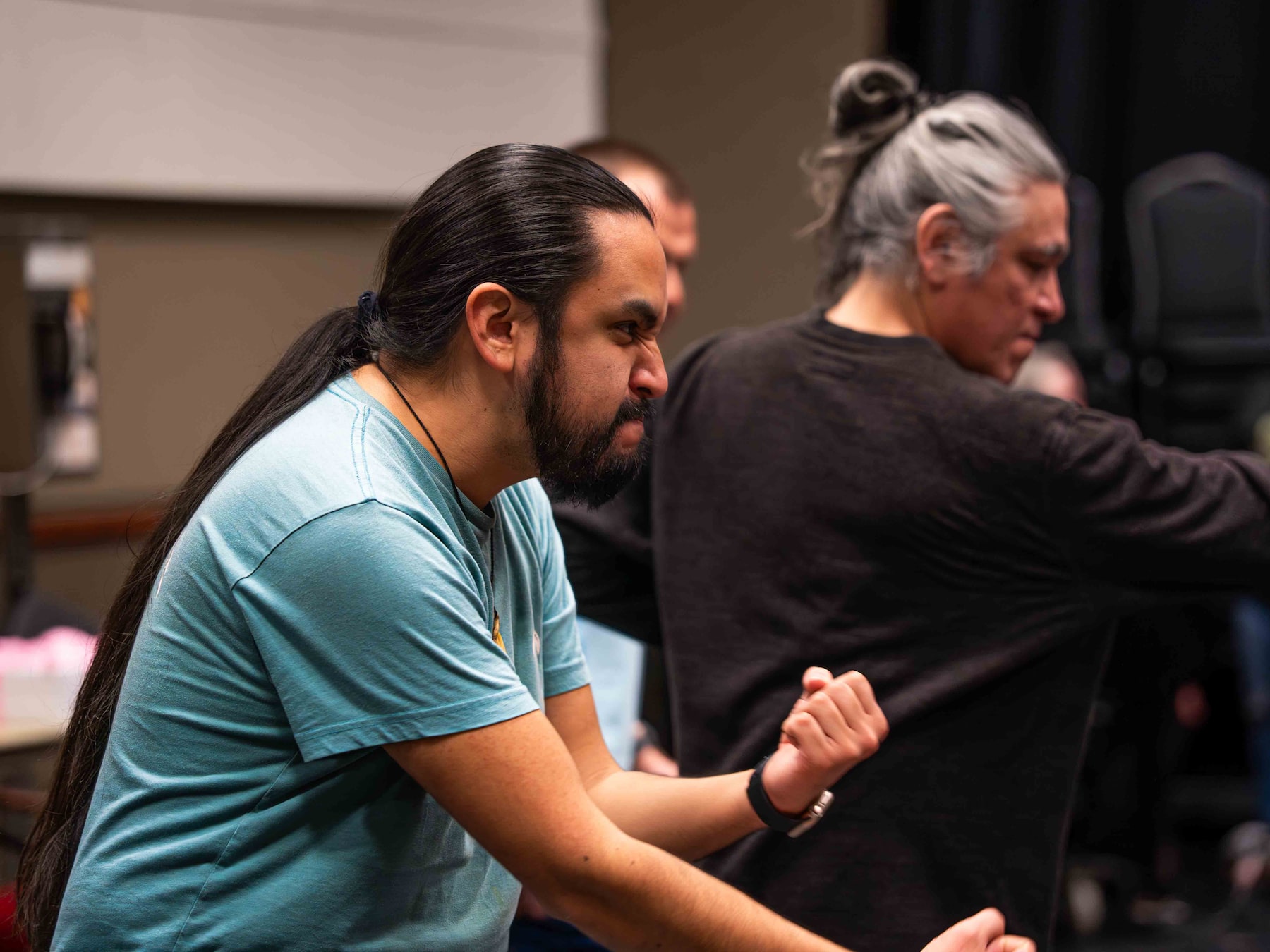
For Loring, nothing in Rose is too out-there to represent onstage, not even the dancing fruit. But the piece is the largest ever produced by NAC Indigenous Theatre, and has demanded more resources than most of the company’s prior programming. A two-week workshop in Banff was “integral” to hearing Rose all the way through for the first time, says the director, and the rehearsal process in Ottawa has been two weeks longer than it might be for a more straightforward show.
But it will be worth it, Loring insists. “This show’s going to blow minds,” he says during a break from rehearsals.
“I credit Tomson with being the reason I got into this business in the first place,” the Governor-General’s Literary Award-winning playwright and director continues. “This is the kind of thing that Indigenous Theatre at the National Arts Centre should be doing. Tomson is a genius – in doing this work, you realize the depth of the man’s intellect and artistry. It’s so complex. There are so many offers he’s making, and they’re all linked. And there’s silly things in there, too, his tricksterness, which we get to have fun contending with.”

Loring, left, credits Tomson with being the reason he got into theatre.Pat Bolduc/National Arts Centre/Supplied
The avocados, says Loring, will appear in the form of dancers with sprouting plants coming out of their heads; the choreography they’ll perform is a “potpourri of different styles,” with an emphasis on grass dancing.
“You have to have fun with it,” Loring says. “You have to play.”
Like in most of Highway’s work, however, laughter and play sit alongside moments of utter cruelty and darkness. The kidnapping, rape and murder of 19-year-old Manitoba Cree woman Helen Betty Osborne in 1971 was formative for the playwright. She was a fellow student at Guy Hill Indian Residential School, and her legacy hangs over Highway’s canon of work: A character in The Rez Sisters, for instance, is obsessed with the bingo number B14, because, says Highway, that’s the number of times she was stabbed before she passed out. The motif continues throughout Highway’s “Rez Cycle,” which connects Rez Sisters, Dry Lips and Rose as the first three of seven plays set in the same world.

A portrait of Tomson's late brother René hangs behind the piano in his home.Shelby Lisk/The Globe and Mail
“That’s the most brutal story I’ve ever heard, and the most brutal story I’ve ever told,” he says of Osborne. “In Rose, nothing is cut and dry – laughter and pain mix. There are places where you cross over into tragedy, and places where it’s back to laughter. I mix them liberally into a stew, which I have a great time mixing. That’s my specialty.”
“He takes us from agony to ecstasy with every breath,” Loring agrees. “One moment you’re in a horrible, heart-wrenching place, and the next you’re in a Terry Gilliam-style acid trip, asking how you got there. It all connects. The work is so wildly imaginative.”
Highway channels those warring feelings of pain and merriment into everything he does – especially his music. Watching him play at the grand piano in his spotless living room, something unspools: He talks as his fingers dance across the keys, remembering his brother René, a dancer who died of AIDS-related causes in 1990 and whose portraits hang all around the house.
Eventually, music fills the room, jaunty melodies bouncing off the tiled floor. Highway describes himself as a musician first, and says his love of languages grew from music. No use loving opera as much as he does without knowing some Italian and French.
He plays from Rose – one number inspired by La vie en rose, then a Latin-inspired samba. He admits he’s a little rusty, and later says that he doesn’t practise as much as he used to. But the music is transfixing, bright and personal. The occasional mistakes add texture.
“So many people have helped me get where I am today,” he says from the piano bench. “I’ve been encouraged every step of the way, right down to my first piano teacher.”
That’s not to say Highway’s life has been easy: He alludes to suicide often in his plays and other writing. The published script for Rose includes an essay about the future of Indigenous theatre that ends with a disquieting question: “What about the next generation of Native playwrights?” he wrote, in a reprint of an essay first published by Prairie Fire in 2001. “Will they, too, one day find themselves standing on that subway platform – late, late at night, stoned, drunk out of their skulls, not a penny in their pockets, no future in sight – and those long, silvery tracks down below gleaming up at them in a manner most, most enticing?”
Two-and-a-half decades and a slew of artistic recognitions have passed since Highway penned those words; he glides over questions about dark thoughts quickly. “I’ve had my moments like everybody else,” he says when asked if he’s ever experienced addiction, sharing his disdain for casinos in particular. “But when you’re my age … for me, it’s too late to be an alcoholic. I’ll never be an alcoholic. And that history of alcoholism is not in my family.”
In his later years, the world has been kinder than it was when he was a young artist trying to claw his way through an industry often uninterested in amplifying Indigenous stories.
These days, things are far from grim. Highway, who identifies as two-spirit, lives a rich life with his partner Raymond Lalonde. They take turns cooking, and when the weather’s good, they walk along Gatineau’s riverside. They spend time with their grandchildren, snapshots of whom hang all over the house alongside handmade birthday cards and drawings. They travel – our second interview followed a relaxing vacation to the Dominican Republic.

Shelby Lisk/The Globe and Mail
Recently, Highway’s become “obsessed” with YouTube – when he’s bored, he either trawls through the site’s musical troves, or reads. (He’s also working on a new book, which he says he’ll only talk about on the record when it’s done: He’s superstitious about those sorts of things.)
And, of course, Rose – for Highway, a catalyst for deep-bellied laughter – is finally getting its flowers.
“God put us on this planet to laugh,” he says after an afternoon of laughter. “We’re here to have a good time, to laugh until we cry. I’m trying, in my own humble way, to use music to break through the noise – to ensure that women have dignity, to return dignity back to the women from whom it was taken. In Rose, they win. We win.”