Fashion has taken us to some strange places. The court of Versailles had powdered wigs and gilded shoes. The 15th century gave us the codpiece. And now we have the giant pickup truck.
Heading to North Carolina recently, I noticed a direct correlation between latitude and truck size – the further south I went, the bigger the trucks. In Charlotte, jacked-up F-350s and Diesel Rams roamed the roads like chromed brontosauri.
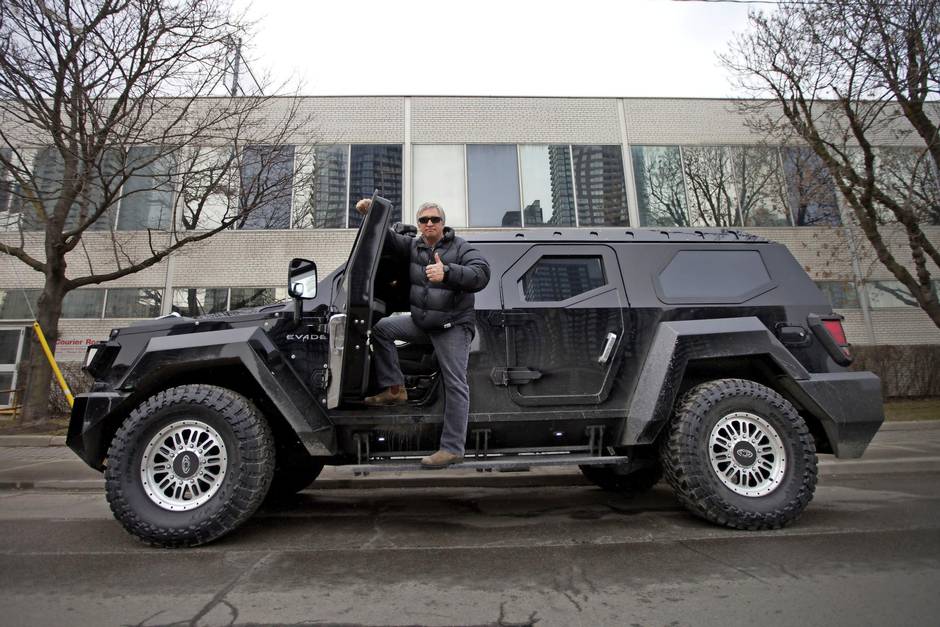
The giant pickup truck is a strange phenomenon. If you’re hauling lumber or trapping gators in the Louisiana swamps, you might actually need one. But when your mission consists of cruising out to the Charlotte Motor Speedway for a tailgate party, a Silverado HD with a two-foot lift kit and bead-lock rims takes you deep into the realm of vehicular overkill.
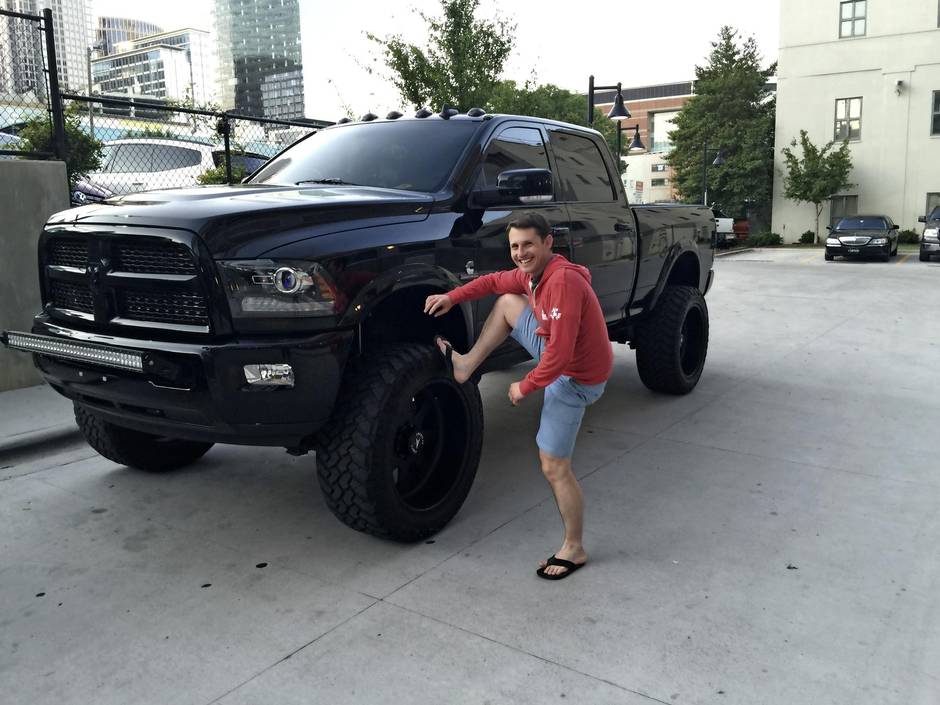
By now, we were supposed to be driving hybrids and fuel-sipping micro cars. Instead, we’re super-sizing. In Charlotte, I was amazed at the sheer number of oversized pickups, many jacked up on custom suspensions so tall a stepladder was required. Almost all had leather interiors and gleaming wax jobs – despite the knobbed tires and cannon-sized shock absorbers, these were rolling style accessories.
North Americans have always liked big vehicles. Elvis plied the road in king-sized Cadillacs. In the 1960s, my parents’ friends drove Lincoln Town Cars and Ford LTDs with hoods big enough to play a game of snooker on. Then came the 1970s Arab oil embargo, which prompted the U.S. Congress to pass the Corporate Average Fuel Economy (CAFE) Act.
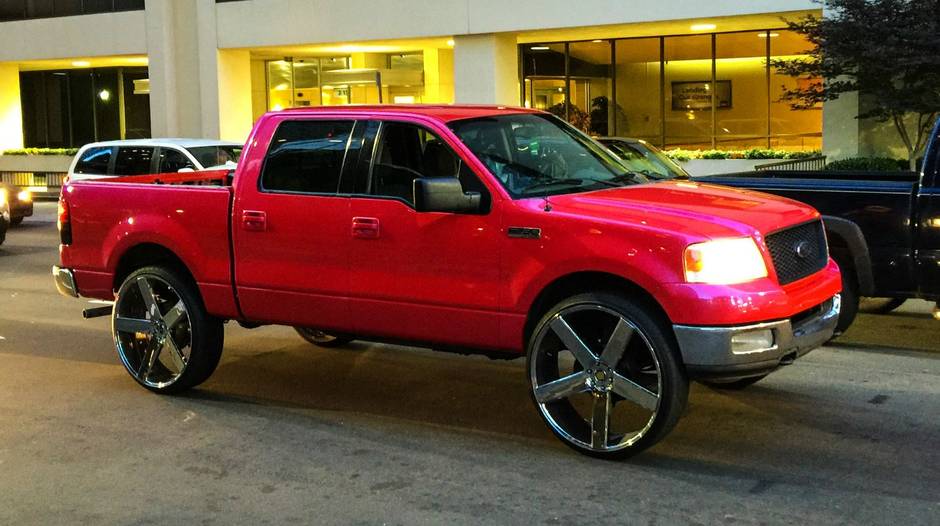
Many predicted that CAFE would push giant vehicles into extinction. But capitalism always finds a way to give consumers what they want. Smart engineering, carbon-credit horse-trading and some expeditious business practices have given us more super-sized vehicles than ever before – the best-selling vehicle in North America is the Ford F-150 pickup, a vehicle big enough to carry a Smart car as a spare.
Improved drivetrains, lighter materials and sophisticated aerodynamics have created an “efficiency dividend” – instead of saving on fuel, many consumers opt for a larger vehicle that gets the same economy as their older, less efficient one. And manufacturers would rather pay CAFE penalties than give up on big machines.
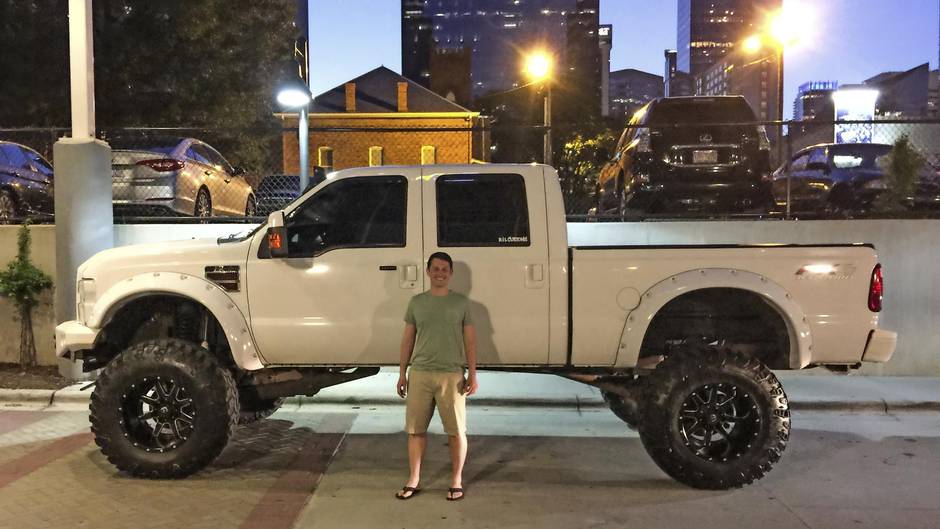
We asked for the super-sized vehicle. And car makers have been only too willing to provide it. Who wants to eke out a few shekels on economy cars when there are king-size profits to be reaped on loaded trucks and SUVs?
The economics of the business are driven by consumer desires. Efficiency is not high on the list. Instead, we are often driven by the impulses that Thorstein Veblen elucidated in The Theory of the Leisure Class. Veblen coined the term “conspicuous consumption” to explain why so many of us buy over-priced, marginally useful goods – we like things that denote our membership in a class that has risen above the daily struggle.
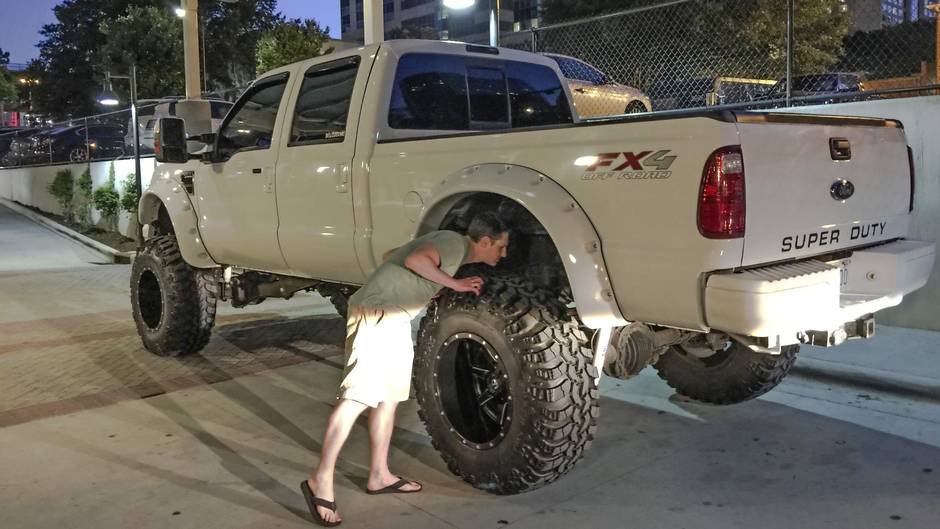
Unfortunately, most of us are daily-grind pretenders who find ourselves enslaved by the payments on our costly symbols of freedom.
In many parts of the world, the super-sized vehicle is only a dream. In Afghanistan, for example, the only large vehicles I saw were Soviet-era tanks. Local warlords used Toyota Hilux compact trucks with banquet chairs bolted into the rear bed – these trucks were small, but they routinely carried eight or 10 fighters, plus their AK-47s, shoulder-launched missiles, and steel ammunition cases.
Civilian transportation was also minimalist. Entire families were often loaded onto tiny motorcycles that North Americans would consider inadequate for a run to the corner store. Dad commanded the Suzuki’s driver’s perch, with his burqa-clad wife behind him. Piled on top was a teetering ziggurat of grain sacks, machinery parts, and small children. Except for the blue cloud of smoke emerging from the rear end of the moving pile, it was sometimes impossible to tell there was actually a motorcycle at the core.
Some might think it’s insane to transport a family and a load of cargo on a tiny motorcycle. But for real insanity, try a four-ton pickup truck with custom paint, hand-tooled leather, and one person inside.
Like us on Facebook
Add us to your circles
Sign up for our weekly newsletter.