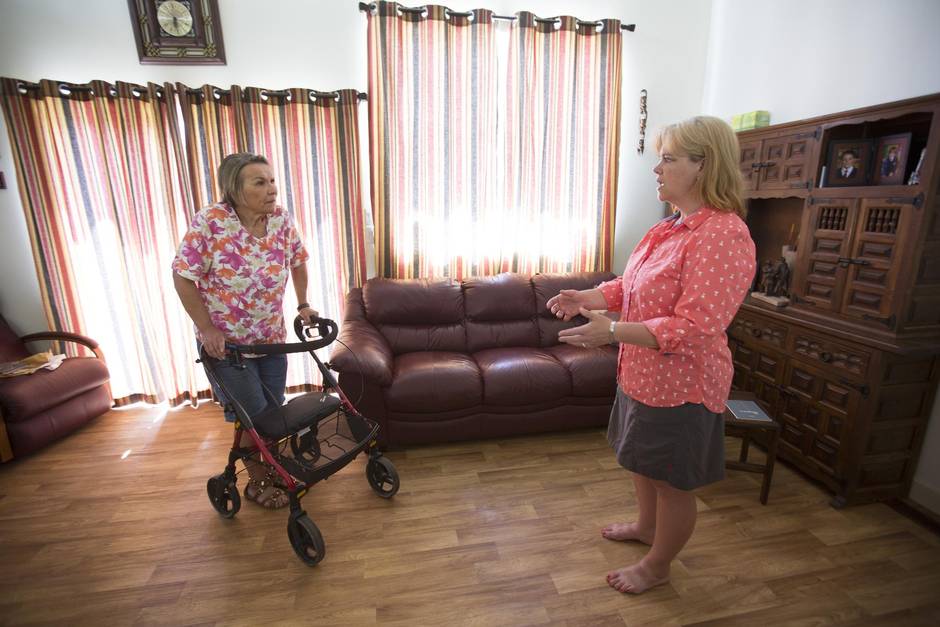
Forget granite counters, finished basements and personal steam-rooms. The next hot home renovation trend could be non-slip flooring and shower grab bars.
No wonder. As more baby boomers – those who were born between 1946 and 1965 – hit the senior years in the coming two decades, many will face a financial and emotional conundrum: Move out of their homes or stay put?
Senior-friendly fixtures
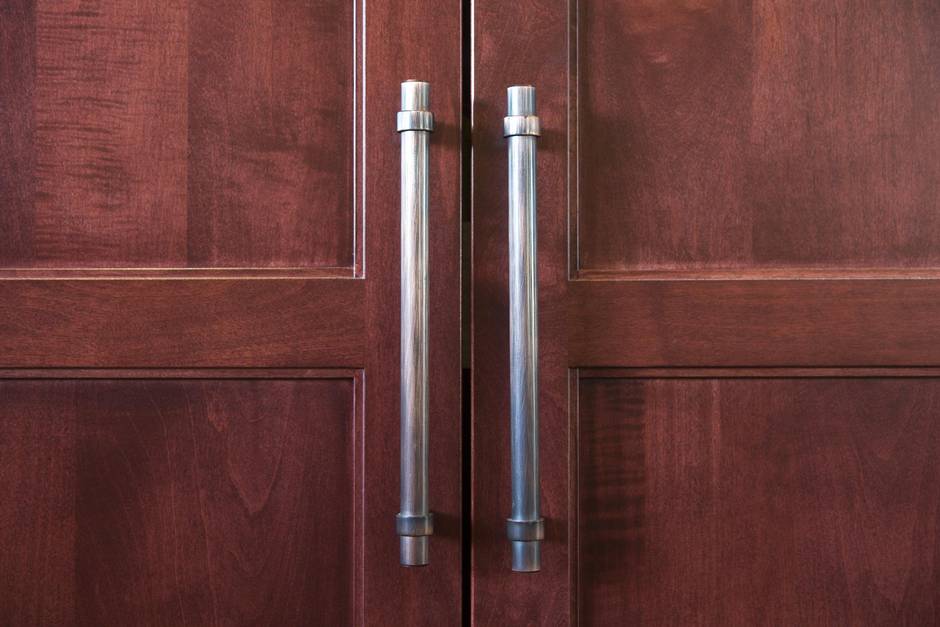
Instead of knobs, pull handles on cupboards.
Opting to remain at home with periodic care seems to be the clear winner, with 83 per cent of Canadians saying they would prefer that option over living in a retirement residence or a long-term care facility, according to a Royal Bank of Canada survey data.
“The majority of individuals want to grow old in their home,” confirms Beth Hirshfeld, a Canadian aging-demographic consultant who was once a health issue adviser for the Ontario government. “It’s also much more affordable for the taxpayer to have people stay in their homes longer. Everyone wins.”
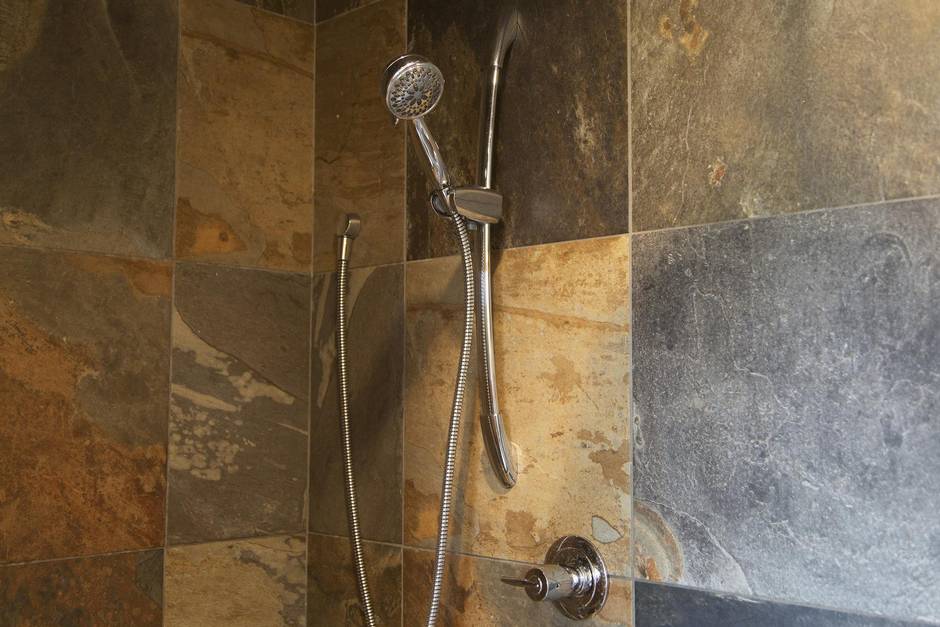
Hand-held shower.
Especially the contractors and the “aging in place” experts who will likely find themselves helping more clients remodel and renovate kitchens, hallways, stairways and bathrooms to accommodate failing eyesight and restricted mobility.
That has become the case for Perry Curiston, president of The Renovators of Canada, a general contracting company in Markham, Ont., who sees more clients asking for wider doors, heated floors, ramps and shower grab bars. About 25 per cent of all bathroom renovations include some kind of aging-in-place component now, although he never set out to cultivate relationships with senior clientele.
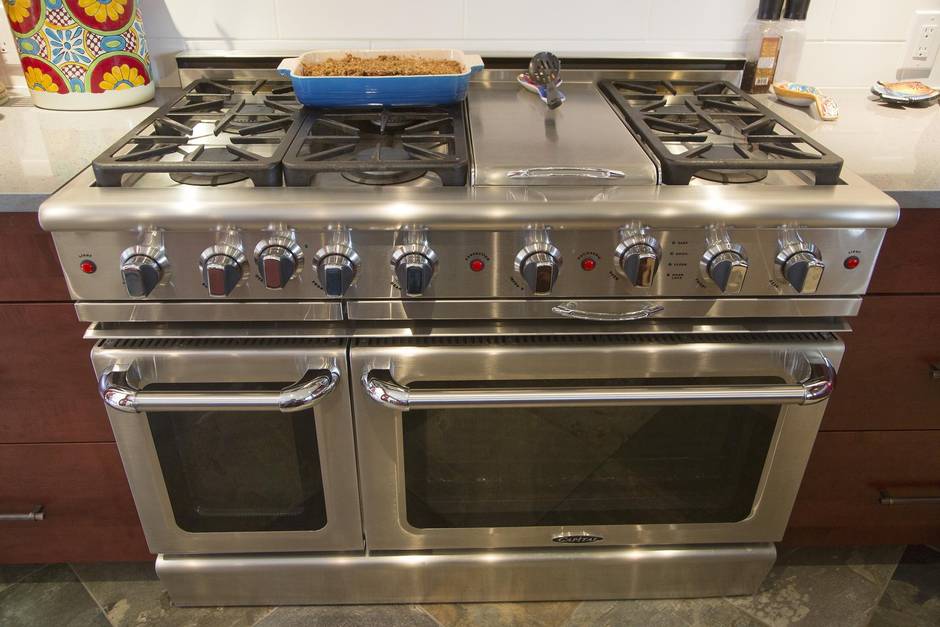
Front-located controls for all appliances.
“You do one, it turns out well, people talk and you end up doing more,” he says.
Not like a hospital
Carla Berezowski is one business owner who is ahead of the curve on the trend on purpose. Owner of Aging in Place Calgary, she is only one of a handful of Canadians to have completed the Certified Aging In Place Specialist training offered through the National Home Builders Association in the United States.
She’ll enter a client’s home looking for telltale signs that mobility is an issue, such as fingerprints along the walls. She’s now receiving five or six calls a month for her services, which is up from previous years.
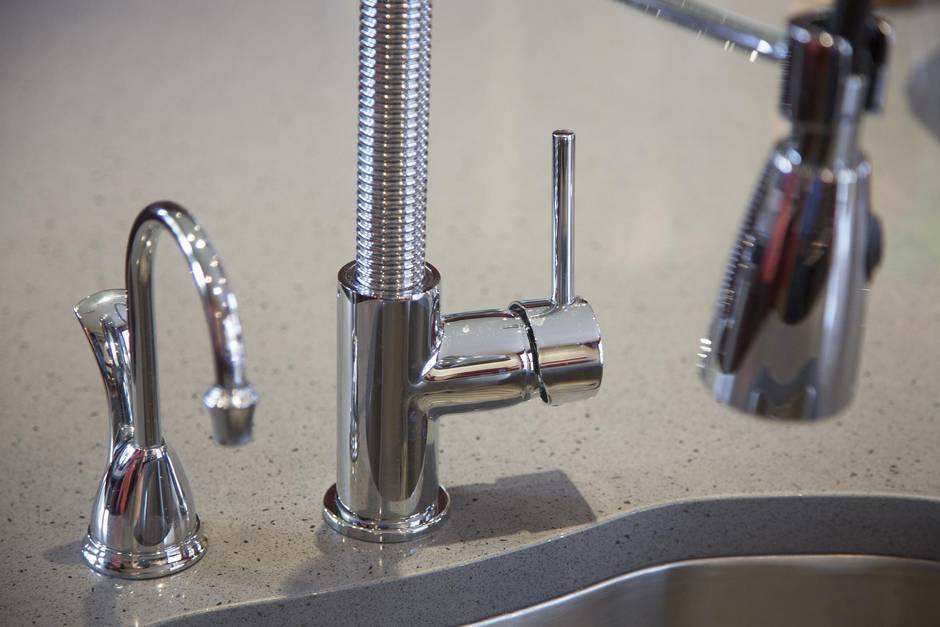
Lever handles on taps.
The fact that there are so few people specializing in the field is actually a problem though, she says. She experiences a lot of push-back from potential clients – even her own mother, who was hesitant to let her come into the home and make changes to her bathroom.
“A lot of people think aging-in-place renovations are going to be gaudy, hospital-type grab bars and all that stuff. No one wants to admit they’re getting old,” she says.
But home renos needn’t look clinical, says Ms. Hirshfeld, also an aging-in-place specialist, who recently moved to Dubai from Toronto. It’s possible to combine safety and practicality with attractive and contemporary design. In fact, if you do it right, visitors might not even notice the modifications at all.
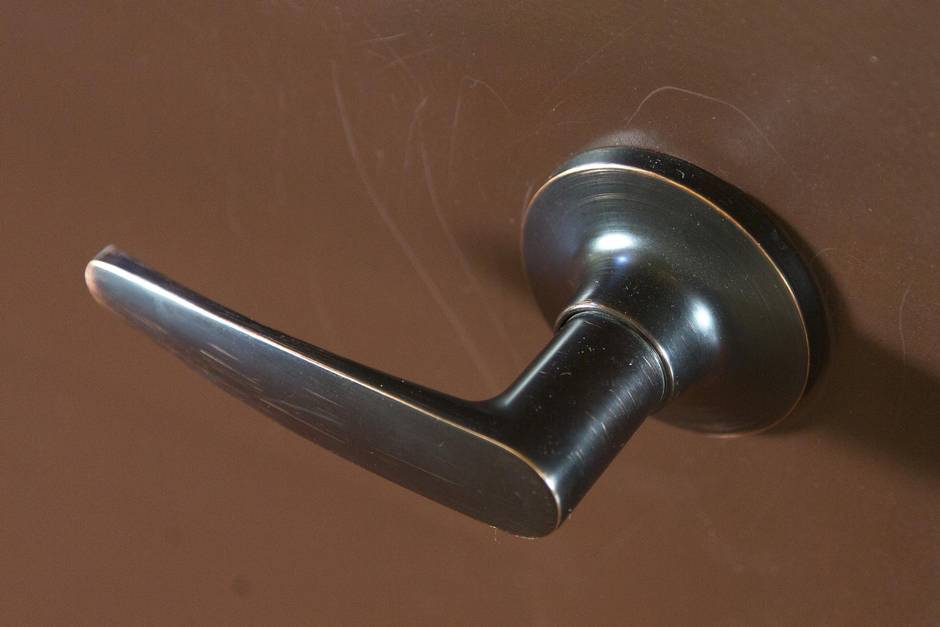
Ditto for door handles.
“There are so many ways to do it that will look really attractive,” she says. “You can make changes in a way that it’s virtually invisible to the untrained eye.”
Consider that granite countertop. A shiny surface is tough on aging eyes. But by hiring someone to grind it down and seal it – called a honed finish – suddenly that eyesore becomes a countertop that works into old age.
An all-white bathroom can be a problem, too, for someone developing issues with their vision. But Ms. Hirshfeld’s solution doesn’t even require a new coat of paint: Pick out colourful accessories.
“Drape a bright pink bathmat over your tub and it actually gives depth perception to a space without requiring a fundamental redesign,” she says.
Paying for the big changes
Swapping out nearly-invisible white light switch covers for coloured ones, and installing brighter lighting and lever handles on cupboards are cheap fixes. Yet many structural renovations require much more money.
According to Brock Lasso, president of Canadian Home and Renovation Team Inc., in Waterloo, Ont., renovating a whole bathroom – exchanging a tub for walk-in shower, installing a taller toilet and creating space so a walker can manoeuvre around the room – will cost somewhere in the $15,000 to $20,000 range.
It’s the kind of renovation that Mr. Lasso, 59, expects to make some day so he can stay in his own home.
“I can’t see myself living in a condo and I definitely wouldn’t move into anything where I’d have to take an elevator,” he says.
Although the majority of people older than 60 own their own homes and have access to equity in them, it’s still important to decide whether taking on a big renovation project makes financial sense. On one hand, spending $20,000 on a new bathroom seems to be a better money move than shelling out $48,000 in one year – or $4,000 a month – on an assisted living facility. But that 20 grand would be money down the drain if the homeowner ended up moving out due to poor health a short time later anyway.
You also have to consider whether new homebuyers will actually be looking for senior-friendly add-ons, even if your house is a good candidate for renovations in the first place. Ms. Berezowski says it might not be worth it to renovate an older multi-level home that’s raised off the ground (think porch steps) and contains narrow hallways and doors. And often, a smaller renovation reveals major code violations that need to be addressed. Suddenly you’re spending $80,000 fixing those, widening hallways and moving walls.
“By the time you do all that, you have a brand-new house. You might want to look for another newer home or come up with a different solution,” she says.
While Ontario and British Columbia offer tax credits to make senior-friendly home renovations, that $1,500 and $1,000 respectively only goes so far.
That’s why Ms. Berezowski says she is practising what she preaches: she is making changes and renovations early. Not only will she be spreading out expenses over many years, rather than being hit with a large contractor’s bill later, she’ll be able to take advantage of helpful updates now, such as lever door handles and pull-out kitchen drawers.
“I’m an able-bodied 45-year-old. My kids are little. I’m far from aging in place,” she says. “But when we did our renovations, we considered lighting and transition strips on the floors.”
What qualifies for a tax credit?
British Columbia and Ontario offer a tax credit specifically to assist people 65 and older with the cost of renovations aimed at helping seniors stay in their homes.
• renovations to permit a first-floor occupancy or secondary suite for a senior
Claim this
• walk-in bathtubs
• grab bars and related reinforcements around the toilet, tub and shower
• handrails in corridors
• wheelchair ramps, stair/wheelchair lifts and elevators
• walk-in bathtubs
• wheel-in showers
• raised toilets
• widening passage doors
• lowering existing counters/cupboards
• installing adjustable counters/cupboards
What qualifies for a tax credit?
• light switches and electrical outlets placed in accessible locations
• door locks that are easy to operate
• lever handles on doors and taps, instead of knobs
• pull-out shelves under counters to enable work from a seated position
• non-slip flooring
• a hand-held shower
• additional light fixtures
• swing clear hinges on doors to widen doorways
• relocation of tap to front or side for easier access
• hands-free taps
• motion-activated lighting
• touch-and-release drawers and cupboards
• automatic garage door openers
Don’t claim this
• Aesthetic enhancements – such as landscaping or redecorating
• Appliances – all appliances, including those with front located controls, side-swing ovens, etc.
• Fire extinguishers, smoke alarms, carbon monoxide detectors
• Flooring (regular) installation
• General maintenance – such as plumbing or electrical repairs
• Heating or air conditioning systems installation
• Electronics (home-entertainment)
• Home medical monitoring equipment
• Home security (anti-burglary) equipment
• Insulation replacement
• Roof repairs
• Services, such as:
Home care services
Housekeeping services
Outdoor maintenance and gardening services
Security or medical monitoring services
• Vehicles adapted for people with mobility limitations
• Walkers
• Wheelchairs
• Window installation