Lecture starter ideas

Support and enrich your lectures with The Inspire Series, a handpicked collection of topics from The Globe shaping our economy and the business landscape. This valuable resource ensures your students stay on top of current events at all times with featured news stories you can use.

Private equity is king. Smaller investors should be let in
Discussion Questions
  1. What are the short-term implications of opening private equity to smaller investors? How will this impact private equity long term?
  2. What are the pros and cons from a business perspective to including retail investors in private equity investment?
  3. Do you agree with Michael Jensen’s prediction that private equity will “eclipse” public companies as the engine of modern economies?
  4. What are the pros of being a public company? What are the cons?
  5. What are the advantages and risks of private companies?
  6. As a business owner, would you prefer a publicly traded organization or private?
  7. When deciding whether to go private (or stay private), are factors like industry, national vs. multinational, or company size matter?
  8. Which business model is most resilient to disruptions, and why?
  9. Can you think of a public company that made the decision to go private? What spurred the change?
  10. Can you think of a public company that might be more successful if it was private? Why?
Show More
Major employers in tech and finance expect new hires to be ‘AI literate’
Discussion Questions
  1. How will the workforce change in the next 10 years?
  2. Do post-secondary schools prepare students for the realities of working in an AI-integrated workplace?
  3. What AI skillsets will be most valuable when the AI boom settles?
  4. As a business owner, how would you use generative AI to improve business?
  5. Can business professionals succeed without using AI?
  6. Which jobs might AI erase in the next ten years? What types of jobs might AI create?
  7. How do you use AI?
  8. Is the demand for AI-native workers a flash point, for a flash in the pan?
  9. How will AI adoption impact new graduates’ ability to break into the workforce?
  10. What do you think the correction will look like?
Show More
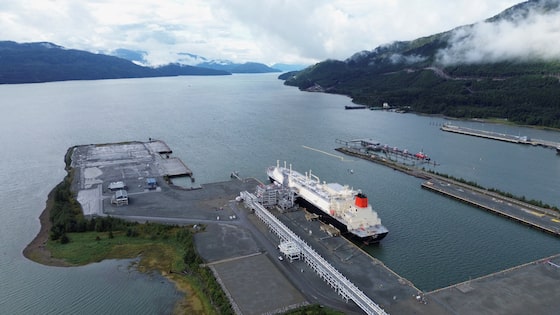
Shell, Mitsubishi mull altering stakes in LNG Canada to raise funds for expansion
Discussion Questions
  1. Do you think Canada can become an energy superpower?
  2. What is Canada’s future in energy beyond oil and natural gas?
  3. What are Canada’s untapped opportunities in the energy market?
  4. What internal or external factors impact Canada’s ability to become a more influential force in the energy sector?
  5. Which nations are Canada’s largest competitors? Which ones are Canada’s best allies in energy?
  6. What do you think is motivating Shell and Mitsubishi to hold back their investment on phase 2 of LNG?
  7. What regulations, policies or protections exist in Canada that might limit profit or development in the energy sector?
  8. Is it possible for Canada to reduce economic dependency on the United States?
  9. What are the risks of investing within Canada for companies like Mitsubishi and Shell?
  10. Do you think contentious public scrutiny regarding Canada’s pipeline developmeny is a factor in Shell and Mitsubishi’s taking pause?
Show More
Metro CEO says GST credit hike ‘a good thing,’ but much of food inflation outside grocers’ control
Discussion Questions
  1. If grocery stores such as Metro are not the not cause of rising food costs, what is affecting our food prices in Canada?
  2. How can Canadian businesses win over new customers amid rising cost of living?
  3. How can businesses pivot to limit the impact of inflation on customer spending?
  4. Does “Shop Canadian” still resonate with customers? Why or why not?
  5. Aside from opening more discount stores, what can grocers like Metro do to protect their profits?
  6. Why are businesses like Metro and Wal Mart able to outprice smaller competitors?
  7. How does food inflation impact other areas of commerce?
  8. What is the relationship between the ongoing tariff war and rising cost of living? Is there a relationship between the cost of oil and food prices?
  9. Is online grocery sales a consumer behaviour that’s here to stay?
  10. What new consumer behaviours or trends might arise from food inflation?
Show More
Amid trade volatility, Canada’s next growth play is Asia and the Pacific
Discussion Questions
  1. What can Canada learn about trade partnerships from the tariff conflict with the United States?
  2. How do you think this trade volatility with the U.S. will impact global commerce long term?
  3. What has impeded Canada’s investment with partnerships with Asia and the Pacific?
  4. What role does conflict of interest play in choosing trade partners?
  5. Investing too heavily in one partner carries a risk, as we’ve seen with Canada and the United States. Can a business diversify its partners and suppliers too much?
  6. What industries would benefit most from increased partnership with Asia and the Pacific?
  7. Are there any Canadian industries that would be exposed to more risk by deeper investment with Asia and the Pacific?
  8. Can you think of any golden opportunities for investment within Asia and the Pacific that Canada has already missed out on?
  9. How can Canadian businesses remain resilient while trade partnerships and supply chains are disrupted by long-term trade conflict?
  10. Why hasn’t Canada already diversified its partnership with the United States?
Show More
What you need to know about the AI bubble – and how it will pop
Discussion Questions
  1. What are some of the key indicators that signal there is an AI bubble that will pop?
  2. Do you think AI will “usher in a new economic age”?
  3. How can businesses make short-term gains on the AI excitement?
  4. How do you think a correction in the AI field will affect different industries such as the government, agriculture, marketing, financial services, etc?
  5. How can businesses limit their exposure to the market correction?
  6. How can business leaders discern whether a new innovation such as artificial intelligence is a revolutionary opportunity, or a bubble?
  7. What level of risk would you be comfortable with when investing in new technology such as AI?
  8. How can businesses insulate themselves from shockwaves of the AI bubble burst?
  9. How can historical moments such as the dot-com bubble or the housing bubble in 2008 inform how businesses today prepare themselves for disruption?
  10. What do you think of Nvidia’s circular funding business practices?
Show More
How much longer can Celestica’s ascent continue?
Discussion Questions
  1. Do you think the AI bubble is overstated? Why or why not?
  2. How can businesses balance sustainable growth with capturing short-term opportunities?
  3. What is an indicator that a business is overleveraged in one market, such as AI?
  4. Can you think of another tech boom similar to what we are seeing with AI? Discuss how major players of that time succeeded or failed as the market shifted.
  5. How can companies like Celestica ensure sustainable growth that will sustain after the bubble pops?
  6. Can you think of another high-risk, boom-and-bust industry? How does its challenges and opportunities compare to the tech industry?
  7. How would you safeguard your company against disruption in a high-risk industry like tech?
  8. What do you make of the circular-financing deals, like the one between Nvidia and OpenAI?
  9. Given the concerns about ROI on AGI, and the volatility of jobs and stock value, what is the case to support the current level of investment in AGI?
  10. Would you invest in AGI right now? Why or why not?
Show More
Sora’s uncanny AI makes it difficult to distinguish real from fake
Discussion Questions
  1. Can sora survive when the novelty of generative wears off?
  2. Can you think of a business use case for generative AI?
  3. Can generative AI be ethical and profitable at the same time?
  4. Silicon Valley has lobbied for low regulation on AI. How might government regulation protect the integrity of AI and support the industry?
  5. Do you believe generative AI can live out OpenAI’s stated mission of “building ethical artificial general intelligence for the good of humanity”?
  6. How can generative AI transform human creativity for the better?
  7. How does Sora make money? What need or pain point does Sora meet for users?
  8. Can you think of some examples of how companies have successfully integrated generative AI into their businesses?
  9. What do you see in the future of generative AI?
  10. What can businesses do to make generative AI business models profitable for the long-term?
Show More
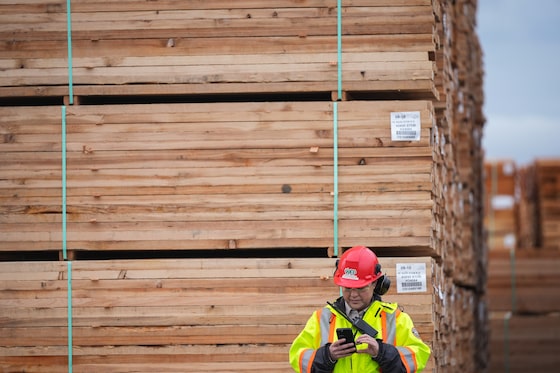
Can Canada finally sell more of its lumber overseas?
Discussion Questions
  1. What weaknesses do you think the trade conflict with the U.S. has exposed for Canada that are not unique to the lumber industry?
  2. Aside from trade diversifications, how can Canada protect its natural resources?
  3. What has the trade war taught businesses about our current relationship with the U.S.?
  4. Are there some industries that cannot reduce reliance on the U.S.? Which ones and why?
  5. Do you believe free trade agreements have a net positive or net negative effect on business? Why?
  6. Who would be a suitable trade partner to replace the United States for Canada’s lumber industry? Why?
  7. What other factors have impacted the lumber industry, given the harvest has halved in ten years—well before the trade conflict?
  8. What opportunities does this disruption create for businesses in the lumber industry?
  9. What markets should Canada cater any investment in upgrades to?
  10. Are tariffs the greatest threat to Canada’s timber market? Why or why not?
Show More
Canadian Tire strikes loyalty partnership with Tim Hortons
Discussion Questions
  1. What makes a loyalty program successful?
  2. Canadian Tire’s family of brands spans multiple categories like household goods, gas, sporting goods and party products. How can this level of diversification be a business strength? How can it be a weakness?
  3. What do brands have to do to get the attention of customers with their loyalty programs?
  4. While consumer spending is low and the market is saturated with customer loyalty programs, are points enough to move the needle?
  5. How do you think online shopping has impacted loyalty programs?
  6. Which brand—Tim Hortons or Canadian Tire—will benefit more from this loyalty partnership?
  7. Tim Hortons is no longer a Canadian brand. Do you think Canadian Tire missed an opportunity in this Elbows Up moment by not partnering with a Canadian company?
  8. What are some sea changes happing within the loyalty program industry right now?
  9. Do you think customers have a ceiling on their willingness to give out their data? If so, do you think this impacts loyalty program uptake?
  10. Do you think the friction of carrying a loyalty card, giving up personal data, creating an account etc. outweighs the benefits of signing up for loyalty programs? How can brands add more value for customers to increase adoption?
Show More
This CEO says more corporate headquarters in Canada could fix our productivity crisis. He’s right
Discussion Questions
  1. What other factors aside from corporate head offices leaving the country might be contributing to Canada’s labour productivity gap?
  2. What would you do to attract corporate headquarters to Canada?
  3. In addition to attracting more headquarters to Canada, what other tactics can Canada use to solve for the productivity gap?
  4. What are high-profile examples of corporate head offices moving out of Canada? What were the factors that influenced that decision?
  5. Do you think the recent investment in AI will impact Canada’s productivity? Discuss.
  6. Do you think tax credits and other tax incentives are an effective way to attract and retain corporate head offices to Canada?
  7. What are other competitive nations doing to support to high productivity and attracting corporate headquarters?
  8. Are there any other policies or factors unrelated to tax incentives that may make Canada a less attractive place to set up shop? (i.e. climate initiatives, inter-provincial trade, lack of top talent etc).
  9. Do you think the recent U.S. tariff strategy, designed to encourage businesses to manufacture domestically in the U.S., will boost labour productivity? Why or why not?
  10. How can Canada differentiate itself and attract more corporations to do business in Canada amidst the “America First” tariff strategy, and “Elbows Up” buyer behaviour in Canada that is protective against American/non-Canadian brands?
  11. Why isn’t Canada fostering the development of Canadian businesses rather than attracting foreign ones?
  12. Do you think the number of head offices that set up shop in Canada is a fair assessment of Canada’s labour productivity? What else would you look at to assess productivity?
Show More
Tech jobs were supposed to be the safe career route. What changed?
Discussion Questions
  1. Aside from education, what other credentials do entry level employees need to be competitive in today’s job market?
  2. What would you add to post-secondary education to make students more employable when they graduate?
  3. In your opinion, what are the key factors contributing to the tech job bust?
  4. What job roles, industries and skills will be most in-demand in the next 5 years?
  5. How can the government support businesses and workers in tech to ensure success?
  6. What are other tech hub cities and countries doing right to foster job creation in tech and attract top talent?
  7. If you were a tech business owner, would you establish your headquarters in Canada, knowing there is a pool of qualified and eager talent waiting to be hired? Why or why not?
  8. Tech has always been boom-and-bust by nature. Is this season different than others? Why or why not?
  9. Is AI a factor in tech layoffs? Or is AI a convenient scapegoat for other factors? Or both? Discuss.
  10. Beyond cost-savings, what are some long-term business cases for adopting AI?
Show More
Ottawa’s Air Canada strike debacle shows it failed to learn from history
Discussion Questions
  1. Split into two groups. Group A represents management; Group B represents the union. Discuss the strike from both party’s perspectives.
  2. Are worker unions good for businesses? Why or why not?
  3. Why do workers unionize?
  4. This is not the first time the Canadian government has ordered a union back to work, and Air Canada’s defiance of the order, which is illegal, was unique. What made this circumstance different from others?
  5. What does this moment mean for future back-to-work orders by the government?
  6. What message does the government send to both worker and management team when they issue a back-to-work order, especially knowing this has become a consistent response?
  7. Can you think of a successful company with union staff members? What are they doing to get it right?
  8. How can companies with unionized employees avoid a strike?
  9. What is the public perception of union strikes in Canada? Does the public usually support the union or management, or does it depend on the circumstances?
  10. Can you think of another time when a union went on strike and public opinion supported management rather than the union? What was different in that circumstance?
Show More
Canada’s temporary resident population declines for the first time in three years
Discussion Questions
  1. In capitalist markets, success is defined by steady growth. How do you think a plateaued or shrinking population could impact business and the economy?
  2. What policies or sustainable solutions can businesses implement to overcome a skills gap or labour shortage?
  3. Many businesses such as Tim Hortons and industries such as the agricultural industry rely on foreign temporary workers. How do you see these industries adapting to the decrease in temporary residents?
  4. What benefits do foreign temporary residents provide to Canada’s economy and culture?
  5. What business interests do you think led to the sharp increase in foreign temporary residents in the past 3-5 years? Do you think their motivations and treatment of workers was ethical or unethical?
  6. How can technology be used by businesses to adapt to a changing workforce?
  7. Will this reduction in temporary residents affect some industries, skills, or business models more than others? What do you see the disproportionate impacts being?
  8. What positive and negative impacts do you see within the next 2 years as foreign residents decrease in Canada?
  9. How can the Canadian government support businesses and workers to adapt to changes in the economy and workforce as temporary foreign residents decrease?
  10. A plateaued or declining population will change the workforce. What five-year plan would you create to insulate your business against an aging, shrinking workforce?
Show More
Canadian breweries face $330-million annual cost hike as aluminum tariffs hit beer cans
Discussion Questions
  1. What short-term solutions could breweries explore to pivot during disruption to their supply chain?
  2. How can breweries make their supply chain more resilient in the future?
  3. If Canadian breweries formed an alliance to lobby the government for policy change, would you join? Why or why not?
  4. Overhead costs and regulatory policies often impact small businesses more than larger competitors. How would you safeguard your business against these pressures?
  5. What need does this pullback from US trade open up for Canadian businesses to fill? How would you act to capitalize on this moment as a business owner?
  6. Do we have any Canadian alternatives to aluminum packaging? What are the pros and cons of each?
  7. How can the government better support Canadian small businesses?
  8. What impact can the consumer expect to see as a result of the tariffs on aluminum?
  9. How could eliminating interprovincial trade barriers support craft brewers across the country?
  10. Given the rise in recycled materials, do you think
Show More
Trump takes aim at softwood lumber with proposed tariffs globally
Discussion Questions
  1. What are the benefits and opportunities that Trump’s tariffs open up for domestic businesses within the United States? What are the possible negative impacts?
  2. Which Canadian industries do you think will be most affected by tariffs?
  3. As a US business owner, how would you pivot your supply chain or business strategy to mitigate the impact of tariffs on products that are critical to your business?
  4. If it is not possible to produce a product or resource domestically, what else can US businesses do to protect their business?
  5. Do you think producing products domestically will increase or decrease the cost of products?
  6. Are there certain products or resources where importing makes more sense than than producing them domestically? Why?
  7. Which industries will be indirectly impacted by the softwood lumber tariff even if lumber is not a direct necessity for their business?
  8. What do you believe the goal of these tariff measures is? Do you think this will achieve that goal? Discuss why or why not.
  9. Who really pays the tariff: The business, the exporting country, or another party?
  10. When might tariffs be supportive of domestic business?
  11. How might Canadian businesses pivot to prepare for the market disruption these tariffs will create?
  12. Aside from importing and exporting materials and goods, what other ways do Canadians do business with the United States that businesses might pull back on?
Show More
Removing provincial trade barriers: A for idea, F for execution
Discussion Questions
  1. How is trade with United States good for the economy and domestic businesses?
  2. What is the right balance of interprovincial trade and foreign trade?
  3. Do you think there are certain industries, products or resources that should be subject to more stringent regulation than others to protect domestic interests?
  4. Can you think of other times when our trade relationship with the United States exposed Canada to unintended risks or disruption?
  5. Removing internal barriers in Canada is the first step to healthy interprovincial trade. What other supportive measures should Canada implement to boost domestic trade?
  6. Other than governmental red tape, what other practical or logistical factors inhibit trade among Canadian provinces?
  7. Many products can be manufactured in Canada such as oil, meat and produce. Why do you think Canada relies on importing even when products and resources can be produced domestically?
  8. What are some new opportunities Canadian businesses can capitalize on right now?
  9. Can you think of another time when a country leveraged their trade relationship against an ally? What were the positive and negative impacts?
  10. Are free trade agreements good for business in Canada? Why or why not?
Show More
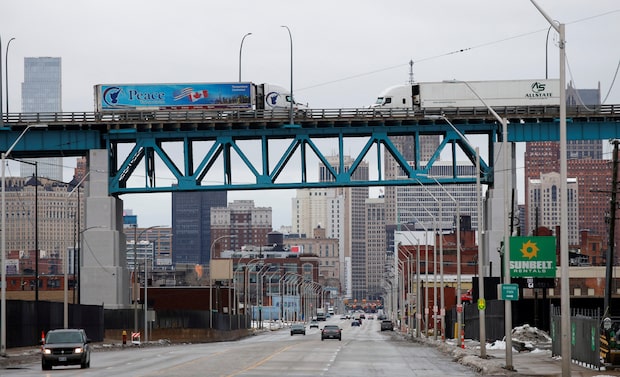
Tariffs, tension and a trade war
Discussion Questions
  1. Do you think running a trade deficit with an ally is inherently bad for business and the economy? Why or why not?
  2. When is a protectionist approach to the economy beneficial?
  3. If the US president’s goal is to create jobs and strengthen the economy, what policies would you support, as a business owner?
  4. Can you think of any protectionist government leaders who successfully strengthened their economies? If so, what do you feel they did right?
  5. How is free trade between Canada and the US positive for both economies? How might free trade be harmful to one or both economies?
  6. How do you think a 25% tariff placed on trade partners will impact US businesses positively? Negatively?
  7. How would you protect your Canadian business for a future with a 25% tariff on trade with the US?
  8. What are the unintended consequences you foresee for this tariff?
  9. What Canadian industries face the greatest impact?
  10. Are there any Canadian businesses or industries that might see an uptick from decreased trade relations with the US?
  11. If Canada was planning to place a 25% tariff on the United States, would you support it as a business owner? Why or why not?
Show More
Momentum to pass regulatory legislation for AI has slowed considerably in Canada and the U.S
Discussion Questions
  1. Can you think of types of AI that have enhanced business and the economy? How might AI be harmful to businesses and the economy?
  2. Why do you think western governments like Canada, the US and Britain are choosing to allow a more unfettered terrain for AI?
  3. Does regulation of AI impact innovation, in your view? Why or why not?
  4. What industries would be most negatively impacted by AI regulation?
  5. What industries would be most negatively impacted by a future without AI regulation?
  6. Can the government regulate AI without stifling innovation?
  7. Should unfettered innovation be the sole priority of governments and businesses looking to capitalize on AI? What other ethical considerations should be taken into account when writing policy and business objectives?
  8. Divide the class into two parts. One side must defend the hands-off approach that the US and Canada have taken to AI. The other must defend the European approach to strong privacy and data regulations. Discuss the short term and long term impacts to businesses and the economy.
  9. Do you think the tech industry should be exempt from regulation to this magnitude? What other industries have thrived under strong regulations?
  10. What level of regulation do you think would protect Canadians without chilling innovation?
Show More
Toronto and Vancouver must seize the economic opportunity that is Taylor Swift
Discussion Questions
  1. Imagine you are working for a city like Toronto or Vancouver. From a business perspective, other than revenue, what intangible benefits would incentivise you to host a major entertainment event like Taylor Swift’s Eras Tour?
  2. What are the potential drawbacks for the host city? Knowing that host cities experience negative impacts, What negative impacts would you accept?
  3. What industries do you think are most positively impacted in the local economy? Which do you think are most negatively impacted?
  4. Hotels, flights and other businesses impose surge pricing during these events. When do you think surge pricing is a good business strategy?
  5. Could surge pricing hurt customer perspectives? If so, when, and why?
  6. Some businesses like hotels, taxis and restaurants will naturally see a lift due to need with patrons flowing into the city. How can other businesses that do not have a direct stake in The Eras Tour seize the moment to boost sales?
  7. Is there an industry or business sector that you feel it would be a misstep for them to align with the Eras Tour?
  8. From a business perspective, how can cities maximize the value of hosting an event the size of the Eras Tour?
  9. What opportunities did Toronto miss while hosting The Eras Tour?
  10. Have you been to an event like this? What did you think was managed well, and what was managed poorly?
Show More
How Canada’s digital services tax is hurting small businesses
Discussion Questions
  1. Canada’s Digital Services Tax is a controversial decision. What are your thoughts on the DST?
  2. What problem or pain point do you think this tax is designed to solve?
  3. If you agree with implementing DST, what do you think of Canada’s decision to break away from the Organization for Economic Co-operation and Development, who are delaying similar measures?
  4. The Organization for Economic Co-operation and Development is looking to coordinate a multi-lateral approach. What do you think that approach should look like to avoid unintended harm to businesses and address the right issues?
  5. Why do you think Canada was willing to accept the possibility that tech giants like Google an Amazon would pass the cost on to their advertisers and customers?
  6. If you disagree with the DST, what would you do differently to better address and resolve the issue it’s intended to target?
  7. How will the DST affect trade relations?
  8. Tech giants like Amazon impact small businesses. The DST is also increasing the cost of advertising for small businesses. What can independent, small or medium businesses do to protect themselves in this climate?
  9. How can the government better protect and promote small and medium businesses in Canada?
  10. Given Canada’s economic climate and the fact that Canadian tech companies have faced rounds of layoffs since 2022, why do you think the Canadian government decided to take this approach now?
  11. What business sectors will be affected more than others?
Show More
Global oil demand to peak by end of the decade as countries push to electrify their economies
Discussion Questions
  1. How will the transition away from oil affect business models in specific industries such as manufacturing, retail, financial services, hospitality, etc?
  2. How will the transition away from oil impact customers across these industries?
  3. What industries do you think will grow over the next three decades because of the move to electric energy?
  4. What are some hidden impacts on business of rising cost, or scarce availability of oil?
  5. Can you think of any businesses that are currently leading the way on clean energy innovation that we can look to for inspiration on future models?
  6. What responsibility, if any, do you think businesses have to meet climate initiatives?
  7. Economies across Canada rely on oil. What will the future look like for regions such as Alberta and Saskatchewan in a world where oil is no longer a growth industry?
  8. What other energy alternatives could Canadian businesses diversify with? Do other energy sources have limitations that would make them unfit as an oil alternative?
  9. What can oil do that other energy sources can’t? Knowing this, what long-term challenges do businesses have to solve to successfully transition away from oil?
  10. Predict the future: What challenges do you see for businesses as we head towards the oil peak in 2029, then the forecasted steady decline after? What challenges, conflicts, cost increases, tariffs etc. do you think businesses should be prepared for?
Show More
TD Bank, which spent years playing down its money-laundering woes, still needs to come clean with investors
Discussion Questions
  1. When managing a crisis, is it better for companies to take TD’s tight-lipped approach, or to be fully transparent and address the issue head-on?
  2. Can you think of another high-profile corporate scandal? How did that company’s approach compare to TD Bank’s handling of this scandal?
  3. If you were the CEO of TD Bank, what would you have done differently while managing this scandal?
  4. Will this tarnish TD’s reputation long term? Why or why not?
  5. Do you think TD Bank, the government, or Canada’s regulators owe investors an explanation? If so, who?
  6. Is stock price a fair assessment of public trust?
  7. How might this incident change the US-Canadian relationship as it relates to Canadian banks looking to operate in the US?
  8. Does this incident highlight any opportunities for regulatory or legislative change in Canada?
  9. Given that TD is publicly traded and banking in Canada is a crown business, should banks in Canada be allowed to avoid disclosing (or in some areas, even barred by federal law) what really happened?
  10. What are the non-monetary and unseen business impacts of this breach of consumer trust?
Show More
Hootsuite buys analytics firm Talkwalker as CEO foresees social media disruption
Discussion Questions
  1. How do you use social media to inform a purchase decision? Do you think your generation is unique?
  2. How might data play an even bigger role in influencing decisions?
  3. Are you concerned about your privacy?
  4. With the use of X on the decline, what opportunities do other social media companies have?
  5. How might Hootsuite reinvent social media with the influx of more sophisticated consumer data?
  6. How might the acquisition of Talkwalker by Hootsuite change how businesses use social tools?
  7. 99% of businesses are on social media. Who is doing it right? What brands do you enjoy on social media?
  8. Is predictability and modeling the next big advantage? Or have we been there done that?
  9. What does this do for jobs? Will we see greater employment or more automation?
  10. How would you model new products and solutions to Hootsuite clients based on this acquisition?
Show More
JPMorgan CEO Jamie Dimon warns inflation, political polarization, wars creating risks not seen since WWII
Discussion Questions
  1. Do you think that Canada shares the same concerns about our socio-economic environment as the U.S.?
  2. Do you perceive JPMorgan Chase as a leader? Are the corporate opinions sound for our diverse population?
  3. What should Canadian businesses take away from this annual shareholder letter and 2024 outlook?
  4. What pressure do you think our interest rates get from outside forces? From the U.S. in particular?
  5. WWII had a big economic impact on Canada. With the wars raging overseas, do you think we’ll experience similar ups and downs?
  6. Do you think that AI could be the catalyst for the next industrial revolution?
  7. JPMorgan is the biggest bank in the U.S. How might Royal Bank of Canada approach the same annual report?
  8. What role does politics play in leadership and their prediction of the outcome of the year?
  9. What risks do you think geopolitical events pose for businesses? Small business? Large enterprises?
  10. Is Canada as sensitive to global events as the U.S? Why or why not?
Show More
If we ignore the benefits of the gig economy, we risk making it worse for everyone
Discussion Questions
  1. Why would government step in to regulate the gig economy?
  2. Is flexible work the answer to being able to afford today’s cost of living?
  3. How does this digitalized form of work open doors for livable wages? How might it close doors?
  4. Does this kind of work appeal to new Canadians? Youth? The unemployed?
  5. What is the negative impact of the gig economy on business? On the economy?
  6. Does the recent UBER strike sway your opinion either way?
  7. How might we integrate the gig economy into traditional employment models?
  8. Does dismantling the gig economy have an impact on digital progress?
  9. As AI takes over more job opportunities, is the gig economy considered a fall back?
  10. Can you think of another example of government changes to the way businesses operate?
Show More
Millennial Money: The evolution of retirement - and what it might mean for you
Discussion Questions
  1. How much do you think you’ll need to save for retirement? Have you begun saving?
  2. We’re living longer, and it’s costing more. Do you think working longer is the only answer? What are our other options?
  3. What does the ageing population do to our outlook on our retirement years?
  4. How is our today impacted by the retirees in our lives?
  5. What will your generation say about retirement in 5 years? 25 years? 50 years?
  6. Is there a gig economy job in your retirement future?
  7. What can businesses do to help fill the gap between haves and needs with seniors
  8. Do you think Millennials will be the first generation to feel the retirement pinch?
  9. What might your generation know about saving for retirement?
  10. What role does the health and wellness industry play in retirement?
In the wake of buy now, pay later, we could be getting dine now, pay later
Discussion Questions
  1. Do Buy Now Pay Later solutions benefit business? Banks? Consumers? All of the above?
  2. Is BNPL the new credit? Why do some people believe it’s better?
  3. Does BNPL appeal to a particular demographic? Is that a good thing?
  4. People say BNPL is the new layaway. What are the differences? What are the pros and cons?
  5. If BNPL usually has 0% interest, and credit cards can be close to 30% interest, why isn’t everyone using BNPL?
  6. Why do we need a specific BNPL solution for dining?
  7. Is this the answer to food insecurity?
  8. Will BNPL help people improve their credit? Or replace the need for a good credit score?
  9. What future regulations to you see may be implemented with BNPL?
  10. How might BNPL strategies help individuals budget, rather than sink into financial trouble?
Show More
Telecom companies push back on CRTC moves to open access to networks
Discussion Questions
  1. What are both the advantages and disadvantages of an open broadband infrastructure?
  2. Are the recent Bell layoffs attributed to CRTC rules? Or is it “good” timing?
  3. What needs to happen in order for smaller internet providers to break into the Canadian market?
  4. Will greater competition drive prices up or down for consumers?
  5. What additional plans should be in place for mergers and acquisitions in the telco industry?
  6. Is innovation at risk of stalling if shared infrastructure continues to be mandatory?
  7. Can smaller players keep up at this point?
  8. What is a potential outcome of upcoming CRTC hearings and appeals?
  9. Will big business prevail or is it time for the small business community to have a chance?
  10. Should the CRTC remain tied to the government or should we consider a third party arbitrator?
Show More
Canadian’s want their governments to tackle poverty, but nobody can agree on what to do
Discussion Questions
  1. Do you think that support for those living in poverty discourages them to work?
  2. How might investing in skills help economic growth?
  3. What policies do you think might lead to both economic growth and reduction in poverty?
  4. How does access to physical and mental health care support lower income families?
  5. What could a basic-income program look like for people aged 60-64?
  6. Why isn’t there always a correlation between poverty rates and employment rates?
  7. What impact does a strong labour market have on poverty?
  8. Is there a new way to support highly vulnerable groups at a government level?
  9. What roles to businesses have in reducing the poverty rate?
  10. Do you think AI and innovation are impacting poverty rates?
Show More
Electric vehicle production mandates, like Canada’s, are so wrong on so many levels and could backfire
Discussion Questions
  1. What does the big move from Hertz have to say about EV progress?
  2. Environmentally speaking, should we be accelerating EV vehicle mandates?
  3. What do EV mandates do on creating accessible and inclusive places to live?
  4. To keep up with demand, will relying on China for EV batteries impact Canadian businesses?
  5. What might businesses do to encourage cleaner commuting strategies?
  6. Is there an opportunity now for businesses to focus on EV battery recycling? Is it too late? Too early?
  7. Are there other strategies the government could encourage beyond EV requirements?
  8. What does preventing the sale of gas-powered vehicles do to the Canadian auto industry?
  9. When electric power is at a premium thanks to increased EV uptake, what impact will that have on non-drivers?
  10. What can private businesses do to influence government environmental policies?
Show More
Immigration rates continue to grow, how can Canadian industry better react?
Discussion Questions
  1. What does it mean to have a low-wage economy?
  2. Does it matter that minimum wage continues to increase if business investment continues to be stagnant or decrease?
  3. Immigrants once had a good chance to becoming productive, high earners. What does this article tell you about the Canadian dream?
  4. Do you think the pandemic had an impact on business investment? Do you think the way we work now has had an impact?
  5. How can a government lose track of temporary workers? Why is that a low priority? Is it important to understand how many temporary residents are in the workforce?
  6. If we are trending toward less capital per worker, lower productivity and worse living standards, how will that impact our current inflationary economy?
  7. What could the government do to incentivize greater investment into businesses? From a foreign perspective? From an ownership perspective? From a tax perspective?
  8. How might innovation tip the scales toward additional business investment?
  9. As immigration increases and cheaper labour is available, how will this impact the investment in productivity-enhancing capital?
Show More
The real estate crisis beyond housing: Canada’s economy lacks land for industrial use
Discussion Questions
  1. Why do you think the government is giving breaks to renters and rental owners for residential purposes?
  2. What could be done to incentivize industrial growth?
  3. If land isn’t available for industries, what does this mean for infrastructure?
  4. The Ontario government has underinvested in industrialization over the past decades. Why change that now?
  5. If industries cannot function or grow here, where will they go? What impact does that have on our country?
  6. By removing the protection on industry-identified lands, opening them up for residential use, how can we recover? What policies could be made to help already scarce land availability?
  7. What is the trickle-down effect of the industrial crisis?
  8. Increasing immigration rates and decreasing industrial growth has an impact on jobs. What does this mean for new immigrants and entry-level positions?
  9. What do you think is the correlation between immigration and industry? What do they both mean for a stronger Canada?
Show More
How are businesses making the commute back to office worth it?
Discussion Questions
  1. Businesses cite that hybrid models don’t decrease productivity. So why the push to get people back in offices?
  2. Why is employee retention an important strategy?
  3. Why does hybrid work make people use their time more purposefully?
  4. Is it better to give employees the freedom to choose their own in-office days? Or to mandate an in-office schedule?
  5. With inflation on the rise, how do other non-income related perks help?
  6. Why does socialization play a part in business?
  7. If businesses could operate when all employees were working remotely, why are we trying to push back to office mentalities?
  8. Is this perk-infused culture here to stay?
  9. What do you think are the real sentiments behind free food and foosball? Is there a deeper cultural meaning to these benefits?
Show More
How is our accelerated reliance on e-commerce effecting our jobs?
Discussion Questions
  1. Developers remain the #1 in demand job. Why do you think tech talent is challenging to acquire and retain?
  2. Are jobs that take human instinct exempt from AI takeover?
  3. Why do you think warehouse workers are on this top 15 list, and why do you think average wages are at an all time high?
  4. How has remote work changed the face of customer service and customer service reps?
  5. Construction project managers are the highest salaries on this list. Why?
  6. Welders are on this top 15 list. How do you think academic trends have impacted this demand?
  7. Demand for sales associates is on the rise. Why is it challenging to find workers?
  8. It’s no surprise that registered nurses are in demand. What needs to change to encourage more students to study nursing?
  9. Why are accounting technician and bookkeeper roles part of the Canadian immigration Express Entry system?
Show More
Are micro businesses the key to ending food insecurity?
Discussion Questions
  1. Do you think that climate change is also impacting this food crisis?
  2. Are micro-businesses and small farm-to-fork operations our key to turning this around? How?
  3. What might big corporations do to support small-scale food enterprises?
  4. What did the global pandemic do to these small businesses we should be counting on?
  5. Why does this article believe in supporting the “middle of the hourglass”?
  6. Is this the right approach? What are the alternatives?
  7. Would encouraging specific diets help alleviate the pressure? i.e. Vegan, Paleo, Vegetarian.
  8. Are we on the verge – or maybe in the midst – of another price fixing scandal?
  9. What collective action could Canadians take to help make food more accessible?
  10. Does the Canadian climate provide and advantage or a disadvantage to businesses and farms trying to fuel the local economy?
Show More
Can travel bans and restrictions create more environmental freedom?
Discussion Questions
  1. What would Canada have to do if they were to ban short haul flights say from Toronto to Montreal?
  2. Since Canadian rail is not publicly owned, how can that speed up or slow down the creation of a stronger rail offering?
  3. Half of the Canadian population (about 16 million people) live in the Quebec City-Windsor corridor. Does this not justify the need for a high-speed train?
  4. Why else is Canada slow to keep up with European travel trends?
  5. The estimated cost is $20-billion or more to connect Toronto to Montreal. At what tipping point does that cost make more sense than building and maintaining highways?
  6. What role can private businesses play in shifting how and what we rely on to move across our country?
  7. What role can government play to help make transportation more reliable, faster and greener?
  8. How do we provide the same access to rural Canadians in a cost-efficient way?
  9. What would happen if the Canadian rail system was as fast, green, reliable and cheap as say that of Italy?
  10. Will this have an impact on travel behaviour throughout Europe? Is your personal preference rail or flight? And why?
Show More
What are higher interest rates doing for unemployment?
Discussion Questions
  1. Will companies who have struggled to retain/acquire talent be more hesitant to lay people off?
  2. Is it beneficial or harmful to be in a union during a recession?
  3. Job vacancies in the technology sector have fallen considerably in recent months. What could be the cause?
  4. Should higher cost of goods also come with higher salaries?
  5. What impact does higher minimum wage have on unemployment rates?
  6. The Bank of Canada rate has increased from .25% to 3.75%. What does this do for unemployment?
  7. As businesses raise prices to cover higher expenses, what impact does that have on their staff?
  8. What role do remote/foreign businesses have on the Canadian employment rate?
  9. Why do we have so many job vacancies in Canada?
  10. If Bank of Canada drops their rates, what impact will that have on unemployment rates?
Show More
Is cheaper energy costing us more?
Discussion Questions
  1. What role does Russia’s invasion of Ukraine have an impact on global energy markets?
  2. How much will Canada be impacted with lowering demands of oil?
  3. What other solutions are available to reduce our use of fossil fuels?
  4. Are there any geopolitical concerns with a shift in the global energy mix?
  5. It’s cheaper to use fossil fuels. Or is it?
  6. Does carbon production with renewable energy get to be ignored?
  7. Inflation is sending people to look for cheaper goods. Are fossil fuels the answer?
  8. Our world is always on. Renewable energy isn’t. How can this gap be bridged?
  9. Who is on the hook for driving change? Big business? Government? Academics?
  10. What happens when even renewable energy is depleted?
Show More
What’s the actual cost of loyalty?
Discussion Questions
  1. If merchants were hiding surcharges in the cost of goods, will consumers now be double-paying?
  2. Do credit card companies have a monopoly on payments?
  3. As we shift toward cashless, are we painting consumers into a corner?
  4. How will this shift how we shop?
  5. How will this shift who we shop with?
  6. What will this do to loyalty programs from a use and enrollment perspective?
  7. What other industries might this decision impact?
  8. Is this good for business? For small business? For enterprise-level business?
  9. With over six-billion credit card transactions last year, what is the impact on credit card companies? On financial institutions? On merchants? On consumers?
  10. We have inflation, we have shrinkflation, what would you call this?
Show More

Instructor guide

Use our faculty guide to get the most out of your Globe and Mail subscription. From how to follow topics, sign up for newsletters, and enhance students’ learning with the latest news affecting the business landscape.

  DOWNLOAD NOW

Invest in you

Download our video below and share during orientation week or in your classroom.

  Download now

Market and investing tools

Use stock pages to get essential data on any publicly traded asset. Set up a Watchlist to track and research your investments. Find everything you need to build your knowledge in our Investing section. 

  View all tools

Watchlist

Track real-time prices, monitor performance, and stay informed with the latest news using Canada's top investment resource.

Manage Watchlist

Stock Screener

Scan all Canadian stock markets. 
TSX, TSX Venture, CSE and Cboe CA. Unlock the potential of Canadian markets to find investment ideas.

View Screener

ETF Finder

Scan Canadian Exchange Traded Fund (ETF) products from all providers. Find an ETF that fits your portfolio.

View Finder

Compare Funds

Compare up-to four ETF or Mutual Fund products side-by-side. Find a Canadian Exchange Traded Fund (ETF) or Mutual Fund that fits your portfolio.

View Tools

Test your students knowledge of the latest stories with our weekly Business and Investing quiz.

Take the quiz

Explainers

Build your knowledge with digestible, intuitive guides that break down complex topics in a way that’s both informative and practical.

MORE EXPLAINERS

Key topics

News stories that’ll help enrich your course experience

Economics

More articles

Technology

More articles

International Business

More articles

Leadership

More articles

Small Business

More articles

Management and Careers

More articles

Latest Report on Business Magazine

Access the most trusted source of premium content for business leaders and ambitious Canadians. Our Business section covers the news on corporations, the economy, industry, resources, Bay Street and the Canadian leaders driving innovation. 

download CURRENT ISSUE

Report on Business Magazine

More articles