Looking for investing ideas? Here’s your weekly digest of the Globe’s latest insights and analysis from the pros, stock tips, portfolio strategies plus what investors need to know for the week ahead.
Gordon Pape: Five more cornerstone stocks that are likely to perform well through the market turmoil
Despite an April rally in stocks, indexes around the world still are substantially down from their February highs, Gordon Pape writes. But some stocks are faring quite well in this unsettled market. Last week, I introduced the concept of cornerstone stocks – key companies that should perform well even in a pandemic and emerge stronger on the other side. The first five were Walmart, Costco, BCE, AT&T and Franco-Nevada. This week, I’m adding five more: Pfizer, Amazon, Microsoft, J.B. Hunt Transport and Fortis. Here’s why.
From Gordon Pape’s mailbag: Seeking RRIF relief, sitting on cash and other investment advice
A proven strategy for buying Canadian bank stocks
BMO Capital Markets’ chief investment strategist Brian Belski sees a lucrative buying opportunity ahead for Canadian bank stocks, Scott Barlow writes. Market history makes his case compelling.
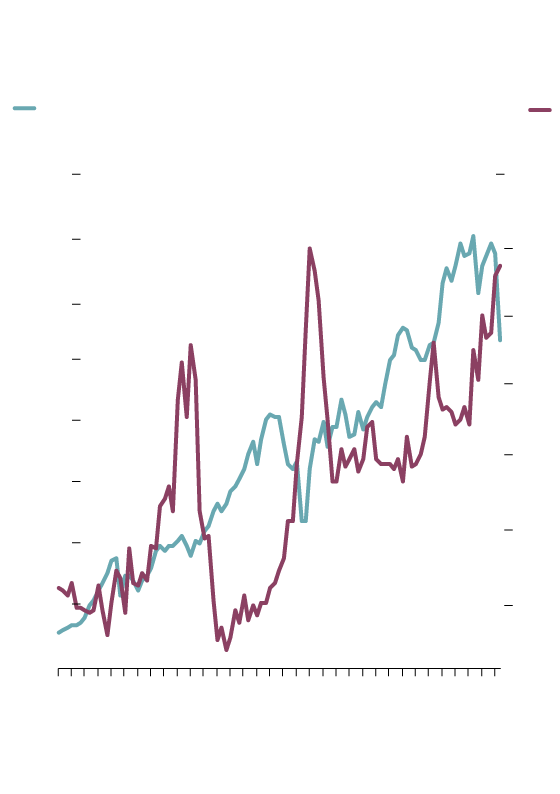
Loan losses for the banks are set to rise because of business shutdowns and low oil prices. Mr. Belski’s research shows that peaks in banks’ loan-loss provisioning – funds set aside to offset expected defaults and writedowns – have historically signalled periods of strong outperformance for the sector.
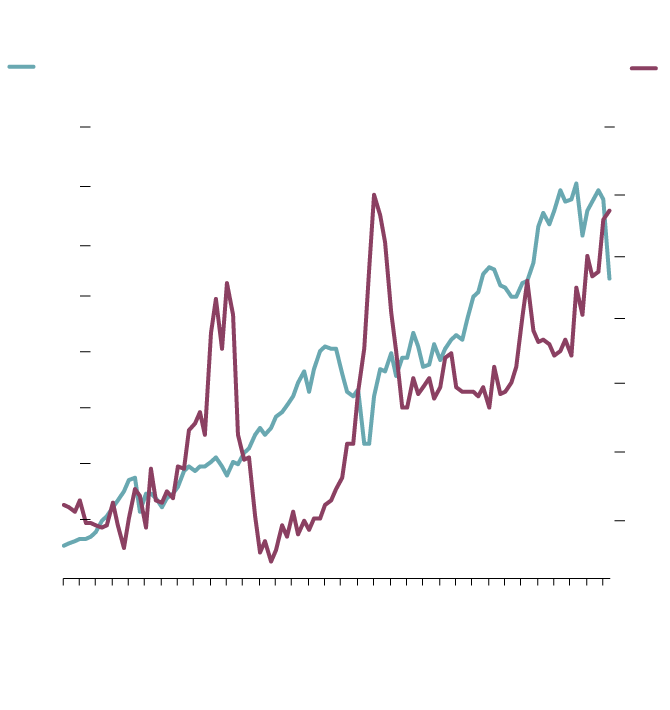
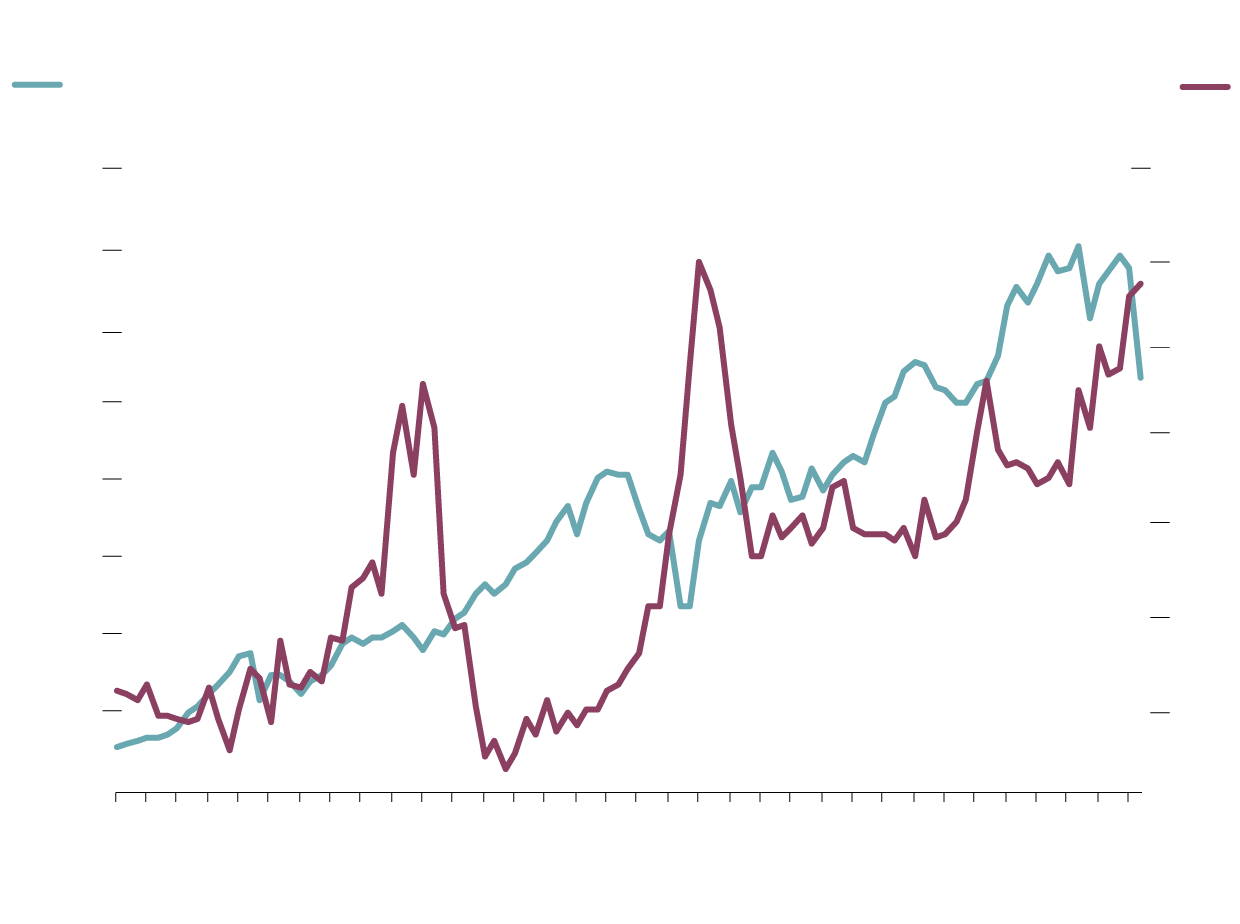
Importantly, the strategist points out that banks tend to “front load” loss provisions – which implies that their peak could occur as early as the current quarter. This chart compares the performance of domestic bank stocks and the extent of loan-loss provisions back to 1995.
domestic bank stocks vs.
loan-loss provisions
S&P/TSX
Bank Index
Total loan-loss provisions:
Big Five Banks ($ billions)
4,000
$3.5
3,500
3.0
3,000
2.5
2,500
2.0
2,000
1.5
1,500
1.0
1,000
0.5
500
0
0.0
1995
2000
2005
2010
2015
2019
JOHN SOPINSKI/THE GLOBE AND MAIL
SOURCE: SCOTT BARLOW; BLOOMBERG
domestic bank stocks vs. loan-loss provisions
S&P/TSX Bank Index
Total loan-loss provisions:
Big Five Banks ($ billions)
4,000
$3.5
3,500
3.0
3,000
2.5
2,500
2.0
2,000
1.5
1,500
1.0
1,000
0.5
500
0
0.0
1995
2000
2005
2010
2015
2019
JOHN SOPINSKI/THE GLOBE AND MAIL
SOURCE: SCOTT BARLOW; BLOOMBERG
domestic bank stocks vs. loan-loss provisions
S&P/TSX Bank Index
Total loan-loss provisions:
Big Five Banks ($ billions)
4,000
$3.5
3,500
3.0
3,000
2.5
2,500
2.0
2,000
1.5
1,500
1.0
1,000
0.5
500
0
0.0
1995
2000
2005
2010
2015
2019
JOHN SOPINSKI/THE GLOBE AND MAIL, SOURCE: SCOTT BARLOW; BLOOMBERG
Related: TD earmarks $1.1-billion for bad loans in U.S. retail banking
More from Scott Barlow: RBC’s top Canadian stock picks for every investing style
Pandemic upheaval brings changes to Yield Hog dividend portfolio
I love A&W’s burgers and I believe it’s one of the best-managed fast-food chains in Canada, John Heinzl writes. But with no clear timeline as to when its restaurants will reopen or when distributions will resume – or at what level – the units no longer qualify for inclusion in my model Yield Hog Dividend Growth Portfolio. So, reluctantly, I’ve decided to sell. Read more here about the portfolio’s performance, and why he’s using the proceeds to boost his stake in two utilities: Fortis and Emera.
More from John Heinzl: Shopify, Beyond Meat and more investing stars and dogs for the week
The no-fear, no-hype take on how much you’ll make in stocks and bonds over the long term
Stocks fell off a cliff as the pandemic took hold, then rallied furiously amid worse and worse economic news, Rob Carrick writes. Can you really trust them to get you where you need to go, financially?
For an answer, consider the latest Projection Assumption Guidelines for financial planners to use in their work. Canadian stocks are expected to average 6.1 per cent annually over the long term before fees; foreign developed markets (including the United States) are expected to average 6.4 per cent; and emerging markets are expected to average 7.1 per cent.
These forecasts were developed back in December and January, before the pandemic took hold globally. are meant to reflect the experience of investing over 10-plus years. So, don’t expect 6.1 per cent from Canadian stocks in 2020. You get that number if you average out the good and bad years over the next decade or more.
Rob Carrick’s Pandemic Personal Finance Update No. 7: Retirement postponed, plus the coming second wave of money stress
How to correctly calculate dividend payout ratios (and more reader questions answered)
A reader asks John Heinzl why he owns Capital Power, which has an attractive yield of more than 7 per cent, but a “clearly unstainable” dividend payout ratio of 258 per cent. He responds: I own Capital Power (personally and in my model Yield Hog Dividend Growth Portfolio) because the dividend is actually very sustainable. You just have to measure the payout ratio the correct way.
The bloated payout figure you provided is based on Capital Power’s earnings. I can only assume you got the figure from a financial website that generates payout ratio figures automatically. Problem is, a power producer’s earnings can be depressed by accounting charges such as accelerated depreciation that don’t affect the actual cash flow of the business. That can make the payout ratio (dividends per share divided by earnings per share) look unsustainably high. That’s why, depending on the sector, companies and analysts often prefer to measure the dividend payout ratio based on cash flow instead of earnings. Read more here, plus answers to other reader questions.
Get the latest investing insights delivered right to your inbox three times a week, with the Globe Investor newsletter. Sign up here.
What investors need to know for the week ahead
There’s another full roster of companies posting their latest financial results in the week ahead, including Power, Emera, TMX, TransAlta, Jamieson Wellness, Aurora Cannabis, Canadian Tire, Intertape, Alibaba, GFL Environment, Marriott, Premium Brands, Tilray, CannTrust Holdings, Aimia, Clearwater Seafoods, Park Lawn, AirBoss of America, Boyd Group Services and Boston Pizza.
Economic data on tap include: U.S. inflation figures for April (Tuesday); U.S. producer price index for April (Wednesday); Canadian manufacturing sales and new orders for March and new vehicle sales for February (Thursday); Canadian existing home sales and MLS Home Price Index, plus U.S. retail sales for April (Friday).
Looking for more investing ideas and opinions?
Citi’s top global stock picks include two Canadian banks
Warren Buffett is optimistic? Pessimistic? No, realistic
The week’s most oversold and overbought stocks on the TSX
A soaring Canadian dividend stock that’s helping in the fight against COVID-19
Here’s why there is reason for optimism as the TSX emerges from a bear market
Scotia strategist says stocks have rallied ‘too high, too fast’