How the Strait of Hormuz ping pong ball is affecting commodity prices from soup to nuts
(CLK26)(QAM26)(USO)(USOY)(USOI)
“How the Strait of Hormuz ping pong ball is affecting commodity prices from soup to nuts”
April 10, 2026
by Jim Roemer - Meteorologist - Commodity Trading Advisor
Co-Founder, Climate Predict LLC - Publisher, Weather Wealth Newsletter
Scott Mathews, Editor-in-Chief
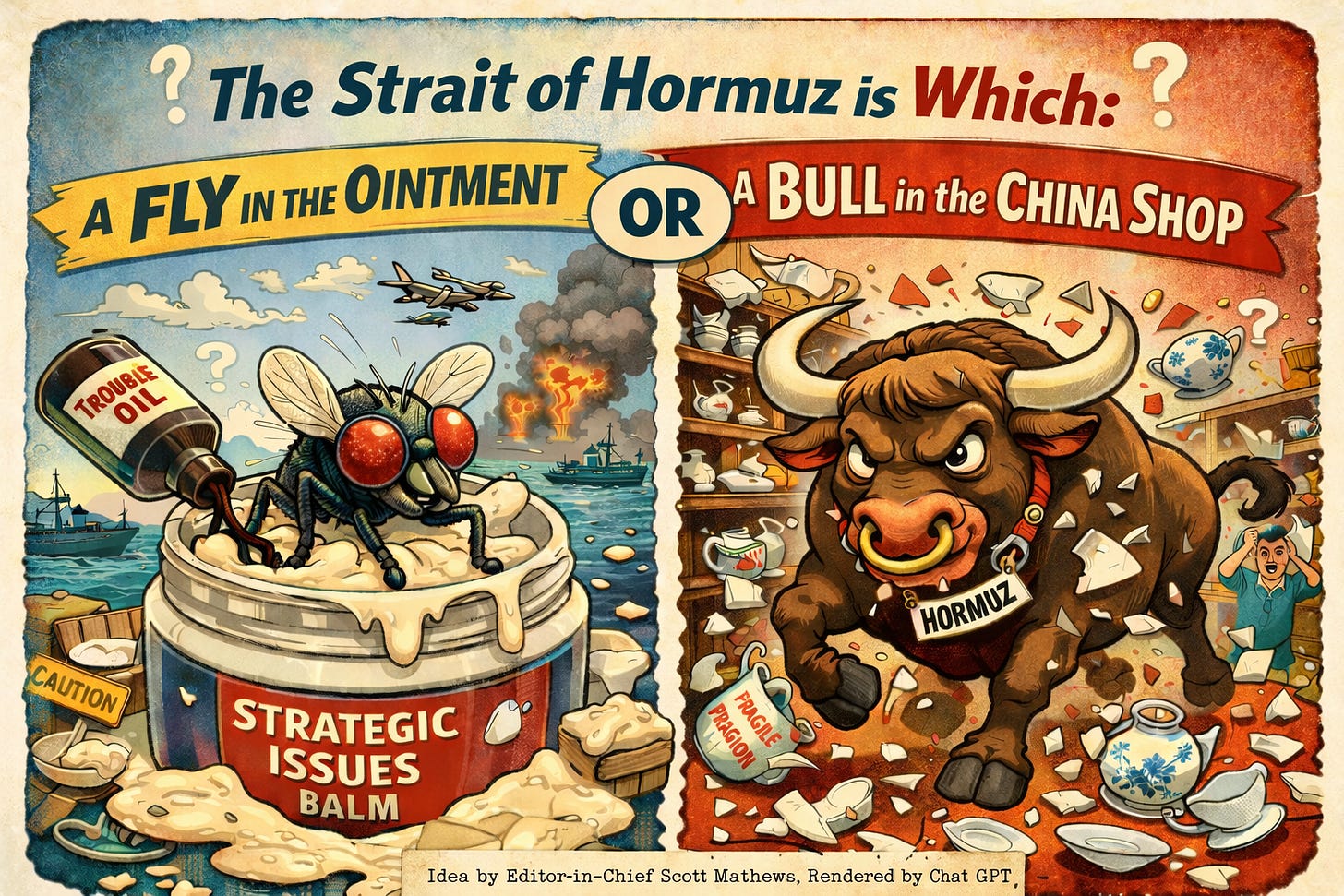
War Headlines Fade, and so… Weather and Fundamentals Take the Wheel Again
All eyes were glued to the Middle East this week—but markets have already started to move on. With the Strait of Hormuz confirmed open and shipping lanes returning to normal, a big chunk of the “war premium” quickly drained out of wheat, crude oil, corn, and natural gas. Just like that, what felt like a market-moving crisis a few days ago is already becoming… old news.
That’s how markets work.
For traders, this is a developing story, not a confirmed outcome. Yes, the initial panic sent prices higher. But once reality set in—ships moving, supply chains stabilizing—traders shifted their focus back to what really drives prices: weather, planting progress, and global supply. And right now? Those factors lean bearish.
Improving global weather for wheat
Rapid U.S. corn planting potential
Weakening natural gas demand
All of that adds up to softer prices—at least for now.
That said, let’s not kid ourselves. This story isn’t over. If tensions flare again, volatility will likely come roaring back — especially in crude oil.
Natural Gas: A Trade That Already Happened
A few weeks ago, the call was simple: sell the war hype. That included selling short in natural gas futures — or buying the inverse ETF (KOLD). Since then, natural gas has dropped 12–18%. At this point? The easy money has likely been made. Standing aside may be the smartest move.
Corn: Caught Between Cheaper Fertilizer and Friendly Weather
Here’s where things get interesting.
The Middle East plays a key role in nitrogen fertilizer exports (urea, ammonia), much of it flowing through Hormuz. With this waterway “open”:
Fertilizer supply chains stabilize
Prices for urea and nitrogen ease
Diesel and transport costs decline
That should be bearish for input costs—and helpful for farmers. But the corn market isn’t trading just one story. Earlier, $5.00 December corn looked overpriced. That’s why bearish option strategies made sense near the highs. Now? We’re entering the part of the season where weather becomes king. From May through August, certain markets will “live and die” by forecasts.
El Niño: The Next Big Driver
Keep an eye on El Niño. It’s quietly becoming the next major storyline for corn and soybean markets.
There’s still uncertainty:
Will it strengthen?
Will it disrupt growing regions?
Or remain weak and benign?
An early report is coming soon—and it could reshape expectations across multiple markets.
Fertilizer Isn’t Fully “Off the Hook”
Even with Hormuz open, don’t assume fertilizer issues are solved.
Supply chains may be improving—but:
Inventories are still tight
Pricing risks remain
Farmers are still cautious
The corn market is trying to balance all of this in real time.
Currencies, Coffee, and the Ripple Effects
The temporary easing of tensions also hit currencies:
The U.S. dollar weakened (less “safe haven” demand), and thus…
The Brazilian Real strengthened
That matters.
A stronger real makes Brazilian exports—like coffee—more expensive in dollar terms. After a sharp drop tied to Brazil’s record crop, coffee saw some short-covering and profit-taking.
Metals, Energy, and the Bigger Picture
Could lower rates and a weaker dollar send silver soaring?
Maybe—but a move toward $100 silver looks unlikely for now.
Meanwhile:
Lower oil prices tend to pressure grains
Sugar remains bearish due to seasonal trends and global surplus
Unless… a stronger El Niño shows up later this year
Bottom Line
The reopening of the Strait of Hormuz acted like a release valve: deflating energy and agricultural input costs almost overnight.
But here’s the key takeaway:
War may grab headlines—but weather and fundamentals drive markets. And right now, those fundamentals are leaning bearish across most sectors—just as anticipated well before the geopolitical drama unfolded. Stay tuned. In my humble opinion, the next big move won’t come from headlines— it’ll come from the sky.
To Receive My Specific Trading Recommendations:
Request a 2-week free trial via the link below…. if you like what you see, then… go for the real thing, and subscribe directly via my website

Request a WeatherWealth free trial » CLICK HERE
Remember, when trading commodities, always apply risk management, such as stop-loss orders and position sizing, and consider using spreads to isolate the seasonal component of a particular market move.
Mr. Roemer owns Best Weather Inc., offering weather-related blogs for commodity traders and farmers. He is also a co-founder of Climate Predict, a detailed long-range global weather forecast tool. As one of the first meteorologists to become an NFA-registered Commodity Trading Advisor, he has worked with major hedge funds, Midwest farmers, and individual traders for over 35 years. With a special emphasis on interpreting market psychology, coupled with his short-term and long-term trend forecasting in grains, softs, and energy markets, he holds a unique standing among advisors in the commodity risk management industry.