Gold Price Forecast & Gold Stock Impact
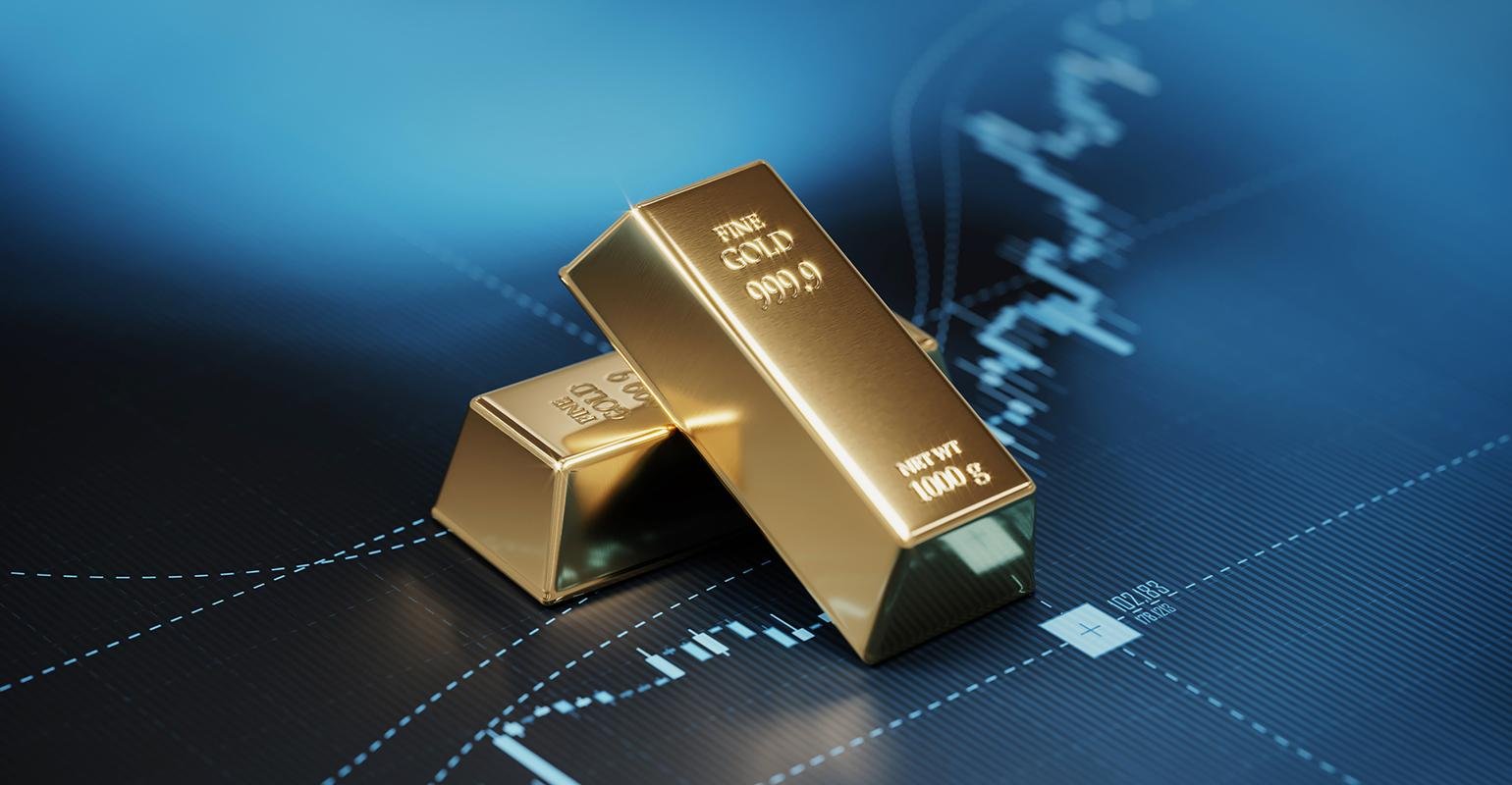
Gold has recently surged to record highs, capturing global investor attention as it trades nearUS$4,300 per ounce. This remarkable rally has been driven by a combination of economic uncertainty, expectations of interest rate cuts, and a resurgence in safe-haven demand amid ongoing geopolitical tensions. The precious metal’s momentum has prompted major financial institutions such as HSBC and Bank of America to significantly raise their gold price forecasts, with some projecting that prices could reach as high as US$5,000 per ounce by 2026.
From a macroeconomic perspective, the primary catalyst behind gold’s rally is the decline in real interest rates. When inflation-adjusted yields fall, the opportunity cost of holding gold, an asset that offers no interest decreases, making it more attractive to investors. With central banks, particularly the U.S. Federal Reserve, Bank of England, and the Bank of Canada, signaling further potential rate cuts in 2025/26, the environment remains supportive for gold. This monetary easing is expected to continue fueling demand as investors seek protection against potential inflationary pressures and currency devaluation.
Another key factor supporting gold’s rise is the weakness in the U.S. dollar. Because gold is priced in dollars, a softer dollar enhances its appeal for non-U.S. investors, effectively increasing global demand. This inverse relationship has historically played a critical role in gold’s performance, and the current dollar downtrend has further reinforced bullish sentiment across commodity markets.
Geopolitical uncertainty also remains a major driver. Ongoing U.S.–China trade tensions, regional conflicts, and rising concerns about sovereign debt levels have led investors to seek safe-haven assets as insurance against financial instability. Central banks have also been major contributors to this rally, with several countries continuing to diversify reserves away from the U.S. dollar by purchasing physical gold. Institutional investors have followed suit, increasing exposure through gold-backed exchange-traded funds (ETFs), further adding momentum to the rally.
Despite these bullish factors, analysts caution that the market may be approaching an overextended phase. Technical indicators show that gold could experience a period of consolidation or a short-term correction, particularly if momentum weakens or profit-taking intensifies. According to some technical models, a retracement toward the US$3,500–US$3,800 range would not be unexpected if inflation cools or if the Federal Reserve adopts a less dovish stance.
In the short term, the outlook for gold remains moderately positive. The World Gold Council projects a potential 0–5% upside under stable economic conditions, while more volatile scenarios, such as renewed inflation fears or heightened geopolitical risk could push prices 10–15% higher. Over the medium to long term, consensus forecasts place gold’s average price between US$3,300 and US$3,600 per ounce by late 2025. In a bullish scenario, where monetary easing accelerates and fiscal imbalances deepen, prices could climb toward US$5,000 per ounce.
For investors, gold’s recent performance reinforces its role as a strategic hedge in diversified portfolios. Those concerned about systemic risk, debt sustainability, or currency depreciation may find gold’s long-term fundamentals compelling. However, given the rapid ascent in prices, investors might consider gradual accumulation or buying on pullbacks rather than chasing the rally at current highs.
The trajectory of gold prices will largely depend on how monetary policy, inflation trends, and geopolitical developments unfold over the next 12 to 24 months. While the potential for further gains remains, particularly if rate cuts deepen and global tensions persist, the likelihood of short-term volatility and profit-taking is increasing. Gold’s climb is therefore best viewed not as a speculative surge, but as a structural reflection of shifting global confidence in fiat currencies and fiscal stability.
Bottom Line: Gold remains in a long-term uptrend supported by macroeconomic fundamentals, but investors should be prepared for short-term corrections before the next leg higher potentially toward US$4,500 to US$5,000 per ounce.
How does this Affect Gold Stocks?
The recent surge in gold prices has a direct and generally positive effect on gold mining stocks, though the magnitude of the impact depends on several factors, including the company’s cost structure, production scale, and financial health.
Revenue and Profit Expansion
Gold miners generate revenue by selling mined gold at market prices. As the gold price rises, companies like Barrick Gold (ABX:TSX), Newmont (NGT:NYSE), and Kinross Gold (K:TSX) immediately benefit from higher per-ounce revenue. This can lead to stronger quarterly earnings, improved cash flow, and enhanced profitability, especially for low-cost producers who can see substantial margins expand.Increased Exploration and Production Investment
Higher gold prices often encourage mining companies to invest in new projects, exploration, and capacity expansion, since higher potential returns justify capital expenditures. Companies may accelerate development of high-grade deposits or invest in technology to improve extraction efficiency.Stock Price Performance
Historically, gold stocks tend to outperform the price of gold itself during strong rallies. The leverage effect means that a 5% increase in gold can translate to a larger percentage increase in a mining company’s stock price, particularly for companies with lower production costs or higher operational leverage.Investor Sentiment and Market Flow
Rising gold prices attract investor inflows into gold ETFs and mining stocks, increasing liquidity and pushing valuations higher. Hedge funds, institutional investors, and retail traders often rotate into mining equities during gold rallies, further supporting upward momentum.Caveats and Risks
While higher gold prices are generally positive, the effect on stocks is not always linear. Factors such as geopolitical risk, operational challenges, debt levels, currency fluctuations, and regulatory issues can offset the benefits. Also, companies with higher production costs may not see as significant an improvement in margins.
Outlook
The current gold price rally provides a favorable backdrop for gold stocks. Investors in mining equities can expect enhanced earnings, potential dividends, and increased capital appreciation if prices remain elevated. Low-cost producers and well-capitalized companies stand to gain the most. However, careful attention to company-specific risks and broader market conditions remains critical for optimizing returns.
