Key Points
Social Security recipients are allowed to earn income from a job.
Your age and earnings determine whether you have benefits withheld or not.
Understanding the rules could help you avoid having your monthly checks whittled down.
Some people assume that once they start collecting Social Security, their days of earning money must come to an end. But you're allowed to continue working while receiving Social Security benefits, or go back to work if you stopped for a while.
That said, there are rules that apply in these scenarios. And some Social Security recipients who work do risk losing benefits. It's important to know whether an earnings limit applies to you and how much money you can make before risking having benefits withheld.
Will AI create the world's first trillionaire? Our team just released a report on the one little-known company, called an "Indispensable Monopoly" providing the critical technology Nvidia and Intel both need. Continue »
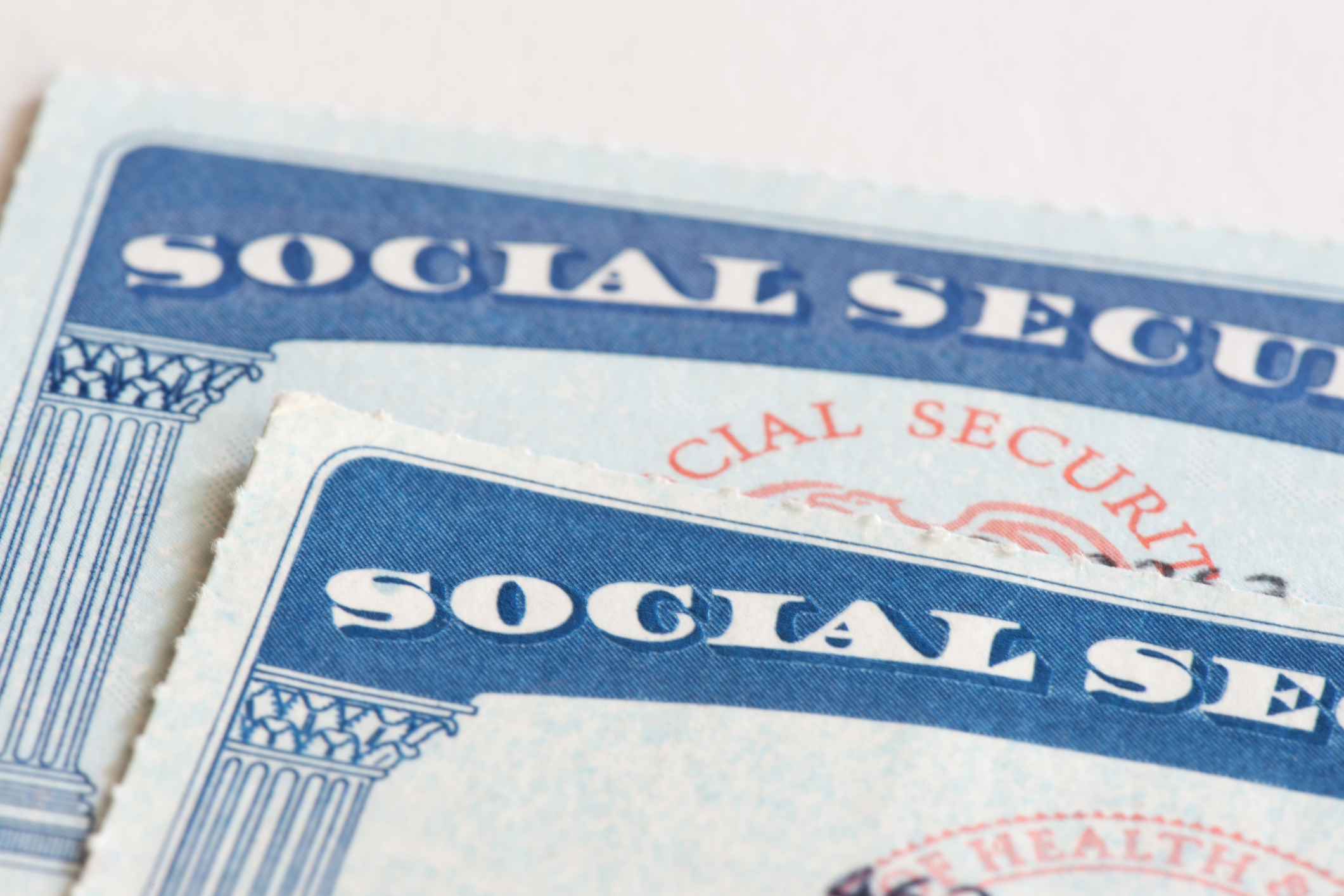
Image source: Getty Images.
How Social Security's earnings test works
Social Security has an earnings test that applies to recipients who are getting benefits prior to full retirement age. So to put it another way, if you've reached full retirement age, none of the following applies to you. You can earn any amount of money, and it won't negatively impact your monthly Social Security checks.
If you haven't reached full retirement age, you'll be subject to an earnings limit that changes from year to year. In 2026, if you won't be reaching full retirement age by Dec. 31, you can earn up to $24,480. From there, you'll have $1 in Social Security withheld per $2 of earnings.
The earnings limit is higher if you'll be reaching full retirement age by Dec. 31. In that case, it's still $65,160. Beyond that point, you'll have $1 in Social Security withheld per $3 of earnings.
Now here's an important note on withheld benefits: they're not lost forever. Once you reach full retirement age, your Social Security benefits will be recalculated, and you'll get the money back in the form of larger checks.
What counts toward the earnings test?
Social Security's earnings test does not include investment earnings or retirement plan withdrawals. It also doesn't include interest from savings or bonds.
Rather, the earnings test applies to wages you're paid from a job. That job can be:
- Full-time
- Part-time
- Freelance/gig work/consultant-based
- Income you earn from a business you own
If you want to avoid losing benefits temporarily, familiarize yourself with the earnings-test limits each year and aim to keep your wages below the appropriate threshold. Or, hold off on claiming Social Security until full retirement age if you expect to keep working.
Remember, filing for Social Security before full retirement age reduces your monthly checks off the bat. There's little sense in locking in smaller payments for life if you expect to earn so much money that most or all of your monthly benefits will be withheld anyway.
The $23,760 Social Security bonus most retirees completely overlook
If you're like most Americans, you're a few years (or more) behind on your retirement savings. But a handful of little-known "Social Security secrets"could help ensure a boost in your retirement income.
One easy trick could pay you as much as $23,760 more... each year! Once you learn how to maximize your Social Security benefits, we think you could retire confidently with the peace of mind we're all after. JoinStock Advisorto learn more about these strategies.
The Motley Fool has a disclosure policy.
