

Indigenous tourism experiences are deeply personal, eye-opening and rooted in joy. In Good Spirit brings to life the stories of four Alberta-based Indigenous tourism operators through vibrant comics illustrated by Indigenous artist Kyle Charles and personable audio storytelling narrated by each tour operator. From how bannock can bring people together, to the healing power of laughter, keep scrolling to see how each story highlights a specific Indigenous owned and operated tourism experience, through the lens of the people who make these tours so unforgettable.
The power of bannock
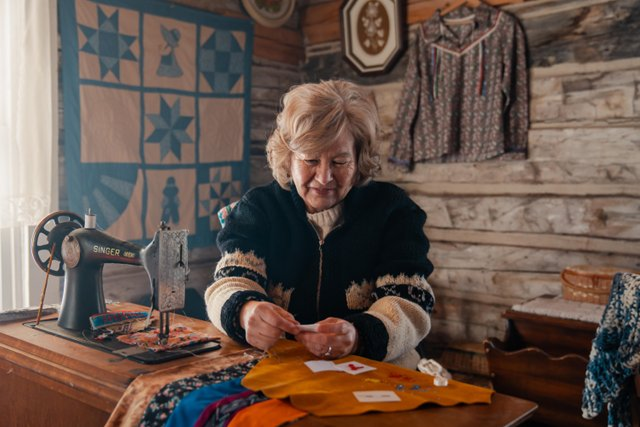
Lilyrose Meyers knows bannock is special. The knowledge holder and teacher at Métis Crossing, Alberta’s premier destination for Métis culture, history, and adventure, has seen it bring people together on her tours.
Métis Crossing sits on the bank of the North Saskatchewan River near Edmonton on lots first settled in the late 1800s. Visitors can explore the cultural centre, skywatching domes and historical buildings, paddle the river in a voyageur canoe, hone their archery skills or tour the buffalo paddock. And yes, visitors can make bannock with Lilyrose.
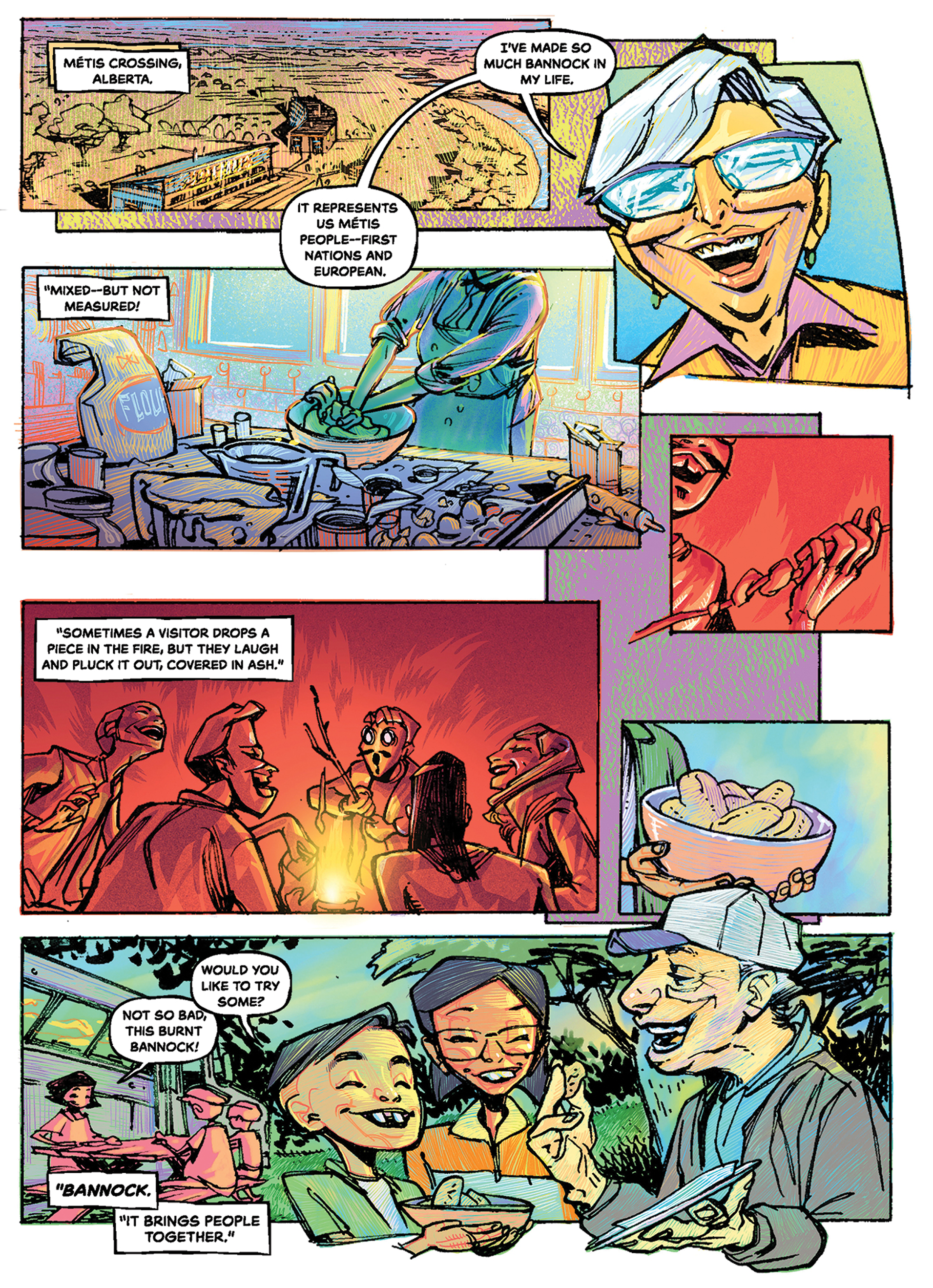
To the Métis people, bannock is very important. It’s the first thing you get served when you come into a home. It’s very simple: flour, water, baking powder, sugar and salt. But bannock represents who we are. It has always been there, and it will always be around, just like the Métis.
Laughter is medicine
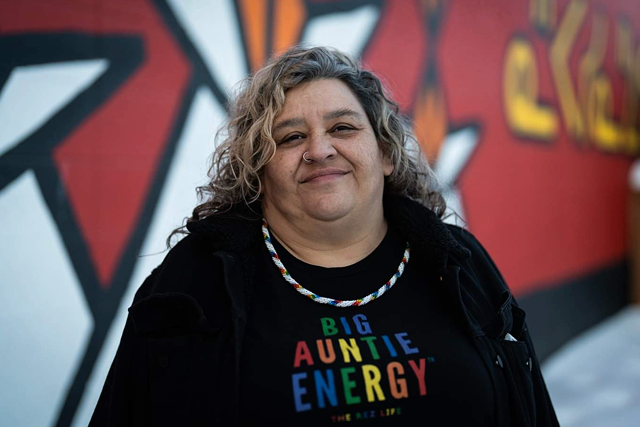
The first time Lorrie Lawrence got invited to the Downtown Edmonton Farmers’ Market, she quickly realized she was the only Indigenous artist there and usual patrons were reluctant to engage with her. So she did what she does best, using her sense of humour and big “Auntie laugh” to make people more comfortable.
Lorrie, who is affectionately called, “Dirty Auntie,” is the founder of Indigenous Artist Market Collective, or I.A.M. Collective, whose goal is to break down barriers and bridge gaps that keep the majority of Indigenous artists out of the local marketplace. What started with just four artists quickly grew and today is composed of more than 70 members of First Nations, Métis, and Inuit descent working in the greater Edmonton area.
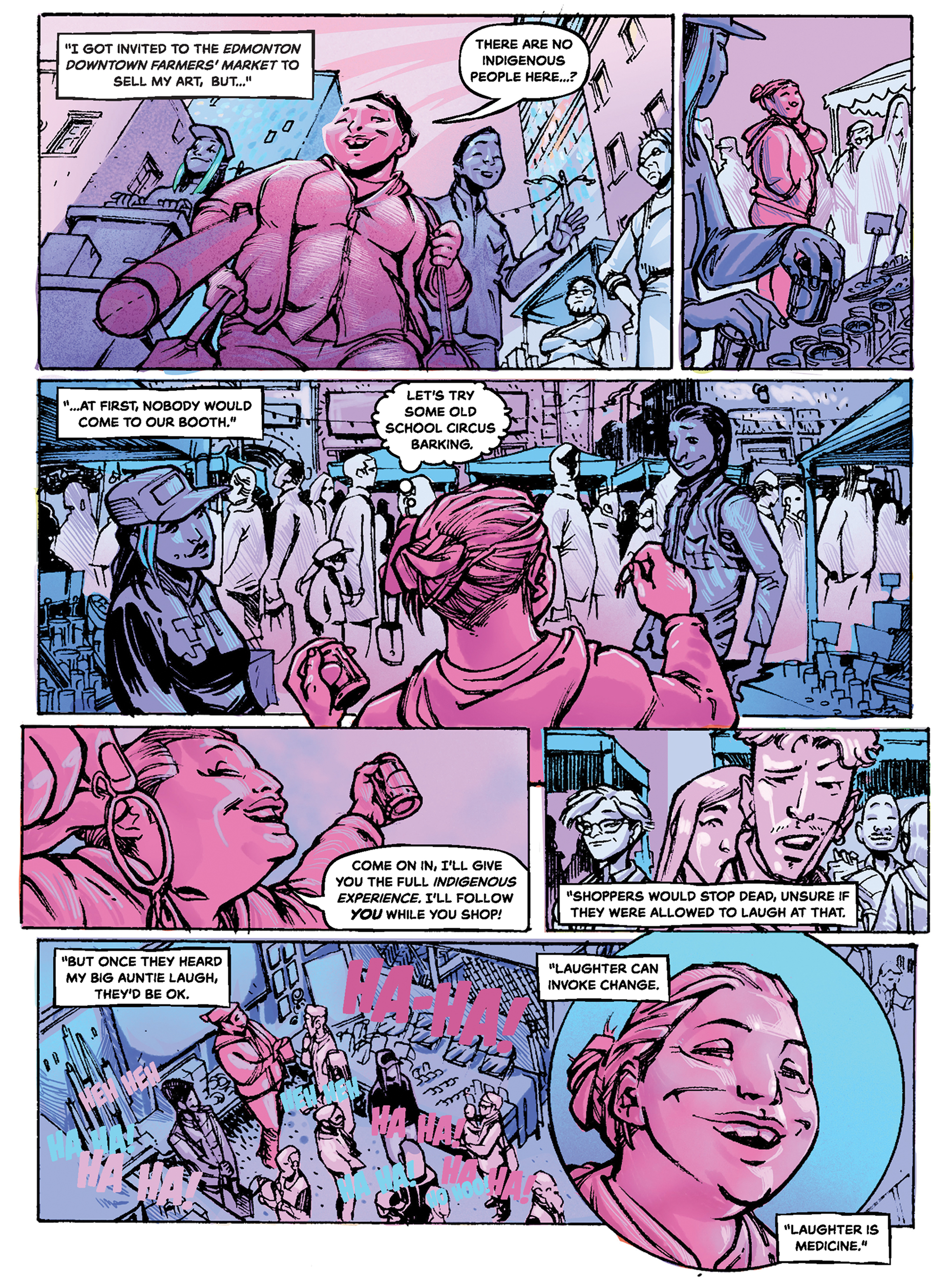
Laughter is universal. It doesn't matter what culture you come from. The auntie laugh is totally uninhibited, head held back...and it's right from the belly, right from the soul. Just being able to hear that, or be around that energy, is powerful medicine for people.
A different kind of city tour
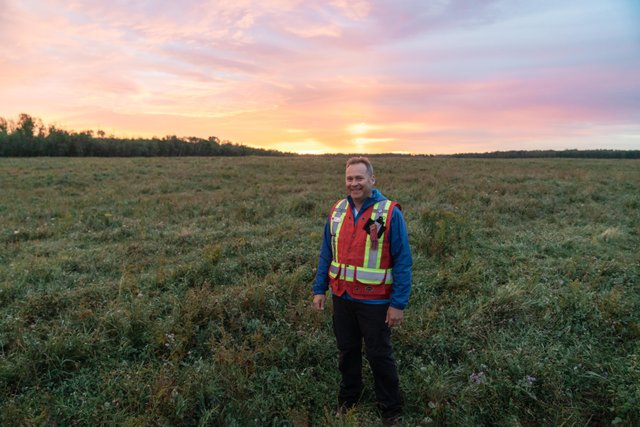
When Keith Diakiw got a call from a third party, scrambling to find a guide to lead a city tour for a couple out of New York, he was happy to oblige as long as they were open to his unique experience. The owner and operator of Talking Rock Tours offers one-of-a-kind geo-educational tours that explore some of the natural wonders of Alberta through an Indigenous cultural lens. Of course, it wasn’t what the couple was expecting from their city tour, but what they got was even more memorable.
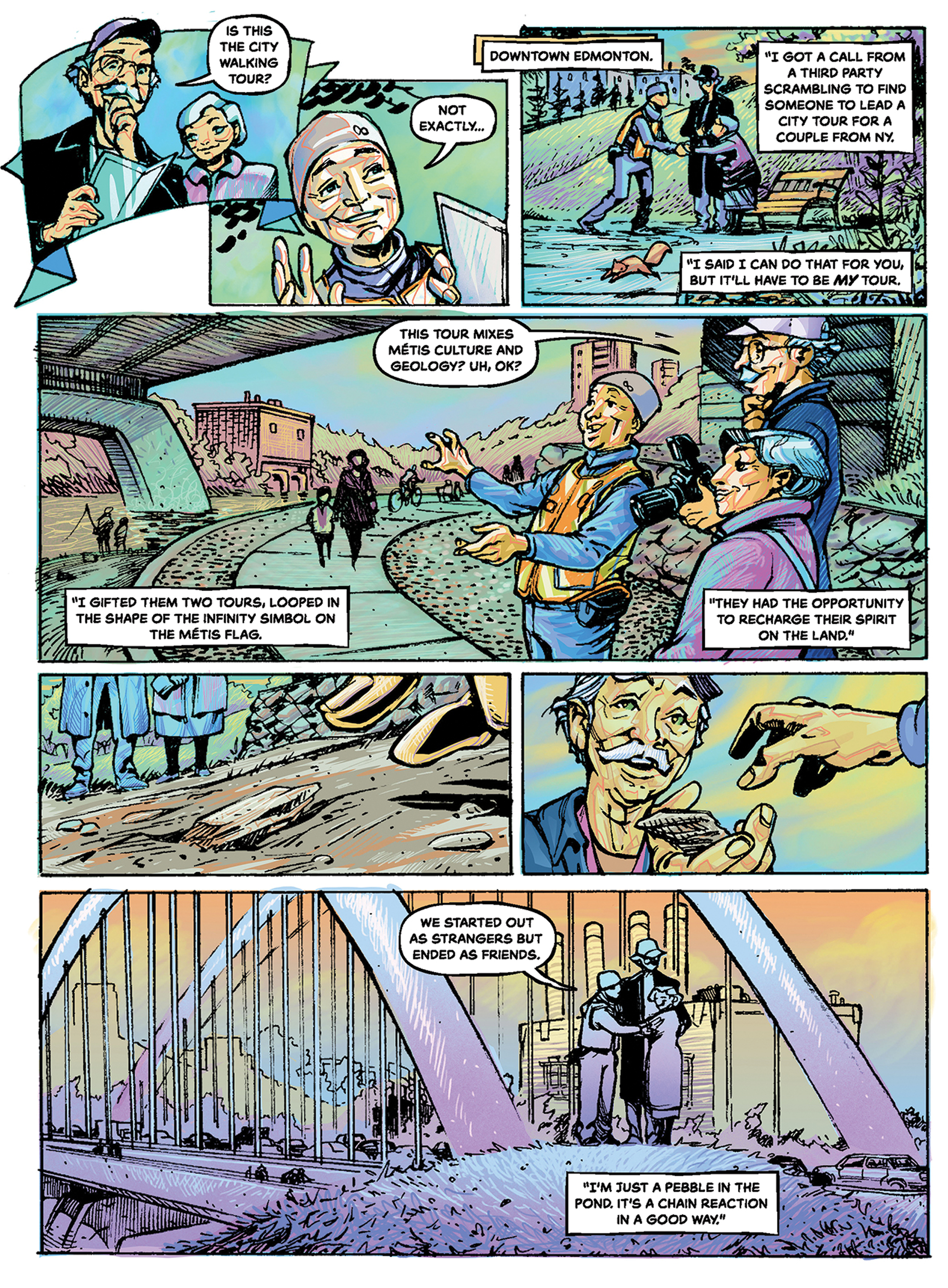
I can do a vanilla walking tour, but what I’m about as an Indigenous tour operator is giving a unique experience.
Sharing a victory cry
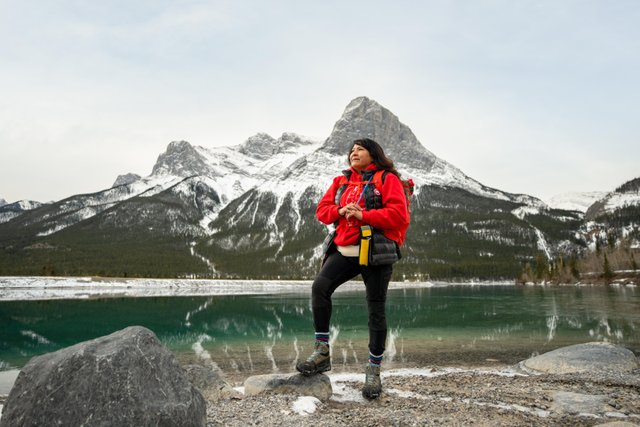
When Heather Black gets visitors to do a victory cry on their hikes, they’re often a bit reluctant. “Some people are shy,” she says with a giggle. “They are in a strange place and think, 'Oh my god, I'm going to raise my voice.' It's good to get them out of that.” Heather runs tours with Iinisskimmaakii, Buffalo Stone Woman, taking people through an incredible selection of trails in the Canadian Rockies. Visitors experience a connection to the lands through the Indigenous perspective with Elders, drummers, dancers as well as trail guides supporting their journey to blissful waterfalls, lakes and enchanted forests.
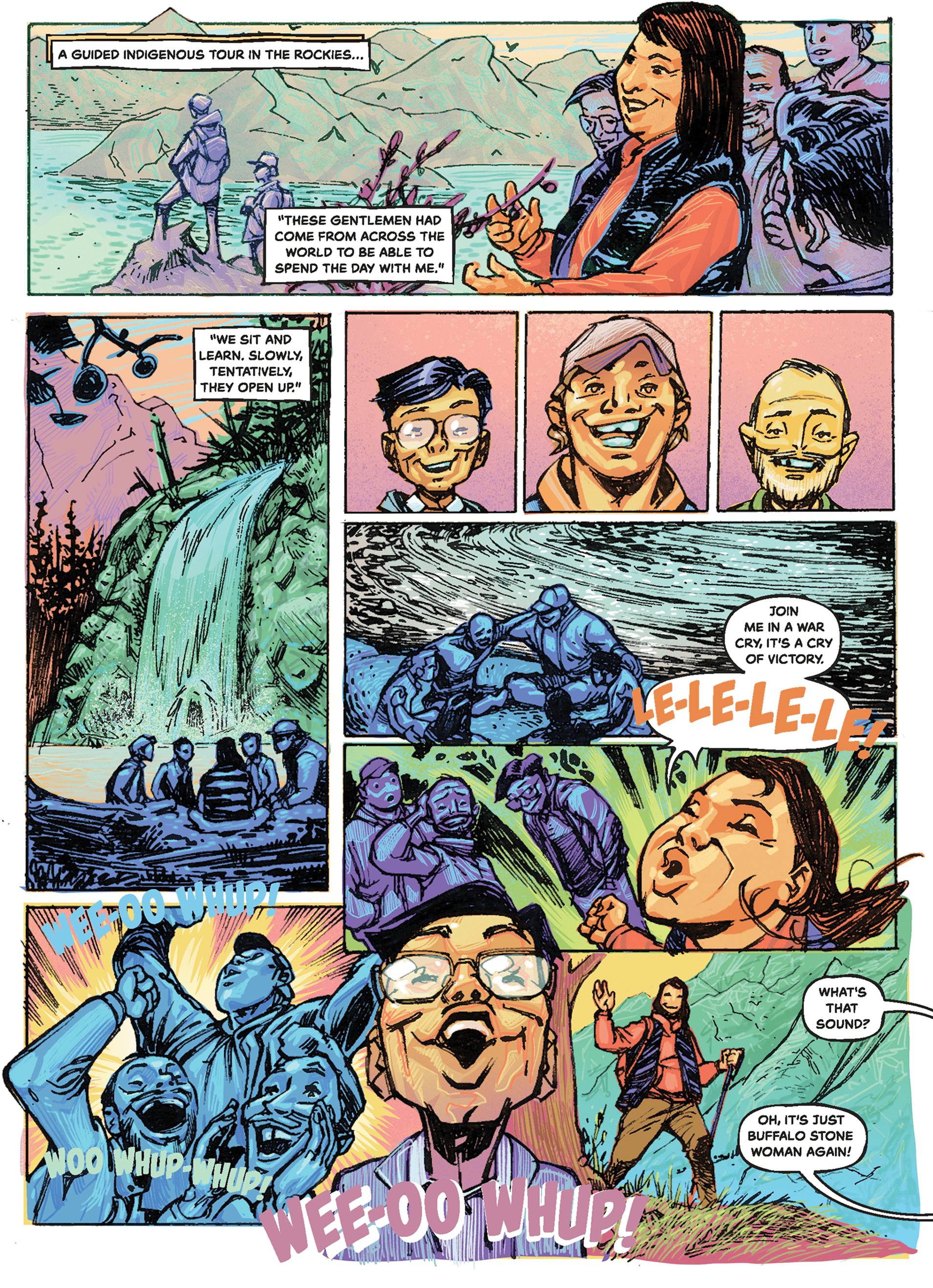
A victory cry is a way that we celebrate. We perch ourselves up high, and cry out to our ancestors who are dancing in happiness. It allows us to dance with them. And if we all do it together, it echoes throughout the valley of the mountains.