Typewriter poetry:
The latest
analog trend
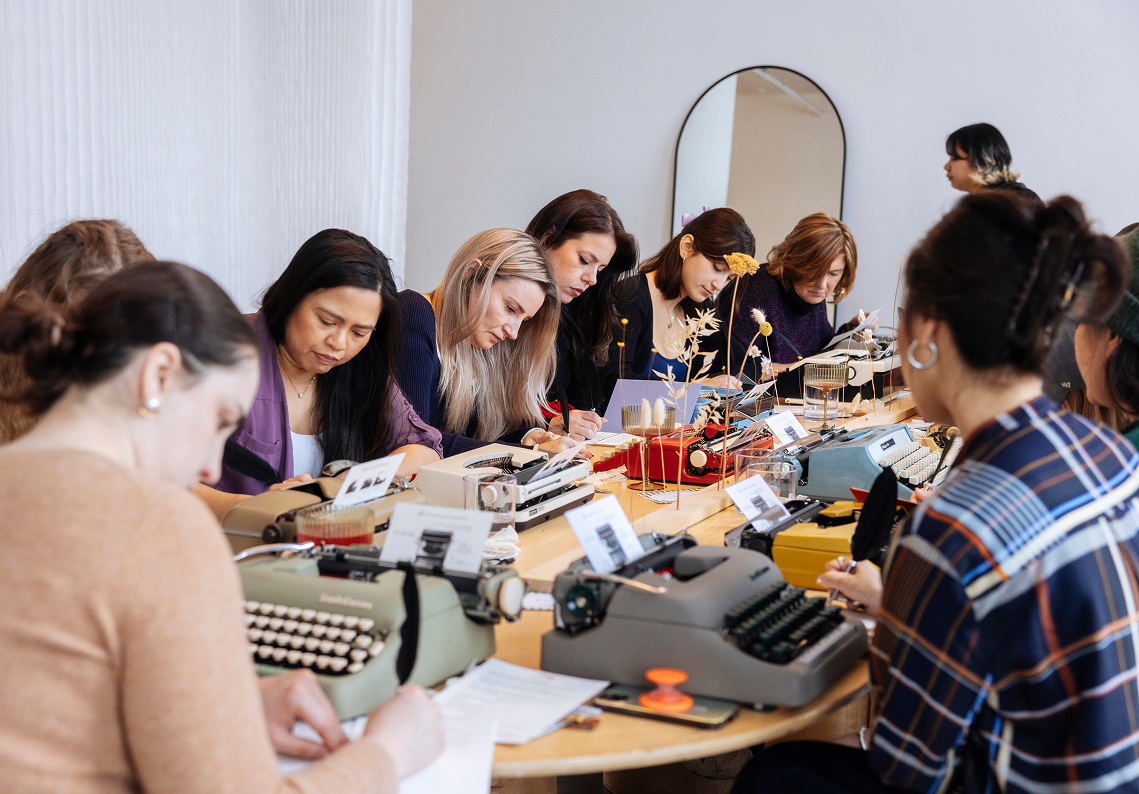
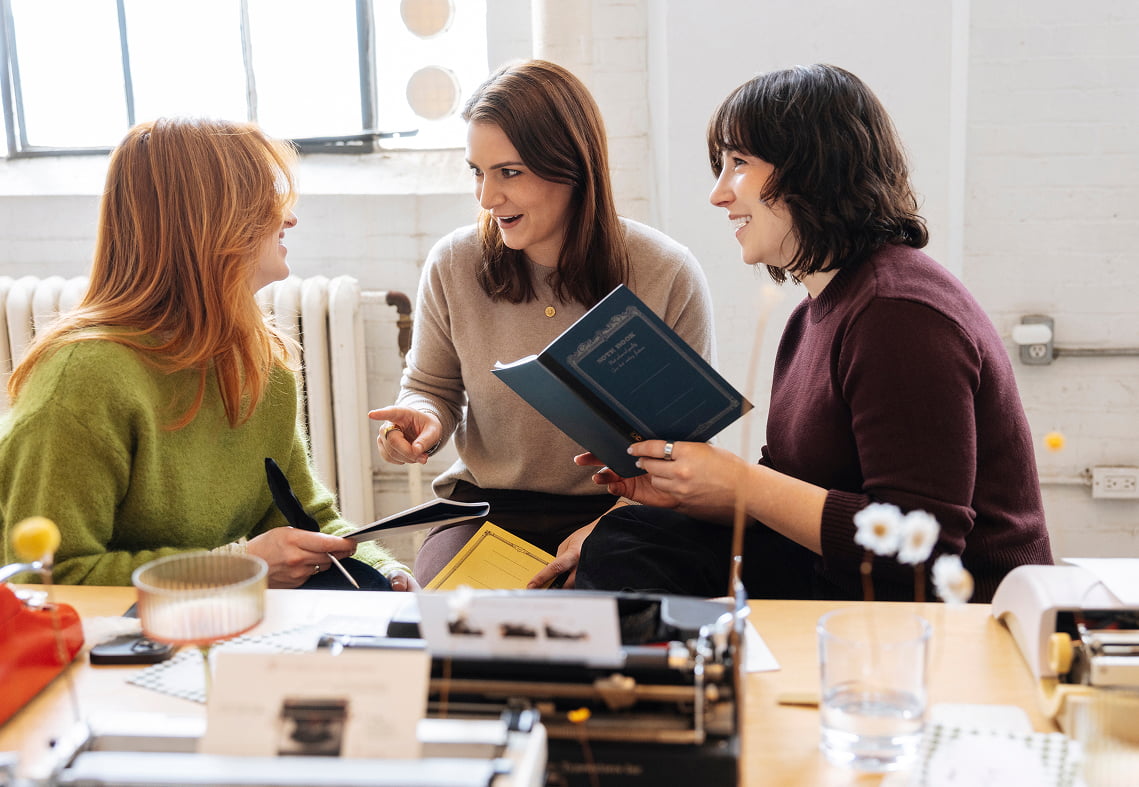
It’s Saturday. Instead of staying curled up at home, or crowding into a busy brunch spot, you step inside a cozy, intimate space, like a creative studio. There’s soft jazz music playing. You help yourself to a salmon canapé and a glass of cucumber-infused water as you meet mostly fellow women in the mid-20s to 40-year-old age range. The host asks you to take your seat in front of the vintage typewriter that calls to you.
You’re here to write poetry.
The host is Daniella Zanchi, founder of Poesy, a Canadian company that holds monthly poetry and letter writing workshops. She launched the event series in December, 2024 after spending over a year as a poet-on-demand at public and private events and discovering that many people were curious about writing poetry themselves.
At her workshops, she teaches the craft in an approachable way that makes even first-time writers feel at ease.
“We go through basics of poetry writing, like rhythm or metaphor,” says Ms. Zanchi, “or we'll focus on how to write a poem entirely based off the conversation you're having with somebody.” The latter is Ms. Zanchi’s particular talent, and how she garnered attention behind her typewriter at her first few events.
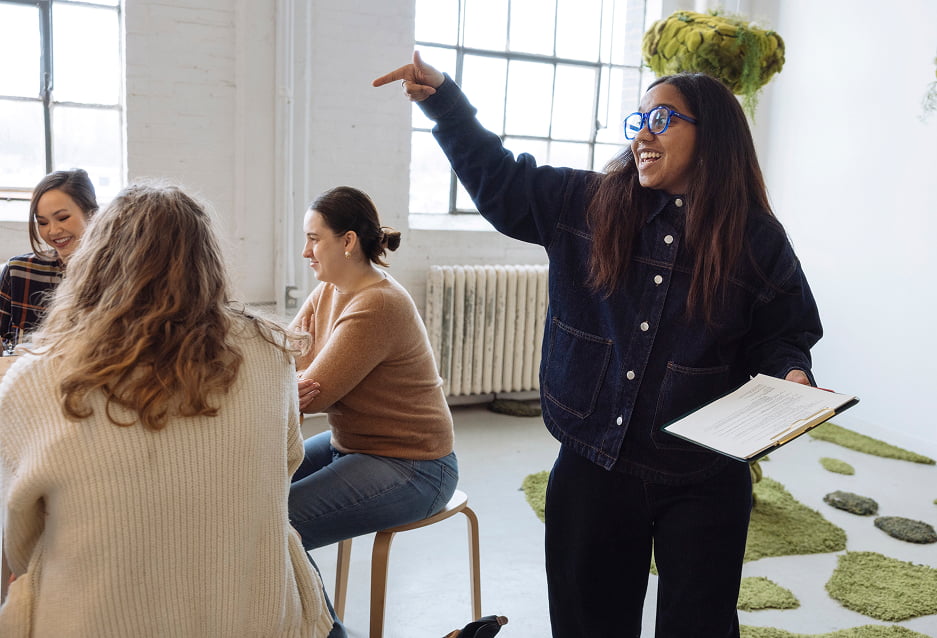
“Everyone gets a handout with three prompts, which are questions focused on the theme of that workshop, such as New Year's intentions,” she says. “We encourage them to write two sentences per prompt, and then we teach them how to trim the excess words and do what we call ‘mining for gold’.”
Each guest is given a notebook and a quill to write and edit the answers to their prompts. After they’ve found their “gold,” – the best bits amid their free writing – they start typing. The typewriters offer an inviting, old-world element that helps guests imagine they could be the next Sylvia Plath or Anne Carson.
“The typewriter requires you to type slow, because, unlike a laptop, you need to type with one finger at a time and press fairly hard on keys,” says Ms. Zanchi, “so you have more time to think about what you put on the page.”
Being an analog object that requires focus, the typewriter is a big part of the workshop’s allure. “Coming into a room and knowing it's going to be a tactile experience is a huge draw,” she says. “It allows people to unplug and actually learn how to use something new, and create something with their hands.”
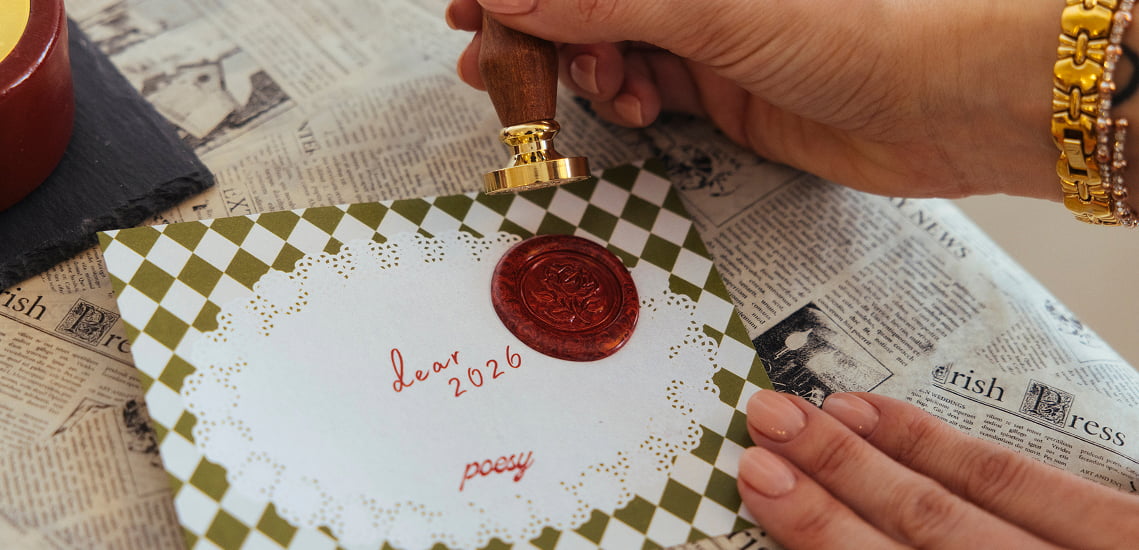
People leave the workshop with two poems: one they write for themselves, and one written about them by someone else in the room. Before leaving, they’re invited to slip their typed poems into envelopes and seal them with molten red wax, another vintage touch to the experience.
Every element of the workshop – from learning the basics of poetry and putting quill to paper, to using a typewriter and packaging one’s art in a beautiful way – can be surprisingly gratifying, especially for those who tend to speed through their daily life, racking up screen time.

“When you learn something new, when you use your hands, it does something different to the brain and makes us more human and less robotic,” says Frederick Grouzet, an associate professor at the Department of Psychology at University of Victoria.
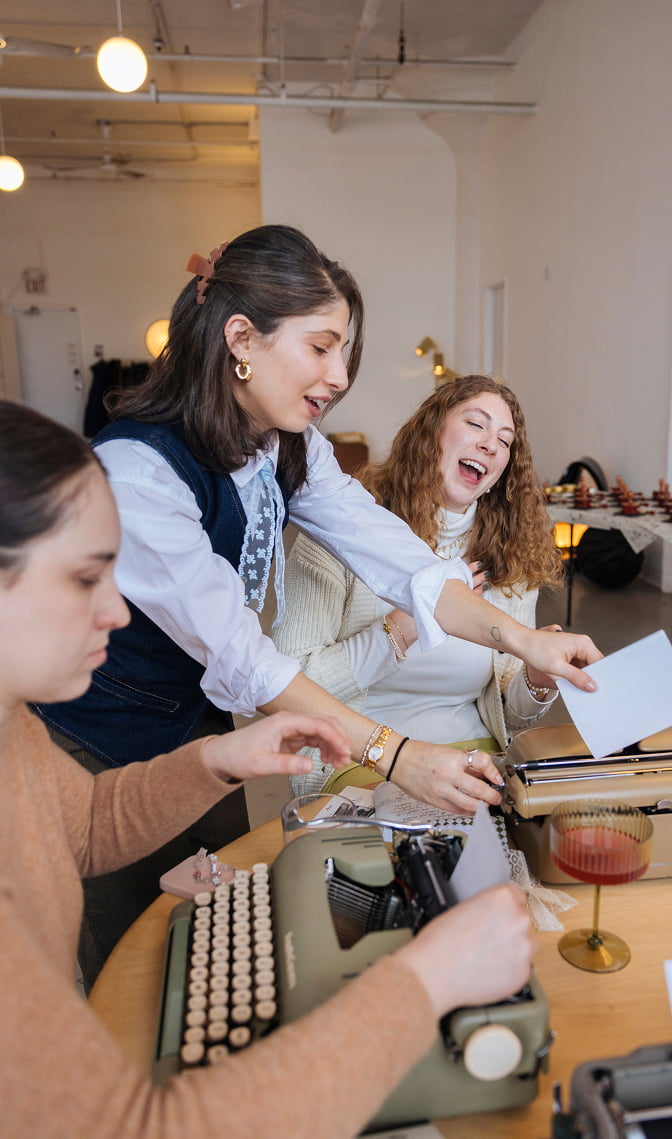
After all, the workshop isn’t just about writing poetry – it’s also about remembering what it feels like to create something without a delete button, giving yourself permission to be imperfect.
The act of writing poetry has mental health benefits, similar to those of journalling, says Dr. Grouzet. It allows people to release thoughts and feelings onto a page and reflect on them in an intentional way. But poetry takes it one step further. “You transform your reflections into something beautiful,” he says, “and that generates positive emotions.”
Beyond the individual benefits, the workshop offers a shared experience, which extends past the moments of conversation that inspire the poems in the moment. “People usually grab food or something with somebody else after the workshop,” says Ms. Zanchi. “We've seen genuine connections come from a curated space that’s fostering stories to be shared and people to open up.”
That sense of connection comes from the emotions that brew from creating or enjoying something as a group, says Dr. Grouzet. “It's like everyone looking at a piece of art, or listening to a song all together, and feeling the same thing, at the same time,” he says. Bonds form naturally as people spend time together, learn about each other and share the experience of trying something new.
“It fills this need for connectedness,” he says.
Sounds like the perfect subject for a poem.