Given the sheer number of jumpsuits and bellbottoms that appeared on spring runways, style enthusiasts are sure to be romancing the seventies in the season to come. And while it may be disconcerting for some that nostalgia continues to run rampant in fashion circles, there’s no question that the sexiness and glamour of the seventies still hold much appeal. In New York, a new exhibit at The Museum at FIT celebrates the work of two of fashion’s most famous designers, Yves Saint Laurent and Halston, who ruled from their respective roosts in Paris and New York during that decade, a time when fashion and the way it was consumed was dramatically changing.
Hot on the heels of the rebellious sixties, the seventies saw the rise of bold individuality and a laid-back sensibility. Yves Saint Laurent, with his great sense of colour and fantasy, and Halston, a master of modern minimalism, were in the eye of the eclectic style storm and, while making their indelible mark dressing socialites and stars, they quickly became celebrities themselves.
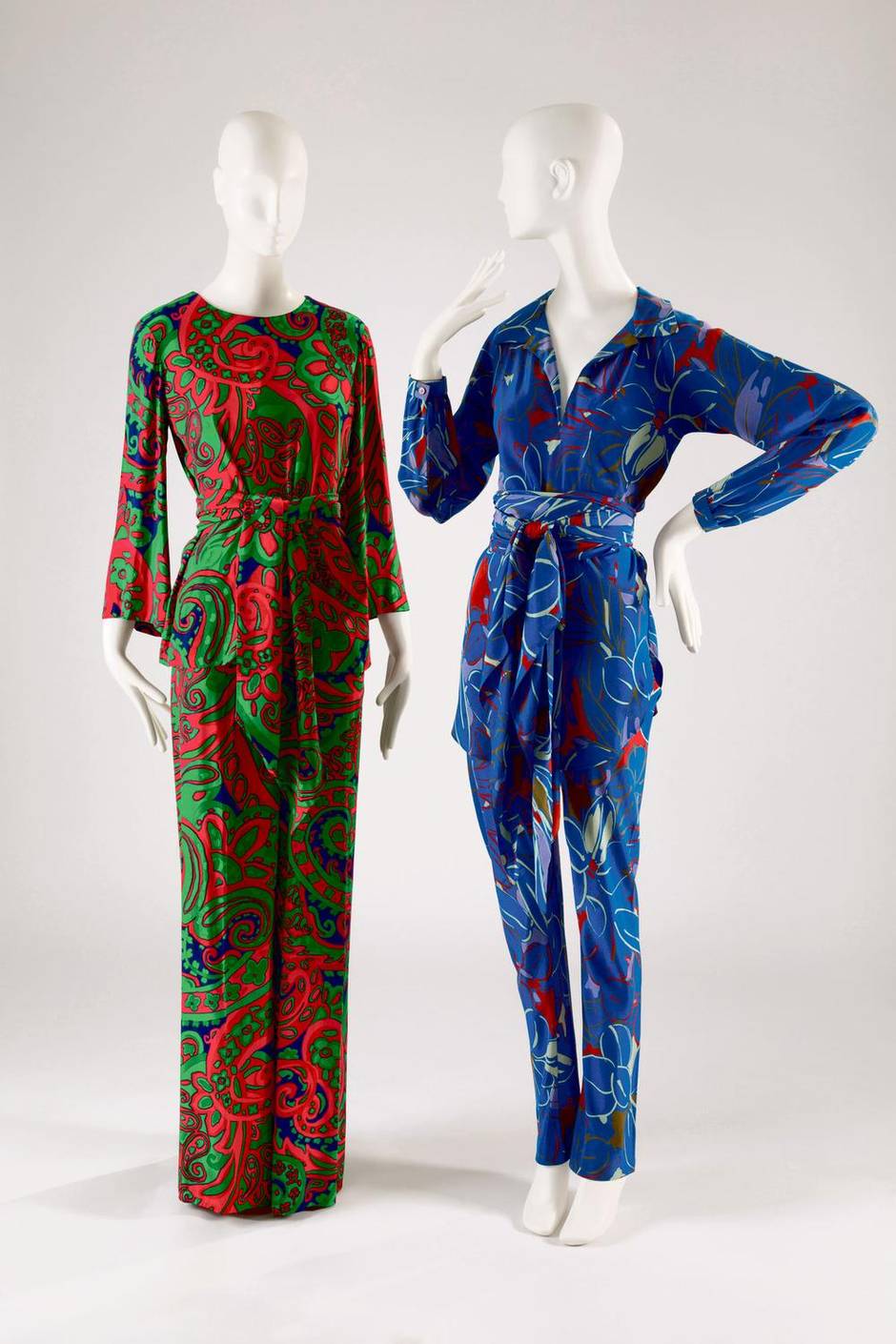
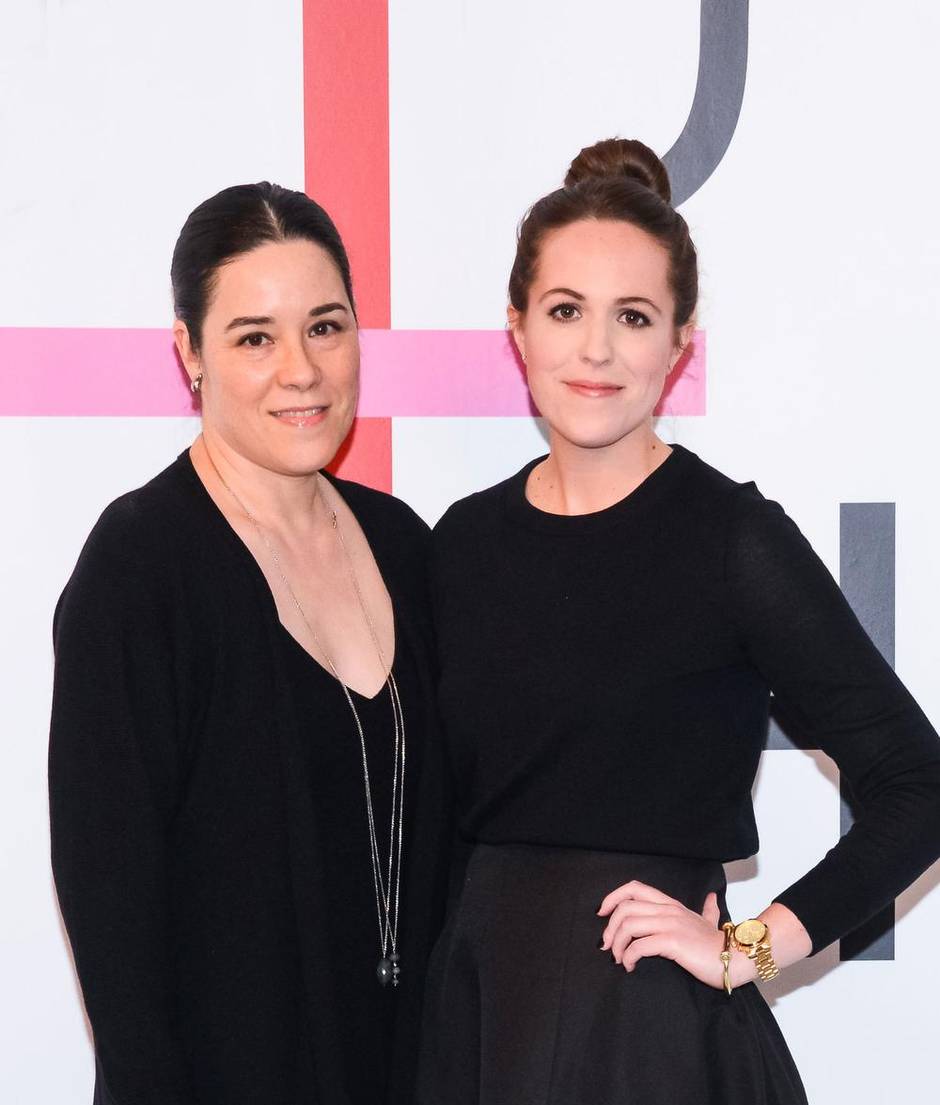
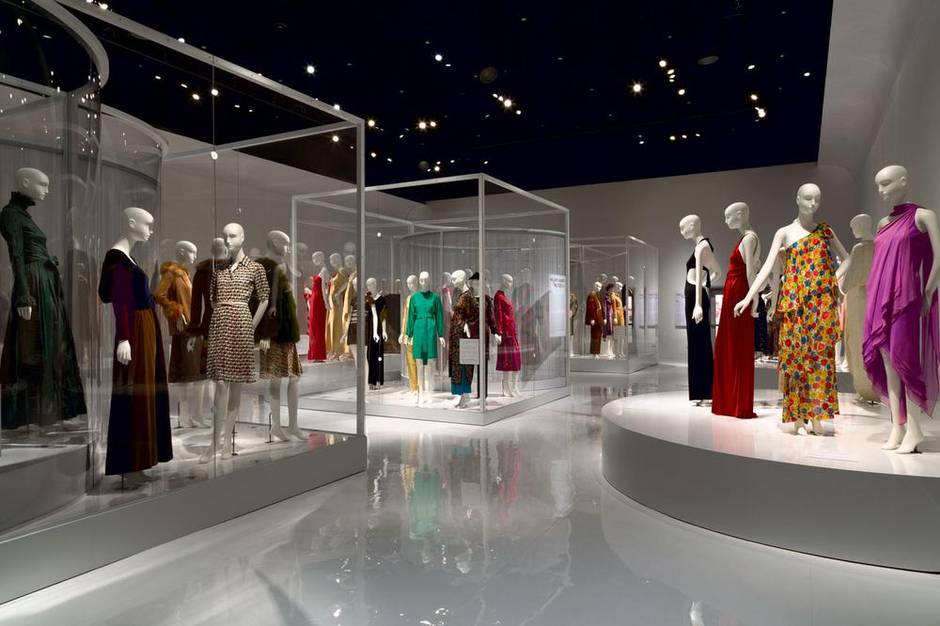
Culled from the museum’s archives, the 80 outfits and 20 accessories on display explore ideas about men’s wear, history and exoticism that both designers toyed with in their work. The show also compares their disparate approaches to style and their often similar aesthetics. I dropped by The Museum at FIT for a private tour of Fashioning the 70s with museum director Patricia Mears and assistant curator Emma McClendon, to talk about how the fashion giants defined the looks of the day and to find out why their work remains so relevant.
What is it about the tone and the attitude of 1970s dressing that resonates so profoundly today?
McClendon: This is a period when people started to experiment much more with a wide range of styles. They started wearing vintage clothing for the first time, which people are still doing today. And blue jeans became very important. The exoticism of non-western dress became important as well.
Mears: And also the silhouettes were very flattering. And I think if you looked at what women were wearing then, it would all translate so beautifully today. When you think of modern clothing, the seventies really exemplified that at its best.
The big directive back then was ‘Do your own thing!’ It was a liberation that we really relished. Do you think that sentiment holds true today?
Mears: Well, we still had a kind of dress code in place back then and people still dressed up, even if you were just going to the grocery store. Today, the dress code has deteriorated a little bit. There was also this concept of dressing for your body type, regardless of how you were built. And these designers really thought carefully about it. They understood that not every woman looked the same. So even though we have this idea of the Halstonettes, who were those beautiful models that followed Halston around, or all of Yves Saint Laurent’s muses, these designers were really designing for a much wider range of women. That’s something that’s changed.
Would you say that many of the styles on display in this exhibit would look appropriate coming down the sidewalk today? Or is there something different about the way the seventies look has been adapted for today?
Mears: I think there are definitely examples of both. Both designers have pieces on view here that could absolutely walk straight out of this exhibition space and onto the street or the red carpet today. That seventies influence continues in a lot of ways, but there are also examples here that are very much of their time. It’s interesting to see how you’ve displayed the garments of these two design giants side by side so we can compare and contrast.
McClendon: When we started pulling pieces for the exhibition, we both went in assuming that the two designers were going to end up looking very starkly different. But as we were selecting pieces, we were struck by how similar so many of them were. Take for example this printed halter-neck dress. The Halston piece has all of his hallmarks of construction – very easy to wear and roll up and throw in a suitcase. This chiffon piece of YSL’s looks very soft too but actually has a little corset inside. Certainly Yves Saint Laurent carried over that Dior construction and technology. That’s where you really see the difference between the French approach versus the American.
Do you ever find it troubling that there’s little that’s new in fashion? We really are delving into the past so much now.
Mears: Exactly. With YSL and Halston, there are lots of historical references [in their work], but both designers were moving forward to make [the past] work for their time. Today there’s so much pressure on designers, in their defence. They have to do more and more and more and more ancillary products like accessories. It’s very difficult to be highly original and to think through all the components that they have to do. And there’s a lot more money at stake, too. It’s starting to be riskier.
This interview has been condensed and edited.