On a cool morning in mid-April, Alexandra Weston, the director of brand strategy at Holt Renfrew, and a small team of buyers, development workers and photographers are driving through the patchwork hills that rise up from Ecuador's Rio Chambo. Adele's power ballad Hello blasts from the van's sound system and everyone's once-light luggage is filled with the spoils – beaded jewellery, woven bags and too many miniature alpaca toys to count – of a visit to the market in now distant Otavalo. Today's destination: the Swing at the End of the World, a precarious-looking attraction that propels visitors into the clouds high above Banos de Agua Santa and then on to the airport in Quito for a short flight south to Lima in neighbouring Peru.
The 10-day South American sojourn is an extreme buying trip for the latest edition of Holt Renfrew's H Project pop-up, Uncrate South America, which launched September 6 across Canada. Partnering with 23 brands (including Jonathan Adler and Smythe), sourcing from six countries (Ecuador, Peru, Bolivia, Colombia, Argentina and Brazil) and working with organizations like Free the Children's lifestyle offshoot Me to We, the initiative translates elements of storytelling, sustainability and philanthropy into eclectic shops within shops. On the surface, H Project's raison d'etre is curating a wanderlust-inducing selection of fashion and home buys. But as it enters its third year, it's clear that the concept is part of Weston's broader plan to reset the way Holt Renfrew and its customers think about what they buy and where it comes from.
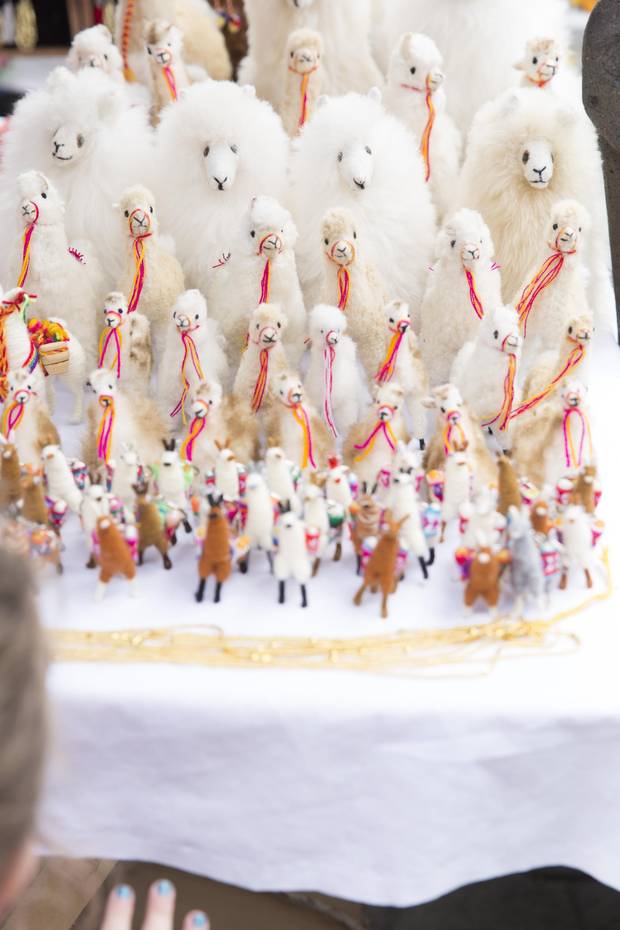

Stops in Ecuador included the Otavalo Market. An Ela pouch features a miniature alpaca.
"I was pregnant with my youngest when this whole job came about," says Weston back in Toronto a few months later. "I wanted to do something that started small but that excited people and could be my heel in the ground to pivot from as I started firing off all these other concepts."
H Project's first two iterations spotlighted India and Africa through relationships with creative collaborators including actor Waris Ahluwalia and designer Stella Jean. "We picked India first because it's on everyone's bucket list," says Weston. "Africa was more a love affair of mine. [This year] we wanted to pick a different season so we decided to go fall…and to South America because of the Andes – the knits."
In Otavalo, the knitwear search brought the group to the lime-green house of Casa Matico's Matilde Lema, who demonstrated the traditional way wool is carded, hand-spun and woven into refined scarves and blankets. After a six-hour drive to Chimborazo, a pair of women's groups from Pulingui San Pablo and San Miguel showed off their knack for shearing a rambunctious sheep with a pair of scissors, and braiding fine, multicoloured thread into a cinta ribbon, which was wrapped around Weston's ponytail.
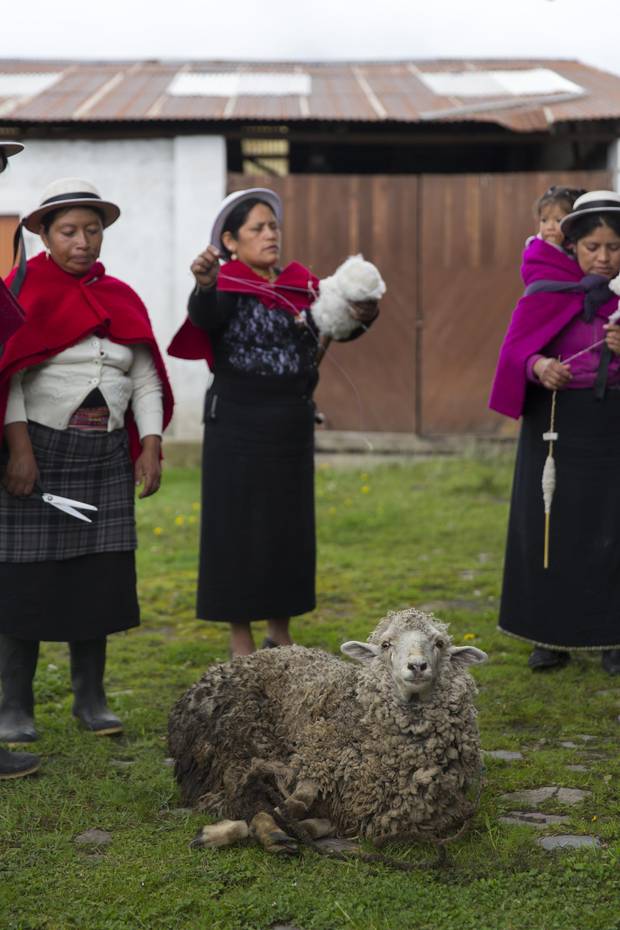
In Pulingui, Me to We’s artisans are skilled at sheep shearing.
A visit with Gabriela Goldbaum, the designer behind Valdez panama hats, was cancelled due to the 7.8 magnitude earthquake that shook Ecuador on April 16, killing over 600 and causing an estimated $3-billion in damages. Though the group was safely three hours' away from the quake's epicentre on the coast, witnessing the challenges of mobilizing help first-hand reinforced how important H Project's community partnerships are to Weston. The ongoing relief effort will continue to benefit from a portion of Uncrate South America's sales.
That spirit of partnership is essential to H Project's overall success, says Weston, highlighting that one of the initiative's biggest challenges is sourcing items that don't just co-opt the aesthetic of another culture. "If you're that inspired by a culture, by a place, by anything that is going to move you to drive your entire collection [by that aesthetic], don't you think you should really get to know it and give back to it?" she says.
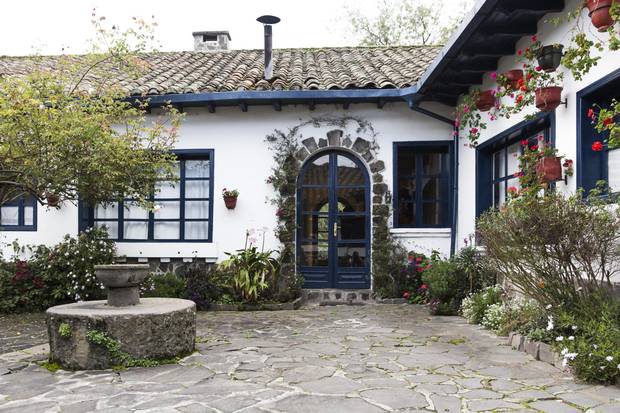
Another stop: the picturesque Hacienda Zuleta north of Quito
Pursuing that knowledge in Peru meant escaping Lima's sweaty city centre with New York-based designer Ulla Johnson to visit Ecotintes, an eco-friendly yarn-dying operation outside Chancay. There, father-daughter duo Ricardo and Daniella Calmet demonstrated how they use natural pigments (avocado pits for pink, cochineal beetle shells for purple) to create the dusty-hued alpaca yarns of the Ulla Johnson pieces that now hang on H Project's racks. "It's that high-low look," said Johnson, who has visited Peru over a dozen times and calls the knits she creates there "slow moving items," the polar opposite of fast fashion.
Aside from Johnson's pieces, Weston's Uncrate favourites include a pair of whimsical Mercedes Salazar earrings that are handmade in Colombia and Ela pouches embroidered with colourful llamas. While most retail buyers do their sourcing at trade shows and showrooms, the H Project team's face-to-face time with designers, artisans and the people that supply them, lends the items an extra layer of creative connection. Those stories are shared with customers via information cards highlighting the provenance of each piece, which are sprinkled throughout the H Project space.
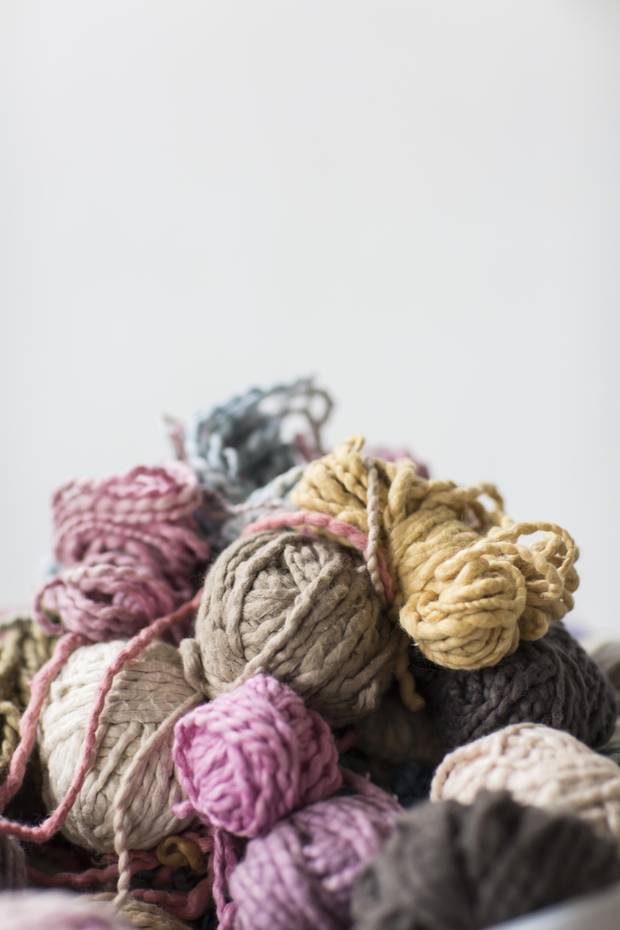
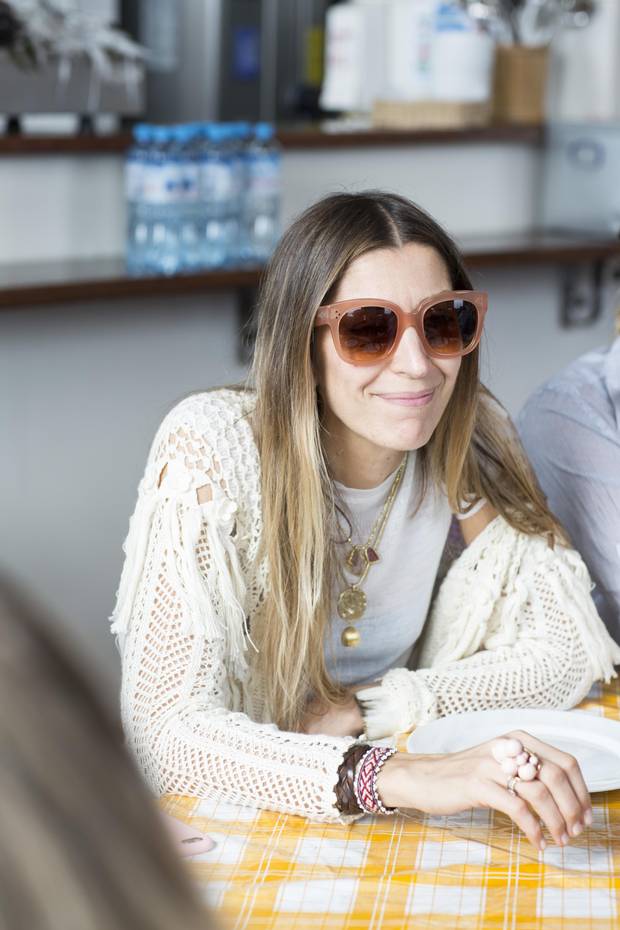
Designer Ulla Johnson works with a Peruvian company called Ecotintes to create naturally-dyed yarns that are handloomed into chic knits.
"Bit by bit I want customers to be able to find those all throughout the store," says Weston. "Just like we discovered that Ulla has this unbelievable story, there are a lot of other brands that we already carry or could be carrying that we can call out the same way."
Translating H Project's ethos to the wider brand won't stop there. This season, Holt Renfrew's buyers went into market fully trained by the Centre for Sustainable Fashion with knowledge of the questions to ask to establish how eco-, health- and community-conscious a product is. The retailer's brands are also now contractually bound by a series of ethical trading requirements that speak to H Project's pillars: environmental respect, driving positive change, inspiring consumers and responsible retail. "If you're changing culture, it really needs to be real…it needs to be slow," says Weston. "Everything that we've stood for within n H Project is now expanding out to the bigger business."
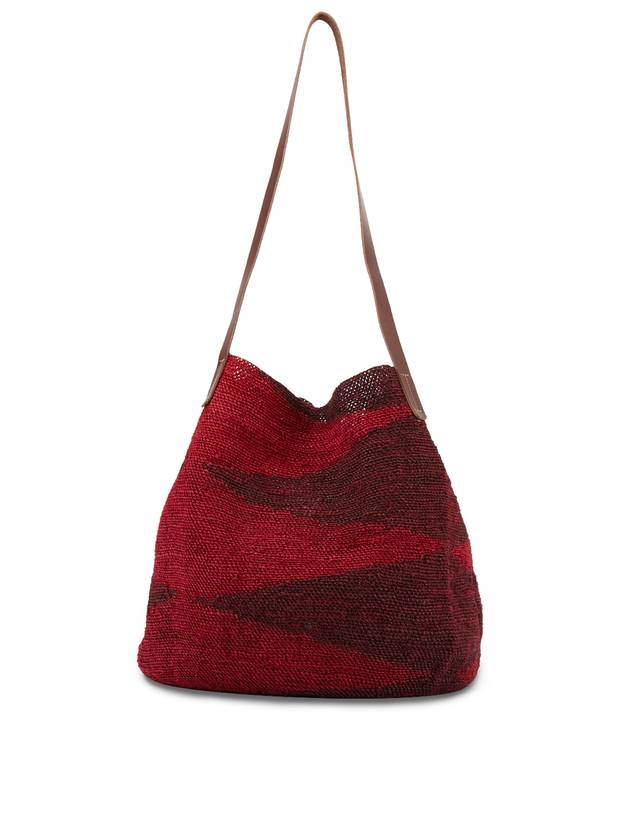
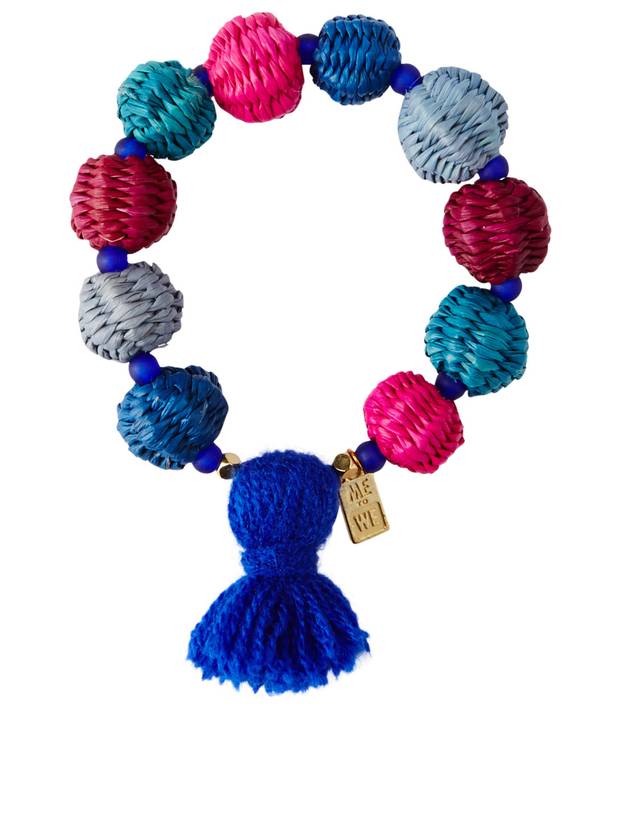

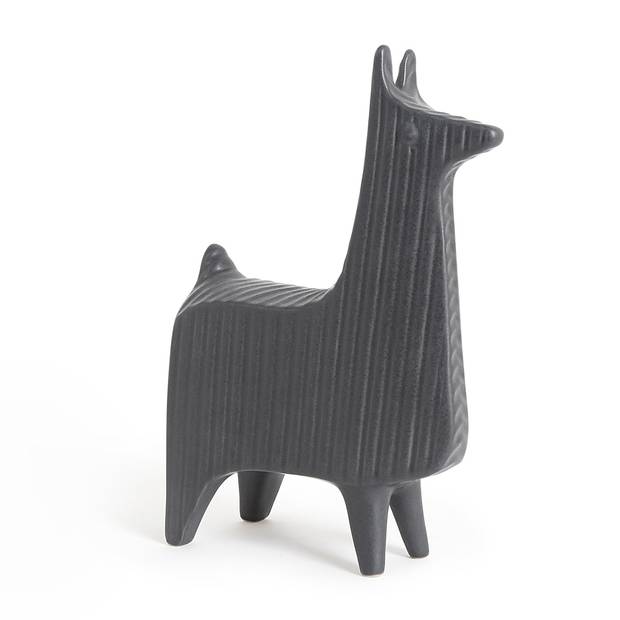
Other products in the H Project mix for fall include woven bags, Me to We bracelets, Brand Trade pillows, created in collaboration with artisan communities in Peru’s Cusco region, and Jonathan Adler ceramics,
Back in South America, the group continued the hunt for inspiring products and stories in Cusco, Peru, La Paz and the Uyuni salt flat in Bolivia. H Project's fall 2016 collection will extend through the holiday-shopping season before a new country becomes the focus for 2017. "Not to give everything away," Weston says, "but I think next year is a really big year for Canada."