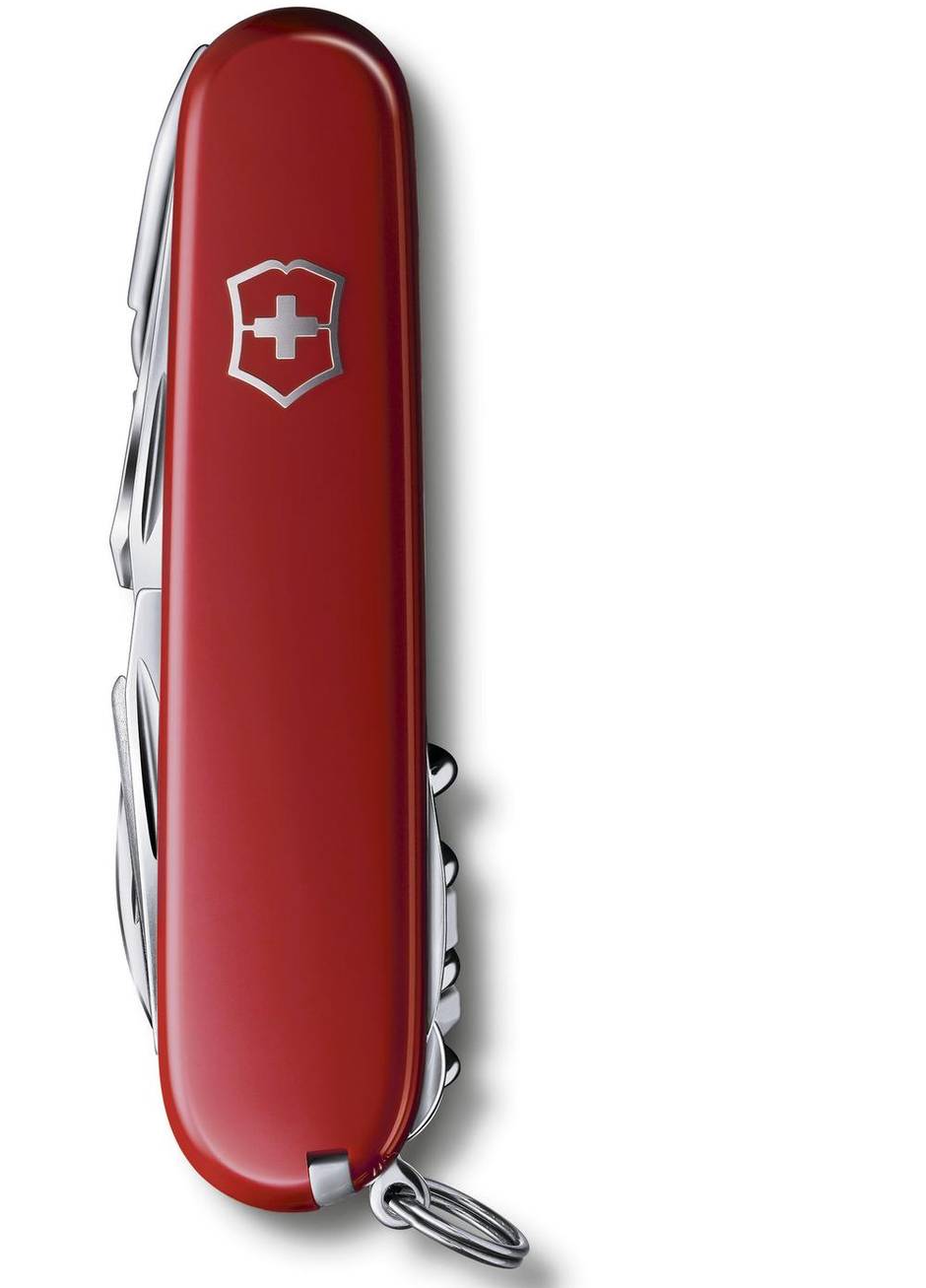
The CEO of Victorinox, Carl Elsener IV, carries two Swiss Army pocket knives with him at all times: the Traveller Lite (a clown car of a tool kit that comes in handy on mountaineering expeditions such as the one his family took to Mount Kilimanjaro last year; it has a barometer, thermometer and altimeter in addition to 19 other gadgets) and a small Signature Lite (which has a ballpoint pen that Elsener uses more than any other gizmo). "It's fun, when I need to sign an important contract, to do it with this," he says of his writing instrument during an interview at Victorinox's headquarters in Ibach, a small town in central Switzerland. Downstairs, caterers are laying out platters of raclette, sausages and potatoes for a feast marking the company's 130th anniversary. Victorinox is also celebrating 25 years of watchmaking this year with the launch of a new one, the I.N.O.X.
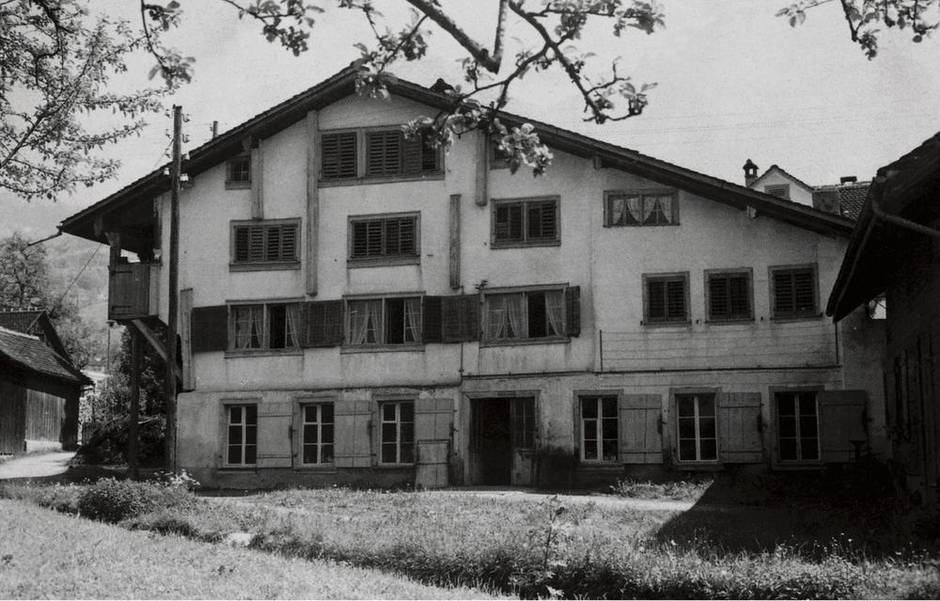
Not far from the factory floor, where 60,000 pocket knives are produced every day, is the building where, in 1884, Elsener’s great-grandfather, Karl Elsener, set up a cutlery workshop that would become Victorinox. The word is a portmanteau of Victoria (the name of Karl’s mother) and inox, taken from the French term for rustproof steel. The compact soldiers’ knife that Karl invented in 1891 has become one of Switzerland’s most famous icons and, while Victorinox makes everything from timepieces to fragrances to luggage, it’s the Swiss Army Knife that Elsener is most enthusiastic about. He delights in explaining the various features of different models and discussing the ideas customers have for new tools. More importantly, the little red knife has become a symbol for what Elsener believes the company needs for continued success: Rather than grow into new categories, Elsener and his executives are focused on raising the quality of Victorinox’s existing products so all its merchandise is as trustworthy as the Swiss Army Knife.
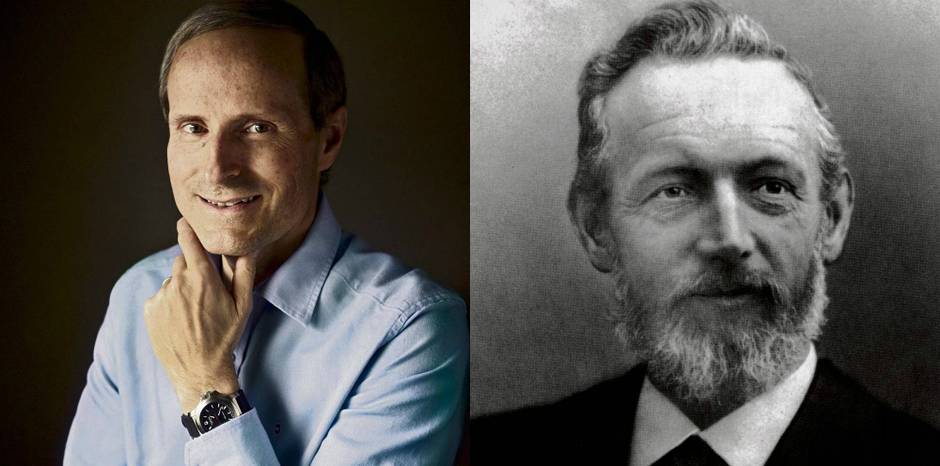
Although Victorinox is a global brand, it remains very much a family affair. Elsener has 10 younger siblings and all but three works for the company. “When you have a big company, and many brothers and sisters who work in the company, it is very important that you have mutual trust and respect,” he says. If the roles and responsibilities of family members are clearly defined, “I think things can go very smoothly and the company can be very strong.”
Elsener speaks of the 900 employees at the Ibach factory and headquarters as an extension of the clan, and the company’s low turnover suggests that it’s not just lip service. Forty-five workers have been with the company for more than 50 years and 100 have been there for more than 40 years. “This underlines that we’re like a big family,” he says, one that has “gone through very good times but also very difficult times.” Elsener likes to point out that the business avoided layoffs after the terrorist attacks of Sept. 11, 2001, even though Swiss Army Knife sales dropped by 30 per cent almost overnight. Not only were pocket knives confiscated at airport security checkpoints, but all Swiss Army Knives were removed from duty-free stores. “Our people really learned that we do not just write words on paper – that if there is a very hard time we do everything possible to keep their jobs,” says Elsener.
Of course, a business built on pocket knives post-9/11 and watches in the era of smartphones has to be clever – and a 130th anniversary, it turns out, is a good time to think about the future. Over the next five to 10 years, Elsener will concentrate his efforts on protecting and improving the company’s reputation and offerings. “For us it is very important that we do not spread the brand too much,” he says. “It is important that we can keep the values, that we can keep the quality of the brand.” This means turning down tempting licensing deals to put its logo on office chairs, mineral water and Russian vodka, as they have recently. Victorinox also recently bought back its luggage licence and has created a team to oversee the development and distribution of its travel gear.
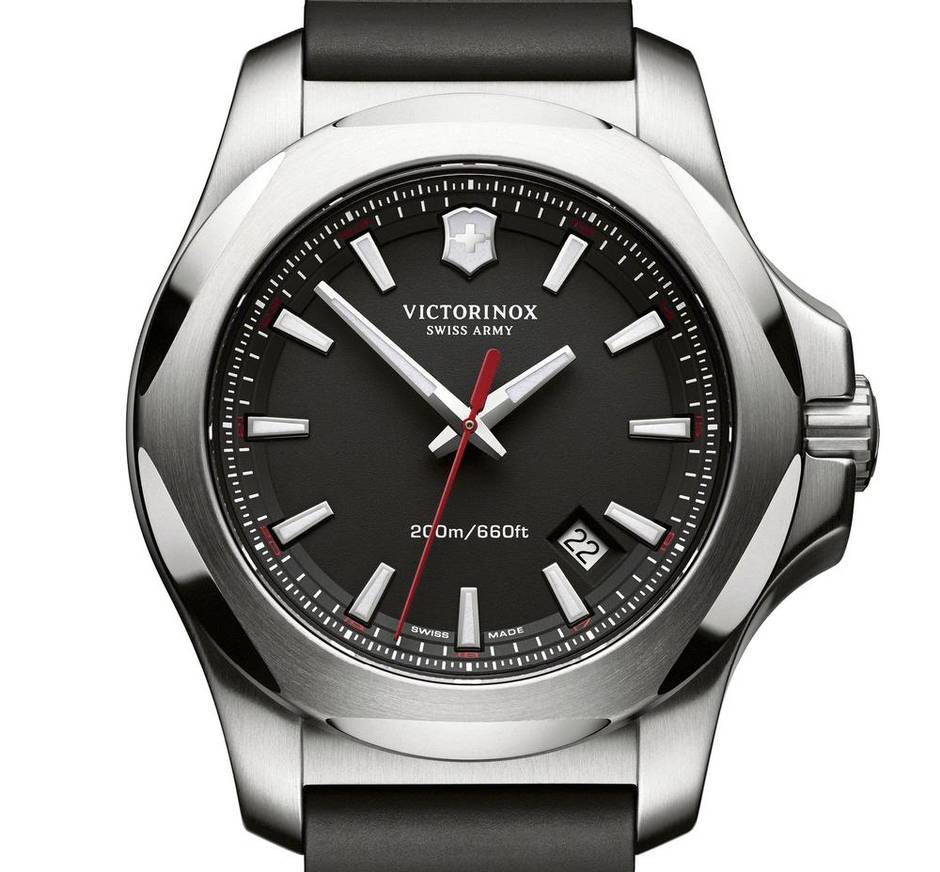
The new I.N.O.X. watch (it stands for Impact Neutralizing Object for the X-tremes) is a product executives believe shows Victorinox’s renewed focus on functionality and quality. “With the Swiss Army Knife, you have it in the pocket, maybe you use it and maybe you don’t,” Alex Bennouna, the CEO of the company’s watch division, says. “But if there comes a moment when you do need it, it will deliver on your expectations – and this is what we’re trying to do with timepieces.” The I.N.O.X., which took two years to develop, underwent 130 tests (yes, that’s the whiff of anniversary marketing) to ensure its durability – it will withstand a 10-metre drop, being frozen in a block of ice or submersion in nitric acid. “A Victorinox timepiece will be used in very extreme conditions and [wearers] will still expect this timepiece to work,” Bennouna explains. The company partnered with the Ibach fire department (Elsener is a volunteer firefighter) and the New York FD to get their seal of approval on its wear and tear. At the launch event in Ibach, local firefighters ran over the watch with a 15-tonne firetruck. While Elsener has taken to wearing an I.N.O.X. on his wrist, though, he also likes to use the digital clock on one of his pocket knives. “It’s very helpful for travelling,” he says. “I can keep my Swiss time here.”