The Globe and Mail
The question
Waiters always give me the stink-eye when I try to send back an oxidized glass of wine. It's a scourge. How do I deal with it?
The answer
By "scourge" I assume you mean oxidized wine, not the service attitude, though I suppose either is consistent with your experience. For what it's worth, I share your frustration. And I favour the pre-emptive-strike method (which I'll get to in a moment) versus sending the glass back ex post facto, though in my experience many self-respecting restaurants are happy to offer a new pour from a freshly opened bottle.
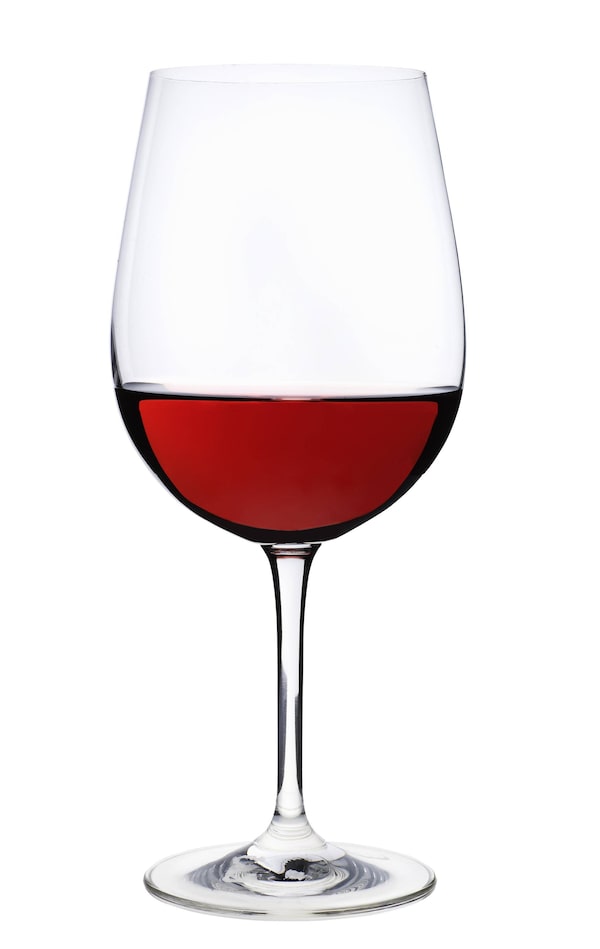
Wine becomes oxidized when it's exposed to air for an extended period, resulting in bruised, flat, dull flavours. This typically happens when a partly empty bottle is permitted to sit around at room temperature for a day or more. You can tell by performing what I call the fortified-wine test. Ask yourself: Does your dry white table wine taste a little too much like tangy, nutty sherry? Or does your dry red taste so prune-like as to be confused with port? If so, you've crossed into Oxidationland. (Although these days, with natural wines all the rage, it's getting harder to tell.)
Restaurants with by-the-glass offerings are breeding grounds for tired wine, at least restaurants that don't refrigerate or otherwise protect half-empty bottles at the end of each night's service.
You're most likely to encounter an oxidized wine at the beginning of service, say, around 5:30 or 6 p.m., when yesterday's recorked, tired bottles are trotted out for their next go-round. Be on the alert if you're an early eater. My suggestion is to talk to your server – courteously – before you order. Mention what wine you're considering, but add that you're particularly sensitive to oxidized flavours and that you'd be happier with another wine choice if it were to come from a fresh bottle. A good restaurant will be truthful and even offer to uncork a new bottle of your first choice regardless. That's been my experience.
I happen to be a sitting duck for oxidized wines because I'm generally drawn to less-popular grape varieties and wine styles. If there's a grüner veltliner or fiano on the by-the-glass list, it's usually there because the beverage manager is particularly keen, not because hordes of people have demanded it. That wine, without the sales push of an equally keen waiter, might sit around for days before it's fully consumed. Big-brand chardonnays and cabernets, by contrast, tend to sell themselves and thus move more volume.
Beppi Crosariol will be among the hosts of a luxury two-week journey through Burgundy, Beaujolais and the Rhône Valley next August, along with other Globe journalists, as part of The Globe and Mail French River Cruise. For details, visit tgam.ca/cruise.
E-mail your wine and spirits questions to Beppi Crosariol. Look for answers to select questions to appear in the Wine & Spirits newsletter and on The Globe and Mail website.