In the design world, everything old is new again – including aging itself. Getting older needn’t be a depressing descent, according to German-born architect Matthias Hollwich. Instead, it can be an “empowering process,” he writes in New Aging, a book created with Bruce Mau Design. In it, the 45-year-old Manhattan resident lays out a blueprint for independent living as we age.
Hollwich’s suggestion that “aging is a gift” will either annoy a reader recovering from a hip replacement or serve as a reminder that the alternative to aging is death. Nevertheless, the book is full of useful tips on how to reconfigure our homes to age with us and how to make creative lifestyle choices as our bodies change.
On the line with The Globe and Mail, Hollwich explained how conscious decisions and flexible housing designs can help us continue to enjoy life into our eighties, nineties and beyond.
Why do we need New Aging?
People are afraid of getting old and going into assisted living facilities, nursing homes and even retirement communities, which put old people into a daycare resort and then try to keep them happy. It’s a big loss for people because they are not actively engaged in the larger society. And it’s a really big loss for society, because it’s fantastic to have older people around – I think it’s essential. Right now, I’m in Germany, in Munich, and as I walk around streets I see old people all the time because they live in the city and they’re not somewhere in a retirement community where they’re almost stored away. North America really created a business around aging, which is about segregation.
Is this book designed for older adults or those in midlife?
My real hope is that people no later than 40 will start reading it, and that other ages all the way up will get their hands on it. You shouldn’t wait for the moment when you are in crisis to start construction on a home that needs to be your support system.
How can good design help us crack the code on aging?
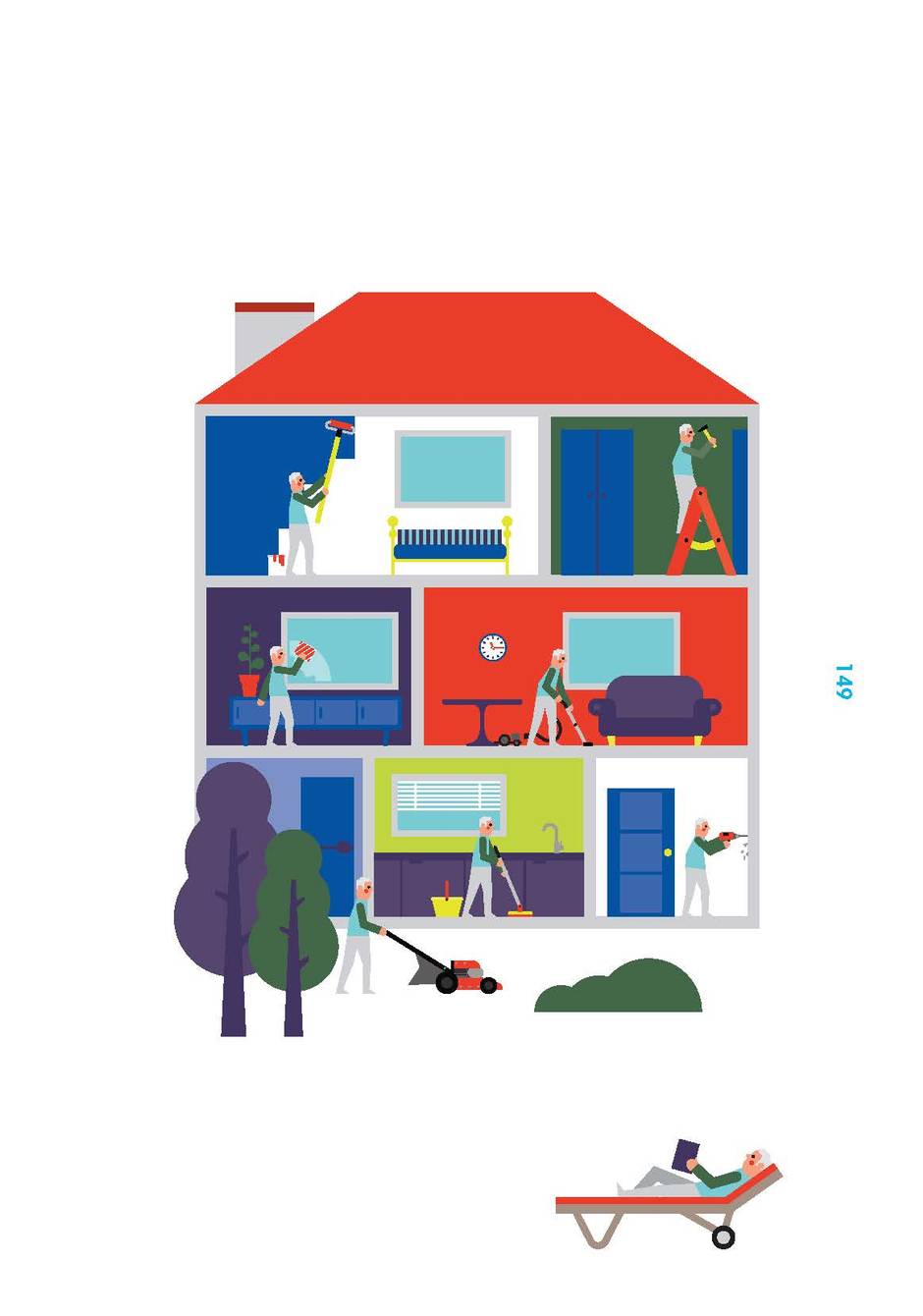
A huge critique of today’s house and apartment designs is that they’re all based on family structures, but family structures are there for a very short time. When the children move out or a partner passes away, suddenly on multiple levels the house doesn’t work any more. Instead, you could have two master bedrooms, one of which you could split temporarily into two kids’ bedrooms. Later, that extra master bedroom could turn into a work space or a studio apartment to rent out. Or when your partner passes, maybe a friend moves in. Hallways, bedrooms and bathrooms could be configured so that people could live in them more independently and still have a sense of privacy, with additional exits to the outside so you don’t have to run into the other person all the time. Then you would have shared areas where you can really be together and help each other – imagine that maybe you only needed to cook every second day. Our living spaces need to be more flexible.
How important is an open floor plan?
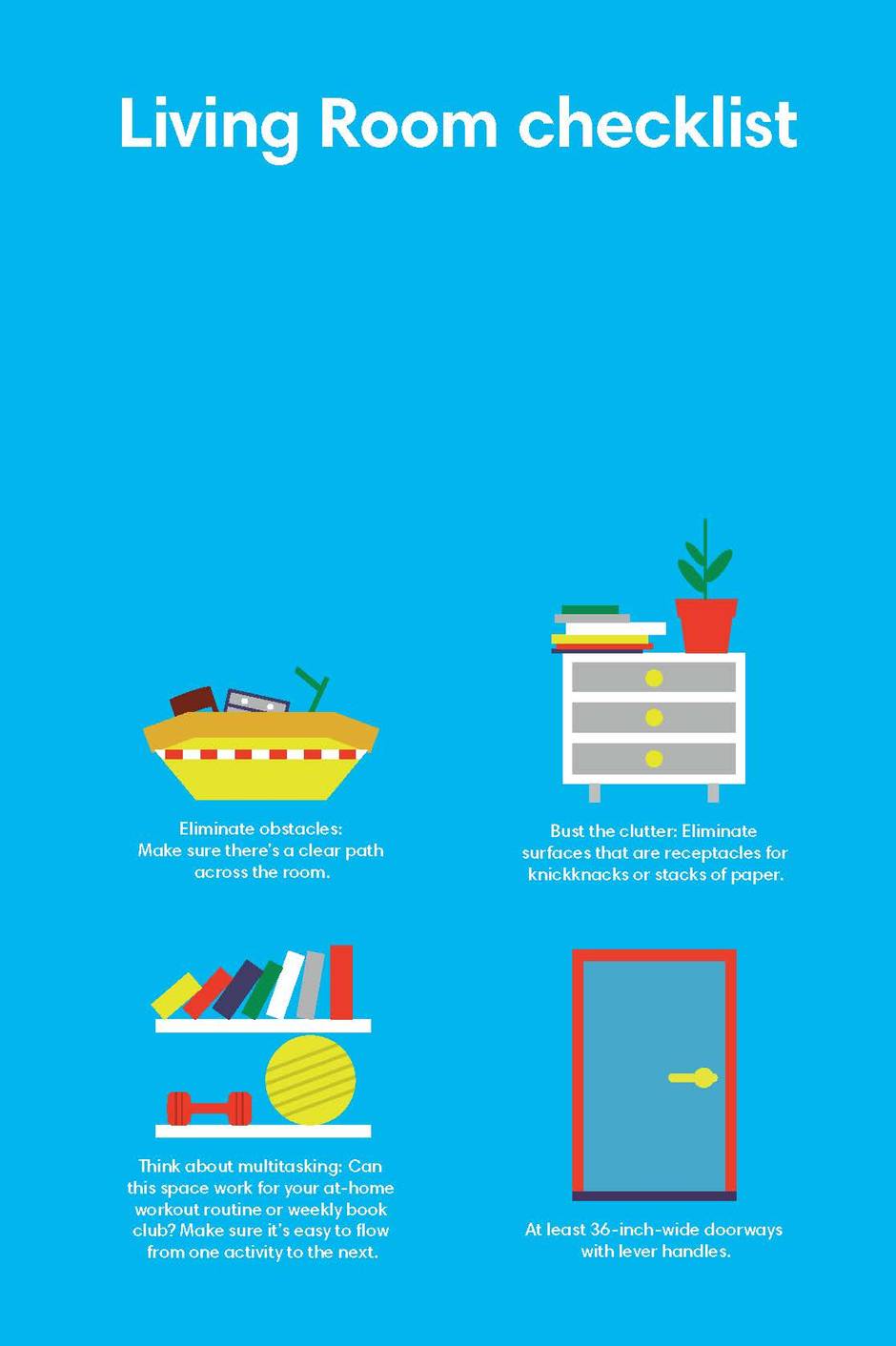
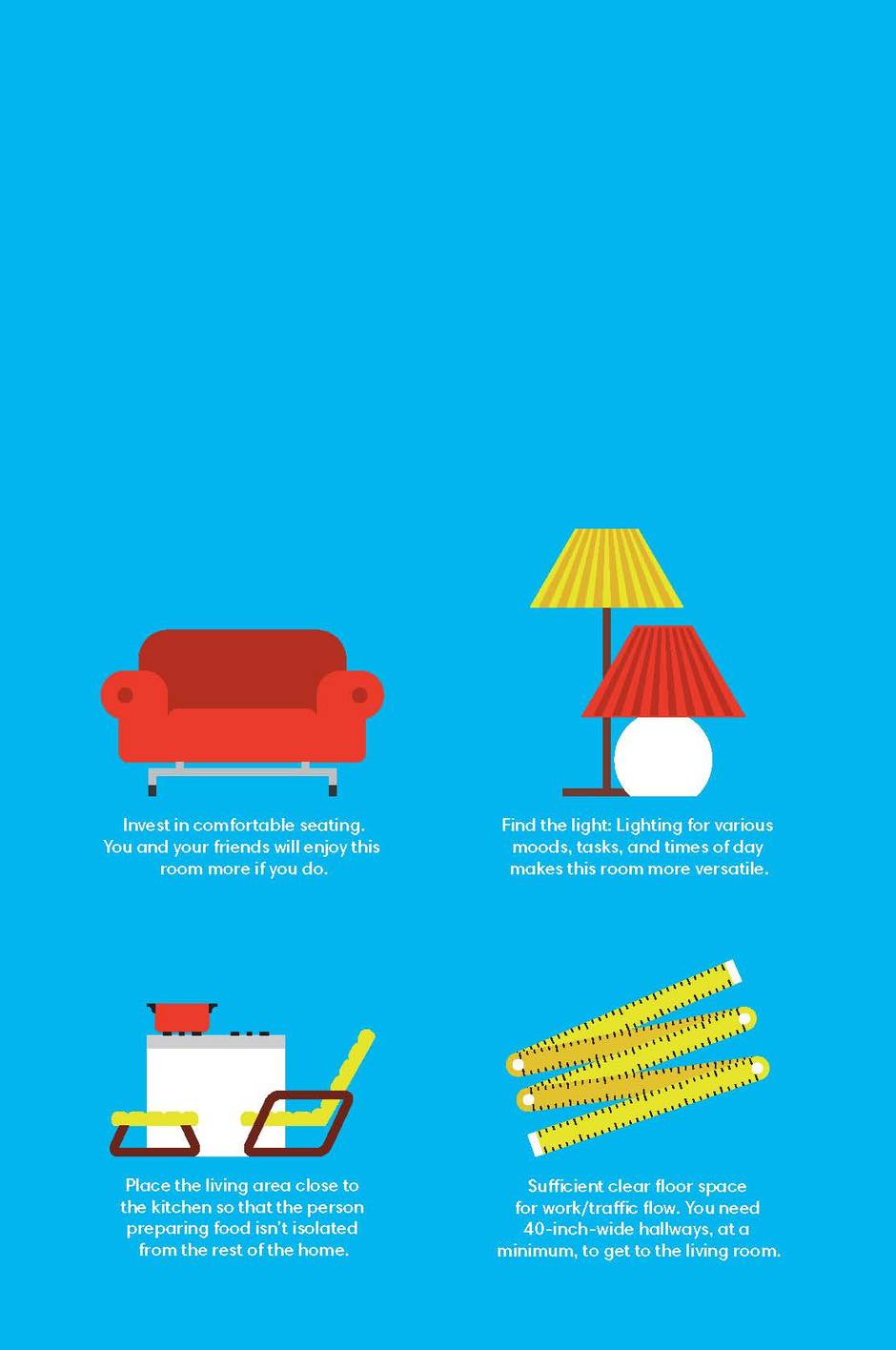
The open plan is helpful because of the circulation opportunities – people can move around the house more freely. Doors always become more challenging when you get older. The handles can be difficult, and in a wheelchair, you need enough area to navigate. At the same time, you always have to keep in mind that there is not one way of living when you are older. Some people may want an open floor plan while others may want rooms more private and departmentalized.
Stairs – yes or no?
When you’re getting older, at some point walking up the stairs becomes more difficult. In a wheelchair, it becomes impossible, so a single floor is absolutely ideal in that case. But when you’re not in wheelchair, walking up stairs is good exercise and that is actually a contradiction in how you design places – you want people to use stairs and stay healthy and active, but at the moment when mobility becomes a challenge, you have to offer an alternative. Ideally you would have a bedroom option on the ground floor but have the regular options on the upper floors so that you can convert the home very easily.

Let’s talk about the bedroom.
When you get older, there might be a time when the bedroom becomes your living room because you are not able to get out of the bedroom for periods of time, so you should consider what you’re looking at – an ugly ceiling? No view to the outside? Also, ideally there would be a big door or window between the master bedroom and living room so that you can open it up when you want to engage with other people in the home.
Tell me about ceilings.
America has a tradition of doing popcorn ceilings but this is becoming history. You put wallpaper on the walls – why not put it on the ceiling? Or make the ceiling reflective to catch the light of the sun? Or you could put a mirror on the ceiling that maybe has an angle so you can look outside from your bed. You could also have beautiful light fixtures and other decorative elements.
Your recommend hiring an architect, contractor and designer, and moving to a home with a view. Is this ‘new aging’ for the wealthy?
We worked very hard to find ideas that don’t involve money – for example, the point about trading help. If early on you have a good relationship with your neighbours, you can trade services. There are a lot of informal opportunities that are possible.
How do these ideas apply to older adults dealing with chronic pain, cognitive changes or caregiver burden as a partner declines? Did you interview older adults with these challenges to get their feedback?
The book came out of huge academic research with the University of Pennsylvania and we worked so hard to make it not academic. It is definitely a book that tries to bring in enthusiasm. But there is of course the whole other layer of support that needs to be part of aging – bringing in much more care systems into homes that are not nursing homes. We need to transform some of these support systems that come from government and from industry and make them much more adequate for the way people want to age. Ninety per cent of people want to age at home.
This interview has been condensed and edited.