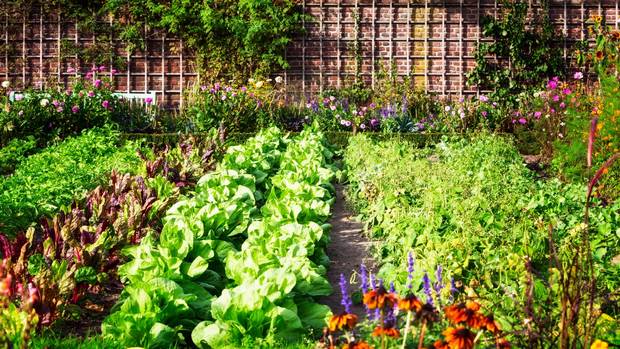
Gardens for cooking continue to grow in popularity. But they can be a challenge – and what to do with all that produce, assuming everything works out? These books contain solid information for gardeners of all ages and skill levels.
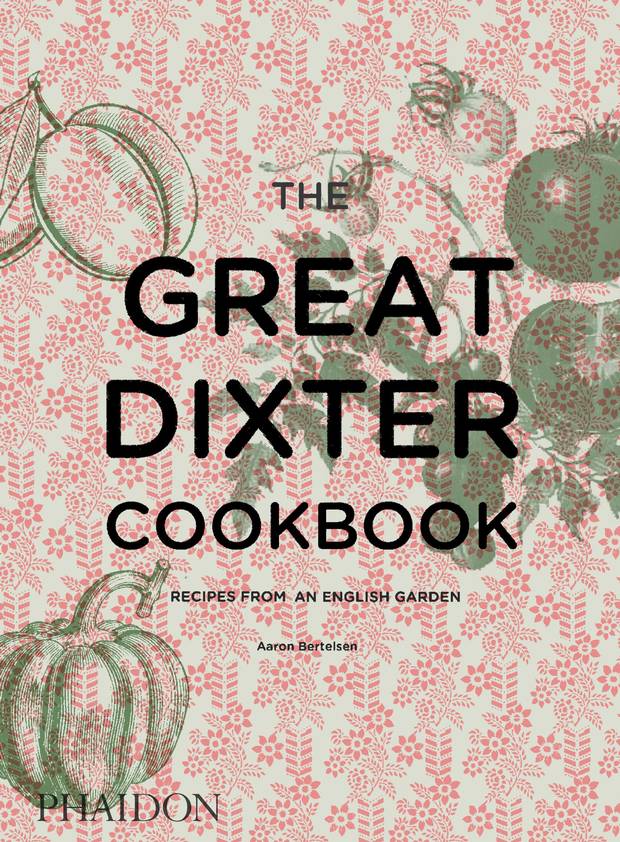
The Great Dixter Cookbook: Recipes from an English Garden
By Aaron Bertelsen
Phaidon Press, 240 pages, $49.95
My favourite recipe in a cookbook from one of the great gardens of the world (Great Dixter in East Susssex, England) calls for massaging the kale. This image was impressed upon me by the person making this kale dish. "Took me all afternoon," said my husband, the new cook in the family. The writer of the book, Aaron Bertelsen, warns not to use bagged supermarket kale (it's chopped too small). It's like many of the recipes we tried in this book: delicious.
No garden porn here: The pictures are articulate and useful. I am against cookbooks with dreamy lighting and such gorgeous layouts you don't know which is the stuff you're supposed to cook and eat.
In this wonderful book, the information is nonpareil as would be expected from one of the senior gardeners at Christopher Lloyd's Great Dixter. Lloyd, who died in 2006, was a formidable English garden writer and penned his own garden-to-table book as well, so Bertelsen has big shoes to fill – and he does so brilliantly.
Bertelsen has his own gentle voice and provides sensible tips about planting seeds while advising us about his favourite varieties. Kale is his lifeline to a winter vegetable. We can do that here in Canada, too: I've seen kale in vegetable gardens seemingly year-round. It isn't anything like the tasteless supermarket stuff; Bertelsen recommends "Nero di Toscana," or black kale. Right there with him on that.
The design, the personal writing, the pictures – everything about this book brings on a frisson of pleasure. It would make a great gift for someone who wants to cook adventurously – and you might be inspired to plant a few vegetables yourself.
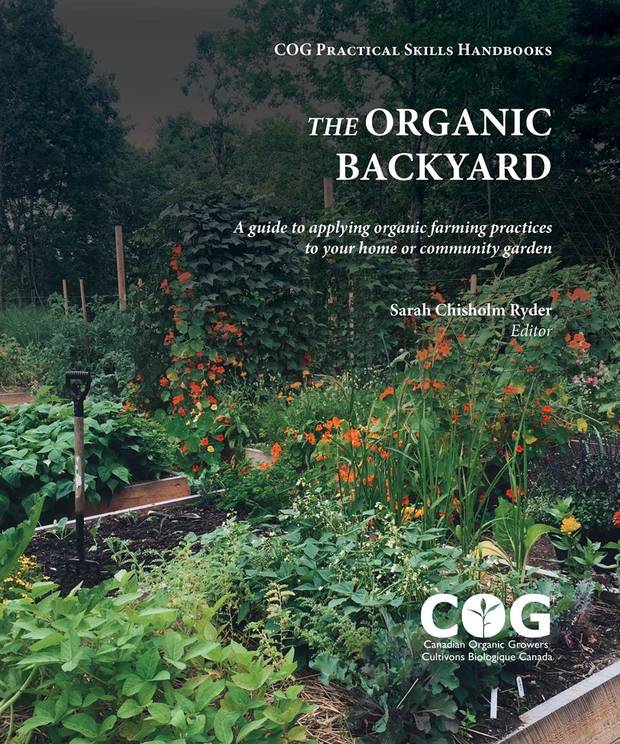
The Organic Backyard: A Guide to Apply Organic Farming Practices to Your Home or Community Garden
Edited by Sarah Chisholm Ryder
Canadian Organic Growers, $15 plus taxes and shipping
If you have absolutely no confidence or background in growing vegetables, you won't go wrong with The Organic Backyard. It is basic, straightforward and never preachy. Canadian Organic Growers is one of my favourite organizations and they have been producing great handbooks for many years as well as putting out an excellent magazine (visit cog.ca for info).
Organic gardening is the only way to be good stewards of the soil and it's always possible to learn something new reading their publications. I look forward to excellent advice on how our gardening will be affected by radical changes in the climate. We must become more educated on this subject. It affects us all.
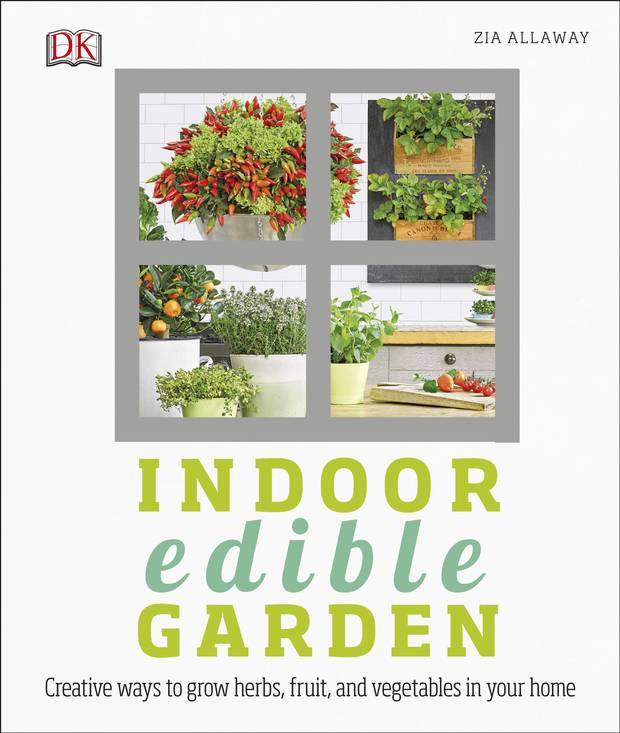
Indoor Edible Garden: Creative Ways to Grow Herbs, Fruits, and Vegetables in your Home
By Zia Allaway
DK, 224 pages, $28.95
I am good at gardening outside, but my indoor plants usually get shabby treatment. Indoor Edible Garden, however, gave me some hope for the future. This book will be a huge boon to anyone trying to grow a garden in a condo or on a balcony or even a sunny spot indoors.
It is chock-a-block with good ideas about containers to use – how about a garbage can? And you can stretch your imagine for what to grow: Greens? Salads? Herbs? All done with plenty of doable ideas.
Zia Allaway seems to recycle just about anything that comes into her kitchen into some form of gardening. There are useful illustrations and photographs and nothing is too hokey, complicated or particularly intimidating.
For more garden information, visit marjorieharris.com.