When I was broke and in my twenties, circa 2010, I wrote a blog series called “A House I’ll Never Own or Decorate.” The premise was aspirational. I would find a real estate listing online – always a place I could not afford – and muse about how I would remake the rooms with art and furniture. Some 15 years later, it feels slightly unreal that I recently finished building an actual house. One I own; one I’m decorating. It’s a small cottage in the Laurentian Mountains, north of Montreal, with warm woods, polished concrete floors and white walls for paintings. Ironically, it is a house I never imagined would be mine.
The cottage replaces a small cabin my grandfather built in the early 1960s. As a child, I stayed there with my grandparents and remember eating Lucky Charms at the large picture window, the only one with a view of the lake. I took over the cabin, in part, because no one else wanted it. When my grandfather grew too old for the upkeep, he gave it to one of my uncles, who sold it to another uncle who, during a subsequent divorce, needed to divest.
The property (about four acres with a dock on the lake) sat on the market for a year. When my uncle reached out to my husband, Matthew, and me to see if we would take it on, we offered just under half his asking price. To our surprise, he accepted. But that surprise faded once we took stock of what we had bought. The water heater didn’t work. Neither did the toilet. Mice had nested in the stove. The cabin was perched halfway up a steep hillside on rotting wooden piers and leaned at a disconcerting angle. I worried I would wake one morning at the bottom of the driveway, trapped beneath debris like the Wicked Witch of the East.

Eight decades of family history and 15 years of design daydreams culminate in a contemporary perch in the Laurentians.
For a long time, I wanted to build something new. When I was bored, I would sketch floor plans on scrap paper. I imagined a central living space flanked by bedrooms on either side, balancing togetherness and privacy. Views were essential. Unlike the old cabin, I wanted a sequence of openings along a long hallway, like a strip of film unspooling.
Turning those doodles into a real building was tricky. Building a house is less about a flash of inspiration and more about the stamina required to wade through zoning regulations, design revisions and product catalogues of tiles and toilets. I am beyond grateful that I did not do it alone. I worked with two friends – sisters, and both exceptionally talented architects: Yvonne Popovska of DpO, and Aleksandra Popovska, founder of Hidden Studio.
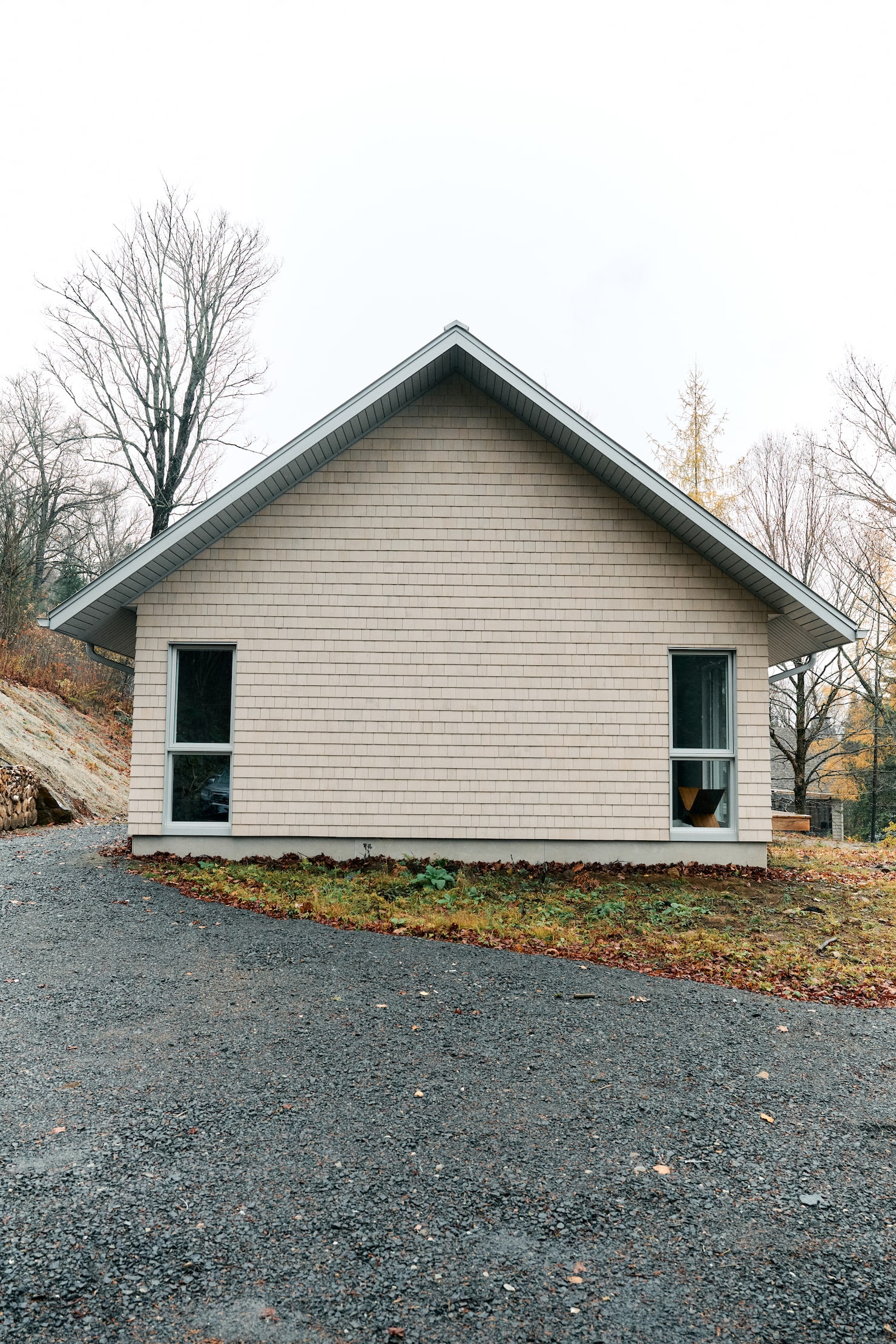
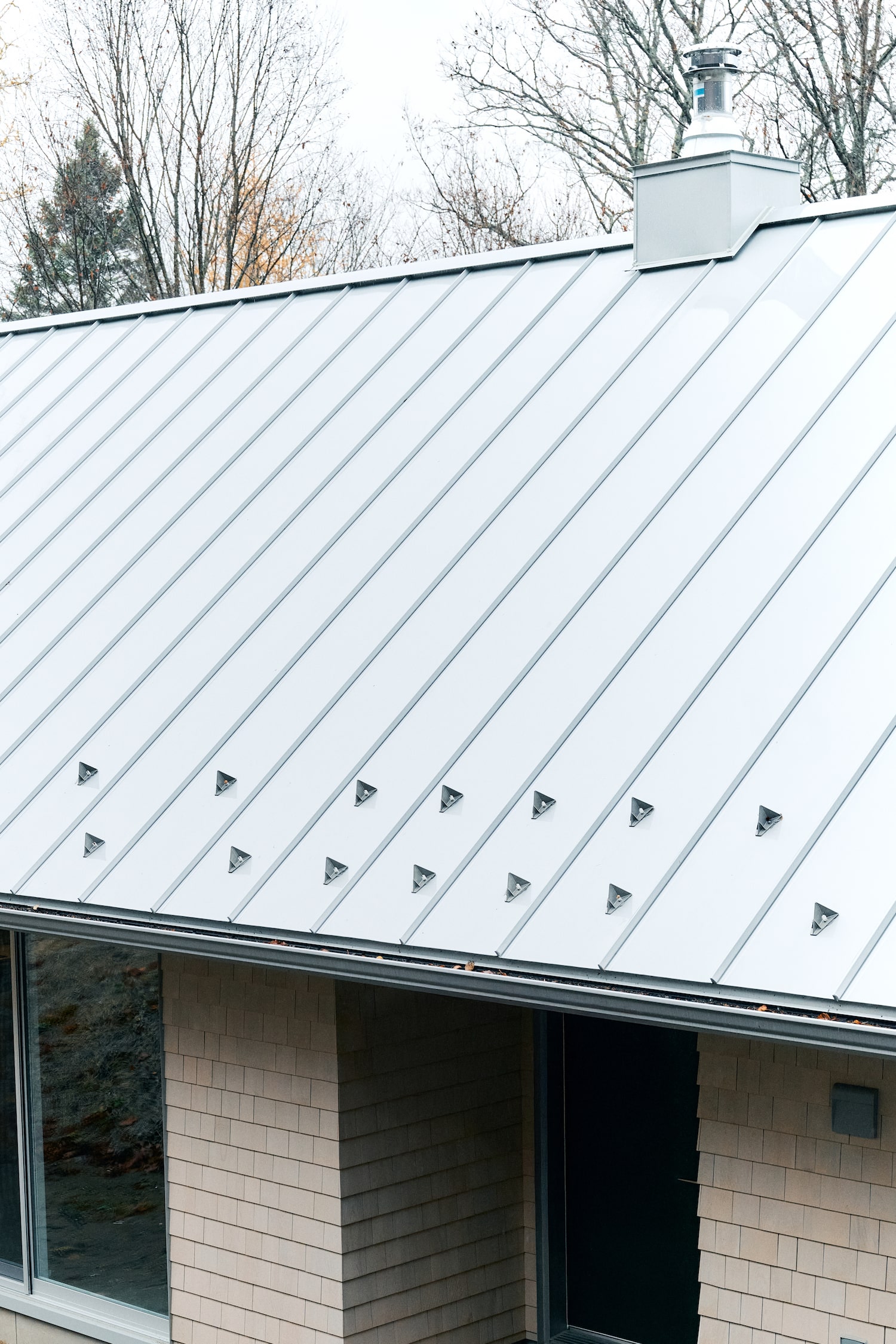
Inspired by the boathouses on the lake, Yvonne came up with a compact, long, narrow bar shape. In keeping with those weatherproof structures, she proposed a steeply pitched steel roof and hardy cedar shingles, materials that would stand up well to sheets of rain during frequent summer storms and piles of winter snow.
Unfortunately, mid-project, when the design was wending its way through a painful permit process, Yvonne had to move on to other commitments. Aleksandra took over without missing a beat, finalizing the interiors and helping overcome, with a great deal of finesse, one of the biggest obstacles to starting construction.
Before issuing the permit, the municipality insisted we make the house wider, concerned that our long, narrow concept would set a precedent for trailer homes to move in (even though, at 1,400 square feet, the cottage is larger than a trailer). My main concern about widening the house was that it would pull the interior spaces too far from the windows, leaving them dark and viewless.

Widening the floor plan during the permitting process meant the foyer could include a longer bench and expanded storage. The green hue of the front door was inspired by another family property in the area.
The finished foyer demonstrates Aleksandra’s savvy. It is larger than the one originally conceived by Yvonne and includes a longer bench for removing boots, more hooks for coats, and floor-to-ceiling cabinetry to store several seasons’ worth of outerwear. But it’s difficult to focus on such practicalities when you’re drawn toward an expansive sheet of glass that captures a tableau of two tall pines, an island and the lake in the distance.
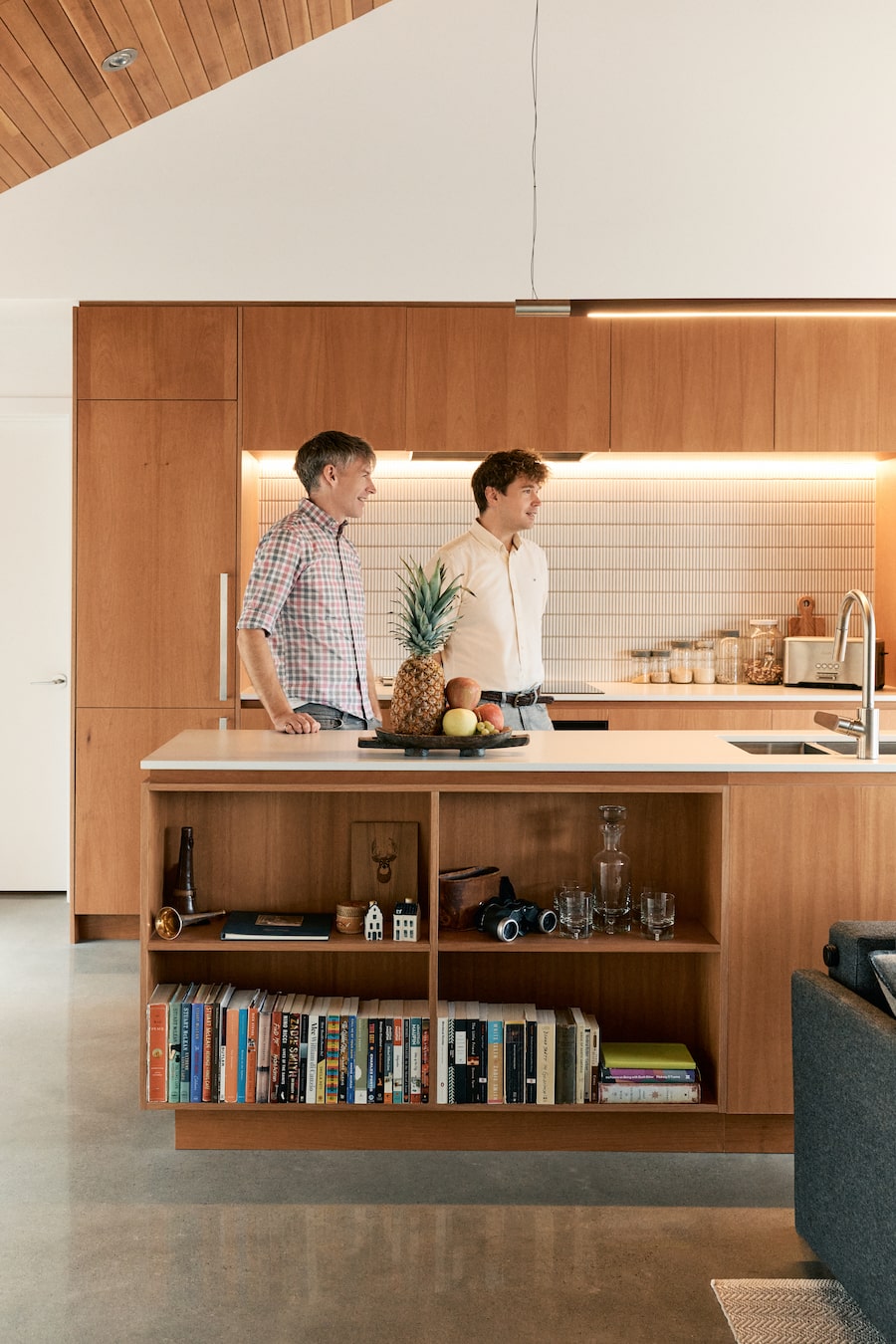
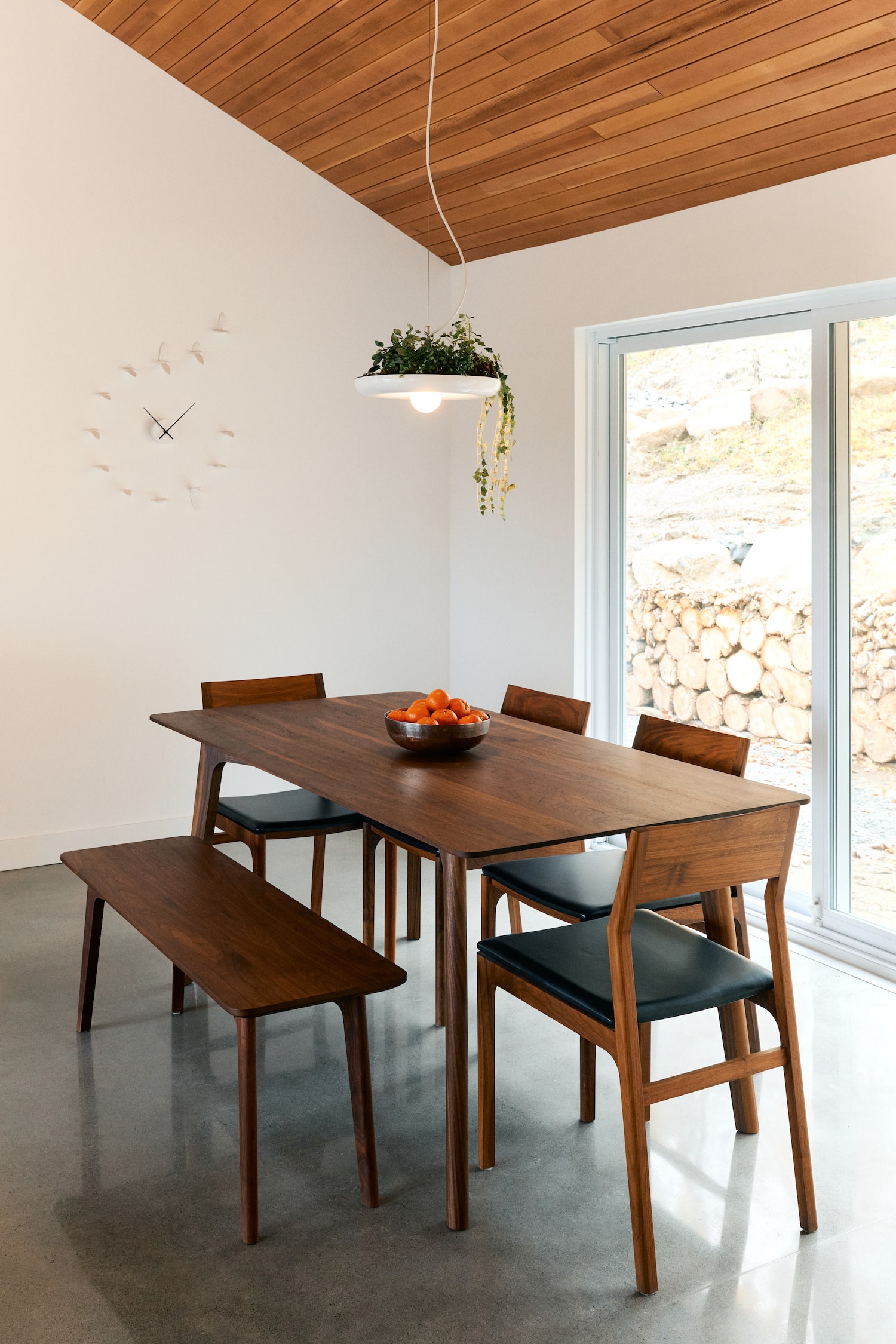
Around the corner, a cathedral-peaked great room is lined with windows on both sides, flooding the kitchen, dining and living areas with a warm glow. From the sofa, the best view in the house captures the lake in every season; sapphire in bright summer sun, pewter under autumn clouds or sugared with snow. It’s so luminous I almost forget there’s a roof over my head, except that the ceiling, clad in reclaimed century-old Douglas fir, is my favourite element in the house.
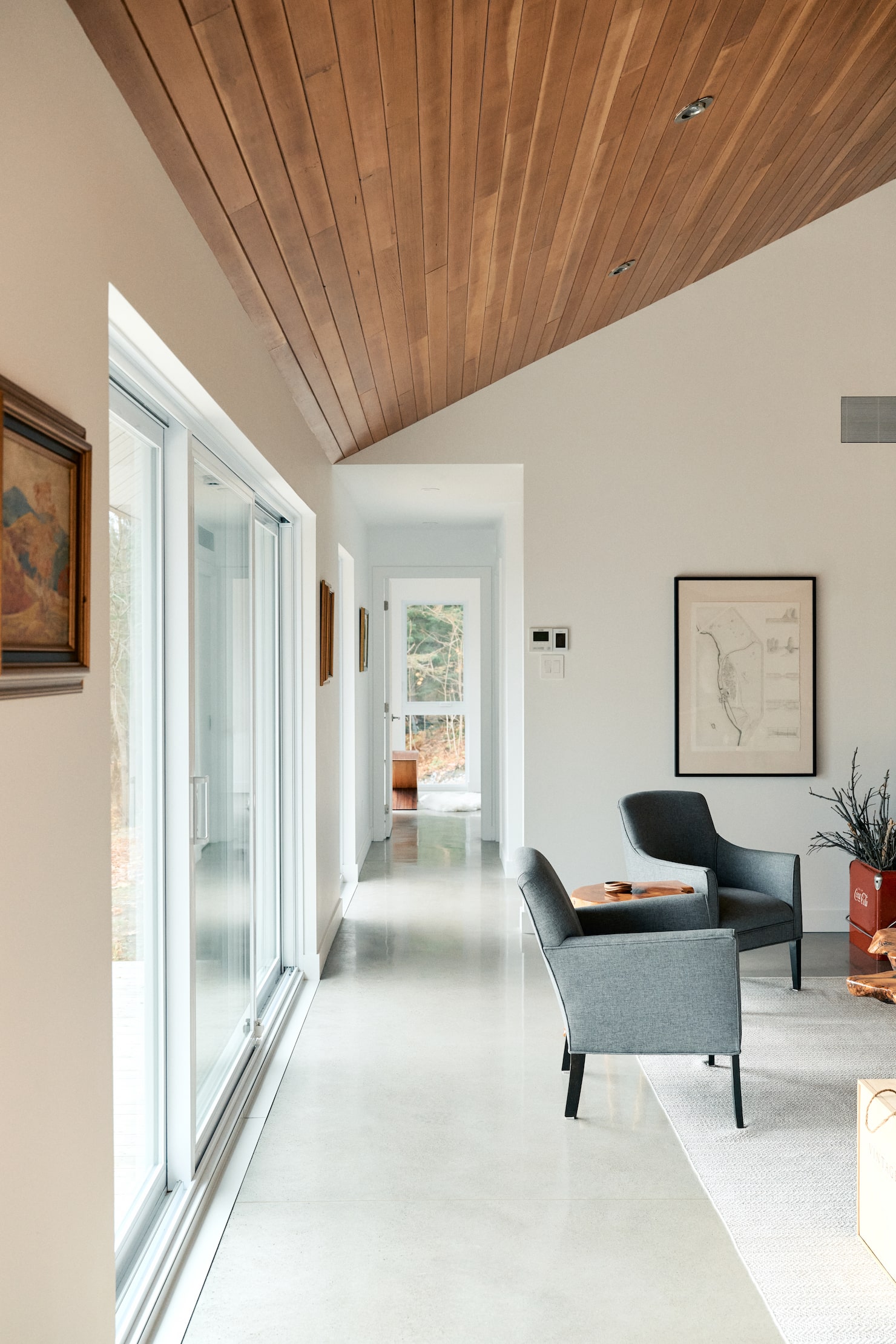
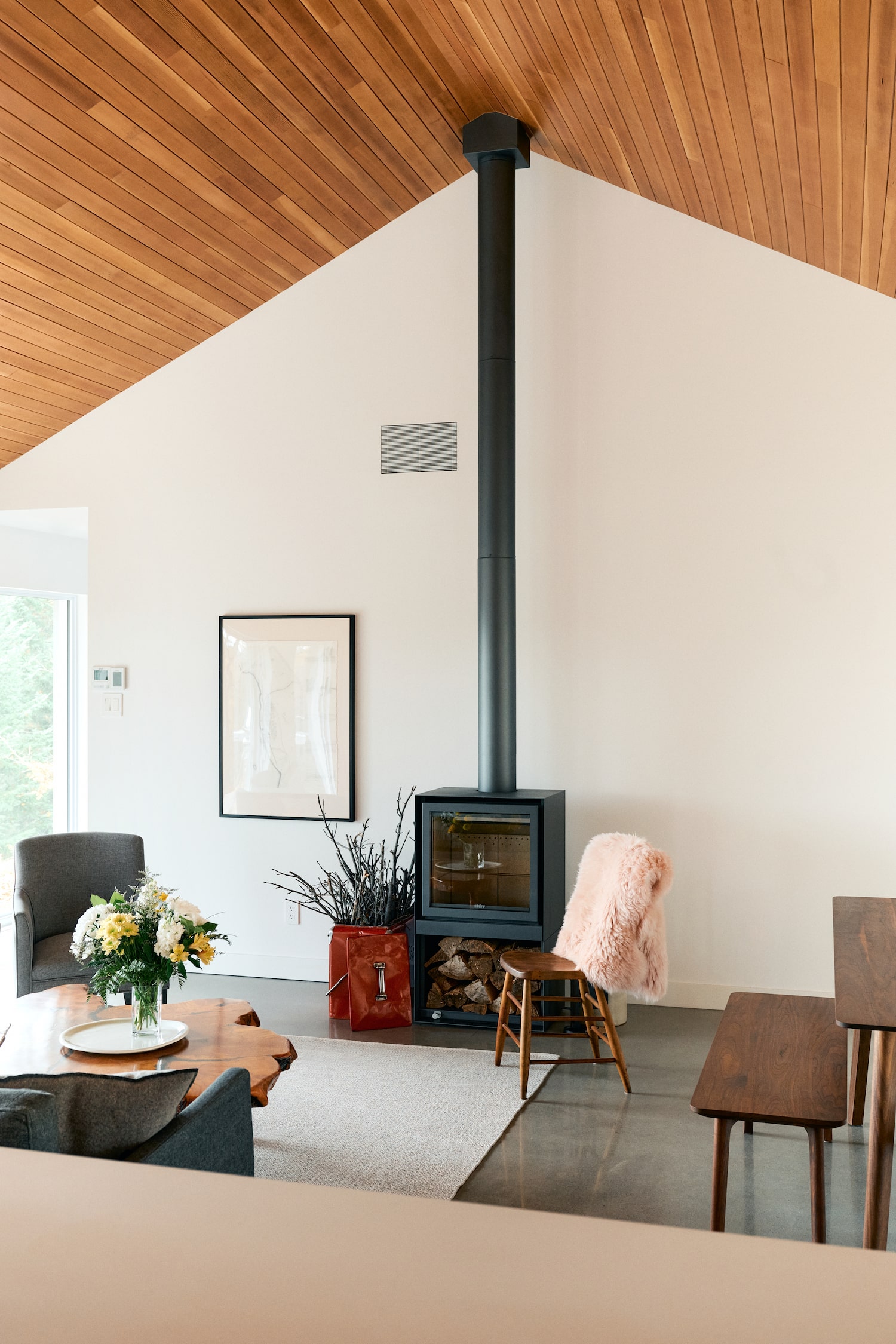
The wood came from a neighbour’s cottage that was slated for demolition. I remember sending Yvonne photos of the clear-grained boards. She immediately suggested we try to salvage as much as possible. With little time to spare before the wrecking ball arrived, my husband and I pried hundreds of boards loose by hand and removed countless rusty nails. It was arduous, sweaty work that, slivers aside, I’m so glad we did.
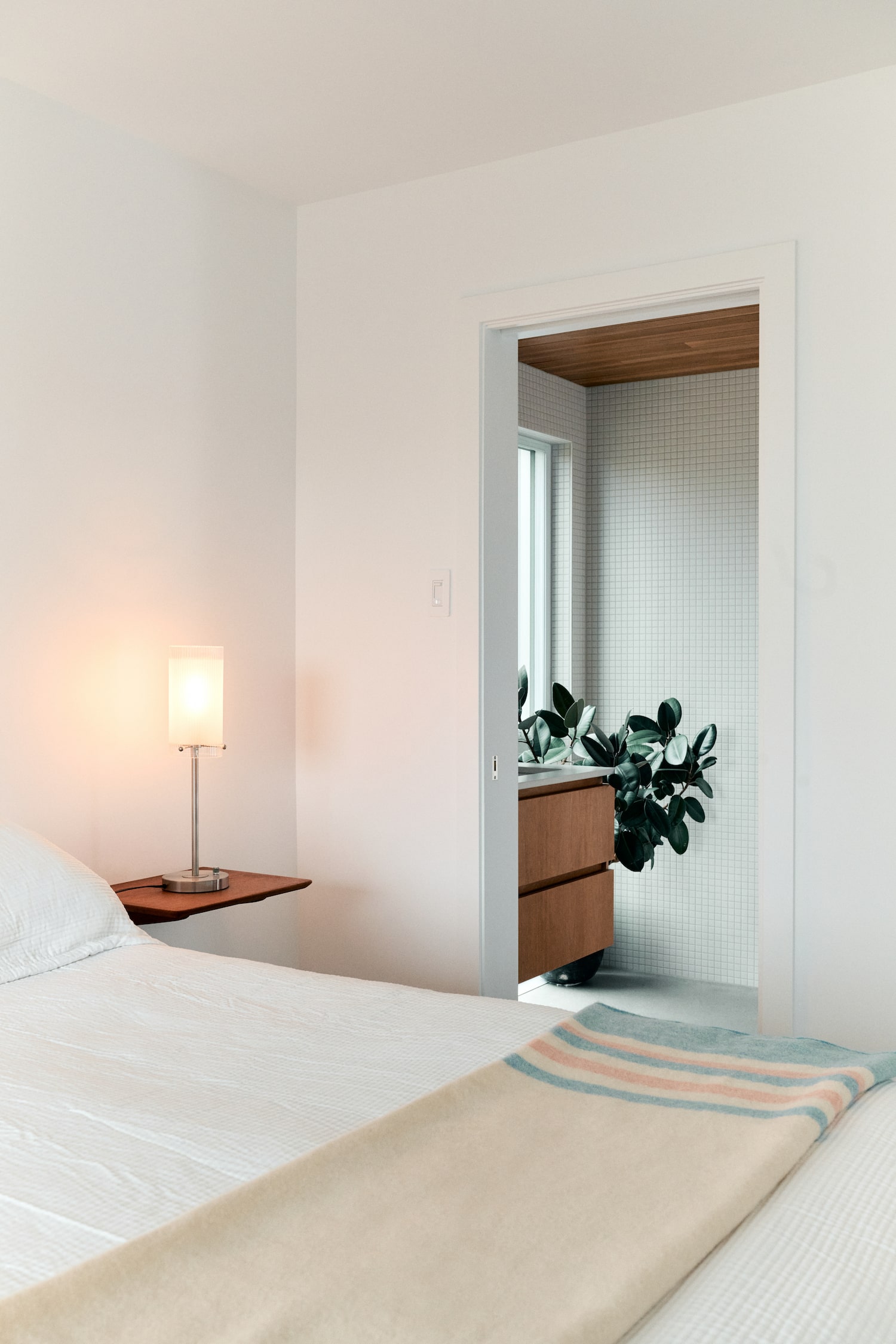
The ceiling is a small tribute to the classic cottages in the area. Other touches were inspired by family history. Paintings by my great-grandmother dot the walls. Light fixtures from Quebec’s Luminaire Authentik pick up the blues and greens in wool blankets that once belonged to my grandparents. The front door is hunter green, a nod to a nearby cottage once owned by my family.
I hope these gestures to the past make my place timeless. The structure, which is certified Gold for Leadership in Energy and Environmental Design, should last. When our contractor, Frédéric Proulx of Écohabitations Boréales, handed Matthew and me the keys, we walked the perimeter. He explained that the cedar shingles and steel roof should outlive us all. I hope he’s right, that the house endures and eventually passes to someone who wants it. Someone who, like me, is delighted that they’re lucky enough to make it their own.