The first time we visited Carcassonne, a beautiful, medieval walled city perched atop a hill in southwest France, my youngest son got his fingers stuck in the automatic doors of a hotel. As he wailed like a banshee, I came over all Superman, wrenched the doors apart and plucked out his little hand – a hair-raising moment of fatherhood burned into my memory. Discussing it several years later, however, it turns out that what my son remembers most about the ordeal is the can of Coke that the nervous-looking hotel staff gave him in the howling aftermath.
Our return visit, then, has a lot to live up to, and I can almost sense my two boys looking for doors to wedge their fingers into. Free soda, when you’re under 10, is not to be sniffed at.
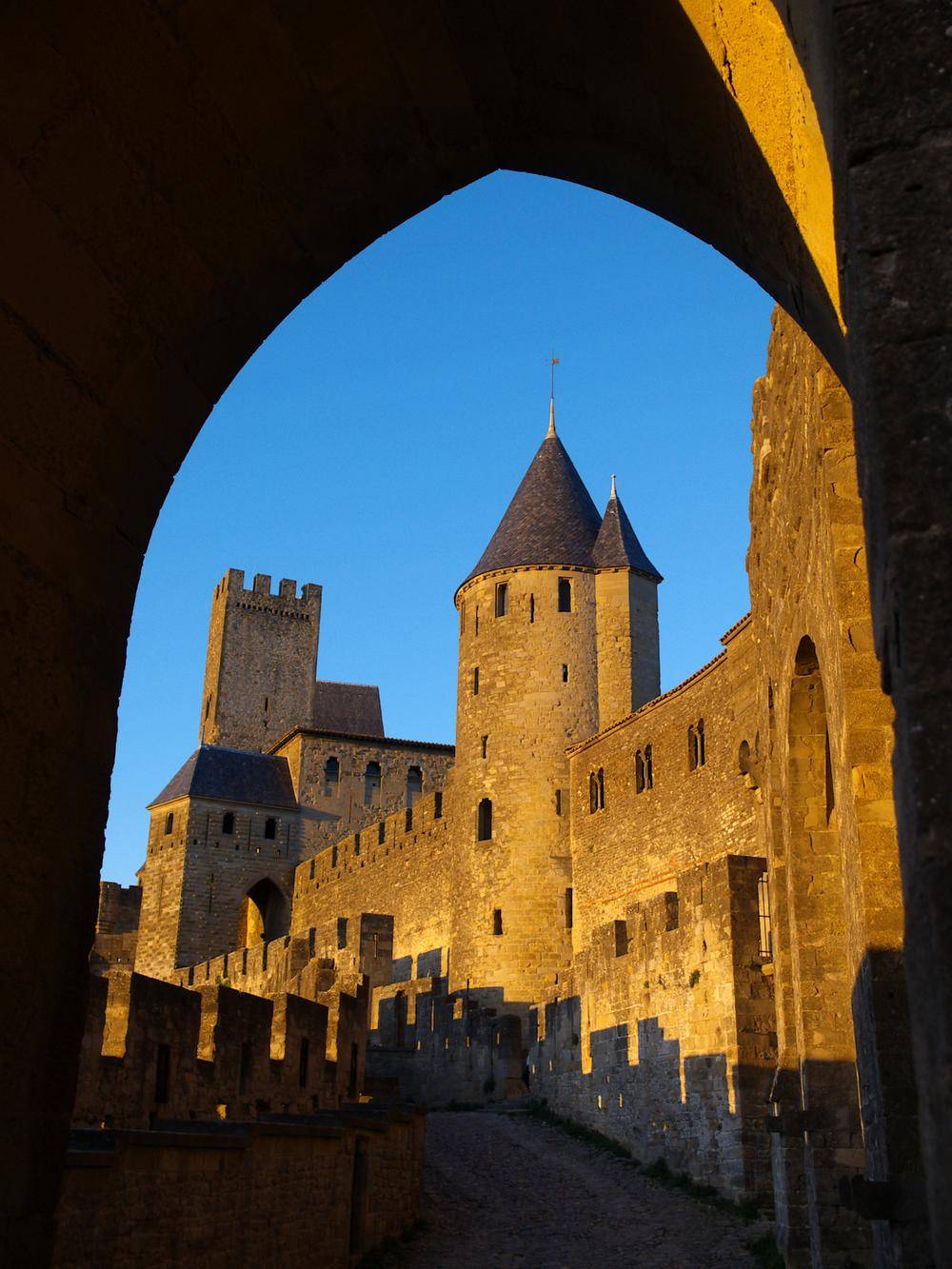
Fortunately, kids and castles go hand-in-hand, and while Carcassonne is not a castle per se, it certainly feels like one. A fortified settlement has existed here since even before the Romans set out to claim half of Europe, and what you get today is so picture-perfect it feels like the work of Disney Imagineers.
Within the mile-long fortifications that encircle “la cité” (as locals call it) is a medieval town so of another era it’s shocking they don’t film Game of Thrones here. You can wander at will, and to stroll among the alleyways and past ancient houses and a vast, 900-year-old basilica is a spine-tingling treat.
Mouth agape at every turn at the sight of another turret (there are 52) or archway, visitors leave with a neck ache and a thought-provoking awareness of their own fleeting place in time.
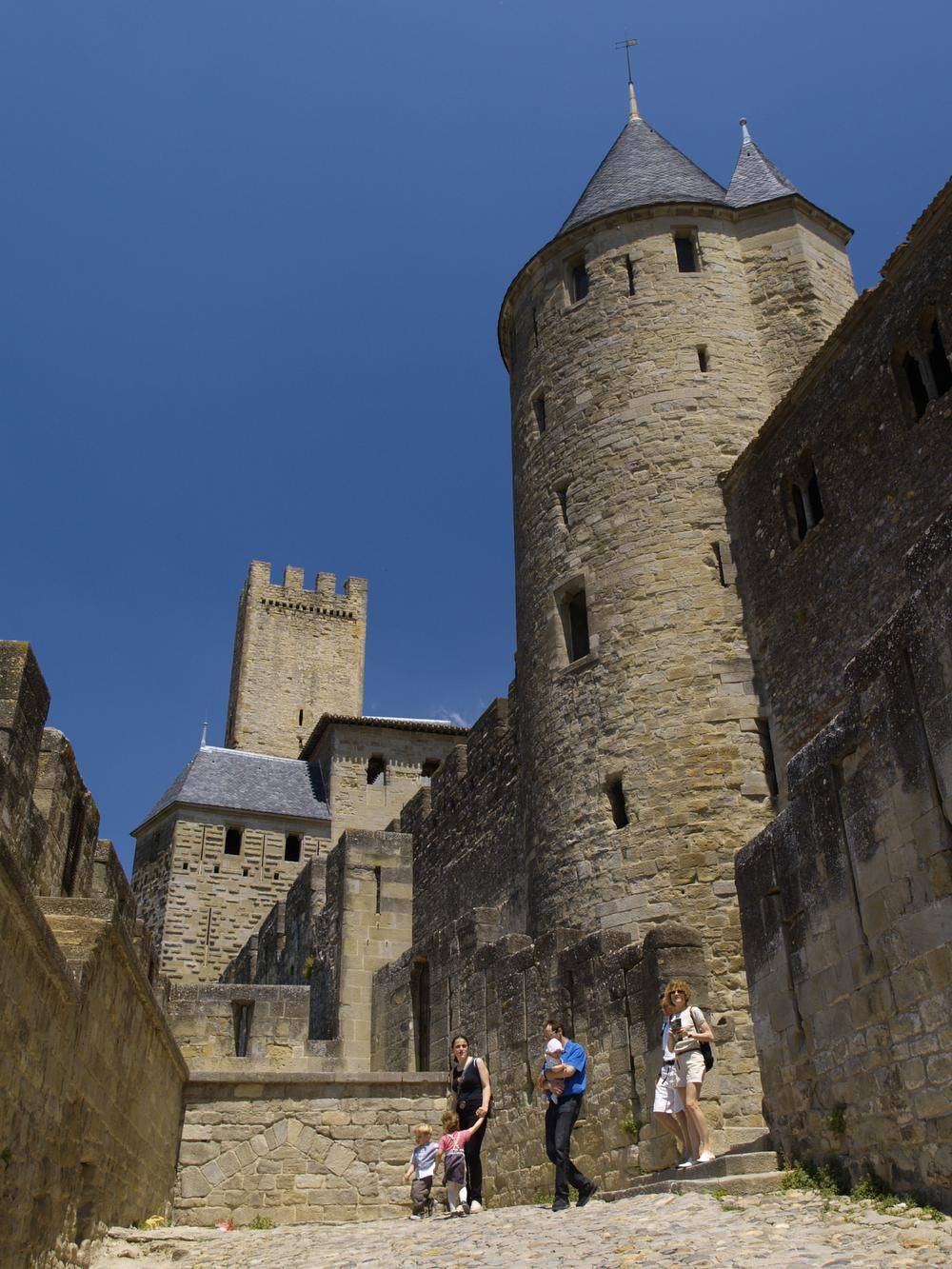
It must be mentioned that some purists have grumbled about the restoration work that took place in the mid-1800s. They think the men with the trowels took a little too much liberty with the history books and made it all too lovely. UNESCO, however, declared Carcassonne a World Heritage Site in 1997, citing it as “an excellent example of a medieval fortified town.” So, who cares? When Tour de France cyclists whiz through (as they often do), or the huge Bastille Day firework display is in full thunder overhead, Carcassonne is one of the most jaw-dropping historical backdrops in all of Europe.
In her bestselling 2005 novel Labyrinth, British author Kate Mosse does a great job of telling the city’s story and explaining its importance to both the Cathars and the Crusades. Numerous museums help the curious explore this history further, but the best way to step back in time is simply to stroll down cobbled streets. In mid-summer, when Carcassonne is at its busiest, the bustle about the place goes beyond mere tourist footfall. The people who work here in the shops, markets and 30 or so restaurants really get into the spirit of things, often wearing traditional costumes and making goods the old-fashioned way.
It is after dark, however, when the masses have gone, that the real magic descends. Carcassonne, which is virtually car-free at the best of times, becomes almost silent. Standing under the glow of a flickering street lamp with your back pressed to a 1,000-year-old stone wall, it’s easy to imagine a knight clanking past on his way to a bawdy banquet. Or the clatter of hundreds of hooves. Or – as my little ones suggested – the sulphur-rich smell of a dragon. Whatever nook you find to stand and gaze, just remind yourself that someone will have done exactly the same thing 100, 200, even 500 years ago.
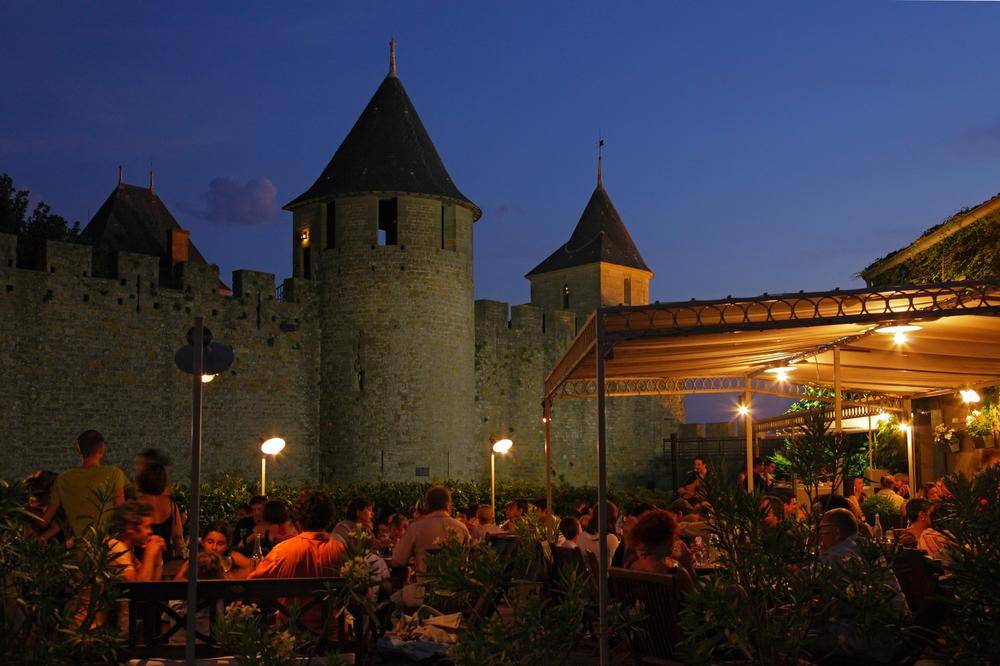
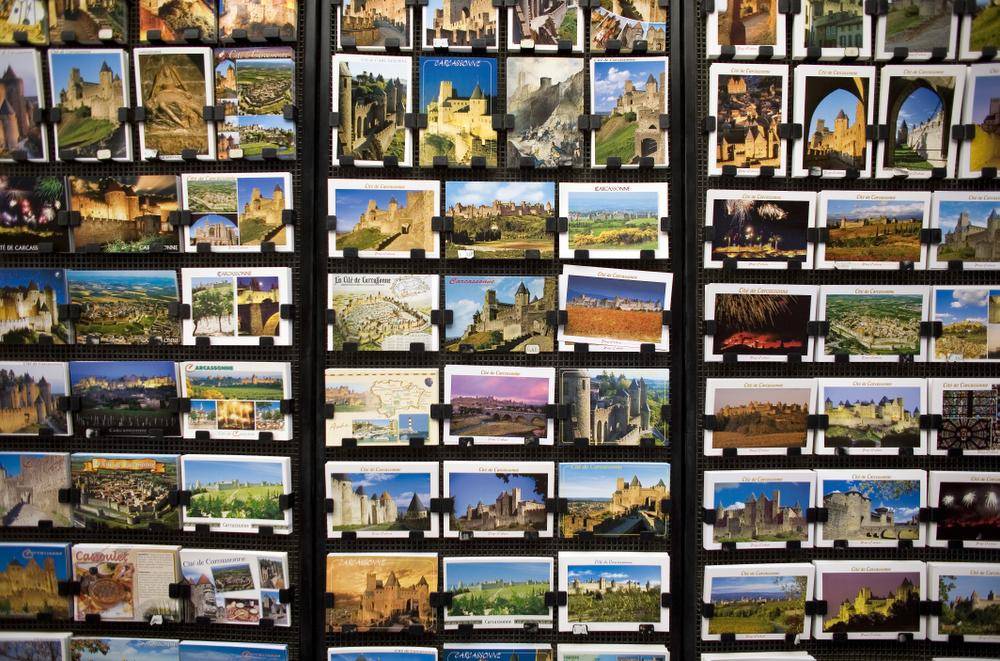
Having become something of a standard bearer for medieval history – the wildly popular Carcassonne board game was recently released as an Android app – the city has a lot to live up to. Tucking into a hearty bean, duck and sausage-laden cassoulet at a candle-lit table, my family discusses this heavy responsibility and concludes that it does its job with ease. Carcassonne is to ye olde worlde what Dubai is to the new.
Just before we leave on our final day, I take an early morning stroll around the towering ramparts and savour the solitude.
All is going well until I see someone shuffling toward me, a fellow early riser out to claim the city as his own. For one fleeting second I think he is going to shove me off onto the rocky path below – such is the suggestive power of castles, you see, so alive with history and violence.
Last night as I fell asleep I was a marauding warrior. Tomorrow, I think, I’ll try to keep it a little more Disney.
If you go
Carcassonne is a bit of a hike from Paris (a good seven-hour drive), but less than half that from the major international airports of Marseille and, in neighbouring Spain, Barcelona. Both of these cities make for a good base to explore not just Carcassonne but the northwestern shores of the historic Mediterranean Sea.
Where to stay
The finest hotel within the city walls is the five-star Hotel de La Cité, which was the essential stopping point between Nice and Biarritz for the travelling elite in the early 1900s. Sir Winston Churchill, Rudyard Kipling and – yes – Walt Disney have all stayed here and rooms are spacious and appropriately grand. From $260; hoteldelacite.com.