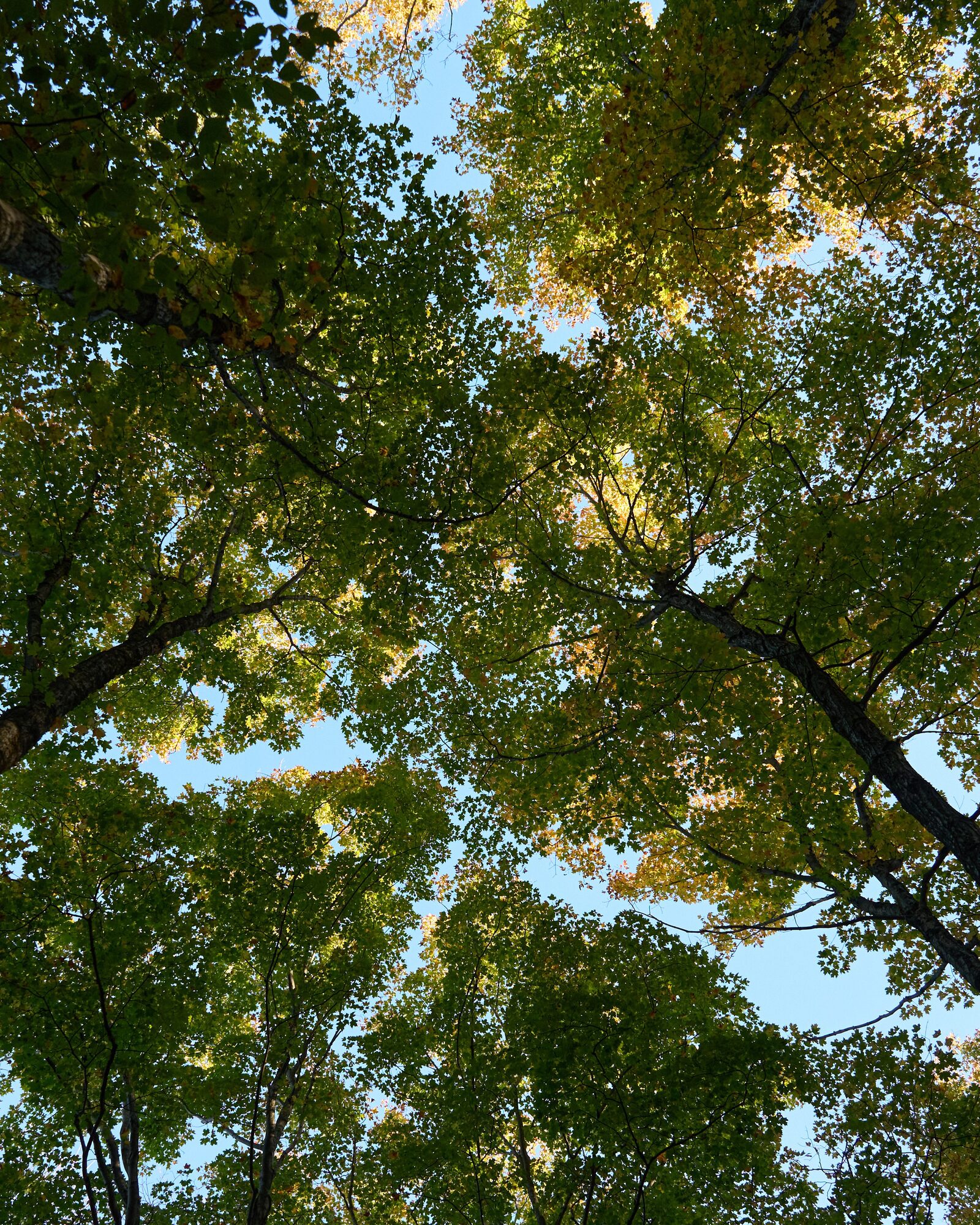
The forest was quiet except for the crunch of boots on fallen leaves and the soft click of hiking poles. Morning light filtered through a canopy of gold, red and green as Rita Hotchkiss rounded the final bend of the Bruce Trail – 2½ years, 905 kilometres and countless memories behind her.
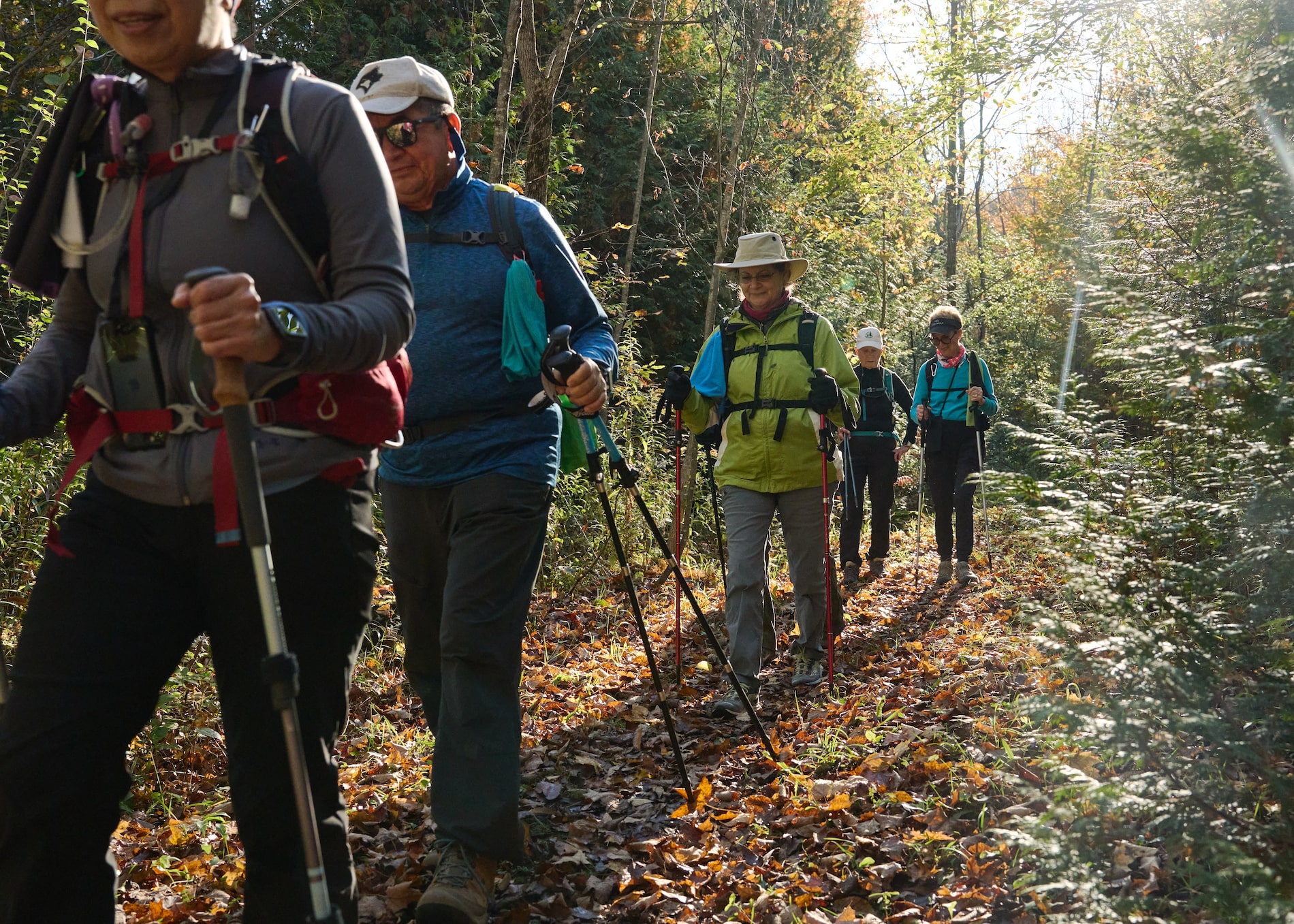
Every Thursday since March, 2023, the 84-year-old from Oakville, Ont., has laced up her boots to walk another stretch of Canada’s oldest and longest marked footpath with her friends – a spirited group who call themselves Hiking with Friends.
The club has about 40 regulars, ranging in age from their late 50s to mid-80s. They come from all walks of life – teachers, nurses, IT specialists, a botanist, mining engineers, a hotel executive, even Canada’s first female fire captain. Some are completing the Bruce for the first time, others for the second or third. What unites them is simple: They love hiking, and they love the Bruce – that rugged ribbon of limestone and forest that’s become both a playground and a pilgrimage.
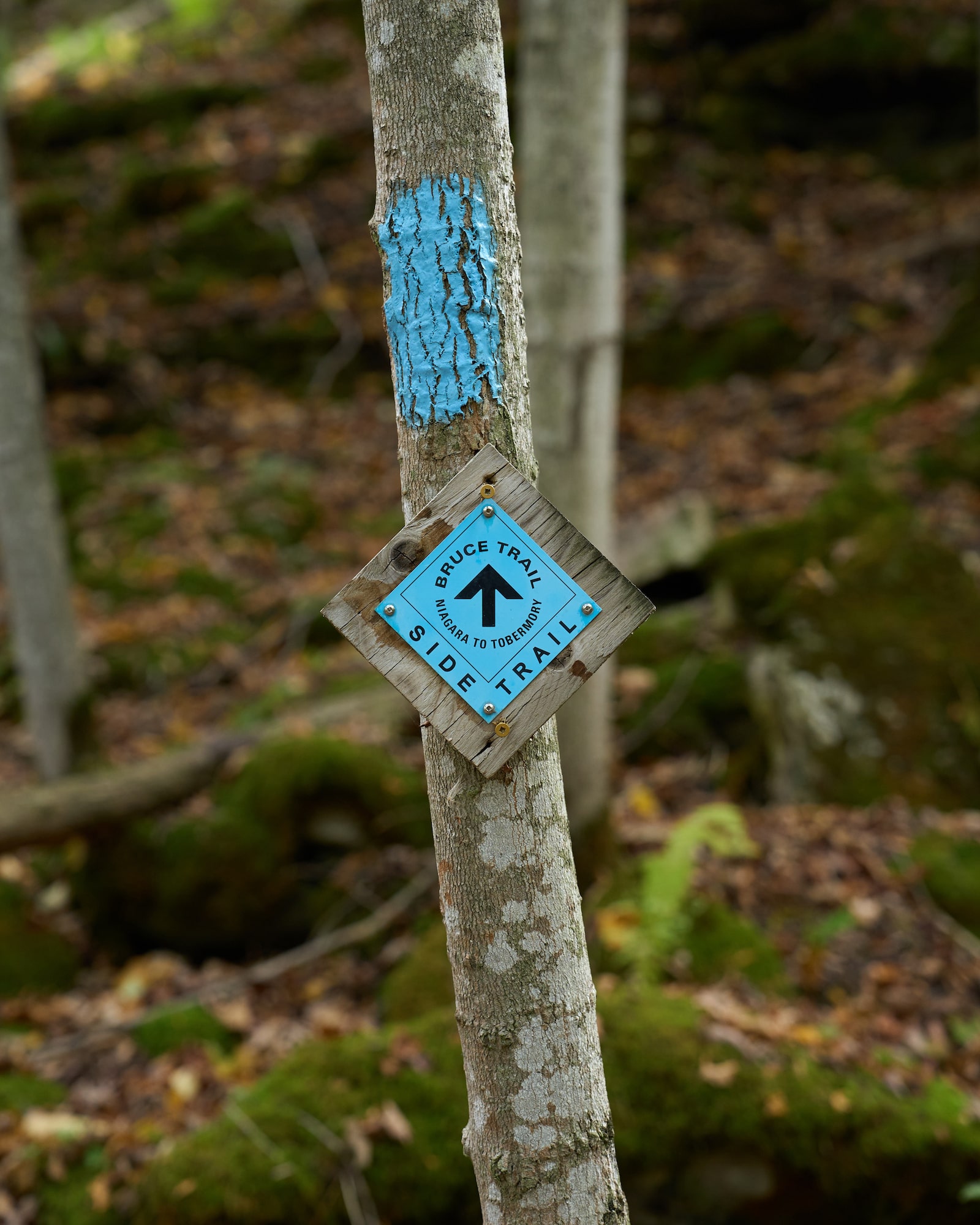
The trail is divided into nine segments, which can be completed in any order. Some hikers set out to do part of the trail, while others want to conquer the whole thing. This group tends to tackle 15 to 20 km a week, which means it can take two to three years to become an “end-to-ender” (trail lingo for someone who has done the entire route).
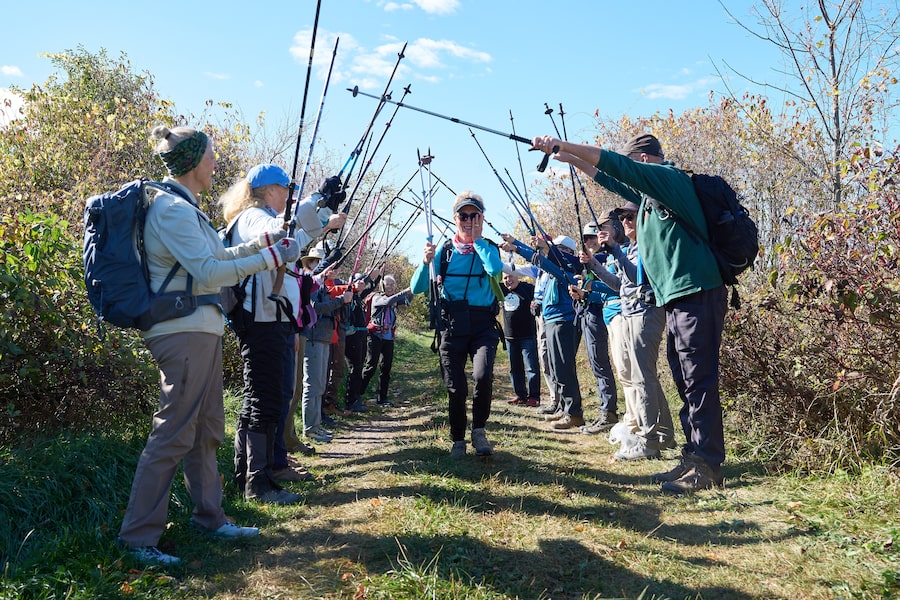
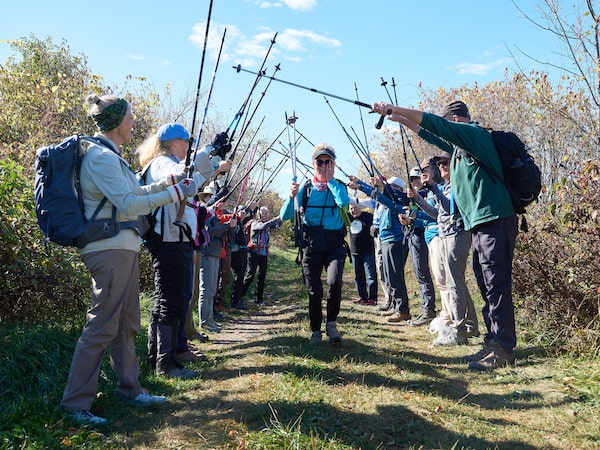
On a recent Thursday, under a brilliant autumn sky, Ms. Hotchkiss walked her last 17 kilometres. Her friends – 19 of them – waited beside a farmer’s field outside Owen Sound. As is tradition for anyone who becomes an end-to-ender, they raised their poles to form an arch for her to run through. Ms. Hotchkiss cried, hugged them all and then they popped Champagne.
“I’m so fortunate I’m still able to do this,” she says of completing the trail, which begins in Queenston, on the Niagara River, and ends in Tobermory, at the tip of the Bruce Peninsula.
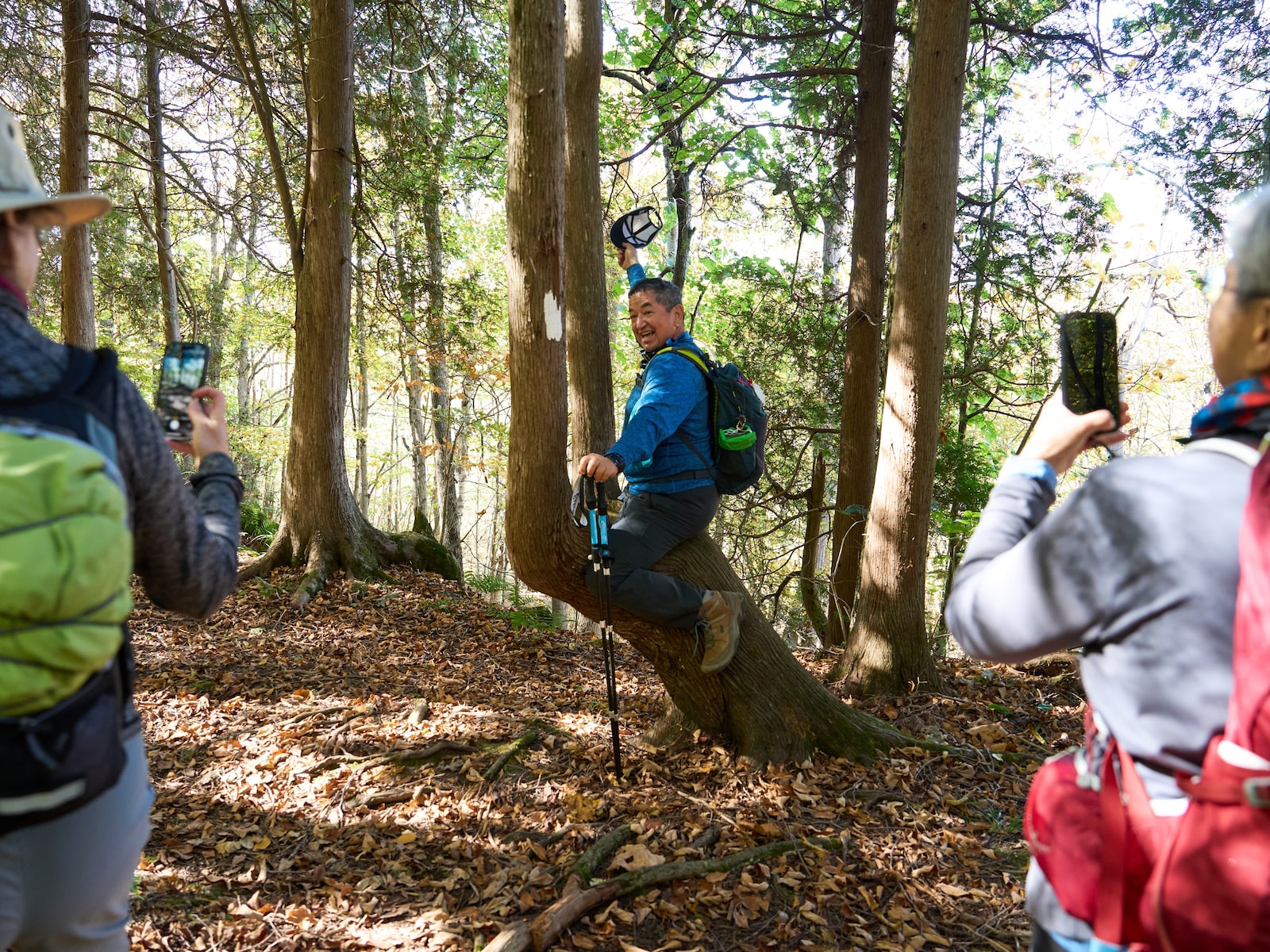
“My husband died in 2019, and then COVID happened. I went to a seniors’ centre in Oakville to sign up for aerobics and ended up chatting with these hikers – wonderful people who wanted to be healthy, outdoors in nature.”
At first, Ms. Hotchkiss thought she’d go for a few short walks. “Eventually, I ended up walking miles with these new friends,” she says. “The more I walked, the more passionate I became. It gave me a whole new lease on life.”
Experts say staying active is one of the most powerful habits for longevity – right up there with good sleep and a healthy diet. But social connection may be just – if not more – crucial. A 2025 World Health Organization report found that one in six people worldwide is affected by loneliness, linked to more than 871,000 deaths each year.
Doug McKirgan, 79, started hiking the Bruce in 2020 and completed it three years later. “It was only when I started hiking the Bruce that I discovered places I never knew existed – waterfalls around Hamilton, cliffs, caves. It opened up a whole new world for me.”
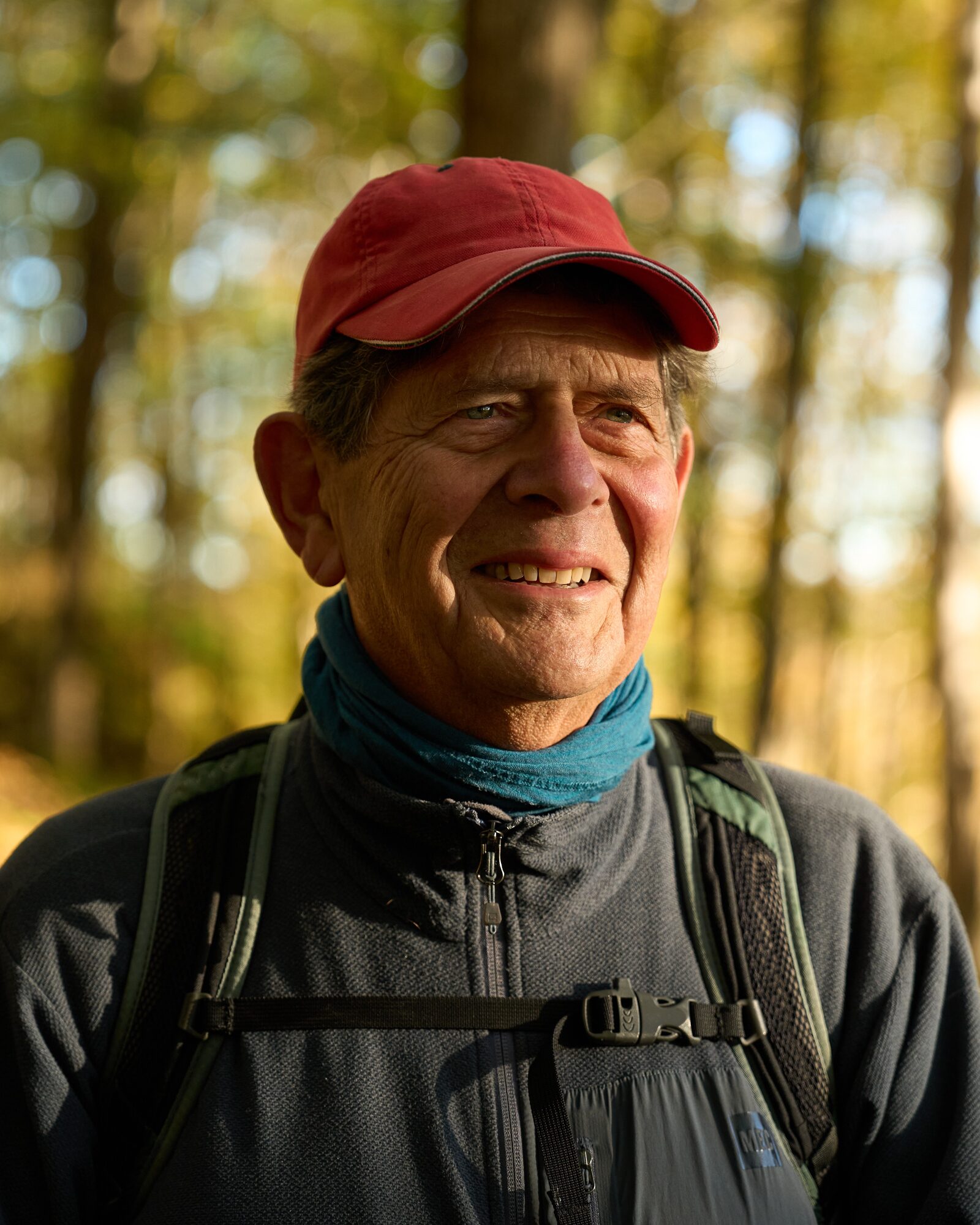
But the experience was about more than just immersing himself in nature. “I like people, and I need to be around people,” says Mr. McKirgan, who persuaded his wife, Grace, 78, to join him.
Connecting with others also motivates Ms. Hotchkiss. “Getting out in the world and making new friends, regardless of your age, is key to a long, happy life,” she says. “We laugh, cry and celebrate together. It’s a real community.”
The week Ms. Hotchkiss earned her E2E (end-to-end) badge, six others did, too – including Andrea Kovacs, 66. The two began hiking the same day. “We’ve been side by side ever since,” she says. Ms. Kovacs, who also walked 780 kilometres of the Camino de Santiago earlier this year, adds: “Every time I go out, I discover something new – the beauty, the wildlife, the flowers. It energizes me.”

Andrea Kovacs completed her 'end-to-end' on Oct. 9, with Rita Hotchkiss.
The idea for the Bruce Trail was born in the late 1950s with a Hamilton metallurgist named Ray Lowes who wanted to protect the Niagara Escarpment from developers. With help from painter and naturalist Robert Bateman and a handful of volunteers, they plotted a route, rounded up volunteers and started marking the path, which opened in 1967.
Today, the Bruce Trail Conservancy, a volunteer-run non-profit that maintains and protects the route, has recorded more than 4,400 official end-to-enders. (Mr. McKirgan estimates hundreds more have finished the trail but have not been documented by the conservancy). The Niagara Escarpment is a UNESCO World Biosphere Reserve that shelters more than a third of Ontario’s at-risk plant and animal species, including the butternut tree, peregrine falcon and snapping turtle.
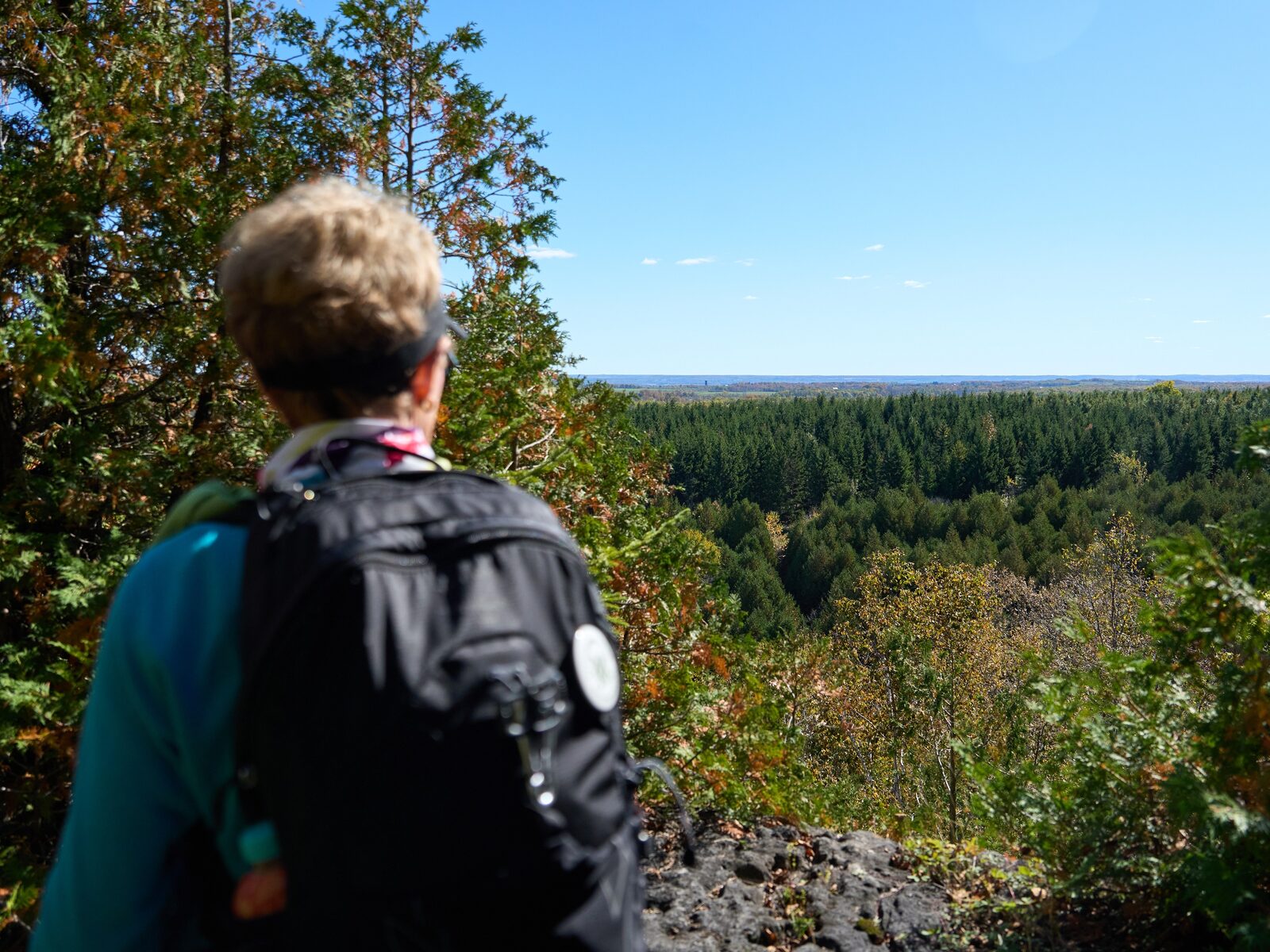
When Ms. Hotchkiss first joined, she had no plan to complete the full trail. “I just wanted to keep moving, preferably outdoors,” she says. But section by section, she was drawn in – through cedar forests, across windy plains and up cliffs with heart-stopping views of Georgian Bay.

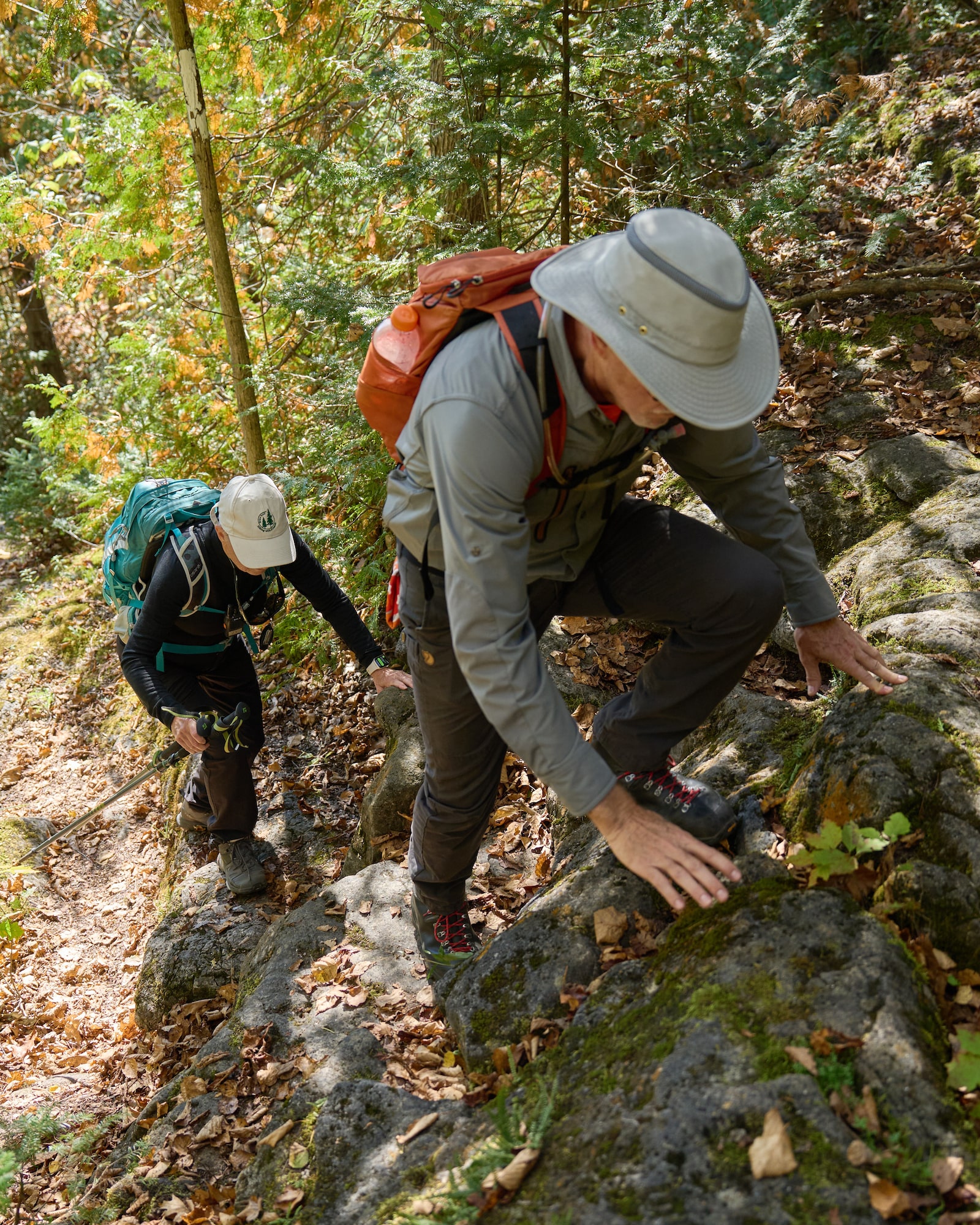
Stephen Raleigh extends a hand to help Josie Vergara climb a steep step.
Last October, she took a bad fall and broke her kneecap. “We’d just finished a tough bit of terrain, and I was walking across a flat road when I fell,” she says ruefully. After surgery and rehab, she was back on the trail by January. “Some of my grandchildren say I’m a tough old broad, but I knew I had to finish the Bruce before it finished me.”
Ms. Hotchkiss is a realist, and foresees a day when she can no longer lace up her boots. “Maybe I’ll be sitting in a rocking chair looking back at my hiking blogs, reliving the memories,” she says. “We don’t do it because it’s easy. We do it because it’s a challenge. And when I finish another section, I feel such a rush of accomplishment.” (After each hike, group member Kenneth Thacker posts photos and captions in the Hiking with Friends blog).
Then she smiles, eyes bright beneath the brim of her cap. “At my age, I know I’m one trip away from disaster – but I’m going to keep hiking until I can’t any more.”

Rita Hotchkiss on the Bruce Trail.Nic Hotchkiss/The Globe and Mail
Editor’s note: This article has been updated to correct the first name of Ray Lowes.