Busy day? Here are five stories popular with Globe readers to help you catch up.
Canadian families spend more on taxes than food, shelter
The average Canadian family now spends more money on taxes than on food, clothing and shelter combined, according to a report by the Fraser Institute.
As Ahmad Hathout writes, the emphasis on taxes leaves families with less money to spend, save or pay down household debt.
Last year, the average Canadian family spent 42.1 per cent of its income on taxes and 36.6 per cent on basic necessities, the report says.
That translates into $33,272 of taxes on an average household income of $79,010. Food, clothing and shelter combined cost $28,887.
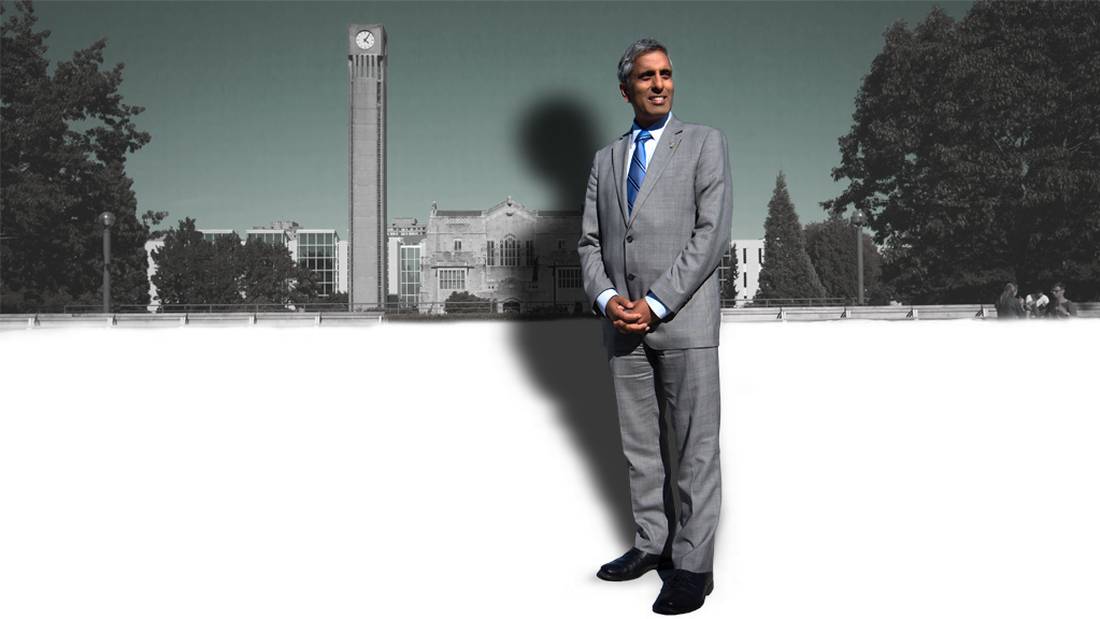
How UBC lost a president a year after they hired him
On July 31, Dr. Arvind Gupta resigned as president of the University of British Columbia—only one year into what was supposed to be a five-year term. His departure threatened to damage the reputation of one of Canada’s globally ranked universities, and details have remained shrouded in mystery due to nondisclosure agreements.
As revealed in Simona Chiose and Frances Bula’s investigation, several university members argued that Dr. Gupta focused too much on building links with professors and didn’t communicate with senior administrators. The university had taken a risk in hiring an innovator, they said, but fatally underestimated his lack of administrative experience.
The prevailing sentiment on campus now is one of regret. “From the inside, it’s been a tough year,” said one senior administrator. “I would have hoped that had Arvind stayed on, the university would have pulled together and made it work.”
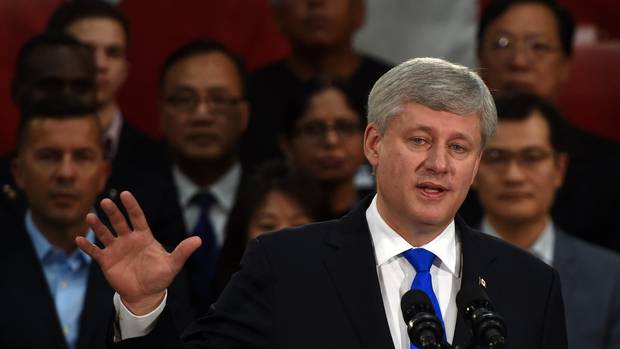
Tories favoured to win despite NDP lead in polls: Globe forecast
Despite the NDP leading in four of the last six publicly released polls, The Globe and Mail’s Election Forecast suggests the Conservatives have a higher probability of winning the most seats.
The important thing to remember, Paul Fairie explains, is that not all votes convert into seats.
The NDP’s strength, like in 2011, remains in Quebec. They’re looking stronger now than they did in 2011, except they already won most of the province’s seats—meaning there isn’t much room to grow.
Looking to 1979, when Pierre Trudeau’s Liberals earned more votes than Joe Clark’s Conservatives, the Tories still ended up winning 22 more seats and a minority government. In that case, the Liberals similarly got their strength from Quebec, but failed to capture the rest of the country, especially Ontario.
Milk sales continue to slide as diets, society shift away from dairy
Canadian shoppers are increasingly skipping the dairy aisle at the grocery store, Eric Atkins reports.
Milk sales dropped in June by more than 3 per cent compared to the same month a year earlier, marking the product’s eighth consecutive monthly decline.
The trend extends even further, as Canadians consumed 18 per cent less milk in 2014 than in 1995.
Yet Canada’s dairy industry is not addressing the drop in consumption, as farmers adhere to strict production quotas and are throwing away excess skim milk.
The dairy industry is being forced to defend the supply management system as Canada tries to enter trade deals with countries on the Pacific Rim.
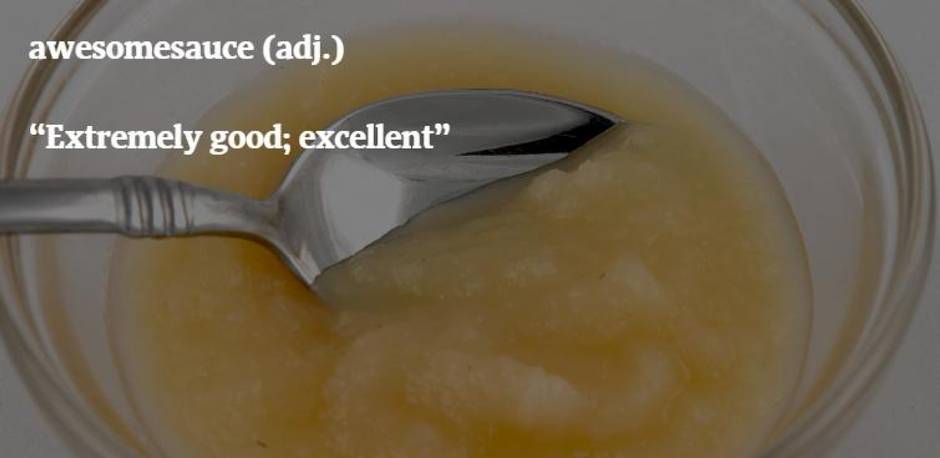
Manspread the word: Nine new entries to the Oxford Dictionaries
OxfordDictionaries.com issued its quarterly update Thursday of new words that have gained widespread currency in the English language.
Some of the new words include:
- “Manspreading” (referring to men on public transportation who splay their legs wide apart and encroach on neighbouring seats)
- “Awesomesauce” (extremely good)
- “Beer o’clock” (an appropriate time of day for starting to drink beer)
- ”MacGyver” (a verb; to make or repair an object in an improvised or inventive way, making use of whatever items are at hand)