Busy day? Here are five stories popular with Globe readers to help you catch up.
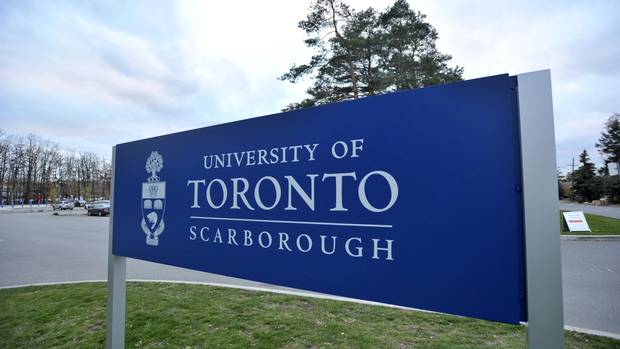
U of T stands by health-studies course with anti-vaccine material
The University of Toronto is standing by a health-studies course that included anti-vaccine material taught at its Scarborough campus.
The course was taught earlier this year by homeopath Beth Landau-Halpern, who was under review after a report in The Globe and Mail in February about her anti-vaccine stand, Carly Weeks reports.
The university's review concluded the course content on immunization “had not been unbalanced” and that “in context, [it] would enable critical analysis and inquiry.” The course’s required reading and viewing material included a two-hour long interview with Andrew Wakefield, the former British surgeon who popularized the false idea vaccines are linked to autism and other chronic illnesses.
In addition to concerns over anti-vaccine material, a group of scientists and U of T faculty members also complained in a letter to university president Meric Gertler about course material used by Ms. Landau-Halpern that stated quantum physics can be used to explain why meditation can reduce the size of cancerous tumours.
Though Ms. Landau-Halpern's name has been removed from the Department of Anthropology and Health Studies’ online directory, the university has not indicated whether she will continue to teach there.

Greece comes back to the table, but without clear proposals
Greek Prime Minister Alexis Tsipras strode into a summit of Eurozone leaders Tuesday, sporting a beaming smile but lacking a written proposal on how to save his country from financial ruin.
His government said it would present a plan Wednesday, despite the fact that Tsipras had been expected to offer up economic reforms in exchange for loans as Greece’s banks fight to stay above water.
“You know, there was a promise for today. Then, they’re promising for tomorrow,” Lithuanian President Dalia Grybauskaite said.
Tsipras came buoyed by a triumph in Sunday’s referendum, where an overwhelming majority of Greeks backed his call to reject the reforms that creditors had last proposed.
An official from a eurozone nation said that Greece’s failure to bring clear proposals to an earlier meeting of finance ministers caused widespread frustration.
“We are no longer talking about weeks but very few days,” said German Chancellor Angela Merkel, warning Tsipras he was getting dangerously close to the financial abyss.
The eurozone’s top official, Jeroen Dijsselbloem, said he hoped the Greek government would make a written request as soon as Tuesday night or Wednesday morning to tap Europe’s bailout fund.
Toronto housing market on fire as detached home nears $1.1-million
Toronto’s hot housing market is only getting hotter.
June was a record month for housing in the city as sales climbed 18.4 per cent from a year earlier to 11,992, Michael Babad writes. The average price rose 12.3 per cent to $639,184.
The average price of a detached home in Toronto's 416 region grew 14.2 per cent to $1.05 million; the prices in the surrounding 905 region rose 15 per cent to just over $738,000.
“High-end homes have accounted for a greater share of overall transactions this year compared to last year,” the realtors group said.
Bank of Canada models suggest home prices across the country are believed to be inflated by between 10 and 30 per cent.
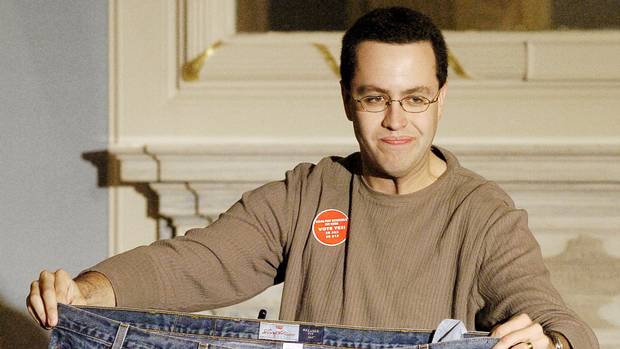
Police search Indiana home of Subway pitchman Jared Fogle: report
Authorities searched the Indiana home of Subway sandwich chain pitchman Jared Fogle on Tuesday, local media reported.
The search occurred about two months after Russell Taylor, the former executive director of the Jared Foundation, was arrested and charged with seven counts of production and one count of possession of child pornography.
Fogle was detained outside his home as law enforcement agents removed electronics from the house. Agents from the FBI and the U.S. Postal Service were also at the scene.
Fogle became a Subway spokesman after reportedly losing almost 250 pounds in part by eating regularly at the sandwich chain.
He started the Jared Foundation to help fight the spread of childhood obesity.
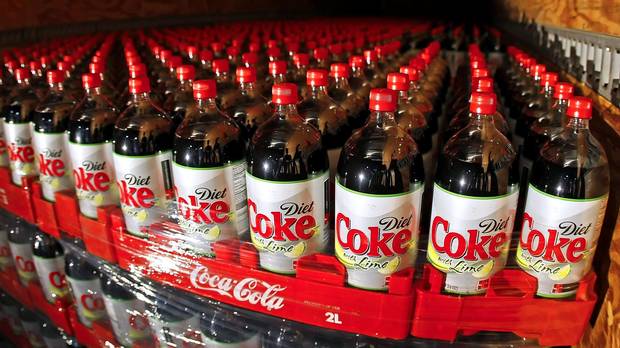
Why it’s time to kick your diet pop habit
Are you a diet pop junkie?
It's time to rethink those artificial sweeteners present in diet soft drinks, added by manufacturers in an effort to reduce calorie count, Leslie Beck writes. Research findings are suggesting that the regular consumption of these drinks can increase the risk of weight gain and blood-sugar problems.
Artificial sweeteners are 30 to 700 times sweeter than table sugar, so it takes a miniscule amount to achieve the same sweetness as one tablespoon of sugar without comparable calories.
Take a look at this list of five sweeteners and one natural low-calorie sweetener approved by Health Canada:
1. Acesulfame potassium
- According to the Center for Science in the Public Interest (CSPI), the manufacturer’s mid-1970s safety studies, although of mediocre quality, suggested the artificial sweetener caused cancer in rats
2. Aspartame
- Added to foods and beverages and it’s also sold as a tabletop sweetener under the brand name Equal
- Three independent studies show aspartame causes cancer in rodents; CSPI recommends avoiding it
3. Cyclamate
- Not allowed to be added to packaged foods and drinks, cyclamate is sold only as a tabletop sweetener under the brand names Sucryl, Sugar Twin and Sweet’N Low
- Cyclamate was banned in the U.S. because it was shown to cause bladder cancer in animals
- It is not considered safe during pregnancy
4. Saccharin
- Until last year, saccharin was sold only in pharmacies under the brand Hermesetas
- In 2014, Health Canada lifted a ban on saccharin as a food additive, allowing it to be added to certain foods, including chewing gum, breath fresheners, canned fruit, fruit spreads and frozen desserts
5. Sucralose
- The main ingredient in Splenda
- Whole Foods Market does not carry products with sucralose (or aspartame and acesulfame potassium), based on the fact it’s an artificial chemical that lacks long-term data from human studies
6. Stevia
- A no-calorie sweetener made from the leaves of a plant native to South America, stevia gets its sweet taste from natural compounds called steviol glycosides
- It’s sold under the brand names Truvia, Krisda and Pure Via; stevia-based sweeteners are permitted to be added to drinks, breakfast cereals, yogurt, candy and gum, condiments, baking mixes and snack foods