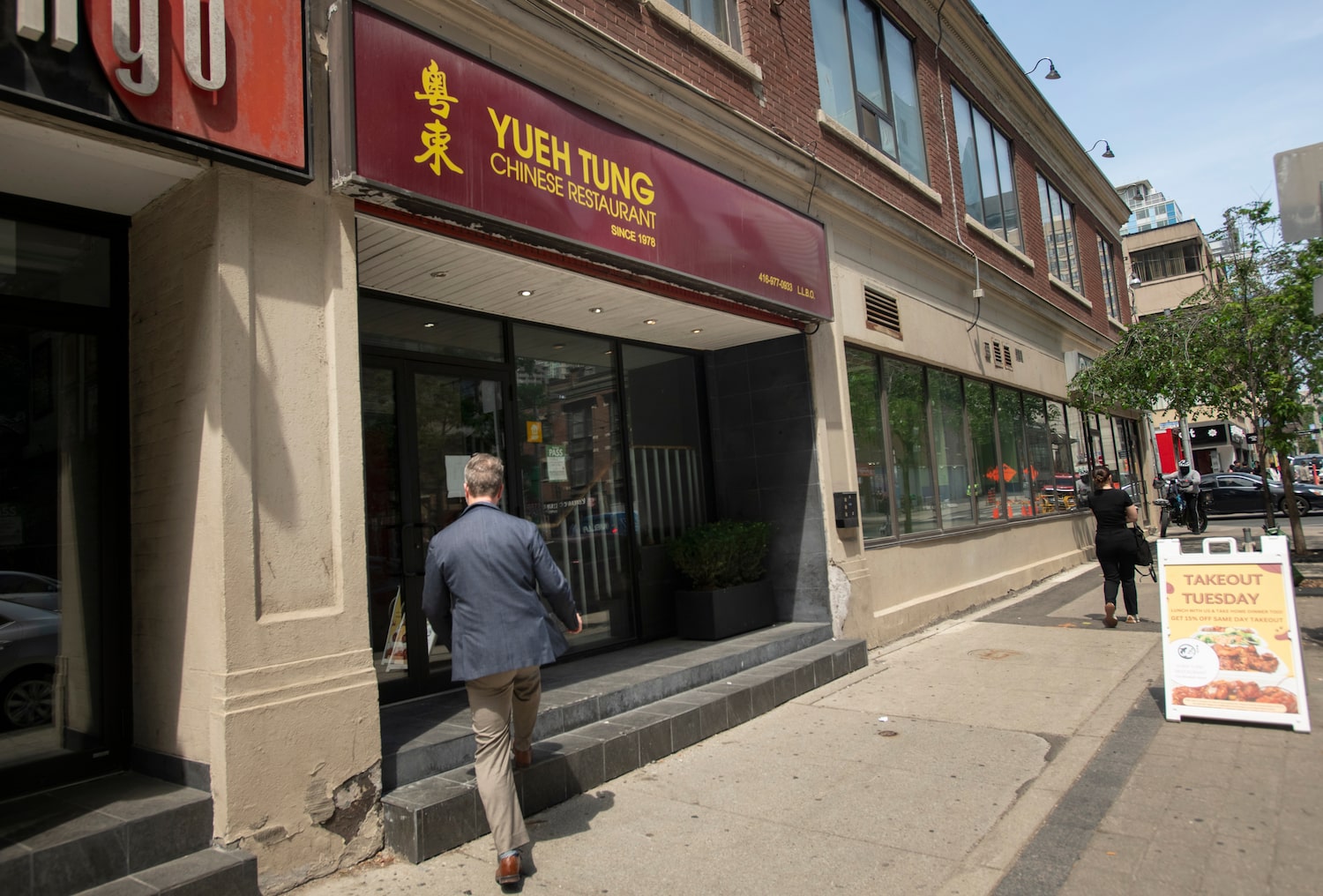
Jeanette Liu is a former journalist and second-generation owner of Yueh Tung restaurant in Toronto.
Toronto’s Chinatown is quieter these days. It’s not just from reduced foot traffic or shuttered windows; it’s the kind of silence that settles when memory fades.
The first time the city tried to erase Chinatown, it was loud: Construction trucks, demolition, expropriation and displacement made way for a new City Hall, opened in 1965. Whole blocks were wiped out, and communities were uprooted. Today, the approach is quieter. It’s through rent hikes and condos rising. It’s through the replacement of culture with convenience. It’s the silent death of forgetting.
It happens gradually: A restaurant closes, a lease sign appears, a neon sign vanishes. An elder who once greeted you at the door isn’t there anymore. And then suddenly, one day, someone says it out loud: Who is left to save?
That’s what Leo Chan said to me recently. He had just finished lunch at our family’s Chinatown restaurant, Yueh Tung, Canada’s oldest Hakka restaurant. He shows up every Wednesday – one generation helping the next – and I thanked him for showing support, because we have been struggling to stay afloat.

Jeanette Liu working the front of Yueh Tung.
He reminisced about Lichee Garden, Nanking, Sai Woo and Kwong Chow – four of Chinatown’s original pillars, now all gone. Then he looked at me, with all the weight of someone who has seen too much disappear, and said: “You’re the last one still standing.”
He would know. Leo’s mother-in-law, Jean Lumb, was the co-founder of Kwong Chow. She didn’t only serve food; she served a movement. Her restaurant was a business, but it was also a cultural cornerstone, a place where newcomers could find comfort in a bowl of soup, of rice, of anything that tasted like home. Her restaurant fed more than bellies; it fuelled the city’s imagination of what Chinese-Canadians could be: hardworking, resilient and relentless in their pursuit of the Canadian dream.
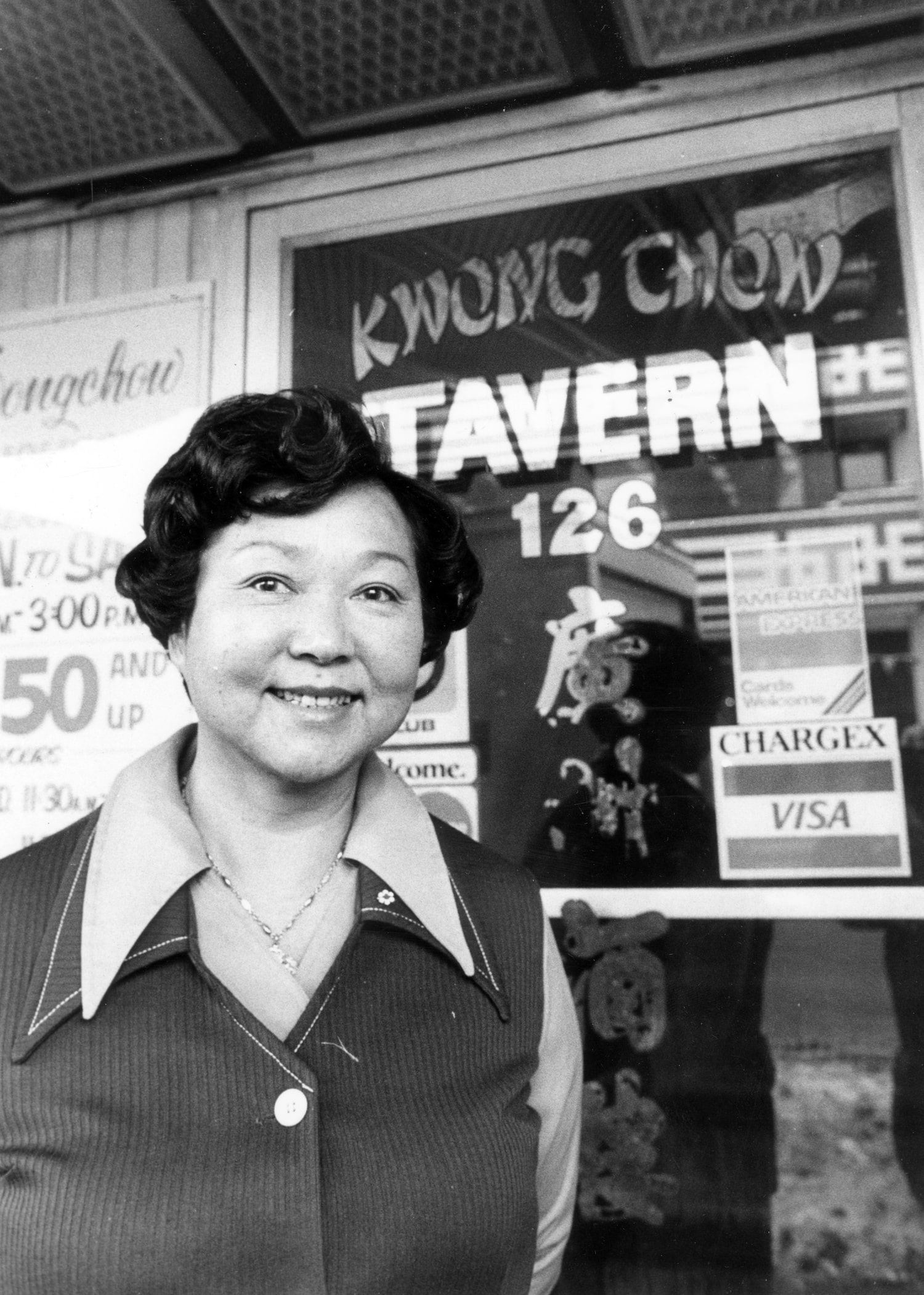
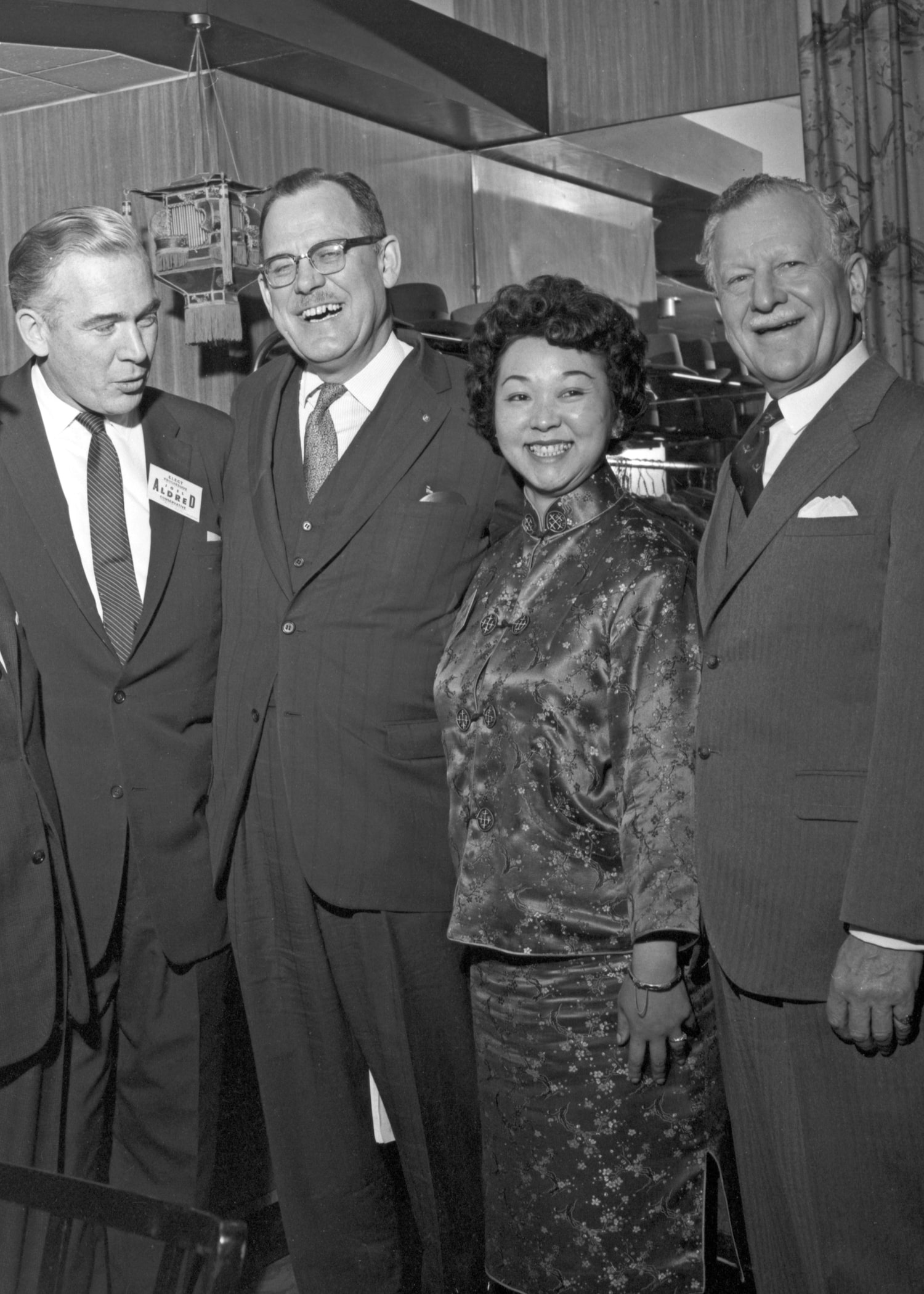
She became an incredible advocate for Chinese-Canadians. Her tireless lobbying eventually spurred Canada to remove the race-based criteria in its immigration laws, allowing Chinese families to finally be reunified. She was the first Chinese-Canadian woman to receive the Order of Canada. And through her local organizing and by sheer force of will, she helped save swaths of Toronto’s original Chinatown.
Today, our restaurant is in the same building where Kwong Chow once stood, at 126 Elizabeth Street. Our family works and cooks and serves and fights in the very same spots she once did. We didn’t plan it that way, but somehow, we ended up here, still holding on.
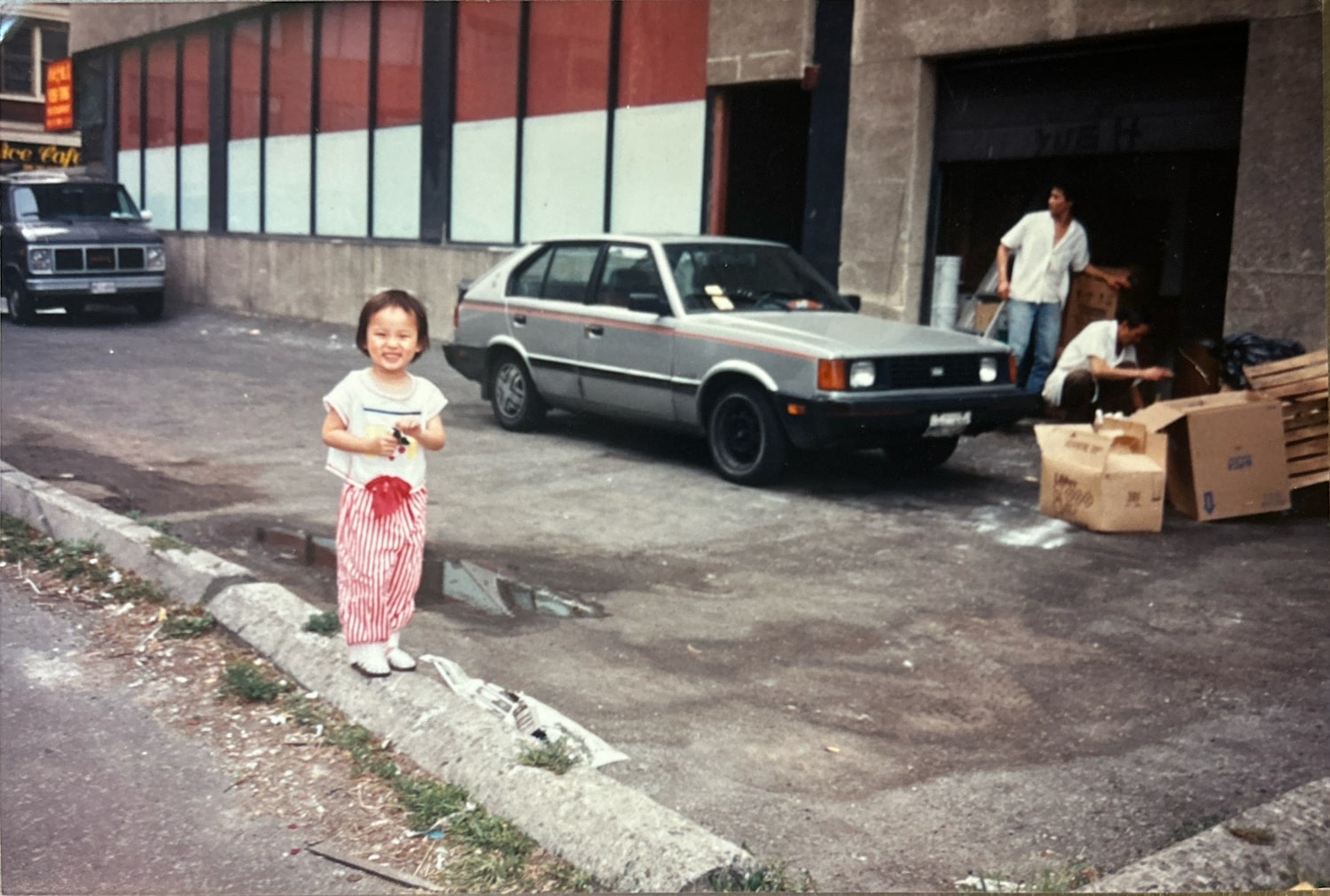
First location
This spot – directly across the street from our current location – is where I first realized my parents were building something incredible. I watched them pour their hearts into this space, creating something that felt like home for people like us. The lines were wild back then – if you didn’t get there early, you’d be waiting over an hour. But people came anyway.

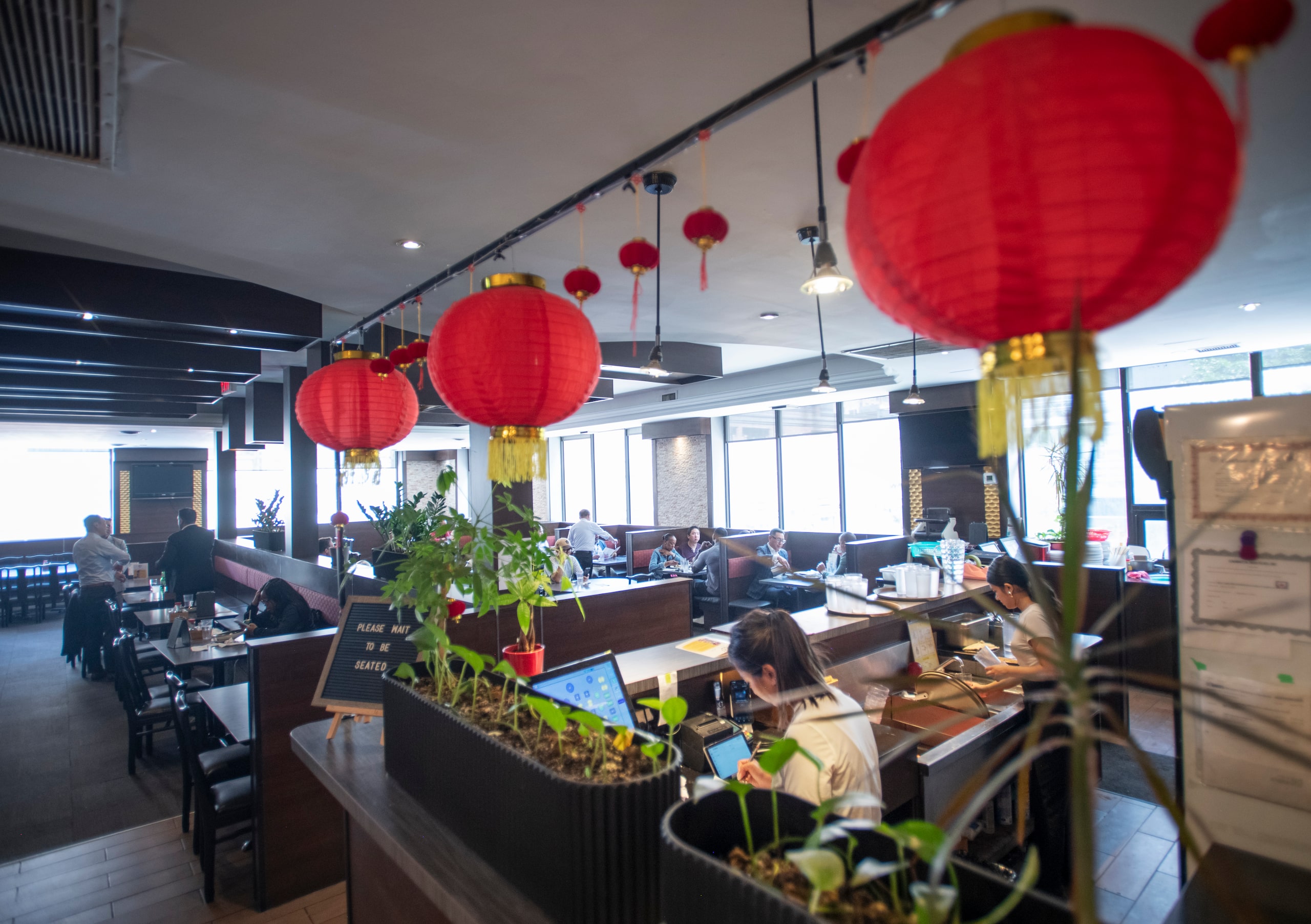
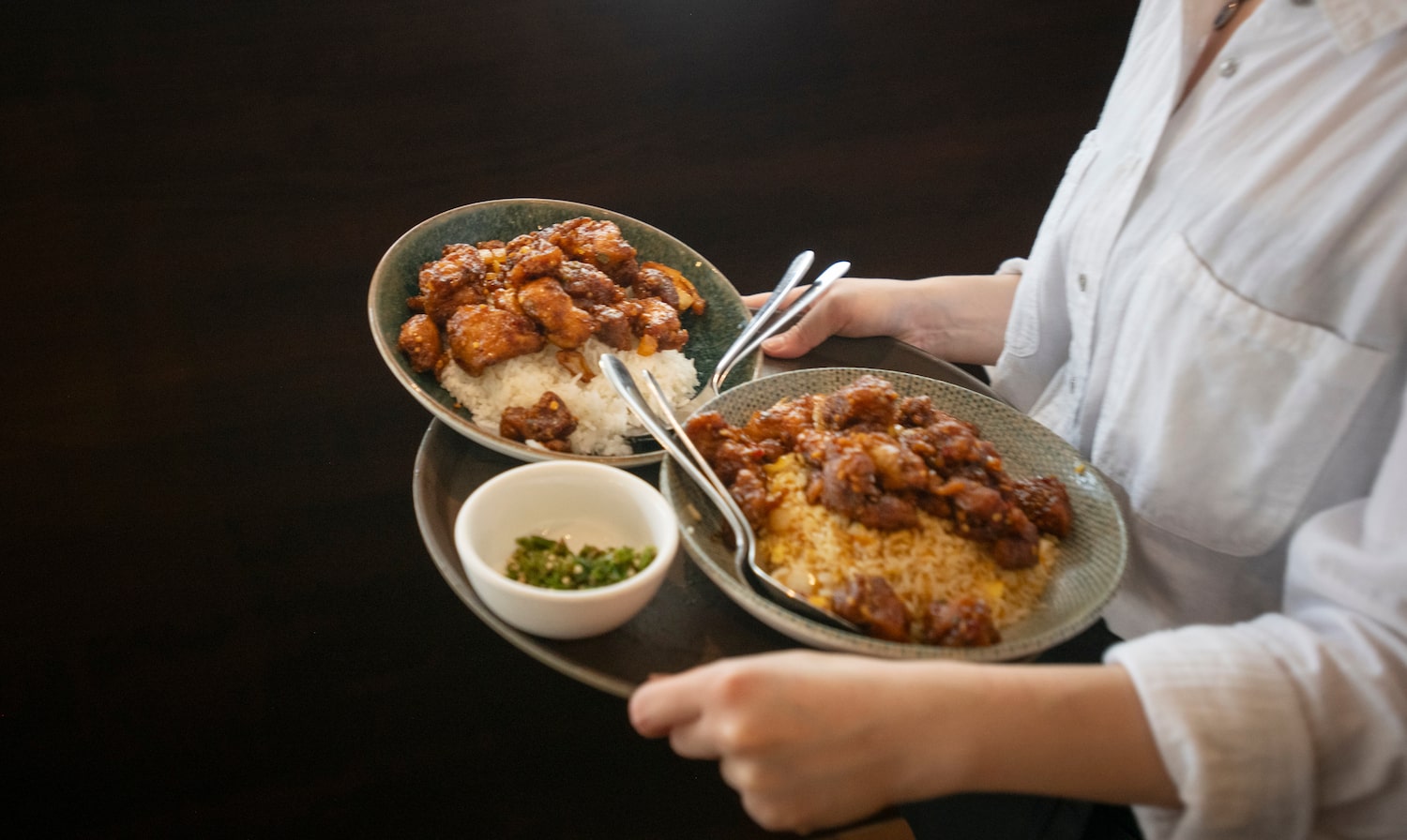
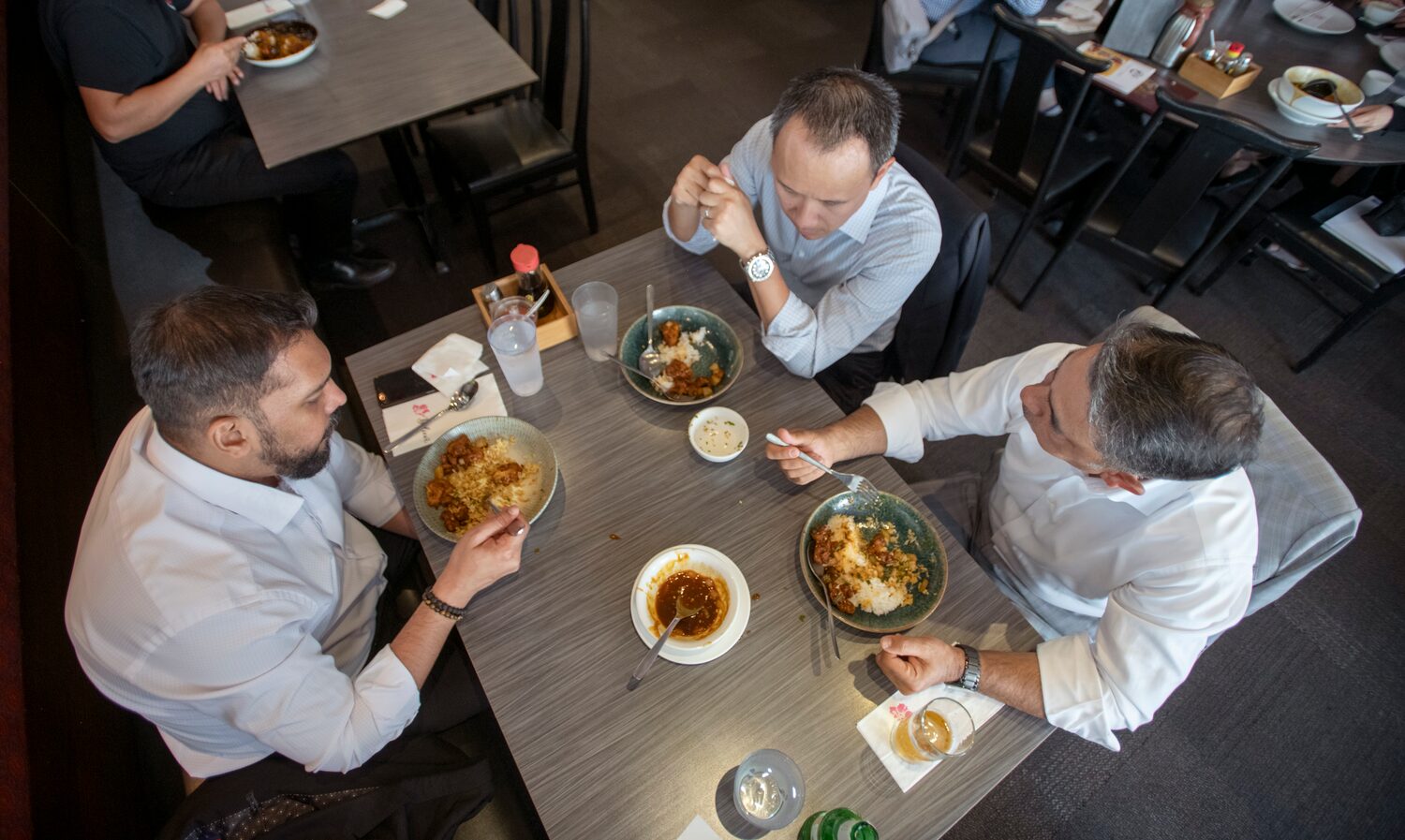
Now my sister Joanna and I are trying to save our parents’ restaurant. We’re doing it for ourselves, but also for the people who remember the Chinatown where you could walk into a space and still feel its heartbeat – our way of thanking the Lumbs for everything they built. I don’t think we’re just operating a restaurant; we’re carrying forward a legacy of food that tells our story – a legacy that’s at risk of getting swallowed up and lost. And we’re also doing it for our parents, in honour of their sacrifices.
The story of the Hakka people is one of constant displacement and dispersal. In the fourth century, our ancestors fled conflict in northern China by heading south, and we effectively became migrants both within and outside our homeland in China; the Chinese characters for Hakka even translates to “guest people.” Our cuisine carries that story – it’s rooted in Chinese technique, but shaped by every stop along the journey.
In our family’s case, it picked up the bold and spicy flavours of Kolkata, India, where our family lived before coming to Canada and opening Yueh Tung in 1986.
The Beginnings
Grandpa, Tracy Liu, and my parents Mei Liu and Michael Liu. My parents had just arrived in Canada with my two older sisters, Emy and Tracy. My mom worked two jobs – at a car dealership by day, and a hospital by night. My dad took factory shifts. They had no roadmap – just grit and hope.

They had no restaurant experience and even less certainty, and arrived with just seven dollars in their pockets and two small daughters, my older sisters.
They opened a 15-seat space and sold lobsters for prices so low customers couldn’t believe it. But that’s what immigrants do. They build. They hustle. They sacrifice to survive.
Mom
Taken in 1991 at our second location. That’s my mom holding Joanna. She dreamed of becoming a flight attendant, or maybe working in import/export. But she chose this. She built the restaurant with my dad – and never looked back. She raised five kids while holding up the business. She never got a break. But she gave us everything.
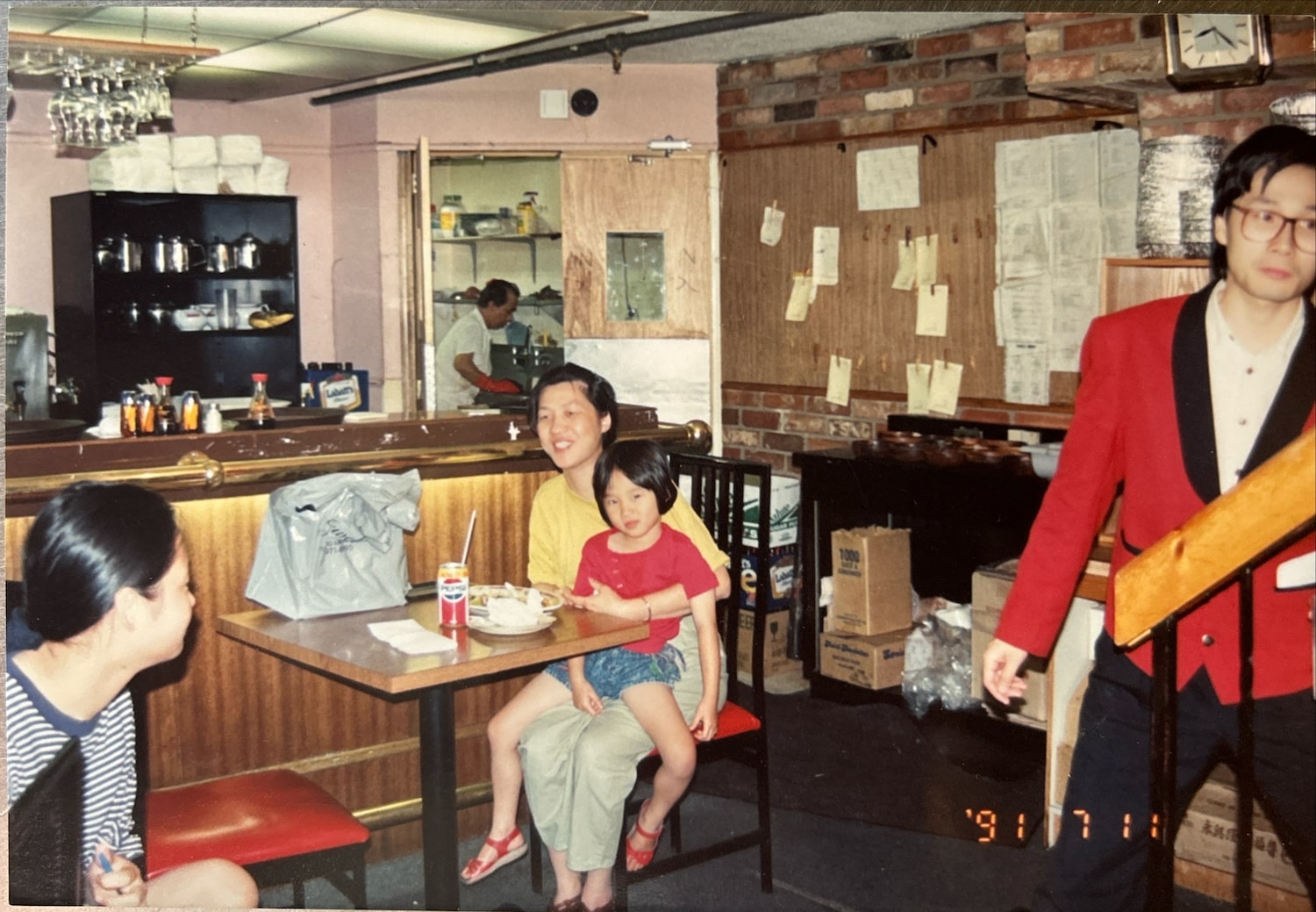
But survival came at a cost. My mom once had to take herself to the hospital on public transit when she was about to give birth – but first, she stayed to finish the lunch rush, because if she didn’t, she worried that everything would fall apart. Another time, she had burning-hot soup poured on her by an irate customer and had to go to the emergency room, but still came back to close the restaurant after dinner service.
My parents had five kids in total – Joanna, our younger brother Corey and I were born in the early years of the restaurant – and when money was tight, my mother skipped meals so we could eat; it was three chicken thighs, split amongst the family.
Restaurant life
Joanna, me, and our younger brother Corey Liu. We grew up here – between orders, after school, in the back kitchen. Some people think it was a burden. But it taught us everything: how to belong, how to lead, how to love our roots. This wasn’t just a restaurant. It was home. It was a classroom. And it shaped who we are.
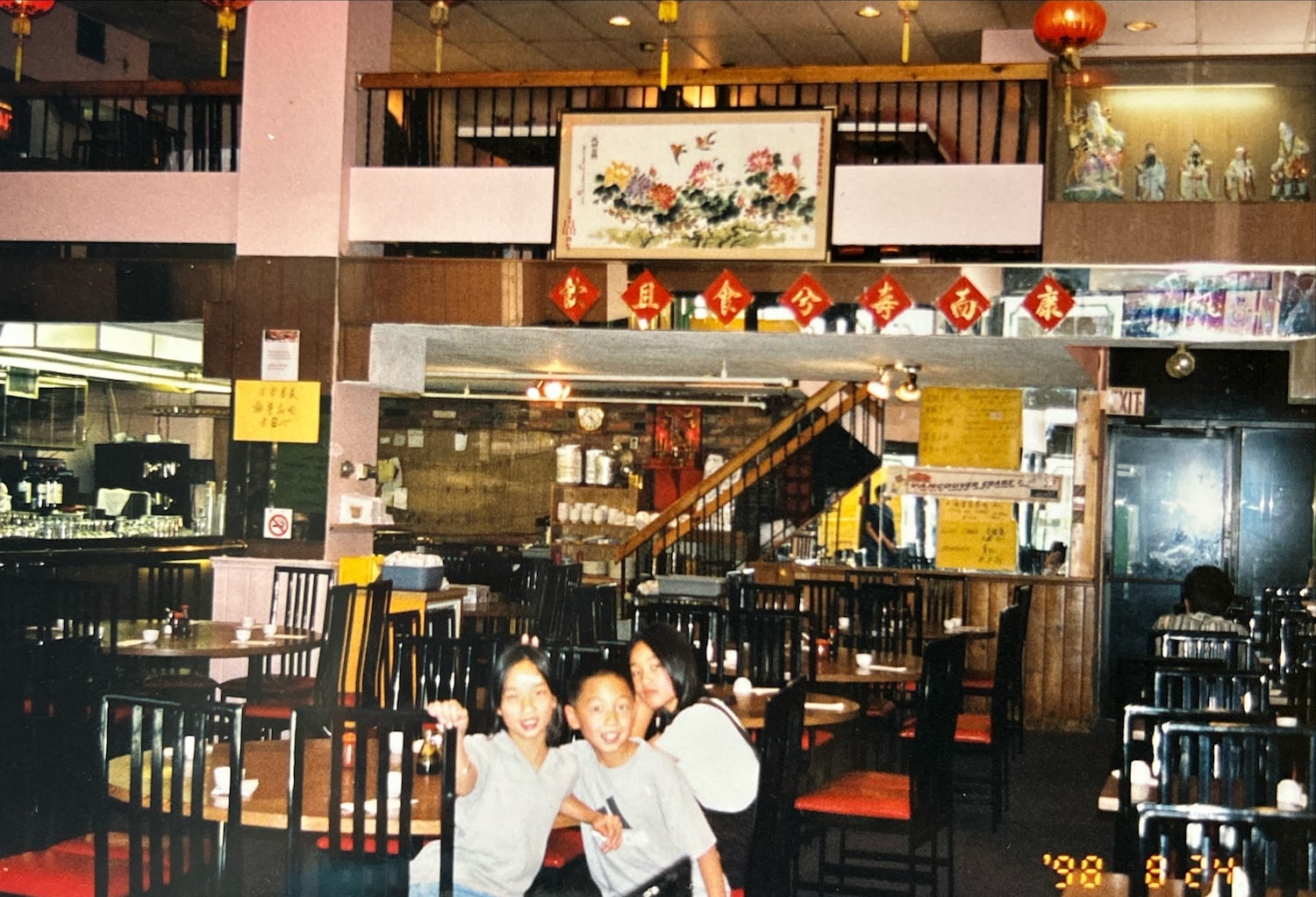
We all squeezed into a two-bedroom apartment in our neighbourhood of St. James Town, and whenever we turned on the lights when we got home at night, my siblings and I would race to kill the roaches we saw, in a game we called Bam-Bam. My mother smiled through it all because there wasn’t time for her to fall apart and crumble; there were too many kids and too many mouths to feed – not to mention a city waiting to be served by her.
Yueh Tung nearly shut down three times: during the recession in the 1990s, during SARS, and again during the COVID-19 pandemic. Now it’s tariffs and economic uncertainty threatening to wipe us out. But every time, my mom has held us together. She has been our strong and steady pillar.
Dad
Our dad, here in the yellow shirt. We were celebrating something – we’re not sure what exactly – with our friends, family, and longtime staff. Like so many moments back then, our dad and team cooked all the food themselves. When we first opened in 1986, there weren’t many places for Hakka families like ours to gather. Our restaurant became a hub.
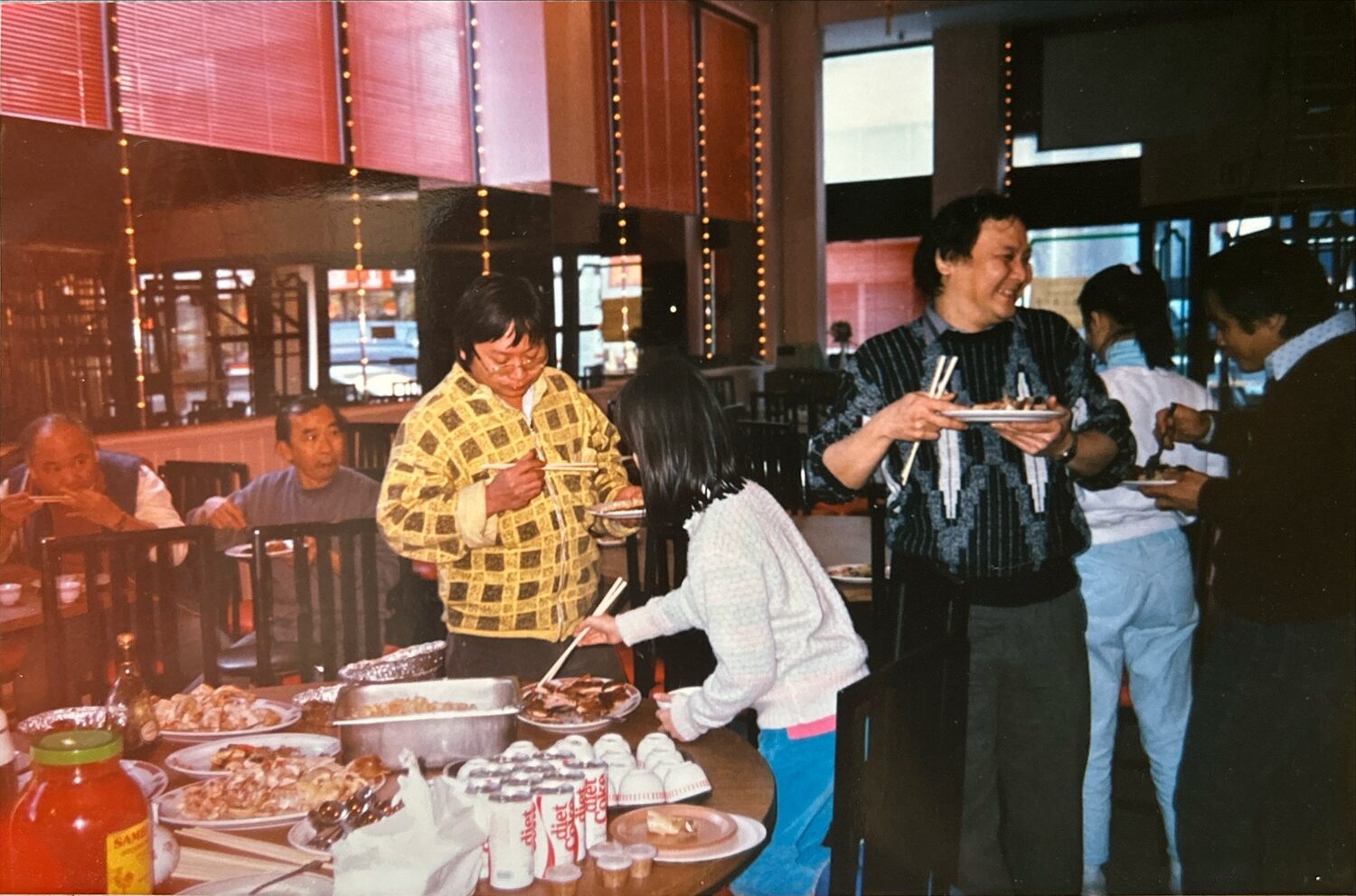
My dad made incredible sacrifices, too. He wasn’t a trained chef, but he learned everything on the job, picking up techniques from our sifus, or masters. People told him he wouldn’t cut it in this business. But he did.
Once, after a 13-hour kitchen shift, he painted the ceilings to meet a health-code inspection. That same night, he had a heart attack – but just days later, he was back in the kitchen, wobbling and unsteady, still showing up to protect his recipes.
Joanna
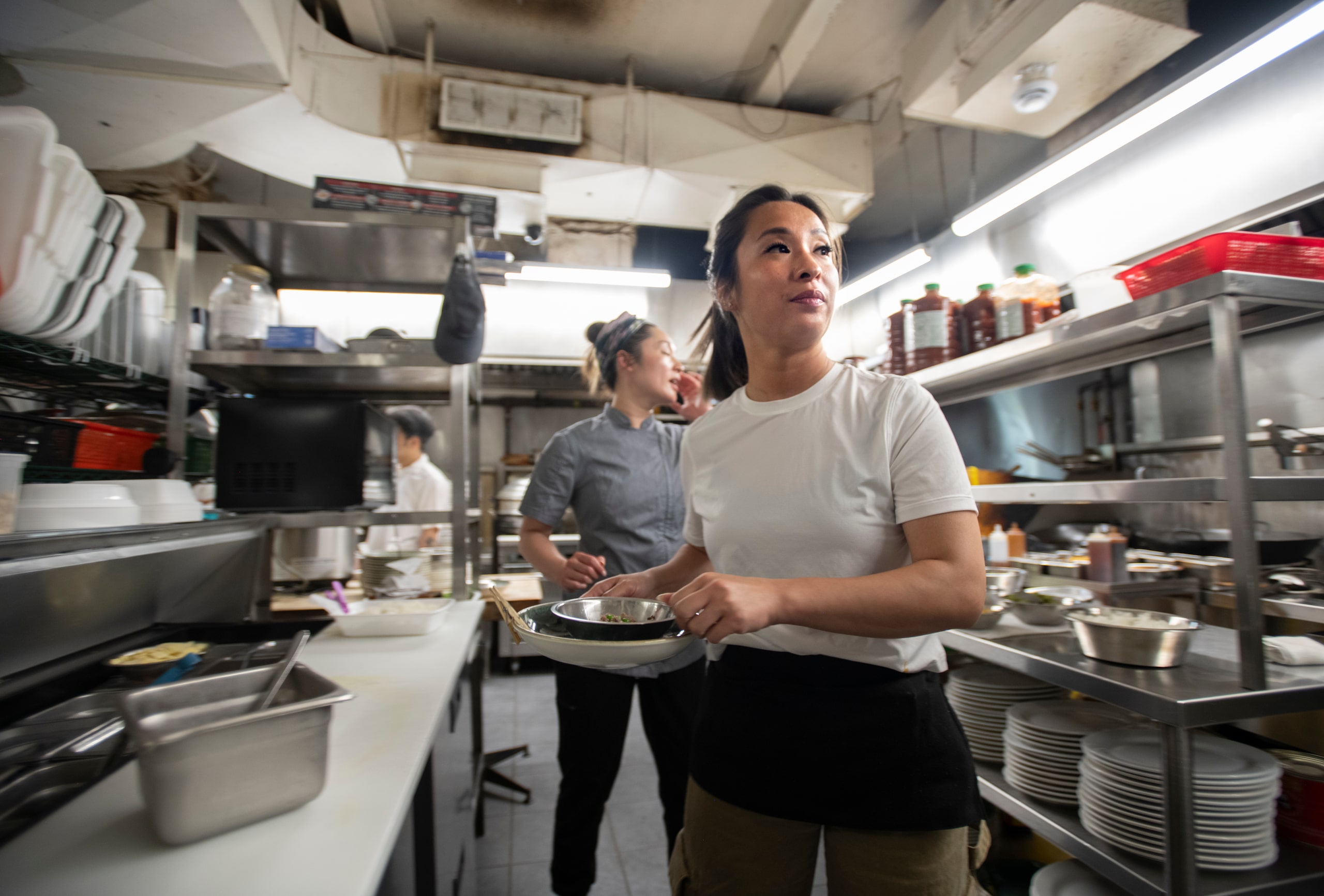
Out of the five of us siblings, Joanna spent the most time here. As a kid, she refused to go to a babysitter – she only wanted to be at the restaurant. Years later, after a heated argument, our dad kicked her out of the kitchen. Still, she came back. And now, she runs it. She is one of the few female wok chefs running a Chinese kitchen today.

Joanna Liu plates an order of sizzling chili chicken.
Joanna trained under him. She’s one of the few female wok chefs in the industry today – and now, she guards the flavours my father spent his life perfecting. He retired in 2011, but if he had his way, he would still be serving customers as he had been, seven days a week, for 30 years. He took only one morning off a year, on Christmas – and even then, he’d go right back after breakfast to prep for Boxing Day, knowing shoppers from the nearby Eaton Centre would be coming hungry.
These stories echo loudly for our family, but they’re the ones that are being silenced. They’re stories of struggle and sacrifice – but they’re also about strength and resilience.
My parents built this restaurant with their bare hands. My sister carried the flavours forward. And me? I couldn’t just let it all disappear without a trace of what my parents gave to this city and to us. I won’t let everything they endured be forgotten. This is how I fight for what they built.
We are here, holding on – not just to remember the past, but to actively preserve what we still have while the people who built it are still here, holding those memories with us.

Jeanette (left) and her sister Joanna in the kitchen of Yueh Tung.