Jay Pitter is a public space expert, an adjunct urban planning professor, and the author of Black Public Joy: No Permit or Permission Required.
A decade ago, I sat across the table from a music producer interested in hiring me to do a feasibility study for a community hub as part of my public space design and policy practice. In his pitch, something he said made me laugh – not my usual, buttoned-up laugh reserved for professional meetings, but what my long-time friends refer to as my “raucous laugh.”
He immediately clocked my other job: the mother of my now Juno Award–winning daughter, BAMBII. What triggered the realization wasn’t our shared high cheekbones or button noses, but the way my laugh echoed hers. The thought that I had passed my laugh down to my daughter, much like any other inherited feature, remains one of the greatest compliments I’ve ever received.
Too often, we think about Black laughter in the context of oppression – understandably so. During slavery and, by some accounts, throughout the Jim Crow South, Black folks were forced to suppress their laughter and release them only in “laughing barrels.” Blackface in minstrel shows exaggerated Black skin and gestures to provoke laughter.
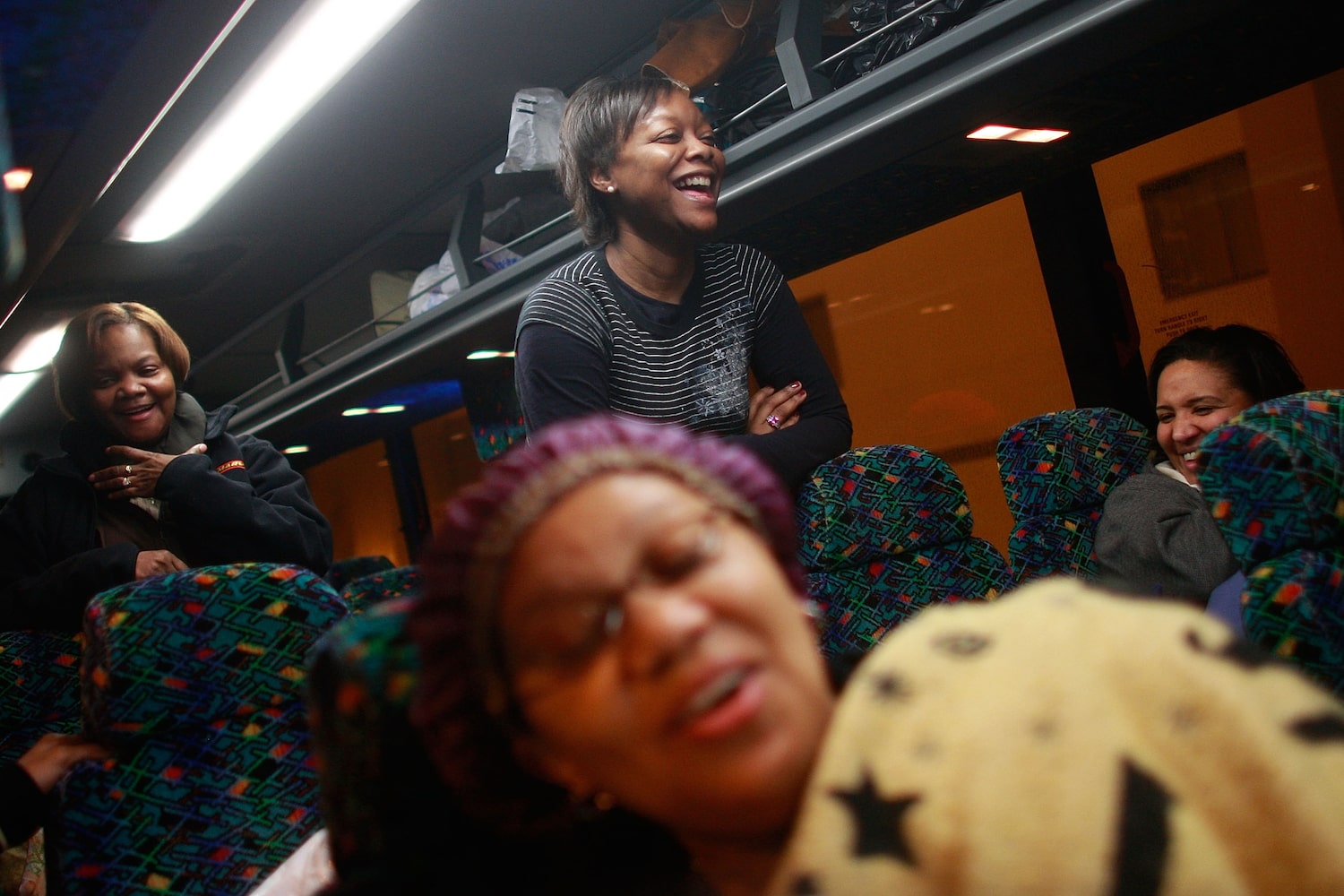
Decades later, a group of Black women on a book-club outing were removed from the Napa Valley Wine Train for “laughing too loudly”; they settled their racial discrimination lawsuit against the transport provider in 2016. Even more recently, during the last American electoral cycle, Donald Trump and the far right routinely derided Democratic presidential nominee Kamala Harris’s laugh, mocking her as a “cackling witch,” “crazy,” and “Laffin’ Kamala” – references that are clearly racialized and gendered.
Taken together, these examples seem to affirm popular readings of Ralph Ellison’s essay, An Extravagance of Laughter: that the distinctive sounds, styles and tonalities of Black laughter are shaped by white supremacy. In some instances, as they say, we laugh to keep from crying. But if we expand our lens beyond the more predictable, trauma-based narratives, Black laughter is revealed as much more than that. It’s a distinctive cultural lineage, an inherited grammar and a profound public expression of joy.
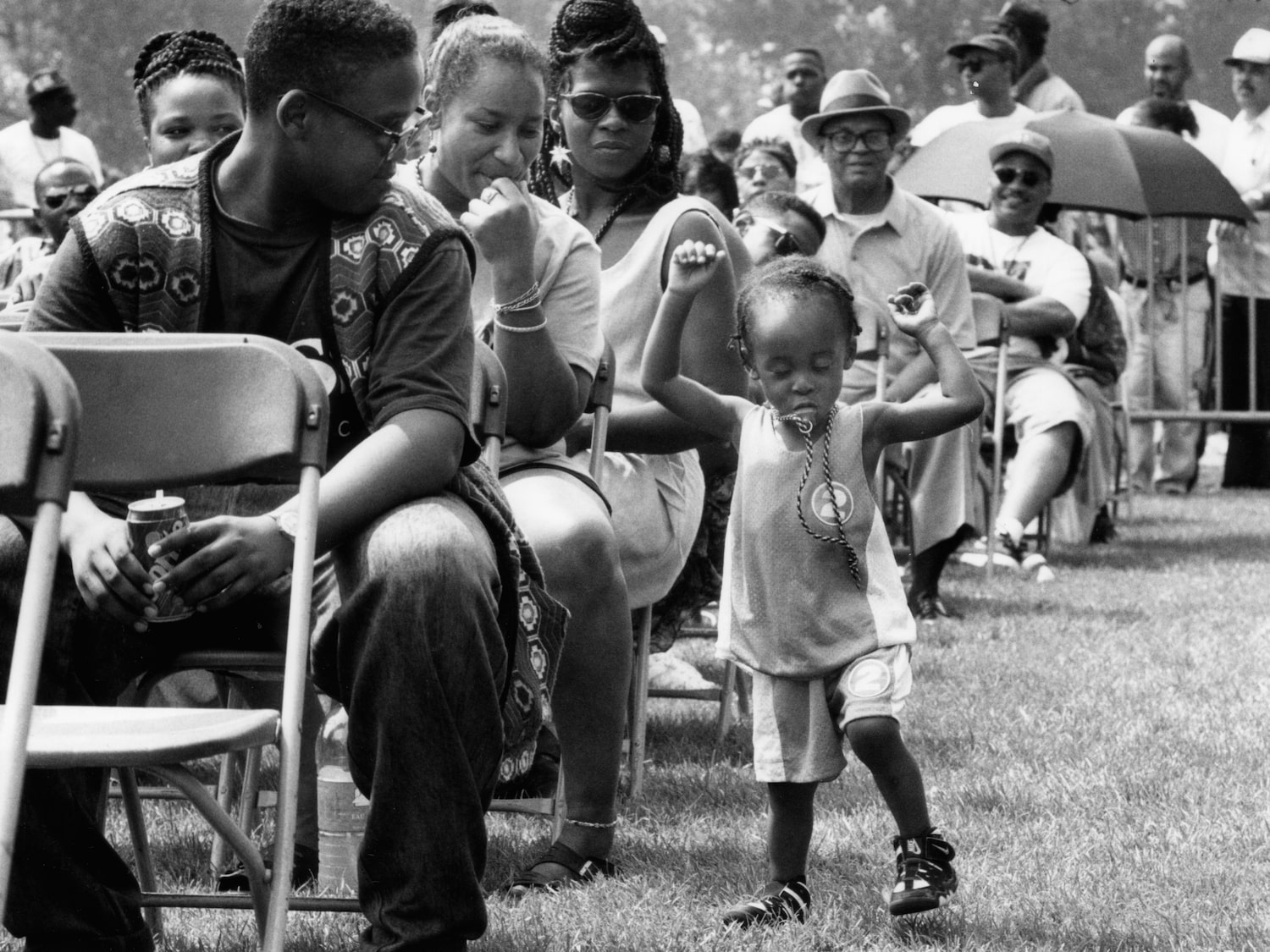
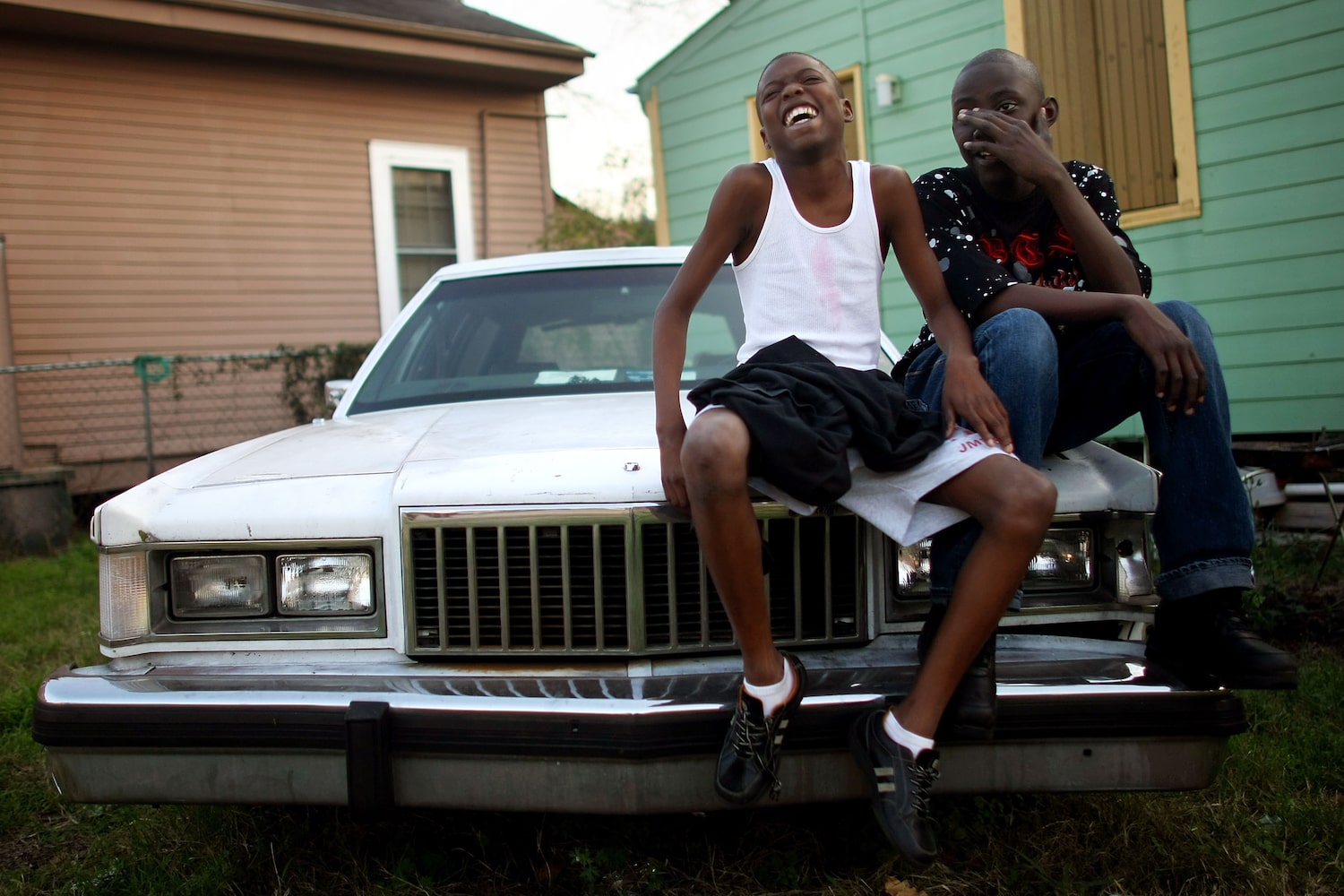

Within the fields of psychology and sociology, laughter is defined as a response to incongruity, and a social practice in response to jokes. Anthropology frames laughter as an evolutionary bonding gesture, signalling a sense of safety and community cohesion. It’s generally understood as a paralinguistic cue or punctuation, but not as a language unto itself.
Laughter in many Afro-diasporic traditions both aligns with – and obliterates – these frameworks. Black laughter is more generative than reactive. It often precedes a verbal greeting; it can be embedded within the joke, as a refusal to wait for the punchline; it can be an expression of self-pride prior to external validation. It is in the spectacle of carnival: part pageantry, part mockery of power.
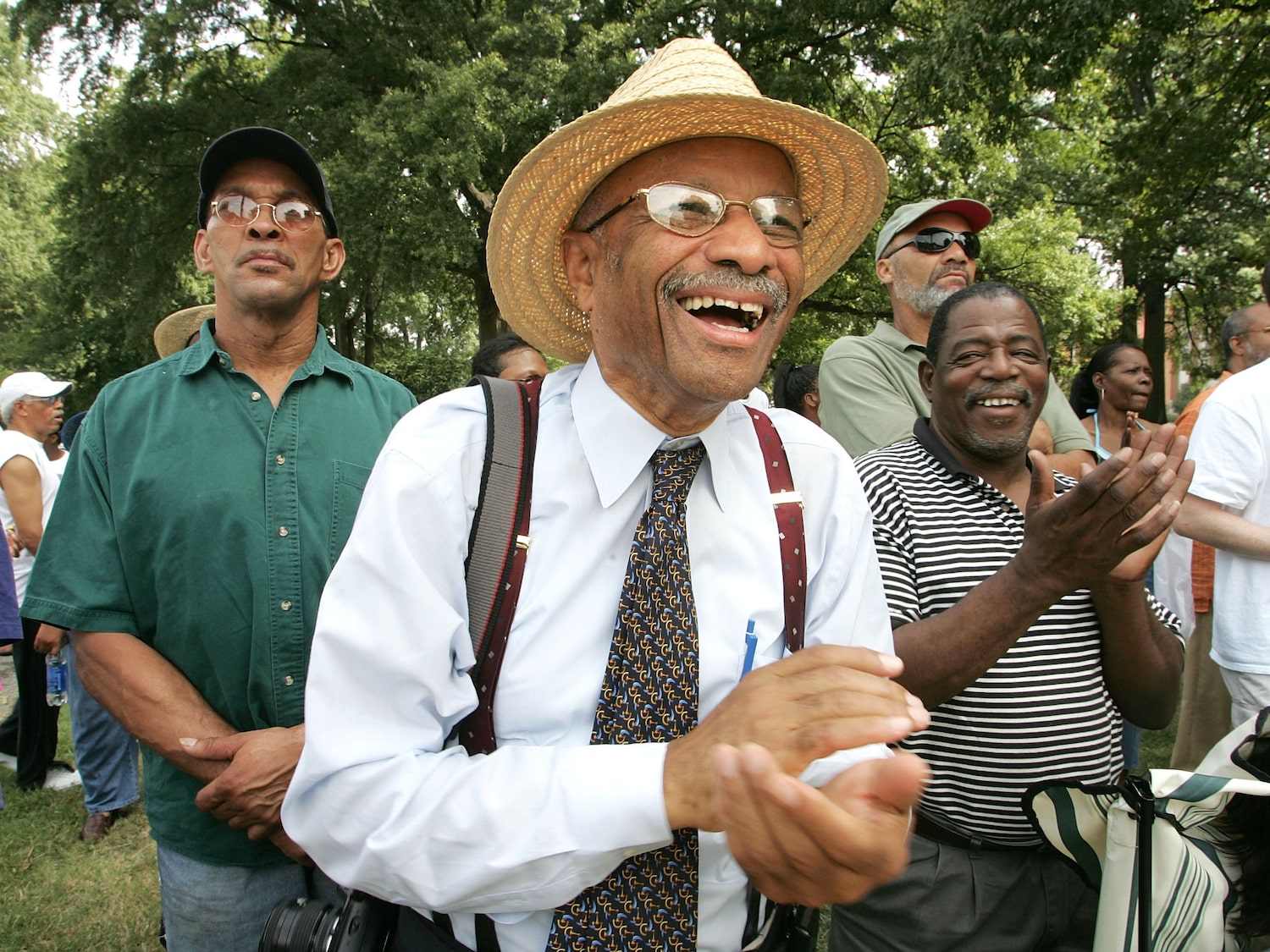

It travels at the speed of memes and GIFs across online culture. It can be a form of imaginative world-making: a type of cultural improvisation that wills public joy into existence.
It was this kind of laughter that uplifted me through every place I visited and every conversation I had while researching for and writing my book. I heard it when Ikem Opara, director of National Learning Partnerships at the Rideau Hall Foundation, told me about his ancestral home in a small Nigerian village. When his father, Sylvester Ndukamma, presented plans to build a house that would disrupt the Path of the Old Ones, a sacred place in the village, the elders urged him to relocate it. He complied, building the home just beyond the path with a 150-metre stretch running through the family compound, where Ikem played as a child and where bicycles and mopeds regularly passed through. Sylvester has since passed away, but Ikem told me he can still hear his own childhood laughter rising from the path as he imagines his father walking that same route alongside his ancestors, sharing stories and laughs with those on the other side of the spiritual world.
I heard it in the story that Emmy Award-winning journalist Orlando Bailey shared about his grandmother’s home in Detroit. Mamie Adam’s living room served as a semi-public space where she offered refuge to community members in crisis, and where people gathered to discuss local politics and organize. However, in the early 2000s, Orlando recalled seeing unfamiliar faces there: developers seeking to purchase her home, the last holdout, so they could build a strip mall on the Lower Eastside of Detroit. Knowing the value of her home and the community it had long nurtured, she skillfully negotiated a fair price. When the developer asked if there was anything else he could do for her, she quipped: “You can help me pack.” Each time Orlando tells this story, we both erupt in triumphant laughter.
And I heard it in unexpected places, too. I was on a community tour guided by Elders Mary Mitchell and LueElla Hardin Marshall through Orange Mound, one of the first Memphis communities developed by African Americans, built atop the former Deaderick Plantation. After visiting several sites, we came upon an old home with transom windows. They explained that it was previously owned by a woman who created discreet encounters, catering to individuals unsatisfied in their marriages, queer folks who couldn’t openly explore their desires elsewhere, and parishioners intent on upholding their pious reputations. She curated “set-ups” in the common room before liaisons – music, a small alcoholic beverage and a light snack – and was gifted at perfectly timing entrances and exits. I still remember them laughing as they described the host’s stealth and intelligence.
Black laughter showed up not only in the moments I documented, but in deeply joyful and intimate exchanges with the individuals featured in the book. I began to gather and analyze audio portraits of these and other intimate sonic moments, and noticed certain patterns and distinctions emerging. It led me to develop what I refer to as the Black Laughter Taxonomy. For example, there’s “The Kiki”: laughter laced throughout gossip, those juicy, indulgent sessions of connection and disclosure. There’s the “I Screamed/Scrumpt,” contemporary digital vernacular that culturally elevates the basic LOL, and the “I’m Dead/Deceased,” a hyperbolic way of expressing laughter so intense it feels life-threatening. Other forms of Black laughter, like many expressions of Black public joy, are physical. Take the “Fall Out,” which describes the literal experience of collapsing onto the ground from laughing so hard, or the “Run Around in a Circle,” when a person becomes so overtaken by a laugh’s force that they begin moving through space to release it.
These and other categories of Black laughter – spanning audible expression, digital language and embodied movement – reveal its cultural specificity and its broader civic significance. In this moment where systems and spaces are crumbling, Black laughter can model how we all, regardless of identity, might navigate unprecedented collective uncertainty.
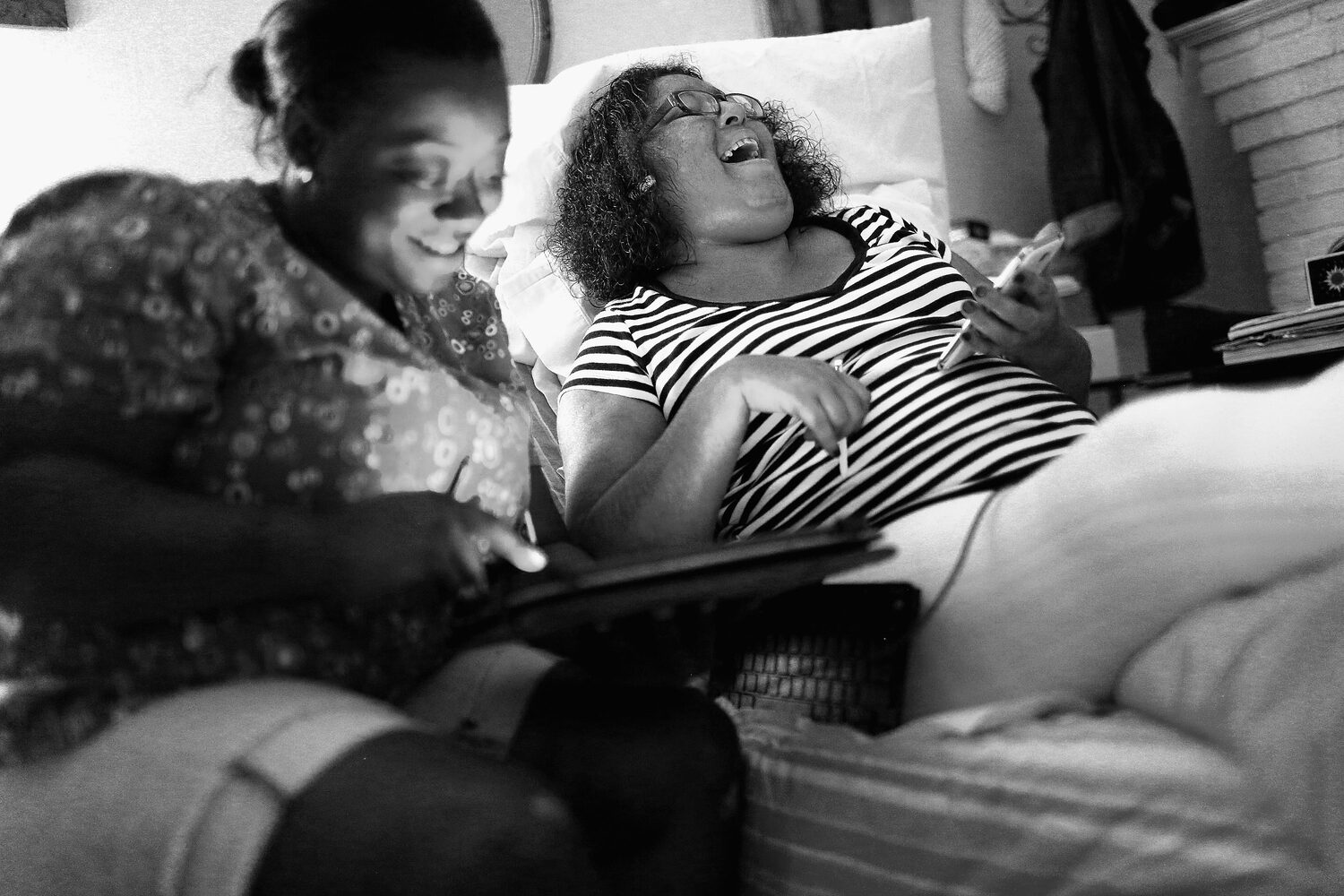

It shows us that, regardless of our material circumstances, we must insist on audible expressions of public joy – not as denial of stark injustices, but as a clarion call for moments of collective release and relief.
To insist on laughter now is to act out of place, to be deliberately raucous and defiant, to disrupt cycles of constant grief and fear-mongering, and perhaps most of all, serve as a personal healing and homecoming.
That brings me back to the moment I was recognized as my daughter’s mother by my laugh, and what it crystallized for me: Although tremendous focus is often placed on Black people’s intergenerational trauma, we carry profound intergenerational joy. Since the days of the auction block, and well before, Black laughter has risen from despair, been woven into celebratory ritual, and wielded as political dissent.
It is part of our lineage, a rich cultural inheritance passed down from one generation to the next. It is at once culturally distinct and universal, affirming all people’s capacity to cultivate, express and transmit joy – especially during seemingly joyless times.