Brigadier-General (Ret’d) Serge Labbé was deployed twice to Afghanistan with the Canadian Armed Forces in 2004 and from 2007 to 2008. After retiring in 2008, he advised the ministry of rural rehabilitation and development and the ministry of interior affairs in Kabul, as well as the office of the NATO senior civilian representative for Afghanistan.
In the days leading up to the fall of Kabul on Aug. 15, 2021, senior U.S. officials repeatedly expressed utter disbelief that the Afghan National Defence and Security Forces (ANDSF) they had spent nearly two decades training had collapsed so catastrophically.
They shouldn’t have been surprised.
The fall of the Islamic Republic of Afghanistan began 20 years earlier with the start of the so-called “liberation” of the country under the U.S.-led Operation Enduring Freedom. That mission was solely focused on killing or capturing the al-Qaeda leadership and their Taliban hosts, and on pursuing America’s national interests with little thought to the fate of the Afghan people. The fatal mistake they made is that they forgot that it’s always about the people.
Most of us in the West made the same mistake. But in my work with Afghans – both in uniform and as a civilian – I came to love them.
Five years after Kabul fell, Afghan women’s fortunes are still falling
Opinion: It’s time we talked to the Taliban
Between 2007 and 2008, I commanded a team embedded into Afghan government non-security ministries and agencies charged with building human and institutional capacity, collaboratively helping develop the processes and procedures necessary to better deliver on their programs, not ours, by facilitating rather than dictating. In this way, we gained the trust and confidence of those we served – not easily won in a country that had been invaded and betrayed so many times by khareji (the word for “foreigner” in both Dari and Pashto, Afghanistan’s two official languages).
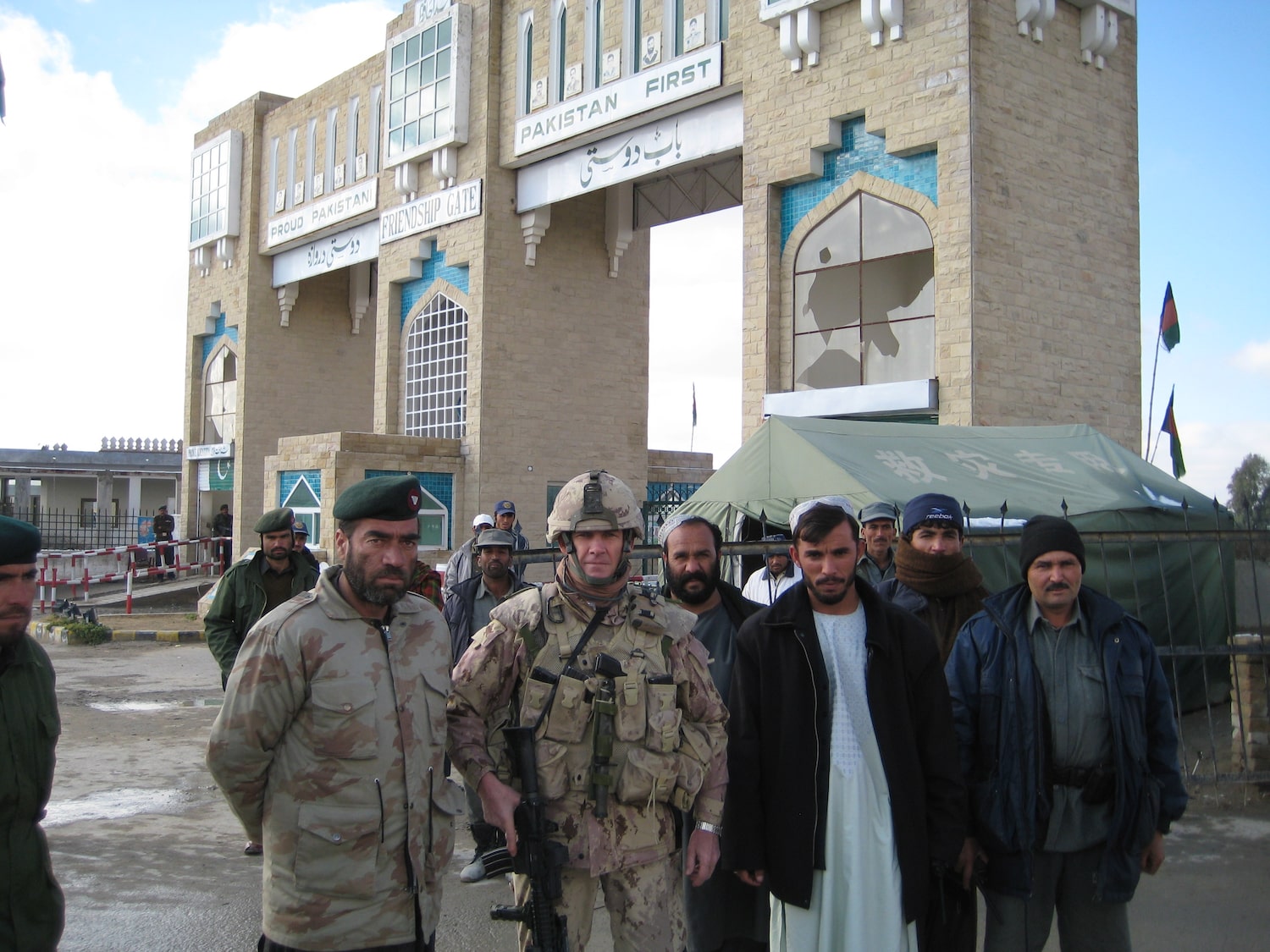
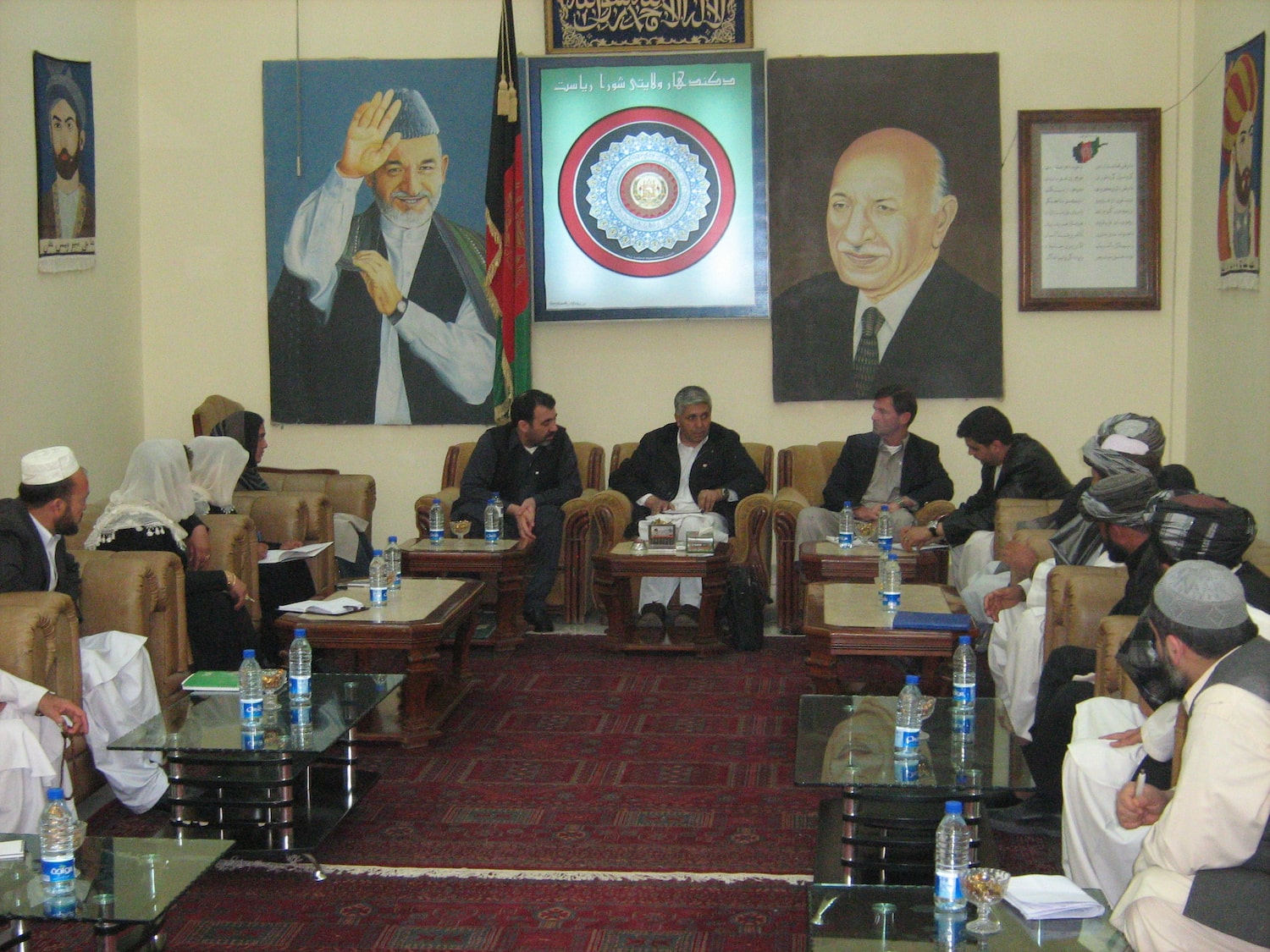
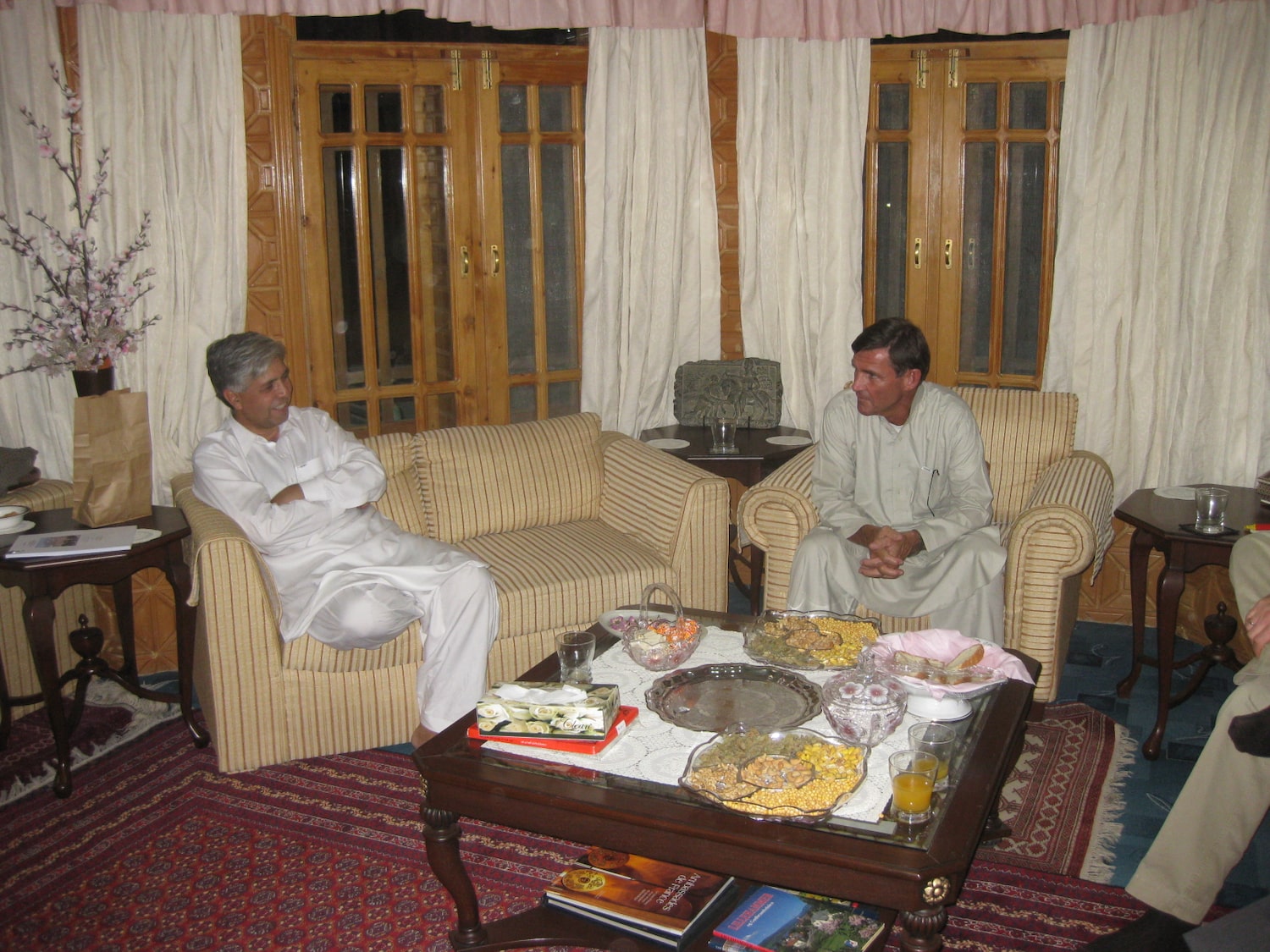
When I retired from the Canadian Army after 40 years of service, I served as a civilian adviser to the then-minister of rural rehabilitation and development, a competent and honest individual by the name of Mohammed Ehsan Zia.
One of my responsibilities was to facilitate travel for Mr. Zia and his senior staff to the most remote and volatile areas of the country to listen to the needs of the people first-hand. And whenever a planned airlift was unexpectedly cancelled, we would be offered accommodations by these communities, ranging from governors’ rudimentary guest houses to mud huts; we ate what the locals could afford to spare.
Over the course of my six years of engagements in Afghanistan, this work became personal for me. I lived with Afghans, slept in their homes, ate meals with them, laughed with them and mourned the losses of far too many. I know that Afghans are generous, hospitable, sincere and have a strong sense of family. I genuinely thought we could turn the country around.
How did it all go so wrong?
A top-down approach

Afghanistan's then-president Ashraf Ghani, centre, receives applause from then-U.S. vice-president Joe Biden and then-House speaker John Boehner during a speech at a joint meeting of the House and Senate in Washington in March, 2015.Chip Somodevilla/Getty Images
In the course of my time working either in or on Afghanistan, I witnessed a propensity by the international community to want to solve Afghan problems for Afghans, rather to sit down and help them develop Afghan-inspired, -owned and -led solutions. As a result, when the West left the country in 2021, they were not empowered or prepared to assume full responsibility for their governance, security and economic development. Notwithstanding our best intentions (for the most part), we failed the country and the people by creating such dependencies.
Despite the billions of dollars and the hundreds of security, development and governance initiatives proffered by countries, international bodies and non-governmental organizations, the West would ultimately condemn Afghanistan to failure by committing a series of key strategic errors.
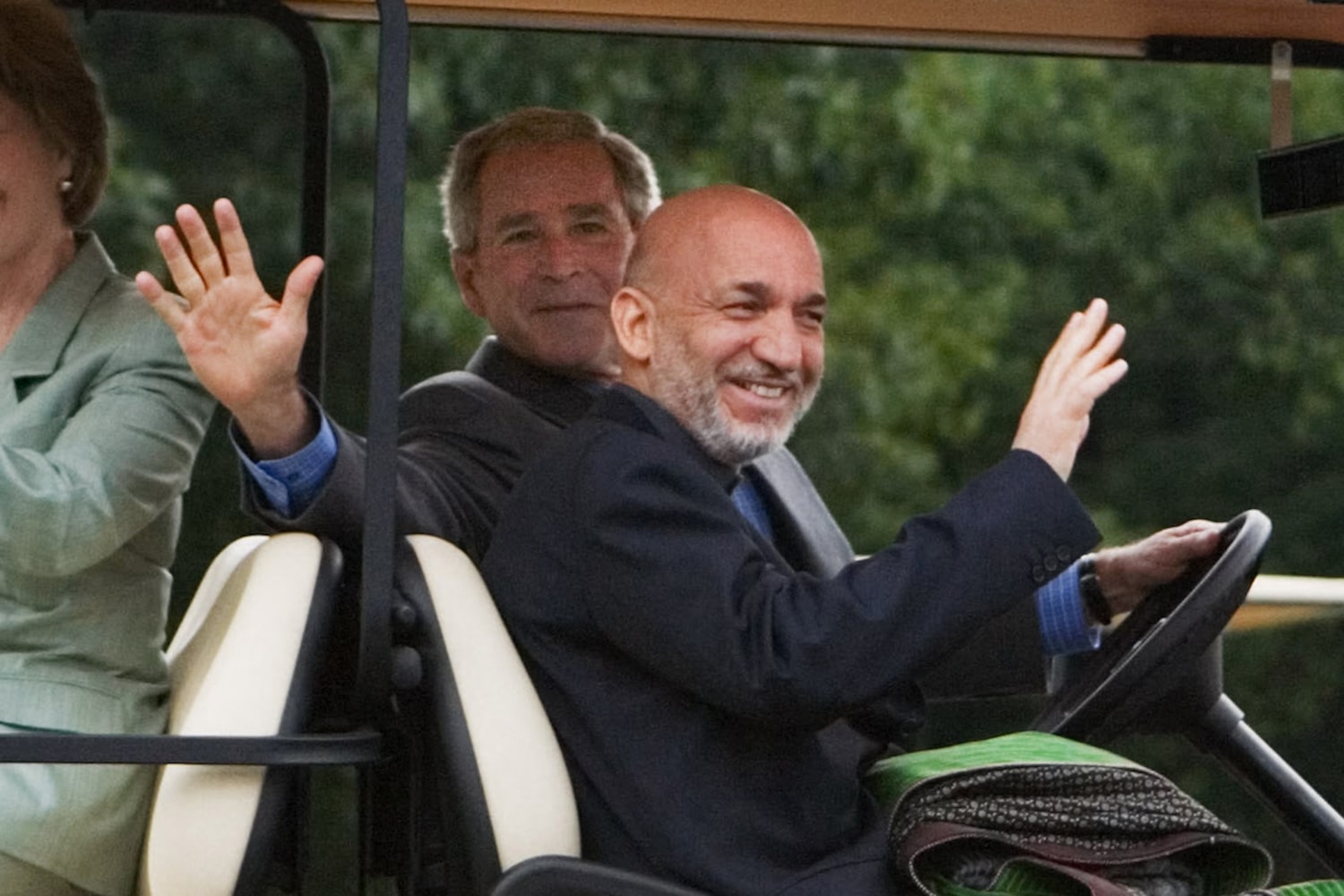
We failed to take a comprehensive approach to the delivery of security, development and governance assistance, synchronized at all levels – internationally and within Afghanistan itself, at national, provincial and district levels.
We failed to work with Afghan officials in developing a campaign plan fully integrating our efforts in support of the host country. Rather than support Afghan-led programs, we often forced them to adopt unsustainable initiatives, conceived in Western capitals, wasting billions on programs that ultimately failed.
Most International Security Assistance Force troop-contributing countries also failed by refusing to accept they were facing a virulent insurgency, choosing to take refuge inside their bases instead of prosecuting a counter-insurgency campaign in support of Afghan security forces.
We failed, right at the start, to commit in a holistic manner to meaningful, genuine, coherent and sustainable capacity-building at all levels of government. And we failed at the end, by poorly articulating an exit strategy with few associated measures of effectiveness, when a clear strategy would have helped lead to a smooth events-based transition in due course.
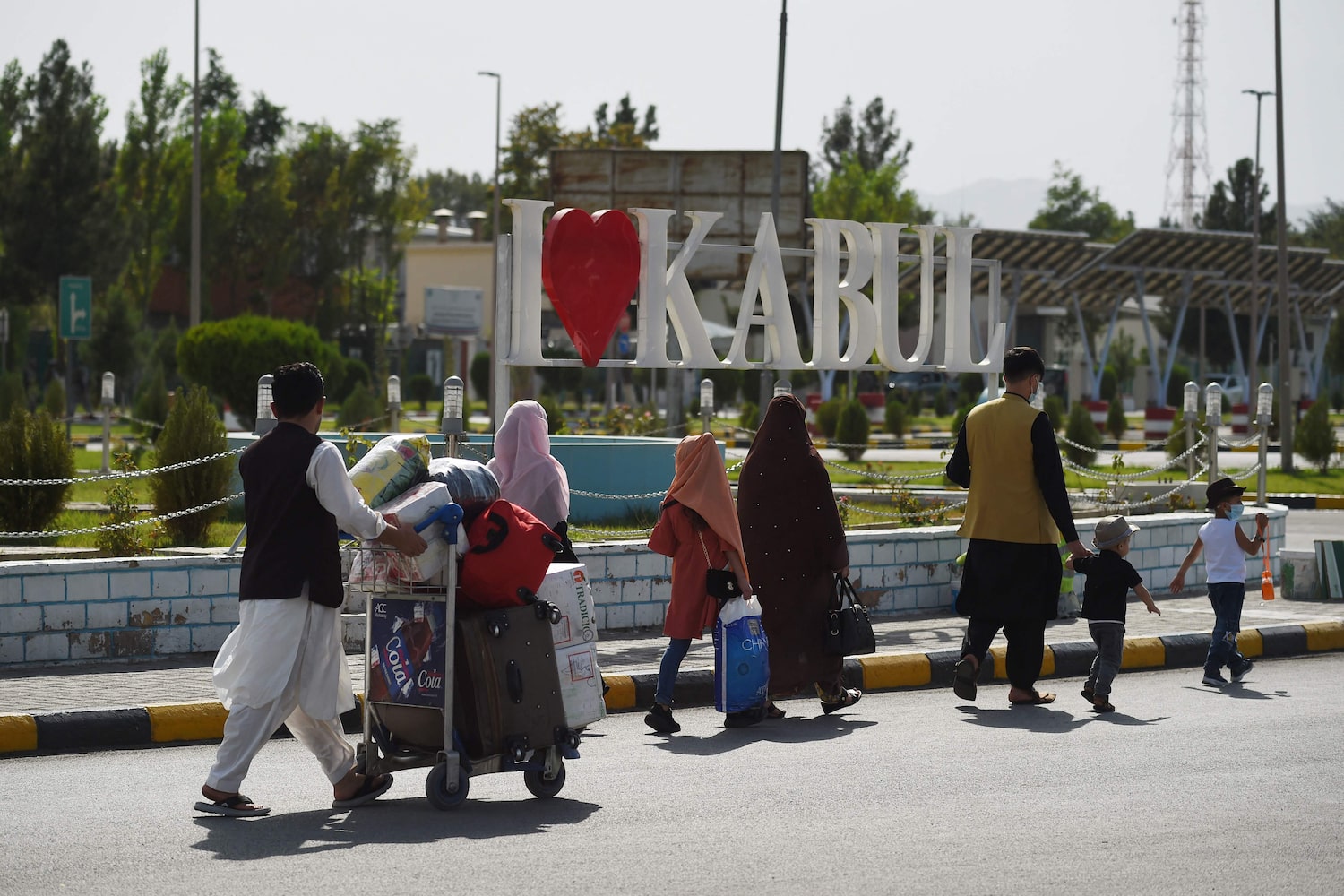
Too much of the international support also never made its way to the tens of millions of rural poor in Afghanistan. Our contracting protocols significantly contributed to the rampant corruption in the country, by failing to track the performance (or lack thereof) of the Afghan subcontractors and their subcontractors, who more often than not took the money and failed to deliver.
Let me be clear: My words are not aimed at the hundreds of thousands of people I admire: diplomats, development workers and military women and men who served selflessly under harsh conditions for years, fully intent on helping the Afghan people. Rather, I am laying blame on those policy-makers who failed in genuinely committing to a successful outcome.
Stuck in the middle

Haji Mohammed, 70, shows a list of U.S. bombing victims. Hoping to be admitted to a refugee camp in Pakistan in November, 2001, he risked the dangerous road to the border after his home in Kandahar was destroyed by a U.S. bomb. Seven members of his family and many friends are dead.DERMOT TATLOW/The Globe and Mail
The West also failed to track where all that money was going. In 2010, as Taliban violence reached an all-time high in Afghanistan, money that Washington had sent to Islamabad to fight al-Qaeda and other extremist groups reportedly was reapportioned by Pakistan’s notorious Inter-Services Intelligence (ISI) to fund Taliban operations in Afghanistan.
That means that U.S. taxpayers were effectively indirectly funding the insurgents killing American and Allied soldiers.
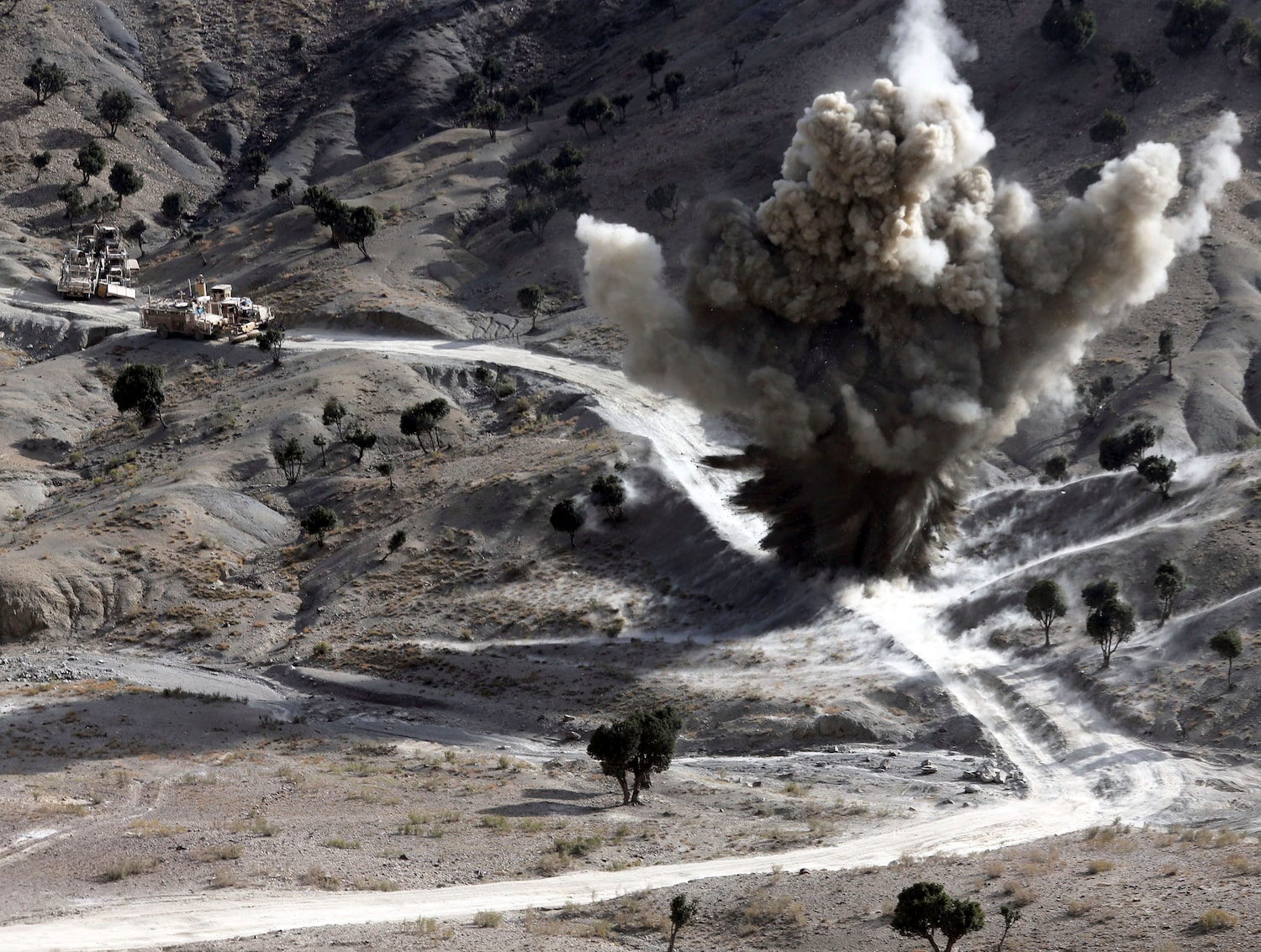
Indeed, Afghanistan has faced unique challenges as a result of being wedged between two countries committed to the subjugation of the Afghan people: Pakistan and Iran. In the Federally Administered Tribal Area (FATA) of Pakistan, as well as in major cities such as Quetta and Peshawar, the ISI helped Taliban leaders – many of whom operated out of Pakistan when they were out of power – plan for the fall of Kabul.
For the Pakistani military, the aim was to reinstall a regime in Kabul that would be deferential to Islamabad to create the strategic depth necessary to repel any potential invasion by its archrival, India – a myth it propagates to justify the military’s inflated budgets and nuclear stockpile. But the Taliban have since prioritized their own interests, including by supporting the Tehreek-i-Taliban Pakistan (TTP), a Pashtun militant extremist group, which has led to air strikes and artillery exchanges being launched along their shared border.
A bad deal

Then-president Donald Trump, centre, with Ashraf Ghani and then-joint chiefs chairman Gen. Mark Milley behind him at right, addresses military members during a surprise Thanksgiving Day visit at Bagram Air Field, Afghanistan, in 2019.The Associated Press
The events of August, 2021, became inevitable on Feb. 29, 2020, when the U.S. government and the Taliban signed the Doha Agreement. This treaty, which intentionally excluded participation by the duly elected Afghan government of Ashraf Ghani, was not about peace – it was an exit deal for the U.S. and its allies. With its endorsement, the U.S. government guaranteed the fall of Kabul to the Taliban.
Despite Donald Trump’s accusations that his predecessor Joe Biden should take the blame for the 2021 withdrawal, it was Mr. Trump who negotiated the conditions for the debacle the year before. It was Mr. Trump who, without the consent of the government of a sovereign state, committed Kabul to releasing 5,000 hardened Taliban prisoners from the U.S.-built facility in Parwan, who then immediately joined their brothers in the fight against Afghan security forces and innocent civilians. And it was the Trump administration that decided to sideline the Afghan government in negotiations with the Taliban.
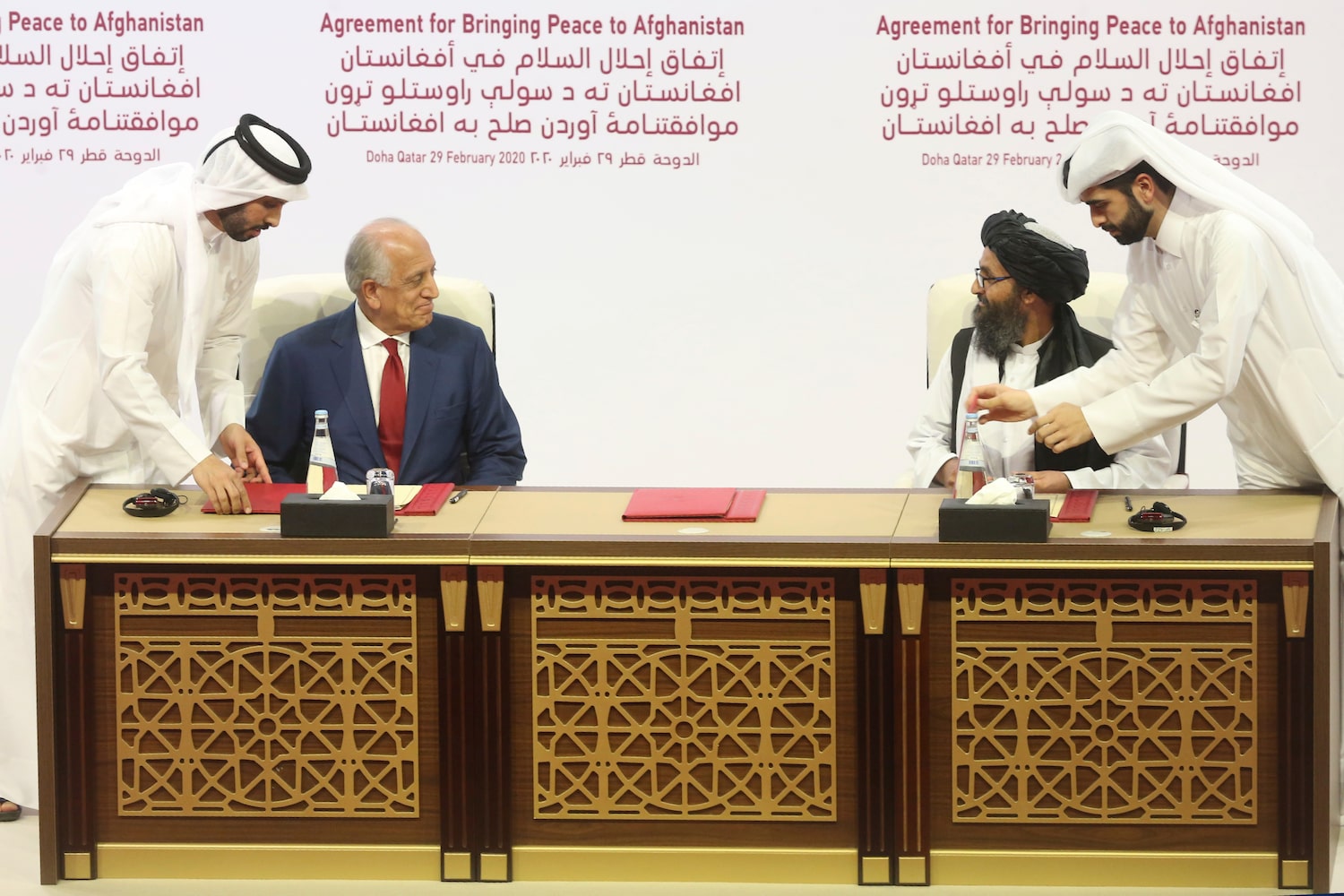
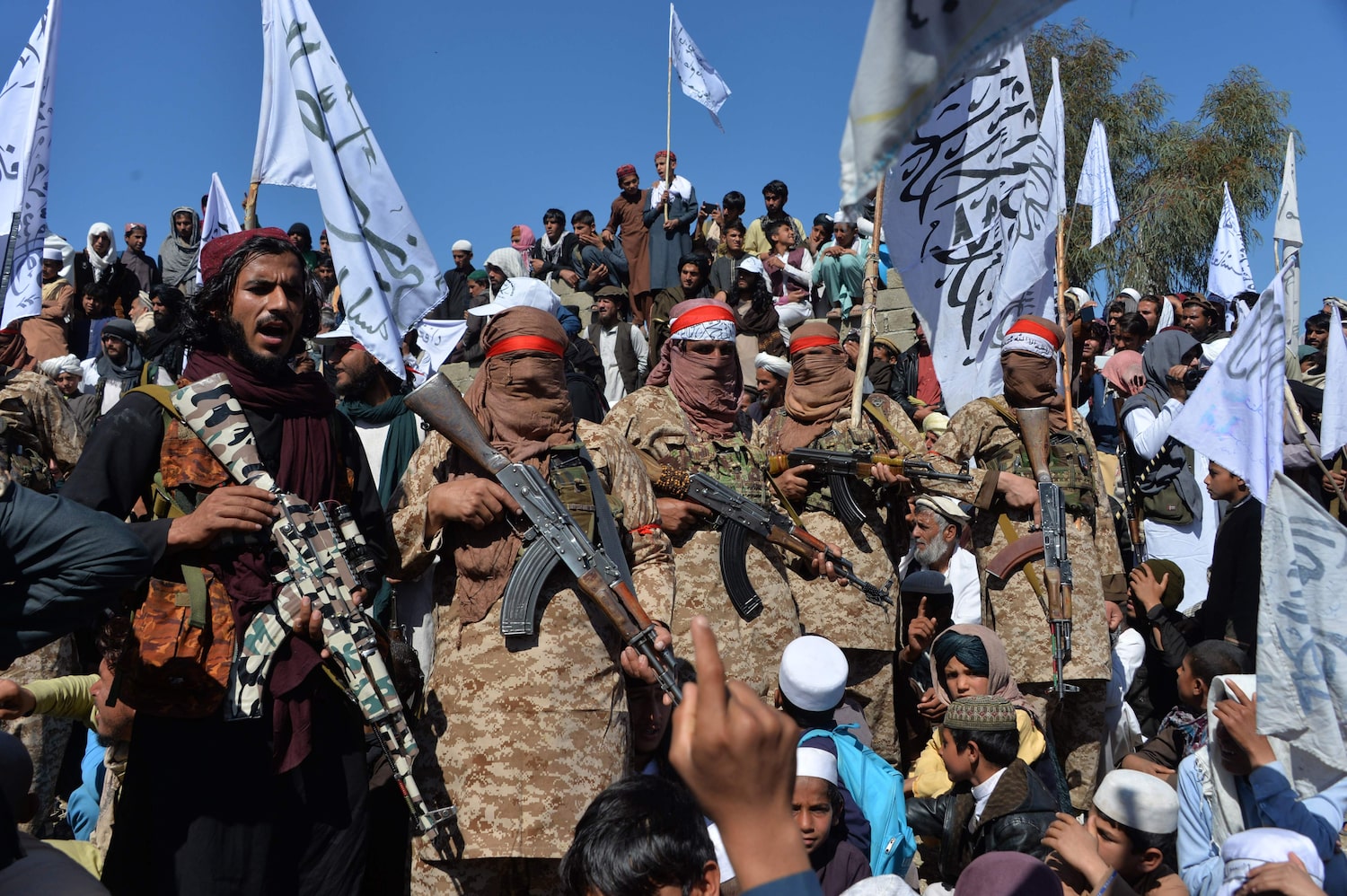
With the Doha Agreement in hand, the Taliban proceeded to rain violence upon the country, sparing no one save internationals. Any vestiges of constructive relations between the Trump and Ghani administrations crumbled into outright antagonism, too – and why not, since Mr. Trump had effectively sold out Mr. Ghani, his government and, most importantly, the Afghan people.
But Mr. Ghani deserves his share of the blame.
An abdication of leadership

Afghan President Ashraf Ghani speaks near the Hazrat-e-Ali shrine to celebrate Nowruz, which marks the Afghan new year and the first day of spring in one of the country’s biggest festivals, in Mazar-i-Sharif on March 21, 2019. On August 15, 2021, he secretly escaped the country with his family.FARSHAD USYAN/AFP/Getty Images
I first met Ashraf Ghani in 2008, when he was finance minister in the Karzai government, and we continued to pursue an amicable relationship when I was redeployed to Afghanistan from 2007 to 2008. I benefitted greatly from his intellect and thorough knowledge of the Afghan nation – he was once touted as a shoo-in to become president of the World Bank – and I worked closely with him on the development of the international Kabul Summit Communiqué in July, 2010.
But however brilliant he was, he was a poor leader. In September, 2019, he and his rival, Abdullah Abdullah, both claimed victory in the presidential election, and despite months of U.S. mediation efforts, they both held duelling inauguration ceremonies on March 9, 2020.
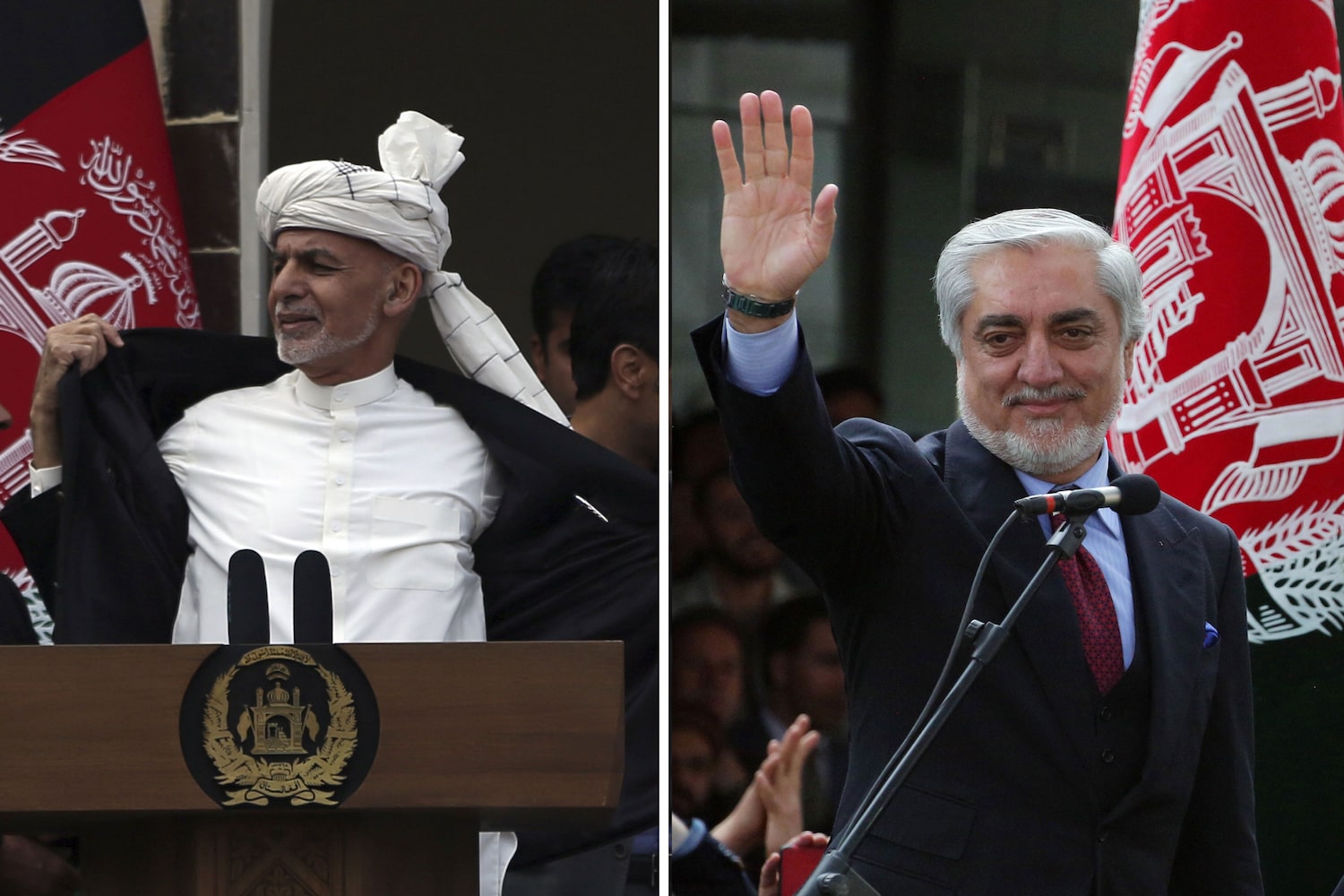
Although Mr. Ghani and Dr. Abdullah would eventually sign a power-sharing agreement in May, 2020, he became obsessively paranoid, much like his predecessor, Hamid Karzai. And, much like Mr. Karzai, nothing was ever Mr. Ghani’s fault.
He increasingly surrounded himself with only the most loyal individuals, entrusting them with far-reaching responsibilities for which they were wholly incapable of undertaking, marginalizing elected officials and further weakening institutions of state. He and his two closest associates – national security adviser Hamdullah Mohib and Fazel Fazly, the head of the Office of Administrative Affairs – would bypass ministers and micromanage the affairs of all ministries. Mistrustful of anyone he had not appointed, Mr. Ghani fired ministers, generals and senior officials who objected and replaced them with loyal incompetents. In the words of Khalid Payenda, who was finance minister from January, 2021, until one week before the fall of the government, “The president’s issue was his attitude; he humiliated people. All the good people left and those who were corrupt and those who flattered him stayed around and controlled everything.”
Mr. Mohib and Mr. Fazly were particularly adept at firing border police chiefs and replacing them with cronies without consulting the Ministry of Interior Affairs, which was responsible for the police. Elected officials, army and police commanders at all levels and civil servants abandoned their responsibilities in the absence of presidential or parliamentary guidance, focusing their efforts instead on extracting all available government funds and planning their escape from the country. As Mr. Payenda reflected, soldiers in remote areas were in regular contact with insurgents for months, while some of their commanders spent more time in Dubai lounging in hookah bars spending their soldiers’ pay than fulfilling their sworn responsibilities to the nation. “They were completely detached,” he said.
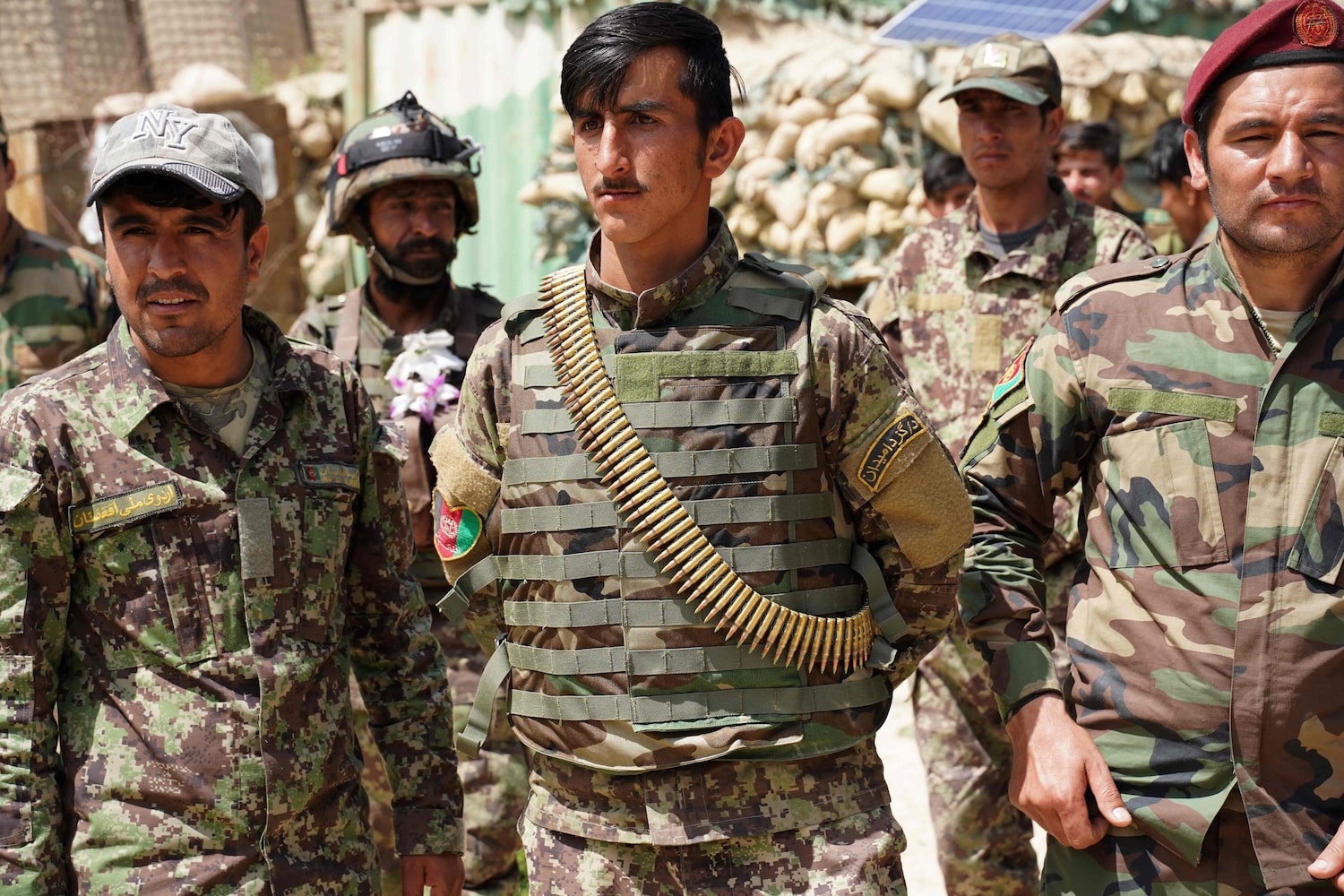
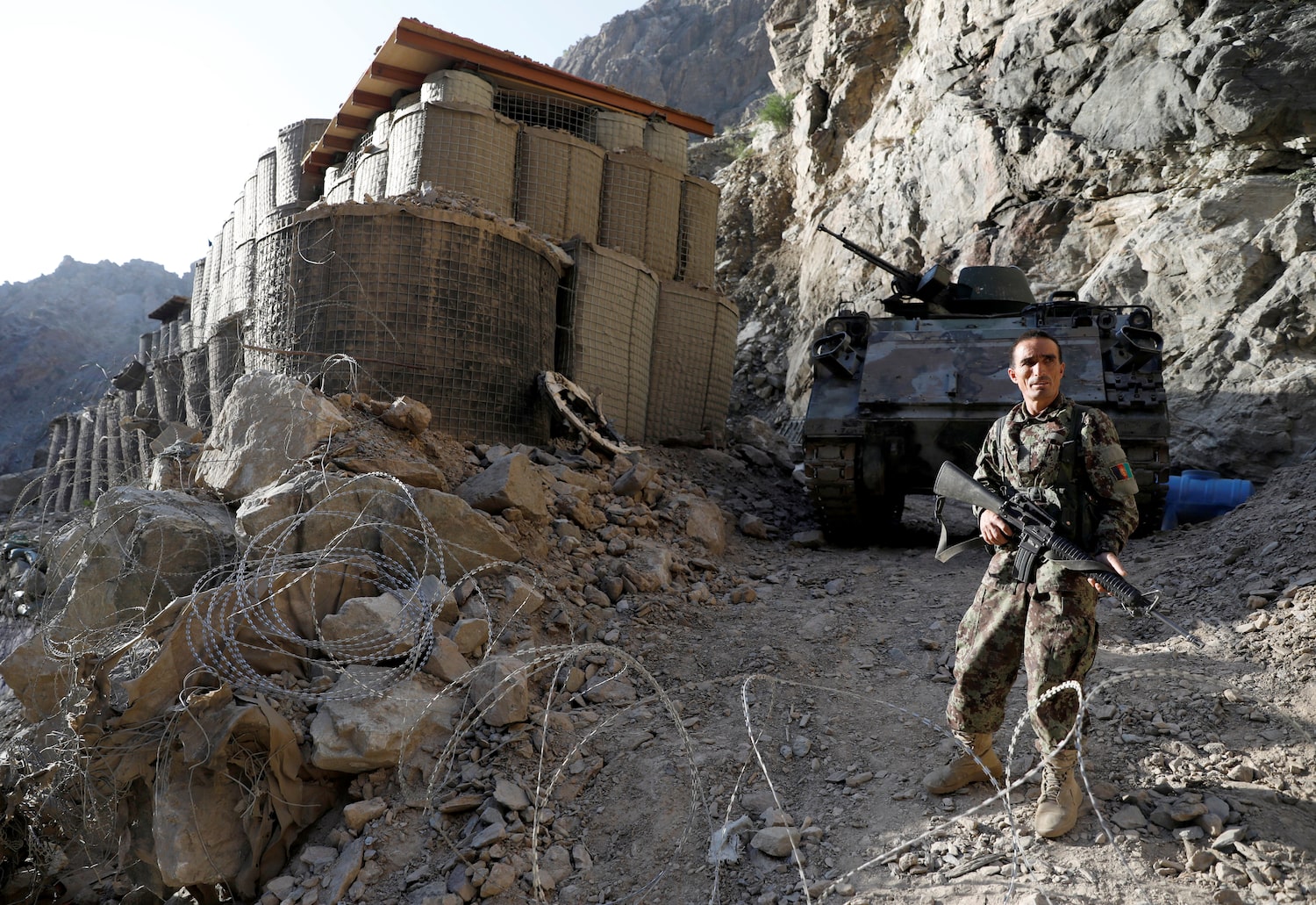
By January, 2021, Mr. Ghani had largely secluded himself in the Arg, the presidential palace in Kabul, shying away from most public appearances or press conferences. Having effectively neutered the ministries of defence and interior affairs, there was no coherent plan to defend against the Taliban. On the contrary, with a corrupt chain of command and lack of leadership, the army was disintegrating.
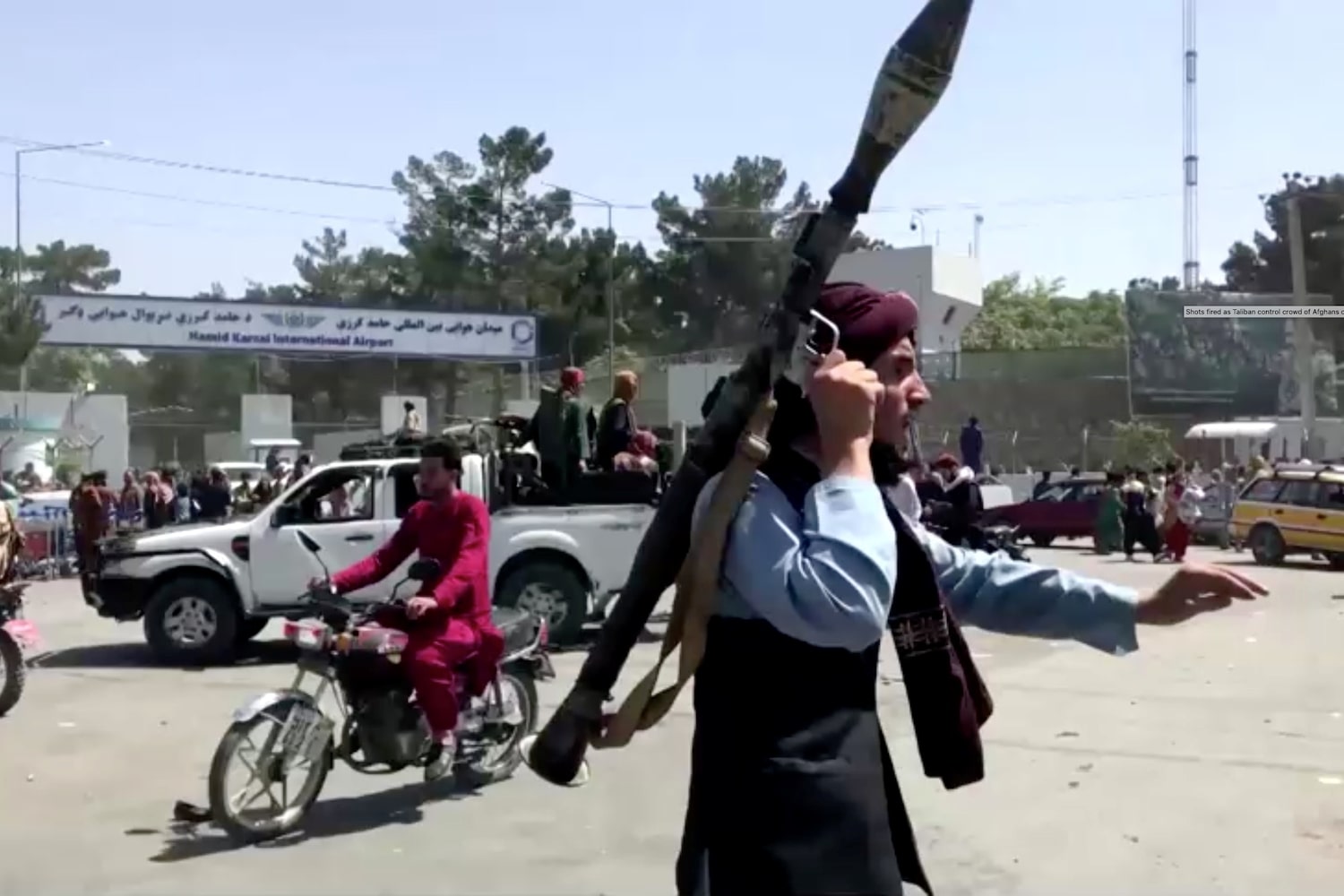
The final blow came when Mr. Biden announced, on April 14, 2021, that the drawdown of U.S. forces would begin on May 1 and be complete by Sept. 11. The announcement effectively constituted a green light – and a timeline – for the Taliban offensive. Supported by and, in some cases, led by Pakistani ISI officers, the Taliban launched their own strategy: a campaign of negotiated surrender. In rural district after rural district, the Taliban discreetly approached maleks and mullahs and convinced them to support their cause in exchange for peace, as opposed to bloodshed. They used a similar approach with the Afghan police, with considerable success.
As Afghanistan’s ostensible commander-in-chief, Mr. Ghani watched his armed forces collapse. In a fit of desperation, he coerced Gen. Haibatullah Alizai, the trustworthy and capable commander of the elite Afghan Special Operations Command, to report to Kabul on Aug. 11, 2021, and assume command of the remaining Afghan Army. They were collapsing, Gen. Alizai told me recently, because “virtually all of the eight corps commanders and most of their subordinate brigade commanders were incompetent and corrupt Ghani appointees … unable to lead troops.”
Inevitably, the ANDSF was forced to surrender to the Taliban’s onslaught. The good soldiers that remained fought valiantly to the death, but without the U.S. enablers they had depended on for logistics, maintenance and air support, they were overwhelmed by a force executing from Mao Zedong’s or Ché Guevara’s guerilla-warfare playbooks.
During the final days of the Afghan government, Dr. Abdullah and Mr. Karzai were engaged in talks with the Taliban to establish an interim administration. On Aug. 13, when Dr. Abdullah returned from unsuccessful negotiations with the Taliban in Doha, Mr. Ghani flew into a rage and vowed to fight “until the last bullet.” On Aug. 14, though, he began promoting a bloodless political solution. In the mid-afternoon, Mr. Ghani met with a select group of political insiders, including Mr. Karzai, Dr. Abdullah, Mr. Mohib, Mr. Fazly and foreign affairs minister Hanif Atmar in a short, acrimonious session. Most suggested that Mr. Ghani resign; remarkably, he agreed, and ordered for a delegation to return to Doha the next day to inform the Taliban and request a peaceful transition of power to a joint interim administration.
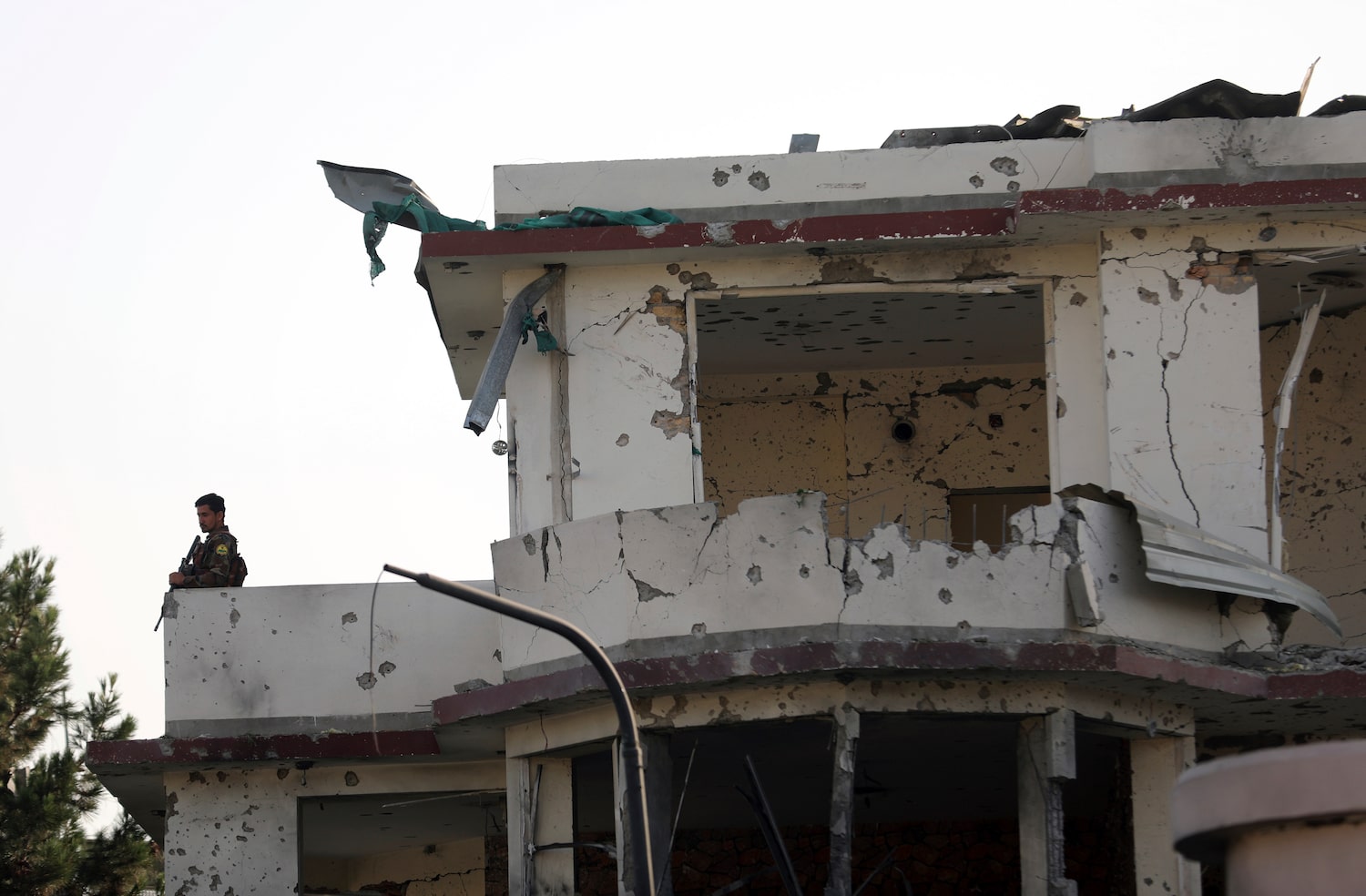
But by the early hours of Aug. 15, Jalalabad had fallen into Taliban hands, and it was basically over. With no functioning government, no one with any remaining authority aware of who was making decisions, and few security and police forces still at their posts, chaos and looting ensued. By the early afternoon, with the citizens of Kabul in a panic, Mr. Ghani, his wife Rula, his advisers Mr. Mohib and Mr. Fazly and a small entourage were secretly extracted by helicopter from the Arg, destined for Tajikistan. When Tajik officials denied them entry, the helicopters landed in Termez, Uzbekistan; from there, the UAE’s national security adviser had arranged for an executive jet to provide onward passage to Abu Dhabi.
Mr. Ghani abandoned his country with no notice of his intent. Later in the day, the Taliban entered the city virtually without incident to bring their own distinctive brand of law and order to bear – no joint administration necessary, since they now held all the cards.
The death of the dreams of Afghan women and girls

An Afghan woman leaves an underground school in Kabul in July, 2022.Ebrahim Noroozi/The Associated Press
In the negotiations leading up to the signing of the Doha Agreement, the Taliban publicly and privately pledged to safeguard women’s rights to education and work in accordance with Islamic law. Steady strides had been made in terms of freedom and political representation: in late 2010, while I was serving with the NATO Office in Kabul, there were 68 women in the Wolesi Jirga (Lower House) out of a total of 249 parliamentarians. And Mr. Trump’s ineffective envoy, Zalmay Khalilzad – an Afghan-American who transmitted these messages and really should have known better – repeatedly assured the international community that these commitments would be honoured.
However, as the sun set in Kabul on Aug. 15, 2021, so too did it set on the hard-earned achievements and dreams of so many Afghan women and girls.
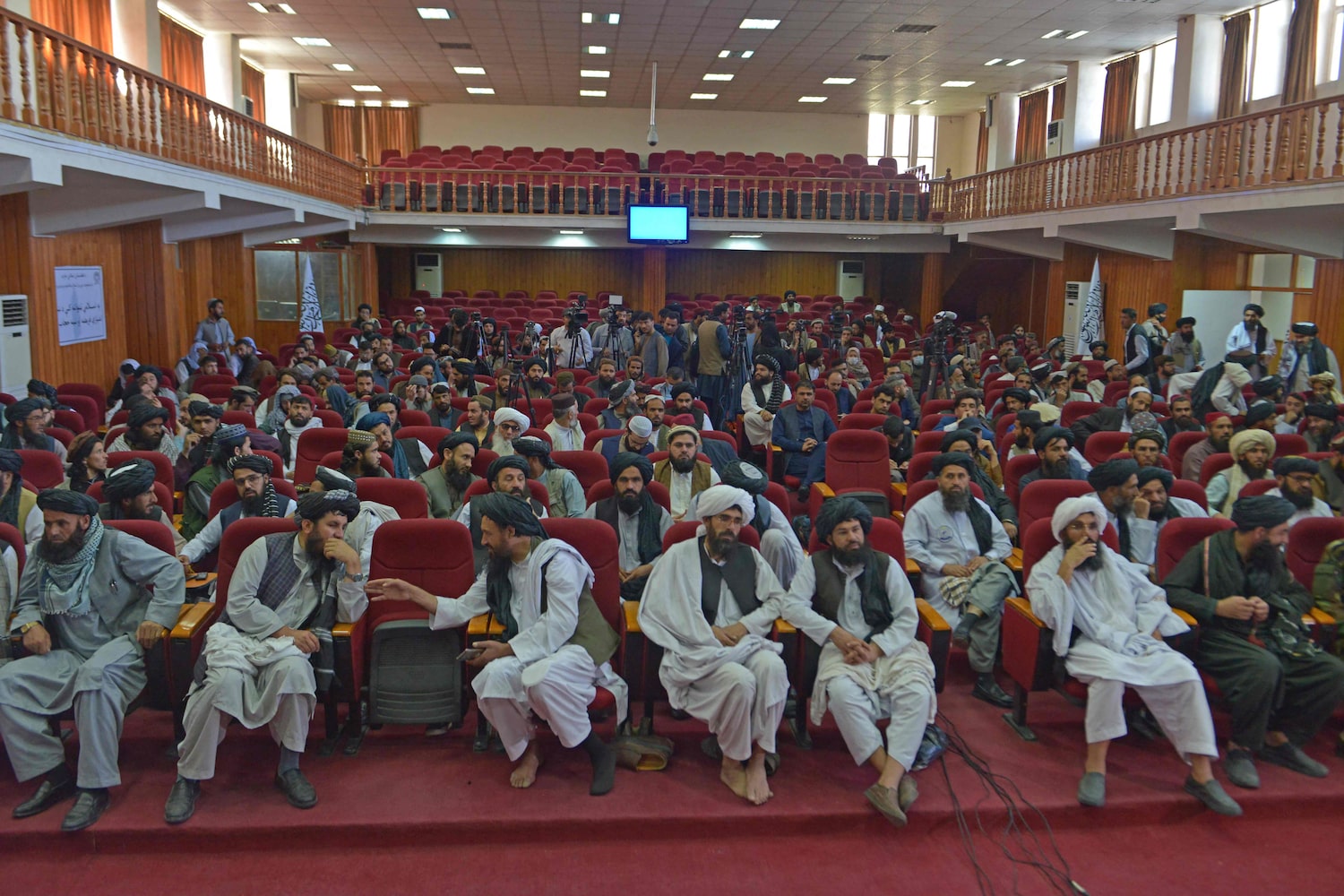
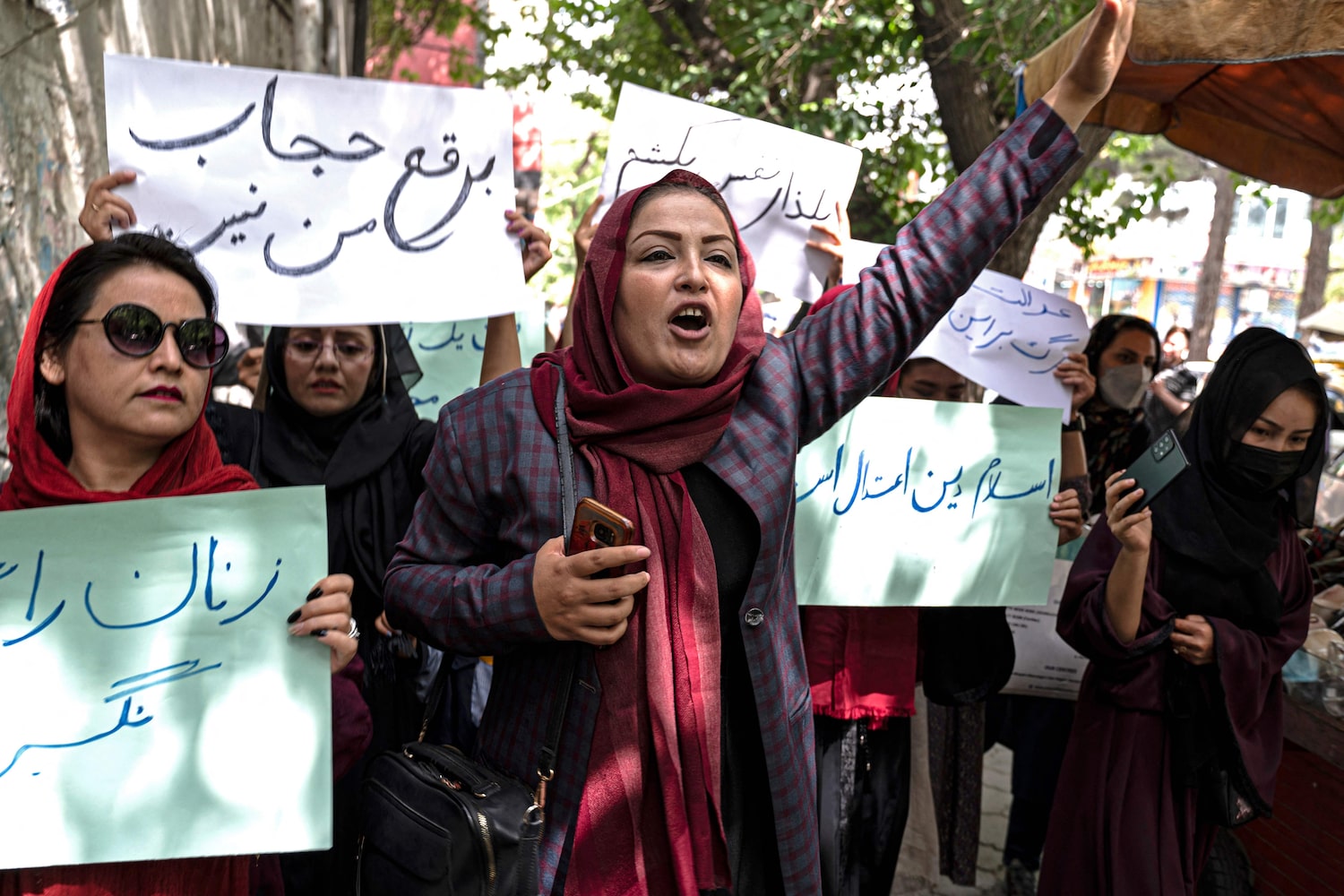
Over the past five years, hundreds and thousands of Afghan women and girls have been arbitrarily arrested, imprisoned and, in some cases, tortured. An unknown number have been killed, with many of their causes of death falsely recorded as “natural” after their families were forced to make coerced confessions. Others have simply disappeared. Countless women have been forced into marriage, and some have been handed over to foreign terrorists as “gifts,” or as “spoils of war.”
Under the Taliban’s reign of intimidation and the weight of deeply rooted social traditions, many who survived have been forced into silence. They continue to live with profound psychological trauma; others have seen no way out except to end their own lives.
“I stood against the Taliban’s extremist policies and decrees in defence of my own identity and the identity of Afghan women,” the human-rights activist Parwana Ibrahimkhail Nijrabi recently told me. ”For that, I was arrested in a manner that was cowardly and utterly devoid of human dignity, religious principles, cultural values, and even the Taliban’s own claimed code of Pashtunwali.”
She continued: “These crimes will remain a permanent stain on the record of the Taliban’s primitive and ethnically exclusive regime, and future generations will continue to bear the consequences of these atrocities. Today, Afghanistan has become both a graveyard and a roofless prison for its women and men, a country where, at least for now, hope seems painfully out of reach.”
It reminds me of the title of one of the books I read in 2003 before deploying to Afghanistan for the first time. It was written by Iranian-born author Siba Shakib: Afghanistan, Where Only God Comes to Weep.
What we wrought

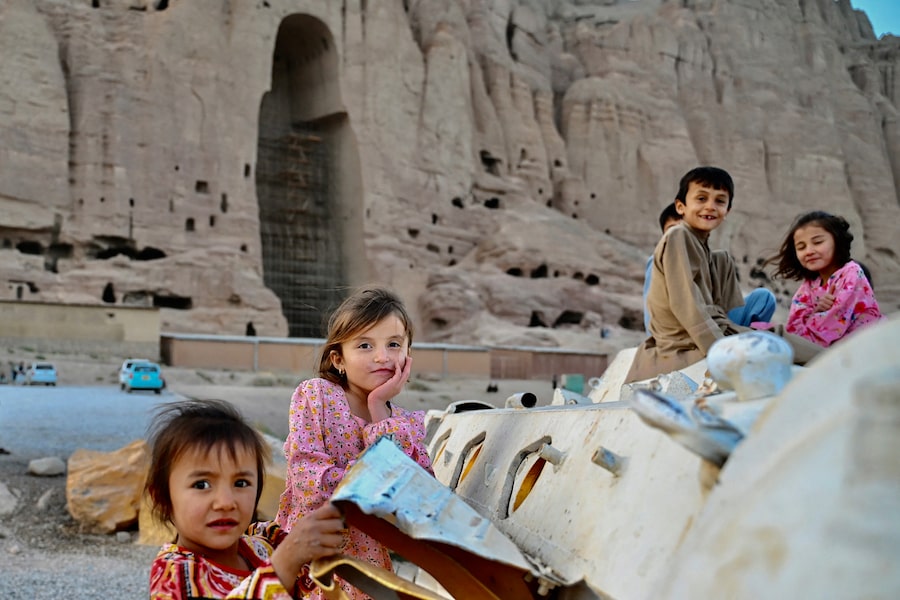
Afghan children play atop a Soviet-era military tank in July, 2026, near the site of the giant Buddha statues that the Taliban destroyed in 2001.WAKIL KOHSAR/AFP/Getty Images
So, what did the West leave behind in Afghanistan? As we have done so reliably since the Second World War, we withdrew leaving things far worse than before intervening.
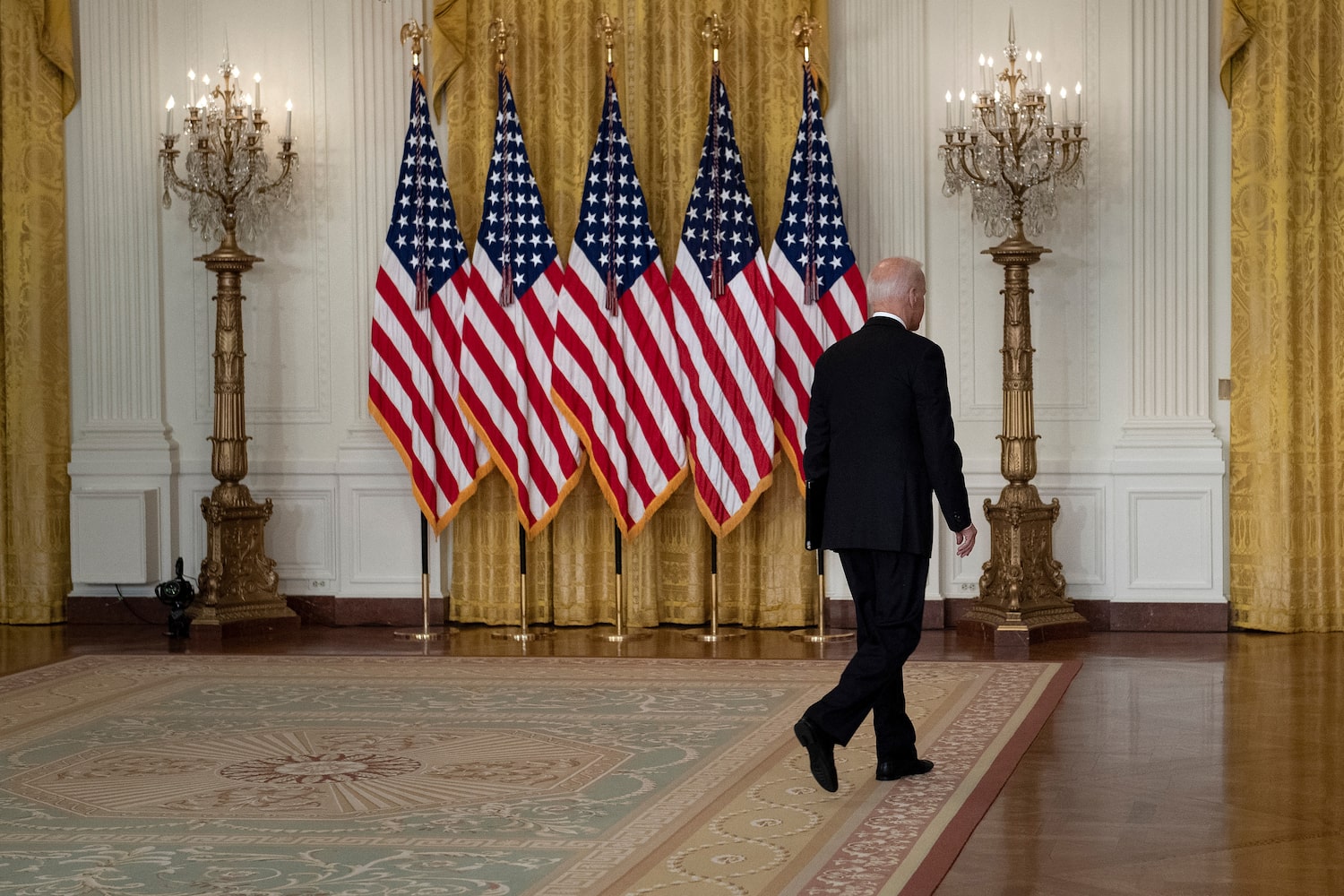
Kabul’s quick collapse may have been because of institutionalized corruption and weak leadership at all levels within the Afghan government and military. But it also lies with the international community: the devastating policy decisions by both the Trump and Biden administrations; the disjointed support of the wider international community, over two decades; a flawed U.S. model for security assistance; and for allowing Pakistan and the ISI to meddle in the internal affairs of a sovereign nation. And as was the case in Vietnam and Iraq, the U.S.’s efforts in structuring and training the Afghan National Security and Defence Forces failed over time, creating a foreign military that was addicted to Washington’s unsustainable support for its effectiveness, and resulting in its collapse when that support was withdrawn.
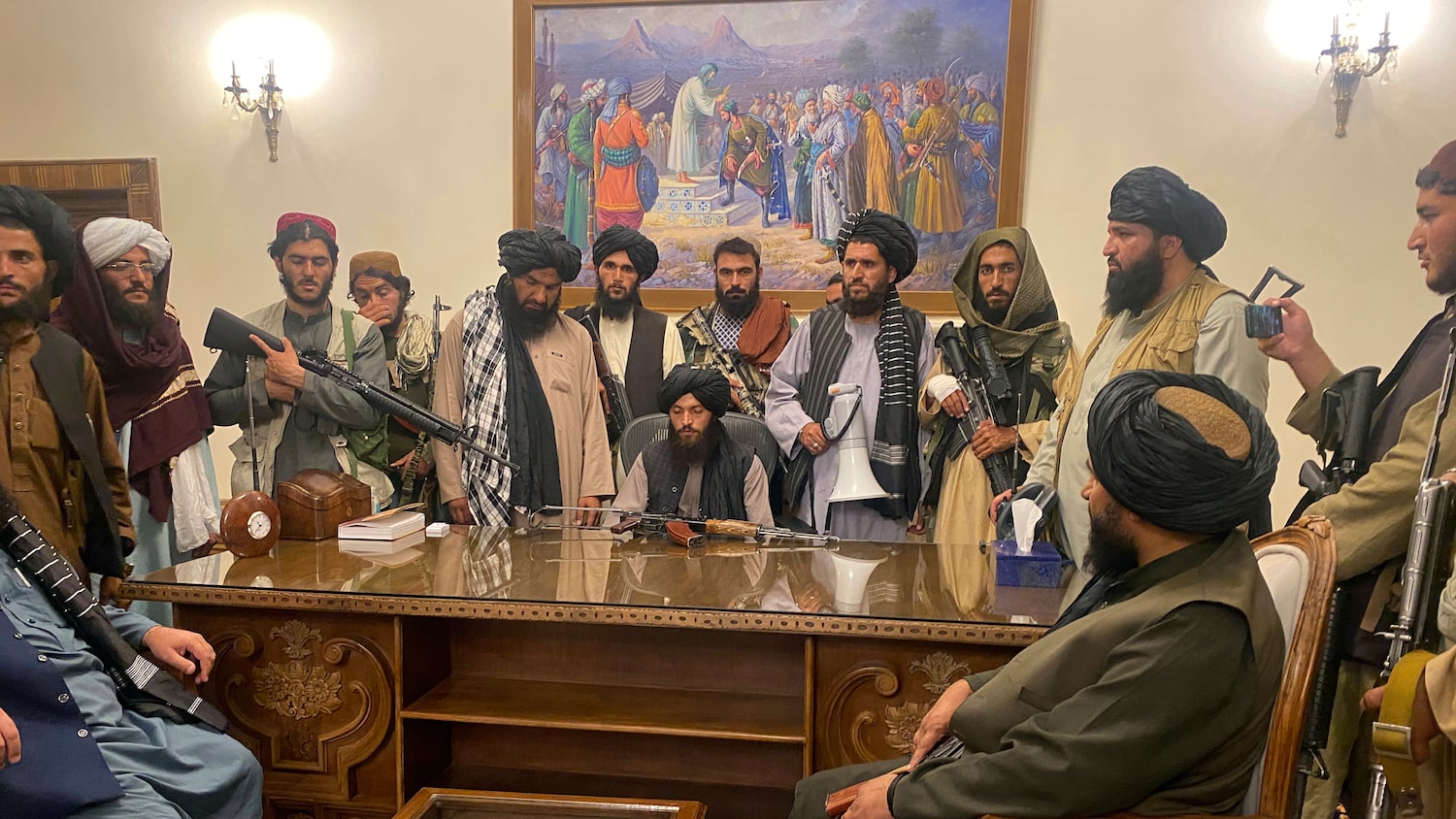
What’s more, the nexus between the Taliban and other terrorist groups is cause for concern moving ahead. Having largely forgotten Afghanistan, the West seems oblivious to what has become a hotbed of extremism and future violence through expanding networks of jihadist madrasas. There, hatred and violent ideologies are inculcated into the minds of millions of young boys – fuelling either the future of the Taliban, or worse, of extremist terror groups such as al-Qaeda and Islamic State. Equally alarming is the continued presence of some 20 foreign terrorist groups in Afghanistan, many of them maintaining historical, operational and ideological ties with the Taliban.
Having devoted more than six years of my life trying to make a difference for the people of Afghanistan, including by supporting a girl’s orphanage, with a view to providing them with improved living conditions, I feel I have failed.
But I’m not alone. In former finance minister Mr. Payenda’s moving words: “My heart is shattered for the youth of Afghanistan. These bright young women, who had ambitions and were going to make a difference for the whole country, are now confined to their own houses. In one week, they suddenly went from young hopeful Afghan females to nobodies who cannot go outside without a chaperone. It’s devastating. By choosing to flee, the president might well have secured a particular hatred in history for himself, but we all bear responsibility. Everyone who had a hand in the affairs of the past 20 years bears a responsibility. ... I see myself as part of the problem, part of a corrupt bureaucracy that had 20 years and all the world’s attention to secure a better future for Afghanistan, but instead betrayed its people.”
On the ground, international community interests consistently trumped implementation, all at the expense of millions of innocent people. So senior Pentagon officials shouldn’t have been surprised by the fall of Kabul five years ago; they, to include the international community, set the conditions for failure 20 years earlier.
Five years on, Canada, other countries pressed to learn from Afghan resettlement experience
But then, there are always silver linings. Two orphan girls that I sponsored were extracted from Kabul in early 2021 and graduated from Roger Williams University in Bristol, R.I., in May this year. Gen. Alizai has relocated to Virginia, as has Mr. Payenda, who often meets Mr. Zia at a local mosque for Friday prayers. Ms. Nijrabi advocates for gender equality and peace from Germany. And Zarar Ahmad Moqbel Osmani, the former Afghan minister of counternarcotics with whom I worked closely from 2010 to 2011, recently informed me that just before Eid al-Adha this year, Ashraf Ghani was deported from the UAE and now resides in Lebanon.
Sadly though, as I think of those proud orphan girls with a future in sight, I can only hope our next intervention gets it right. There is no light for them, nor for the thousands of soldiers, sailors, airmen and women, marines, diplomats and development workers who committed the ultimate sacrifice for flawed government policies whilst defending a proud and betrayed people over so many years. Afghanistan has been forgotten.