Opinion

The pride of Belgrade

Things are getting better for Serbia’s queer community, but it can often feel like two steps forward, then three steps back

Photography and writing by Andrej Ivanov
The Globe and Mail
Rose Quartz, right, and Star Big Heart (Zvezdana), middle, were two of the drag artists who came out to a celebration of non-binary people at Belgrade's XL Bar in 2022. Queer spaces like these offer refuge in a country where homophobia and Eastern Orthodox conservatism can make acceptance hard to come by.

Andrej Ivanov is a photojournalist based in Montreal.

Serbia has never been a very welcoming country for the queer community. Belgrade’s first Pride parade, in 2001, ended in violence. Even today, people still suffer oppression. The Serbian derogatory term for queer people gets thrown around in casual conversation quite often and liberally (although it is being reclaimed). There is still violence. The community is still used as a political scapegoat when necessary. There is still a fight to legalize gay marriage.

And yet, things are slowly changing.

When I went back to Serbia, my birth country, in April, 2022, I found that society approached the subject of queerness with a “Don’t ask, don’t tell” mentality.

Despite that, people felt comfortable enough to show their queerness more publicly, although in limited capacities. There was also a thriving drag and queer community and a handful of LGBTQ-friendly spaces. Most of it remained behind closed doors. This means no public displays of affection, no drag queens walking comfortably down the main streets to get somewhere, and a police-cordoned Pride parade.

Later that year, fear of violent clashes with right-wing protesters led to heightened security and a double police cordon during EuroPride, the biggest celebration of Europe’s LGBTQ community.

Open this photo in gallery:

‘Throw the fags in a blender,’ some graffiti reads near an electronics store on Terazije Street. It appeared about a month after 2022’s EuroPride ended, and took almost a week to scrub off.

These days, Serbia is still a hub for inexpensive, high-quality gender confirmation surgery. Until last year, the prime minister was an openly gay woman. Still, it can often feel like two steps forward and three steps back. That same prime minister was heavily criticized and jeered by the queer community during EuroPride for not contributing to queer rights. All the while, she remains the only LGBTQ person allowed to be married to her partner with whom they have an adopted child, neither of which as has been legalized in Serbia.

Despite that, the country’s queer community finds ways to co-exist and thrive. There is no other choice. There never was.

I was fortunate to grow up in Canada, surrounded by folks from all walks of life, in spaces that accepted everyone as they were. To me, it is a massive cognitive dissonance that a European country has still not accepted its queer community and moved past archaic mentalities.

These photographs examine how strong communities are formed, despite a general lack of acceptance and apathy toward them. It shows a side of Belgrade that people may not want to see.

A Belgrade spring, summer, fall

Since 1992, EuroPride has brought together queer communities from across the continent in a different city each year. Lisbon is the host city in 2025, but three years ago, it was Belgrade’s turn. At late notice, the Serbian President cancelled it, citing threats from right-wing extremists and frictions with Kosovo. Organizers vowed to march anyway, and weeks later, the government gave in.

These photos are from the tense months leading up to that day, and the weeks after.

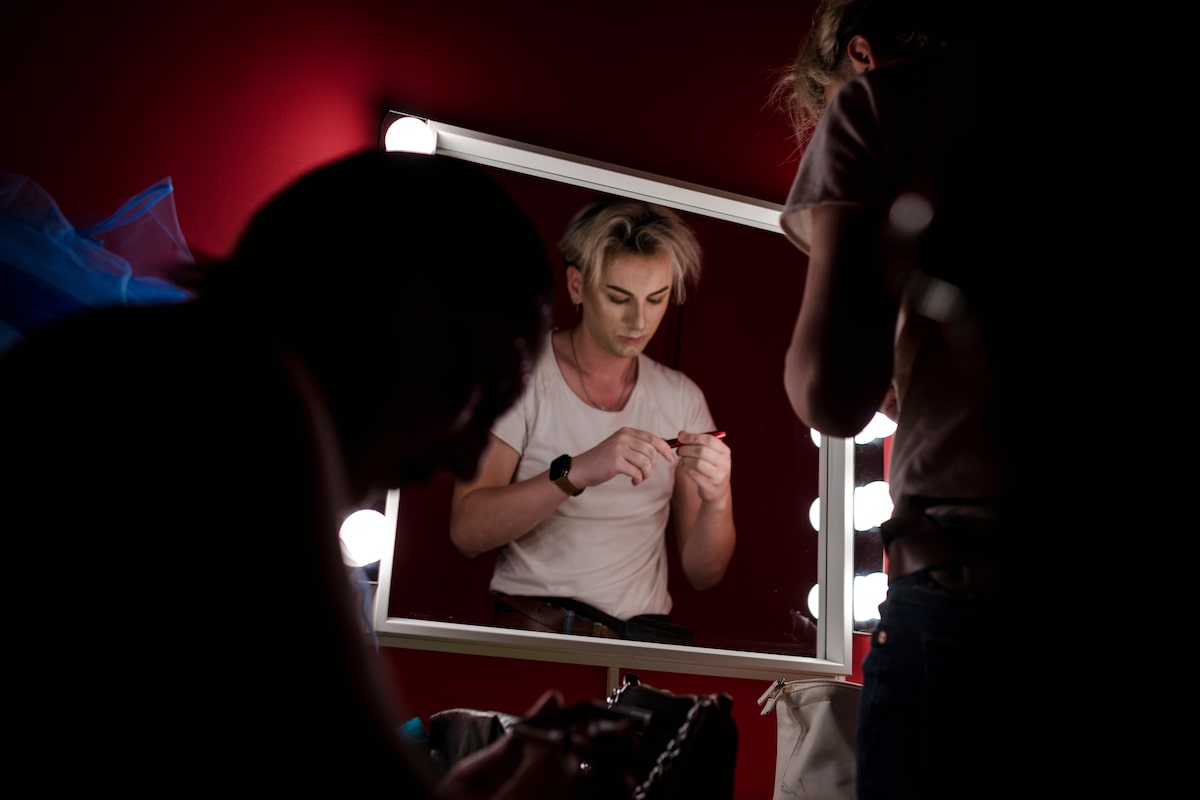
April 23: Grotezka, a drag artist from a small town in southern Serbia, gets ready for a show at Kulturni Centar Grad in Belgrade. The trip to the Serbian capital takes them three hours, but they do it whenever they can to find a safer place to perform drag.
May 14: It is the night of the Eurovision Song Contest final, and LGBTQ organizer Titta Foureira is playing host to a viewing party. The eventual winner is Ukraine’s Kalush Orchestra; Serbian contestant Konstrakta finished fifth, higher than expected.
May 21: Star Big Heart is at KC Grad for a show called Bad Reputation. They come often to support friends. Shows at this venue do not run as late as they once did, as the bar closes earlier.
July 15: XL Bar plays host to the first-ever Purple Party, celebrating the nonbinary community. Ezotera, left, and Dita Von BIl, right, are among the drag artists in the lineup.
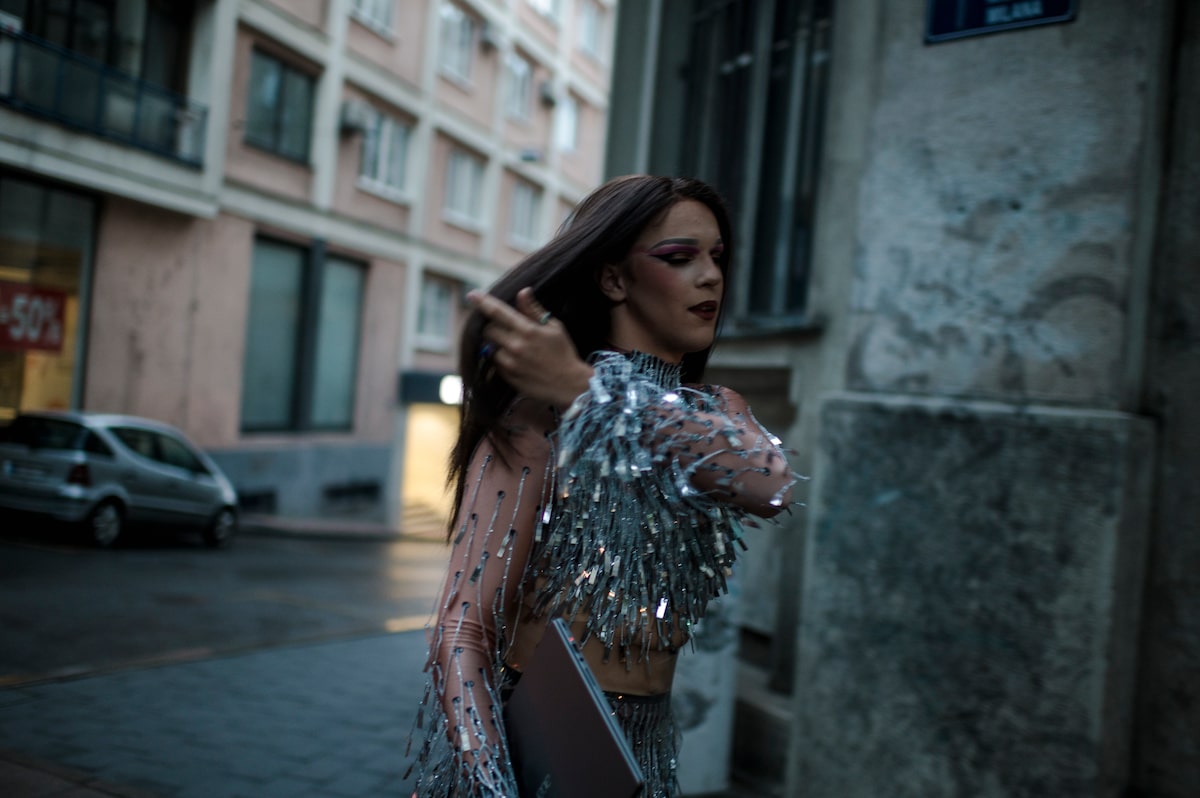
July 30, afternoon: Simona Gorge makes her way to XL Bar in full drag, sometimes hiding en route to avoid harassment. Half of her group got a cab to XL Bar, but on a day when heavy rain overloaded the taxi system, the driver refused to do a second run. Aside from a few looks, nothing happened.
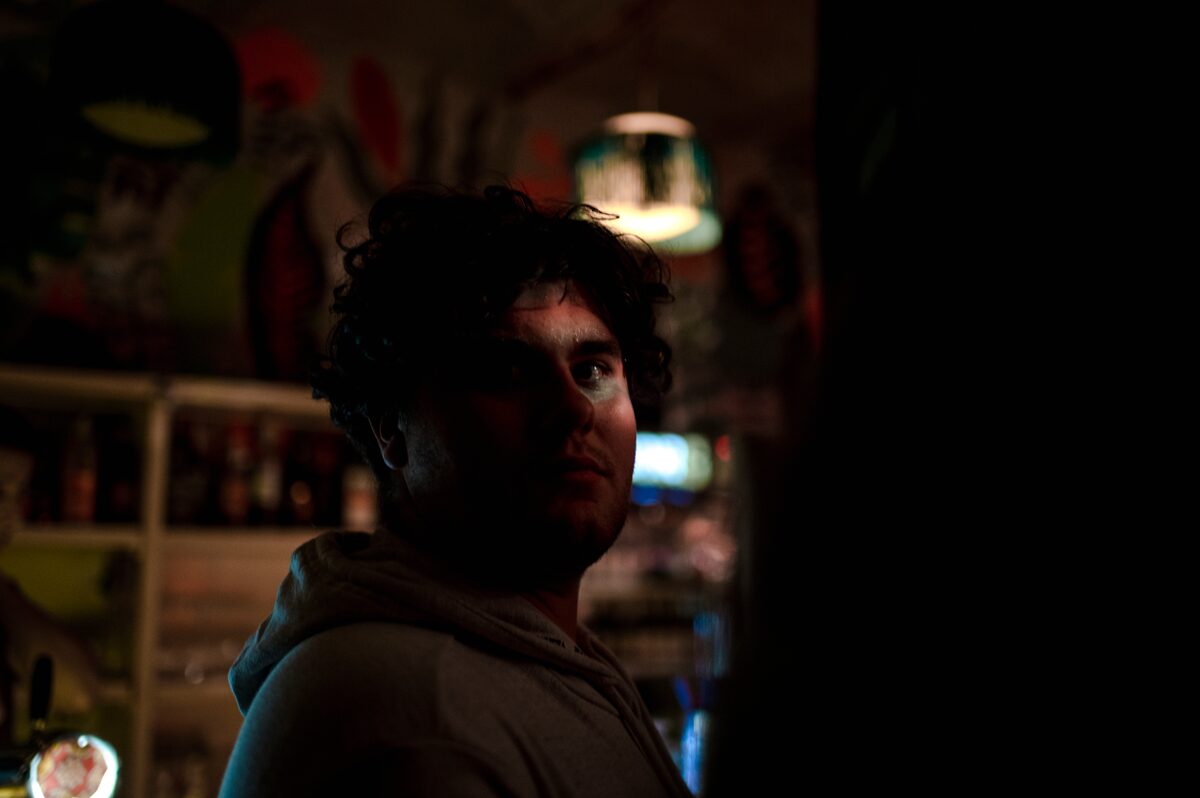
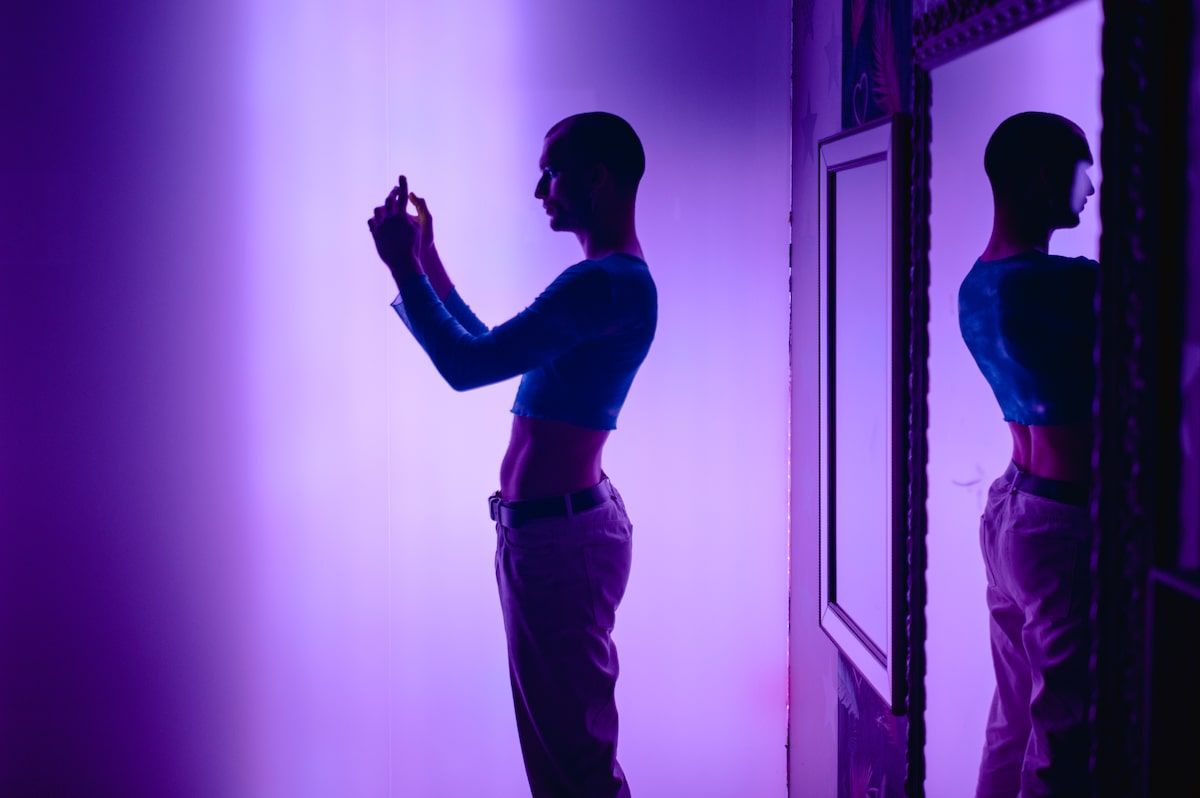
July 30, evening: Lazar, a volunteer at the Pride Info Center, takes a selfie during an intermission in the XL Bar drag show. He speaks openly about the times he has been attacked for being openly gay. At EuroPride, he helped greet people as part of a cordon to keep out religious protesters.
Sept. 11: A lity, or Eastern Orthodox procession, winds through Belgrade in support of ‘family values,’ which, to them, does not include LGBTQ people. The crosses they hold are normally used for graves. Some signs demand a ban on the promotion of homosexuality, similar to anti-LGBTQ laws in Russia.
Sept. 17, afternoon: Tijana tears up as she embraces Andrija Mitrovic, overwhelmed to see a familiar face. Mitrovic said he would not have come if not for the anti-LGBTQ furor leading up to that day.
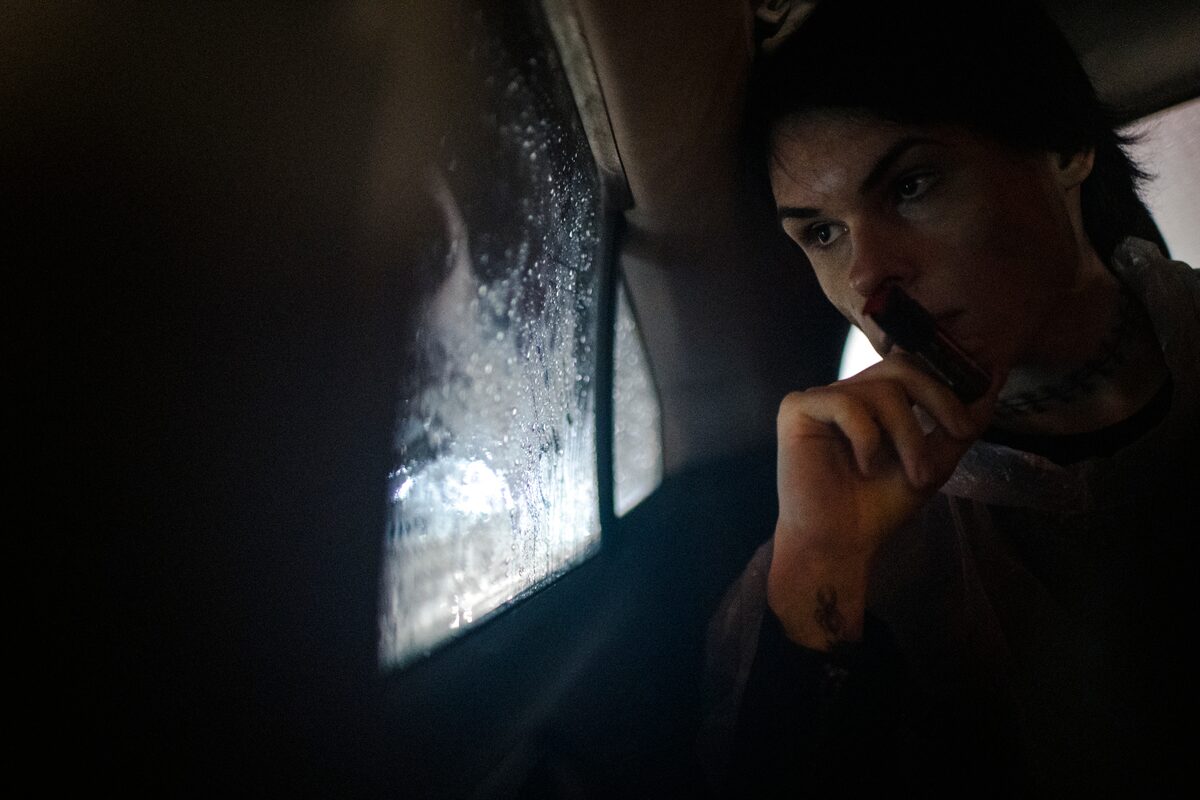
Sept. 17, evening: On the cab drive home, Mitrovic plays with a small bottle of pepper spray he kept for protection. It was briefly confiscated by security at the concerts, but he was glad to get it back.
Oct. 15: Lady Siren dances at Guvernanta Bar, where Tita Fourreira is hosting another event. Some recent slander had made Fourreira a pariah in the drag community, and she said she would have been happy if only her closest friends came. In the end, about 150 people filled out the tiny space.
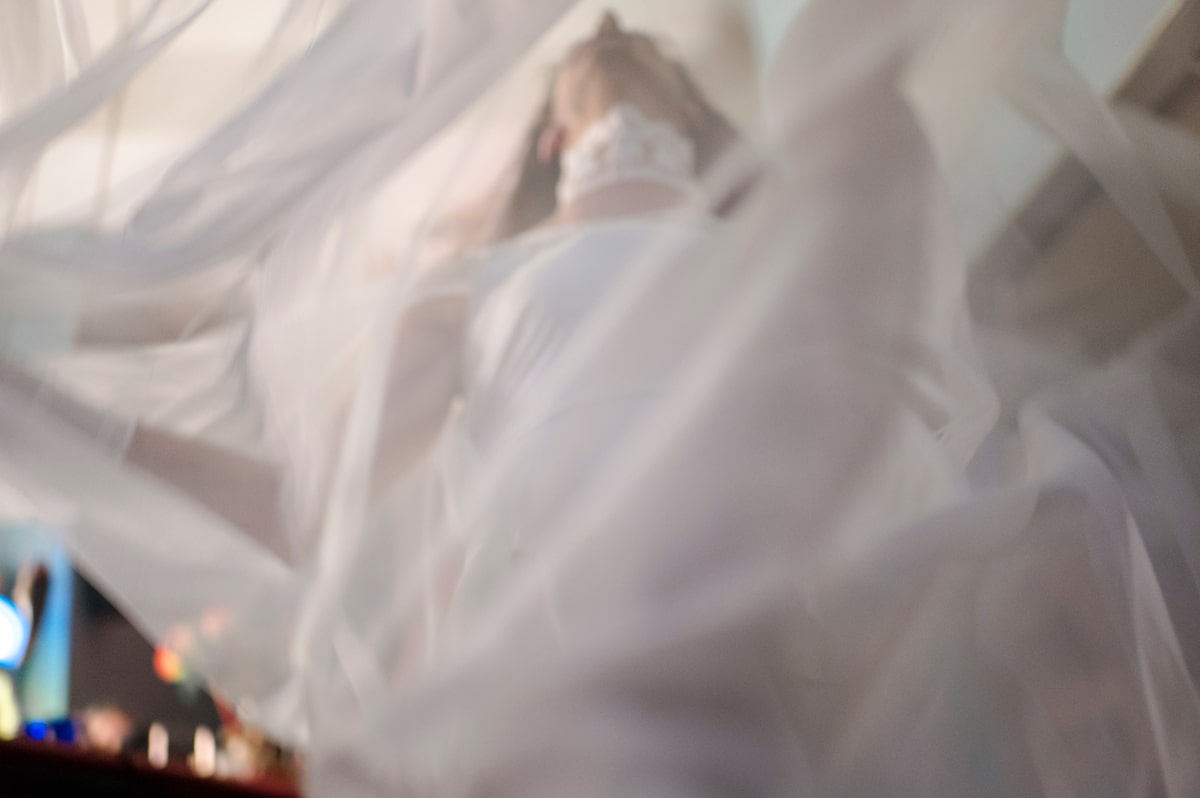
Oct. 15: Fourreira walks out on stage at Guvernanta Bar and dances under the veil of a handmade wedding dress. She had only begun drag performing six months earlier, and ruffled feathers for organizing parties as someone considered so new to the scene.
Nov. 5: Petar and Andrija cuddle at Zappa Barka during the Addams Family Values drag party. They met at EuroPride, though Andrija was disappointed to learn that Petar would later leave for Canada. The two have since broken up.

Follow related authors and topics

Authors and topics you follow will be added to your personal news feed in Following.

Interact with The Globe

Trending