World Wrestling Entertainment has a long history of making stars out of Samoan grapplers. Now the company should lead the fight for their wrestlers’ island home
Brian "Box" Brown
Special to The Globe and Mail
This article was published more than 1 year ago. Some information may no longer be current.
Brian Box Brown is the award winning and best selling cartoonist behind the ongoing Legalization Nation series as well as many books. This comic was made as part of the Graphix Project edited by Christian Clark.
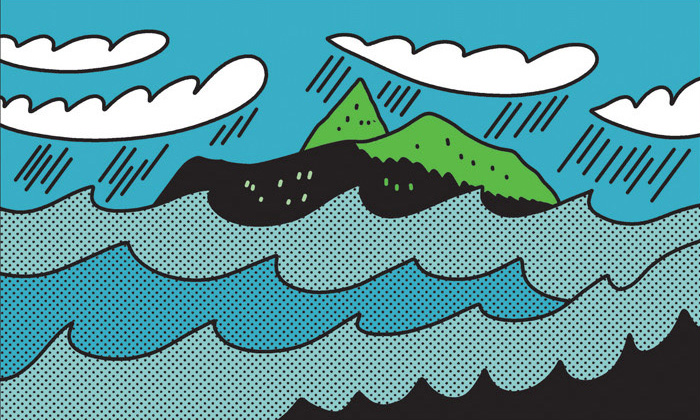
Small pacific islands like Tuvalu, Tonga and Samoa are canaries in the coal mine for climate disaster.
Intense storms threaten to swallow these islands whole and watching them disappear will be a prelude to further destruction.
By far the largest cultural connection Samoan culture has in North America is with the pro wrestlers in World Wrestling Entertainment, WWE.
For many decades they have highlighted characters with Samoan heritage. Just an endless parade of stars.
Samoa is disproportionately affected by climate change and its fate is in the hands of the largest emitters in the world: China, the USA, the EU, Russia and Brazil.
Without massive changes to large countries’ greenhouse gas emissions, these smaller nations like Samoa will be among the first to be wiped off the map by climate change.
WWE’s global enterprise relies heavily on practices that contribute to climate change. The company relies on frequent air and tractor trailer travel and the endless production of consumer goods.
Although WWE has taken some nominal steps towards sustainability, its environmental impact remains enormous and its efforts minuscule in light of its massive scale.
WWE’s response however is not necessarily an outlier. Despite significant changes in the intensity of the climate disaster in North America, the corporate community as a whole has not risen to meet the severity of what humans face.
WWE could be an unlikely leader on this issue, not just by changing their business practices but by using their storylines to raise awareness of the peril facing this tiny island that they’re heavily invested in.