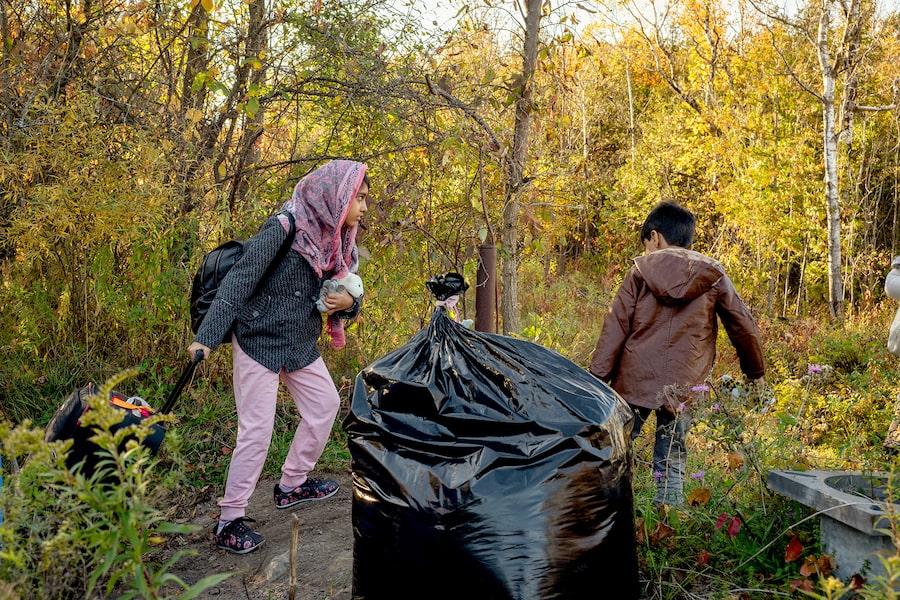
Ruth Kaplan is a documentary-based photographer who recently completed an exploration of the Roxham Road border-crossing straddling New York and Quebec. It included soundscapes from the site, interviews with asylum-seekers, and photographs of the diverse forces intersecting at this tiny spot. As well as exhibiting this work, it has been recently published in a book, Crossing. In addition to an extensive background in editorial photography, Kaplan has exhibited internationally with work in major Canadian and international collections and publications. She is a recipient of numerous grants and awards and currently teaches at OCAD University.
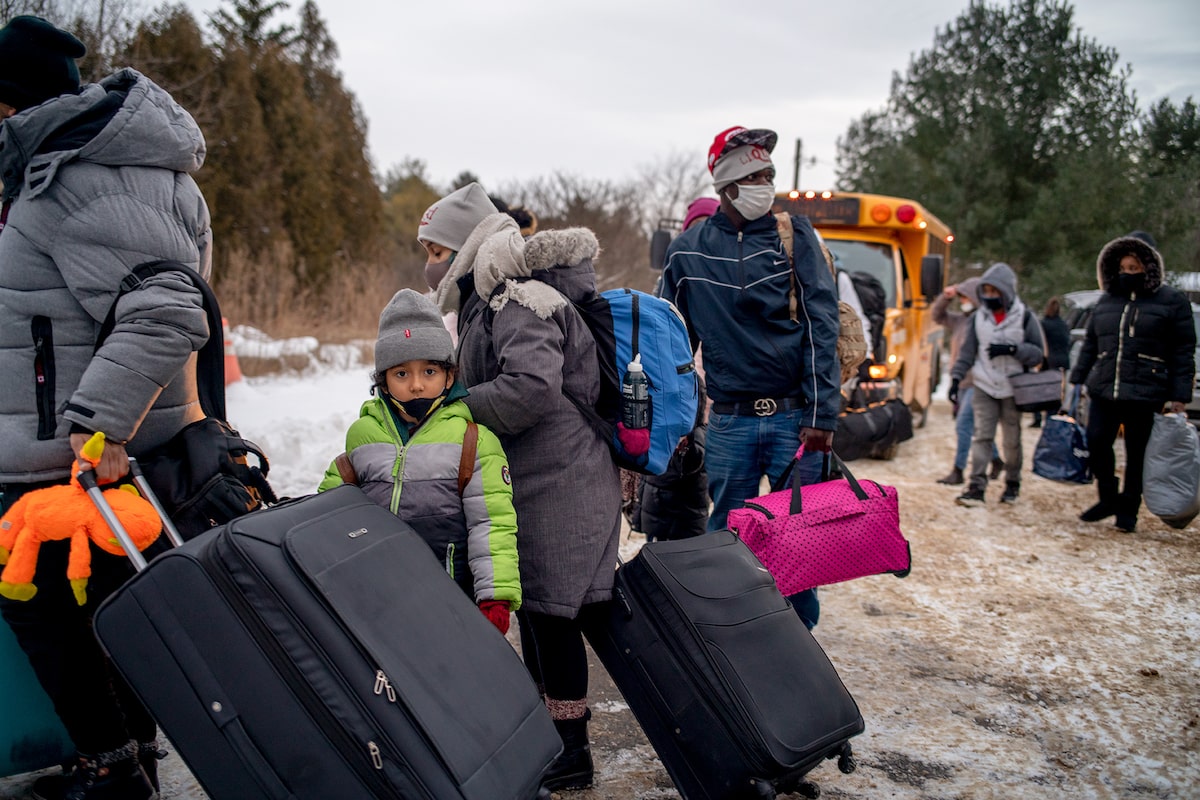
Roxham Road, a quiet country thoroughfare that straddles the Canada-United States border, became a popular crossing point for asylum-seekers trying to enter Canada, during U.S. President Donald Trump’s first term.
At the time, I had been photographing in refugee shelters in towns along the Canada-U.S. border, exploring the slow passage of time as people waited for their hearing dates. I thought that the Roxham Road border crossing might provide a more dramatic, unifying element within the broader themes of displacement and migration at the core of the work. In late 2018, I made the first of what would become a dozen trips to the area, until its closing in 2023.

Where migrants had been entering
Canada at an irregular border crossing
QUEBEC
Quebec City
Montreal
Ottawa
ONTARIO
VERMONT
Toronto
NEW YORK
Niagara Falls
100 km
Roxham Road
QUEBEC
James-Fisher Road
Irregular border
crossing
CANADA
U.S.
Roxham Road
NEW YORK
North Star Road
500 m
MURAT YÜKSELIR / THE GLOBE AND MAIL, SOURCE:
OPENSTREETMAP CONTRIBUTORS

Where migrants had been entering Canada at
an irregular border crossing
QUEBEC
Quebec City
Montreal
Ottawa
ONTARIO
VERMONT
Toronto
NEW YORK
Niagara Falls
100 km
Roxham Road
QUEBEC
James-Fisher Road
Irregular border
crossing
CANADA
U.S.
Roxham Road
NEW YORK
North Star Road
500 m
MURAT YÜKSELIR / THE GLOBE AND MAIL, SOURCE:
OPENSTREETMAP CONTRIBUTORS

Where migrants had been entering Canada at an irregular border crossing
Roxham Road
QUEBEC
QUEBEC
James-Fisher Road
Quebec City
Irregular border
crossing
CANADA
Montreal
Ottawa
U.S.
Roxham Road
ONTARIO
VERMONT
NEW YORK
Toronto
North Star Road
NEW YORK
Niagara Falls
100 km
500 m
MURAT YÜKSELIR / THE GLOBE AND MAIL, SOURCE: OPENSTREETMAP CONTRIBUTORS
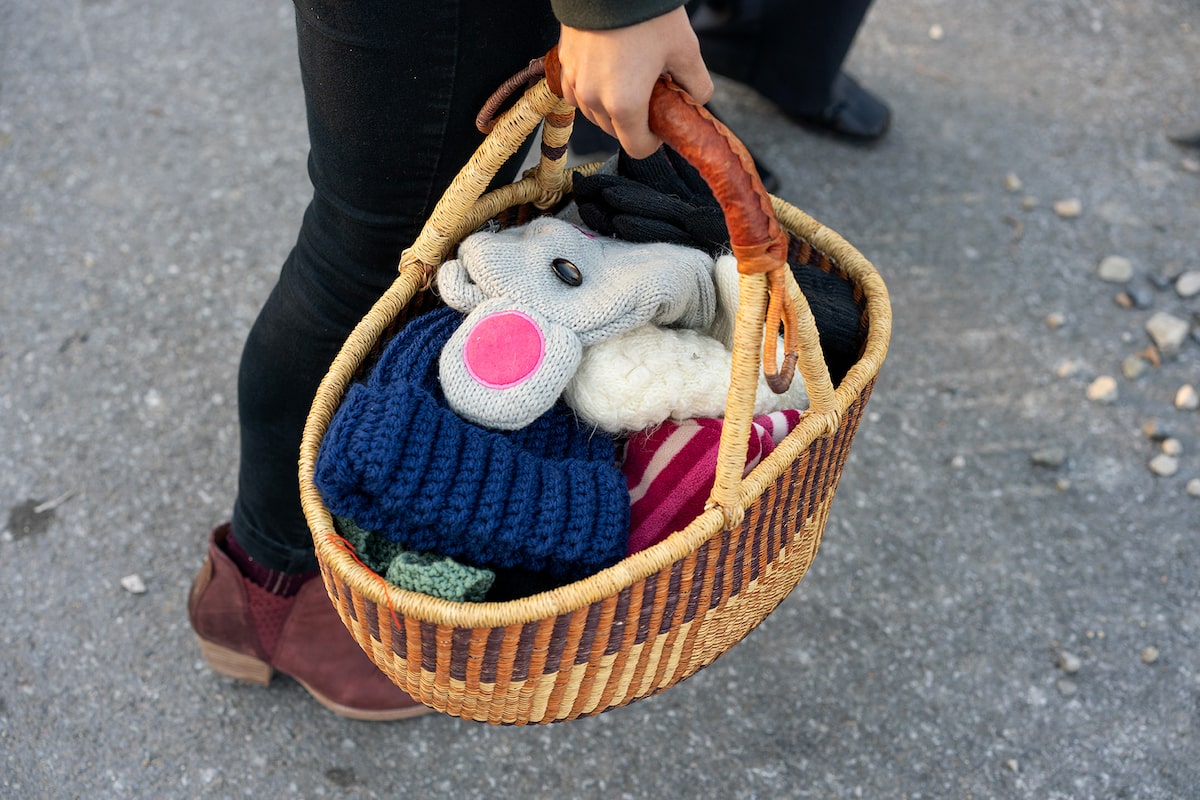
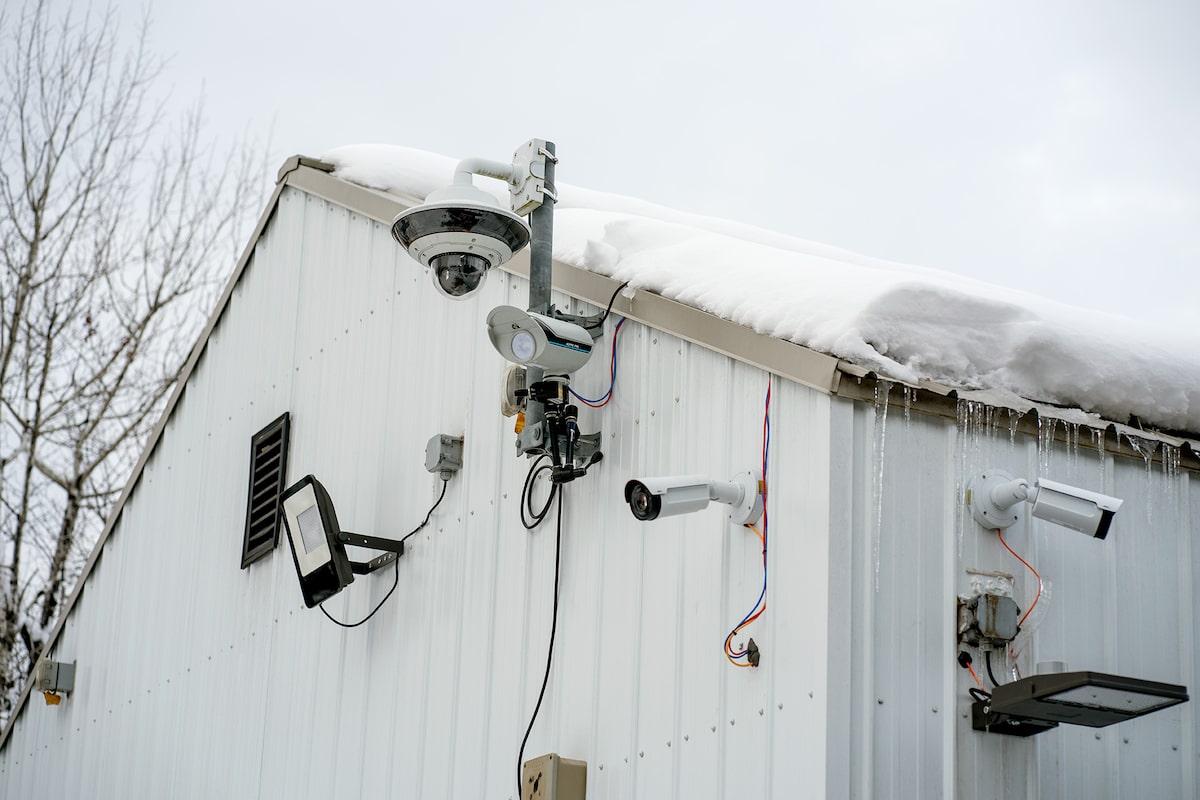
There were many strands that intersected to create the unique dynamics of the place: the Plattsburgh bus station (where most asylum seekers arrived, to get a cab to the border); the cab drivers who shuttled people to the site; Interstate 87, which connects Plattsburgh to the border; the north-country landscape; the committed volunteers, American and Canadian, who came to help refugees, offering hats, gloves, scarves; and of course, the Canadian border agents and the asylum seekers at the centre.
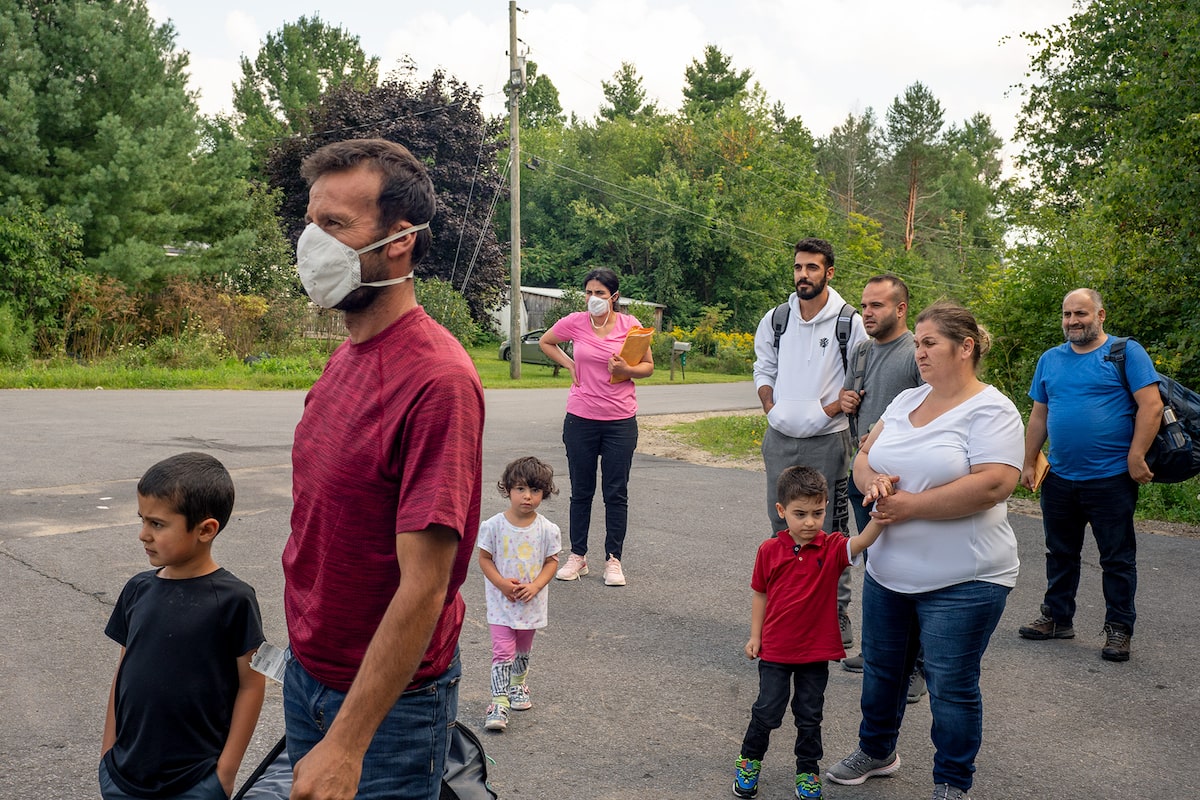
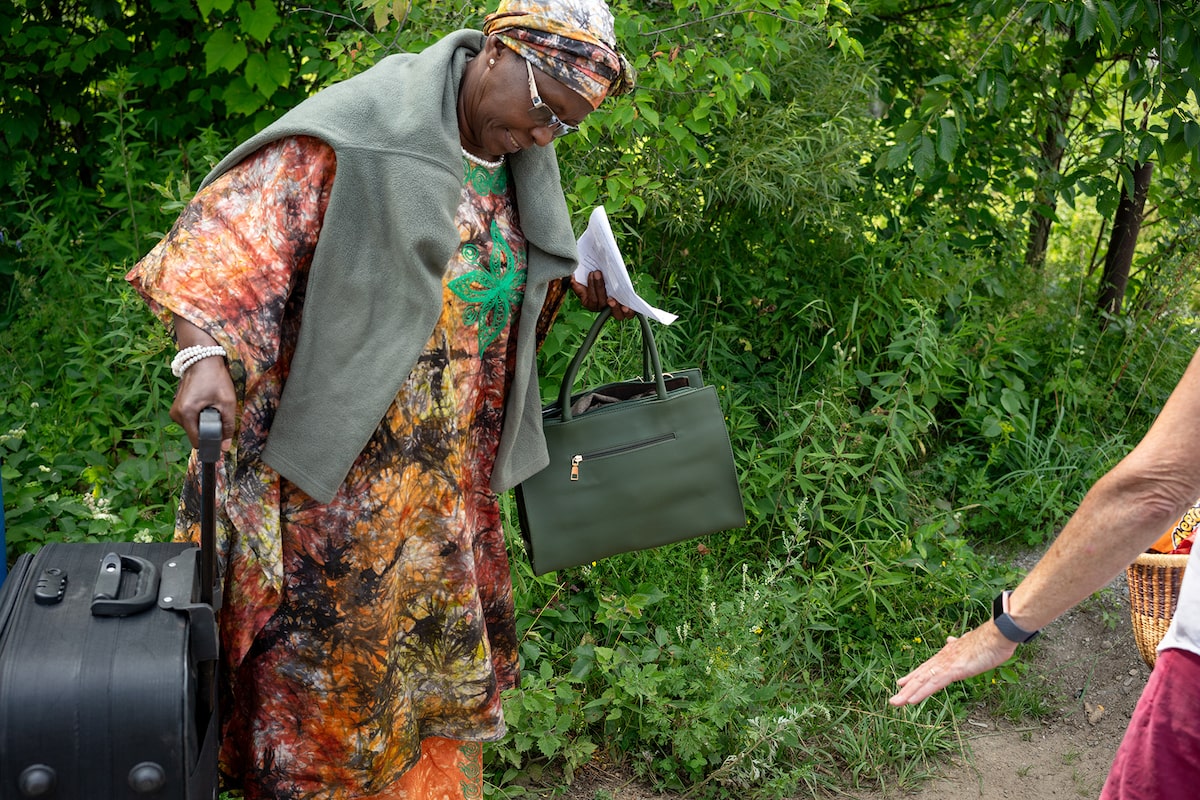
Unlike the time I spent with cab drivers and volunteers, my time with asylum seekers was minimal, as they were usually there for only about five minutes, focused on gathering their suitcases and papers. During the occasions when I joined them in the cab, if they agreed, we had a chance to talk, and I could try to help with general information and hear their story if they were interested in sharing. These half-hour rides gave them a chance to relax and prepare psychologically for the border authorities. That in-between time was spent quietly gazing out the windows with an underlying fatigue and tension.
My relationship to the scene changed over the years. Standing close to asylum seekers wasn’t the same as hearing about them on the news and this particular site was nothing like the southern border or other crossings depicted on various media with huge numbers of migrants at any given time. There was nothing epic about Roxham Road, making the whole experience much more relatable. In many ways, it was the opposite of the global migration theatre and less prone to eliciting polarized responses.

Discarded objects were sometimes found on the U.S. side of the site, before asylum seekers entered Canada. This is one of many similar handwritten papers found, written in Creole.
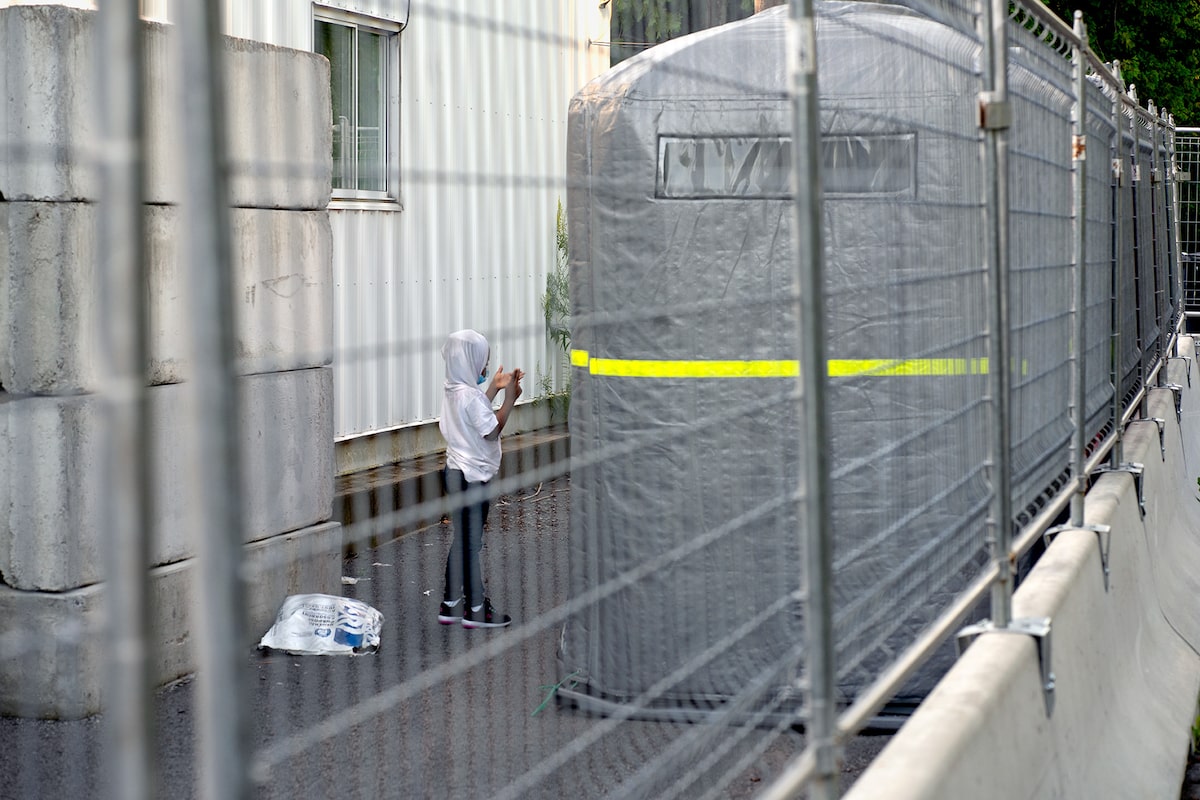
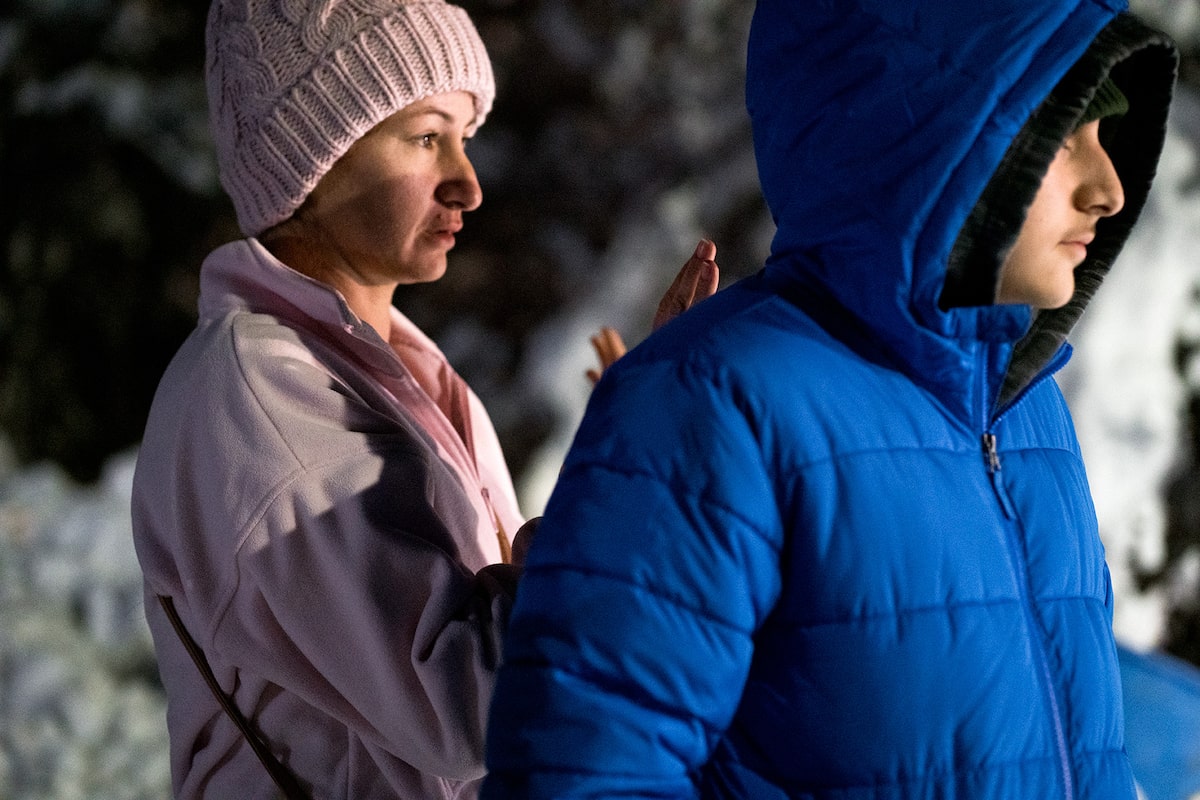
Unlike a lot of stereotypes in our current climate of fear, what I saw for the most part were people in a position of vulnerability showing resilience. The term refugee has its own fraught iconography but in reality, it’s a temporary situation, formative but not defining one’s life. The people and families I encountered were focused on what was coming next, navigating the many challenges and imagining a stable future, especially for the kids.
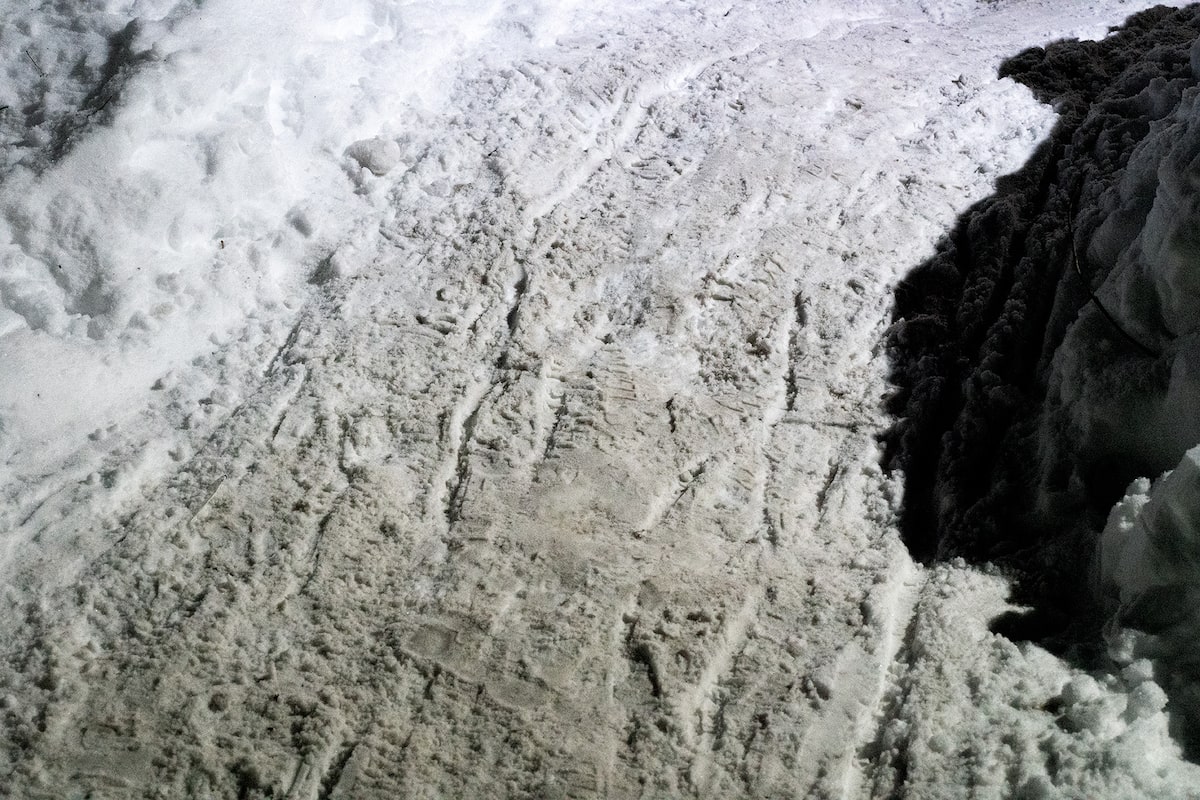
The systems in place to manage global migration are inadequate and in need of innovation. People will continue to seek a better life, but leaving this in the hands of traffickers, with families walking through woods and fields in deep snow, isn’t a solution. What I witnessed at Roxham Road was largely effective and safe.
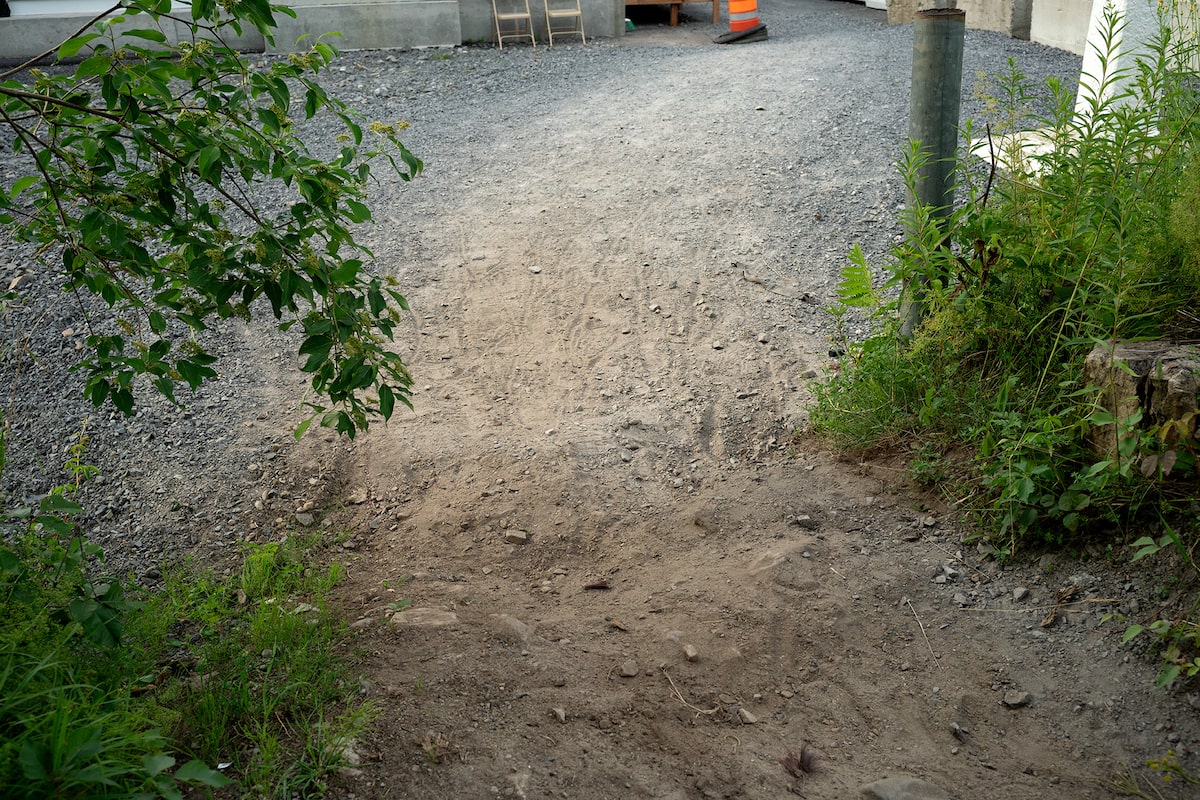
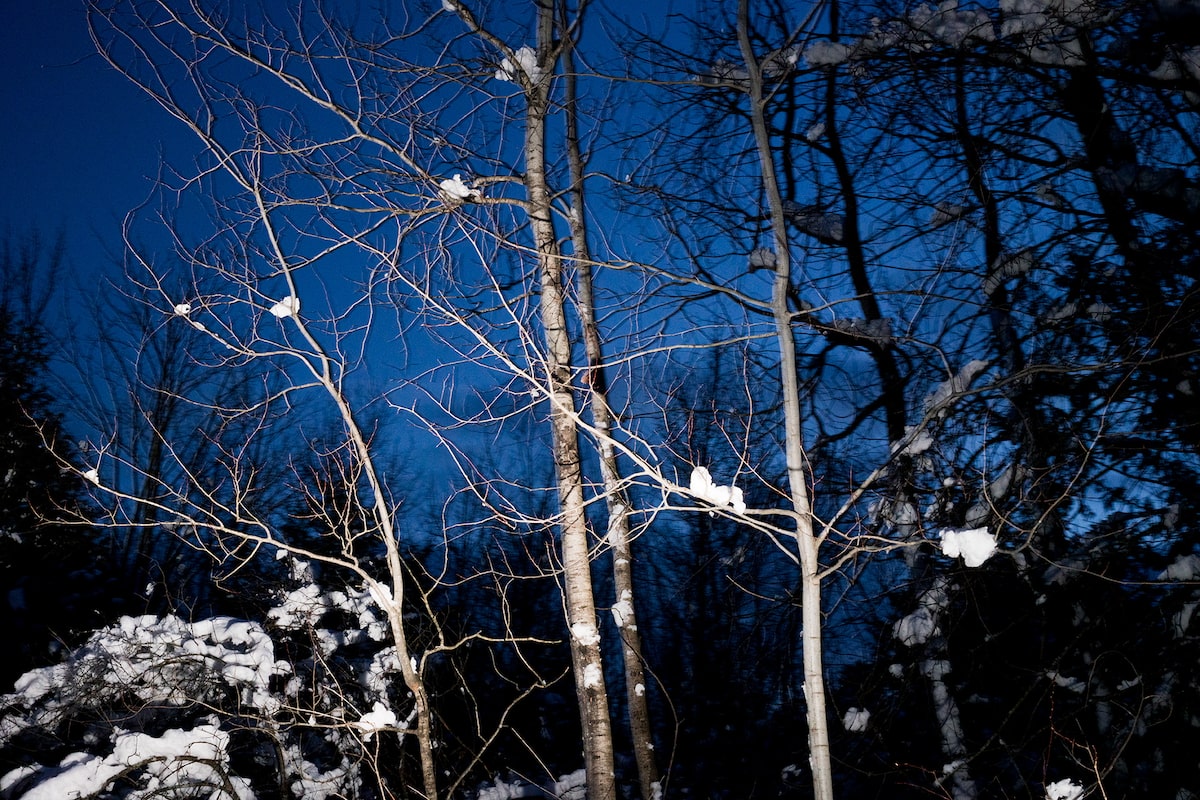
On my last trip to the site, the foliage was sprawling around an empty centre, no trace of what had been.





Beyond borders: More from The Globe and Mail
The Decibel podcast
In polls, Canadians used to broadly agree that ambitious immigration growth was a good thing. In 2024, that consensus crashed. To find out why, The Decibel asked professor Rupa Banerjee and Tony Keller, author of Borderline Chaos: How Canada Got Immigration Right, and Then Wrong. Subscribe for more episodes.
Pathways to Canada
Pilot program for transgender refugees allows them to change identity, name on arrival
Ottawa to fast-track permanent residency for up to 33,000 temporary foreign workers
Immigration Department experimenting with AI to advise newcomers on where to settle