
Ninety-nine years ago, Christmastime shoppers lingered before the displays of the Eaton’s store in downtown Toronto. “On a pre-Christmas afternoon – the purple twilight shattered with shafts of rosy light gleaming from a thousand meteor-lights illuminating the shopping district of the city – men and women, boys and girls loitered in the glare, finding appeal in the magnificence of the Yuletide exhibit,” as a Globe article put it.
The Globe, as it was then known, captured that scene in December, 1926, as shoppers admired pearls, pumps, shawls and “a Yuletide table agleam with silver and cut glass.” Such scenes lit up Canada’s big cities for more than a century – thanks to the department stores that for generations both dominated the country’s retail scene and served as the centres of their downtowns. Eaton’s, Simpsons and the Hudson’s Bay Company were goliaths; at one point in the early 20th century, the three companies brought in 14 per cent of the nation’s retail sales.
Those days are gone. The last of those three, Hudson’s Bay, went out of business this year. After filing for creditor protection in March, the Bay was forced to liquidate all its stores, laying off thousands. This was the death of an institution once central to Canadian life — one that helped shape not just shopping habits but collective rituals and the rhythm of our cities.

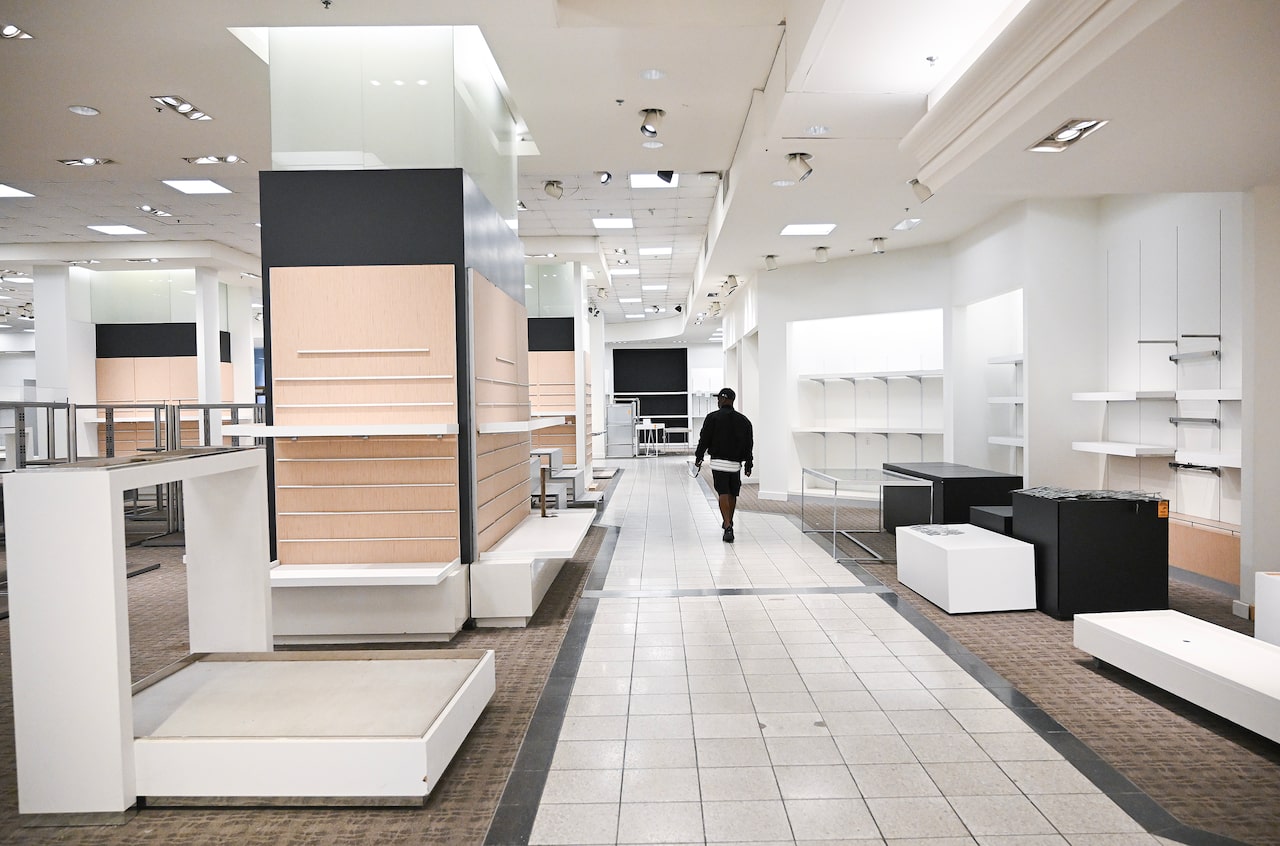
The shells of Hudson’s Bay stores now sit empty in central Toronto, on Granville Street in Vancouver and on Rue Sainte-Catherine in Montreal, waiting for a new life. What will reinvigorate them? This is a question not only for retailers and landlords but for city planners and citizens alike. Department stores were urban institutions, and today’s central cities need something to replace them.
These stores played a strong symbolic role. Following their counterparts elsewhere, starting in Paris in the 1850s, they were stages for the wonders of modernity: electric light, elevators – and even forced-air heating, for your comfort in the dead of winter.
They were also meeting places for people of different classes and backgrounds. As a Globe article in 1899 put it, those who walked to the store and those who swept in on carriages were “all on a par, and that par is cash.”
In the month of December, those different classes could enjoy a dose of magic. The biggest displays in the country were the competing windows of Eaton’s and Simpsons on Yonge Street in downtown Toronto. Artists spun up model Santas, or Nativity scenes with spinning wise men. There were always moving parts to catch young eyes. (In that 1926 Globe article, a little boy gleefully watched an elephant march with a polar bear on his back.) Eaton’s even started the world’s first Toronto Santa Claus Parade in 1905.


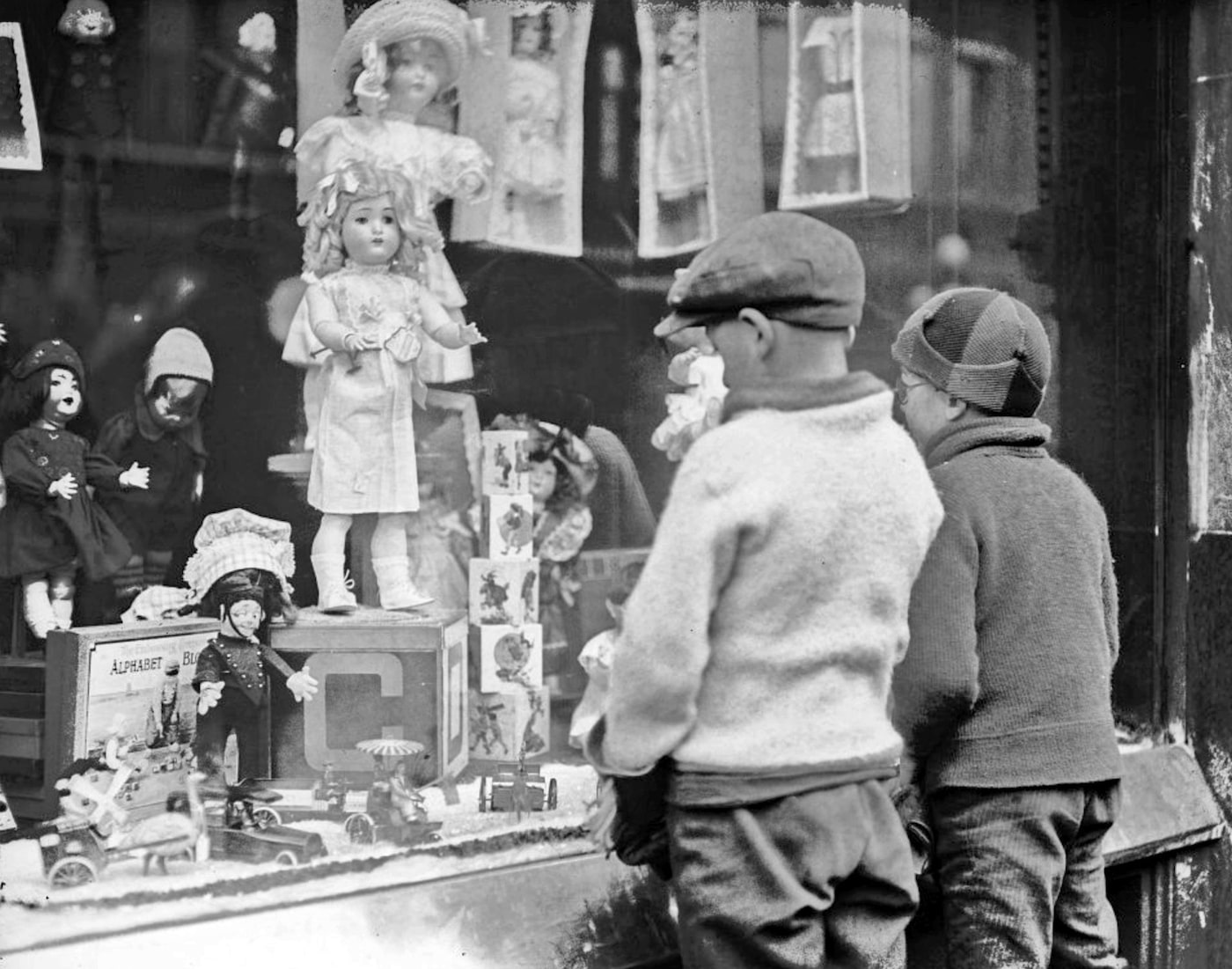
All this was meant to sell the merchandise inside, but it also enlivened the sidewalk. The display windows blurred the line between commerce and public space. They provided interest and activity along the fringes of these behemoth buildings; they spurred other merchants to step up their merchandising, which became a profession.
Indoors, these were places to fantasize over luxury goods, to eat cheaply or eat well – and, for thousands of people, they were places to work, sometimes in harsh conditions. At Eaton’s, manufacturing and shipping operations were all part of the same vast complex. These places were part of the city, shipping and receiving, selling and serving.
Their decline began in the postwar period, as the suburbs sprang up and many Canadians reorganized their lives around the car. Kids encountered Santa Claus at fluorescent-lit shopping malls instead.

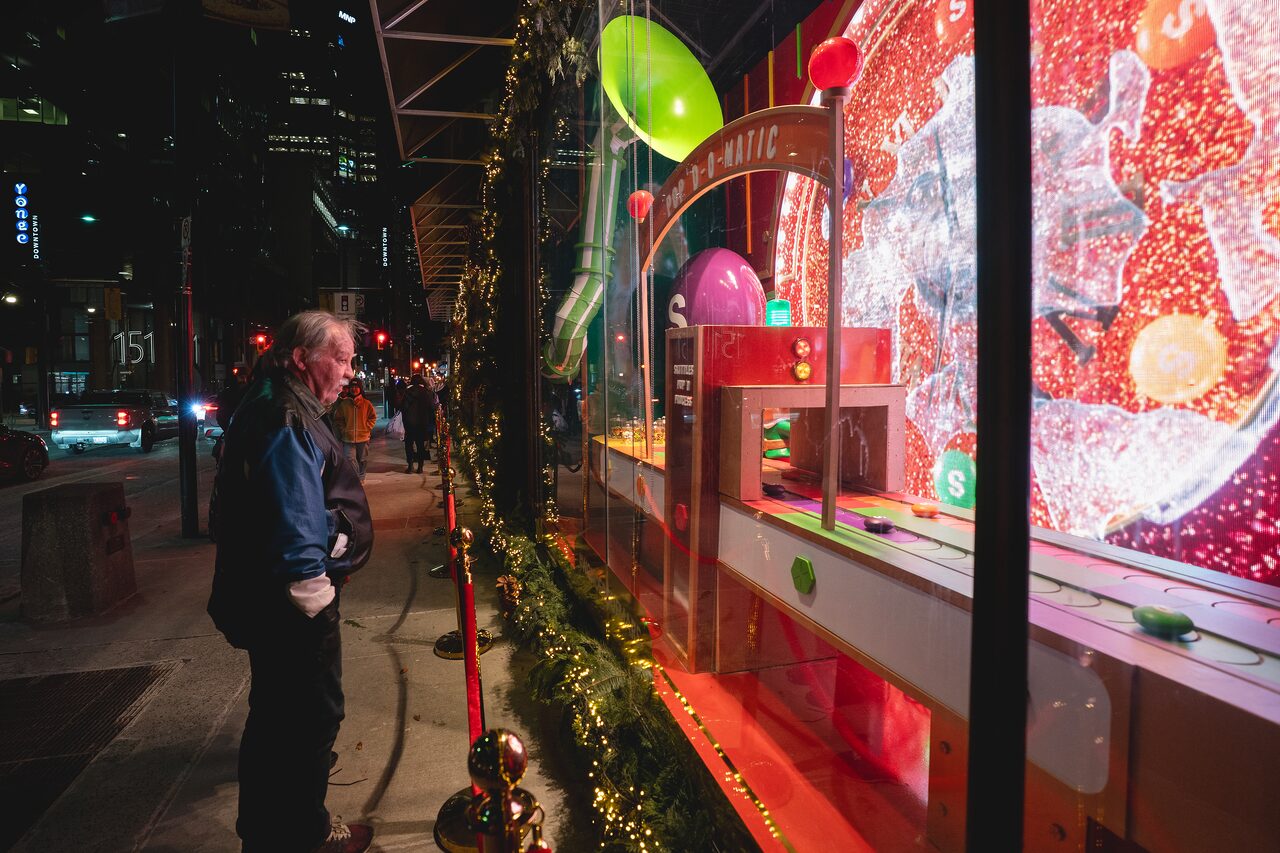
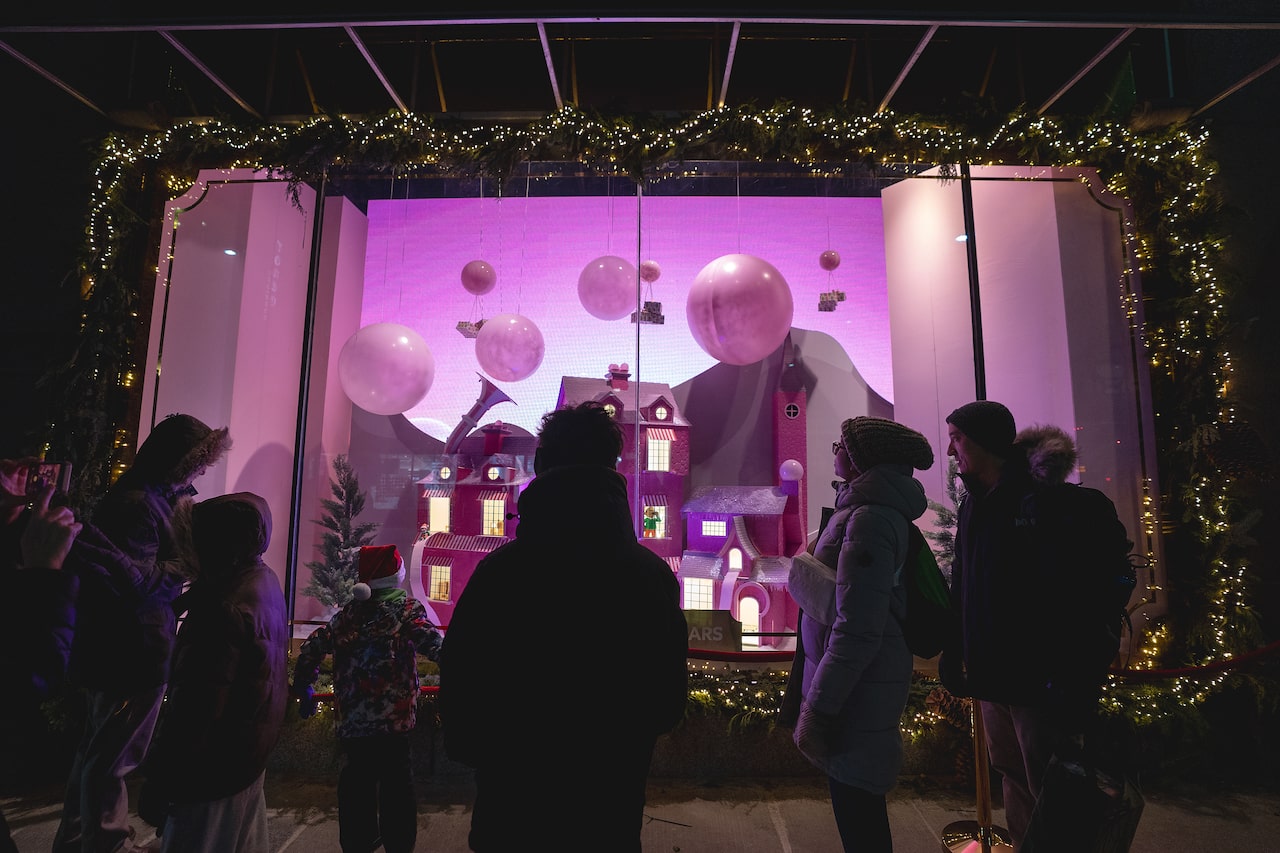
To be clear, the 1920s aren’t coming back. Cities evolve. This month, the old Simpsons-Bay store in central Toronto has its display windows lit up for a whimsical display by a candy manufacturer. It’s a sign that the tradition of Christmas windows is still in living memory. But marketing activations don’t make a city. Behind the windows, these stores were pivot points in the urban landscape, sites where commerce and public life once overlapped. Their empty floors, haunted by ghosts of holiday pageantry, demand new civic purpose.
Some Canadian cities are experimenting. Downtown Winnipeg’s Hudson’s Bay store, nearly an entire block of downtown, is being repurposed by a First Nations-led initiative to mix housing, health services and cultural space. While the project has faced obstacles, it demonstrates that the approach is sound.
Such large buildings will inevitably need to be divided up and physically transformed. Housing should be part of the mix, bringing people to live in what have been largely commercial areas. Atriums can be carved out, towers added on top.
The buildings themselves – big, brawny structures that we would never build today – present possibilities. The New York Public Library transformed a century-old department into the Stavros Niarchos Foundation Library, which offers a generous collection of books, comfortable third space for students to do their homework, excellent public art and a spectacular rooftop terrace that houses cultural events and starstruck tourists alike.

The former Hudson's Bay flagship store in downtown Winnipeg, seen in 2022, is being repurposed by a First Nations-led initiative to mix housing, health services and cultural space.JOHN WOODS/The Canadian Press
Our cities need such spatial creativity and the money to back it up. These buildings are in danger of languishing as their owners figure out what to do with them, and such dead spaces can weaken an entire area. In the 21st century, our downtowns remain important places for work, culture and simply coming together. Imagine a ground-floor restaurant and café, alongside a generous coworking space, next to a civic gallery. Pickleball courts could take over the loading docks. Upstairs, classrooms and studios could sit behind historic facades.
The past can be reimagined, but it cannot be replicated. In December, some part of each of us is a kid who wants to look at bright lights, covet some toys, and feel the warm embrace of a larger community, the real source of that holiday magic.
But the goal here should not be mere historic continuity; it should be to harness these buildings’ scale and location to suture the city back together.
The Sunday Editorial
Trump’s break with the post-war order is a direct shot at Canadian sovereignty
Three ways to worry about Canada’s surging debt
Alberta’s (welcome) healthcare heresy